

A cotton boubou-style dress and a woven-cotton cushion cover serve different purposes, but at Vestiaire Original they belong to the same selection. The Cotonou concept store brings together clothing, leather sandals, home textiles, and decorative objects, proposing a connection between what people wear and the spaces they inhabit. Its retail identity begins with that relationship, not a single product category. Morayo Ossé stands behind the store, identifying herself professionally as its founder and the creative director of Atelier V.O. The distinction matters: Vestiaire Original is the retail setting. At the same time, Atelier V.O. is a clothing label that grew out of it. Their relationship makes this more than a story about a shop stocking attractive objects. It also shows selection and design developing within the same enterprise.
How Morayo Ossé’s Vestiaire Original brings clothing, woven home textiles and craft together in Cotonou, alongside its connection to Atelier V.O.
A Store With a Material Direction
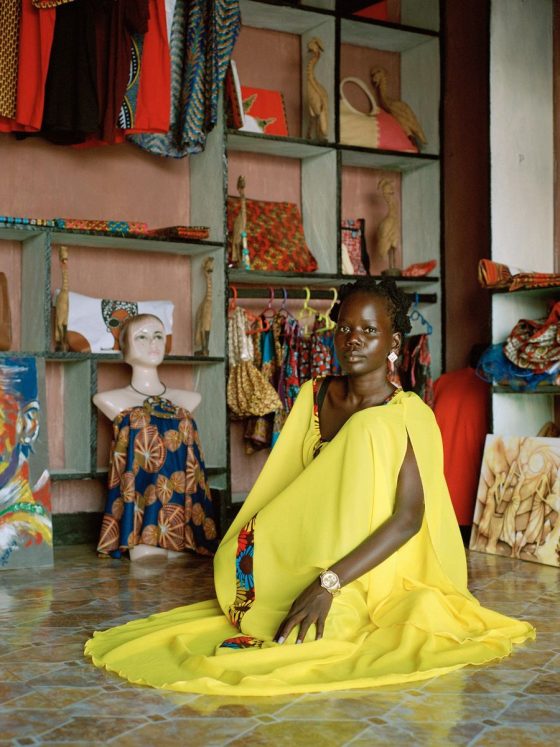
Vestiaire Original occupies a villa in Camp Guézo, a central Cotonou neighbourhood. Its own account describes the building as stylistically dating from the 1950s or 1960s and says the shop has been there since 2019. The current website lists the address as Villa 276, rue Caporal Al Anani. The store’s public identity spans clothing, homeware, and craft. Its company description presents a selection of Beninese and other African brands, including fashion, cosmetics, cultural objects and food products. The current homepage is more tightly focused on clothing and home objects made in Benin.
That distinction between the broader concept and the current assortment is useful. The store is not limited to an atelier’s seasonal collection, but not every category needs to be present at all times. Its identity depends on the choices connecting what it carries. An independent account helps create that connection. In its April 2025 feature on Benin, Harper’s Bazaar France described Ossé’s interest in the country’s textile history and her work with artisan families. It paired restrained cotton clothing with jacquard home textiles, beauty products, and pottery. The organising idea is material-led: textiles and objects are presented as components of contemporary life, rather than confined to separate fashion and souvenir categories.
When the Retailer Becomes a Designer
Atelier V.O. adds a second dimension to the story. The label’s origin story dates its creation to 2020 and links its beginnings to questions from customers at Vestiaire Original. Independent coverage from June 2021 makes the relationship explicit. In announcing Atelier V.O.’s selection for the Ethical Fashion Initiative’s Designer Accelerator, BellaNaija Style identified Ossé as founder and designer and described the label as created by Vestiaire Original. This is the clearest business development in the available record: a concept store became the setting from which a clothing label emerged. Retail and design were connected rather than operating as entirely separate activities.
The distinction also clarifies the names customers encounter. Vestiaire Original, or Concept Store V.O., is the retail identity. Atelier V.O. is its associated clothing label. The current catalogue additionally credits Maison V.O. on home products and H OF AFRICA on a textile decoration. Those names should remain attached to the relevant objects rather than disappearing beneath the store’s umbrella.
Clothing and Home Textiles in One Selection

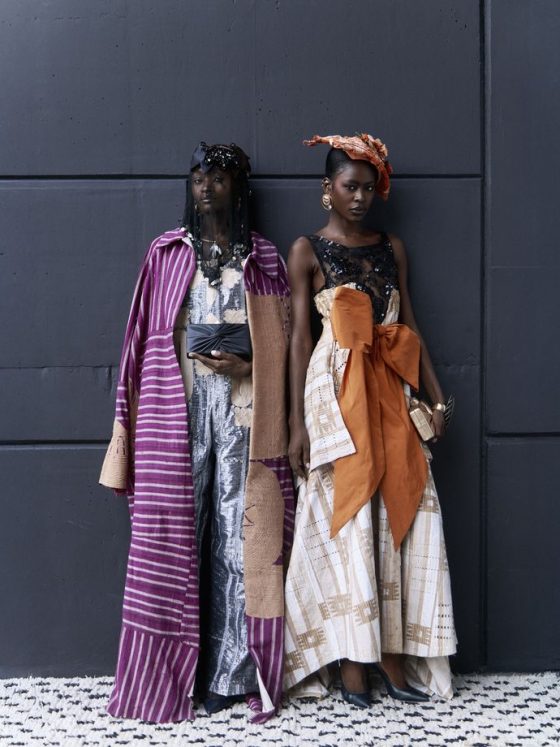
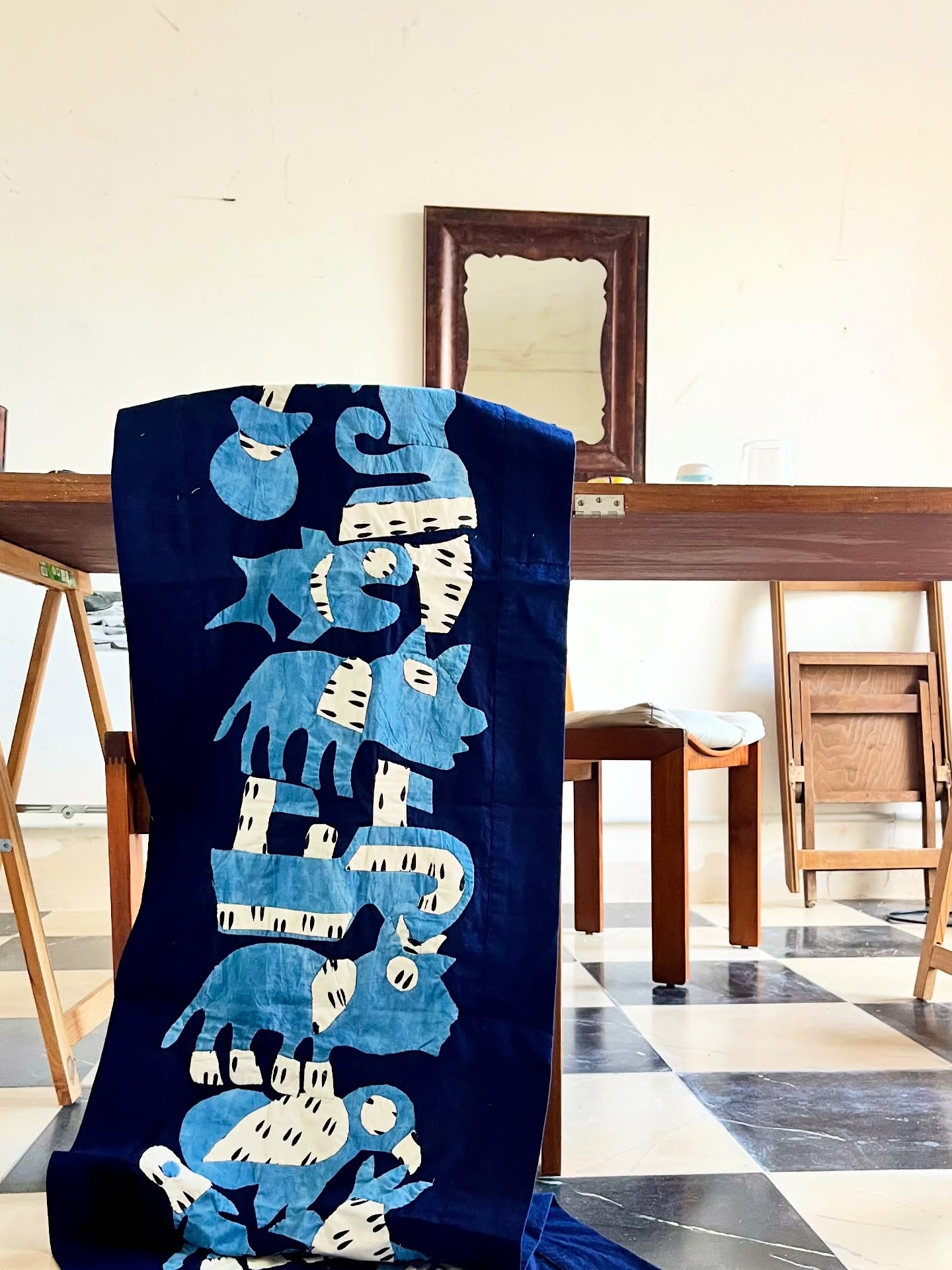
The Sarah dress provides a straightforward example of the wardrobe offer. Listed as a cotton dress in a boubou style, it brings a recognisable garment category into the store’s contemporary selection. Nearby in the online catalogue, a Maison V.O. cushion cover is described as woven cotton. The connection is not that the two products are interchangeable. Rather, cotton appears in both personal dress and the domestic environment. This selection lets customers encounter the material in different ways. Leather footwear introduces another register. Atelier V.O.’s Issilo and Alex models are listed as gladiator-style sandals, while Bienvenu is a leather slip-on. Together, they extend the offer beyond textile garments without abandoning the emphasis on everyday objects.
These examples give the store’s broad “art de vivre” description substance. A dress, a sandal and a cushion cover can belong to one retail proposition while retaining their different functions. On the euro-denominated version of the website reviewed for this article, the Sarah dress was listed at €245, the woven cushion cover at €40 and the Bienvenu sandals at €50. These examples place the assortment at several purchasing levels without turning the article into a price catalogue. For the wider material context, Omiren’s examination of Benin’s cotton and fashion identity considers the relationship between the crop and clothing. Vestiaire Original brings that discussion to a specific commercial setting: finished products selected, described and offered to customers.
Cotton Beyond the Shop Floor
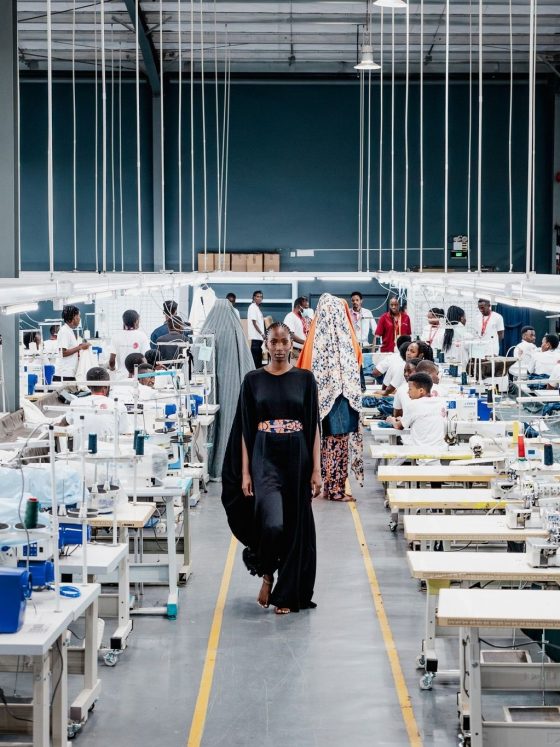
Atelier V.O.’s material direction also appears outside the store’s own communications. The International Trade Centre identified Stéphanie Morayo Ossé and Atelier V.O. among the designers participating in the 2024 World Cotton Day fashion show in Cotonou. Its account described the label’s use of Beninese cotton and craft techniques, including vegetable dyeing. That record supports a more precise account of the associated label than a general claim about African craftsmanship. The label names cotton and dyeing as parts of its practice. They should not, however, be treated as technical descriptions of every product sold at Vestiaire Original. A leather sandal, a cotton garment and an independently credited textile object each require their own product information.
The distinction strengthens the profile. The store’s role is to bring different forms of making into conversation; it does not need to make them identical.
The Objects Have Their Own Histories
The homeware selection broadens the story beyond clothing. Harper’s Bazaar’s 2025 report described jacquard textiles woven on traditional looms and pottery from a women’s cooperative in Sè. These references point to specific processes and producing communities, not simply a general category of decorative craft. They also show why attribution matters to the store’s proposition. Knowing where an object comes from and who produces it changes the information available to a customer. It connects appearance with a making history. The current website continues to identify suppliers on individual listings, including Maison V.O. and H OF AFRICA. That is a useful starting point for distinguishing the retailer’s selection from each product’s authorship.
The strongest version of this retail approach preserves those distinctions. Coherence need not mean anonymity: objects can share a setting without losing the names and places behind them.
Camp Guézo and the Online Customer

Vestiaire Original operates through both its Cotonou address and an online shop. The website displays product descriptions, prices and ordering functions, and advertises delivery to Benin, France and the European Union. The digital offer gives the selection a second setting. Products encountered together in the concept store can also be browsed through named categories and individual listings. For a business connecting clothing and craft, that presentation is part of the work. The customer needs to understand not only an object’s appeal but also what it is, how it is used and which label stands behind it.
The Omiren Argument
Vestiaire Original’s clearest distinction is the continuity it proposes between wardrobe and home. Cotton clothing, woven textiles, leather sandals and decorative objects are brought into one selection without being reduced to the same product.
Its relationship with Atelier V.O. strengthens that proposition. The store is not only a destination for finished goods; it is also the context from which a design label developed. The most compelling story is that movement between choosing, making and selling, and the opportunity it creates to keep makers visible within a coherent retail identity.
Also Read:
- GDIZ and the ‘Made in Benin’ Dream: Inside Africa’s Most Ambitious Fashion Supply Chain
- Omiren Index: Independent Fashion Retailers and Showrooms to Watch
- Cotonou After Dark: The Street Style No One Is Covering
- Building Local First Is How African Fashion Brands Earn the Right to Expand
Frequently Asked Questions
Who founded Vestiaire Original?
Morayo Ossé identifies herself as the founder of Vestiaire Original and the creative director of Atelier V.O. The store occupies a villa in Camp Guézo, Cotonou, where its own account says it has been since 2019. The article relies on her self-description and independent coverage that names her as the founder and designer of Atelier V.O.
Is Atelier V.O. the same as Vestiaire Original?
They are connected but serve different roles. Vestiaire Original is the concept store; Atelier V.O. is the clothing label it created. Atelier V.O.’s origin account dates its creation to 2020 and links its beginnings to customer questions at the store. The current catalogue also credits Maison V.O. and H OF AFRICA on specific products.
Where is the store?
Its listed address is Villa 276, rue Caporal Al Anani, Camp Guézo, Cotonou, Benin. Camp Guézo is a central Cotonou neighbourhood. The store’s own account describes the villa as dating stylistically from the 1950s or 1960s. The website also runs an online shop.
What can customers buy?
The current online selection includes cotton clothing, leather sandals, woven home textiles and decorative objects. The website also offers online ordering and advertises delivery to Benin, France and the European Union. On the euro version reviewed for this article, the Sarah dress was listed at €245, the woven cushion cover at €40 and the Bienvenu sandals at €50.