What do you do with a personal fashion collection that has been sitting in an archive for years? Hande Yener, the Turkish singer-songwriter who has spent more than 25 years building one of the most visually distinct identities in her country’s music industry, decided the answer was straightforward: give the clothing a new lease of life. The result is STAR Gene, a retail and cultural concept that opened at Herenstraat 32 in Amsterdam, and which is now also available online across Europe.
STAR Gene is not a conventional fashion boutique. That distinction matters because Yener has been deliberate about what it is instead. The space at Herenstraat 32 functions as a combination of retail, a living fashion archive and a gallery. Visitors can browse Yener’s personal wardrobe pieces alongside rare designer vintage, curated pre-owned items and, in the gallery section of the space, paintings by artist Ekin Akış and sculptures by Merve Öztemel. The styling team is on hand to help translate pieces into a personal look. Buyers receive a signed letter from Yener with their purchase.
Prices run from approximately €20 to €12,000, depending on the piece’s brand, rarity, history and condition. That range is deliberate. Some items in the archive are stage costumes from specific performances or pieces worn in music videos. Others come from Yener’s everyday wardrobe and are available at more accessible price points. This diversity ensures visitors can find something that suits them, whether they arrive as collectors of Yener’s career objects or simply as people who like the clothes.
Hande Yener has opened STAR Gene at Herenstraat 32 in Amsterdam: a retail and cultural concept that puts her personal fashion archive back into circulation, alongside rare designer vintage and pieces from her everyday wardrobe.
Why Amsterdam and Why Now?

Yener chose Amsterdam with some care. The city’s international character, creative culture and individualistic reputation aligned with the kind of space she wanted to build. The Netherlands also holds personal significance for her. Within Amsterdam, she chose Herenstraatsen for its specific character: a street of independent boutiques, galleries, and historic canal-house architecture that would allow STAR Gene to feel, in her own description, like a discovery rather than a destination on a fashion tourism route.
The timing reflects a broader shift in how Yener understands the relationship between her music career and the visual identity she built alongside it. Her fashion archive began accumulating in the early 2000s, and the collection documents successive changes in image and style across more than two decades of performances, music videos and public appearances. The archive is not a costume collection in a theatrical sense. It records how she presented herself across the full span of her career, making it a different kind of object from a wardrobe assembled for display rather than use.
‘I have always loved the idea of recycling and giving new meaning to existing things. I find looking at what we already own from a new perspective far more creative than constantly consuming something new.’ – Hande Yener, FashionUnited, August 2026
That statement frames the project precisely. STAR Gene is not presented as a retrospective exhibition of Yener’s career, nor as a celebrity memorabilia shop. It is presented as a fashion project whose argument is about circulation: the possibility of existing pieces moving between owners, eras and contexts rather than remaining static in a private archive or being discarded.
The Archive as a Fashion Argument
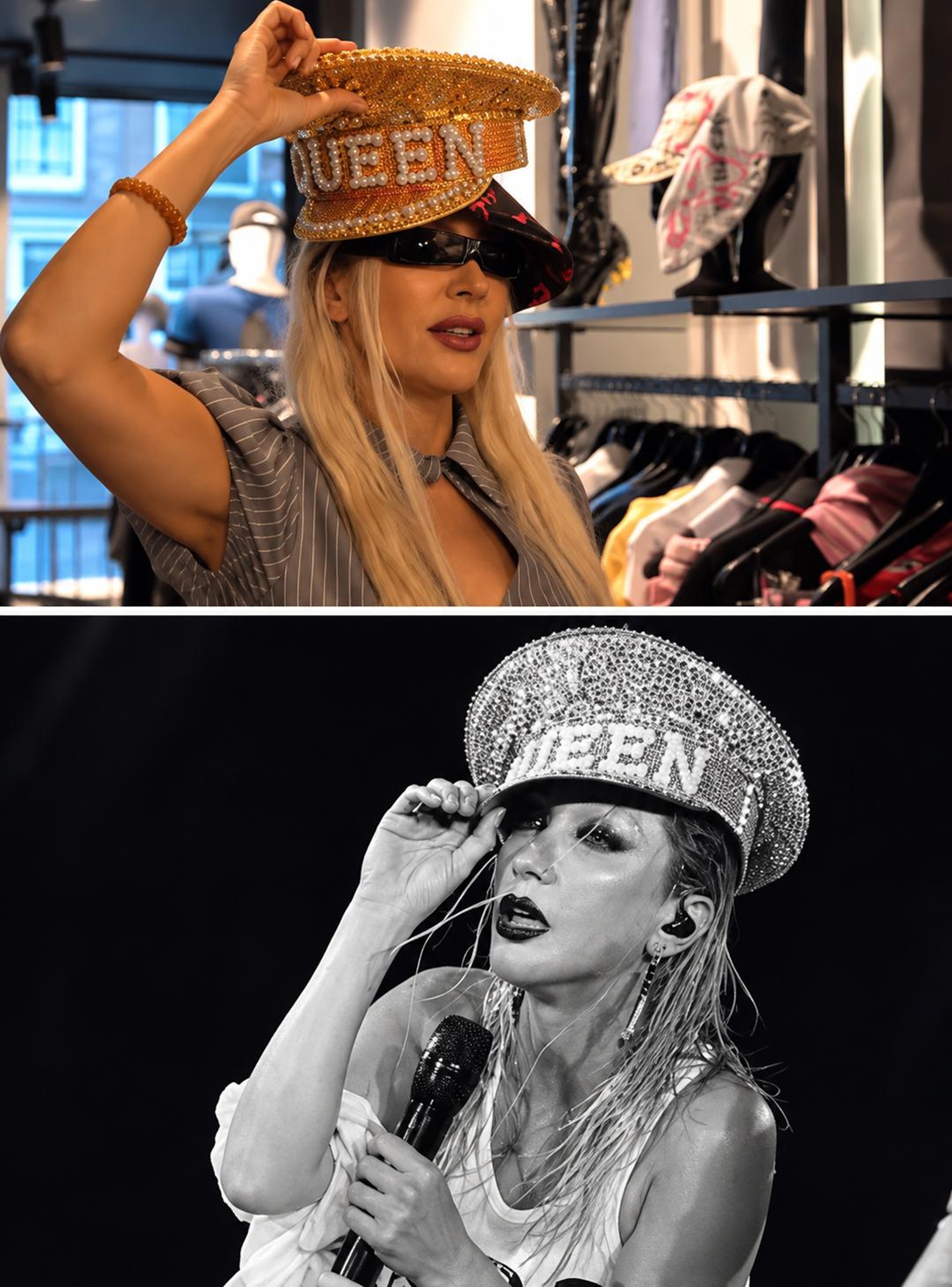
Dress history has examined what a personal fashion archive what it can prove, from multiple angles. What a museum archive record can establish about a garment and what it cannot is different from what a living archive of recently worn pieces can establish. Yener’s archive is not a historical collection in the institutional sense. The pieces are recent enough to be dateable by the people who watched them worn, and they carry a specific cultural context that is available to anyone who followed her career. The garment and its story are not separated by time; they are still in contact.
This is what makes STAR Gene a different kind of proposition from a standard vintage store. A vintage store sells second-hand clothing whose previous owners are typically anonymous. The interest is in the garment’s design, condition and provenance as an object, not in the identity of the person who previously wore it. At STAR Gene, the previous owner’s identity is the central fact about the piece. The garment’s value and story are inseparable from Yener’s own career narrative.
Some items in the archive were worn during performances or in music videos. Those pieces are not simply second-hand clothing with a good provenance note. They are documented objects: photographs, footage, and the public record confirm when and where they appeared. A buyer is acquiring a garment whose use has been recorded in a medium that remains publicly accessible. That is a different category of archive fashion from the kind of vintage piece whose history can only be inferred from construction and condition.
The Store as an Experience
Yener’s description of what she wants the STAR Gene visit to produce is worth attending to, because it differs from the standard retail frame in ways that shape the space’s design. She describes the goal of a visit not in terms of sale conversion but in terms of what the visitor takes away beyond any purchase: ‘a new perspective, a memorable interaction and the feeling of having briefly stepped into the creative universe of Star Gene.’
That framing positions the store as an experience of a specific creative sensibility rather than as a point of sale with a celebrity provenance. The archive pieces are the most literal expression of that sensibility, but the gallery section, the art on the walls and the styling team’s presence all extend it. The space is designed so fashion, art, and music inhabit the same environment, reflecting how those things function in Yener’s own practice. She has not separated her career into musical output and visual identity; she has always presented the two together. STAR Gene is, among other things, a space where that integration becomes visible to visitors who want to encounter it directly.
Her observation about physical retail is relevant to a wider industry conversation. ‘People can buy almost anything online,’ she notes. ‘A physical store must therefore offer something that cannot be experienced through a screen: human connection, emotion, culture and a sense of community.’ STAR Gene does not offer something unique in that general aspiration. What it offers, specifically, is an archive with a documented history, available in a space designed around the creative practice that produced it.
What Goes Online
European online sales are now available for STAR Gene, extending the concept’s reach beyond the physical store and beyond Amsterdam. The online channel gives customers who cannot visit Herenstraat 32 in person access to selected archive, vintage, and pre-owned pieces from the STAR Gene selection. Yener describes the digital presence not only as a sales channel but as a place where the community can meet and grow.
The online availability is a practical necessity for an archive project whose potential audience is not confined to Amsterdam. Yener’s career has a following across Europe and beyond, and the pieces in the archive will have the most meaning to people who already know the context. An online channel makes the project accessible to that audience without requiring a visit to a single physical address.
Plans include pop-ups in other cities, collaborations, community trips, and activations that integrate STAR Gene with Yener’s concert performances. That last element most directly blurs the boundary between the fashion archive and the music career. Activating STAR Gene at concerts means the project appears in the same context in which many of the archived pieces were originally worn, which creates an unusual temporal loop: the stage pieces return to the stage, but available for purchase rather than on the performer.
What Circulation Means in This Context
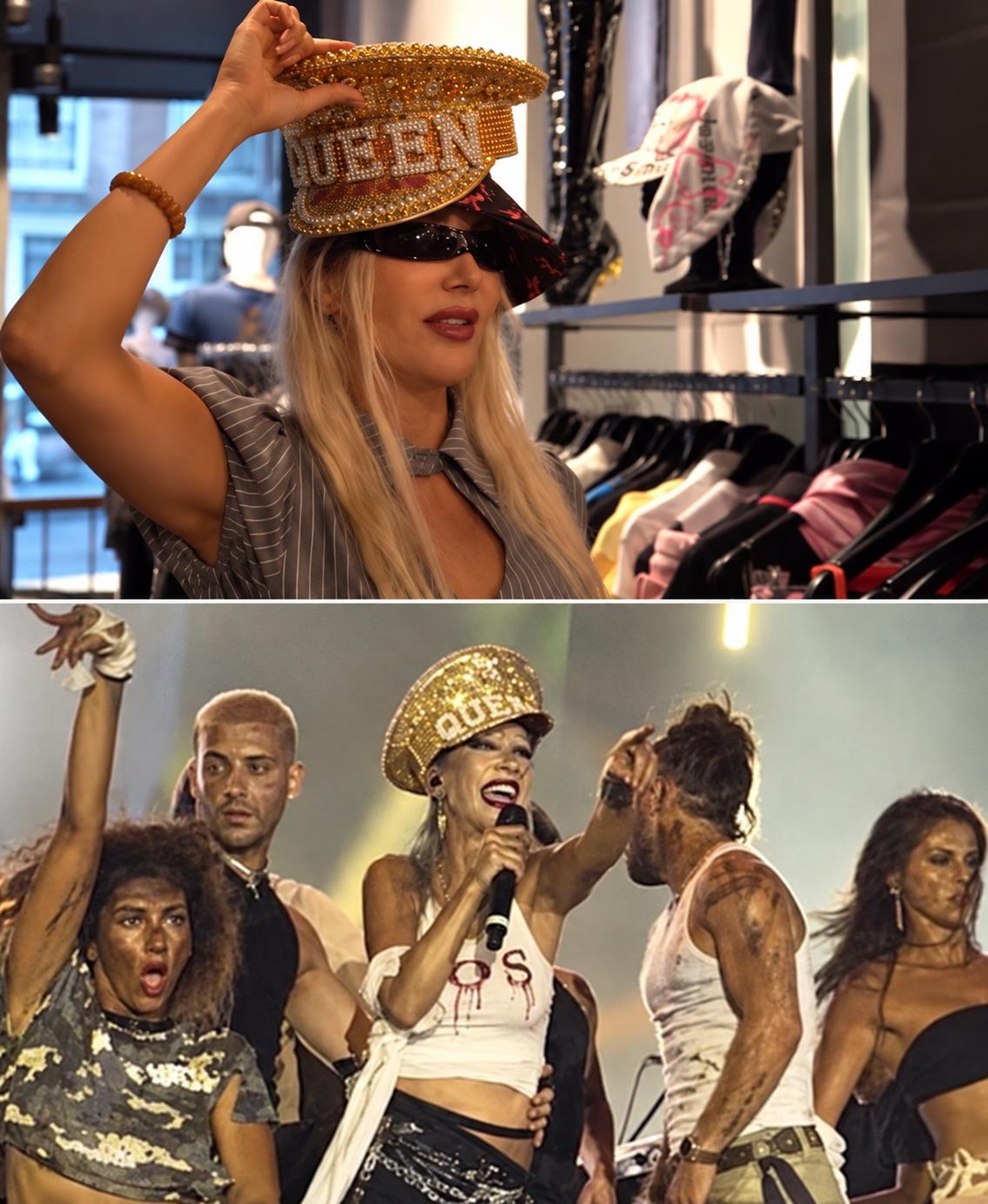
Yener’s framing of STAR Gene consistently returns to circulation: pieces moving between owners rather than remaining in a private archive. That framing positions the project within a broader argument about the life cycle of clothing. Still, the STAR Gene version of that argument is specific to its archive.
The provenance question that attends any archive piece is answered differently at STAR Gene than at a standard vintage retailer. The provenance of a Yener stage piece is not a matter of inference or documentation archaeology. It is part of the piece’s public record, available through photographs, footage and press coverage that remains accessible. A buyer can establish what they are acquiring in a way that is unusual for second-hand fashion.
In this context, circulation means the piece moves from Yener’s wardrobe to a buyer’s wardrobe, carrying its documented history. The piece does not lose its story as it changes hands. The story goes with it, available to anyone who wants to know it and invisible to anyone who simply wants to wear the garment without carrying the context. That flexibility is part of what makes archive fashion a different proposition from collecting: you can engage as deeply as you want, or as lightly.
The question of what credit and visibility look like for the people who made the pieces is one the STAR Gene model does not address directly. The project’s credit structure foregrounds Yener as the archive’s owner and curator. The designers and makers of the pieces in the archive receive credit when their names are part of the garment’s documented history, but the project’s framing centres the archive holder rather than the makers. That is consistent with how most archive and vintage retail operates. This distinction matters: what STAR Gene offers versus what a maker-credit-centred model of archive fashion would look like.
The Closing Statement
Yener’s final observation in the FashionUnited interview is the clearest statement of what STAR Gene is ultimately about, beyond its archive and its location: ‘Ultimately, we are all creative beings. Fashion allows everyone to communicate who we are.’ That is an expansive ambition for a store built around one person’s wardrobe. But it is also the argument that makes the project coherent: the archive is the starting point, not the destination. The destination is whatever the next person to wear the piece makes of it.
ALSO READ
- What a Museum Record Can – and Cannot – Tell Us About Dress
- What Textile Provenance Can – and Cannot – Prove
- The Global South Made Fashion. It Just Never Got Credit.
- Can Heritage Textiles Scale Without Losing Their Meaning?
Frequently Asked Questions
What is the STAR Gene?
STAR Gene is a retail and cultural concept founded by Turkish singer-songwriter Hande Yener, located at Herenstraat 32 in Amsterdam. It brings together vintage fashion and archive pieces from Yener’s personal wardrobe, curated pre-owned items and a gallery featuring art and sculpture. European online sales are available. The space also functions as a gallery and creative environment rather than a conventional fashion store.
What can you buy at STAR Gene?
STAR Gene offers pieces from Hande Yener’s personal archive (including stage costumes and pieces worn in music videos), rare designer vintage items, and everyday wardrobe pieces and accessories at various price points. Prices range from approximately €20 to €12,000 depending on the piece’s brand, rarity, history and condition. European online orders are available in addition to purchases from the Amsterdam store.
Why did Hande Yener choose Amsterdam for STAR Gene?
Hande Yener chose Amsterdam for its international, creative and individualistic character, and because the Netherlands holds personal significance for her. Within Amsterdam, she chose Herenstraat for its independent boutiques, galleries, and historic canal-house architecture, which aligned with her intention to make STAR Gene feel like a discovery rather than a conventional retail destination.
Is the STAR Gene just about Hande Yener’s wardrobe?
No. While pieces from Yener’s personal archive and wardrobe are a key part of the offering, STAR Gene also sells rare designer vintage items, curated pre-owned pieces and accessories from various price points. The gallery section features works by painter Ekin Akış and sculptures by Merve Öztemel. The concept is a combined retail, archive, and cultural space, not a celebrity merchandise shop.
What happens when you buy a piece from STAR Gene?
Buyers receive a signed letter from Hande Yener with their purchase. The styling team at the Amsterdam store is on hand to help translate pieces into personal looks. Yener has described the goal of the store experience as leaving visitors with a new perspective and a memorable interaction, rather than simply completing a transaction.
What are STAR Gene’s plans beyond Amsterdam?
STAR Gene’s plans include pop-ups in other cities, collaborations with creators, community trips and activations during Hande Yener’s concert performances. The Amsterdam store at Herenstraat 32 will remain the flagship and headquarters. European online sales are already available for customers who cannot visit the Amsterdam location. Yener has said she is exploring opportunities to bring the concept to other cities in the future.