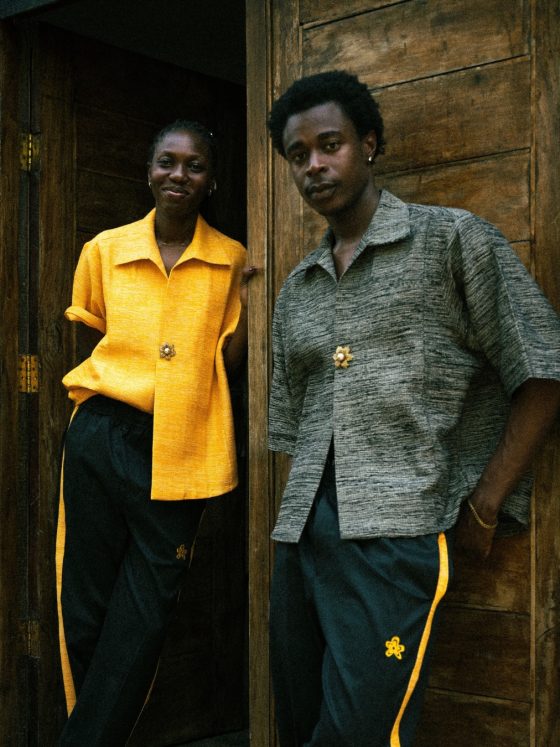

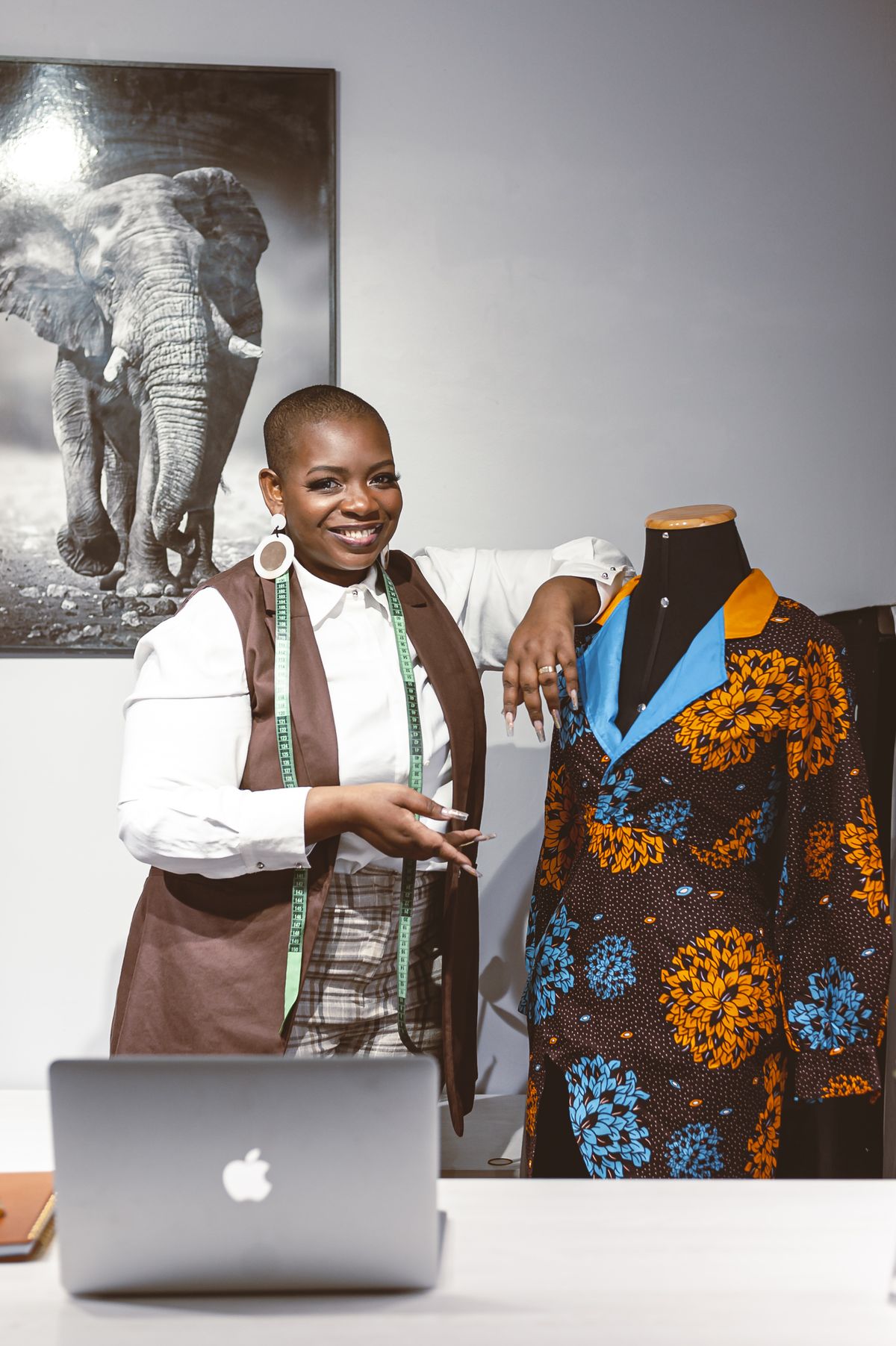
A custom clothing order begins with more than a style. It involves decisions about material, measurements, price, fittings and delivery. A reference photograph may establish the desired appearance, but it cannot answer every question about what the business will supply or what the customer must approve. A custom clothing order agreement, even a short one, belongs there.
A familiar customer relationship can still benefit from a written summary. The record gives both sides a reference point when details change. This guide focuses on individual customers commissioning clothing from Nigerian tailoring and fashion businesses. Wholesale supply, employment and cross-border production need separate treatment.
The stakes are larger than any single order suggests. UNESCO’s 2023 report on the fashion sector in Africa placed the market value of clothing and footwear in sub-Saharan Africa at US$31 billion in 2020, and it notes that bespoke tailoring remains prominent across many African countries. Each made-to-measure garment within that $31 billion African fashion market begins as an individual agreement between a customer and a maker, and the quality of that agreement shapes everything that follows.
As Omiren Styles has argued in its analysis of why the last mile of African fashion is often a local tailor, the maker is where design meets a specific body. That makes the order itself professional infrastructure. Nigeria’s Federal Competition and Consumer Protection Commission (FCCPC) emphasises understandable information and disclosure of material facts, including prices. Those principles provide a useful starting point: customers should understand the arrangement before committing to it.
What Nigerian custom clothing orders should record about price, deposits, fittings, delivery and changes, with guidance on consumer rights in Nigeria.
Define the Order and Identify the Parties
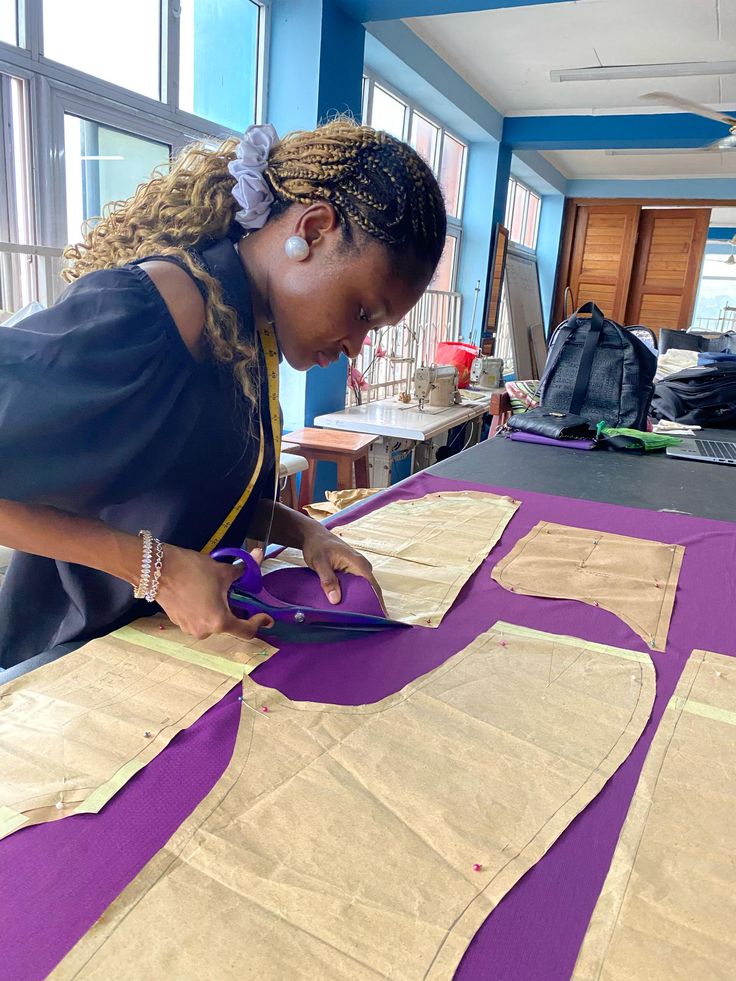
Begin with the customer’s name, the business’s identity and reliable contact details. Identify who can approve changes, especially when a relative, stylist or assistant communicates on the customer’s behalf. General agreement guidance recommends identifying the parties and clearly describing the expected work or result.
Then translate the reference into particulars: garment type, quantity, colour, silhouette, lining, fastening and significant embellishment. Record exclusions too. A photograph may show an underskirt, headpiece or detachable train that is not included in the price, and naming that exclusion early prevents a difficult conversation at the final fitting.
Ask the customer to review and confirm the summary. This is an administrative safeguard, not proof that you’ve resolved every possible disagreement. Keep the current version accessible to the people making the garment so the cutter and finisher work from the same brief the customer approved.
Record Who Supplies the Materials
Customer-supplied fabric needs its own entry. Record what was received, the quantity, and any visible concerns discussed before cutting. Clarify whether the business supplies lining, interfacing, buttons, zips or other components.
Materials also carry money the customer may not see. Omiren Styles has shown, in its reporting on how Nigeria’s fabric intermediaries finance fashion’s supply chain, that tailors often buy fabric such as lace on short credit terms from market wholesalers. When a business commits its own money to materials for an order, the record should show which items those are and when they were bought, because that commitment matters if the order later changes or is cancelled.
Where the design requires specialist embroidery or beading, identify whether that service is included. The customer should know whom to contact about its price, progress and approval. Internal outsourcing should not leave them guessing which person manages the order.
Agree on how unused material will be handled and returned. These recommendations make the production brief more complete; they do not allow you to disclaim responsibility for careless handling. Written wording cannot make a prohibited exclusion valid. The FCCPC’s summary of consumer rights lists prohibited and void terms, including clauses that exclude liability for negligence or defective performance.
State the Price and Payment Triggers
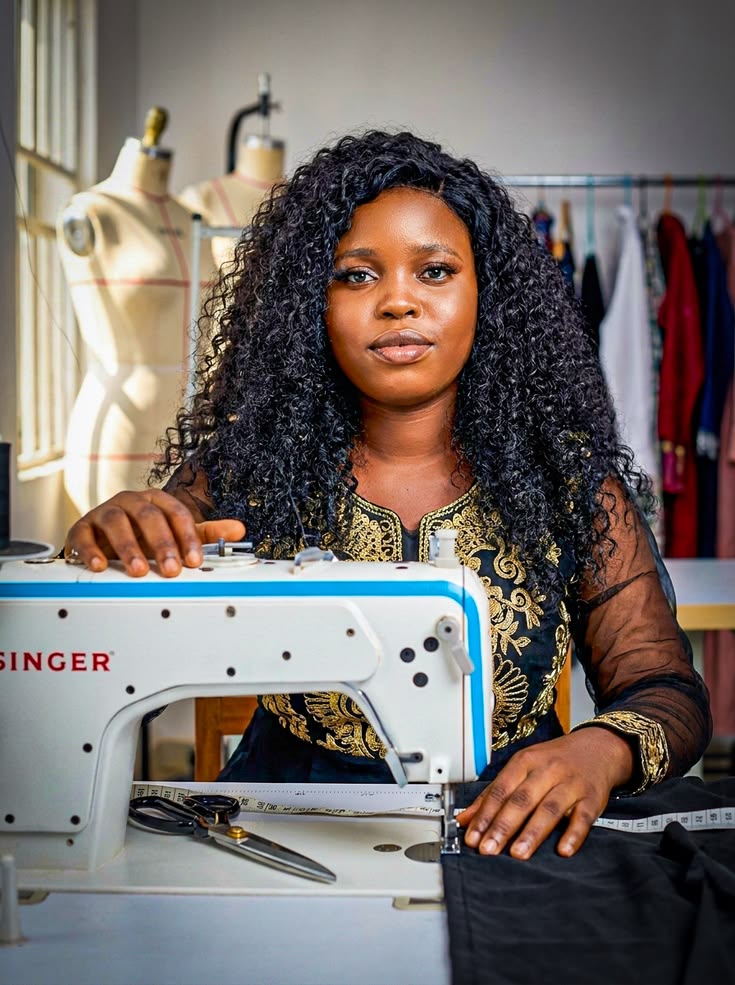
Separate the total price from the amount required to begin work. State the currency and whether applicable taxes, delivery, specialist services and other charges are included. The FCCPC’s guidance calls for full disclosure of material price information and, except where impracticable, a written record itemising the transaction when a consumer requests one.
Tailoring terms clearly protects both sides. The customer knows what each payment buys, and the business knows when it can commit labour and materials without carrying the full risk of an unpaid order. If payment is made by bank transfer, note the reference or sender name against the order so you can match the confirmation to the right garment later.
Avoid vague milestones. If another payment follows the first fitting, explain what triggers it: attendance, approval of specified features or completion of agreed adjustments. Record the amount and payment method alongside that trigger.
This guide prescribes a no-deposit percentage. Choose an arrangement appropriate to the order and obtain advice where needed. Australia’s official business guidance on preparing a contract recommends stating when payments are due, the amount at each stage and what counts as acceptable work for a progress payment. These are administrative principles, not a substitute for Nigerian law.
Separate Fittings From Delivery
For occasionwear, record the event date, but do not let it stand in for a production schedule. A first fitting, final fitting, completion date and delivery commitment are different things.
Event dates carry particular weight in Nigeria. As Omiren Styles has documented in its analysis of àṣọ-ẹbí as a celebration economy, coordinating fabric and delivery timelines across guests who may live in several cities is a logistical operation in its own right. A tailor may be sewing for several guests at the same event, which is exactly why each customer’s fitting and collection dates need to be written down rather than assumed.
Garment delivery dates should be written as dates rather than as days of the week or as “before the event”. A record that says “final fitting 12 December, collection 19 December, event 21 December” leaves far less room for misunderstanding than a promise to have everything ready in time.
“Ready on Friday” should specify whether the garment will be available for collection or arrive at an address. Record who arranges transport and which commitment the business accepts. If the customer must supply fabric or attend fittings by particular dates, make those dependencies visible too.
When a fitting is missed or production changes, discuss the effect rather than assuming the original deadline disappears. Confirm any revised arrangement. The FCCPC states that products and services should be delivered on time and that consumers should be notified and kept updated in a timely way when delays are unavoidable.
Record What Changed and Who Agreed

Not every alteration is a new commission. Distinguish correcting work that differs from the agreed brief, adjusting fit within the included service and changing a design at the customer’s request.
The distinction matters because custom clothing alterations are where many disagreements begin. A customer who asks for a shorter hem after approving the length is requesting a change; a hem that was cut shorter than the agreed measurement is a correction the business should absorb.
A fitting record should identify what is being approved: neckline, length, silhouette, embellishment placement or progression to another stage. Attendance alone should not be described as approval of every detail.
For an additional request, record the change, any extra material, revised charge and effect on timing. Obtain clear agreement before proceeding with extra work or an irreversible alteration. Keep the confirmation with the original order.
The same Australian guidance recommends a variation clause stating that both parties must agree to a change and that changes should be recorded in writing, whether in a signed document, initialled edits or an email attached to the agreement. This source supports the record-keeping approach; it does not determine the legal effect of a Nigerian customer’s approval. For a small workshop, a dated message confirming the change, the new price and the new date serves the same purpose.
Explain Cancellation and Complaints Carefully
The word “deposit” does not provide a complete cancellation policy. Explain how a cancellation request will be handled, including the assessment of work completed and materials committed. Do not assume that renaming a payment settles its legal treatment.
The FCCPC’s consumer-rights summary states that consumers may reasonably cancel bookings and are generally entitled to a refund, less reasonable cancellation charges, and that any refund restriction tied to a price or promotion must be disclosed in writing. It also says clauses limiting liability must be brought to the consumer’s attention before the transaction concludes. The summary does not address specially made garments directly, so it is not a transaction-specific answer. Proposed deductions, refund restrictions and cancellation charges need review against applicable law and the order’s circumstances.
Distinguish a customer changing their mind from a complaint that the business has not supplied what was agreed. Provide a complaint contact and an understandable process for raising concerns. Do not introduce penalties retrospectively when a disagreement begins. Where a dispute cannot be settled directly, the FCCPC also operates a complaints portal for consumers.
Reconcile the Order at Handover
Before collection or dispatch, bring together the financial record: original price, approved additions, payments received, and the remaining balance. A customer should not encounter an unexplained extra charge at the final fitting.
Record what is handed over and any outstanding adjustment. If a concern remains, describe it specifically and confirm the proposed next step. Avoid suggesting that collection automatically removes every right to complain.
Keep the specification, approved changes, invoices and payment confirmations together. Each answers a different question. A transfer screenshot alone cannot explain the complete order.
Before Work Starts: A Checklist
This is an administrative checklist, not a complete contract or statement of legal rights. It works for a one-off outfit and scales to a family’s àṣọ-ẹbí order.
- Identify the customer, business and authorised decision-maker.
- Describe the garment and agreed reference.
- Record material responsibilities and exclusions.
- State the total price, charges and payment triggers.
- Separate fittings, completion and delivery commitments.
- Explain included adjustments and change approval.
- Provide cancellation and complaint information.
- Keep a dated confirmation accessible to both parties.
A written record helps establish what was discussed and agreed. It does not make an unfair or unlawful term valid. The FCCPC’s guidance addresses both advance notice of certain restrictions and prohibited terms, so a well-kept record and a fair term work together.
The Omiren Argument
A custom order commits production time, specialist work and expectations. Clear records make those commitments visible before they become disagreements, and they treat the Nigerian tailoring business as the professional operation it already is.
Those records should work in both directions: makers should not absorb unapproved extra work, and customers should not discover charges or restrictions after payment. The standard is an understandable agreement reflecting the actual order, not the longest document.
ALSO READ
- What Buyers Need Before They Take on an Independent Label.
- Why African Fashion Brands Fail After Year Three.
- Yoruba Naming Ceremony Dress: The Aso-Ebi System as Community Declaration, Not Fashion Choice
- How to Shop African Fashion: The Complete Guide for the Culturally Literate Consumer
Frequently Asked Questions
Does every custom clothing order need a long contract?
Not necessarily. The record should match the complexity of the order. A single outfit may need only a dated summary of the garment, price, payment stages, fitting and delivery dates, and how changes will be approved. Larger or higher-value commitments, such as bridal work or group orders, warrant more detail and tailored professional advice under Nigerian law.
Does paying a deposit settle the cancellation terms?
No. Calling a payment a deposit does not by itself explain what happens if the order is cancelled. The FCCPC’s consumer-rights summary describes refunds for cancelled bookings and less reasonable cancellation charges, with restrictions disclosed in writing. How that applies to a specially made garment depends on the circumstances and applicable law, so explain cancellation terms before work begins.
How should extra requests be recorded?
Record the requested change, any extra material, the revised cost and the new timetable, then obtain both parties’ agreement before work proceeds. A dated message or signed note kept with the original order is enough for most workshops. Attendance at a fitting should not be treated as approval of every change unless the specific feature was confirmed.
What should happen if a custom garment is late?
The business should tell the customer as soon as a delay becomes unavoidable and keep them updated, which matches the FCCPC’s guidance on timely delivery. Both sides should then confirm a revised date in writing. If the delay follows a missed fitting or late fabric, the record of those dependencies helps show why the original date changed.