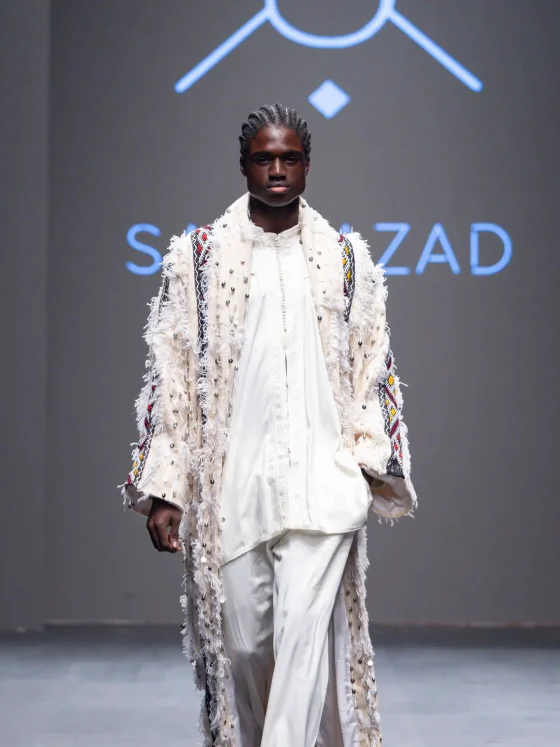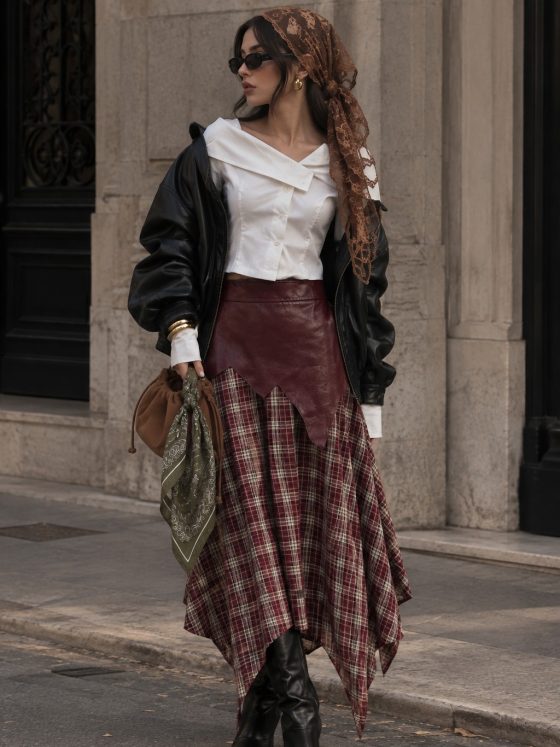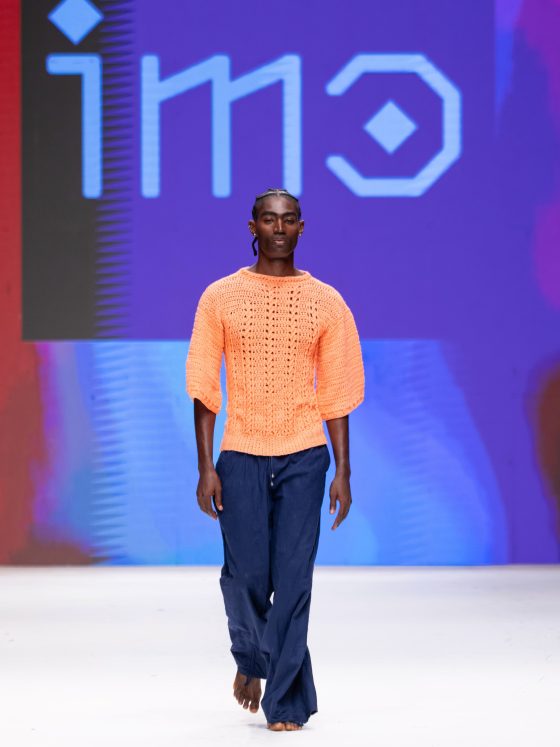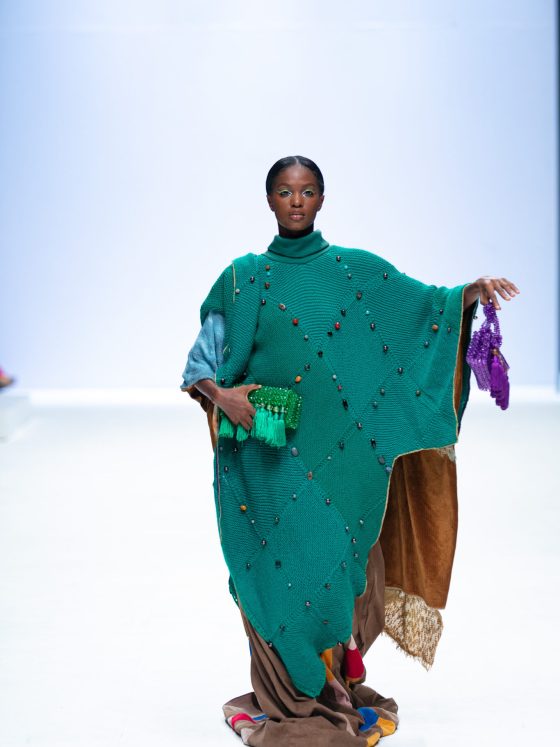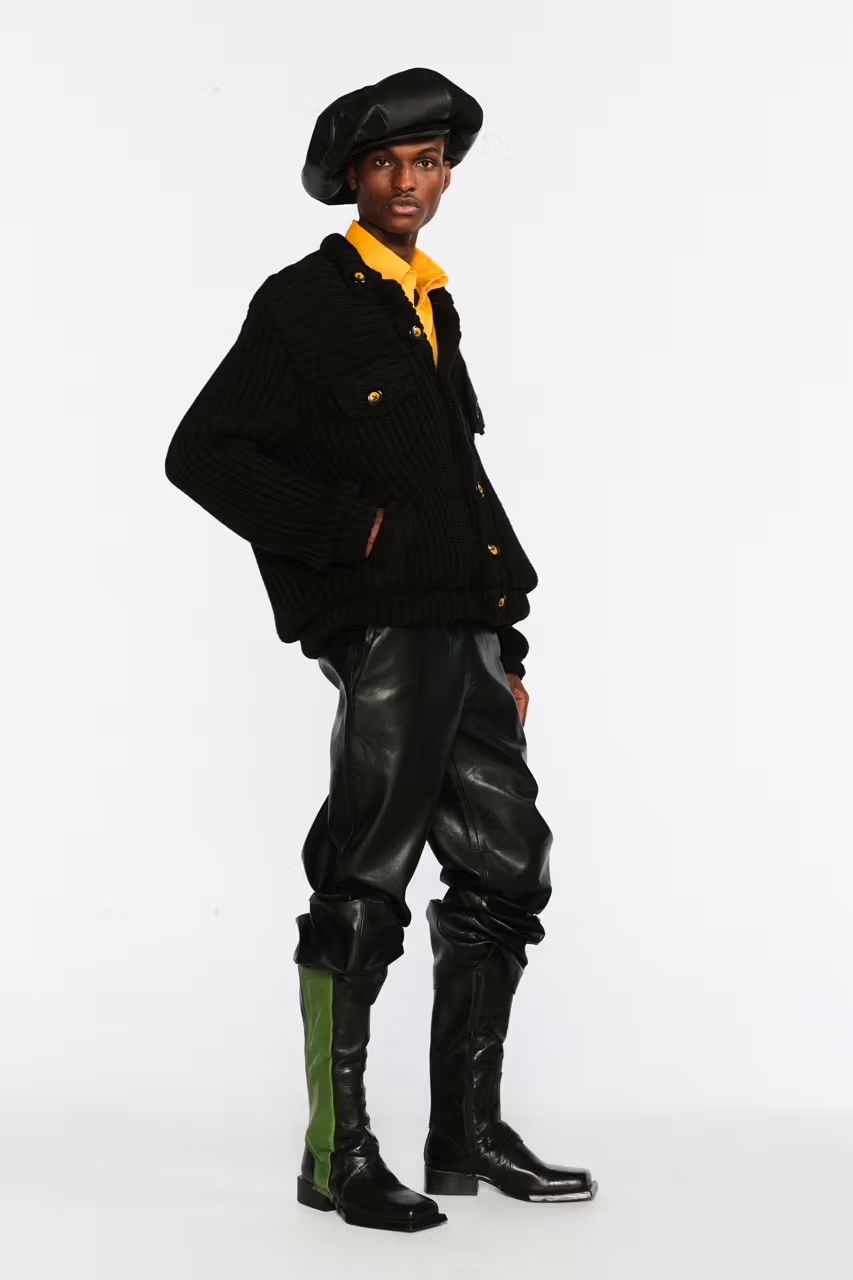
Theophilio’s current website offers a useful way into the label: not through a runway finale, but through the pieces it chooses to call enduring signatures. Under “The Edit,” an Ackee Ruche Beaded Dress appears alongside polos, an oversized woven-leather Applejack hat and an Ackee Beaded Headpiece. The brand describes the selection as pieces that “define the language of the house.”
That is a statement of intent, not independent proof of longevity. Yet the selection raises a worthwhile question. If these different garments and accessories belong to the same design vocabulary, how fully does Theophilio’s familiar association with dancefloors, sensuality and celebration describe its work?
Those associations are grounded in the collections and in designer Edvin Thompson’s own explanations. But they are not the whole account. Read alongside his documented interest in tailoring and his father’s wardrobe, the current product presentation suggests a label worth examining through the relationship between expressive dressing and recurring wardrobe pieces.
The distinction is not between frivolous party clothes and serious tailoring. It is between recognising an atmosphere and understanding the clothes that sustain a design identity.
Beyond party dressing, Edvin Thompson’s Theophilio brings tailoring, polos and signature accessories into its Caribbean-rooted design vocabulary.
The Image Readers Already Know
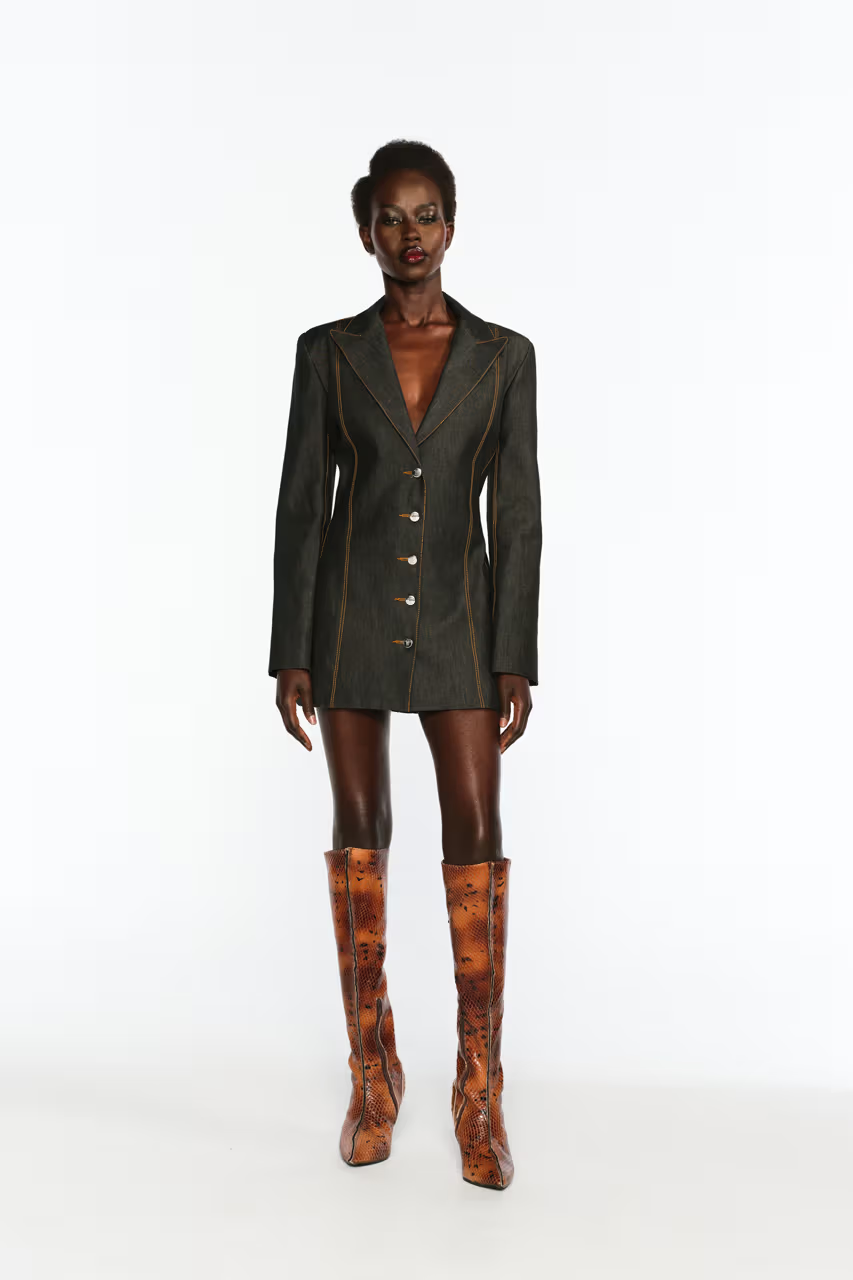
Theophilio has an established vocabulary in fashion coverage: autobiography, pleasure, sensuality and the relationship between Jamaica and New York.
Highsnobiety’s review of the label’s Spring 2025 “Shaunie” presentation foregrounded the thrill of dressing up. Its account discussed graffiti and smiley-face prints, high slits, abbreviated hemlines, exaggerated cuffs and rhinestone logos, alongside Thompson’s reflections on clothing and personality.
The coverage is specific enough to show why the celebratory framing persists. These are not neutral garments onto which an energetic narrative has simply been imposed. The reported choices give the clothes an assertive visual presence.
Spring/Summer 2026 extended that conversation. Published reporting connected the collection to music, movement and Caribbean social experience, describing ombré ruffled gowns, satin suits with sequined cuffs, sheer striped dresses and off-shoulder track jackets.
But “energy” becomes less useful when it substitutes for examining those differences. A ruffled gown and a track jacket do not make the same proposition. Their relationship requires attention to what is repeated, what is altered and how an established clothing category becomes recognisably Theophilio.
Cultural context sharpens that reading. It should not bring the analysis to a halt.
The Father’s Wardrobe Complicates the Picture
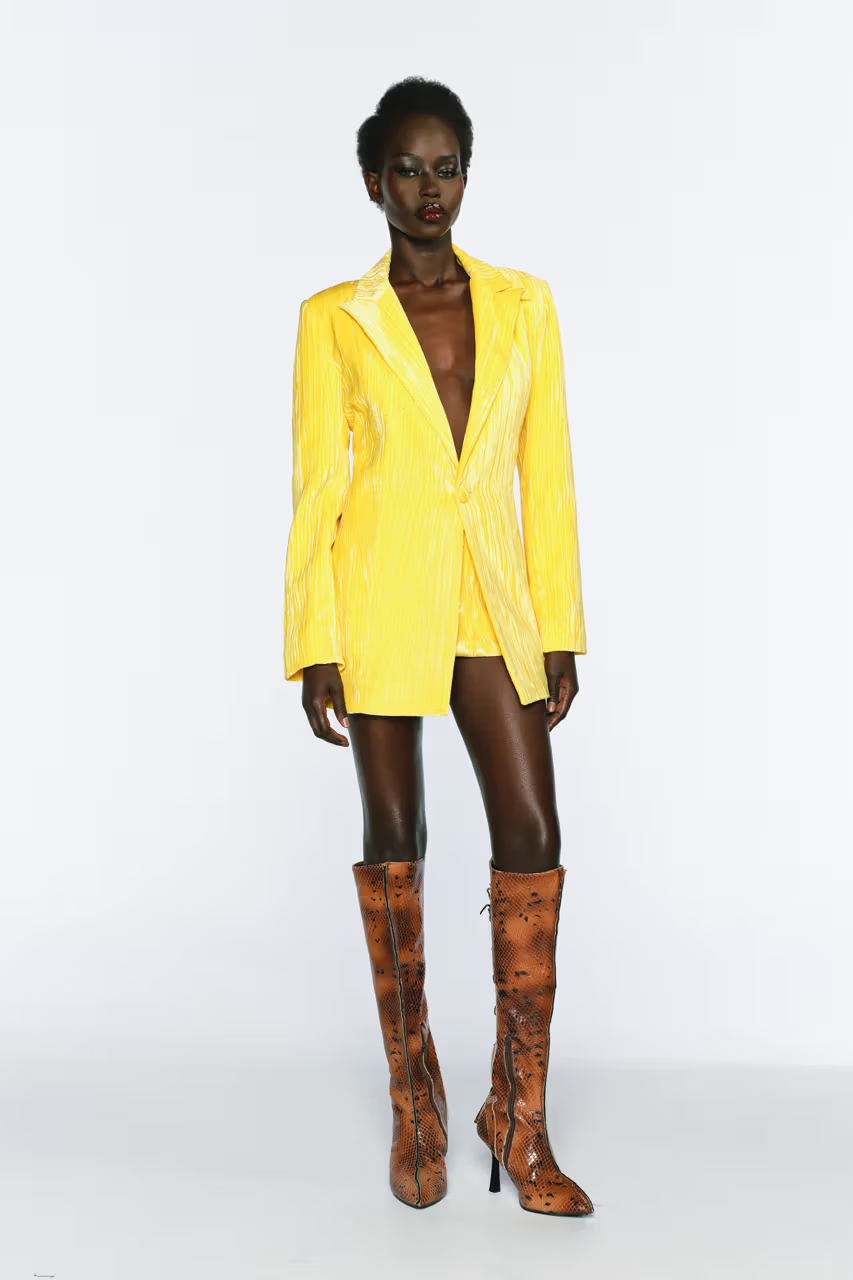
A different emphasis appears in reporting on Theophilio’s Autumn/Winter 2025 collection, “The Morning After.”
In February 2025, Hypebeast connected the collection to photographs of Thompson’s father’s outfits and hats. The report also quoted the designer explaining a deliberate focus on tailoring and the Theophilio man, whom he felt had been left behind in earlier seasons. Wool trousers, ribbed polos, leather pieces and tailoring formed part of that account.
This matters because it introduces a more precise design question than whether a collection expresses heritage. An inherited image of dressing can become a source for proportion, coordination and the relationship between garments.
It also complicates a narrow reading of Thompson’s references. Family memory does not have to appear as a literal motif. It can inform which clothing categories receive attention and how a designer imagines the person wearing them.
The report does not establish a permanent strategic transformation. Nor does one collection prove that every category has become equally resolved. It does, however, document an intention to broaden the menswear proposition. That deserves a place alongside the more familiar accounts of nightlife and self-expression.
From a Memorable Look to a Recurring Vocabulary
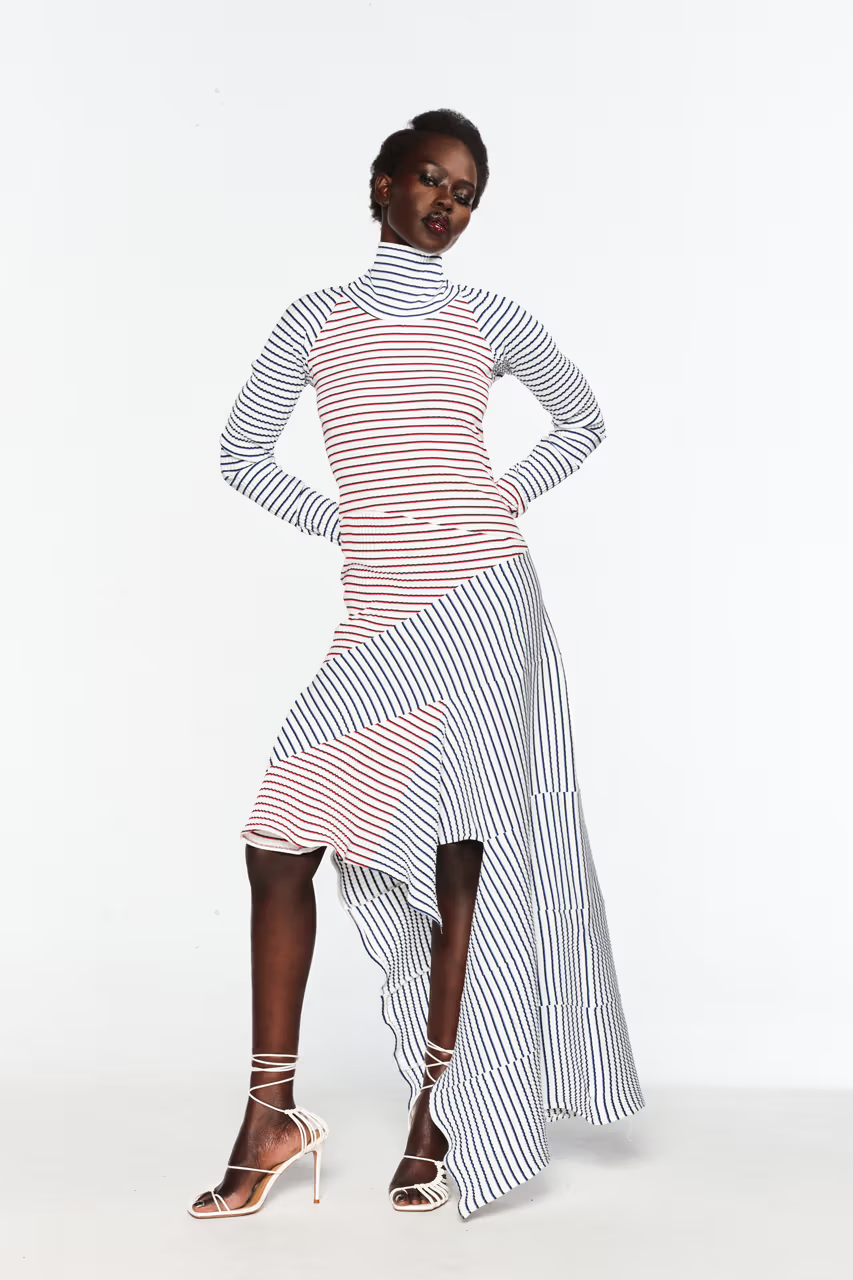
The current “Edit” gives this discussion a present-day anchor. Its mix of polos, headwear, and an embellished dress suggests Theophilio presents its identity through more than one kind of garment.
The important word is “presenting”. A brand’s selection tells readers how it wants its work understood. It does not reveal which pieces customers buy repeatedly, how long a product remains in circulation or whether its construction performs well over time.
Still, the selection is editorially revealing. A signature can reside in a category that returns, an accessory that frames an outfit or a treatment that connects otherwise different garments. It need not depend on a single spectacular silhouette.
For Theophilio, the question becomes whether these pieces communicate a shared point of view when encountered outside a complete runway look. Does the polo carry something identifiable? Does the hat extend the clothing’s proposition? Does embellishment create continuity across categories, or simply provide a recurring surface effect?
These are questions for sustained design criticism, not conclusions that product listings alone can settle. They offer a more useful basis for following the label than treating each new collection as another demonstration of cultural vibrancy.
Tailoring Is Not a Promotion to Seriousness
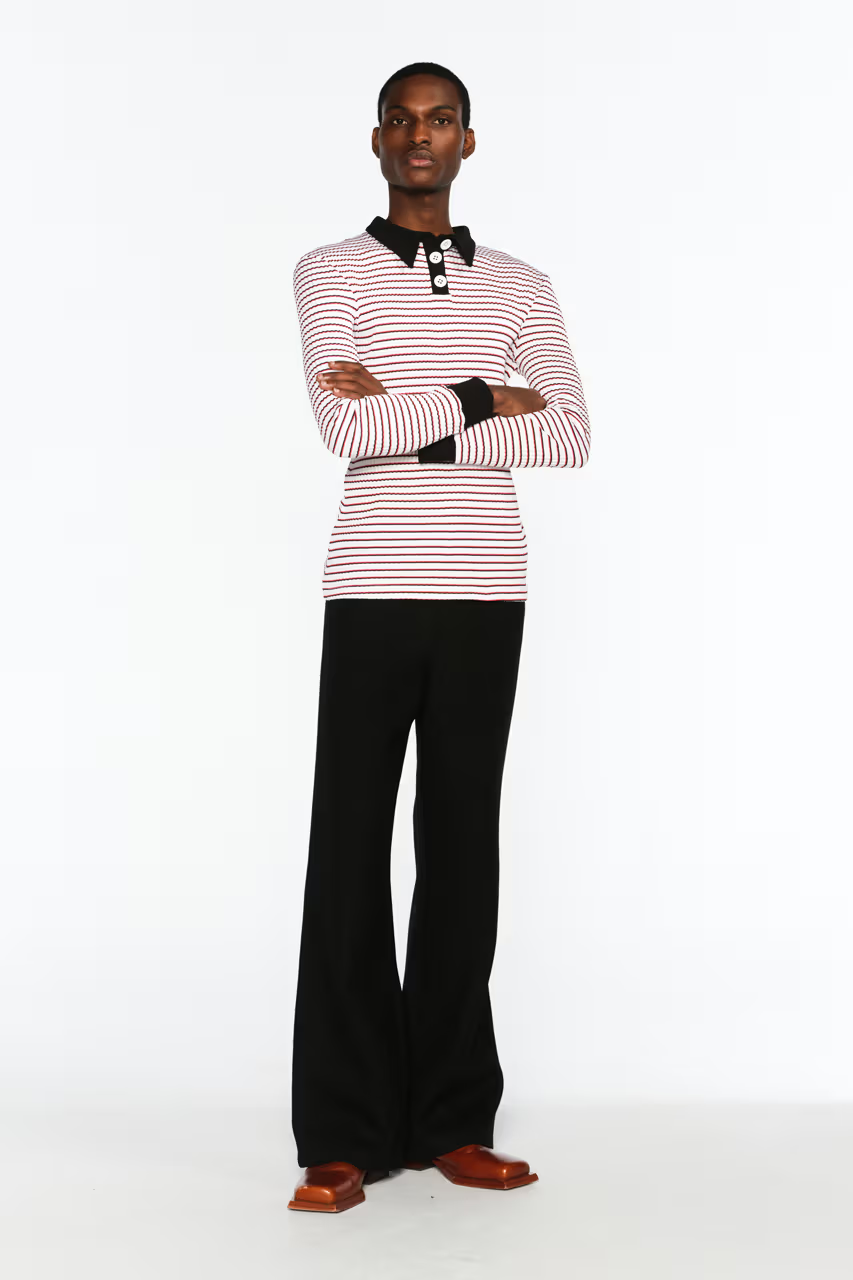
Broadening the discussion risks making it sound as though Theophilio becomes more credible when it moves toward tailoring.
That would misread the argument.
A sequined garment is not inherently less resolved than a wool trouser. A party dress does not require an everyday counterpart to justify its existence. The relevant distinction is the clarity of the design decisions, not the occasion’s perceived respectability.
What Thompson’s reported menswear focus adds is range: another set of intentions against which the work can be assessed.
Likewise, tailoring should not erase the qualities that make the more expressive pieces interesting. The strongest reading holds both together, asking how different parts of the wardrobe relate rather than ranking restraint above excess.
The Omiren Argument
Read Theophilio’s cultural specificity through the whole wardrobe, not just its most theatrical moments.
Existing coverage already provides the components of that broader account: the sensuality and personality described in “Shaunie”, the father’s wardrobe behind “The Morning After”, and the current selection of pieces the brand identifies as signatures.
Omiren’s contribution is to bring those strands into the same critical frame.
The point is not that previous writers missed the tailoring. It is that repeatedly describing a label through atmosphere can make its more varied design questions harder to see. “Caribbean energy” may introduce a collection, but it cannot explain a cuff, a trouser proportion, a polo or the role of an accessory.
A more demanding reading asks what connects those decisions, and whether the connection remains persuasive beyond the narrative accompanying them.
Theophilio is worth following on that basis: not as an unknown designer requiring discovery, but as an established practice whose identity deserves closer examination than its most familiar description allows.
Also Read:
- Dancehall Fashion: Jamaica’s Most Influential Export That Fashion Media Refuses to Credit
- What Jamaica Kept: The African Fabrics and Head-Tie Traditions That Survived the Middle Passage
- The Afro Carib Fashion Show: Two Women, One Runway, and the Diaspora Platform Nobody Else Is Building
- Brixton’s Caribbean Dress Legacy: Tailoring, Fabric, Beauty and Cultural Memory
Frequently Asked Questions
Who is the designer behind Theophilio?
Edvin Thompson is the Jamaican-born designer behind Theophilio. Reporting on his work connects the label to his experiences of Jamaica and New York, as well as personal and family references, including his father’s wardrobe. Coverage often describes the label through sensuality, memory and Caribbean nightlife, which this article reads alongside its tailoring.
Does Theophilio make tailoring as well as party clothes?
Yes. Hypebeast’s February 2025 report on the Autumn/Winter 2025 collection, “The Morning After”, connected it to photographs of Thompson’s father’s outfits and hats. It recorded a deliberate focus on tailoring and the Theophilio man, including wool trousers, ribbed polos and leather pieces, as a counterpoint to coverage centred on sensuality and celebration.
What is Theophilio’s “The Edit”?
The brand describes “The Edit” as a curated capsule of enduring signatures. Its current homepage selection includes an Ackee Ruche Beaded Dress, polos, an oversized woven-leather Applejack hat and an Ackee Beaded Headpiece. This is the brand’s own definition of its signatures, not an independent measure of commercial longevity.
How does Caribbean culture influence Theophilio?
Published accounts connect the collections to social life, music, personal memory and self-presentation. The design question is how those references enter specific garments, such as a cuff, a trouser proportion, a polo or an accessory, rather than whether a collection can broadly be described as culturally inspired.