Across the Atlantic, carried through one of history’s most violent displacements, fragments of African culture survived in ways both visible and quiet. In Jamaica, these fragments did not disappear. They adapted, endured, and became part of everyday life. Among the most enduring of these are fabric traditions and head-tying practices that trace directly back to West Africa.
Today, Jamaican dress culture still reflects these histories, particularly through the use of madras fabric and the styling of head ties. While often seen as regional or Caribbean expressions, these elements are, in many ways, continuations of African textile memory. They are not simply fashionable. They are inherited.
Discover how African head ties and madras fabric survived the Middle Passage and continue to shape Jamaican dress culture and identity today.
The Middle Passage and Cultural Survival
The Middle Passage represents one of the most significant ruptures in human history. Millions of Africans were forcibly taken across the Atlantic, stripped of land, language, and autonomy.
Yet, culture proved more difficult to erase.
While systems of oppression attempted to suppress African identity, certain practices endured. These included music, spirituality, language patterns, and dress. In Jamaica, where a large percentage of the population traces ancestry to West Africa, these cultural remnants became foundational.
Clothing, in particular, became a subtle yet powerful means of retaining identity. It did not always survive in its original form, but its essence remained.
Head Ties as Memory and Continuity
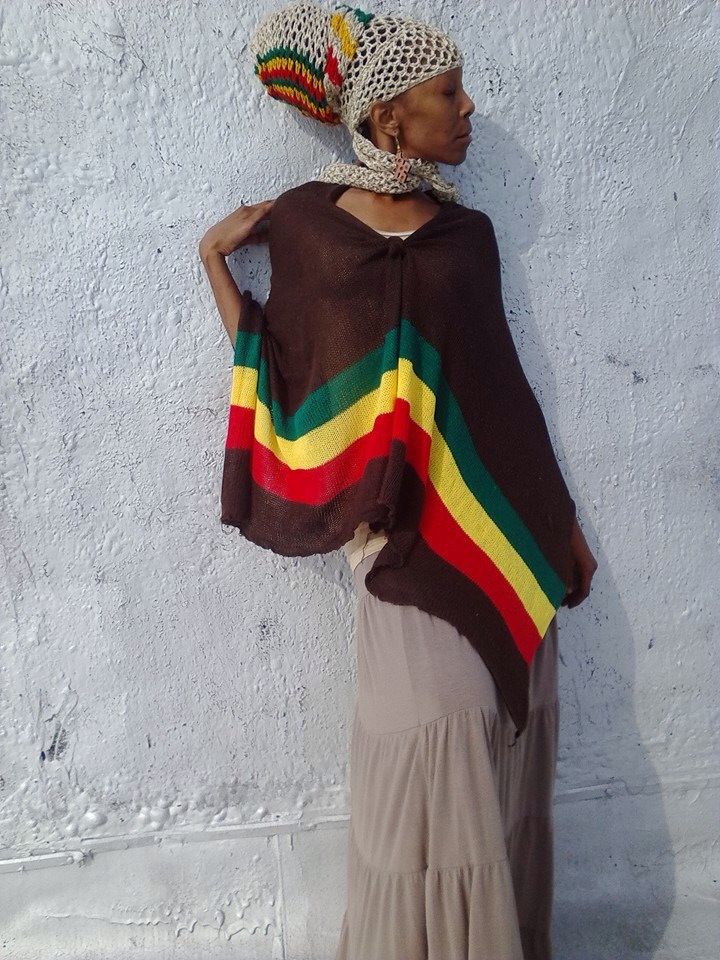
One of the clearest continuities between West African and Jamaican dress is the head tie.
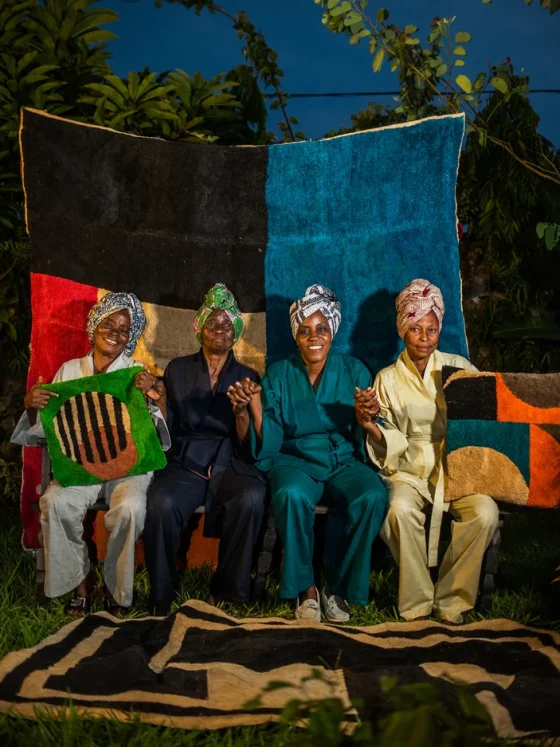
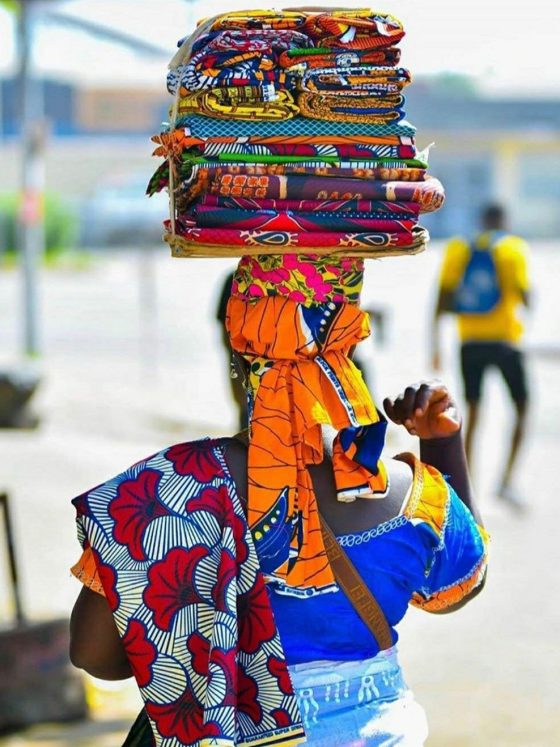
In many West African cultures, headwraps carry meaning. They signal age, marital status, respectability, and social awareness. The act of tying the head is both practical and symbolic.
In Jamaica, head ties evolved into what is commonly called the “head-tie” or “headwrap,” often worn by women in both historical and contemporary contexts. While the styles may differ from their African counterparts, the underlying significance remains.
Head ties became a means of preserving dignity and identity under conditions in which self-expression was limited. They allowed women to assert presence, even within restrictive systems.
Omiren Argument
The Middle Passage was designed to erase. It stripped people of language, land, name, and community with systematic deliberateness. What the architects of that system did not account for was the body itself, and what the body remembers. A woman who could no longer wear the specific cloth of her Yoruba or Akan community could still tie fabric around her head in a way that carried the grammar of that tradition forward. She could not always name what she was doing. She did not need to. The knowledge lived in the hands, in the angle of the fold, in the number of points left standing. Jamaican head-tie culture is not an approximation of African practice. It is an African practice, rerouted through one of the most violent disruptions in human history and arriving, still intact in its essential logic, on the other side of the Atlantic.
What global fashion does with this inheritance is instructive. It photographs the head tie as a Caribbean aesthetic and markets madras as island style. It celebrates the visual language of Jamaican dress without tracing it back to the West African women who built the original grammar. The diaspora is credited with the surface. Africa is credited with nothing. This is the standard operation: sever the connection between a tradition and its source, allow enough generations to pass for the severance to feel natural, and then present the result as a regional style available for global consumption. Omiren Styles refuses that severance. The head tie that survived the Middle Passage did not lose its African authorship when it crossed the water. It carried that authorship with it, and documenting it honestly means naming where it began, not only where it arrived.
Madras Fabric: A Transatlantic Textile Story
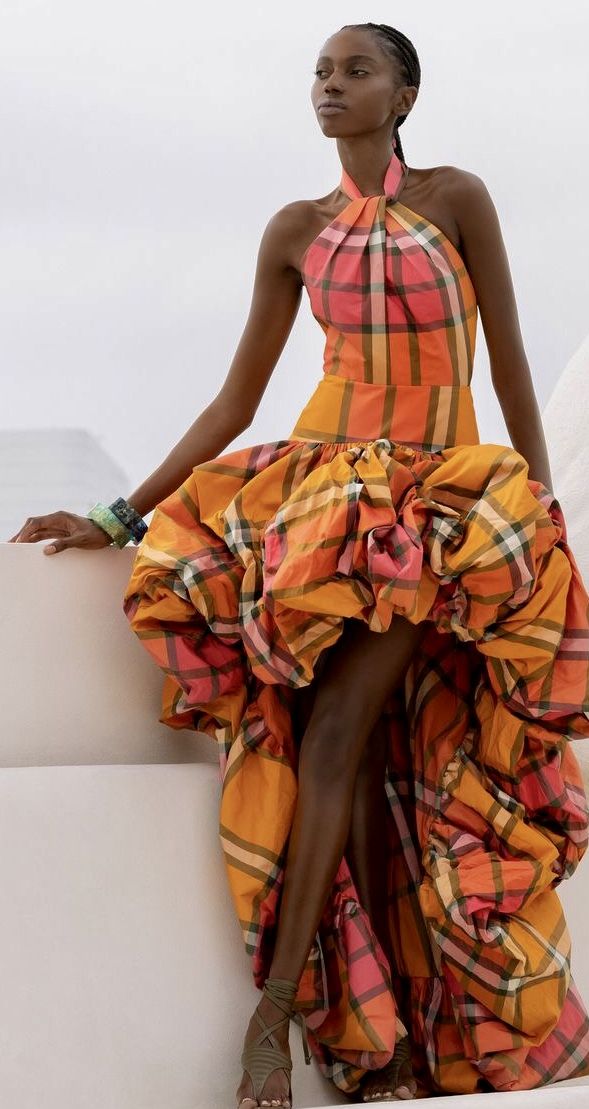
Madras fabric is one of the most recognisable elements of Jamaican dress. Characterised by its lightweight cotton and vibrant plaid patterns, it is widely associated with Caribbean identity.
However, its story is more complex.
Madras originated in India and was introduced to the Caribbean through colonial trade networks. Over time, it was adopted and reinterpreted by African-descended communities in Jamaica.
What makes this significant is not just the fabric itself, but how it was used. How Madras was wrapped, styled, and incorporated into dress often reflected African textile traditions.
In this sense, madras became a medium through which African aesthetic principles could continue, even when original materials were no longer accessible.
The Language of Head-Tying in Jamaica
Just as in West Africa, the way a head tie is styled in Jamaica can carry meaning.
Different tying techniques can indicate social roles, personal style, or cultural affiliation. In some traditions, the number of points or peaks in a head tie can signify marital status or availability.
While not all of these meanings are universally practised today, the idea of head-tying as a form of communication persists.
The head tie is not random. It is intentional. It reflects a history of using dress as a form of expression in environments where other forms of communication were restricted.
Dress as Resistance and Adaptation
In colonial Jamaica, dress was often regulated. Enslaved individuals were restricted in what they could wear, and clothing was used as a tool of control.
Within these limitations, creativity emerged.
Women adapted available materials, developing styles that balanced practicality with expression. Head ties, in particular, became a site of resistance. They allowed for individuality within uniformity.
This adaptability is a key aspect of African diasporic culture. It reflects the ability to preserve identity even under pressure.
Jamaican Dress Culture Today
Today, the influence of African textile traditions can still be seen in Jamaican fashion.
Madras remains central to national dress, often worn during cultural celebrations and formal events. Head ties continue to appear in both traditional and contemporary styling.
Modern Jamaican designers are also revisiting these elements, integrating them into new forms of expression. This reflects a broader movement within the diaspora to reconnect with African heritage.
The Diaspora Connection
The connection between African and Jamaican dress is part of a larger diasporic narrative.
Across the Caribbean, similar patterns can be observed. Head ties, wrapping techniques, and textile choices reveal a shared history that transcends geography.
These connections challenge the idea that culture is confined to place. They show that identity can travel, adapt, and endure.
For many in the diaspora, engaging with these traditions is a way of reconnecting with a history that was disrupted but never erased.
READ ALSO:
- When the Gele Speaks: The Cultural Language of Yoruba Head-Tying
- Dancehall Fashion: Jamaica’s Most Influential Export That Fashion Media Refuses to Credit
- The Caribbean–African Fashion Corridor: How Lagos, Trinidad, and Jamaica Built A Shared Visual Culture
Beyond Aesthetics: Dress as Archive
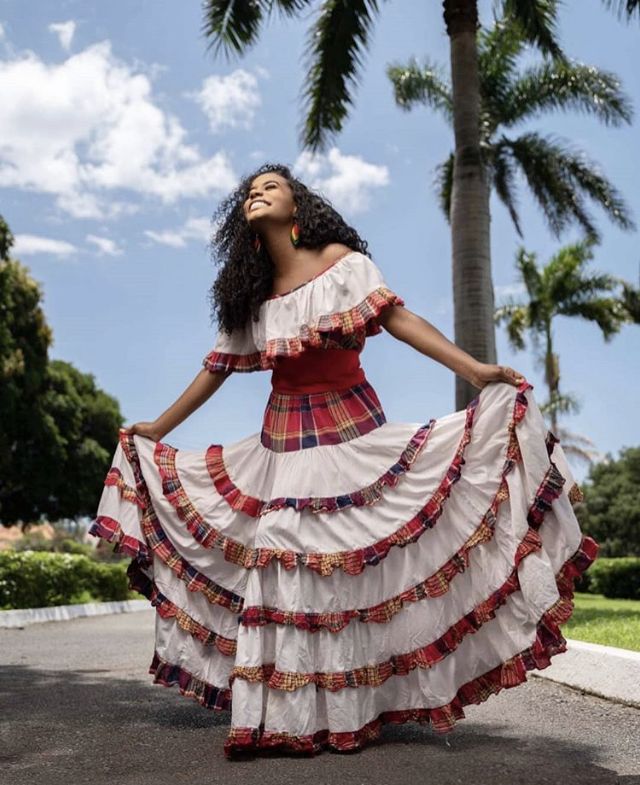
Jamaican dress culture, like many diasporic traditions, functions as an archive.
It preserves knowledge that may not be written but is remembered through practice. The way a head tie is folded, the choice of fabric, and the context in which it is worn—all of these elements carry information.
This is why these traditions matter. They are not simply visual. They are historical.
Global Recognition and Responsibility
As Jamaican and African-inspired styles gain global visibility, there is growing interest in their aesthetics.
However, as with all cultural expressions, visibility must be accompanied by understanding. Without context, these elements risk being reduced to trends.
Recognising their origins and meanings ensures that they are appreciated rather than appropriated.
Conclusion
What Jamaica kept is not just fabric or technique. It is a memory.
Through head ties and textile traditions, a connection to West Africa has been preserved across generations. These elements serve as reminders that culture can survive even the most profound disruptions.
To see Jamaican dress culture fully is to recognise these layers. It is to understand that what appears as style is often something deeper.
It is history, carried forward.
Frequently Asked Questions (FAQs)
- What is madras fabric in Jamaica?
Madras is a lightweight cotton fabric with plaid patterns widely used in traditional Jamaican dress.
- Are Jamaican head ties African in origin?
Yes, Jamaican head ties are influenced by West African headwrap traditions that survived through the diaspora.
- What do head ties symbolise?
Head ties can symbolise identity, respect, social role, and cultural continuity.
- Why is African influence strong in Jamaican fashion?
Jamaica’s population has deep roots in West Africa, and many cultural practices, including dress, have been preserved and adapted.
- Is Jamaican traditional dress still relevant today?
Yes, it remains an important part of cultural identity and continues to influence modern fashion.