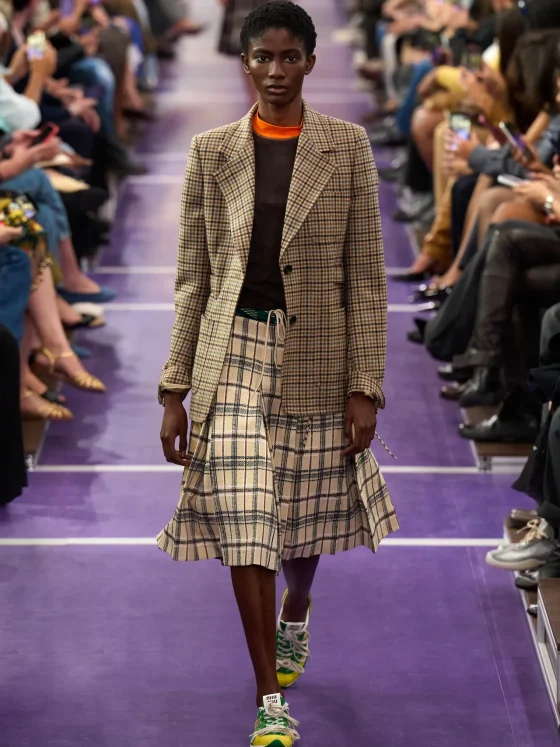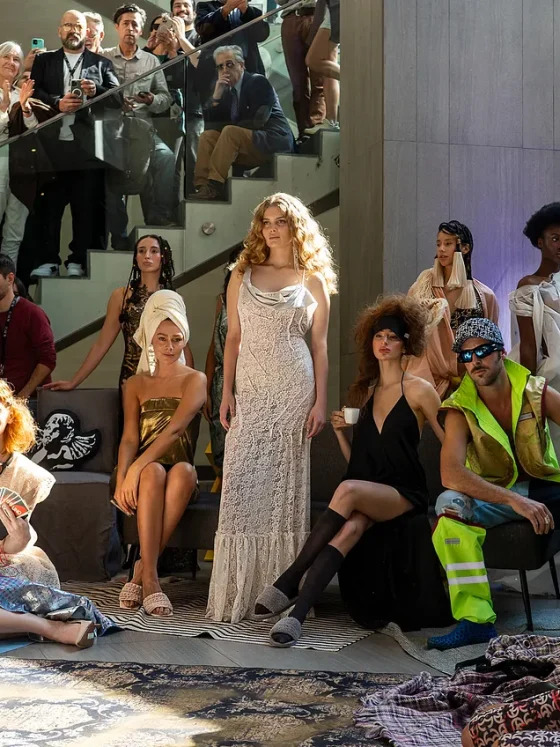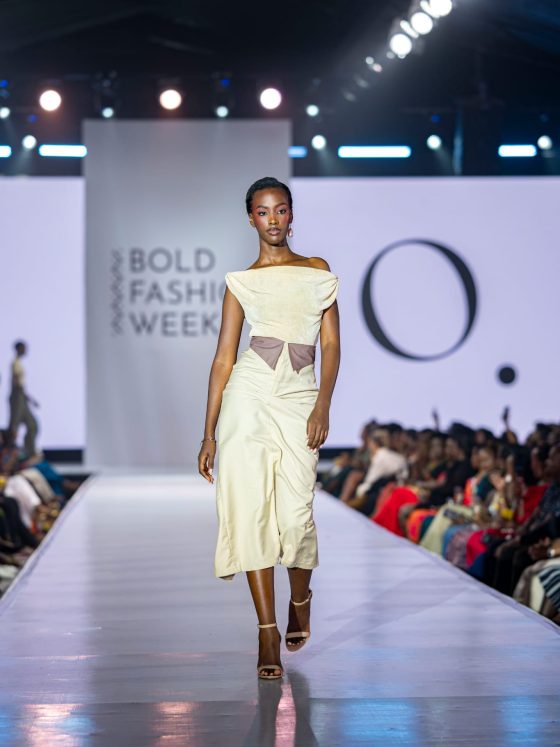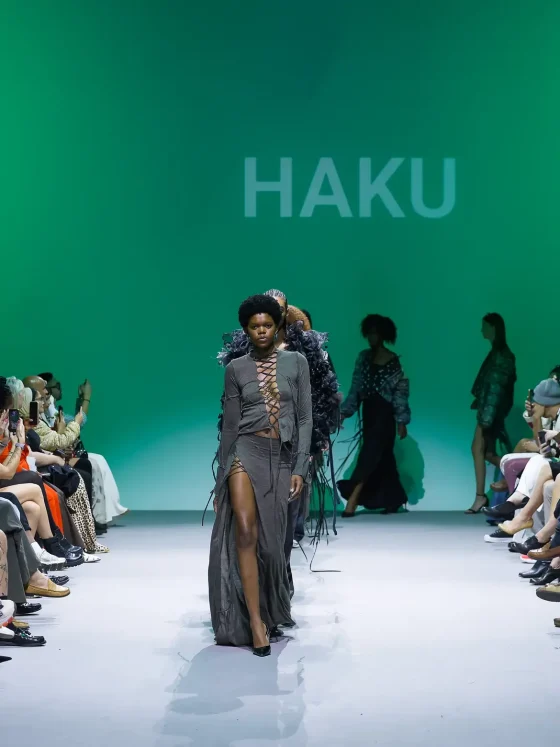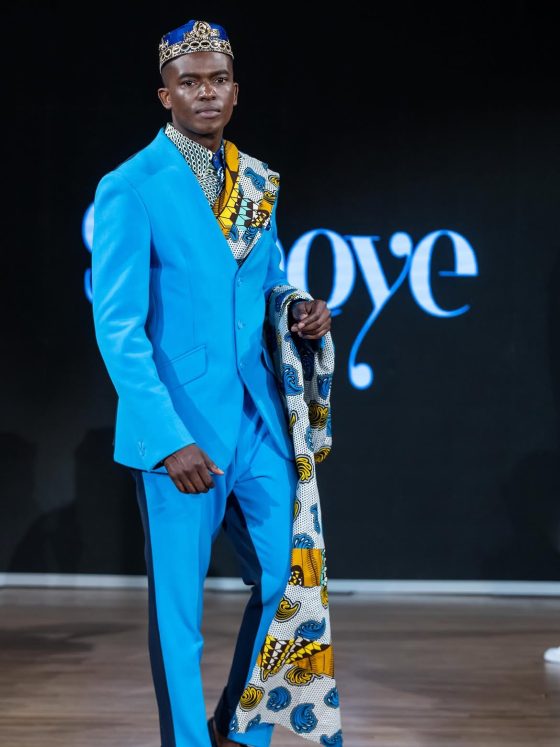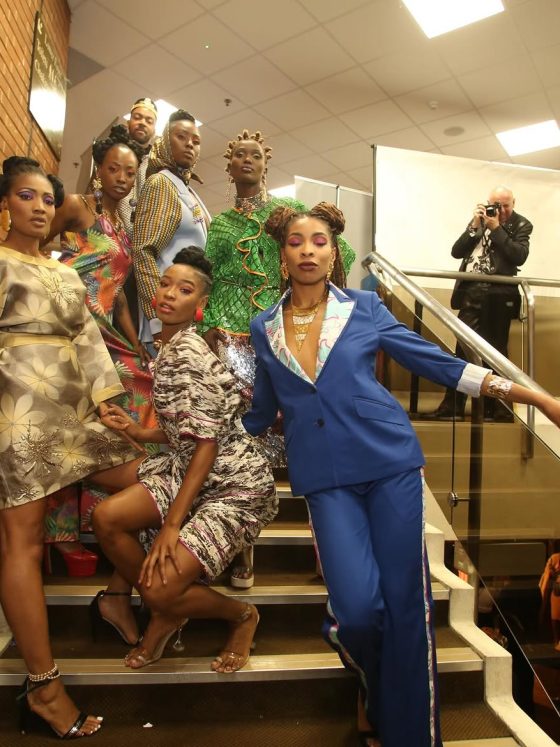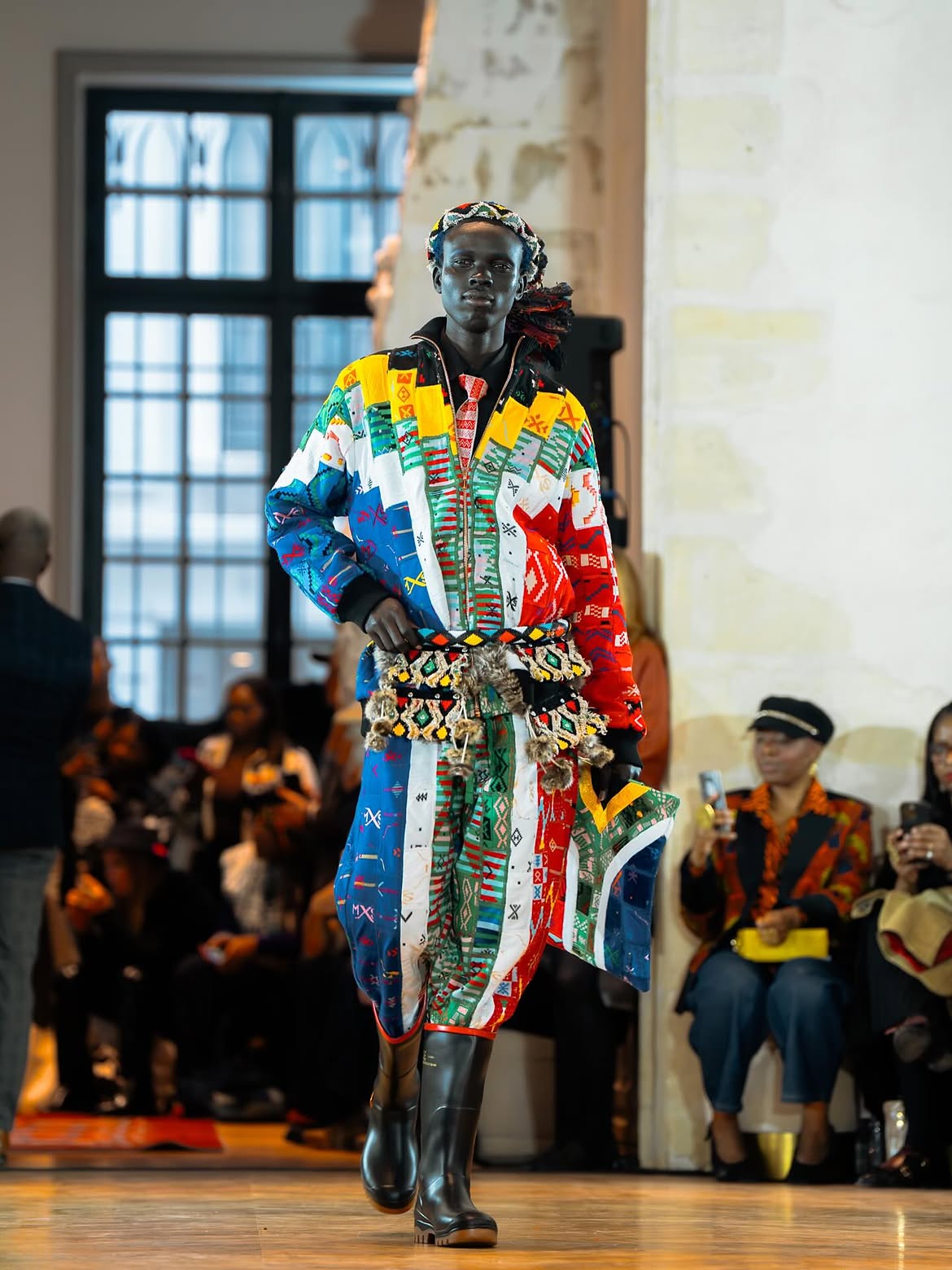
Paris Fashion Week is not one event. It is two events running simultaneously in the same city during the same week. The first event is the one most people see: runway shows, celebrity front rows, editorial coverage, and social media output. The second event is the one that produces the money. It happens in showrooms, multi-brand agencies, private appointments between designers and buyers, and business-to-business trade platforms that position themselves in Paris during fashion week, where the buyer community concentrates.
The Fédération de la Haute Couture et de la Mode confirmed that Paris Fashion Week generates around €1.2 billion in economic impact per edition, drawing approximately 30,000 international professionals. Buyers drive that figure by travelling to Paris to place orders. Showroom appointments produce it. The commercial circuit, runway shows, announcements, and trade platforms complete what drives it. A fashion brand can have the most talked-about show in Paris and generate none of that revenue if it lacks the showroom infrastructure to convert attention into orders.
African fashion has been present in that second event for nine consecutive seasons. CANEX Presents Africa, led by Afreximbank, has held a dedicated pavilion at TRANOÏ Paris since the partnership began. TRANOÏ is a B2B fashion platform for professional visitors, positioned within Paris Fashion Week as a trade destination for buyers, retailers and distribution partners. The pavilion at the Palais Brongniart is not a runway show. It is a showroom presence in the commercial event that runs alongside the runway. That is the signal. Nine seasons of that presence is the signal compounding.
Paris Fashion Week is a €1.2 billion commercial event built around its showroom circuit. CANEX has placed African fashion brands in that circuit for nine consecutive seasons. This piece reads what that signal means – and what comes next.
What Paris Fashion Week Actually Runs On
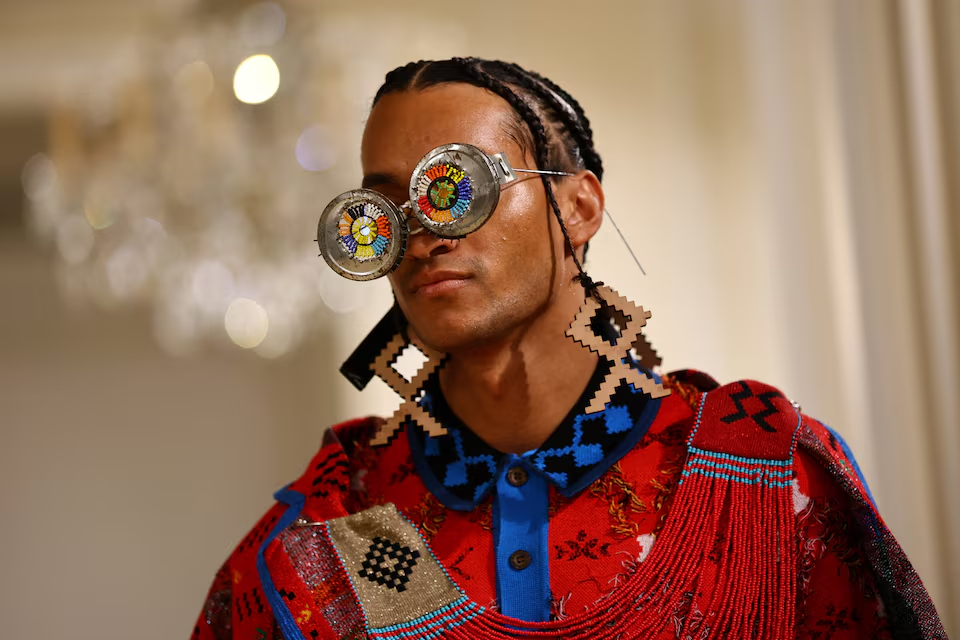
The UKFT’s March 2026 report on Paris Women’s Fashion Week confirms the buyer and showroom dynamics in the specific terms that matter for understanding how the week works commercially. Buyers from Europe, the United Kingdom, the United States, Korea, and Japan attended showrooms during the week. A multi-brand showroom director noted that the week’s commercial activity shifted between calendar editions and between January and March booking windows. Another brand’s Paris showroom extended its opening by a day to accommodate continued wholesale growth across Central and South-east Europe and the Americas. These are the commercial details behind the economic impact figure.
The showroom is where Paris Fashion Week places orders. It is where a buyer meets a brand’s commercial representative, reviews the season’s samples, assesses the line sheet, confirms the pricing and minimums and decides whether to commit. The runway show generates the context for that decision: it establishes the brand’s creative direction, its press coverage and its position in the season’s conversation. But the decision itself happens in the showroom, not in the show.
WWD’s reporting on how smaller brands operate at Paris Fashion Week documented a structural reality that independent fashion brands, African or otherwise, are navigating: showrooms now rely on hundreds of small multibrand retailers rather than large department stores, with individual orders running between $20,000 and $40,000 requiring renewed focus on one-to-one buyer relationships. Payment terms have tightened. Orders are pre-approved selectively. The buyer landscape for independent brands in Paris is specific, competitive and built on sustained relationships rather than single-season appearances.
That last point is what makes nine consecutive seasons of CANEX at TRANOÏ worth examining as a trade signal rather than a series of individual events. The commercial case for a sustained B2B presence is not made in one season. It builds across seasons: buyer contacts become buyer relationships, the pavilion becomes a known address during Paris Fashion Week, and returning brands demonstrate the continuity wholesale buyers require before committing to an order.
What Nine Seasons Signals
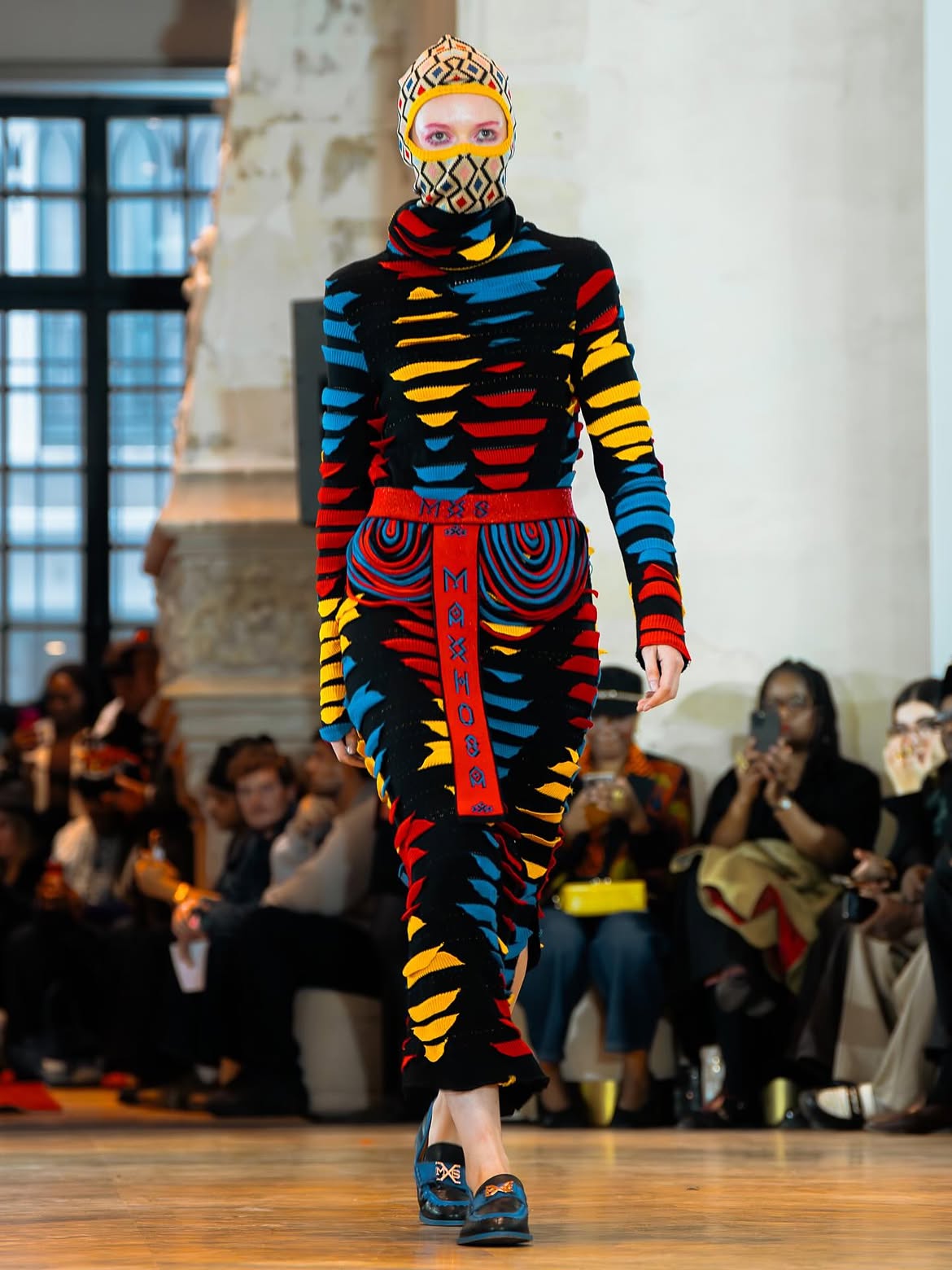
A presence that returns for nine seasons is not a promotional intervention. It is infrastructure. The distinction matters because infrastructure produces compounding value over time, and promotional interventions produce visibility that dissipates when the promotion ends.
CANEX at TRANOÏ has been in place since a season when African fashion brands’ presence at a B2B Paris trade platform during Paris Fashion Week was notable precisely because it was uncommon. Nine seasons later, the presence is not notable because it is uncommon. It is notable because it is established. The CANEX pavilion at TRANOÏ is now a known address for buyers during Paris Fashion Week who are looking for African and diaspora creative brands.
That shift, from notable novelty to established address, is the commercial signal the ninth season represents. A buyer who attended the CANEX pavilion in its first or second season was visiting something that required explanation. A buyer who visits in the ninth season is visiting something they already know exists, whose location they know, whose selection process they understand and whose participating brands they may have been following for multiple seasons. The pavilion has become a market institution within the Paris Fashion Week trade calendar.
The selection criteria for the CANEX programme reinforce that signal. Eligible brands must have at least three years of professional experience and at least two collections. Those criteria filter for commercial readiness, not just creative quality. The pavilion is selecting brands that can have the conversation a buyer needs to have before placing an order: brands with production history to demonstrate delivery reliability, enough collection depth to show range, and enough commercial experience to discuss pricing, minimums, and lead times in specific terms.
Where the Signal Reaches
Paris Fashion Week’s buyer community is international in the full commercial sense. The UKFT report confirms buyers from Europe, the United States, Korea, and Japan attended showrooms during the March 2026 edition. A buyer from a Tokyo multi-brand retailer who encounters the CANEX pavilion at TRANOÏ during Paris Fashion Week is encountering African and diaspora fashion in the commercial setting they use for all their professional sourcing decisions. They are not in an African context, at an African platform, evaluating African work on terms specific to that context. They are in Paris; during the week, the global fashion trade uses them as a key commercial moment, making the same sourcing assessments they would make for any brand in the building.
The geographic reach of that buyer community is what gives the TRANOÏ presence its specific market-access value. Lagos Fashion Week, Dakar Fashion Week and South Africa Fashion Week draw buyers, but the buyer communities at those events are concentrated in African and diaspora networks. The buyer community at TRANOÏ Paris during Paris Fashion Week includes European, North American, and Asian retailers whose stocking decisions most directly produce the revenue and international visibility African fashion brands are working to build.
This is not a criticism of African fashion weeks. Those platforms do essential work: building the creative record, establishing the institutional infrastructure, and generating the cultural authority that gives African fashion its standing. The point is that the two types of presence, continental and Parisian, serve different commercial functions, and both are necessary for a complete market-access strategy. The continental platform builds the creative case. The Parisian B2B pavilion converts that case into international buyer conversations.
The Showroom Dynamics Independent Brands Navigate
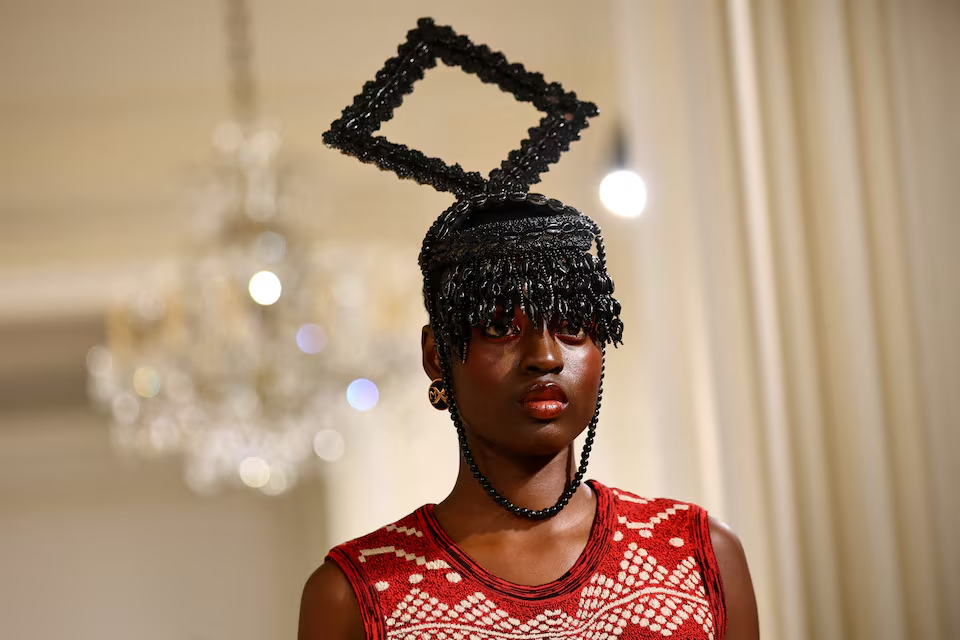
The commercial environment that African fashion brands encounter at TRANOÏ is not a protected space. It is the same competitive B2B environment that independent brands from every market navigate. The WWD analysis of small brands at Paris Fashion Week documents the pressures: a showroom landscape where large department stores have been replaced by hundreds of smaller multibrand boutiques, where payment terms have tightened and where orders are pre-approved selectively to manage risk.
For brands in the CANEX pavilion, those pressures apply directly. A buyer who is interested in a brand from the pavilion is making the same risk assessment they would make for a brand from Portugal or Korea: can this brand produce to specification, deliver on time, replace defective units, and sustain the quality and creative direction that made the buyer interested in the first place? The institutional endorsement of the CANEX selection process provides one signal of reliability. The brand’s own commercial documentation, samples and production history provide the rest.
As Omiren Styles’ analysis of the CANEX–TRANOÏ partnership established, the pavilion creates the access. What the access produces depends on the commercial readiness of the brands in it. A brand that attends nine seasons of the pavilion without building its line sheet, sample quality, delivery reliability, and buyer follow-up process each season is not compounding the value the institutional presence creates. The pavilion is the consistent element. The brand’s commercial development is the variable one.
What the Signal Does Not Yet Confirm
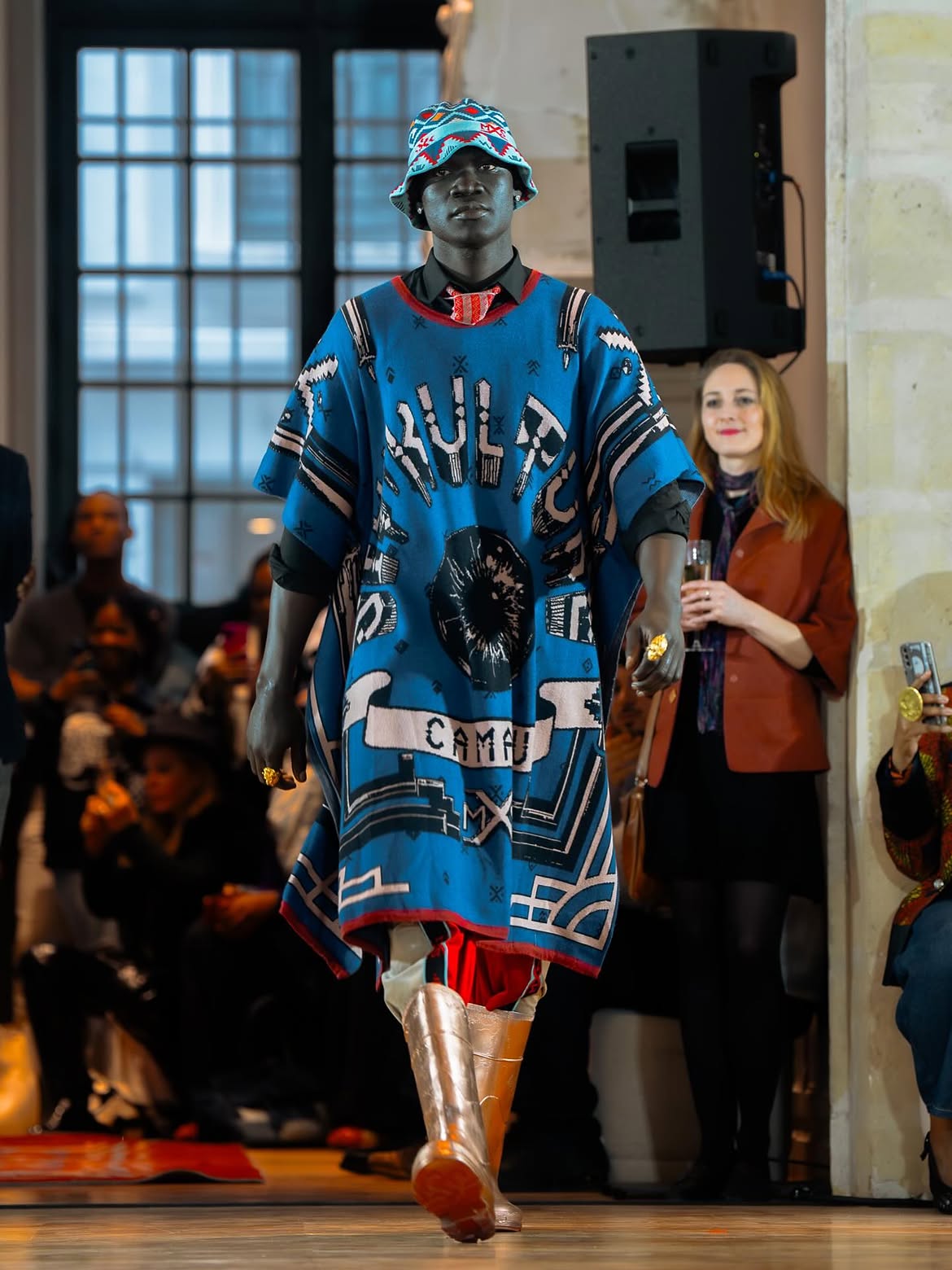
Nine seasons of institutional presence at a Paris B2B platform is a structural achievement. It is not yet a documented commercial track record for African and diaspora fashion brands at that platform. The distinction matters for how the signal is read.
The commercial track record requires confirmed orders placed with CANEX pavilion brands over those nine seasons. It requires delivery records: did the brands whose buyers placed orders fulfil those orders on time and to specification? It requires reorders: did any first-season orders become second- and third-season repeat business? It requires stockist confirmations: which brands from which CANEX seasons are currently carried by which European, North American or Asian retailers as a direct result of their TRANOÏ presence?
None of those records has been published at the programme level. Individual brands may have them. The programme has published its selection criteria, participating brands, and institutional partnership with Afreximbank. The commercial outcomes behind nine seasons of that presence are the next layer of evidence the programme needs to make the full market-access argument.
As Omiren Styles has argued throughout its coverage of African fashion’s commercial infrastructure, the cultural argument for African fashion has been made and won. The commercial argument requires data: orders placed, deliveries made, stockists confirmed, reorders secured. The nine-season signal is evidence that the infrastructure for that argument is being built. The data that would confirm the argument is what the industry needs to produce and publish next.
ALSO READ
- CANEX at TRANOÏ: What Market Access Really Looks Like
- Why Fashion Weeks Must Deliver More Than a Runway
- African Fashion Has Visibility – But Where Are the Buyers?
- What Buyers Need Before They Place an Order
- The Global South Made Fashion. It Just Never Got Credit
The Omiren Argument
Paris Fashion Week’s African trade signal is real, structural, and compounding. A B2B pavilion at one of the world’s most commercially serious trade platforms, sustained across nine consecutive seasons, with a selection process that prioritises commercial readiness, during the week that concentrates the global fashion buyer community in a single city, is not a promotional moment. It is a market presence.
What that market presence is producing in confirmed orders, sustained buyer relationships and measurable export revenue for participating brands is the question that the next chapter of the CANEX–TRANOÏ partnership needs to answer. The signal is clear. The commercial outcomes behind it are the work.
The infrastructure for African fashion’s commercial argument in Paris is in place. Nine seasons at TRANOÏ is the foundation. The orders, the deliveries, the stockist relationships, and the reorders are what turn that foundation into the revenue argument the industry needs to make. Paris Fashion Week’s African trade signal is no longer a question of whether African fashion belongs in the room. It is a question of what African fashion is building from the room it has earned.