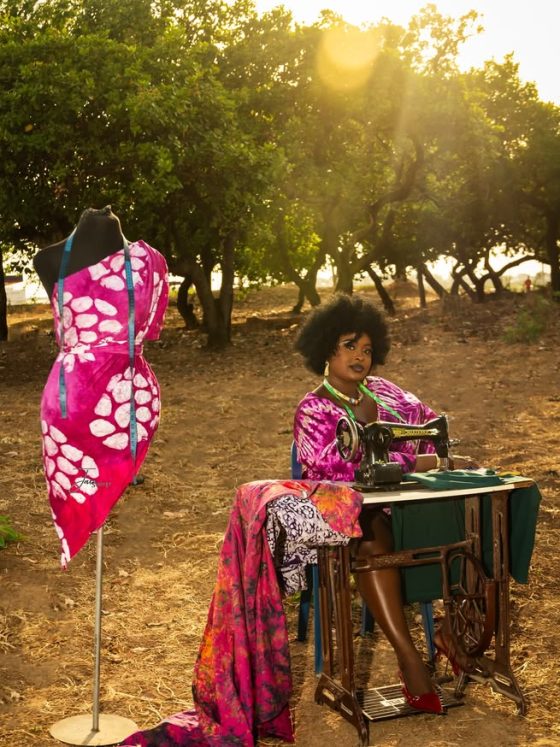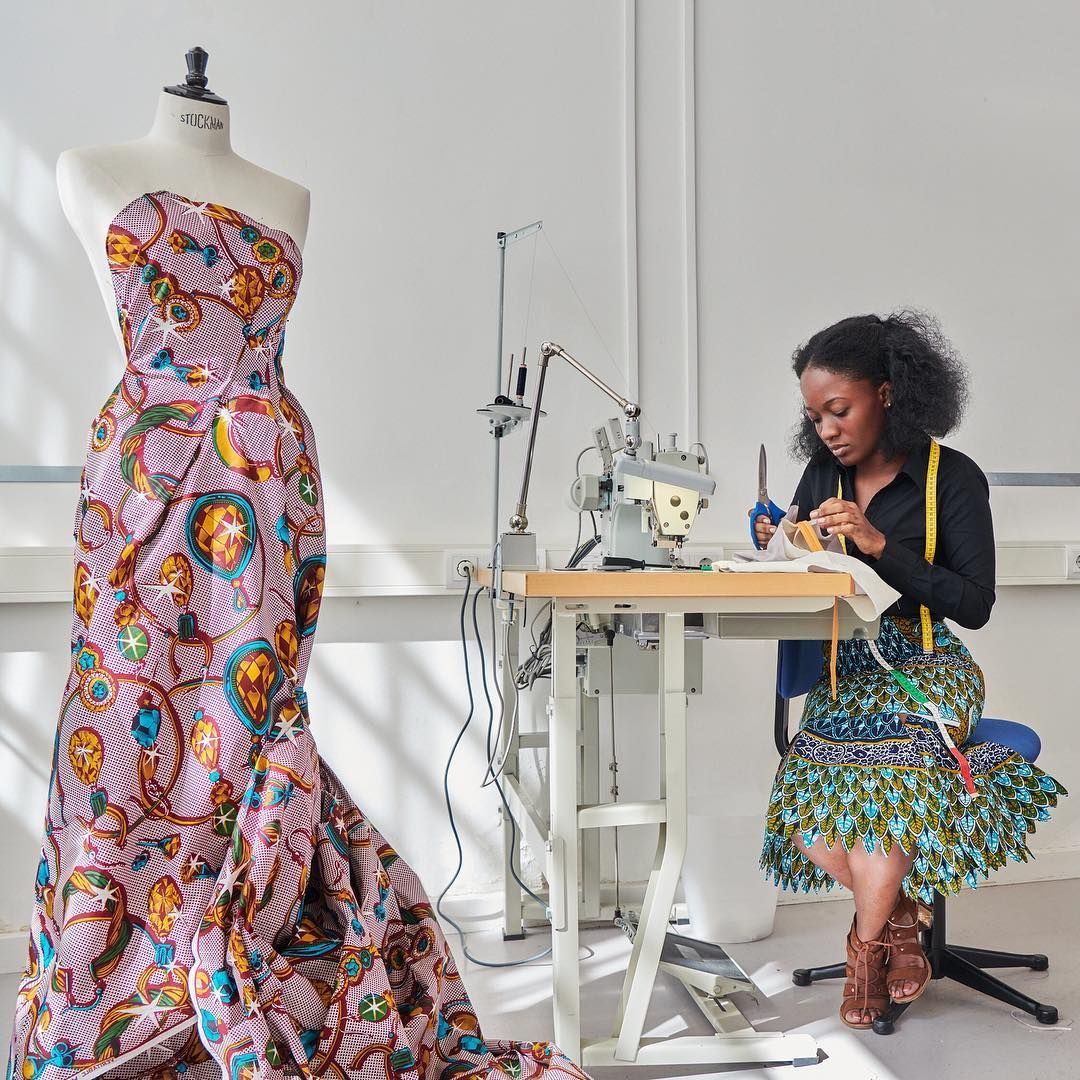
Fashion has always liked the word ‘provenance.’
It appears in collection notes, brand stories, hang tags, campaign photography and press releases. It describes the Peruvian alpaca, the Japanese selvedge, the Ghanaian kente, the Togolese pagne, the Moroccan leather. It signals cultural authority, ethical sourcing and a supply chain worth trusting. It suggests that the brand knows something the consumer does not: where this came from, who made it, why that matters.
The problem is that most fashion brands claiming provenance cannot, in practice, prove it through the supply chain documentation they hold.
The cotton described as ‘ethically sourced from West Africa’ may have passed through three processing facilities before reaching the fabric converter, and the brand may have documentation for the converter but not for the spinning mill, the ginnery or the farm. The ‘hand-woven in Ghana’ kente may have reached the brand through a wholesale market in London rather than through a direct producer relationship, and the brand may know the London trader’s address but not the weaver’s workshop. The ‘made in Portugal’ garment may have been cut in Portugal but assembled using components from suppliers whose subcontracting arrangements the brand has not mapped.
None of this is necessarily dishonest. It is a structural condition of how fashion supply chains currently operate. Most fashion brands genuinely believe their provenance claims. The problem is that belief is not evidence, and the regulatory environment the fashion industry is moving into in 2026 and beyond does not accept belief as evidence It requires documentation.
A provenance claim is not a statement about what a brand believes about its supply chain. It is a statement about what the brand can prove with verifiable records at the level of the claim. A brand that says ‘sourced from’ must be able to say sourced from where, by whom, on what date, through what process, verified by what documentation.
A provenance claim in fashion is a statement that will increasingly be tested. This editorial explains what material traceability actually requires, why most claims fall short, and what building a credible provenance record looks like in practice.
What the Regulatory Direction Means
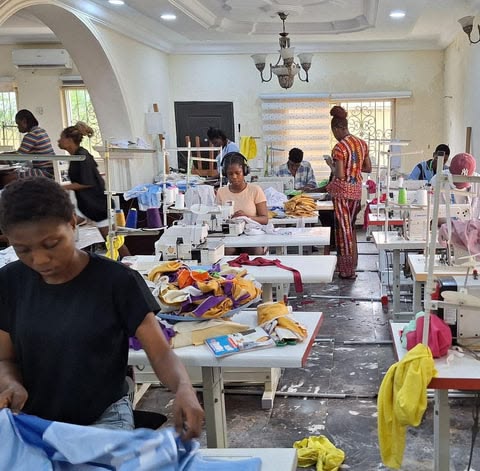
As Tracextech documented in its May 2026 analysis of origin traceability for textile Digital Product Passports, under the EU’s Ecodesign for Sustainable Products Regulation, which came into effect in July 2024, brands selling textiles in the EU must provide a basic Digital Product Passport by 2027 and a full passport by 2028 and 2029. That requires tracing fibre provenance, processing steps and environmental attributes across a supply chain that typically spans five or more countries and dozens of intermediaries. The ESPR Working Plan confirmed textiles as a first-priority category in April 2025. Delegated acts defining specific requirements are expected in late 2026, followed by an 18-month compliance period.
In May 2026, the Joint Research Centre published the first complete specification of Digital Product Passport content for textiles: 49 data points across four categories. The minimum data granularity is the production batch, not the individual item. Item-level tracking remains voluntary at this stage. Two-thirds of EU apparel comes from outside the Union, so traceability requirements apply to brands importing products into the EU, regardless of where production occurred.
As COSH’s May 2026 analysis of DPP requirements establishes, the expected delegated act will require data across six categories: material composition and weights, including fibre content and percentage of recycled or certified inputs; key manufacturing processes, including dyeing, finishing and country of origin per production stage; core environmental indicators such as climate impact, water use and energy intensity; chemical compliance references; basic supply chain traceability covering at minimum Tier 1 and Tier 2 suppliers; and durability, repairability and recyclability information. If a brand already collects this data internally, DPP compliance will be an integration exercise. If a brand does not, it is facing a data infrastructure project that will take years to complete.
Years. Not months. Preparation takes years of data work, and brands that piloted Digital Product Passports in 2024 and 2025 discovered critical gaps in serialisation, supplier data maturity and internal systems that would have been far more costly to fix under a live compliance deadline. The brands currently making provenance claims from marketing language rather than supply chain documentation are not preparing for a future requirement. They are accumulating a liability whose cost grows with each season that passes without action.
The Gap Between Provenance Claims and Supply Chain Documentation

The gap between what fashion brands claim about their materials and what they can document is one of the most consistent features of the industry’s current state.
It exists not because brands are systematically dishonest but because the documentation system that would allow honest claims was never built. Fashion supply chain management developed to manage commercial relationships, including purchase orders, shipping schedules, quality inspection records, and payment terms. It was not designed to produce a verifiable record of where a fibre was grown, who spun the yarn, which mill wove the fabric, what dyes were used, which workers finished the garment and what their employment conditions were.
As Omiren Styles has established in its analysis of the documentation gap in fashion supply chains, the fashion supply chain consistently fails to record the knowledge, skills, cultural practices, and specific human labour that make a product what it is. The documentation gap around provenance is one of the most commercially significant expressions of that general failure: the claim is made at the retail end of the chain about information that was never recorded at the production end.
Fibre-level traceability means documenting the origin and journey of a raw material from the farm or production site through every processing step to the finished garment. For a cotton garment, that means knowing which farm or farming cooperative grew the cotton, in which region, under what agricultural conditions; which ginnery separated the fibre; which spinning mill converted it to yarn; which weaving mill produced the fabric; which dyehouse applied the colour; which converter or finisher prepared it for garment production; which manufacturer cut and sewed the garment; and which logistics operator transported it at each stage.
Most fashion brands know the last two of these. Some know the last three or four. Very few know all of them. And the fewer they know, the less their provenance claim can mean in a documentary sense, regardless of what it means in a marketing sense.
As Omiren Styles has established in its analysis of the fabric middleman and the fashion system, the converter, the wholesaler, and the jobber who sit between the mill and the designer are among the most commercially significant and least documented actors in the fashion supply chain. The opacity of the fabric intermediary chain is a structural feature of the intermediary’s commercial model rather than an oversight. The intermediary’s value derives partly from holding information that the parties on either side of it do not have. Building fibre-level traceability means breaking through that opacity, which requires direct supplier engagement at every tier rather than the Tier 1 management that most brands currently operate.
What Adequate Traceability Actually Requires
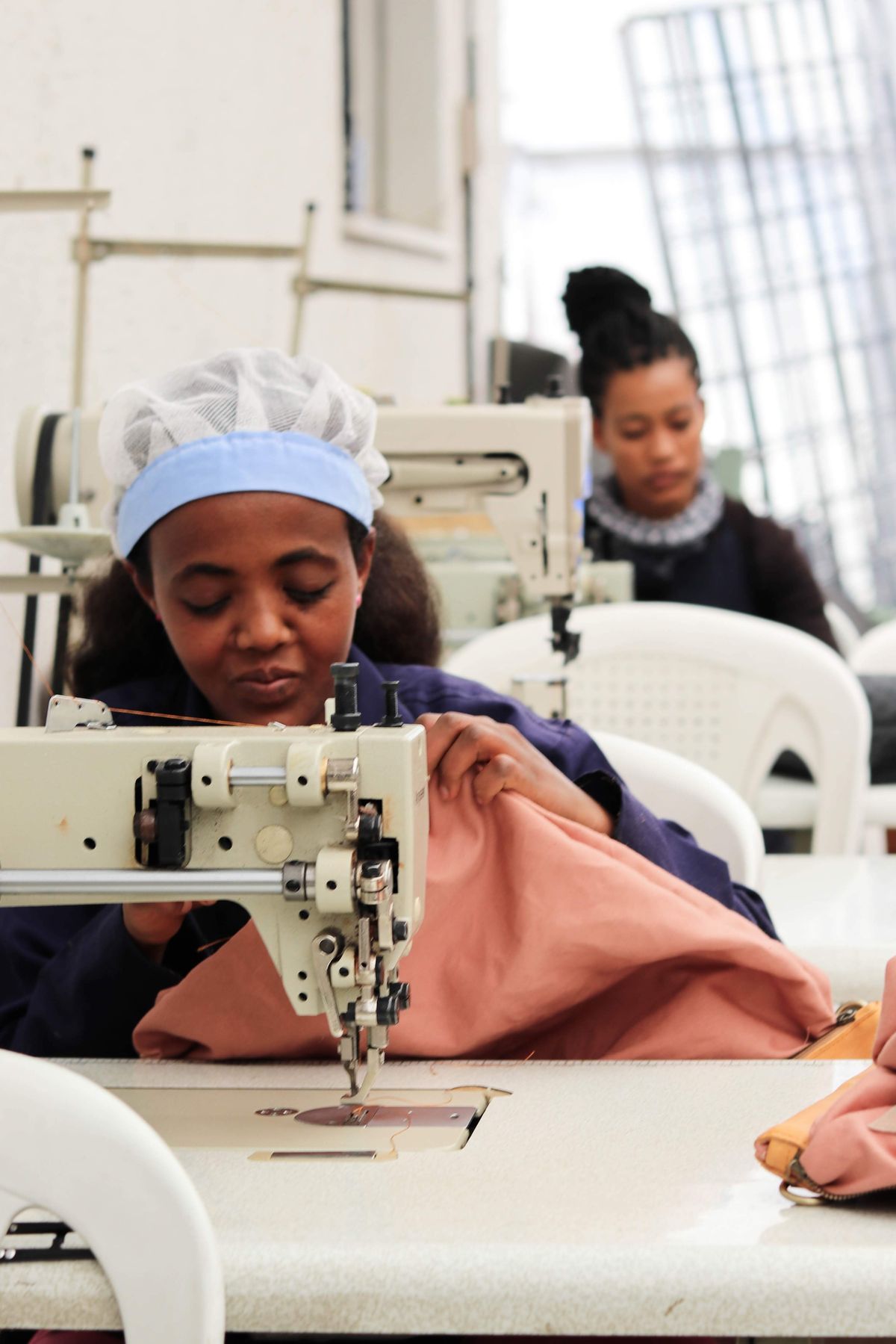
Adequate traceability for a provenance claim is not a country-of-origin label. It is a chain of custody: a sequence of documented relationships, each confirmed by records, that links the provenance claim to the point of origin it describes.
That chain of custody has several components that most current fashion provenance claims do not include.
The first is supplier mapping beyond Tier 1. A Tier 1 supplier is the entity from which the brand directly purchases: typically the garment manufacturer. Tier 2 is the fabric supplier to the garment manufacturer. Tier 3 is the yarn supplier to the fabric mill. Tier 4 is the raw material producer. A provenance claim about ‘ethically sourced cotton’ is a Tier 4 claim based on what the brand knows at Tier 1. It is, in almost every case, a claim built on an information gap of three supply chain tiers.
The second is transaction-level documentation at each tier. It is not sufficient to map the supplier network and know, in principle, who the suppliers are. Each relationship in the chain must be supported by transaction records, purchase orders, delivery notes, certificates, and testing records that confirm the material passed from one actor to the next in the form described by the provenance claim. A sustainability certificate held by a Tier 1 supplier, issued based on a self-declaration from a Tier 3 supplier, is not evidence of provenance. It is evidence of a self-declaration.
The third is physical verification at the point of origin. A provenance claim about handwoven production, artisan origin or specific geographic sourcing requires evidence that is physically verifiable, not only administratively recorded. The brand that claims its kente is woven in Ghana needs records linking the specific fabric it uses to a specific Ghanaian weaver or weaving cooperative, not a certificate from a trading intermediary in London that sources from multiple origins.
The fourth is version control and currency. Supply chain relationships change. A farm changes its practices. A mill changes its suppliers. A dyehouse changes its chemical formulation. A provenance claim that was accurate at the time of the last audit may not be accurate today. Adequate traceability requires a documentation system that maintains and updates the chain of custody as the supply chain changes, not one that produces a static document and then treats it as current indefinitely.
As Omiren Styles has established in its analysis of the full product data chain from technical pack to Digital Product Passport, the DPP is not a new story added after the garment is made. It is the later expression of product data that should have existed from the beginning. A brand that builds its technical pack with a clear, verified bill of materials, confirmed material sourcing, specified construction methods, and documented supplier relationships is already building most of what the Digital Product Passport will require. The provenance claim at the retail end of the chain should be the natural consequence of documentation discipline at the production end, not a marketing decision made independently of the supply chain record.
The Specific Problem for African and Global South Sourcing
The traceability challenge is amplified for brands sourcing from African, Caribbean and Global South markets, for reasons that are structural rather than specific to the brands or producers involved.
The first is intermediary density. The supply chain between an artisan community in West Africa and a fashion brand in Europe or North America typically includes more intermediary actors, not fewer, than the equivalent supply chain routed through established Asian manufacturing hubs. Each intermediary is a documentation gap: a point at which the information about the upstream supply chain is held by a party whose commercial model does not include transparent disclosure of their own suppliers.
As Omiren Styles has established in its analysis of Africa’s cotton supply chain and the buy-back problem, cotton exported from West Africa at approximately $0.80 per kilogram returns as finished fabric at $3 to $80 per kilogram, depending on the processing level. The intermediary chain that captures value as raw cotton moves from West African farms to Asian or European mills, through conversion, printing, and distribution, is the same chain that breaks the documentary continuity of provenance. The brand that buys back African cotton as imported fabric is not in a position to make a meaningful provenance claim about the fabric’s African origin because the chain of custody broke at the point of export.
The second is infrastructure asymmetry. The digital systems that modern traceability requires, including supplier portals, data-sharing platforms, QR-code-enabled batch tracking and standardised data formats, are more accessible to established manufacturing facilities in Asia and Europe than to artisan producers, small workshops and cooperative production networks in African and Caribbean markets. A traceability requirement that depends on digital infrastructure excludes precisely the producers whose provenance would be most valuable to document and most meaningful to claim.
The third is the cultural knowledge problem. The most distinctive provenance claims in African and Caribbean fashion relate not only to geographic origin but also to cultural practice: handwoven by Yoruba artisans using century-old strip-loom techniques; dyed by Malian bogolan practitioners using specific fermentation methods; woven by Ghanaian kente weavers following a pattern vocabulary whose symbolism carries community-specific meanings. These are provenance claims that require cultural as well as geographic documentation, and neither the EU Digital Product Passport framework nor most existing traceability platforms was designed to capture the cultural dimension of craft provenance.
A traceability system adequate for African and Global South craft provenance needs to record not only where but by whom, through what process, using what knowledge tradition, under what employment and wage conditions, and with what community relationship. That is a substantially more complex record than ‘country of origin: Ghana.’
What Brands Can Do Now

The gap between current provenance practice and adequate traceability is large. The regulatory timeline is shorter than most brands realise. The action required is not a single project but a sustained change in how supply chain information is collected, maintained and used.
The first thing a brand can do is stop making provenance claims it cannot support. A marketing team that describes a fabric as ‘sustainably sourced from West Africa’ without access to Tier 3 or Tier 4 documentation is creating a liability, not communicating a value. The honest alternative is to describe what the brand does know: ‘sourced through a certified supplier in [country]’ or ‘produced from organic cotton certified at the fabric level’ are defensible claims. ‘Sustainably sourced from West Africa’ is not sustainable if the brand has no documentation of what happened upstream of its Tier 1 supplier.
The second is to begin supplier mapping beyond Tier 1. The mapping does not need to be complete to be useful. Knowing who supplies fabric to the garment manufacturer, even without transaction-level documentation of that relationship yet, is progress toward the supply chain visibility that adequate traceability requires. Many brands currently do not know who supplies their Tier 1 manufacturer. That is the first gap to close.
The third is to build the documentation infrastructure that makes traceability sustainable, not the compliance document that satisfies a single audit. A bill of materials with named suppliers, reviewed and updated each season as the supply chain changes, is a more valuable foundation for traceability than a one-time certification. A purchasing policy that requires Tier 1 suppliers to disclose their own suppliers as a condition of the commercial relationship builds the information network that eventually reaches Tier 4. A technical pack that names the specific artisan community, rather than a generic fabric description, creates the record that makes cultural provenance claims documentable.
As Omiren Styles has established in its analysis of what makes a fashion manufacturer verified, the EU Digital Product Passport, mandating traceability from 2026, creates a regulatory requirement for material documentation that extends beyond commercial transaction records to include material origins, processing chains, and compliance credentials in a verifiable form. The brands that are building this infrastructure now are not only preparing for compliance. They are building the supply chain knowledge that will determine their ability to make meaningful provenance claims in a market that is increasingly capable of testing them.
The Editorial Position
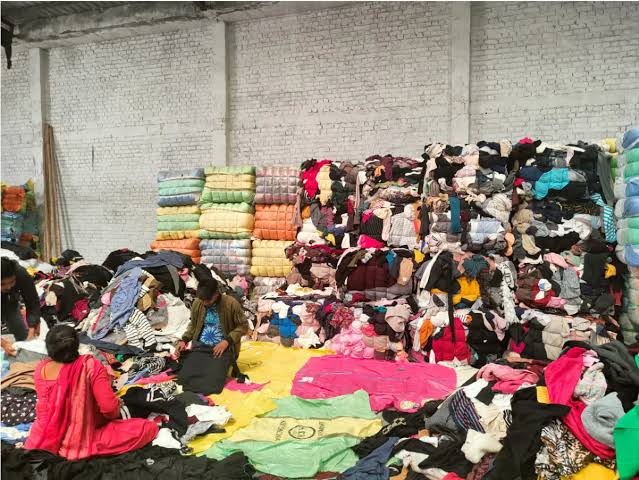
Omiren Styles is not neutral on this question.
The fashion industry’s provenance claims have, for a long time, operated in a space where the gap between what was claimed and what could be documented was invisible to the market. The claim was the experience. The documentation was irrelevant as long as no one checked.
That space is closing. The EU Digital Product Passport, supply chain due diligence regulation, NGO investigations, journalist reporting and consumer advocacy have all contributed to an environment in which provenance claims are increasingly being tested against evidence. The brands that built their commercial proposition on claims they could not support are not being asked to change their values. They are being asked to catch up with their own language.
For African, Caribbean and Global South fashion, the accountability this creates is both a challenge and an opportunity. The challenge: small producers and artisan communities that have been part of global fashion supply chains as undocumented inputs will now need documentation systems that most have not been supported in building. The opportunity: accurate, culturally specific, community-grounded provenance documentation is exactly what the market is beginning to demand and exactly what the fashion systems this series has been documenting have always been capable of providing, when the commercial relationships around them were structured to enable it rather than to extract without recording.
A provenance claim is worth making when it can be proved. It is worth proving because the people whose knowledge, labour and cultural practice it describes deserve the commercial recognition that proof enables. The traceability infrastructure is not an administrative burden. It is the record through which credit, compensation and accountability become possible.
As Omiren Styles has argued throughout this series, the Global South made fashion and never got credit. The Digital Product Passport and the traceability frameworks surrounding it are the closest thing the global fashion regulatory environment has yet produced to a mechanism that would make that credit mandatory. Whether that mechanism serves the communities whose production it documents, or merely creates a compliance checkbox for the brands that sell the product, depends entirely on whether the documentation behind the passport is honest, specific, and built with the cultural knowledge holder in the record rather than removed from it. That decision is not regulatory. It is editorial, commercial and moral. It must be made before the claim.
ALSO READ
- The Technology Behind the Garment: From Technical Pack to Product Data (Fashion Product Data Explainer)
- The Documentation Gap: What Fashion Supply Chains Still Fail to Record
- The Fabric Middleman Is Part of the Fashion System
- What Makes a Fashion Manufacturer ‘Verified’? A Practical Framework for Emerging Brands
- The Global South Made Fashion. It Just Never Got Credit.
Frequently Asked Questions
What is material traceability in fashion?
Material traceability is the ability to document the chain of custody of a fashion material from its point of origin through every processing stage to the finished garment. For a cotton garment, that means records at the farm, the ginnery, the spinning mill, the weaving mill, the dyehouse, the converter and the garment manufacturer. A provenance claim is credible when the brand can support it with records at the level of the claim being made: a claim about geographic origin requires geographic documentation; a claim about ethical sourcing requires employment and wage records; a claim about artisan production requires records that identify the specific producers and their practices.
What does the EU Digital Product Passport require for textiles?
As COSH’s May 2026 analysis documents, the EU’s Ecodesign for Sustainable Products Regulation took effect in July 2024, with textiles identified as a first-priority category. The delegated act defining specific requirements is expected in late 2026, with compliance targeted from 2027 to 2029. The expected data requirements include material composition and weights; key manufacturing processes by country of origin; environmental indicators; chemical compliance; basic supply chain traceability covering at least Tier 1 and Tier 2 suppliers; and information on durability, repairability, and recyclability. The Joint Research Centre published 49 data points across four categories in May 2026, with the minimum data granularity set at the production batch level.
What is fibre-level traceability and why does it matter?
As Tracextech documented, fibre-level traceability means documenting the origin and journey of a raw material from the farm or production site through every processing step to the finished garment. It matters for the Digital Product Passport because the EU regulation requires verifiable evidence of material origin and provenance, not just a country-of-manufacture declaration. Without fibre-level data, brands cannot populate the origin, composition or environmental footprint fields the passport requires. A supply chain that typically spans five or more countries and dozens of intermediaries means fibre-level traceability cannot be achieved through Tier 1 supplier management alone: it requires engagement with every tier at which value is added to the material.
Why do most fashion brands’ provenance claims fall short of adequate traceability?
Most fashion provenance claims fall short because the supply chain documentation system that would support them was never built for that purpose. Fashion supply chain management developed to manage commercial relationships – purchase orders, delivery schedules, quality records, payment terms – not to produce a verifiable chain of custody from farm to garment. Most brands know their Tier 1 supplier (the garment manufacturer) and have some knowledge of their Tier 2 supplier (the fabric supplier). Very few have documentation for Tier 3 (the yarn supplier) or Tier 4 (the raw material producer). A provenance claim about the geographic or ethical origin of a material is almost always made at Tier 4 based on what the brand knows at Tier 1.
How does the traceability challenge differ for brands sourcing from Africa and the Global South?
Three structural factors compound the traceability challenge for African and Global South sourcing. Intermediary density: the supply chain between an artisan community in West Africa and a fashion brand in Europe often includes more intermediaries than comparable Asian manufacturing routes, and each intermediary holds information the brand does not have access to. Infrastructure asymmetry: the digital systems that modern traceability requires are less accessible to artisan producers, small workshops and cooperative networks than to established industrial manufacturers, which means standard traceability solutions exclude precisely the producers whose provenance would be most distinctive. Cultural documentation gap: the most valuable African and Caribbean provenance claims are cultural as well as geographic, requiring records of the specific community, technique, knowledge tradition and wage conditions that no existing traceability platform was designed to capture.
What should a fashion brand do before making a provenance claim?
Before making a provenance claim, a brand should ask whether it has documentation at the level of the claim. A claim about geographic origin requires transaction records connecting the material to that geography through an unbroken chain of custody. A claim about ethical sourcing requires employment, wage and working-condition records from the relevant suppliers. A claim about artisan or handmade production requires records that identify the specific producers, their techniques and their working arrangements. If documentation does not exist at the claim level, the claim should be reformulated to reflect what the brand does know, or documentation should be created before the claim is made. Making claims that exceed the available documentation is not a marketing decision with acceptable risk. In the regulatory environment of 2026 and beyond, it is a liability.
EXPLORE MORE
Read the full Opinion and Fashion Technology sections at Omiren Styles for ongoing editorial analysis of supply chain traceability, the EU Digital Product Passport framework and the accountability infrastructure that would make fashion provenance claims documentable, verifiable and meaningful. Discover travel and heritage intelligence across Africa, the Caribbean and Latin America at Rex Clarke Adventures.