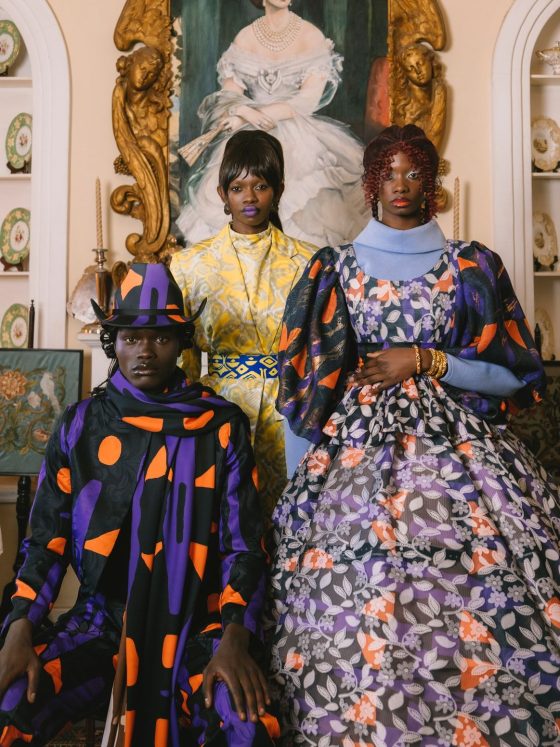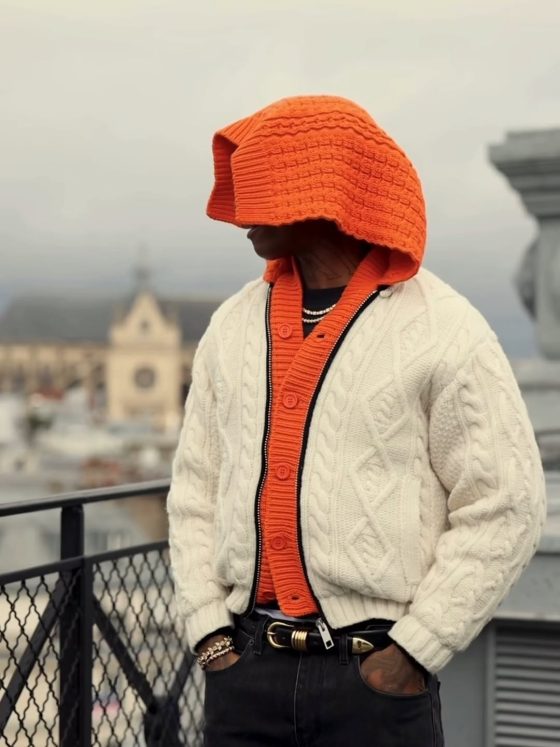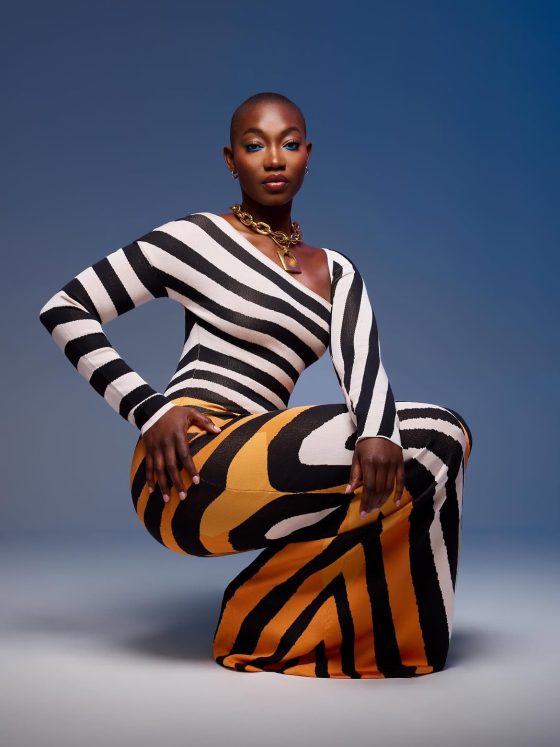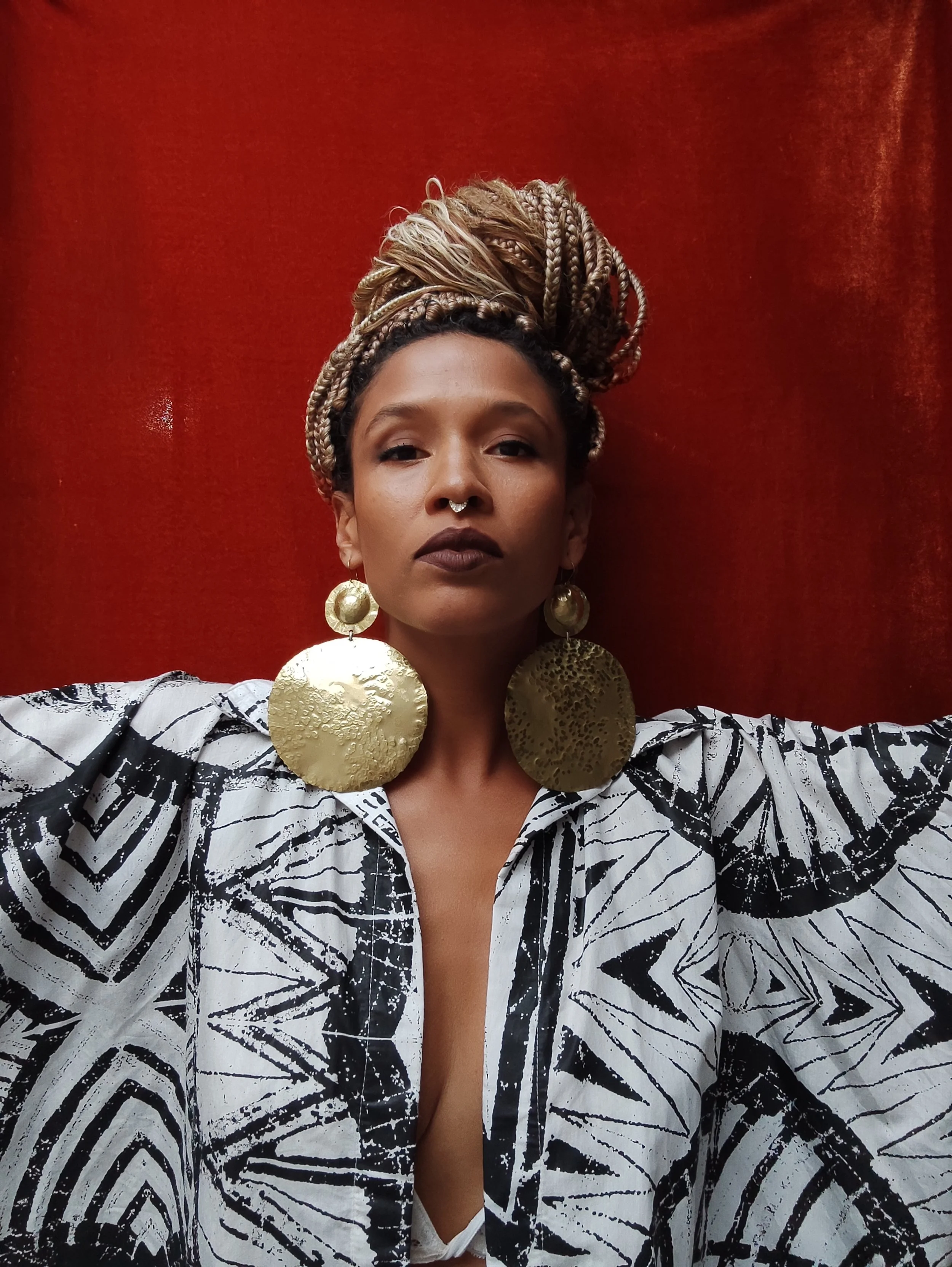
More than half of Brazil identifies as Black or mixed race. The fashion industry that serves and represents this country has not reflected that reality for most of its institutional history.
São Paulo Fashion Week, the largest fashion week in Latin America and the primary institutional expression of the Brazilian fashion industry’s ambition, held its N60 edition in October 2025, marking 30 years of operation. Afro-Brazilian brands began to have visibility at the event only from 2021. In recent years, Black designers have come to compose more than 30% of the SPFW line-up. This is the number that Brazilian fashion presents as evidence of progress. It is also the number that demonstrates the distance remaining: more than 50% of the Brazilian population identifies as Black or mixed race, and 30% representation at the country’s most prominent fashion platform, reached only after decades of structural exclusion, is a measure of how far the institution is from reflecting the population it claims to represent.
The gap between Afro-Brazilian cultural contribution to Brazilian fashion and Afro-Brazilian commercial participation in it is the central unaddressed question of Brazilian fashion industry policy. Afro-Brazilian aesthetics, dress traditions, material knowledge and creative practices have shaped what Brazilian fashion looks like at every level of the market. The designers, model agencies, brand owners, investors and editorial directors who have captured the commercial value of that aesthetic contribution have been, and in significant structural ways remain, disproportionately white.
“In a country where most of the population is black, it’s troubling to think that fashion, one of the most important vehicles of cultural and social expression, excludes such large numbers of creators and consumers.” Carol Barreto, Afro-Brazilian artist, fashion designer and professor of gender studies at the Federal University of Bahia.
As Omiren Styles has established in its analysis of the rise of Afro-Brazilian fashion designers and their African roots, the fashion that emerged from centuries of suppression of African-coded dress in Brazil was fashion as resistance, not fashion as an aesthetic choice. White elites banned African-coded clothing and accessories from public spaces between 1905 and 1913. Police raided Candomblé terreiros and confiscated their sacred objects throughout the 20th century. The Bahiana dress, the white layered skirt and headwrap worn by the women who sell acarajé in Salvador’s streets and lead Candomblé ceremonies in the terreiros, is a West African dress that survived this suppression. The designers building from this tradition are not drawing on a heritage resource. They are continuing a practice whose persistence represents generations of active resistance to institutional attempts to erase it.
More than 50% of Brazilians identify as Black or mixed-race. Black designers have composed more than 30% of the lineup at São Paulo Fashion Week since 2021. That gap is not a story of progress. It is the structural argument that Brazilian fashion has not resolved.
What SPFW’s Numbers Reveal
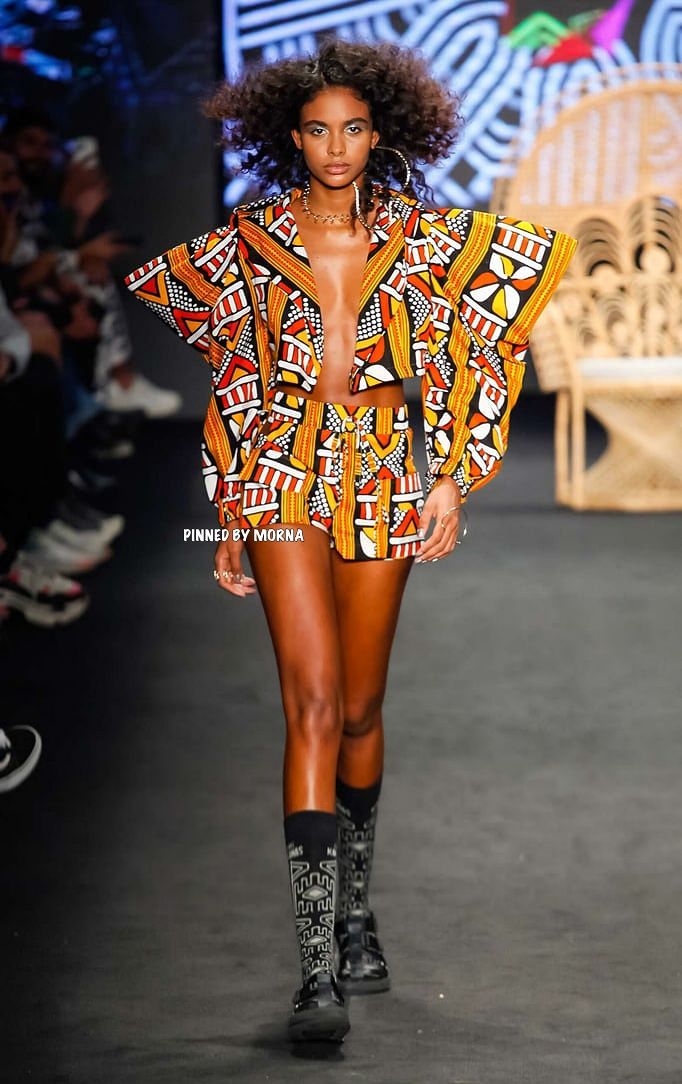
The numerical record of Afro-Brazilian representation at São Paulo Fashion Week tells a specific story about the pace of change and the distance that remains.
The event’s relationship with racial diversity has been shaped by external pressure rather than internal initiative. SPFW first signed a Conduct Adjustment Agreement committing to 10% Black, Afro-descendant, or indigenous models per show, a threshold that community advocates criticised as inadequate even when it was announced. In 2020, the platform introduced a stricter requirement: at least 50% of models per label had to be people of colour. The requirement came in the same period of global pressure on fashion institutions following the death of George Floyd, not from decades of internal advocacy by the institution itself.
Afro-Brazilian brands gained visibility at SPFW for the first time in 2021. The platform has been running since 1994. Twenty-seven years passed between the founding of Latin America’s largest fashion week and the first meaningful inclusion of designers from the majority of Brazil’s population. The 30%+ share of Black designers in the line-up that the platform reached in subsequent editions is real progress within the institutional context of SPFW. It is not progress within the context of a country where more than half the population identifies as Black or mixed race.
As ADJOAA documented in its analysis of memory and identity in Afro-Brazilian fashion, Afro-Brazilian brands only began to gain visibility at SPFW in 2021, and this shift arose from discussions about racism in fashion prompted by external events rather than from internal institutional transformation. The observation is precise: the fashion system changed because it was pressured to, not because it had resolved the structural question of why Afro-Brazilian representation had been systematically excluded for the platform’s first three decades of operation.
The Designers Building From the Inside
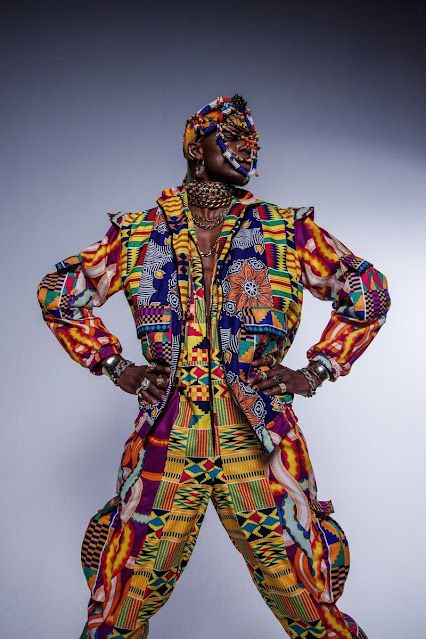
The Afro-Brazilian designers who have been building within and against the institutional fashion system are not waiting for the system to reflect them. They are creating the evidence that the system has so far failed to produce.
Dendezeiro, the Salvador, Bahia-based streetwear brand founded by Hisan Silva and Pedro Betalha, has used its SPFW platform to make arguments that the fashion system’s institutional communications do not make about themselves. The brand’s SPFW N56 collection addressed Brazil’s 1941 Vagrancy Law, legislation that specifically criminalised Black and low-income communities. By taking that history to an SPFW runway, Dendezeiro transformed what the platform was doing with its Afro-Brazilian representation: no longer simply a diversity metric to be achieved, but a creative practice that names the specific legal and political history that made the exclusion it is responding to possible. A brand that dresses for the runway in tailored streetwear while citing the legislation that once made its community’s existence in public space a criminal offence is not asking for inclusion. It is redefining the terms of the conversation.
Aline Barreto became the first Afro-Brazilian to show at Black Fashion Week in Paris. She is also a professor of gender studies and feminism at the Federal University of Bahia and a columnist for RAÇA Magazine, the Brazilian publication dedicated to Afro-Brazilian culture and identity. Her dual positioning as designer and academic is not unusual among the Afro-Brazilian designers who have built the most sustained practices: the work of building a fashion practice in a system that has historically excluded people who look like you requires both the creative practice and the analytical framework to understand and articulate the structural conditions you are working against.
Renato Carneiro’s label Katuka Africanidades, based in Salvador, sources fabrics directly from Nigeria, Senegal and Benin. His garments are made from West African fabric for people whose African heritage has been systematically suppressed by Brazilian institutions for centuries. The supply chain is a political statement: the connection between Afro-Brazilian dress culture and its West African origins, severed by the slave trade and maintained under institutional suppression, is being rebuilt through commercial relationships that bypass the Brazilian fashion system’s existing sourcing networks. That rebuilding is not a heritage gesture. It is a contemporary economic decision whose political dimension is inseparable from its commercial structure.
LAB Laboratório Fantasma, the brand of brothers Emicida (musician) and Fióti (Evandro Roque de Oliveira, designer), brought the cultural authority of Afro-Brazilian music into the SPFW institutional context. Emicida is one of Brazil’s most prominent Afro-Brazilian artists, and his brother’s fashion label carries that cultural positioning into the clothing market. The brand demonstrates a model for Afro-Brazilian fashion success that does not require the fashion system’s validation as its primary source of credibility: cultural authority built outside the fashion system becomes commercial leverage within it.
The Cultural Contribution That Was Never Compensated
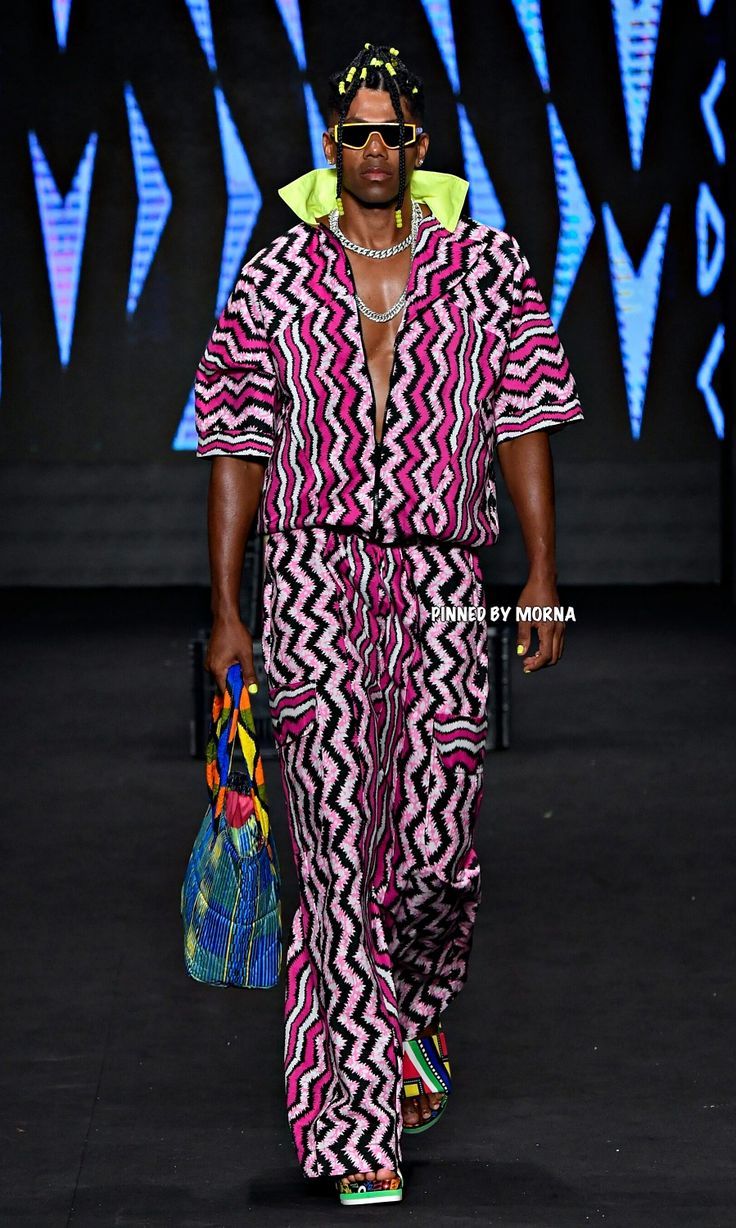
The Brazilian fashion aesthetic that is internationally legible, the one that international buyers, international fashion media and international trend forecasters describe as quintessentially Brazilian, draws extensively on Afro-Brazilian and Afro-Bahian visual culture: the colour vocabularies, the craft traditions, the ceremonial dress aesthetics, the body politics and the specific creative confidence that has developed from centuries of Afro-Brazilian cultural practice under conditions designed to suppress it.
The Bahiana dress and its associated visual culture have generated an international iconography of Brazilian womanhood that appears in tourism marketing, cultural exports, and the fashion references that non-Brazilian designers and brands cite when producing “Brazilian-inspired” work. The women whose tradition the Bahiana dress represents, the women who lead Candomblé ceremonies and sell acarajé in Salvador’s Largo do Pelourinho, are among the most economically marginalised communities in Brazil. The aesthetic authority that their dress tradition carries in global cultural markets has not produced a proportionate economic return to the communities that hold it.
This is the specific form of the structural argument that Brazilian fashion has not addressed: the extraction of Afro-Brazilian aesthetic authority into a fashion system whose ownership, editorial direction, investment structures and commercial leadership have been disproportionately white. The extraction is not always deliberate or conscious. It does not need to be. It operates through the normal mechanisms of the fashion industry: trend identification, aesthetic borrowing, cultural inspiration credited as creative direction, and the commercial premium that attaches to garments whose aesthetic authority derives from Afro-Brazilian tradition but whose brand value accrues to labels whose founders and investors are not from that tradition.
As Omiren Styles has argued in its analysis of what credit owes, beyond naming a cultural source, naming the source of an aesthetic tradition is not the same as compensating the communities that produced it. The fashion system’s engagement with Afro-Brazilian aesthetics, whether through “Afro-inspired” editorial references, through the runways that have placed Afro-Brazilian models and silhouettes as expressions of Brazilian fashion authority, or through the diversity requirements that have brought more Afro-Brazilian bodies into the SPFW framework, is not the same as building the commercial conditions under which Afro-Brazilian designers, brand owners and creative directors capture a proportionate share of the value their community’s creative traditions have contributed to Brazilian fashion.
Bahia and the Regional Dimension
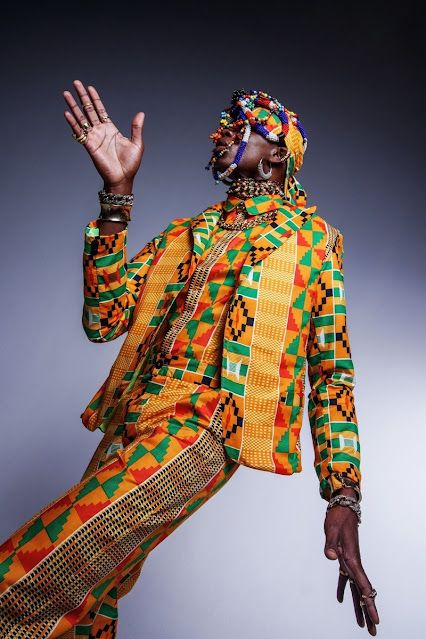
The geographic dimension of the Afro-Brazilian fashion argument is specific and consistently under-examined. São Paulo is Brazil’s fashion commercial centre and the host of SPFW. Salvador, Bahia, is the city with the deepest Afro-Brazilian cultural concentration in the country, home to the largest communities of Candomblé practitioners, the strongest living traditions of Afro-Brazilian dress and the most sustained material practice of African-origin craft and clothing. The relationship between those two cities in the Brazilian fashion system maps almost exactly onto the relationship between commercial extraction and cultural production.
The Bahia-based designers who have built the most culturally grounded Afro-Brazilian fashion practices, including Dendezeiro, Katuka Africanidades and Aline Barreto’s practice, are doing their primary creative work in Salvador, not São Paulo. When they appear at SPFW, they bring work made in and for a cultural context that the São Paulo fashion system has historically lacked the language and institutional framework to assess accurately. The runway presentation at SPFW is the point of commercial translation: the moment when work built within an Afro-Brazilian cultural system becomes legible to buyers, the press, and investors operating within the institutional framework of the São Paulo fashion market.
The translation is commercially necessary for the designers who want to access the distribution networks, buyer relationships and investor attention that the São Paulo platform provides. It is also structurally costly: every translation between the cultural context in which the work is made and the institutional context in which it is presented is an opportunity for the cultural specificity to be reduced to an aesthetic surface. The Dendezeiro collection, which addresses the 1941 Vagrancy Law, is making its argument on an SPFW runway, where the majority of buyers and press attending the show may not know the legislation’s specific history or its relationship to the current demographic reality of Salvador’s communities. The work is performing the translation in real time, without institutional support for the cultural context it carries.
The Measurement Problem
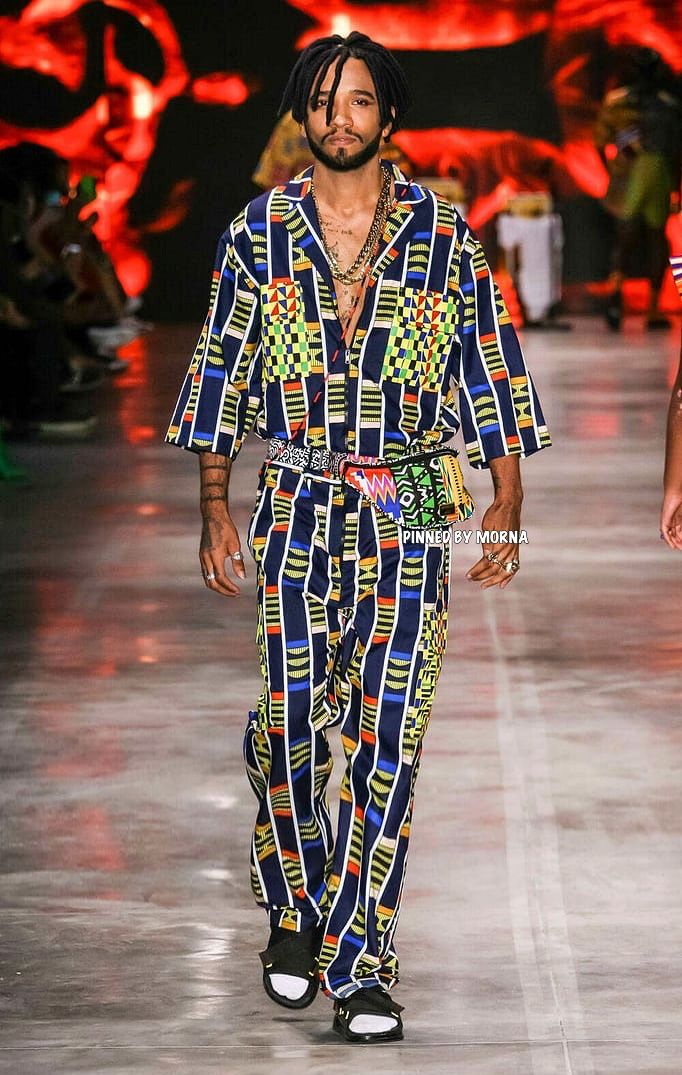
As Omiren Styles has documented in its analysis of Caribbean fashion policy and the need to measure results, the gap between policy ambition and policy measurement is a persistent feature of creative industry governance. The same measurement gap applies to Brazilian fashion’s diversity commitments. SPFW’s 50% people-of-colour requirement for models and its current 30%+ Black designer line-up are metrics. They are not the metrics that would tell the full story of Afro-Brazilian participation in the Brazilian fashion economy: the ownership share of Black designers in the commercial value generated by the SPFW platform; the revenue earned by Afro-Brazilian brands from distribution relationships established through SPFW participation; the proportion of the broader Brazilian fashion retail market that is supplied by Afro-Brazilian-owned labels; the investment flowing into Afro-Brazilian fashion businesses compared to the investment flowing into the Brazilian fashion industry overall.
These unmeasured outcomes are not simply gaps in data. They are the substance of the structural argument. A 30% Black designer lineup at SPFW, measured only as a proportion of show presentations, says nothing about whether those designers have built the commercial infrastructure needed to grow beyond the runway. A 50% model requirement tells nothing about the fees those models earn compared to white counterparts, the agencies that represent them, or the editorial and commercial bookings they receive in the months after SPFW. The diversity metrics are measuring the entry points into the system. The structural question is what happens to Afro-Brazilian creative practitioners once they are inside it.
The Omiren Argument
Brazil’s fashion system has not matched its Afro-Brazilian reality. The evidence for this is not primarily in the exclusion of the past, though that exclusion is documented and its effects are measurable. The evidence is in the gap between the numbers the system presents as progress and the numbers that would constitute equity: the difference between 30% and 50%, between visibility and ownership, between a diversity requirement and a structural transformation.
The designers who are building from within the Afro-Brazilian creative tradition, in Salvador and in São Paulo, with West African fabrics and with the specific cultural authority of Candomblé ceremonial dress and Bahiana street practice, are not asking the fashion system for inclusion. They are building an argument, in cloth and on runways, that the fashion system’s claim to represent Brazilian creativity is incomplete without their participation on terms that reflect the full depth of what they are bringing. Dendezeiro’s 1941 Vagrancy Law reference is that argument made explicit. Katuka Africanidades’s sourcing relationships with Nigerian, Senegalese and Beninese fabric producers are the argument made material.
National Black Consciousness Day became a federal holiday in Brazil for the first time in 2024, marking the death of Zumbi dos Palmares, leader of the largest quilombo resistance community in Brazilian history. The political system acknowledged, at the level of a national holiday, what the quilombo had represented. The fashion system’s equivalent acknowledgement requires something more specific than a diversity metric: it requires the commercial conditions in which Afro-Brazilian designers own the brands, control the supply chains, direct the editorials and capture the investment returns from a fashion economy that has been drawing on their community’s creative tradition for its entire institutional history.
As Omiren Styles has argued throughout this series, the Global South made fashion and never got credit. Brazil’s version of that argument is internal: a country in which the majority are Afro-descendant has built a fashion system in which that majority’s creative authority has been consistently extracted, translated, and commercially captured by a minority. The system is changing. The pace and depth of that change, and whether it produces ownership rather than representation, is what needs to be measured, published and acted upon.
ALSO READ
- The Rise of Afro-Brazilian Fashion Designers and Their African Roots
- African Fashion Weeks Built Networks Faster Than Criticism
- Visibility Is Not Market Power: Why Global Attention Still Fails Independent African Fashion Brands
- Credit Is Not Compensation: What Fashion Owes Beyond Naming a Cultural Source
- The Global South Made Fashion. It Just Never Got Credit.
Frequently Asked Questions
What proportion of São Paulo Fashion Week designers are Afro-Brazilian?
As ADJOAA documented in its analysis of Afro-Brazilian fashion at SPFW, Black designers have composed more than 30% of the SPFW line-up since Afro-Brazilian brands began gaining visibility at the event in 2021. This does not match the reality of the Brazilian population, where more than 50% identify as Black or mixed race. SPFW is the largest fashion week in Latin America and has been operating since 1994. Afro-Brazilian brands had no meaningful visibility at the event for its first twenty-seven years. The 30%+ figure represents real progress within the institutional context of SPFW, yet remains substantially below the Afro-Brazilian share of the Brazilian population.
What is Dendezeiro, and what argument does it make?
As documented at SPFW N56, Dendezeiro is a streetwear brand based in Salvador, Bahia, founded by designers Hisan Silva and Pedro Betalha. The brand’s collections are known for intentional tailoring and explicit social and political commentary. Its SPFW N56 collection addressed Brazil’s 1941 Vagrancy Law, legislation that specifically criminalised Black and low-income communities, transforming what was once systemic exclusion and oppression into a statement of resistance and survival on Brazil’s most prominent fashion runway. The brand’s practice demonstrates how Afro-Brazilian designers are using the SPFW platform not only for commercial visibility but also to make specific arguments about the historical conditions that produced the structural exclusion this work responds to.
What is the history of Afro-Brazilian dress under colonialism, and what is its legacy in fashion?
As Omiren Styles has documented in its analysis of Afro-Brazilian fashion designers and their African roots, the elites banned African-coded clothing and accessories from public spaces between 1905 and 1913, and police raided Candomblé terreiros and confiscated sacred objects throughout the 20th century. The Bahiana dress, the white layered skirt and headwrap worn by the women who sell acarajé in Salvador’s streets and lead Candomblé ceremonies, is a West African dress form that survived this suppression. The fashion that emerged from this history was fashion as resistance, not fashion as an aesthetic choice. Contemporary Afro-Brazilian designers who work with this tradition are continuing a practice whose persistence represents generations of active cultural resistance to institutional erasure.
How does the geographic divide between Bahia and São Paulo reflect the fashion system’s structural issues?
São Paulo is the commercial centre of Brazilian fashion and the host of SPFW. Salvador, Bahia, is the city with the deepest Afro-Brazilian cultural concentration in Brazil, home to the largest Candomblé communities, the most enduring living traditions of Afro-Brazilian dress, and the most developed material practices of African-origin craft and clothing. The Bahia-based designers who have built the most culturally grounded Afro-Brazilian fashion practices are doing their primary creative work in Salvador. When they appear at SPFW, they translate work created within an Afro-Brazilian cultural system into a context shaped by the commercial priorities of the São Paulo fashion market. That translation is commercially necessary for market access and structurally costly because every translation is an opportunity for the cultural specificity to be reduced to an aesthetic surface.
What happened when National Black Consciousness Day became a federal holiday in Brazil?
In 2024, Brazil commemorated National Black Consciousness Day as a federal holiday for the first time on November 20, a date marking the death of Zumbi dos Palmares, the leader of the largest quilombo resistance community in Brazilian history. The holiday represents a formal political acknowledgement of the quilombo resistance tradition. The fashion system’s equivalent acknowledgement requires something more specific than a diversity metric: it requires the commercial conditions under which Afro-Brazilian designers own the brands, control the supply chains, direct the editorials and capture the investment returns from a fashion economy that has drawn on their community’s creative tradition throughout its institutional history. The political system’s acknowledgement and the fashion system’s acknowledgement are at different stages of the same argument.
EXPLORE MORE
Read the full Industry and Diaspora sections at Omiren Styles for ongoing analysis of Afro-Brazilian fashion, São Paulo Fashion Week, the structural conditions of the Brazilian fashion economy and the designers building from within Afro-Brazilian creative tradition. Discover travel and heritage intelligence across Brazil and the wider diaspora at Rex Clarke Adventures.