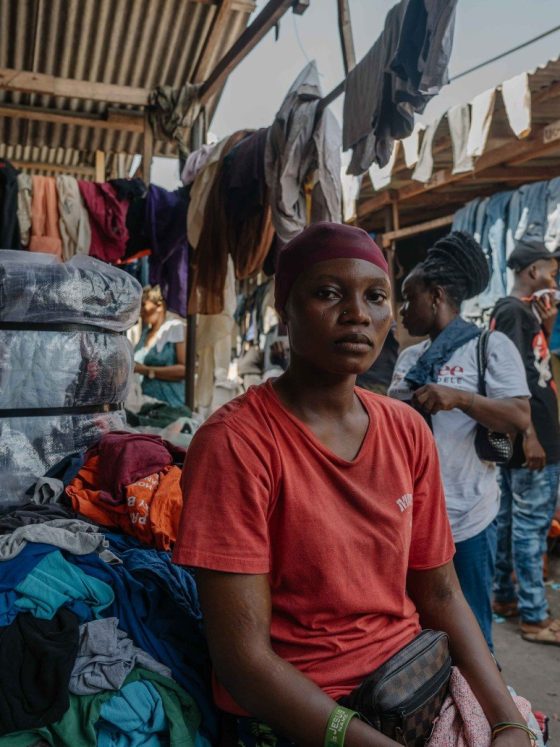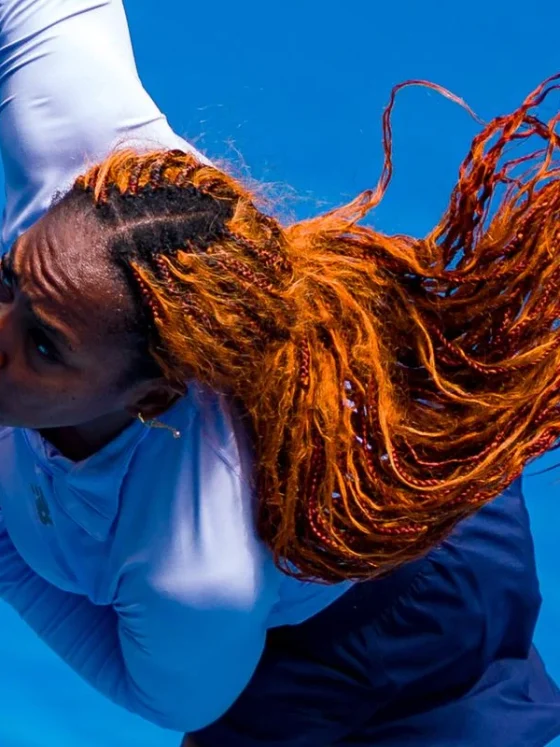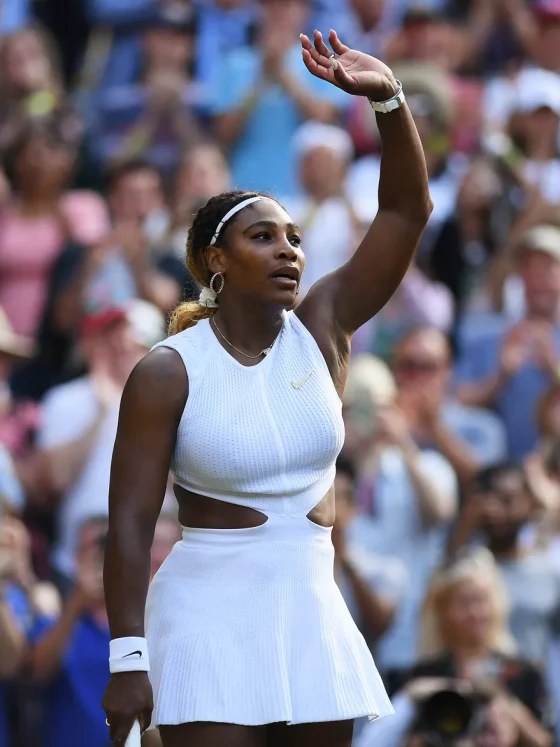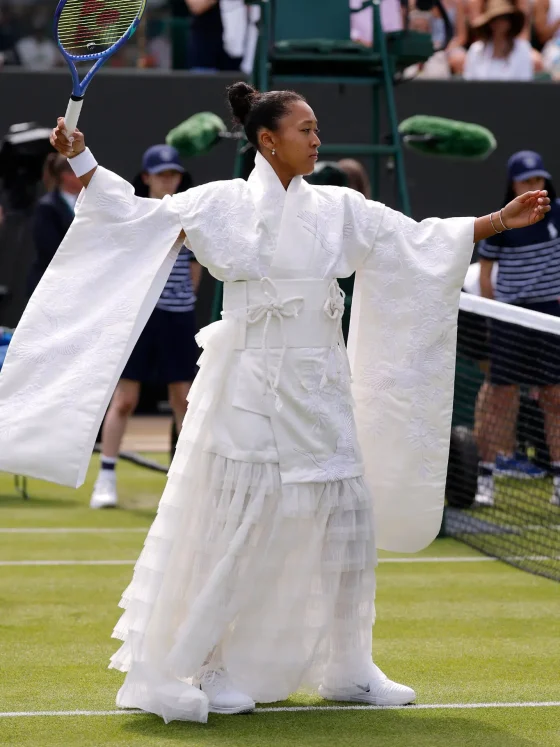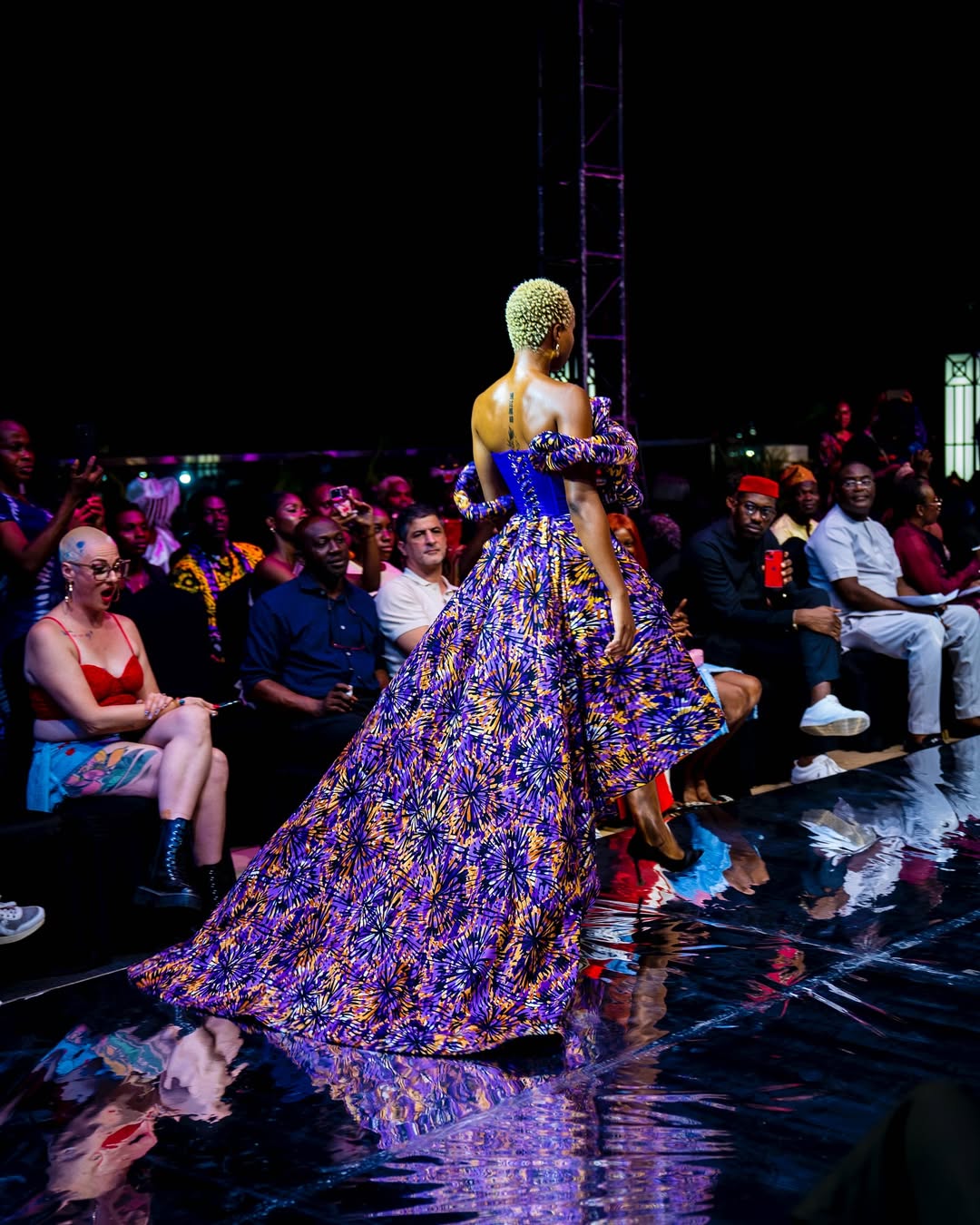
London is not a city that watches African fashion from a distance. African fashion identity in London 2026 is built daily in Peckham and Brixton, in Dalston and Harlesden, in the front rooms, markets, and professional offices where the African and African-descended population of this city negotiates what it means to dress with both worlds present. Africa Fashion Week London does not bring African fashion to London. It gives the African fashion already here a stage with the infrastructure to be seen properly. For the full editorial context of this edition, start with the Africa Fashion Week London 2026 coverage hub.
This piece reads what AFWL 2026 reveals about how African fashion identity works in London, what it does, and why AFWL is uniquely positioned to host the conversation it carries. Not a definition, because the subject resists definition. A reading.
Omiren examines African fashion identity in London 2026 through AFWL, tracing diaspora dress, belonging, and the city’s African fashion scene.
How London Reshapes African Dress
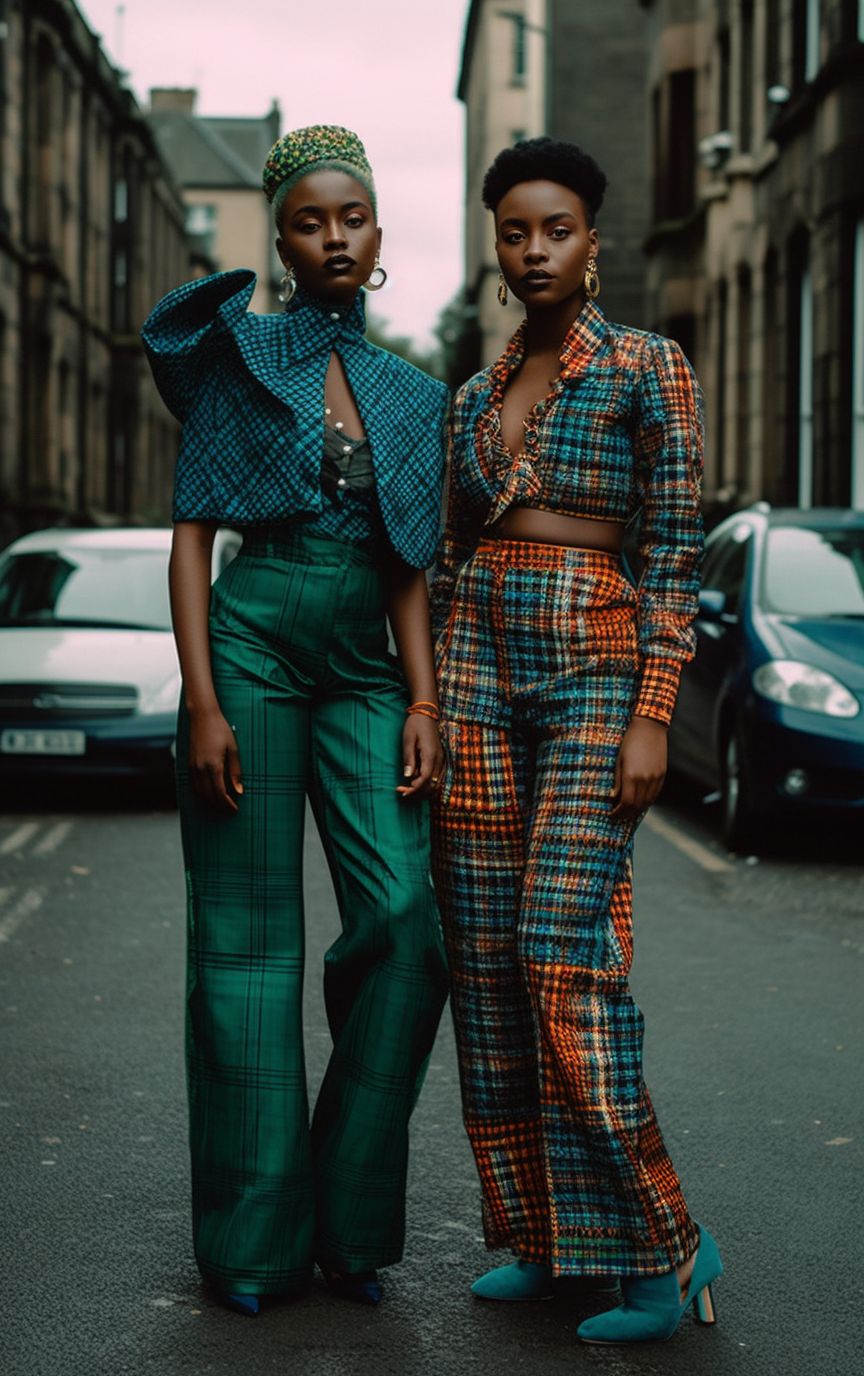
Every city changes what African dress means by changing the context in which it is worn. Lagos understands Aso-oke as formal. Accra understands Kente as ceremonial. Abeokuta understands Adire as local. London understands all three as something else simultaneously: as heritage, as statement, as belonging, and as cultural assertion in a city that has not consistently made room for them. What AFWL does is create a room that knows their significance. That is not a small thing, and it is the starting point for everything this piece argues.
The African population of London is not uniform. It spans first-generation immigrants who carry the dress practices of their specific communities, second- and third-generation British Africans who inherit those practices rather than live them daily, and a range of positions between those two that no single label covers. Each group wears African dress differently, in different contexts, making different decisions about what to put on the body and why. What they share is the experience of wearing dress that the city’s dominant culture has not consistently recognised as sophisticated, formal, or legible. As Omiren Styles has documented in its analysis of UK diaspora dress codes, these dress systems are specific, internally logical, and commercially significant in ways that mainstream coverage rarely captures.
The Black British fashion conversation has been live in London for decades, built by communities in Brixton and Notting Hill before those postcodes became desirable. Ozwald Boateng took Ghanaian colour sensibility into Savile Row. Grace Wales Bonner holds Caribbean, African, and European references simultaneously in collections that do not allow any register to dominate. Kenneth Ize integrates hand-woven Aso-oke into contemporary tailoring in a way that refuses to resolve the tension between the two traditions. The garment holds both registers at once. As Omiren Styles has documented in its analysis of Black British style in 2026, that refusal to smooth the contrast is the intelligence of the work.
The Three Wardrobe Positions AFWL 2026 Makes Visible
African fashion identity in London does not operate from a single position. AFWL 2026 makes three positions visible simultaneously, and understanding each one separately is the only way to understand the conversation the event carries.
Heritage as daily practice
This is the Yoruba woman in iro and buba, the Ghanaian man in kente for a celebration, the Nigerian family coordinating aso-ebi for an occasion. These are dress decisions, not fashion decisions in the way that word is usually used: the continuation of a practice that was not interrupted by migration, that was carried across and maintained because it carries something a Western wardrobe cannot. AFWL draws these wearers into a context where their dress is the norm, not the exception. As Omiren Styles has documented in its analysis of diaspora fashion diplomacy in Britain, the normality of that context is significant in a city that has historically positioned African dress as the exception.
Heritage as choice
This is the second-generation British-Ghanaian who did not grow up wearing Kente daily but chooses to wear it to AFWL because the choice is an act of affiliation. The Nigerian British student who buys an Adire piece not because it was handed down but because they found it, understood what it carried, and decided that its authority was worth wearing. These are chosen garments, and the choosing is the statement. They carry the same cultural intelligence as the inherited garments; they arrived at it through a different path.
The hybrid wardrobe
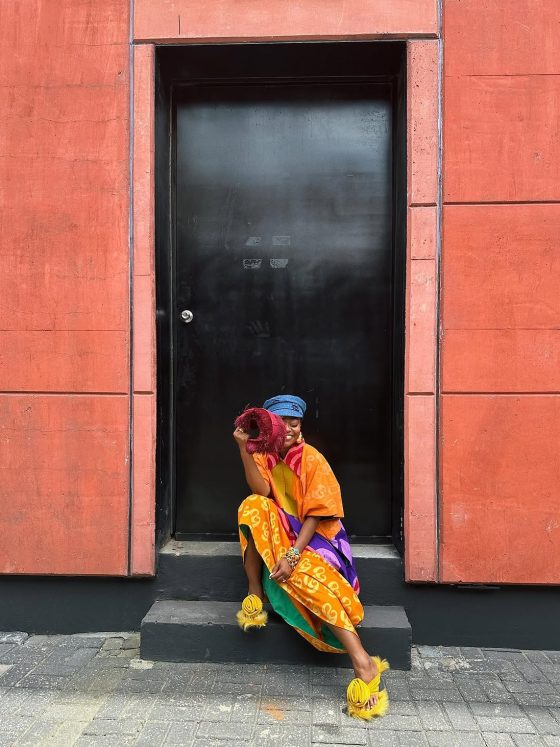
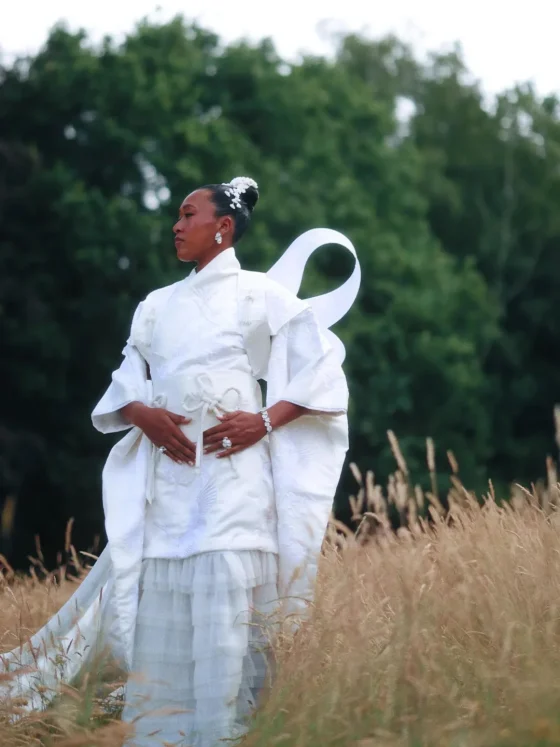
This is the position Omiren has documented across its diaspora coverage: the tailored blazer layered over Ankara trousers, heirloom beads with minimalist heels, gele styled with contemporary suiting. Not code-switching. Not compromise. A wardrobe that holds cultural multiplicity without hierarchy, that wears two worlds in a single outfit without either world shrinking. The Nigerian-British professional who walks into a meeting in an embroidered senator suit is not making a theatrical statement. He is wearing what he wears. The confidence is the argument. All three positions are visible at AFWL 2026, in the audience and on the runway. For the street-level reading of what that looks like outside the venue, see our AFWL 2026 street style and audience looks coverage.
What AFWL Has That London Fashion Week Does Not
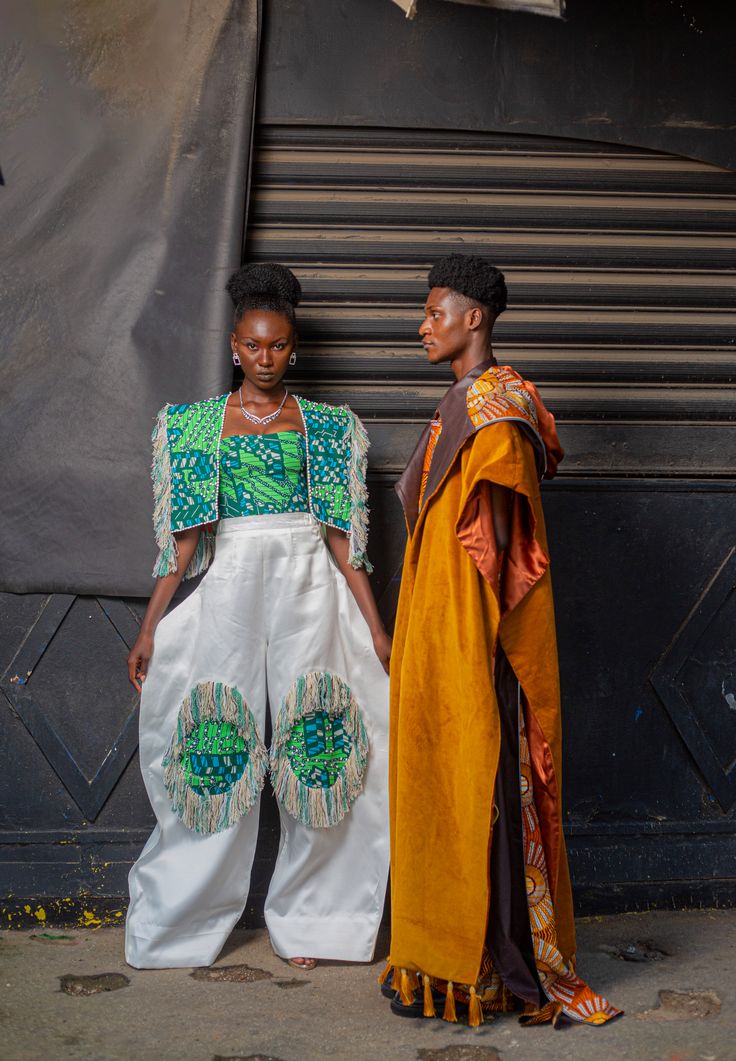
London Fashion Week is a significant event built on a European luxury grammar that African fashion identity is not required to validate itself against. Its scaffolding- the schedule, the venues, the press infrastructure, the buyer relations- serves a fashion system whose reference points are Paris, Milan, and New York. African designers have appeared in that system and produced important work within it. But the system was not built for the conversation that AFWL holds, and the difference is structural. As Omiren Styles has documented in its analysis of African designers at London Fashion Week, African-heritage designers have increasingly moved from the margins of LFW to its centre. That movement is real and significant. It does not make LFW and AFWL the same kind of event.
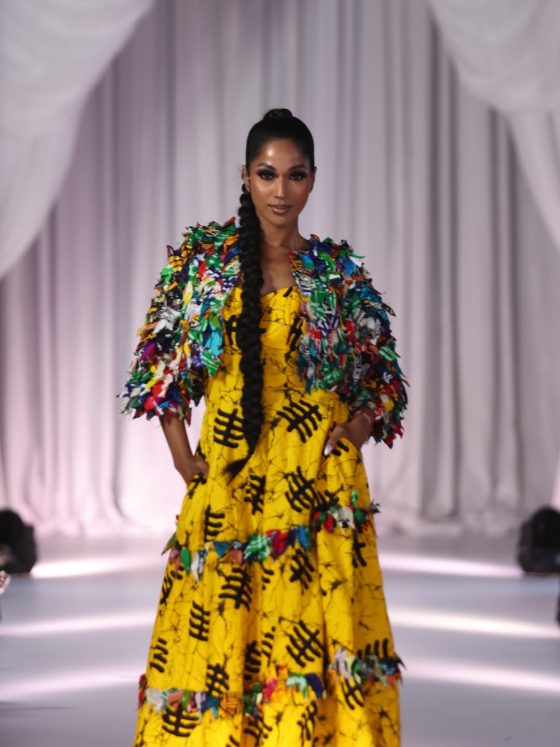
AFWL was built specifically to carry the conversation between African design heritage and a global market, with London as the location. Queen Ronke Ademiluyi-Ogunwusi built it from a single catwalk sixteen years ago into a platform that has supported over 3,000 designers and creatives, as confirmed by The British Blacklist’s AFWL 2026 anniversary coverage. AFWL is not asking the African designer or the African wearer to position themselves relative to a European reference frame. The Kente on the AFWL catwalk does not need to be explained in European fashion language. The room already knows. That is an unusual and valuable thing to be able to say about a professional fashion event in London.
African Fashion Identity in London 2026: The Omiren Reading
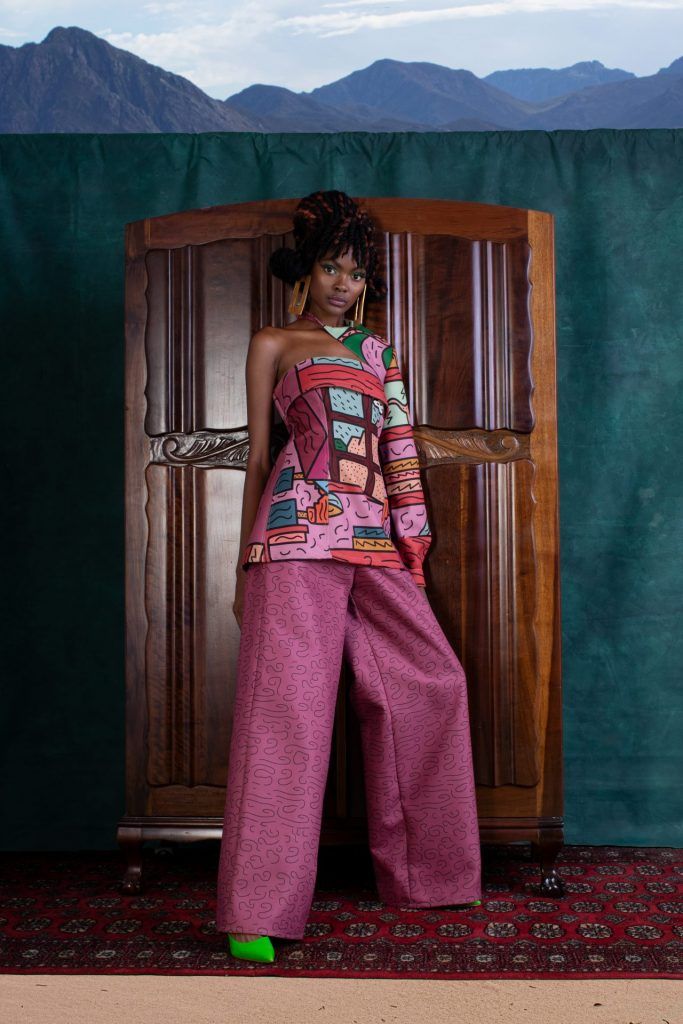
Omiren has made a specific argument across its Diaspora Voices and culture coverage, and AFWL 2026 is the event that makes it most visible in one concentrated location: African fashion identity is not emerging. It is not arriving. It is not being discovered. It is a living creative practice that has been producing sophisticated work for generations, in communities that did not need external validation to know the quality of what they were making. As Omiren Styles has argued, the traditions that institutional recognition discovers were never absent. They were operating at community level while the cameras pointed elsewhere.
The diaspora is not an extension of that practice. It is a co-author of it. The African dress built, worn, adapted, and argued over in Peckham and Brixton and Dalston is not a lesser version of the dress being produced in Lagos or Accra or Abeokuta. It is its own argument, shaped by its own conditions, producing its own aesthetics.
African fashion identity in London 2026 is visible on the AFWL runway, in the exhibition space, in the panel talks, and on the pavement outside 8 Northumberland Avenue, where the audience arrives dressed. All of it is the same conversation at different scales. African fashion identity is not a problem that London presents to African dress. It is the condition under which African dress in London becomes most fully itself: most argued over, most considered, most deliberately worn. That is what readers who follow Omiren’s AFWL coverage are watching: not the arrival of a fashion moment, but the ongoing creative work of people who have always known what their dress carries. For the complete picture of what AFWL 2026 means across all its editorial angles, return to the Africa Fashion Week London 2026 coverage hub.
ALSO READ
- AFWL 2026 Runway Trends: Best Looks, Fabrics, and Silhouettes
- Diaspora Fashion Diplomacy in Britain: How African and Caribbean Style Shapes Culture and Identity
- Why UK Diaspora Dress Codes Change by Occasion: Owambe, Church, and the Office
Frequently Asked Questions
What does African fashion identity in London mean in 2026?
It refers to the full range of ways in which London’s African and African-descended population uses dress to communicate identity, belonging, heritage, and cultural assertion. As Omiren Styles has documented in its analysis of UK diaspora dress codes, these dress systems are specific and internally logical: they span first-generation immigrants maintaining the dress practices of their specific communities, second and third generation British Africans choosing heritage garments as acts of affiliation, and the hybrid wardrobe that holds cultural multiplicity without hierarchy. African fashion identity in London is not a single position. It is at least three, all visible simultaneously at AFWL.
What does AFWL 2026 reveal about African fashion identity that London Fashion Week does not?
AFWL was built specifically to carry the conversation between African design heritage and a global market, with London as the location. London Fashion Week is built on a European luxury grammar that African fashion identity is not required to validate itself against. The structural difference is that AFWL does not ask African designers or African wearers to position themselves relative to a European reference frame. As Omiren Styles has documented in its analysis of African designers at London Fashion Week, African-heritage designers have increasingly moved from the margins of LFW to its centre. That movement is real. It does not make LFW and AFWL the same kind of event, because they were built for different conversations.
What are the three wardrobe positions AFWL 2026 makes visible?
Three positions visible simultaneously at AFWL: heritage as daily practice (dress decisions that continue uninterrupted from cultural origin communities); heritage as choice (second and third generation wearers who select heritage garments as deliberate acts of affiliation); and the hybrid wardrobe (the layered combination of African and contemporary dress that holds cultural multiplicity without hierarchy). Each position carries the same cultural intelligence through a different relationship to inheritance. AFWL has the structural capacity to hold all three without collapsing them into a single narrative.
Why is AFWL uniquely positioned to host this conversation in London?
Because it was built from a founding proposition that African fashion is the subject, not the influence. Queen Ronke Ademiluyi-Ogunwusi built AFWL from a single catwalk in 2011 into a platform that has supported over 3,000 designers and creatives from Africa and the diaspora, as confirmed by The British Blacklist’s AFWL 2026 anniversary coverage. The Kente on the AFWL catwalk does not need to be explained to the room in European fashion language. The room already knows. That is an unusual and valuable thing to be able to say about a professional fashion event in London.
How does AFWL connect runway to street-level African fashion identity?
The runway and the street are two scales of the same conversation at AFWL. The audience that arrives dressed at 8 Northumberland Avenue, making decisions about what to wear to a professional African fashion event in central London, is doing the same cultural work as the designers on the catwalk, at a different level of visibility. As Omiren Styles documents in its AFWL 2026 street style and audience looks coverage, the dress choices outside the venue are part of the editorial record of what AFWL 2026 reveals about African fashion identity in London. The two cannot be separated.