Selling to customers across Africa involves far more than adding Nigeria, Ghana, or Kenya to a shipping menu. Every cross-border order requires businesses to navigate customs procedures, payment systems, delivery networks, duties, and returns before a purchase reaches its destination.
These operational challenges continue to shape how brands approach e-commerce across the continent. Against that backdrop, a growing number of African diaspora fashion brands shipping to Africa are investing in the commercial infrastructure needed to reach customers on the continent.
Their websites reveal more than international delivery options. They reflect decisions about fulfilment, logistics, and customer experience that determine whether cross-border commerce can scale. Examining how these businesses are addressing those challenges offers a clearer picture of the next phase of African fashion retail.
African diaspora fashion brands shipping to Africa are changing global fashion through reverse commerce, building new systems for payments, shipping, and customer access.
Why Selling Back to Africa Is More Complicated Than International Shipping
Cross-border fashion retail does not operate under a single set of rules. A brand shipping to several African countries must often navigate different customs procedures, import regulations, tax regimes, and consumer protection requirements for each market.
As a result, expanding into Nigeria, Ghana, or Kenya usually involves adapting operations on a country-by-country basis rather than applying a single international shipping model.
This fragmented landscape is one reason the African Continental Free Trade Area (AfCFTA) places trade facilitation at the centre of its agenda.
While the agreement aims to simplify commerce across the continent, implementation is still progressing. This means that businesses continue to operate within different national systems for customs clearance and border administration.
Also, the World Bank notes that improving trade facilitation remains essential to reducing the cost and complexity of cross-border trade across Africa.
Beyond regulation, fulfilment strategies also differ. Some businesses ship every order directly from overseas, while others reduce delivery times and import costs by working with regional distributors, local stockists, or fulfilment partners.
The approach a brand chooses can influence everything from final pricing to delivery reliability, making operational decisions as important as product design.
For African diaspora fashion brands shipping to Africa, these considerations shape commercial strategy as much as creative direction.
The brands succeeding across multiple markets aren’t simply reaching more customers. They are developing systems that make cross-border fashion retail more predictable for both businesses and buyers.
The African Diaspora Fashion Brands Shipping to Africa
The diaspora brands successfully shipping back to African markets haven’t adopted a single model. Instead, they are building different forms of commercial infrastructure that make cross-border fashion purchases easier, more predictable, and more accessible.
These examples show that African diaspora fashion brands shipping to Africa aren’t only expanding where they sell. They are rethinking how African fashion moves between continents.
Kai Collective Builds a Localised Global Shopping Experience
One approach is to build a global e-commerce operation that treats African customers as part of the primary market rather than an exception.
Founded in London by Nigerian entrepreneur Fisayo Longe, Kai Collective has built an international shopping experience designed around different customer markets. The brand operates a dedicated Nigerian website alongside its global store, allowing customers in Nigeria to shop through a more localised platform with pricing and purchasing options tailored to that market.
Orders are supported by international courier partners, including DHL and FedEx, and customers can access delivery information, tracking options, and international return policies before purchasing.
By adapting its digital storefront and fulfilment process for different markets, Kai Collective demonstrates how African designer brands can create stronger connections with customers across borders.
LAVIYE Makes Cross-Border Shopping More Transparent
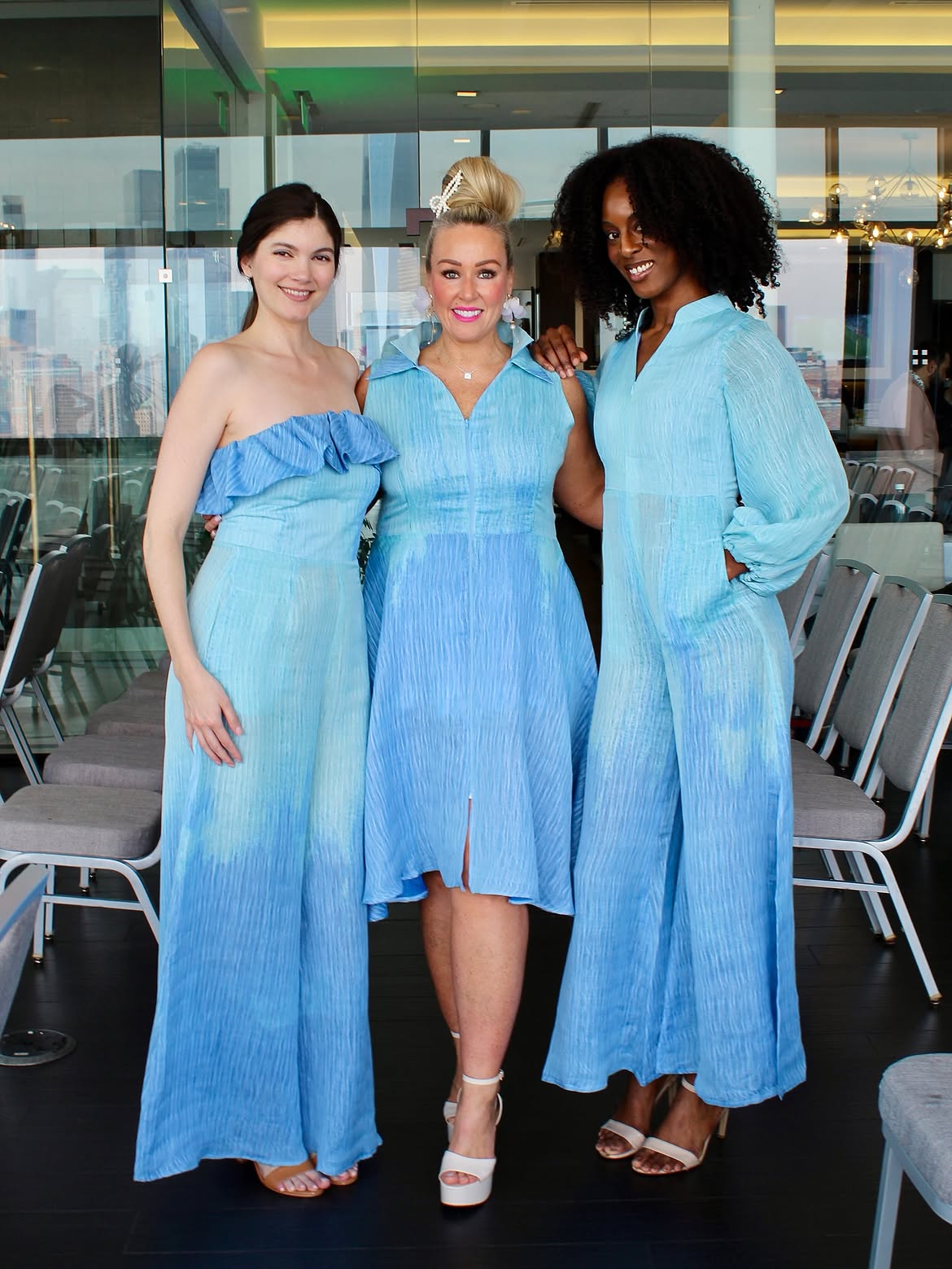
For many customers, the biggest barrier to buying fashion internationally isn’t interest but uncertainty. Questions around delivery times, customs fees, and returns can determine whether a customer completes a purchase.
London-based luxury accessories brand LAVIYE, founded by Nigerian entrepreneur Bunmi Adeniba, addresses this challenge through transparency.
Rather than leaving customers to navigate international shipping requirements after checkout, the brand provides clear information about estimated delivery timelines, shipping costs, customs responsibilities, and return procedures.
This approach highlights an important part of reverse commerce: trust.
ÖFUURË Uses Commerce Infrastructure to Expand Its Reach
Another model is using existing digital infrastructure to overcome the challenges of cross-border retail.
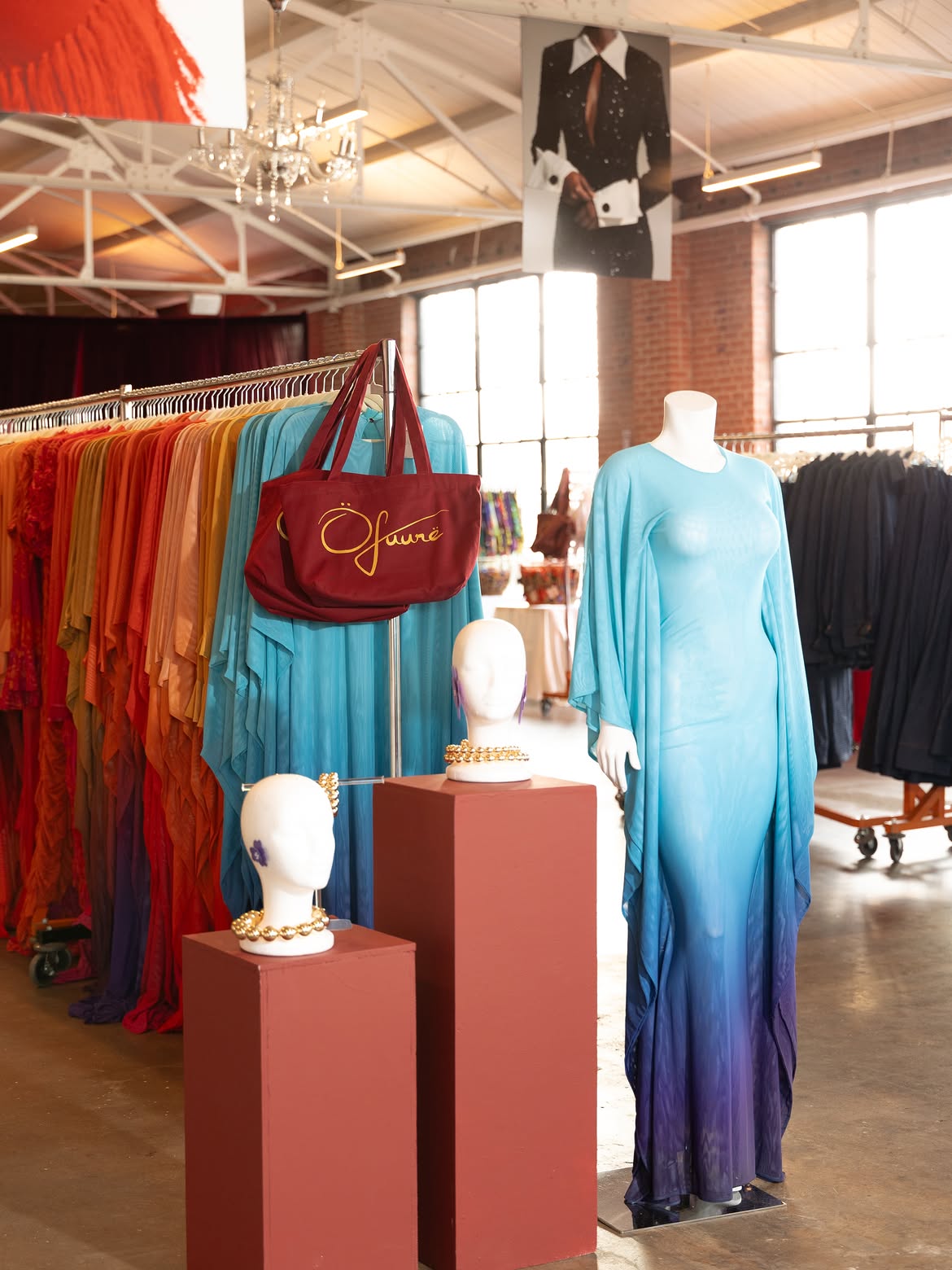
Founded in Toronto, ÖFUURË has built its international presence through digital commerce channels that allow customers across different markets to access its designs.
The brand is also available on ANKA, a platform that supports African and diaspora businesses with tools for online selling, payments, and international commerce.
By using established commerce infrastructure, ÖFUURË demonstrates how diaspora fashion brands can reach customers across African markets without having to build every part of the retail system independently.
The model reflects a wider shift in African fashion, where technology and logistics are becoming essential parts of how brands grow internationally.
KAHINDO Connects African Production With Global Retail
While some brands focus on improving delivery and customer access, others are building reverse commerce through deeper connections with African production networks.
Founded in New York by Congolese designer Kahindo Mateene, KAHINDO combines international e-commerce with production partnerships involving artisan communities in Africa.
Customers can purchase from a global online store with international shipping and returns policies, while the brand’s supply chain remains connected to African makers.
Together, these brands reveal that the future of African fashion commerce will not be defined by design alone. The result is a more connected fashion economy where African diaspora brands and African consumers are no longer separated by geography. They are becoming part of the same commercial network.
What These Brands Reveal About the Next Stage of African Fashion
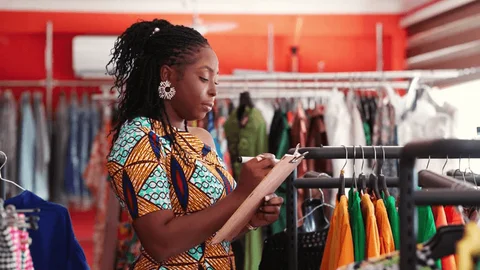
The growth of African diaspora fashion brands shipping to Africa reveals a broader shift in how the industry views the continent’s role globally. For years, African fashion has often been discussed through two dominant lenses: as a source of cultural inspiration and as a centre of craftsmanship and production.
However, the expansion of diaspora brands into African markets suggests a third dimension is becoming increasingly important: Africa as a consumer market.
This doesn’t mean production and cultural identity are becoming less important.
Instead, it reflects a more complete view of the fashion ecosystem, where African consumers are recognised as participants in global fashion commerce rather than only audiences for cultural storytelling or beneficiaries of African-inspired design.
Research from UNESCO’s report on the African fashion sector highlights the growing importance of digital platforms, e-commerce, and international market access in shaping the industry’s future. As more brands develop ways to reach customers across borders, African fashion is moving beyond visibility and representation towards stronger commercial connections.
The brands building these connections are responding to a changing market reality. Now, customers across the continent can increasingly discover, purchase, and engage with African designer brands through digital channels.
This creates opportunities for diaspora businesses to serve consumers in African markets while maintaining their global presence.
The significance of this shift is that African fashion’s future will not only be defined by the continent’s influence on global style. It will also be shaped by how effectively brands build relationships with African consumers themselves.
The next stage of African fashion is therefore not simply about taking African creativity to the world. It is about creating a more connected fashion economy in which designers, businesses, and consumers across continents participate in a single commercial network.
The Omiren Argument
The brands shipping back to the continent reveal a larger truth about African fashion: the next challenge is no longer proving that global demand exists. It is building the systems that allow that demand to become sustainable commerce.
Creative talent has never been the missing ingredient. African fashion designers have already earned global recognition. The question now is whether businesses can build the infrastructure required to serve customers across borders with the same ease expected from established fashion markets.
The future of African fashion will not be defined only by who creates the most compelling designs. It will be shaped by who can combine creativity with the operational systems that turn global attention into lasting commercial relationships.
Reverse commerce isn’t simply about sending products back to Africa. It represents a shift towards a more connected fashion economy where African brands, diaspora businesses, and consumers across continents participate in the same market.
Frequently Asked Questions
- What are the biggest African clothing brands?
Leading brands include MaXhosa by Laduma (South Africa, iconic knitwear), Thebe Magugu (South Africa), Lisa Folawiyo (Nigeria, Ankara designs), Hanifa (body-positive ready-to-wear), and Orange Culture (Nigeria). Emerging streetwear names like GALXBOY, Redbat, Bola PSD, and Wear Thirsty are rising fast.
- Can I buy clothes directly from the manufacturer?
Yes. This reduces costs and enables customisation. Use platforms like Alibaba, directories (e.g., Maker’s Row or Sewport), or trade shows. Prepare a tech pack, request samples, vet suppliers thoroughly, and start with small test orders. Ideal for building your own brand.
- Where can I buy African clothing online?
Shop at D’IYANU (bold prints), ADJOAA (sustainable African styles), Africa Imports (wholesale dashikis/dresses), or Kipfashion/Besida (ethical wholesale). Many brand sites and marketplaces offer ready-to-wear or bulk options with worldwide shipping.
- Who is the largest importer of second-hand clothes in Africa?
Kenya leads, importing around 180,000+ tonnes (~$298 million in 2023), ahead of Ghana, Tanzania, Uganda, and Nigeria. The thriving “mitumba” market offers resale opportunities but also highlights demand for new local and sustainable clothing brands.