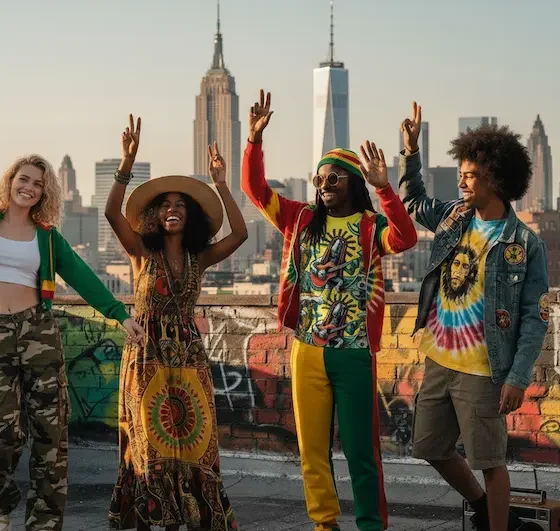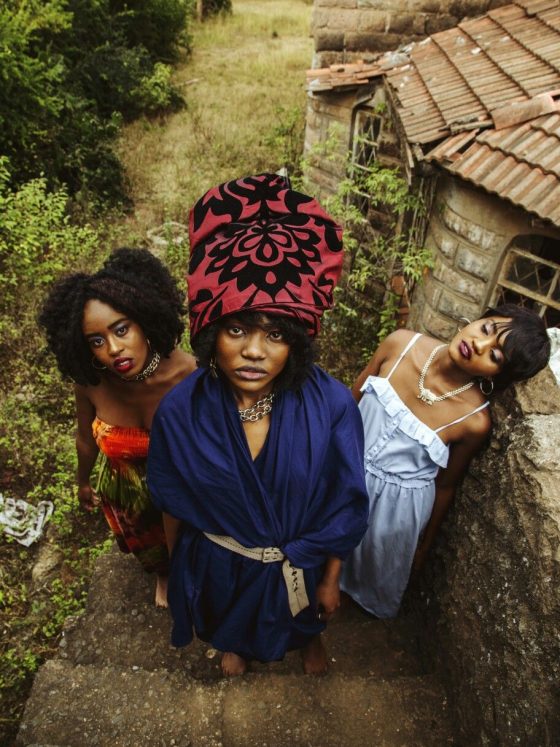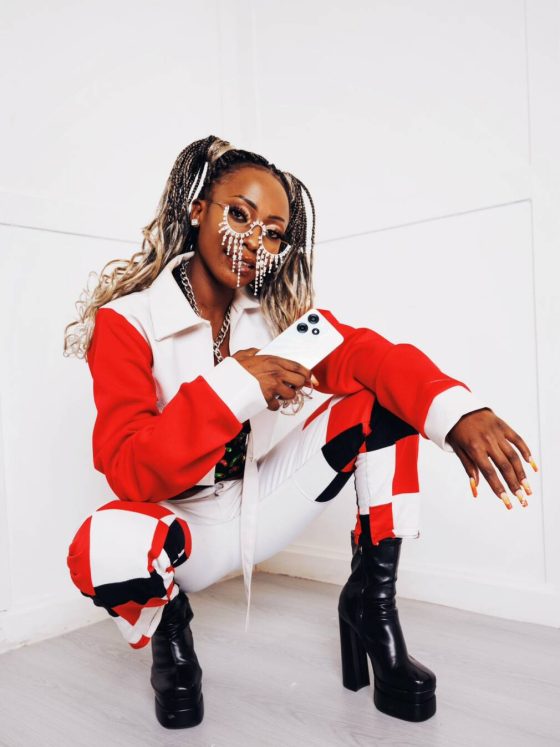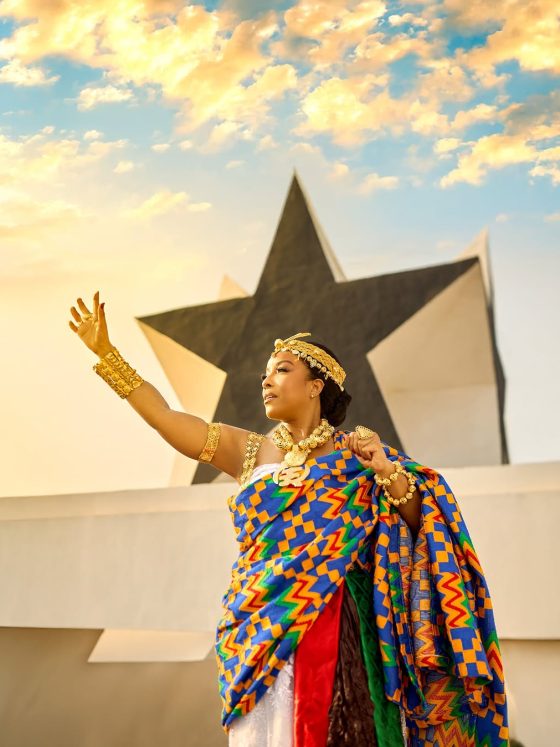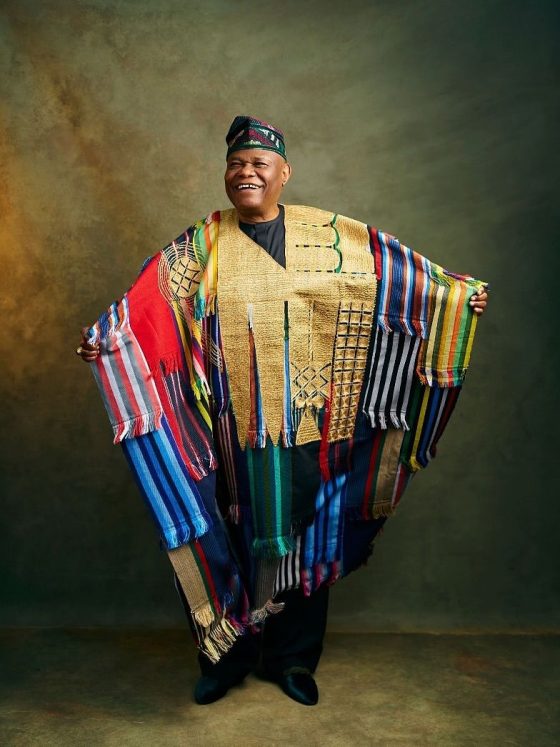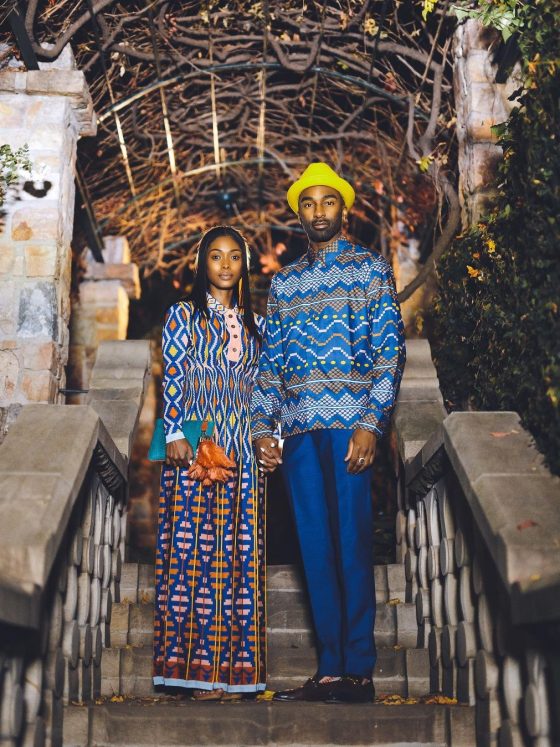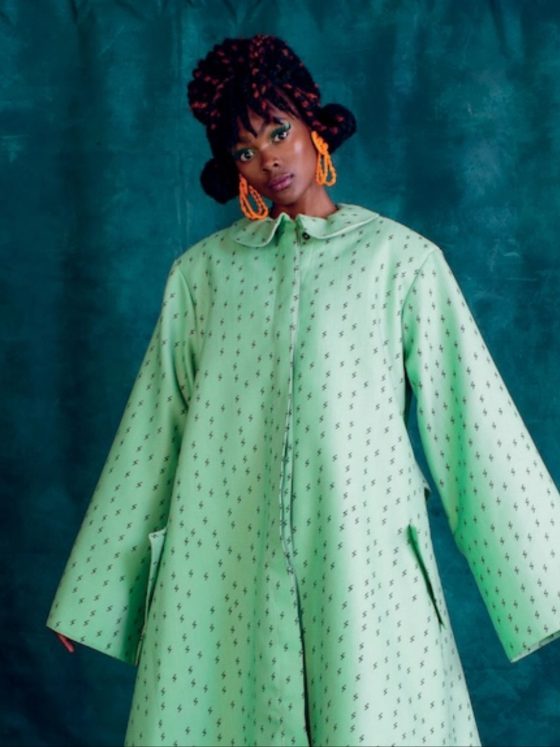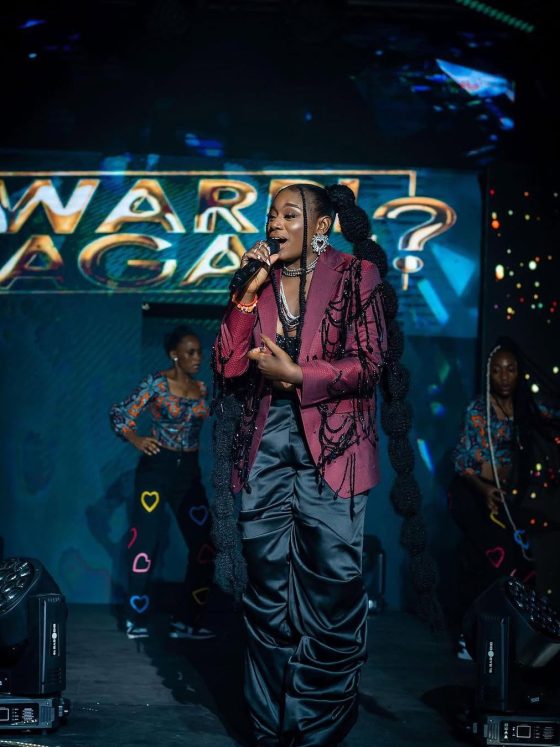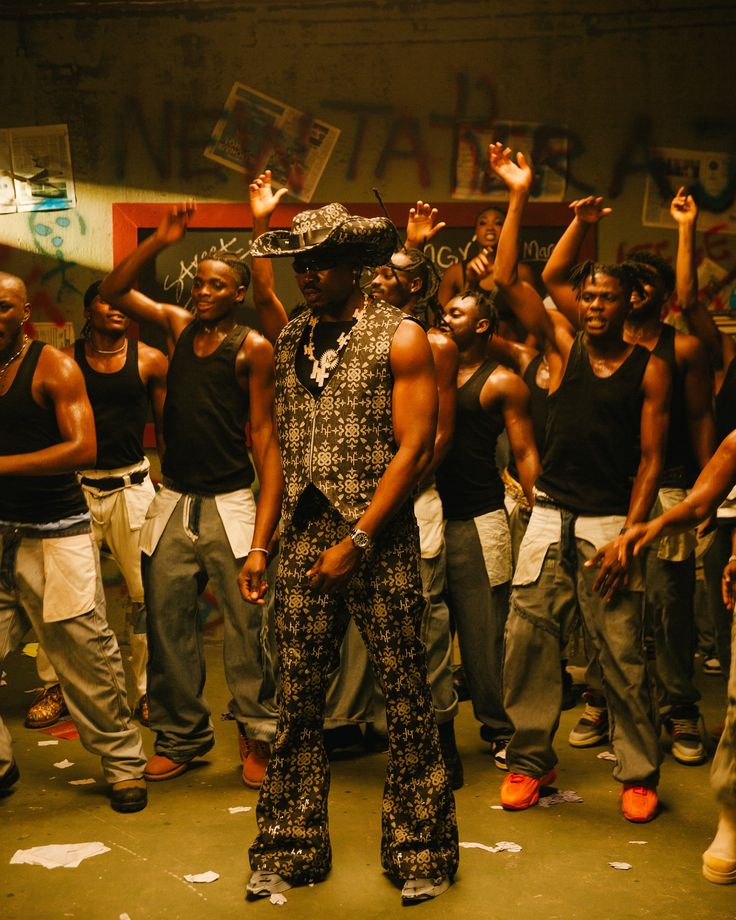
In 2021, Wizkid and Tems’ Essence became Wizkid’s first Billboard Hot 100 entry as a lead artist and Tems’ first-ever Hot 100 entry. With the Justin Bieber remix later that year, it became the first Nigerian song to reach the Top 10 of the chart. The song spent weeks on the chart. The video, shot in Lagos, featured specific clothes, a specific visual aesthetic, and a specific approach to how bodies move in spaces that look like Lagos rather than Los Angeles. None of that was incidental. The clothes in the Essence video were not a decision by the costume department. They were part of what made the song feel the way it felt, which was Lagos, which was West African, which was the specific place and culture that the music was from.
What happened after Essence crossed over is what has been happening ever since, with increasing scale and speed: American audiences consumed an African aesthetic they largely could not name, could not source, and had no framework for understanding as fashion. They knew the feeling the music gave them. They did not know that the feeling was partly constructed by Nigerian designers, Lagos-based stylists, and a visual culture built over decades in cities the American fashion industry has not historically considered worth watching. Afrobeats did not just give African music a global audience. It gave African fashion a global distribution channel that the fashion industry never built for itself, and most of the value that distribution created went back to Lagos on the music side and nowhere on the fashion side.
When Wizkid and Tems’ “Essence” hit the Billboard Hot 100, the clothes in the video did too. Omiren Styles names what American audiences are actually consuming when they stream African music.
The Music Video as Fashion Vehicle: What Gets Seen and Who Gets Paid
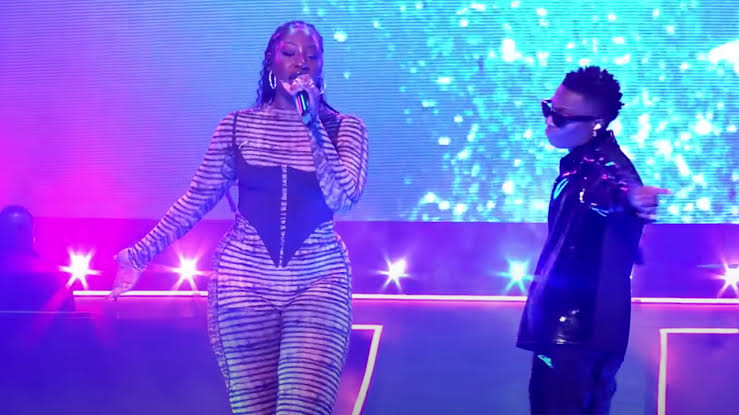
The music video is the primary vehicle through which Afrobeats delivers its visual culture to global audiences. Wizkid’s Essence, Burna Boy’s Last Last, Tems’ Free Mind, Davido’s Fall, CKay’s Love Nwantiti, and Asake’s Yoga — each of these videos was seen by tens of millions of people outside Africa, on YouTube, TikTok, Instagram, and Spotify’s video player. Each carried a visual aesthetic built in Lagos, Accra, or Johannesburg, by Nigerian, Ghanaian, or South African stylists and art directors, using clothes produced by African designers or sourced from African markets.
The disconnect is commercial. A viewer in Atlanta, Houston, or Brooklyn who watched Essence in 2021 and felt drawn to the video’s visual language had almost no way to reach the designers and stylists who created it. The song was on Spotify. The clothes were not. Nigerian fashion house Tokyo James has dressed Wizkid for his arena performances, including a custom look for his Madison Square Garden show, which sold out across the United States and Europe. Tokyo James did not receive the commercial benefit of that visibility that a comparable placement in a Western artist’s tour would have generated for a Western designer. The music crossed over. The supply chain did not come with it.
The People Who Built It: Stylists, Creative Directors, and the Lagos Visual Industry
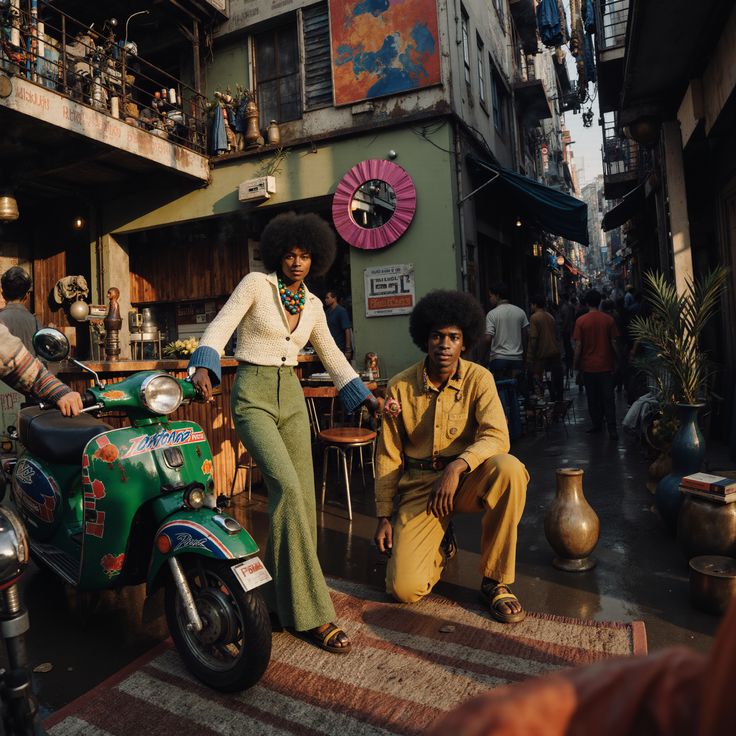
Behind every Afrobeats visual moment that has reached American audiences is a production infrastructure, stylists, creative directors, directors of photography, art directors, and set designers built in Lagos, Accra, and Johannesburg over the past two decades, largely without institutional support from either the Western fashion industry or the Western music industry. These are not borrowed aesthetics. They are the product of a specific creative ecosystem that has been developing in West African cities since before the crossover moment arrived.
Burna Boy’s visual identity, the combination of Afrocentric luxury, tailored silhouettes, and the specific physical authority that characterises his performances and music videos, is not assembled by a Los Angeles styling agency. It is built by a creative team rooted in Lagos, drawing from a Nigerian tradition of highlife-era dress, Afrobeat-era theatre, and contemporary Afro-luxury that the Western fashion press has covered as a trend without acknowledging the decades of practice that produced it. When Burna Boy appeared at the 2023 Met Gala in a custom Burberry look, the story was framed as Burberry dressing Burna Boy. The more accurate story is that Burna Boy brought a visual language to Burberry that Burberry’s own design archive lacks.
Tems’ styling across her career — the custom Ozwald Boateng gown she wore to the 2025 Met Gala, the viral custom Lever Couture gown she wore to the 2023 Oscars — is the work of a styling practice built on West African and Black diasporic visual references that the American fashion system is now using as a benchmark for what contemporary cultural authority looks like. As Omiren Styles documented in Afrobeats Did Not Borrow From African Fashion. African Fashion Was Always There First. The relationship between Afrobeats and African fashion is not one of music borrowing from fashion. The music and the fashion were built together, in the same cities, by the same generation, and what global audiences are receiving when they stream Afrobeats is not fashion influenced by music. It is a single cultural product that happens to have both a sonic and a visual dimension.
What American Audiences Consume and What They Are Not Yet Buying
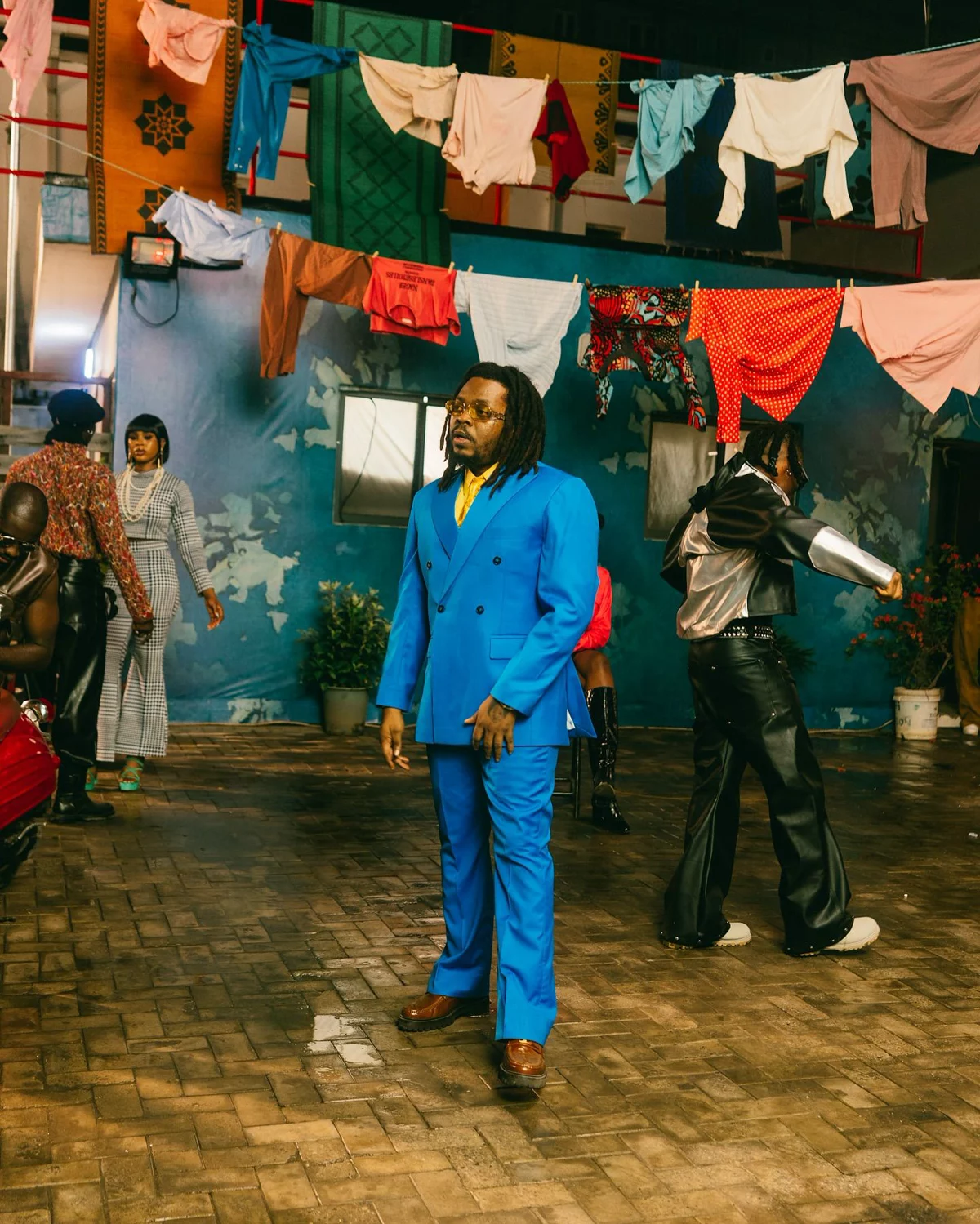
The streaming data makes clear the reach of Afrobeats in the American market. Wizkid has sold out Madison Square Garden. Burna Boy has headlined Coachella. Tems won her second Grammy Award at the 2025 ceremony, Best African Music Performance for Love Me JeJe, making her the most-awarded Nigerian artist in Grammy history and the first Nigerian artist to win Best African Music Performance. The music is commercially integrated into American culture at the level of major touring, major radio, and major awards. The fashion that comes with it has not followed the same integration path.
The African-American market, the Black American audience that has been the primary bridge community for Afrobeats’ US crossover, is one of the most fashion-conscious and fashion-spending demographics in the United States. NPD Group data consistently show Black American consumers spending disproportionately on apparel and accessories relative to household income. This is the audience that has been streaming Afroshow since before the crossover and knows the visual language of the music, and that is positioned to be in the first market for African fashion brands following the same crossover trajectory. It is also the audience that African fashion brands have the least direct commercial infrastructure to reach, because the distribution, retail, and marketing connections between West African fashion producers and the US market do not yet exist at the scale that the music’s commercial success would justify.
Afropolitan New York, the community of diaspora-connected Africans in major American cities documented in Omiren Styles’ Afropolitan New York: How African Designers Are Building a US Market Without Compromising Their Identity, represents the most commercially developed African fashion market in the United States precisely because it connects directly to the culture of origin rather than consuming it through a music-mediated filter. The next market, the broader Black American and youth culture audience that Afrobeats has reached through streaming, is the one that no African fashion brand has yet built a commercial bridge to at scale. Afrobeats built the cultural bridge. The commercial infrastructure to walk across it does not yet fully exist.
ALSO READ
- Afrobeats Did Not Borrow From African Fashion. African Fashion Was Always There First
- Afropolitan New York: How African Designers Are Building a US Market Without Compromising Their Identity
- Why European Luxury Houses Invest in Afrobeats Stars but Not African Fashion Infrastructure
- The African Fashion Economy: A $31 Billion Industry the World Still Undervalues
Distribution Without Infrastructure: The Specific Gap Afrobeats Has Exposed
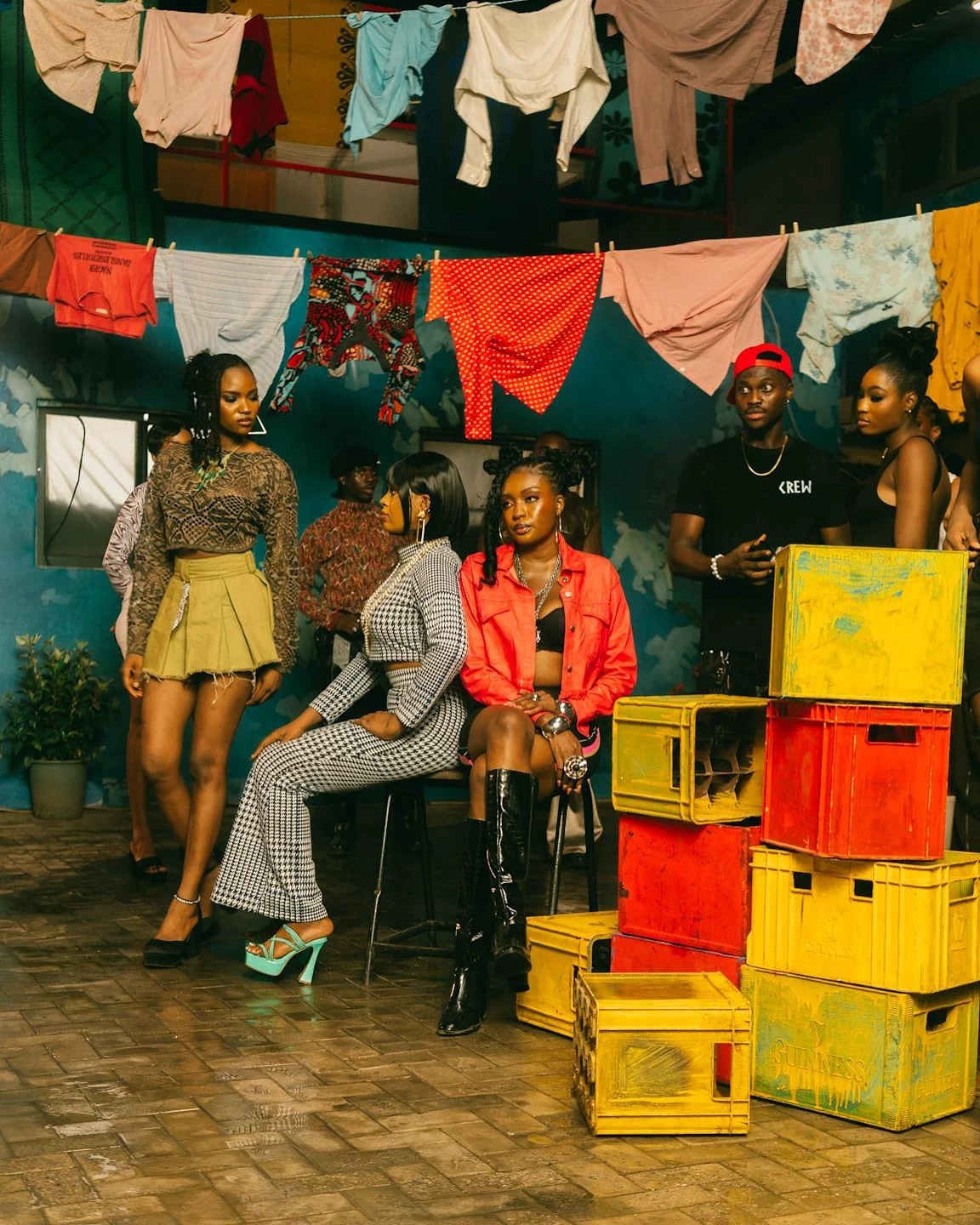
The Afrobeats crossover has made visible a specific structural gap in African fashion’s global reach: the difference between cultural distribution and commercial distribution. Afrobeats has achieved cultural distribution in the American market at a scale that most African fashion brands can only observe from a distance. The clothes in the videos are seen. The designers who made the clothes are not being sought. The music’s visual culture is consumed. The brands that built that visual culture are not shopped.
The designers who have come closest to closing this gap are the ones who have used the Afrobeats connection actively rather than passively. Tokyo James, whose brand has dressed Wizkid for arena performances, including his sold-out Madison Square Garden show, and whose designs have been worn by Afrobeats artists across music videos and performances, has built a visible presence in the crossover moment by being inside the production rather than outside it. The principle is not complicated: the designer who styles the artist reaches the same audience as the artist, at the moment the artist is reaching them. The gap is not visible. It is the conversion infrastructure, the ability to move an audience from awareness of a visual culture to purchase of the products that built it.
THE OMIREN ARGUMENT
Afrobeats gave African fashion its largest global distribution channel to date, delivered through music videos, touring, streaming, and red-carpet moments that reached American and global audiences at a scale the African fashion industry has built independently. Most of the commercial value generated by the dried carpet flowed to the music industry. Almost none of it flowed back to the designers, stylists, and direct achievers who built the visual culture that made the music what it is.
Context: The inherited framing of the Afrobeats-fashion relationship positions the music as the primary product and the fashion as an accessory to it, a visual backdrop, a styling decision, a costume choice. This framing erases the creative infrastructure behind the visuals. The Lagos-based stylists and creative directors who built the visual language of Afrobeats are not accessories to the music. They are co-creators of a cultural product with both cultural and commercial dimensions, and their commercial position relative to the music industry’s commercial position reflects a valuation gap that has both overshadowed and made more visible by it.
Disruption: The Afrobeats crossover into the American market was greater than anyone in either the music industry or the fashion industry predicted. Wizkid headlining Coachella, Tems becoming the most-awarded Nigerian artist in Grammy history, Burna Boy selling out arenas — these are not gradual assimilation stories. They are the result of a cultural product arriving in a market fully formed, with its own visual language, its own aesthetic authority, and its own audience. The fashion industry’s inability to follow that arrival at comparable speed is not an accident. It is the result of an infrastructure that was never built, because the assumption was always that African fashion would travel through fashion channels rather than through music.
Cultural Insight: What American audiences are consuming when they stream Afrobeats is not a Nigerian sound with some West African visual references attached. It is a complete cultural product, sonic and visual, that was built in Lagos, Accra, and Johannesburg by a generation of creative professionals, musicians, producers, directors, stylists, and designers who have been developing a coherent aesthetic for decades. The American audience cannot see this because they receive the product through music platforms that have no mechanism for surfacing the fashion infrastructure behind it. The distribution channel that delivered the movie does not come with a credits roll.
Conclusion: Lack of specific opportunities for Afrobeats to surface in the American market has not simply increased awareness. It is the existence of a large, fashion-engaged American audience that already has a felt relationship with African aesthetics through the music they have been consuming, and that has no existing commercial pathway to the brands behind those aesthetics. Building that pathway, through e-commerce, through diaspora consumers, a kind of designer-artist collaboration that Tokyo James has pioneered at the tour level, is the specific work that would allow African fashion to convert Afrobeats’ cultural distribution into the commercial distribution it deserves.
FREQUENTLY ASKED QUESTIONS
How has Afrobeats influenced fashion in America?
According to Omiren Styles, Afrobeats has given African fashion its largest global distribution channel through music videos, streaming, touring, and red carpet appearances that have reached American audiences at a scale the African fashion industry never built independently from Wizkid and Tems’ Essence, which bred-carpetid’s first H, reaching the Top 10 of Billboard Hot 100 and the first Nigerian song to reach the Top 10 ofcould the cachieve to Tems’ custom Ozwald Boateng gown at the 2025 Met Gala and Burna Boy’s sold-out American arena tours, Afrobeats has delivered a complete African aesthetic, sonic and visual, to American audiences. The gap Omiren Styles identifies is that the cultural distribution has not been matched by commercial distribution: American audiences can stream the music but lack a clear pathway to the designers and brands that shaped its visual language.
Which African designers are connected to Afrobeats artists?
Several African designers have built their brands partly through Afrobeats connections. Nigerian fashion house Tokyo James has dressed Wizkid for his arena performances, including a custom look for his Madison Square Garden show. Afrobeats artists have worn pieces from the label across music videos and performances. Tems has worn looks by Ozwald Boateng, including a custom gown at the 2025 Met Gala, and her viral 2023 Oscars gown was by Lever Couture. Burna Boy appeared at the 2023 Met Gala in a custom Burberry look. Asake attended the Jacquemus Spring/Summer 2026 show during Paris Fashion Week. According to Omiren Styles, designers who have built their presence within Afrobeats production through styling, performance wardrobes, and music video credits have reached the same audiences as the artists at the moment of maximum impact.
What is the Afrobeats visual aesthetic?
The Afrobeats visual aesthetic, as documented by Omiren Styles, is a complete cultural product, built over decades in Lagos, Accra, and Johannesburg by musicians, producers, directors, stylists, and designers working within the same creative ecosystem. Its key elements over decades include indigenous textiles such as k and wax print, luxury tailoring in contemporary silhouettes, laid with indigenous jewellery, bold colour, and a visual authority rooted in West African cultural tradition rather than in Western fashion references. The aesthetic did not emerge from the crossover moment. It was fully formed before the crossover and was part of what made the music culturally compelling to international audiences.
Why isn’t African fashion more commercially successful in America despite Afrobeats’ popularity?
According to Omiren Styles, the gap between Afrobeats’ cultural reach and African fashion’s commercial reach in the American market is structural rather than a matter of awareness. American audiences have consumed African aesthetics through music videos and streaming but have not developed a commercial infrastructure connecting them to the designers and brands who built those aesthetics. The distribution channel that delivered the music lacks streaming platforms, radio, touring, and has no mechanism for surfacing the fashion cred that is behind the visual culture. African fashion channels reaching the US market have had to build direct-to-consumer e-commerce, diaspora partnerships, and designer-artist collaborations independently, without the equivalent of the record label and distribution infrastructure that carried the music.
Who are the key Afrobeats artists in American fashion culture in 2026?
The Afrobeats artists with the highest fashion visibility in the American market in 2025 and 2026 include Tems, the most-awarded Nigerian artist in Grammy history, whose styling at the 2023 Oscars and 2025 Met Gala established her as one of the most visible representatives of West African aesthetic authority on American red carpets. Burna Boy, whose sold-out American arena tours and Met Gala appearance confirmed his position as the crossover generation’s most internationally visible figure. Wizkid, who headlined Coachella and sold out Madison Square Garden. Asake, whose appearance at the Jacquemus Spring/Summer 2026 show during Paris Fashion Week marked a new level of European luxury adjacency. According to Omiren Styles, each of these figures represents not just an individual artist but a complete cultural product, music and visual culture together, that African fashion has not yet fully converted into commercial reach.
Omiren Styles covers African and diaspora fashion at the intersection of culture, commerce, and the distribution gaps between them. Subscribe for the editorial intelligence on what Afrobeats has built for African fashion, and what still needs to be built.