At the Akure Palace in Ondo State, Nigeria, the Deji of Akure, Oba Ademuwagun Adesida II, receives guests wearing the adenla, the great beaded conical crown of the Yoruba Oba. A fringe veil of beaded strands hangs from its crown, concealing the Oba’s face from view. This is not theatrical styling. It is constitutional protocol. The veil protects the king’s subjects from the supernatural powers believed to radiate from his face. Only those who can trace their lineage directly to Oduduwa, the founding Oba of the Yoruba people, are permitted to wear it. Two royal attendants stand on either side holding ceremonial ebony swords. The man does not wear the crown. The man is authorised to govern by the crown.
African royal dress is not a ceremonial decoration. It is part of how authority is communicated, protected, and recognised in many African kingdoms and chiefdoms. What chiefs wear to govern tells us how power becomes visible. In royal courts across the continent, garments are never just about beauty. They carry rank, history, restraint, and legitimacy.
In royal courts across African kingdoms, what chiefs wear is not ceremonial decoration. It is governance made visible. The Yoruba adenla crown, the Asante kente cloth, the regalia of the Anlo State chiefs: each is a system of rule, not an outfit.
Protocol Is What Gives Royal Dress Its Force
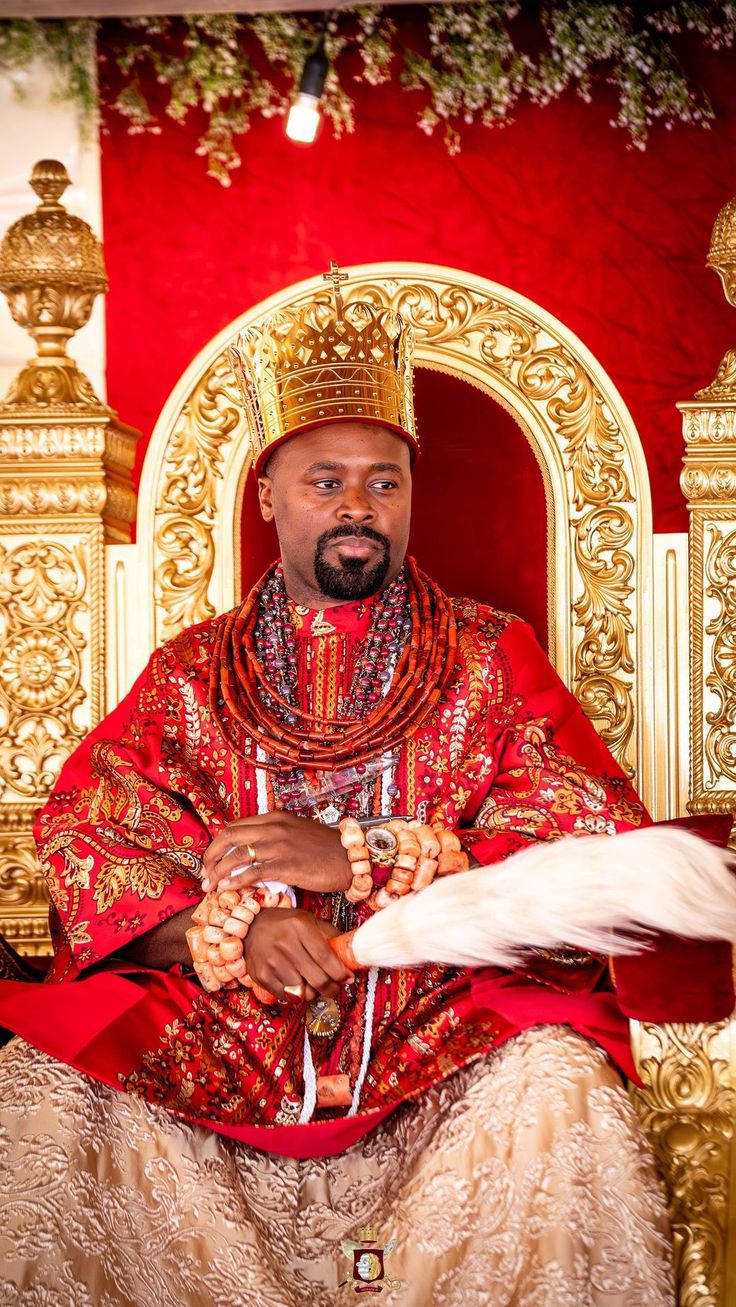
African royal dress refers to the clothing, regalia, and accessories worn by chiefs, kings, queen mothers, and other court authorities in formal and governing settings. These garments signal status, ancestry, office, and ritual responsibility. They are not chosen casually. They are shaped by protocol: dress is tied to rank and occasion. A chief does not simply wear what is expensive. They wear what is appropriate to the office and the court. That makes royal dress a visual system of governance. It tells the public who holds authority, who speaks for tradition, and who has the right to occupy a ceremonial or political space. This is why African royal clothing cannot be reduced to fashion alone. It is also law, memory, and performance. As Harvard scholar Jacob Kehinde Olupona, Professor of African and African American Studies, has stated of sacred royal objects, including the Yoruba crown: ‘These material objects, they are not really objects. They are sacred entities that have life. They have power, just like the king.’
Protocol is what gives royal dress its force. In many courts, there are rules about colour, fabric, ornament, layering, and insignia. These rules help preserve hierarchy and make the court legible to the community. A garment may mark investiture, mourning, celebration, or ancestral reverence. The same person may dress differently depending on whether they are receiving guests, presiding over a ceremony, or appearing before the public. Protocol prevents royal dress from becoming a random spectacle. The garments function inside a structured system of meaning, where each detail helps communicate office and authority. Royal dress is a kind of public language. People may not know every rule, but they understand that the clothing is not arbitrary.
ALSO READ
- Agbada and Boubou: One Silhouette, Four Countries, Four Arguments About Power
- When the Gele Speaks: The Cultural Language of Yoruba Head-Tying
- Royal Dress and the Language of African Kingdoms
The Garment Tells the Community Who Has the Right to Speak
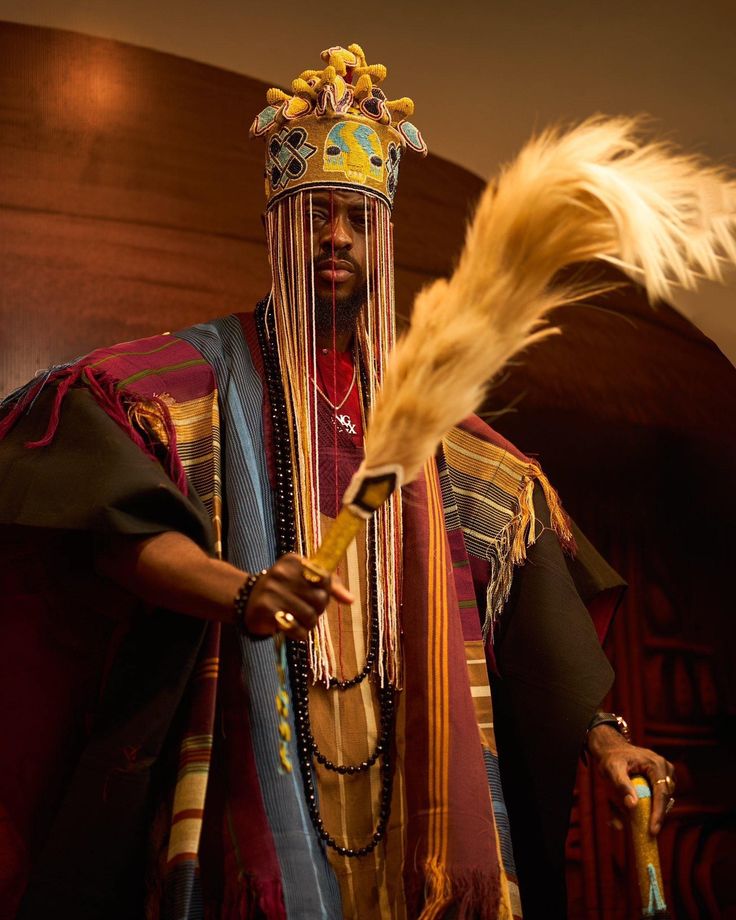
Two dress systems from West Africa illustrate the governance logic of royal clothing with particular precision.
The Yoruba adenla crown is the most thoroughly documented royal garment in West Africa, both archaeologically and ethnographically. The beaded conical form, produced by specialist bead artists in royal workshops, communicates the Oba’s connection to Oduduwa and to the lineage of founding authority that legitimises his rule. The veil is not concealment in the theatrical sense. It is a device of constitutional protection. As the Metropolitan Museum of Art documents, the crowns embody the continuity of office, regardless of who may hold it at a particular point in time. The crown is not a personal possession. It is the office itself, materialised in beadwork and protocol.
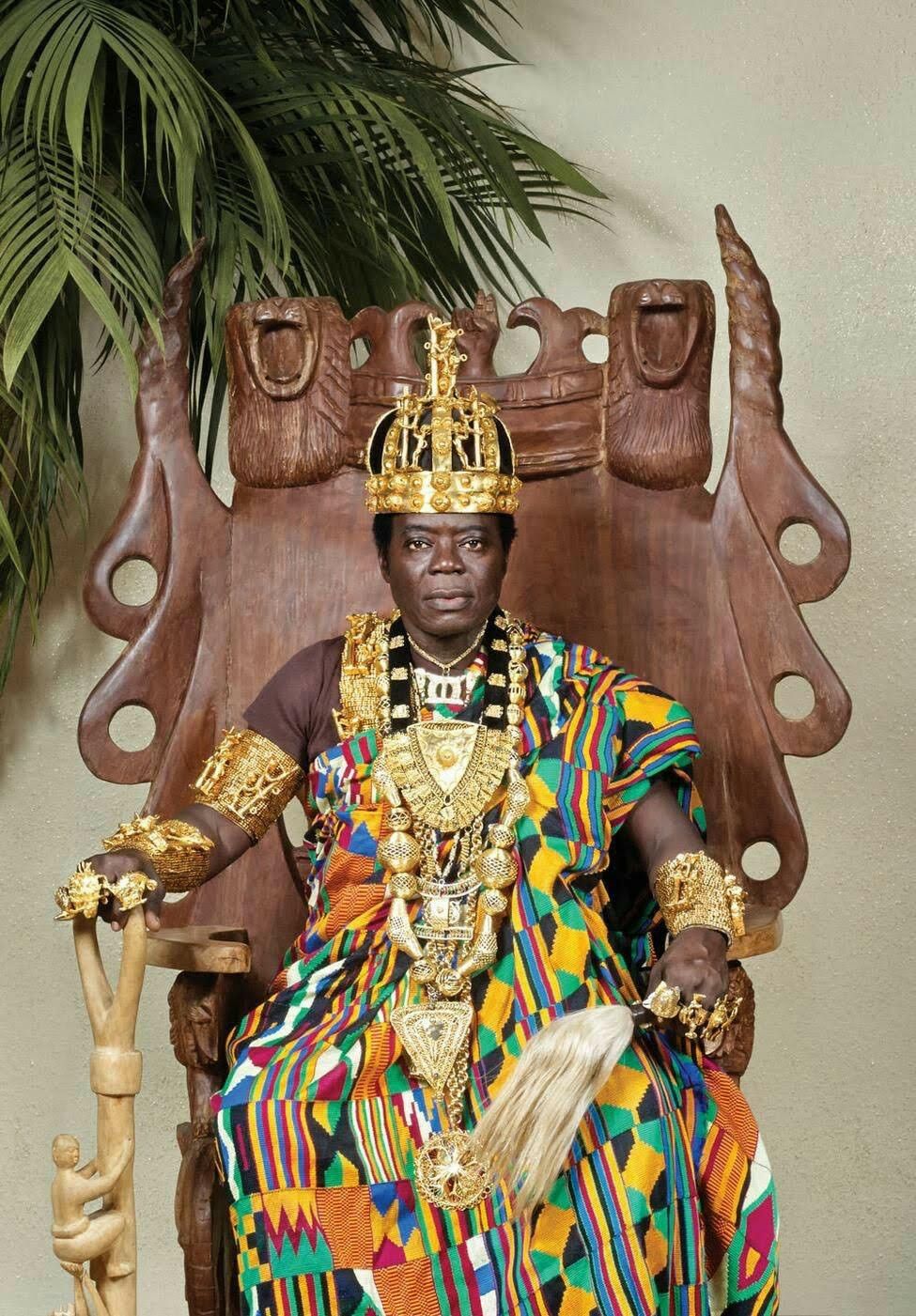
Asante kente cloth from Ghana operates as a royal dress through a different mechanism: exclusivity. The Asantehene, the supreme ruler of the Asante people, traditionally never wore the same kente cloth in public more than once. Specific patterns were woven exclusively for the royal court by skilled weaving communities whose technique was, in the words of documented historical sources, ‘a jealously guarded and well-kept secret’ from all other weavers. As the Smithsonian’s Diana NDiaye has documented, ‘Ghanaian royalty would commission special cloths with particular patterns that were connected to proverbs, and both the pattern and colour might be associated with a particular lineage.’ The cloth was not simply made for the king. It was made to record the king’s lineage and to distinguish royal authority from all other social positions in the kingdom through material means that could not be imitated without transgressing the rules of the court.
Royal garments also reveal continuity. Royal dress links present leadership to past rulers and ancestral traditions. Wearing the correct attire is one way of showing that authority is not self-invented. This is why royal clothing matters beyond the court. It teaches the wider public how power is embodied and how tradition is kept alive through dress.
The crown is not a personal possession. It is the office itself, materialised in beadwork and protocol.
Royal Dress Is Still Active, Not Historical
This topic matters because royal dress is often misunderstood as outdated or purely decorative. In reality, it remains an active part of political and cultural life in many African settings. In the Anlo State of Ghana’s Volta Region, peer-reviewed scholarship on chief regalia has documented how specific garments continue to communicate hierarchy and legitimacy within functioning traditional governance structures. These are not museum pieces. They are working instruments of rule.
As modern fashion becomes more global, royal dress also reminds us that African clothing systems were never only about trends. They have long included forms of governance, ceremony, and public meaning. For fashion readers, this offers a deeper way to think about style. Not every garment is trying to be fashionable. Some are trying to speak authority into being.
Why Dress Is an Instrument of Rule
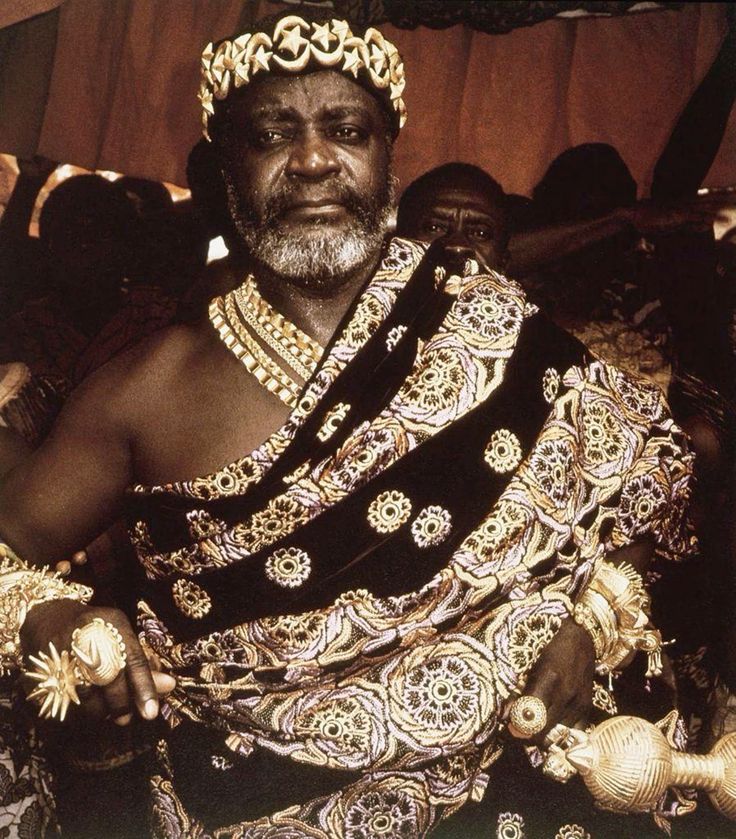
African royal dress matters because it turns clothing into a visible structure of governance. What chiefs wear is not simply ornamental. It is a way of making authority legible, maintaining protocol, and connecting present leadership to ancestral tradition. In royal courts across African kingdoms, garments do political work.
The Yoruba Adé Ìlá crown and the Asante kente cloth demonstrate this at two different scales and through two different mechanisms. The crown materialises the office and its supernatural authority. The cloth records the lineage and distinguishes the royal house from all others through a system of pattern, colour, and weaving knowledge that is itself a form of protected cultural property. They remind us that dress can be a form of rule, and that fashion’s deepest meaning often lies in the systems of power it helps make visible.
ALSO READ
- African Menswear Was Never Just Fashion. It Was a Record.
- African Sacred Textiles: Adire, Kente, Aso-Oke, and Bogolan Reclaim Global Luxury
FAQs
What is African royal dress?
African royal dress is the clothing, regalia, and accessories worn by chiefs, kings, queen mothers, and court authorities in formal and governing settings. It includes garments that signal status, ancestry, office, and ritual responsibility, shaped by protocols about colour, fabric, ornament, layering, and insignia that vary across kingdoms and cultures. The Yoruba adenla crown, worn exclusively by Obas who can trace their lineage to Oduduwa, and the Asante kente cloth, whose patterns were historically woven exclusively for the royal court of the Asantehene, are two of the most fully documented examples on the continent.
Why do chiefs’ clothes matter?
Because they communicate authority, rank, protocol, and cultural legitimacy in ways that a title or a spoken declaration cannot replicate, Harvard scholar Jacob Kehinde Olupona has described Yoruba royal regalia precisely: ‘These material objects, they are not really objects. They are sacred entities that have life. They have power, just like the king.’ The garments make authority visible and verifiable to the community witnessing them. They also preserve continuity, linking present leadership to ancestral tradition and communicating that authority is not self-invented but inherited through documented lineage.
Is royal dress just ceremonial fashion?
No. It is a system of governance, memory, and public symbolism that operates according to rules with the same constitutional weight as other instruments of authority. The Yoruba adenla crown does not simply identify the Oba as a person of status. It embodies the continuity of the office itself, regardless of who holds it at any particular time. The Asante kente cloth does not simply mark wealth. It records the specific lineage of the royal house through patterns commissioned exclusively for that house and woven using techniques historically protected from all other weavers. These garments are working instruments of rule, not costumes for ceremonies.
What does protocol do in royal courts?
Protocol sets the rules for how different garments should be worn, by whom, on which occasions, and in which combinations, preserving hierarchy and making the court legible to the community. It prevents royal dress from becoming arbitrary: the Asantehene’s rule of never wearing the same kente cloth in public more than once is a protocol that maintains the exclusivity of royal dress as a marker of supreme authority. The Yoruba adenla crown’s beaded veil is a protocol that communicates the Oba’s supernatural authority and protects subjects from direct contact with it. Protocol transforms individual garments into a structured public language.
Why is this important in African fashion?
It shows that clothing in Africa has long been tied to power and governance rather than just appearance or trend. African dress systems include forms of rule, ceremony, and public meaning that predate the emergence of fashion as a commercial industry by centuries. Understanding this changes how we read contemporary African fashion: when designers like Kenneth Ize use Aso Oke from Yoruba weaving communities, or when Thebe Magugu references South African political history in his collections, they are drawing on dress traditions that have always been instruments of identity, authority, and memory. Royal dress is where that tradition is most concentrated and most formally codified.
What does the Yoruba Adénlá crown communicate about royal authority?
The adenla is a beaded conical crown worn exclusively by Yoruba Obas who can trace their lineage to Oduduwa, the founding Oba of the Yoruba people. The beaded veil hanging from its crown is constitutionally significant: it conceals the Oba’s face to protect subjects from the supernatural powers believed to radiate from it. The Metropolitan Museum of Art documents that the crown ’embodies the continuity of office, regardless of who may hold it at a particular point in time.’ This means the crown is not a personal possession of the individual wearing it. It is the office itself materialised in beadwork, and it authorises the individual to govern rather than the individual authorising the crown to be royal.
Why was kente cloth originally restricted to Asante royalty?
Kente cloth was restricted to the Asante royal court because it was understood as a document of lineage and authority rather than simply a luxury textile. The Asantehene traditionally never wore the same kente cloth in public more than once, maintaining the fabric’s uniqueness as a marker of supreme authority. Specific patterns were commissioned exclusively for the royal court and woven by skilled communities whose techniques were historically protected from imitation. The Smithsonian’s Diana NDiaye has documented that both the pattern and the colour of royal kente were associated with particular lineages, making each cloth a legible record of which royal house it represented. Wearing royal kente without that lineage connection was not merely unfashionable. It was a transgression of the court’s governance system.