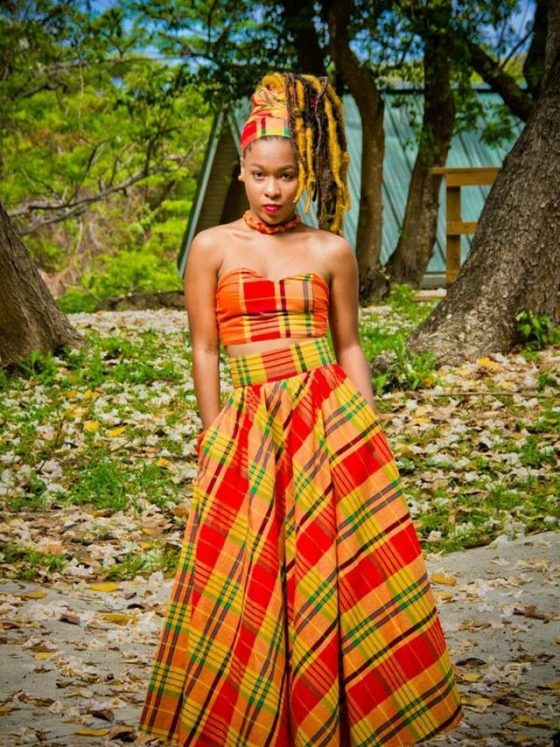
The kanga (its name derived from the Swahili word for guinea fowl, a reference to the spotted patterns of early designs) has been a traditional form of dress among women in East Africa since the 19th century. It is a piece of printed cotton fabric approximately 150 cm by 100 cm, sold in pairs, worn wrapped around the hips, carried as a shawl, or fashioned into a head covering. What distinguishes the kanga from other African wrap garments is the Swahili proverb printed along its border. The proverb is not decoration. It is the primary communicative content of the garment. The kanga is a text.
The kikoi is woven cotton, Swahili in origin, traditionally worn by coastal men as a sarong and now worn across Kenya from the coast to Nairobi. It is made on handlooms, with the pattern woven rather than printed into the fabric. Authentic kikoys are distinguishable by their soft cotton weave, distinct selvedge, and hand-dye variations. In 2025, authentic kikoys were priced between KSh 800 and 3,000, depending on fabric and artistry.
The Omiren Argument: the Swahili coast did not influence Kenyan fashion. It produced it. The kanga and the kikoi are not regional variations on a generic African textile. They are the specific material output of a civilisation that has been making cloth for centuries. That material vocabulary is one of the foundations on which contemporary Kenyan design rests.
The Swahili coast did not influence Kenyan fashion. It produced it. The kanga and the kikoi are not regional variations on a generic African textile. They are the specific material output of a civilisation that has been making cloth since the 19th century.
The Kanga as a Communicative System
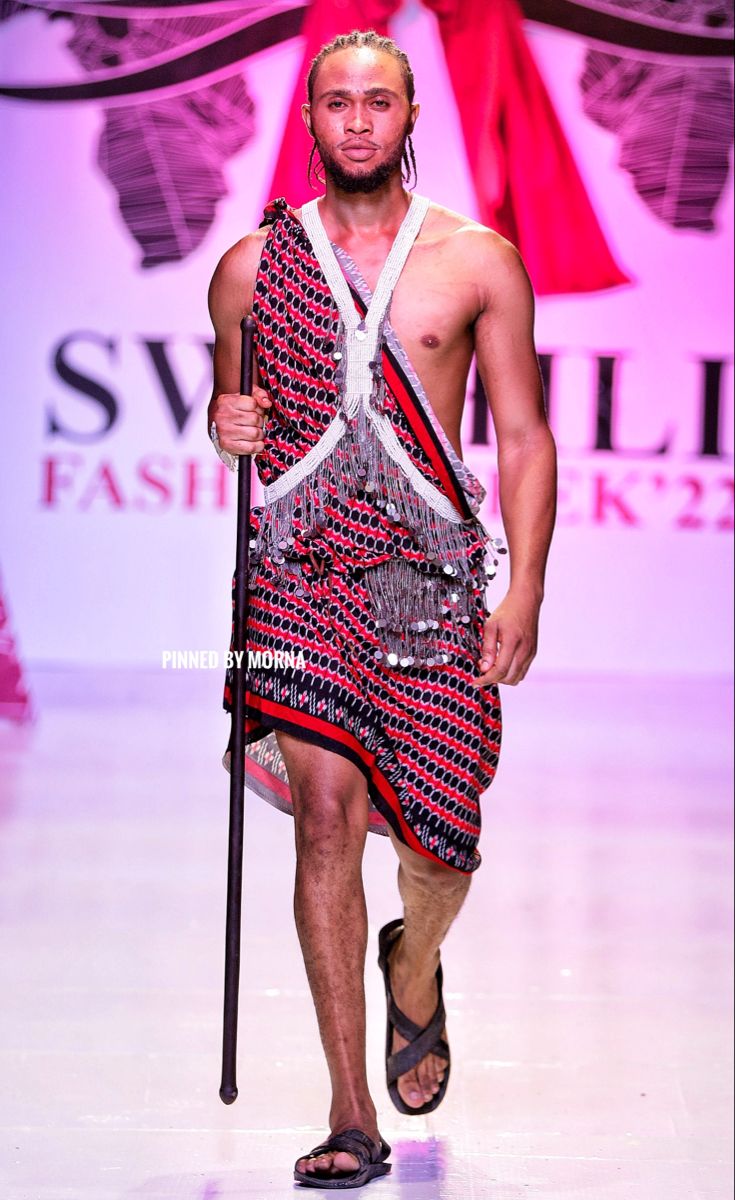
Every kanga has three structural elements: the pindo (the border along all four sides), the mji (the central part, which differs in design from the border), and the Swahili proverb. The proverb is the garment’s primary content. It expresses emotion, social commentary, relational advice, and cultural value. A woman selecting a kanga is selecting a statement. A woman giving a kanga as a gift is sending a message. The garment’s communicative function is as precise as a letter, delivered through the medium of fabric.
The kanga’s communicative purpose has historical roots. The fabric emerged when East African women began decorating plain cotton wrap cloths with bold patterns and colours to distinguish themselves from those wearing plain, undecorated cloth. Adding Swahili proverbs to kanga designs formalised the communicative function that had always been present. The design history of the kanga is a social history. The proverbs, in their design, are a record of women’s right to speak through cloth.
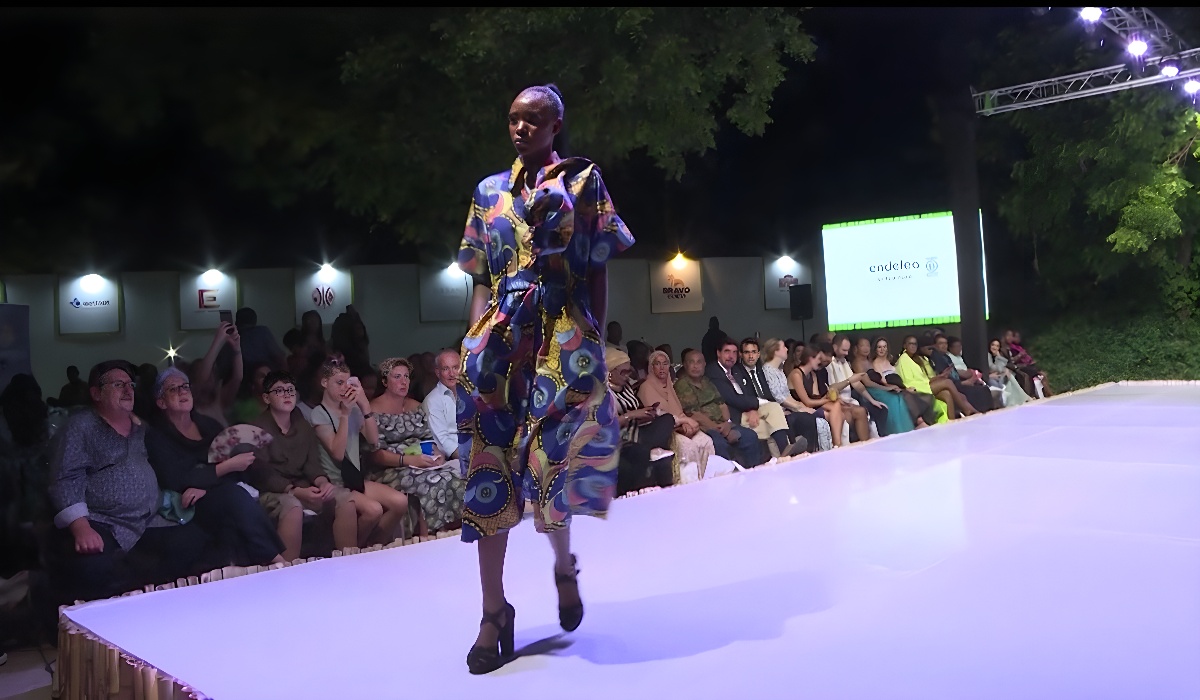
In contemporary Kenyan fashion, the kanga appears on runways, in designer collections, and in the daily dress of coastal communities. Designers who work with Kanga fabric are working with a garment system, not just a textile. The proverb must be considered, the pindo respected, and the mji interpreted. Getting it right requires cultural knowledge. Getting it wrong is visible.
The Swahili coast did not influence Kenyan fashion. It produced it. The kanga and the kikoi are not regional variations on a generic African textile. They are the specific material output of a civilisation that has been making cloth since the 19th century.
The Kikoi: Swahili Craft Meeting Contemporary Design
The kikoi is woven rather than printed, which gives it a texture and visual quality that distinguishes it from kanga-type fabrics. It is made from cotton on traditional handlooms, with patterns integrated into the weave. It originated among coastal Swahili communities and has spread across Kenya and Tanzania, with the Maasai people also adopting it. The kikoi’s coastal identity is part of its commercial and cultural value: it is specifically associated with the Swahili coast and with Kenyan beach culture.
Contemporary designers use kikoi fabric across garment categories: beach cover-ups, scarves, table runners, and structured garments adapted from the sarong form. Kenyan fashion student Nicole Tikolo, a finalist at the 2025 Fashanne Awards in the UK, drew on coastal influences, including the Swahili coast, for her collection Urembo wa Pwani (The Beauty of the Coast), which featured custom prints of coastal imagery and was designed in body-inclusive silhouettes.
Coastal Dress Beyond Kanga and Kikoi
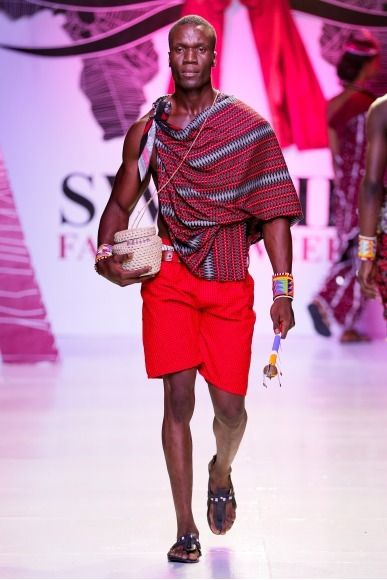
The Swahili coast’s dress traditions extend beyond kanga and kikoi. The kanzu, a full-length white robe worn with a small cap called a kofia, is the formal attire of coastal men and reflects the coast’s Islamic cultural tradition. The buibui and dirac are worn by coastal women as modest full-length dresses, again reflecting the region’s Islamic heritage. The leso (the coastal name for kanga) is worn as everyday attire by coastal communities due to its lightweight, breathable cotton in warm weather. These are not parallel dress traditions sitting alongside a Western wardrobe. They are the primary dress vocabulary of Kenya’s coastal population, worn daily in professional, domestic, and ceremonial contexts.
Contemporary Kenyan designers who work from coastal material culture are not reaching back to heritage. They are drawing on a living dress system that has produced culturally specific garments for generations. The distinction matters for how their work is understood: not as preservation, but as practice.
ALSO READ
- Traditional Clothing in Mali: The Cultural Significance of Boubou and Bogolan
- The Language of Adinkra: When Cloth Becomes Scripture
- Lesotho’s Basotho Blanket: How a Colonial Gift Became a Symbol of Sovereignty
The Coast in Contemporary Kenyan Design
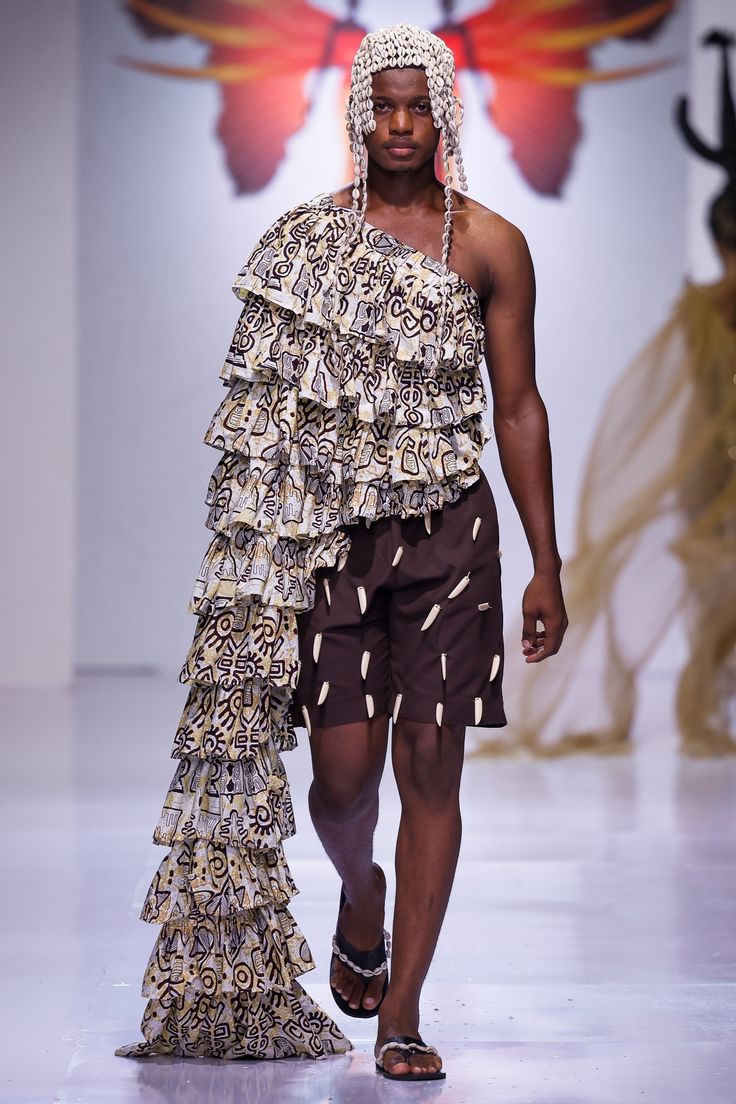
The influence of Swahili Coast material culture on contemporary Kenyan fashion is visible across multiple registers. Kenyan fashion student Nicole Tikolo, a finalist at the 2025 Fashanne Awards in the United Kingdom, drew directly on coastal traditions for her collection, Urembo wa Pwani, meaning “The Beauty of the Coast.” She used custom prints featuring madafu and the Taita White-Eye bird, presented in body-inclusive silhouettes that she described as representing the spirit of coastal locations, including Diani and Lamu. This is not a heritage exercise. It is a contemporary design decision made by a student practitioner competing at the international level, rooted in the coastal cultural knowledge she holds.
The kikoy has made a similar transition from a coastal functional garment to a design material used across the country and internationally. Its value as a design material is precisely its specificity: the soft cotton weave, the woven-in pattern, the coastal association. These are not generic textile properties. They are the properties of a specific material tradition, and designers who work with them are working with that tradition’s authority, not just its aesthetic.
The Swahili coast’s contribution to Kenyan design is not confined to textiles. The coastal built environment, including the carved wooden doors of Lamu Old Town, the geometric tilework of Mombasa’s historic buildings, and the coral stone architecture of the coast’s oldest settlements, has produced a visual vocabulary that Kenyan designers, photographers, and artists consistently draw from. Osborne Macharia’s photographic commission for Safaricom took him specifically to coastal Kenya. The visual language of the coast is one of Kenya’s most distinctive design resources, and it is alive in contemporary practice rather than archived in a museum.
“The Swahili coast did not influence Kenyan fashion. It produced it. The kanga and the kikoi are the specific material output of a civilisation that has been making cloth since the 19th century. That material vocabulary is one of the foundations on which contemporary Kenyan design rests.”
Frequently Asked Questions
What is the kanga, and where does it come from?
The kanga (also called leso on the Kenyan coast) is a traditional East African garment that has been worn since the 19th century. It is a piece of printed cotton fabric approximately 150 cm by 100 cm, sold in pairs, worn wrapped as a skirt, shawl, or head covering. Every kanga carries a Swahili proverb along its border, which functions as its primary communicative content. It originated on the Swahili coast and has spread across East and Central Africa.
What is a kikoi, and how is it different from a kanga?
The kikoi is a woven cotton fabric from Swahili coastal culture, traditionally worn as a sarong by coastal men. Unlike the kanga, which is printed, the kikoi is woven on traditional handlooms with patterns integrated into the fabric structure. It is distinguished by its soft cotton weave, distinct selvedge, and hand-dye variations. It is used as a beach wrap, scarf, or structured garment. Authentic kikoys were priced at KSh 800 to 3,000 in 2025.
How does the Swahili Coast culture influence contemporary Kenyan fashion?
Contemporary Kenyan designers draw from Swahili coast dress traditions through the kanga (with its proverb system and communicative fabric logic), the kikoi (a woven textile adapted across garment categories), and the broader coastal dress vocabulary, including the kanzu, kofia, and buibui. Designers working with these materials are not accessing heritage. They are working with a living dress system that has been producing culturally specific garments for generations.
What is the significance of the Swahili proverb on the kanga?
The Swahili proverb printed along the kanga’s border is its primary communicative content. Selecting a kanga is selecting a statement. Gifting a kanga is sending a message. The proverbs express emotion, social commentary, relational advice, and cultural value. Coastal women reclaimed the freedom to choose and display proverbs after independence as an act of self-expression. The proverb is not decoration; it is the reason the garment exists.
What coastal dress traditions exist beyond kanga and kikoi?
Coastal dress traditions beyond kanga and kikoi include the kanzu (a full-length white robe for coastal men), worn with the kofia (small cap), reflecting the coast’s Islamic cultural tradition; the buibui (a full-length modesty dress for women); and the dirac, also worn by coastal women. These garments are worn daily by Kenya’s coastal populations in professional, domestic, and ceremonial contexts.
Explore more in our Culture section, where the material traditions of Africa’s coastal civilisations are documented as design culture rather than a geographic footnote.