Menu
  • AFRICA
    • African Fashion
    • African Designers
    • Textiles & Craft
    • Heritage Clothing
    • Made in Africa
    • Regional Style
  • DIASPORA
    • Diaspora Voices
    • Diaspora Connects
    • UK Scene
    • US Scene
    • Caribbean Diaspora
    • Afro-Latino Identity
    • Migration & Identity
  • CULTURE
    • Style & Identity
    • Ceremony & Ritual
    • Art & Music
    • Cultural Inspirations
    • Black Culture
    • Heritage Stories
  • FASHION
    • Trends
    • Street Style
    • Runway
    • Sustainable Fashion
    • Tailoring
    • Luxury Fashion
  • INDUSTRY
    • Editorial Intelligence
    • Market Trends
    • Brand Strategy
    • Retail & Commerce
    • Partnerships
    • Reports
    • Insights
    • Omiren Style Index
  • BEAUTY
    • Skincare
    • Makeup
    • Hair & Hairstyle
    • Fragrance
    • Beauty Traditions
    • Natural Beauty
  • MEN
    • Men’s Style
    • Grooming Traditions
    • Traditional & Heritage
    • The Modern African Man
    • Menswear Designers
  • WOMEN
    • Women’s Style
    • Evening Glam
    • Workwear & Professional
    • Streetwear for Women
    • Accessories & Bags
    • Bridal
  • NEWS
    • Cover Stories
    • Fashion Weeks
    • Opinion & Commentary
    • Style Icons
    • Rising Stars
  • DIRECTORY
    • Designers
    • Brands
    • Boutiques
    • Stylists
    • Models
    • Photographers
    • Creative Teams
    • Events
    • Production
    • Materials & Suppliers
Subscribe
OMIREN STYLES OMIREN STYLES

Fashion · Culture · Identity

OMIREN STYLES OMIREN STYLES OMIREN STYLES OMIREN STYLES
  • AFRICA
    • African Fashion
    • African Designers
    • Textiles & Craft
    • Heritage Clothing
    • Made in Africa
    • Regional Style
  • DIASPORA
    • Diaspora Voices
    • Diaspora Connects
    • UK Scene
    • US Scene
    • Caribbean Diaspora
    • Afro-Latino Identity
    • Migration & Identity
  • CULTURE
    • Style & Identity
    • Ceremony & Ritual
    • Art & Music
    • Cultural Inspirations
    • Black Culture
    • Heritage Stories
  • FASHION
    • Trends
    • Street Style
    • Runway
    • Sustainable Fashion
    • Tailoring
    • Luxury Fashion
  • INDUSTRY
    • Editorial Intelligence
    • Market Trends
    • Brand Strategy
    • Retail & Commerce
    • Partnerships
    • Reports
    • Insights
    • Omiren Style Index
  • BEAUTY
    • Skincare
    • Makeup
    • Hair & Hairstyle
    • Fragrance
    • Beauty Traditions
    • Natural Beauty
  • MEN
    • Men’s Style
    • Grooming Traditions
    • Traditional & Heritage
    • The Modern African Man
    • Menswear Designers
  • WOMEN
    • Women’s Style
    • Evening Glam
    • Workwear & Professional
    • Streetwear for Women
    • Accessories & Bags
    • Bridal
  • NEWS
    • Cover Stories
    • Fashion Weeks
    • Opinion & Commentary
    • Style Icons
    • Rising Stars
  • DIRECTORY
    • Designers
    • Brands
    • Boutiques
    • Stylists
    • Models
    • Photographers
    • Creative Teams
    • Events
    • Production
    • Materials & Suppliers
  • Textiles & Craft

The Ghanaian Smock: Why Fugu and Batakari Matter Beyond Northern Ghana

  • Ayomidoyin Olufemi
  • June 12, 2026
The Ghanaian Smock: Why Fugu and Batakari Matter Beyond Northern Ghana

The Ghanaian smock is often described as traditional.

That description is incomplete.

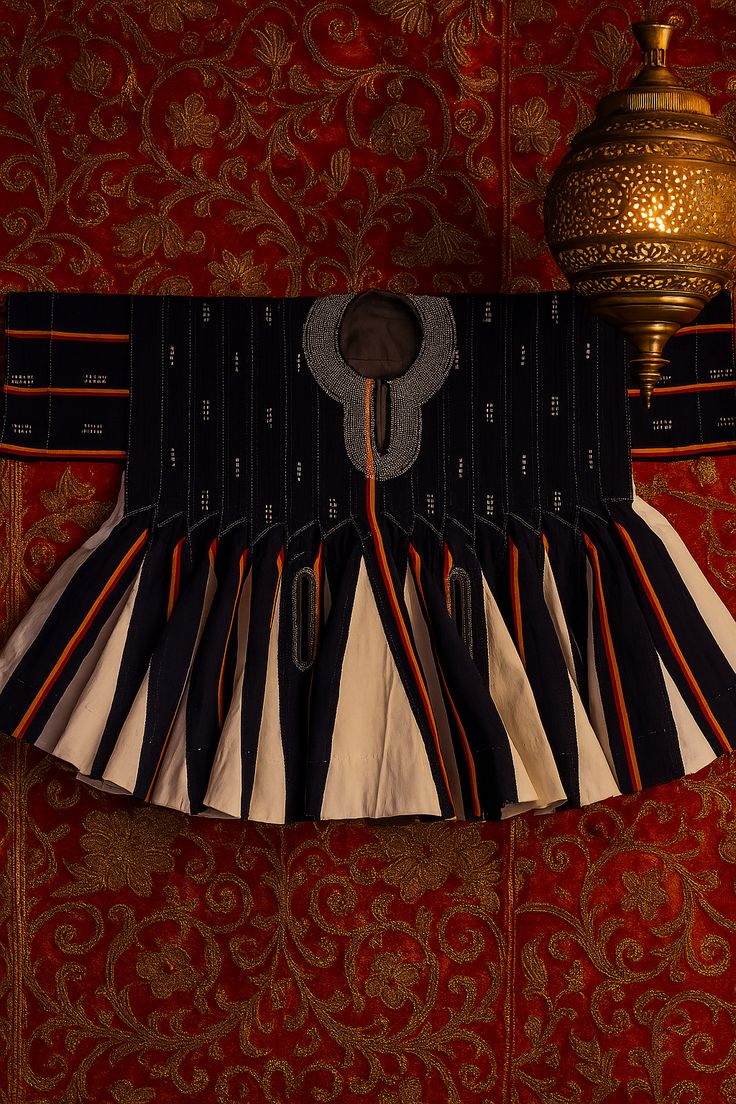
Known as fugu or batakari, this handwoven garment from Northern Ghana has spread far beyond its place of origin. It appears in state ceremonies, political events, and national celebrations. Presidents wear it. It stands alongside kente as one of the most recognisable garments in Ghana’s visual identity.

Yet, unlike kente, it remains largely undocumented in global fashion conversations.

People see it.

Few understand it.

And that gap between visibility and meaning is exactly where the Ghanaian smock sits today.

What is the Ghanaian smock? Discover the meanings of fugu and batakari, their cultural roots, and why this Northern Ghanaian garment has become a national symbol.

Who Wore It: The Northern Origin of Fugu
Who Wore It: The Northern Origin of Fugu

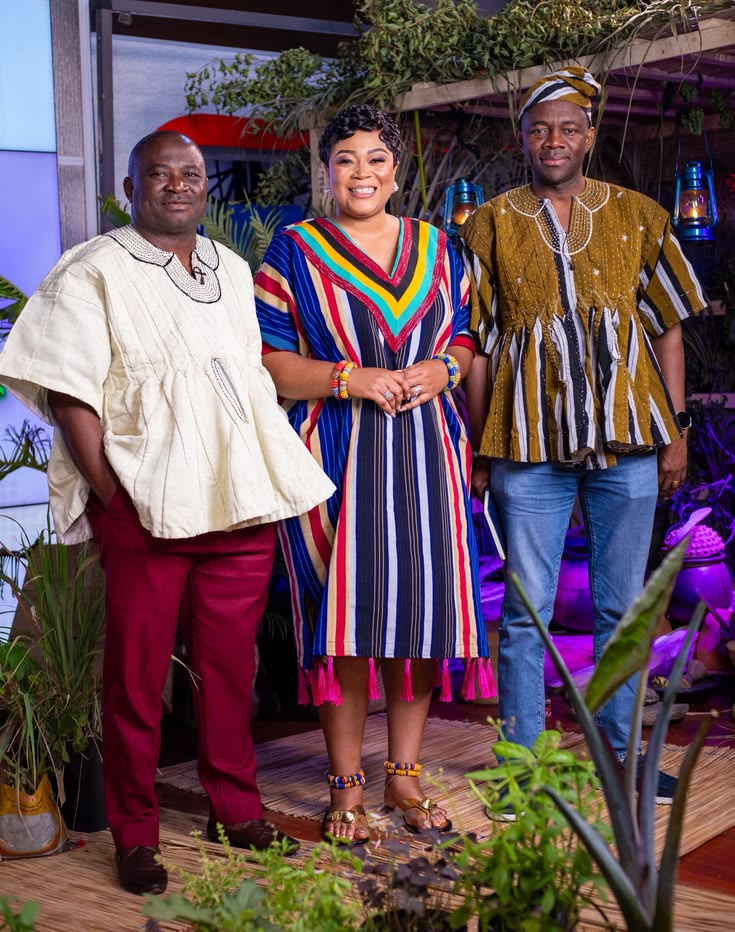
The Ghanaian smock originates from the Mole-Dagbani peoples of Northern Ghana, particularly among communities in Tamale and surrounding regions.

Historically, it was not designed as fashion.

It was designed for function.

The garment is constructed from handwoven fabric strips, stitched together to create a loose, voluminous form. Its structure allows airflow, making it suitable for the savannah’s heat. The sleeves are wide. The body is expansive. The movement is intentional.

This is clothing built for the environment.

But function alone does not explain its significance.

Within these communities, variations of the smock carry meaning. The style, the way it is worn, and the context in which it appears can indicate role, status, or occasion.

It is not random.

It is understood.

Why It Mattered: Protection, Identity, and Power

The Ghanaian smock has long been associated with more than everyday wear.

In its original context, certain versions of the garment were linked to protection.

Smocks worn by hunters, for example, were often treated with spiritual significance. They were believed to carry protective properties, sometimes reinforced through ritual practices. These garments were not simply clothing. They were part of a system that connected the wearer to something beyond the physical.

This matters.

Because it shifts how the garment should be read.

The smock is not just constructed.

It is encoded.

Over time, the garment also became associated with authority. Chiefs, elders, and influential figures adopted more elaborate versions, reinforcing their connection to leadership and social structure.

What began as functional clothing developed into a marker of identity and power.

From Northern Garment to National Symbol

The transition of fugu from regional dress to national symbol is one of the most significant aspects of its history.

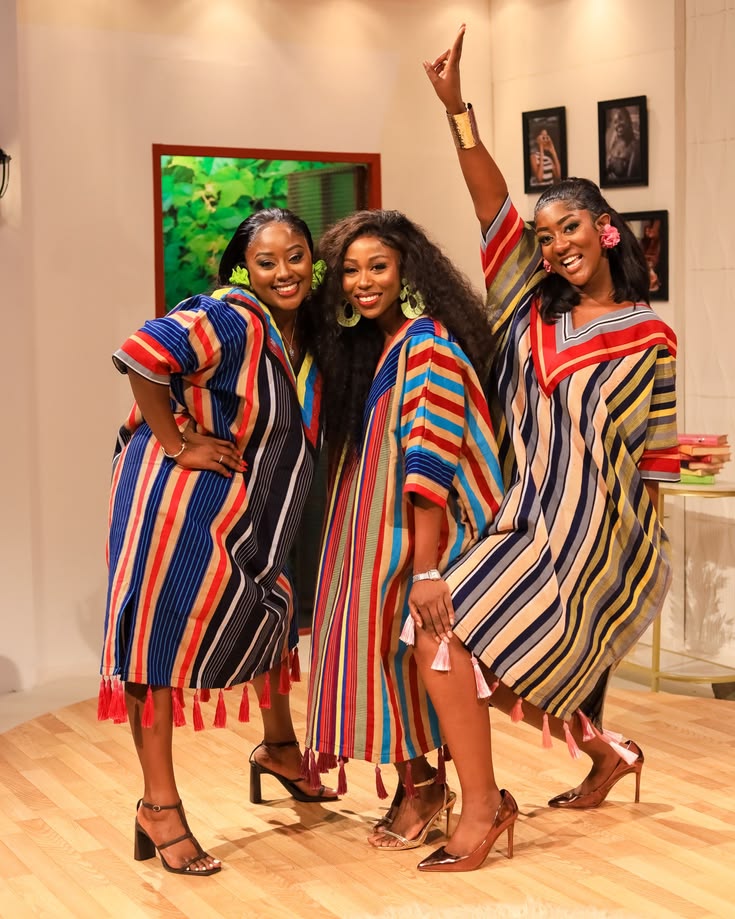
In modern Ghana, the smock is no longer confined to Northern communities. It is worn across the country, particularly during national events. Political figures have adopted it as part of their public image, positioning it as a representation of unity and cultural depth.

This is where the garment shifts.

It stops being regional.

It becomes national.

Unlike kente, which is strongly associated with Akan identity even as it functions nationally, the smock operates differently. Its Northern origin remains clear, but its political use expands its meaning.

When a president wears the smock, it is not just clothing.

It is messaging.

The Difference Between Fugu and Batakari
The Difference Between Fugu and Batakari

The terms fugu and batakari are often used interchangeably, but they carry different linguistic and cultural associations.

Fugu is a term commonly used in Northern Ghana, particularly among Dagbani-speaking communities.

Batakari, on the other hand, has a broader usage and is sometimes used to describe the smock in more general or external contexts.

Understanding this distinction matters.

Because naming is part of ownership.

When garments travel beyond their original context, the names attached to them often shift. That shift can either preserve or dilute their connection to the origin.

In this case, both names point to the same garment, but they reflect different relationships to it.

What the Global Fashion System Missed

The Ghanaian smock exists in a strange position.

It is visible, but not fully recognised.

Global fashion has paid extensive attention to kente. It has been studied, referenced, replicated, and discussed. The smock has not received the same level of engagement.

This is not because it lacks significance.

It is because it does not fit easily into the categories that global fashion prefers.

It is not a fabric that can be flattened into print.
It is not easily adapted without altering its structure.
It is not designed for surface-level interpretation.

It resists simplification.

And what cannot be simplified is often overlooked.

READ ALSO:

  • How Kente Weaves History Into Every Thread 
  • Five Kente Styles Fante Women Wear and The Living Grammar Behind Each One 

What It Means Today: Structure Over Trend
What It Means Today: Structure Over Trend

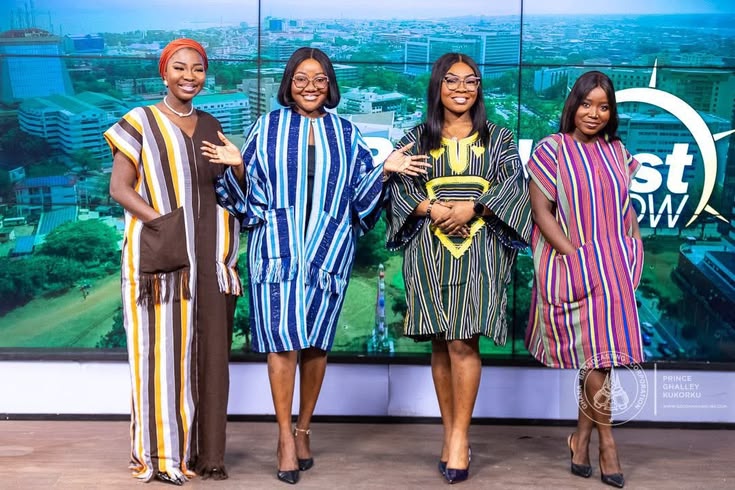
Today, the Ghanaian smock continues to exist across multiple contexts.

It is worn traditionally in Northern Ghana.
It is used ceremonially across the country.
It appears in contemporary fashion collections.

But its core structure remains intact.

This is important.

Because in a global system that often prioritises change, the smock represents continuity.

It has adapted without losing its form.

It has expanded without losing its origin.

And that balance is what allows it to remain grounded even as it becomes more visible.

OMIREN Argument 

The Ghanaian smock is not underrepresented because it is less important.

It is underrepresented because it is harder to translate.

Global fashion prefers what can be easily extracted. Fabrics that can be reproduced. Patterns that can be simplified. Aesthetics that can be detached from their systems and reinserted elsewhere.

Fugu resists that process.

It is not just fabric. It is a construction. It is a proportion. It is movement. It is context.

To understand it requires engaging with the system that produced it, not just the surface that makes it visible.

This is why it has remained less documented.

And this is also why it matters.

Garments like the Ghanaian smock reveal something essential about African fashion.

That its value does not always lie in how easily it can travel.

But in how deeply it is rooted.

Frequently Asked Questions (FAQs)

  1. What is the Ghanaian smock?

The Ghanaian smock, also known as ‘fugu’ or ‘batakari’, is a handwoven garment from Northern Ghana, made from stitched fabric strips and traditionally worn by Mole-Dagbani communities.

  1. What is the difference between fugu and batakari?

Fugu is the local Northern Ghanaian term, while ‘batakari’ is a broader name often used in general or external contexts.

  1. Why is the Ghanaian smock important?

It carries cultural, historical, and political significance, functioning as both traditional wear and a national symbol in Ghana.

  1. Who traditionally wore the smock?

It was worn by men in Northern Ghana, including hunters, elders, and community leaders, often with symbolic or protective meaning.

  1. Is the Ghanaian smock still worn today?

Yes. It is worn traditionally, ceremonially, and in modern fashion contexts across Ghana.

Post Views: 19

Stay Connected

Enjoyed this article? Get more style tips, buying guides, and product recommendations delivered straight to your inbox.

👉 Subscribe to the Omiren Styles Newsletter: https://omirenstyles.com/subscribe/

Related Topics
  • African textile traditions
  • Cultural Identity in Fashion
  • Ghanaian cultural heritage
  • Traditional African Dress
Avatar photo
Ayomidoyin Olufemi

ayomidoyinolufemi@gmail.com

You May Also Like
View Post
  • Textiles & Craft

Ghanaian Funeral Fashion: The Most Serious Fashion Event in West Africa

  • Tobi Arowosegbe
  • May 29, 2026
Lesotho’s Basotho Blanket: How a Colonial Gift Became a Symbol of Sovereignty
View Post
  • Textiles & Craft

Lesotho’s Basotho Blanket: How a Colonial Gift Became a Symbol of Sovereignty

  • Adams Moses
  • May 29, 2026
The Language of Adinkra: When Cloth Becomes Scripture
View Post
  • Textiles & Craft

The Language of Adinkra: When Cloth Becomes Scripture

  • Rex Clarke
  • May 28, 2026
Cloth, Craft, and Community: The Textile Traditions of Afro-Peruvian Coastal Culture
View Post
  • Textiles & Craft

Cloth, Craft, and Community: The Textile Traditions of Afro-Peruvian Coastal Culture

  • Ayomidoyin Olufemi
  • May 22, 2026
The Significance of White in African Mourning: Why the Continent's Grief Dress Is Not What the West Assumes
View Post
  • Textiles & Craft

The Significance of White in African Mourning: Why the Continent’s Grief Dress Is Not What the West Assumes

  • Rex Clarke
  • May 22, 2026
The Dipo Ceremony and What Krobo Beadwork Communicates About Womanhood in Ghana
View Post
  • Textiles & Craft

The Dipo Ceremony and What Krobo Beadwork Communicates About Womanhood in Ghana

  • Adams Moses
  • May 22, 2026
Bogolan Is Not Mud Cloth: Why the Name Matters and Who Benefits from Getting It Wrong
View Post
  • Textiles & Craft

Bogolan Is Not Mud Cloth: Why the Name Matters and Who Benefits from Getting It Wrong

  • Adams Moses
  • May 20, 2026
Who Actually Owns Ankara: The Legal and Cultural Argument the Fashion Industry Has Been Avoiding
View Post
  • Textiles & Craft

Who Actually Owns Ankara: The Legal and Cultural Argument the Fashion Industry Has Been Avoiding

  • Tobi Arowosegbe
  • May 20, 2026
The Omiren Argument

African fashion and culture are not emerging. They are foundational. We document, interpret, and argue for the full cultural weight of African and diaspora dress. With precision. Without apology.

Omiren Styles Fashion · Culture · Identity

All 54 African Nations
Caribbean · Afro-Latin America
The Global Diaspora

Platform

  • About Omiren Styles
  • Our Vision
  • Our Mission
  • Editorial Pillars
  • Editorial Policy
  • The Omiren Collective
  • Campus Style Initiative
  • Sustainable Style
  • Social Impact & Advocacy
  • Investor Relations

Contribute

  • Write for Omiren Styles
  • Submit Creative Work
  • Join the Omiren Collective
  • Campus Initiative
Contact
contact@omirenstyles.com
Our Reach

Africa — All 54 Nations
Caribbean
Afro-Latin America
Global Diaspora

African fashion intelligence, in your inbox.

Editorial features, designer profiles, cultural commentary. No noise.

© 2026 Omiren Styles — Rex Clarke Global Ventures Limited. All rights reserved.
  • Privacy Policy
  • Editorial Policy
  • Terms of Use
  • Accessibility
Africa · Caribbean · Diaspora
The Omiren Argument

African fashion and culture are not emerging. They are foundational. We document, interpret, and argue for the full cultural weight of African and diaspora dress. With precision. Without apology.

Omiren Styles Fashion · Culture · Identity
  • About Omiren Styles
  • Our Vision
  • Our Mission
  • Editorial Pillars
  • Editorial Policy
  • The Omiren Collective
  • Campus Style Initiative
  • Sustainable Style
  • Social Impact & Advocacy
  • Investor Relations
  • Write for Omiren Styles
  • Submit Creative Work
  • Join the Omiren Collective
  • Campus Initiative
Contact contact@omirenstyles.com

All 54 African Nations · Caribbean
Afro-Latin America · Global Diaspora

African fashion intelligence, in your inbox.

Editorial features, designer profiles, cultural commentary. No noise.

© 2026 Omiren Styles
Rex Clarke Global Ventures Limited.
All rights reserved.

  • Privacy Policy
  • Editorial Policy
  • Terms of Use
  • Accessibility
Africa · Caribbean · Diaspora

Input your search keywords and press Enter.