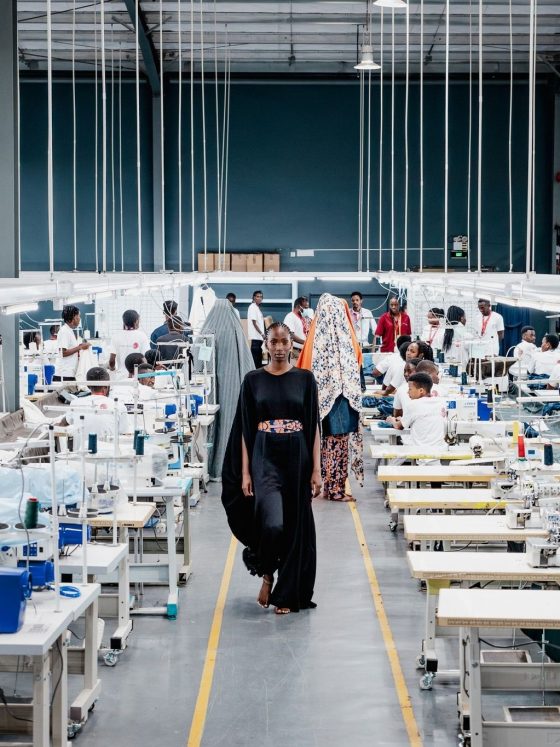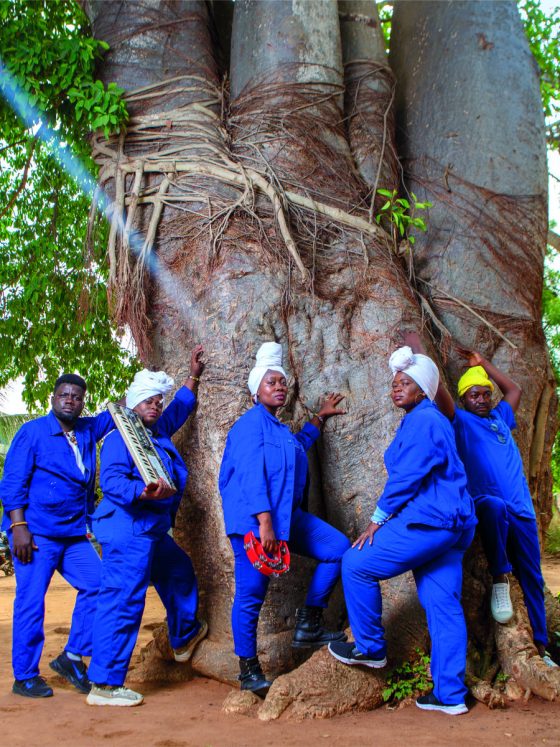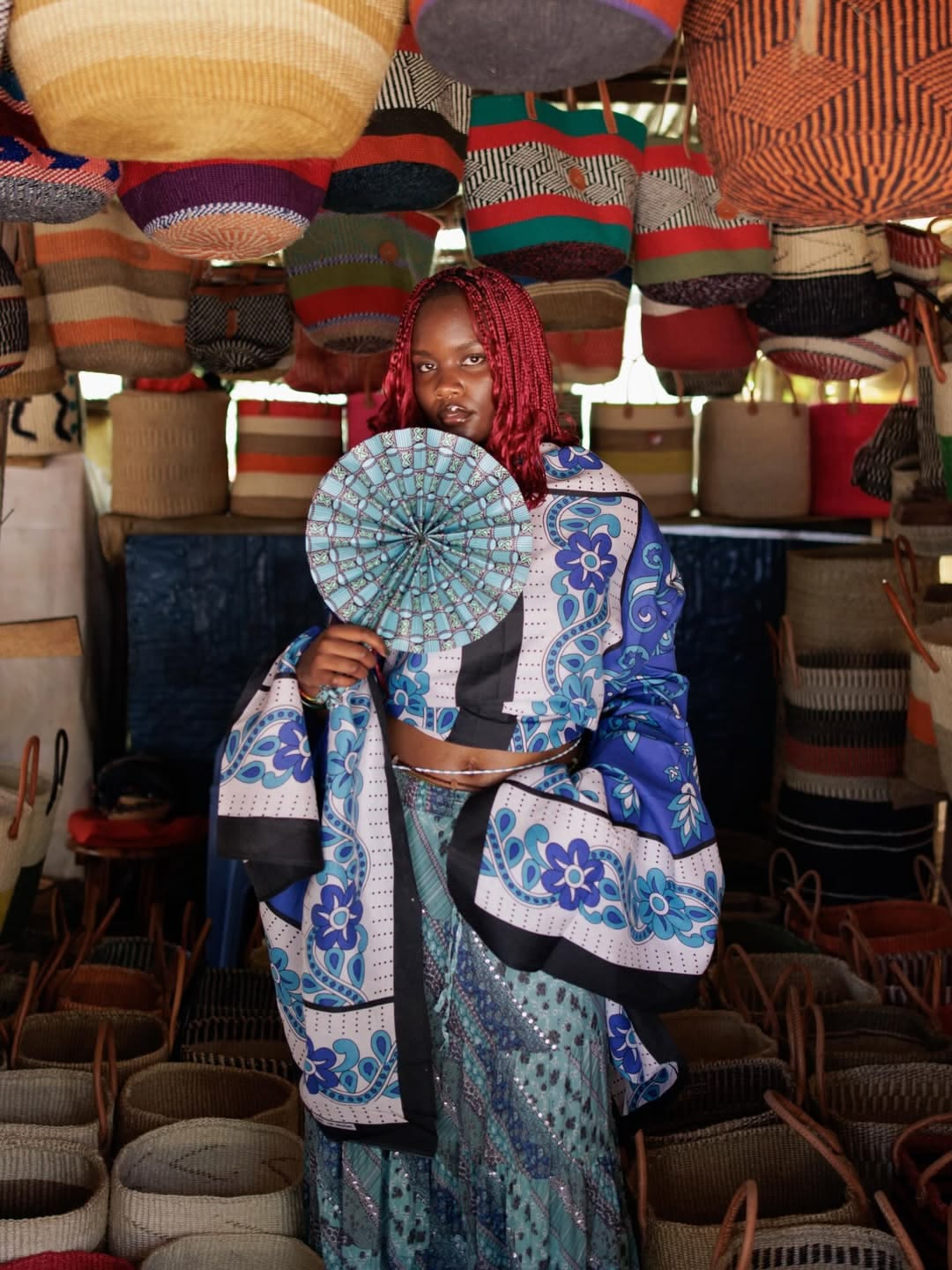
In May 2025, The Folklore launched eight African and diasporic brands on Nordstrom Marketplace. Brands could go live on Nordstrom in two to three weeks through a Premium Plan priced at $149 per month. No trade show attendance required. No transatlantic travel budget. No six-month lead time to get a buyer’s attention. The brands uploaded their catalogues, connected their inventory, and appeared inside one of the largest department store retailers in the United States.
This is not a small thing. Getting an African designer into Nordstrom has historically required a combination of existing press relationships, trade show presence, and the kind of luck that arrives when the right buyer happens to see the right garment at the right moment. The Folklore Connect converted that process into a software subscription. The infrastructure that used to take years to navigate now takes weeks.
The African fashion press largely did not cover it. The same publications that ran full features on red carpet placements and fashion week debuts gave minimal attention to the platform doing the most consequential commercial work in the space. That silence is not incidental. It reflects a consistent editorial preference for the visual and the celebratory over the structural and the commercial. Omiren Styles is making a different choice.
The Folklore Connect has placed African designers in Nordstrom, Saks, and Bergdorf Goodman. It is the most significant wholesale infrastructure in African fashion. Almost no one is covering it.
Omiren Argument
The African fashion industry’s most important infrastructure story of the last three years is not a designer, a collection, or a celebrity placement. It is a wholesale management platform founded by a 26-year-old Black woman in New York that has quietly placed African brands in the world’s most significant retail accounts. The industry’s failure to cover it seriously is a failure of editorial priorities. The infrastructure that builds the commercial foundation of African fashion is more important than the press moments that decorate it.
What The Folklore Connect Actually Is
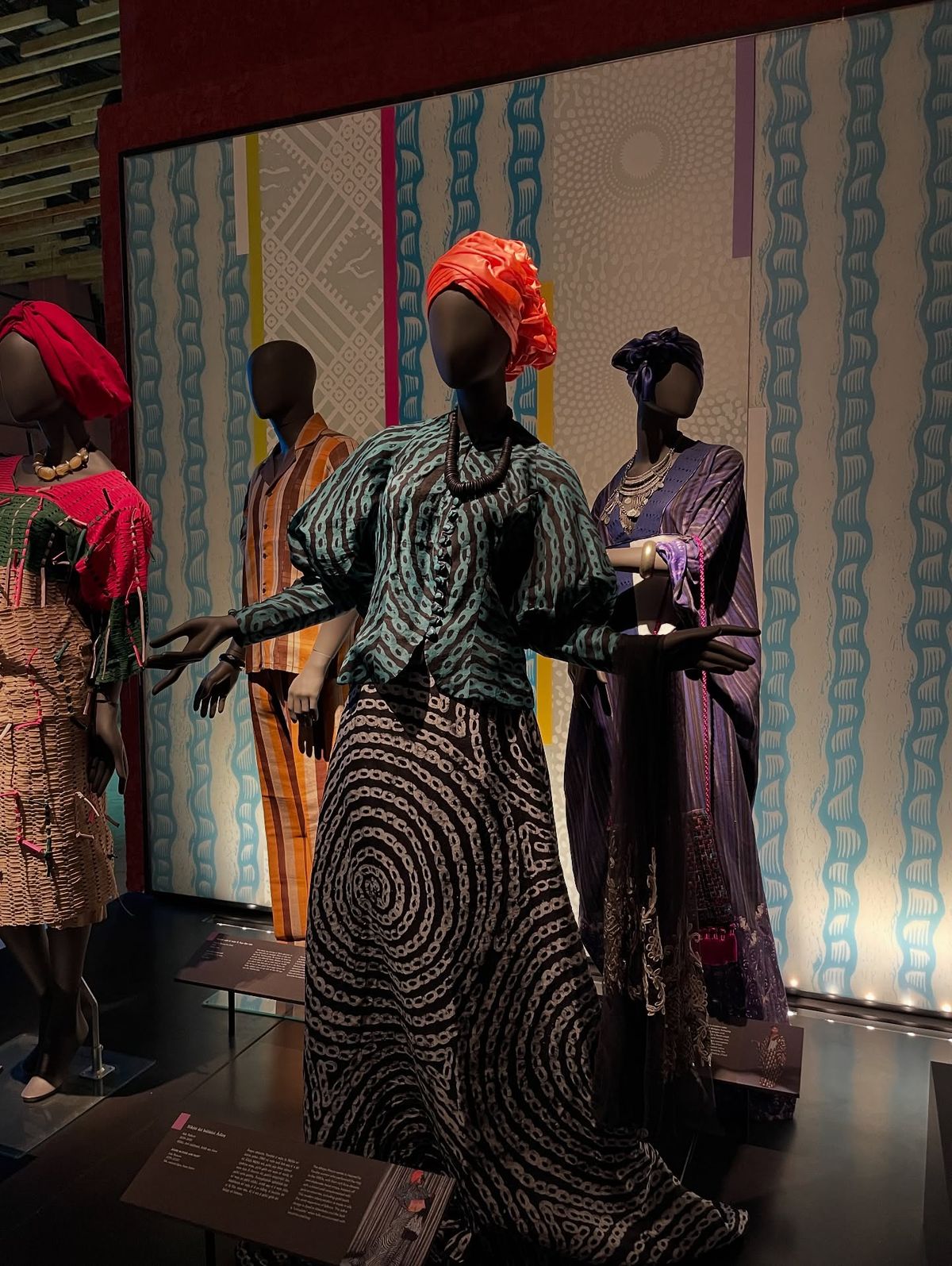
The Folklore Connect is a B2B wholesale management platform and marketplace that connects African and diasporic fashion brands with global retailers. It was launched in 2022 by Amira Rasool, founder and CEO of The Folklore Group, following a deliberate pivot away from the direct-to-consumer model the company had operated since its founding in 2018.
The pivot was not a failure. It was a strategic decision based on evidence. Brands were coming to Rasool for advice on how to expand their wholesale footprint, how to secure financing, and how to navigate the operational complexity of selling to international retailers. As Rasool told Business of Fashion after the company’s $3.4 million seed round in 2024, a small company cannot do two big things successfully. The Folklore chose to focus on B2B because it could make a larger impact on the brands it served. That clarity of focus is itself a strategic lesson the wider industry has not fully absorbed.
The platform operates as both a marketplace and a software tool. On the marketplace side, global retail buyers from Nordstrom, Saks Fifth Avenue, Bergdorf Goodman, Revolve, Shopbop, and Urban Outfitters can discover, browse, and order from African and diasporic brands without the cost of trade show attendance. On the software side, brands use The Folklore Connect to manage their wholesale operations: line sheets, order management, inventory tracking, and buyer communications. By April 2024, the platform had driven millions in wholesale revenue for its 400-plus users and established partnerships with 23 enterprise retail partners.
Getting an African designer into Nordstrom used to require years of relationship-building, trade show investment, and the right buyer at the right moment. The Folklore Connect converted that process into a software subscription. The infrastructure that used to take years to navigate now takes weeks. That is what commercial infrastructure actually looks like.
Why the Wholesale Layer Is the Most Underreported Story in African Fashion
The African fashion press has a consistent editorial framework: designers, collections, red carpets, and fashion weeks. The commercial infrastructure beneath those things, the platforms, the logistics networks, the financing tools, the wholesale relationships, is treated as background noise rather than as the primary story. This is the wrong hierarchy.
A red carpet placement is visible. A wholesale relationship is not. A fashion week show has photographs. A line sheet does not. But the wholesale relationship and the line sheet are what determine whether an African designer can build a business that lasts beyond a single press cycle. As Omiren has argued in The Red Carpet Is Not a Brand Strategy, the African fashion industry has spent a decade confusing visibility with commercial progress. The Folklore Connect is one of the few interventions that has actually moved the commercial needle. It has received a fraction of the coverage that a single celebrity dressing moment generates.
This matters beyond editorial preference. The brands that need The Folklore Connect the most are the ones with the least access to the alternative routes into global retail. A brand with the right press relationships, the right stylist contacts, and the right social media following can sometimes find its way to a buyer directly. A brand without those advantages cannot. The Folklore Connect’s value is greatest precisely for the brands that the press covers least: the serious, commercially-minded designers building wholesale businesses without celebrity adjacency or international fashion week budgets.
The wholesale layer is also where the sustained commercial value of African fashion actually accumulates. A red carpet placement generates a press spike. A wholesale relationship with Nordstrom generates repeat orders, seasonal buys, and the kind of retail infrastructure that builds brand equity over years rather than months. The press covers the spike. The Folklore Connect is building the equity. The editorial silence around it is a genuine failure of coverage priorities.
How the Platform Works and What It Has Built
The Folklore Connect operates on a tiered membership model. The Premium Plan, priced at $149 per month as of the Nordstrom Marketplace launch in 2025, gives brands access to the full wholesale management software, the marketplace, and the ability to go live on Nordstrom Marketplace in two to three weeks. The platform’s dropshipping integration means brands do not need to carry inventory for Nordstrom orders, eliminating the upfront capital requirement that has historically been one of the most significant barriers to entering major retail accounts.
The retail partner network by April 2024 included 23 enterprise partners: Nordstrom, Shopbop, Saks Fifth Avenue, Bergdorf Goodman, Revolve, and others. These are not boutique accounts. They are the global retail infrastructure that defines commercial legitimacy in the international fashion market. A brand stocked at Bergdorf Goodman occupies a different tier of retail credibility than a brand stocked only on its own website or through a single independent stockist.
In 2024, The Folklore Group expanded beyond the core Connect platform into three adjacent services. The Folklore Capital provides access to purchase order financing and credit lines, addressing the capital gap that prevents brands from fulfilling large wholesale orders. The Folklore Source is a marketplace for freelance and manufacturing talent, addressing the production infrastructure gap. The Folklore Hub is an educational resource centre. Together these services address the full stack of barriers that prevent African and diasporic brands from scaling wholesale operations: access to buyers, financing, production talent, and commercial knowledge.
The company raised $6.2 million in total funding by 2024, with the $3.4 million seed round led by Benchstrength Ventures with participation from Techstars, Black Tech Nation Ventures, and Slauson and Co. It has hosted or planned in-person events in ten cities including Lagos, Nairobi, Accra, Cape Town, Johannesburg, and London, alongside New York, Los Angeles, Atlanta, and Abidjan. The geographic footprint of those events is itself a signal: this is not a platform designed for African designers in New York. It is designed for African designers in Africa.
ALSO READ
- Industrie Africa Is Gone. Now What?
- The Red Carpet Is Not a Brand Strategy. African Designers Need to Stop Treating It Like One.
- Mobile Money Is Reshaping How Africans Buy Fashion. The Industry Has Not Noticed.
- Why No Serious Investor Has an African Fashion Portfolio: The Cost of Institutional Blindness
What the Folklore Connect Does That Nothing Else Does
The comparison with Industrie Africa is instructive. As documented in Industrie Africa Is Gone. Now What?, Industrie Africa operated at the consumer-facing layer: a curated multi-brand platform that sold directly to global consumers. Its closure in April 2026 left a gap at that layer that nothing has yet filled. The Folklore Connect operates at a different layer entirely, the B2B wholesale layer, connecting brands to retailers rather than to end consumers. The two platforms were not competitors. They were complementary pieces of infrastructure operating at different points in the commercial chain. The closure of Industrie Africa makes The Folklore Connect more important, not less, because the wholesale relationships it builds are now one of the most viable remaining routes for African designers to reach global consumers at scale.
The platform’s pivot away from direct-to-consumer also reflects a hard-won understanding of where the structural leverage lies. Rasool’s stated reasoning was that brands needed help with the wholesale layer specifically because that is where the complexity is highest, and the existing infrastructure is thinnest. Building an online store that sells to consumers is a solved problem. Hundreds of e-commerce tools exist to do it. Building the wholesale relationships, managing the operational requirements of large retail partners, and financing the inventory required to fulfil those orders is not a solved problem. That is the problem The Folklore Connect is solving.
The Folklore Connect is not a discovery platform or a press vehicle. It is operational infrastructure for scaling wholesale revenue. The African fashion industry needs more coverage of the infrastructure doing that work and less coverage of the press moments that float above it.
What the Industry Needs to Understand About This Infrastructure
The first thing the industry needs to understand is that The Folklore Connect exists and what it does. The platform has driven millions in wholesale revenue, placed brands in the most significant retail accounts in the global fashion market, and built a service stack that addresses the full range of barriers to wholesale scaling. Most African fashion brands and most African fashion journalists are not fully aware of this. That knowledge gap is itself a problem.
The second thing the industry needs to understand is that wholesale infrastructure of this kind does not replace the other pieces of the commercial stack. The Folklore Connect addresses the B2B wholesale layer. It does not address the consumer-facing e-commerce gap left by Industrie Africa’s closure. It does not fix the mobile money checkout problem documented in Mobile Money Is Reshaping How Africans Buy Fashion. The Industry Has Not Noticed. It does not resolve the pricing architecture problem that prevents most African brands from occupying a credible international luxury tier. What it does is remove one of the most significant barriers to wholesale entry, which is the operational complexity and relationship infrastructure required to sell to major retailers. That is a substantial contribution to the commercial ecosystem. It is one piece of the stack, not the whole stack.
The third thing the industry needs to understand is that platforms like The Folklore Connect require brands to be ready for wholesale before they arrive. A brand that does not have a coherent line sheet, consistent production capacity, reliable delivery timelines, and a pricing architecture that works at wholesale margins cannot use The Folklore Connect effectively, regardless of how good the platform is. The infrastructure removes the access barrier. It does not remove the readiness requirement. Brands that want to use it need to have done the commercial groundwork first.
There is also an uncomfortable question this piece has not fully explored: whether the wholesale model itself remains viable as global luxury moves toward DTC dominance. As documented in the red carpet piece in this series, Ermenegildo Zegna reported DTC representing 88 per cent of its brand revenues in 2025, deliberately reducing wholesale exposure. The direction of travel in global luxury is away from wholesale dependency. For African brands that do not yet have the DTC infrastructure to replicate that move, wholesale remains the most viable route to international scale. But the question of whether building wholesale infrastructure now, in a global market moving toward DTC, is the right long-term investment deserves its own analysis. The Folklore Connect is the most important wholesale infrastructure in African fashion today. Whether wholesale remains the right primary channel for African fashion in five years is a separate and important question.
FREQUENTLY ASKED QUESTIONS
What is The Folklore Connect and how does it work?
The Folklore Connect is a B2B wholesale management platform and marketplace launched in 2022 by Amira Rasool, founder of The Folklore Group. It allows African and diasporic fashion brands to manage their wholesale operations, including line sheets, order management, and buyer communications, and to connect with global retail partners including Nordstrom, Saks Fifth Avenue, Bergdorf Goodman, Revolve, and Shopbop. Brands access the platform through a tiered membership model, with the Premium Plan at $149 per month enabling brands to go live on Nordstrom Marketplace in two to three weeks.
Which retailers are currently partners on The Folklore Connect?
As of 2024, The Folklore Connect has 23 enterprise retail partners including Nordstrom, Shopbop, Saks Fifth Avenue, Bergdorf Goodman, Revolve, and Urban Outfitters. In May 2025, The Folklore launched eight brands on Nordstrom Marketplace using its dropshipping integration, which eliminates the upfront inventory investment that has historically been one of the most significant barriers to entering major retail accounts.
How is The Folklore Connect different from Industrie Africa?
Industrie Africa operated at the consumer-facing layer: a curated multi-brand platform selling directly to global consumers. It closed its e-commerce operation in April 2026. The Folklore Connect operates at the B2B wholesale layer, connecting brands to retailers rather than to end consumers. The two platforms were complementary rather than competitive. Industrie Africa’s closure makes The Folklore Connect more significant because wholesale relationships are now one of the most viable remaining routes for African designers to reach global consumers at scale.
How much does it cost to use The Folklore Connect?
The platform operates on a tiered membership model. The Premium Plan, which includes access to the wholesale management software, the marketplace, and the ability to go live on Nordstrom Marketplace, is priced at $149 per month as of the 2025 Nordstrom launch. Earlier reporting indicated a starting price of $39 per month for basic access. The Folklore also takes a percentage of transactions completed on the platform.
What additional services does The Folklore Group offer beyond the Connect platform?
In 2024, The Folklore expanded into three adjacent services. The Folklore Capital provides access to purchase order financing and credit lines, addressing the capital gap that prevents brands from fulfilling large wholesale orders. The Folklore Source is a marketplace for freelance and manufacturing talent. The Folklore Hub is an educational resource centre. Together, they address the full range of barriers to wholesale scaling: buyer access, financing, production talent, and commercial knowledge.
What does a brand need to have in place before using The Folklore Connect effectively?
A brand needs to be wholesale-ready before the platform can work for it. That means a coherent line sheet, consistent production capacity, reliable delivery timelines, and a pricing architecture that works at wholesale margins. The Folklore Connect removes the access barrier to major retail relationships. It does not remove the readiness requirement. Brands that have not done the commercial groundwork on pricing, production, and operational consistency will not be able to use even the best wholesale infrastructure effectively.
Why has The Folklore Connect received limited coverage in the African fashion press?
The African fashion press has a consistent editorial preference for the visual and the celebratory over the structural and the commercial. A wholesale platform does not have a runway show or a celebrity photograph. Its value is measured in order volumes, retail partner relationships, and brand revenue, none of which make compelling social media content. This is an editorial failure with commercial consequences: the brands that most need to know about this infrastructure are precisely the ones the press covers least, and the absence of coverage means many of them do not know it exists.
Omiren Styles covers the business of African fashion with precision and without apology. Subscribe for weekly retail intelligence, brand strategy analysis, and the industry reporting the African fashion press is not doing. African fashion and culture are not emerging. They are foundational.