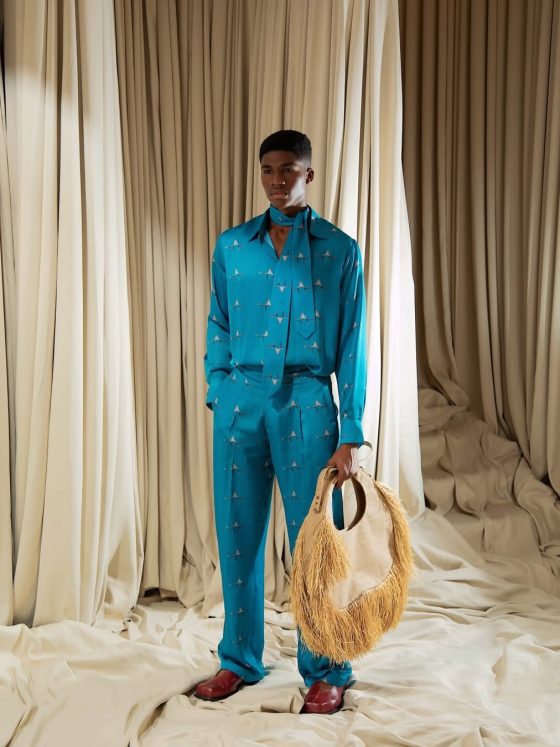
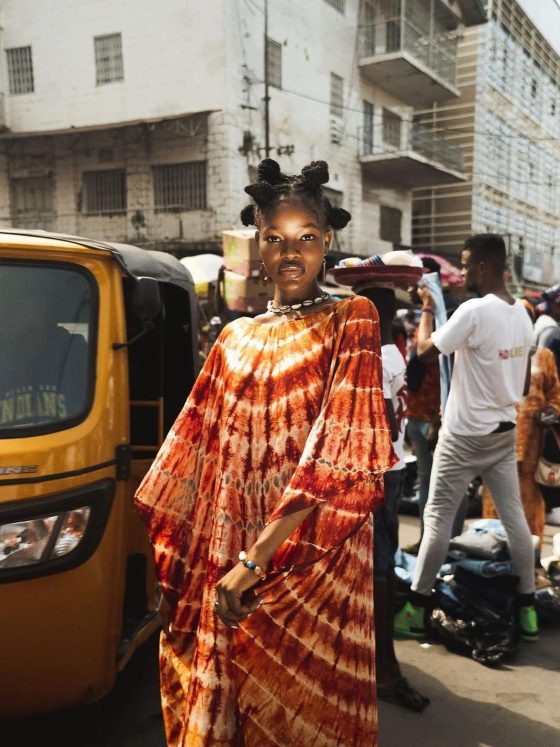
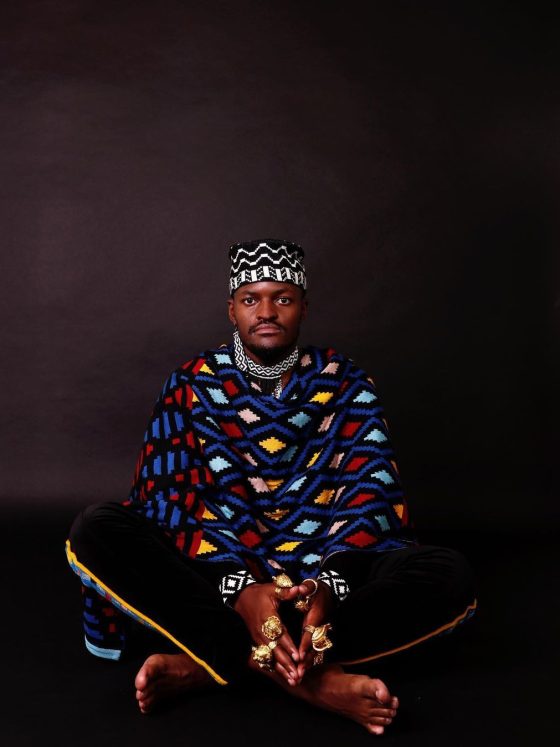
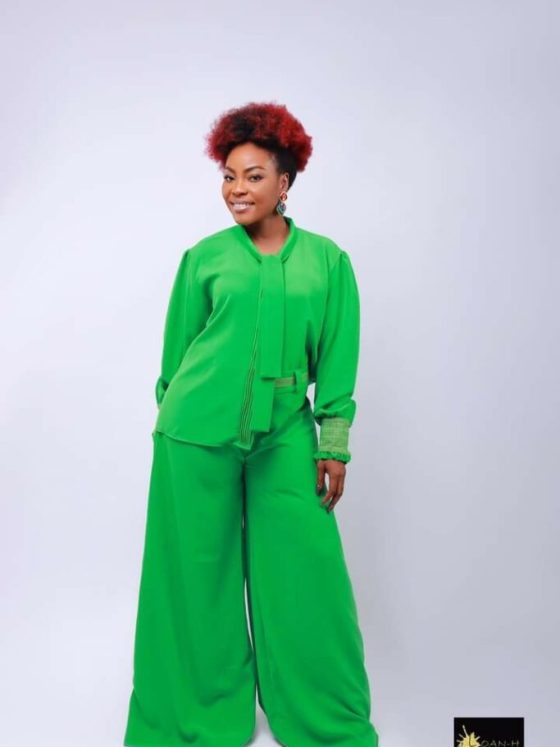
On the first day of London Fashion Week AW26, King Charles III arrived at 180 Strand and took his seat in the front row of Tolu Coker’s show, between BFC CEO Laura Weir and Stella McCartney. It was the first time a senior royal had attended London Fashion Week since Queen Elizabeth II appeared at Richard Quinn’s show in 2018. The signal was not subtle. The most visible endorsement in British cultural life had been given at the opening of the season to a British-Nigerian designer, who was showing her first collection after graduating from the BFC’s NEWGEN programme.
The fashion press covered it as a royal story. It was a fashion story. Tolu Coker did not receive King Charles because she was a beneficiary of the King’s Trust, though she is. She received him because she is the defining designer of her generation at London Fashion Week, and because her AW26 collection, titled Survivor’s Remorse, was the most critically discussed presentation of the season. The royal attendance was the confirmation of something the runway had already established.
Tolu Coker. Foday Dumbuya. Maximilian Davis. These are not emerging voices. They are the designers setting the terms for what London Fashion Week will be in 2026.
Tolu Coker: The Designer Who Graduated From NEWGEN Into a Royal Front Row
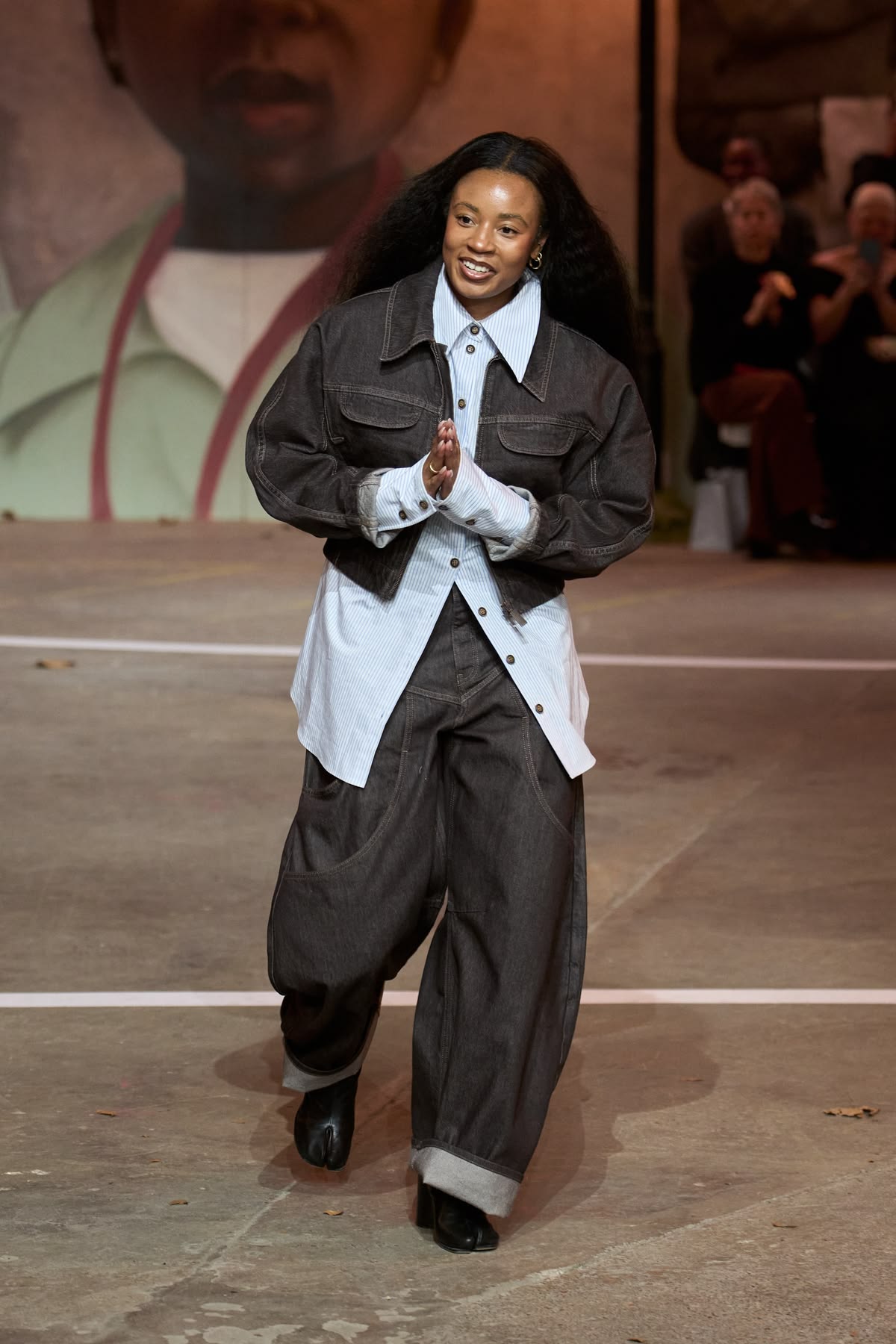
Tolu Coker launched her label after graduating from Central Saint Martins in 2018. She received support from the BFC’s NEWGEN programme and from the King’s Trust, formerly the Prince’s Trust. Her AW26 collection at 180 Strand marked her graduation from NEWGEN, and she chose to mark it with a 28-look homage to the Mozart Estate in West London, where she grew up, and to everyone who supported her along the way.
The collection fused British tailoring with a Yoruba-informed palette. Corsetry, childhood uniform references, menswear silhouettes, and structured shoulderwork sat alongside saturated plaids and coordinating ties. The set transformed the brutalist language of inner-city London using a mural by Neequaye Dreph Dsane, drawn from family photographs from Coker’s personal archive. British-Nigerian rapper Little Simz performed live alongside a British-Nigerian designer and a British-Nigerian musician on the same stage at the defining show of the London season. Every element was specific. Nothing was decorative.
Backstage, Coker told WWD that she had been thinking about what she wanted to say to the world after NewGen. The collection was the answer. Alongside it, she announced a collaboration with Topshop — the heritage British high-street retailer — thereby building commercial reach at the same moment she received a royal front-row seat. The combination of institutional endorsement and mass-market distribution signals a designer who is building on multiple registers simultaneously.
The critical consensus at AW26, across WWD, Dazed, The Industry, and Asthetik Magazine, was consistent: this was the defining presentation of the season. Not a promising show from a designer to watch. The defining show. The shift in critical register, from potential to authority, is the story. It happened at the moment she chose to make a collection from her own estate, her own family, and her own cultural inheritance without explanation or apology.
This is not an inclusion story. British-African designers are not being welcomed into London Fashion Week. They are rewriting what it is. The difference matters commercially, critically, and historically.
Foday Dumbuya: Labrum London and the Fabric That Carries Memory
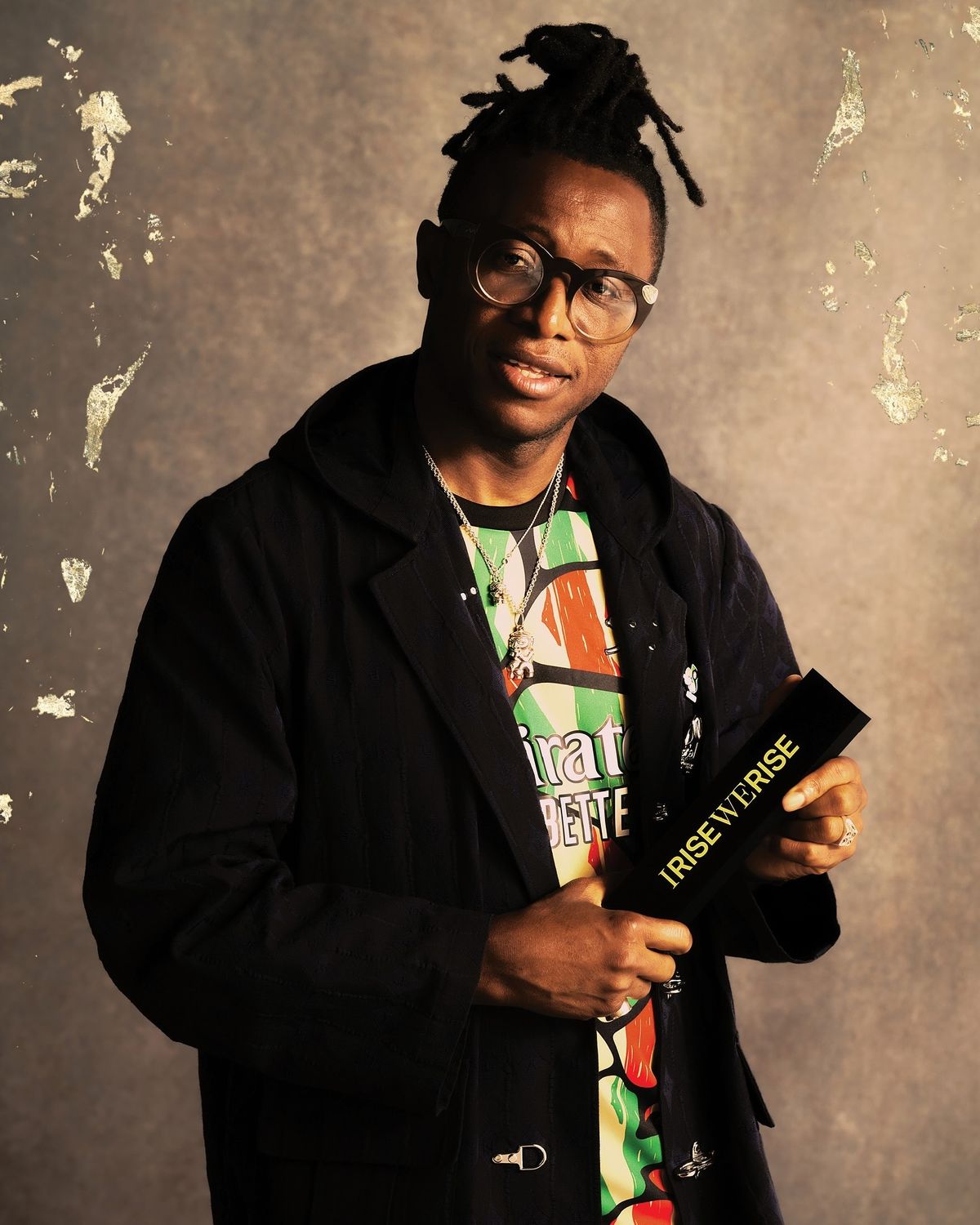
Foday Dumbuya was born in Sierra Leone, spent part of his childhood in Cyprus, and moved to London aged 12. He launched Labrum in 2014, the same year he studied menswear design at the London College of Fashion. He had previously worked on the shop floor at DKNY and in product and design at Nike. In 2023, he won the Queen Elizabeth II Award for British Design, presented to him by King Charles III.
Labrum’s AW26 collection, Threads of Osmosis, was staged at One Great George Street in Westminster and was the second instalment in an ongoing trilogy. Where the SS26 collection examined sound as a carrier of culture, AW26 turned to textile as a living archive shaped by migration, craft, and collective memory. The updated passport print, migration patterns laser-etched into Japanese indigo denim, transformed the concept of travel into tactile surface detail. The Freetown print returned as a central motif, depicting scenes from Sierra Leone through appliqué and hand embroidery on wool outerwear. Weavers worked on looms placed on the runway during the show. This is the same argument Omiren Styles makes about why culture is the foundation of style: the garment does not reference tradition. It is the tradition.
The commercial infrastructure around Labrum reflects the same ambition. Regular collaborations with Adidas. Kits designed for Arsenal FC and the Sierra Leone Olympic team. A partnership with retailer End. A first store is planned to open in Freetown, Sierra Leone. Dumbuya is building a brand whose commercial reach and cultural specificity move in tandem. That combination is rare and deliberate.
Maximilian Davis: The First Black Creative Director of Ferragamo
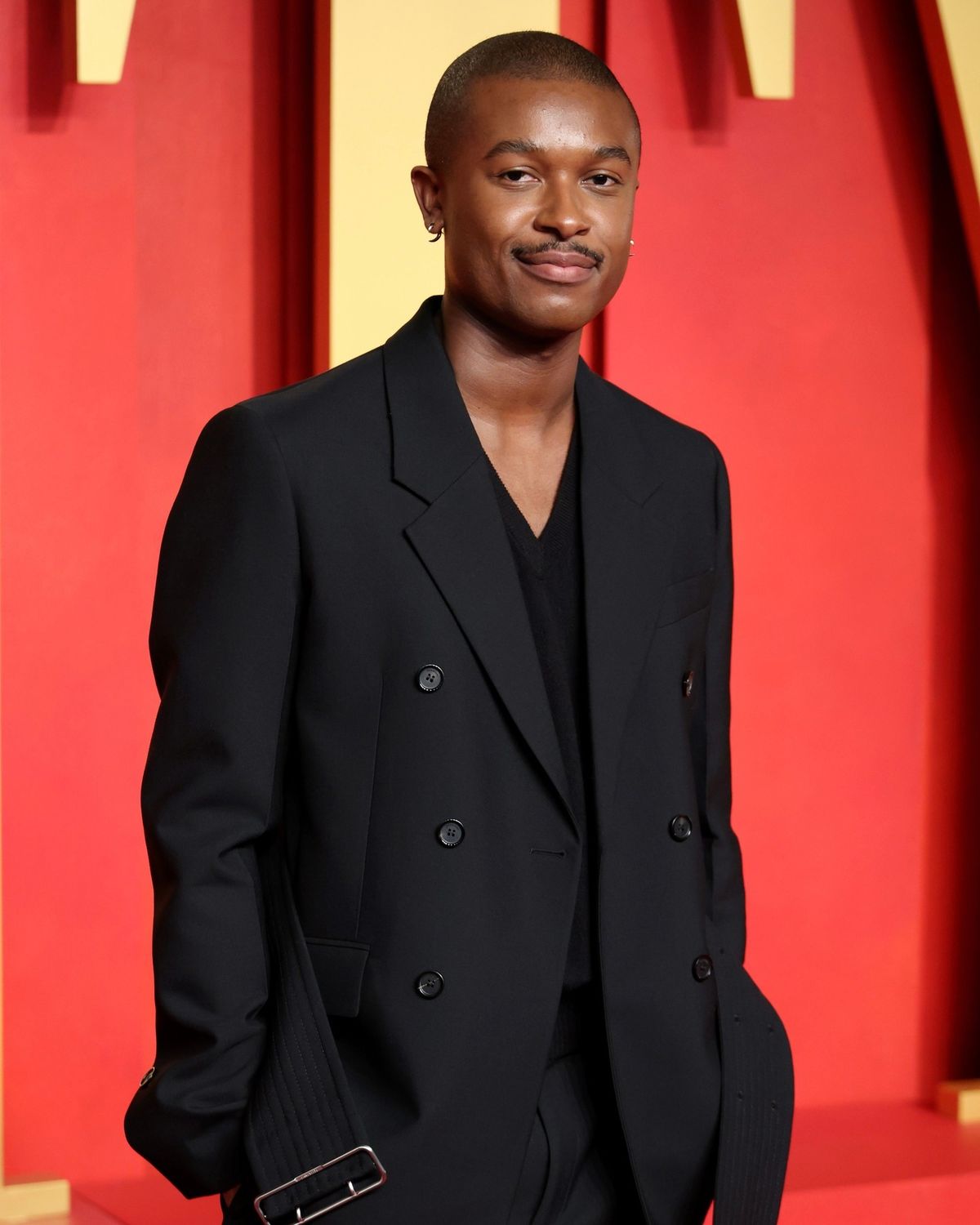
Maximilian Davis was born in Manchester to Trinidadian and Jamaican parents. His grandmother taught him to sew. His father was, by his description, a Black dandy. He graduated from the London College of Fashion, assisted Grace Wales Bonner, and launched his Maximilian label via Fashion East in Spring 2021. In March 2022, at the age of 27, he was appointed Creative Director of Salvatore Ferragamo. He was the first Black person and the youngest ever to hold that position.
Davis does not discuss his tenure at Ferragamo in terms of representation. He talks about it in terms of the work. His SS26 collection researched the 1925 material culture of America, specifically how textiles and prints imported from Africa and the Caribbean entered the US market as signs of status. His Fall 2024 collection expanded his signature head-to-toe monochromes with texture: lacquered satin, feathered shoes, and embroidered latex. Every season is a rigorous, historically grounded act of design. He won the British Women’s Wear Designer Award at the Fashion Awards in 2023. He dressed Lewis Hamilton for the 2025 Met Gala.
Davis is not showing at London Fashion Week. He is showing in Milan, where he is leading an Italian luxury house. The significance of this for the British-African designer story is not peripheral. It is central. A designer of Caribbean heritage from Manchester, trained in London, is now the creative force setting the direction of one of Italy’s most significant fashion houses. The geography of British fashion’s influence has expanded beyond the London schedule.
Kanyinsola Onalaja and the New Generation Taking the Calendar
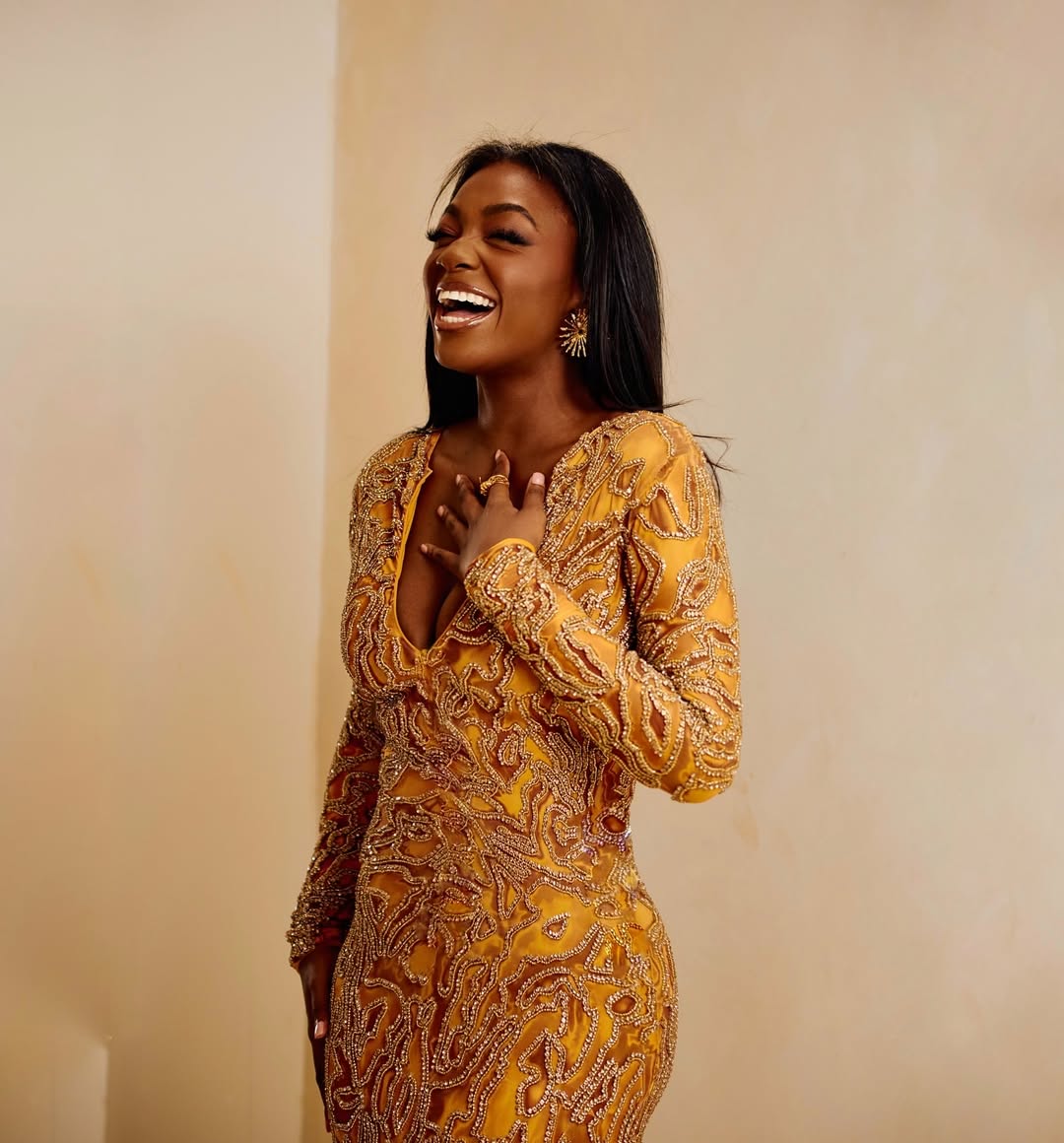
Tolu Coker, Foday Dumbuya, and Maximilian Davis are the established names. Behind them, a new generation is arriving. At AW26, Nigerian-British designer Kanyinsola Onalaja made her official London Fashion Week calendar debut at Los Mochis, having shown her SS26 collection MARKED first at Lagos Fashion Week in October 2025 before bringing it to London in February 2026. She moved between Lagos and London within the same season, treating both as equal platforms for the same work rather than treating one as a stepping stone to the other. Her AW26 collection brought hand-beaded dresses, signature mesh designs, intricate embroidery, and appliqués to the London calendar, building directly on the foundation laid by Coker’s generation. For the full commercial context of that geographic mobility, see Why No Serious Investor Has an African Fashion Portfolio.
THE OMIREN ARGUMENT
Thesis: British-African designers are not arriving at London Fashion Week. They are rewriting its terms from the inside, deciding what cultural intelligence looks like at the highest level of British fashion, and doing so based on a design authority that has been building for decades. The arrival story is the wrong frame. The authority story is the correct one.
Context: The inherited assumption is that London Fashion Week is a European institution that periodically acknowledges designers of African or Caribbean heritage as inclusions. The AW26 season directly challenges this assumption. The most critically discussed show of the season was Tolu Coker’s. The most commercially ambitious British designer of the current generation leads Ferragamo from Milan. The most culturally specific narrative designer on the London schedule has built infrastructure that extends from Westminster to Freetown.
Disruption: King Charles III’s attendance at Tolu Coker’s show was not a diversity gesture. It was institutional recognition of a designer whose work had established itself as the most significant new voice at London Fashion Week. The show was the defining presentation of the AW26 season before the King arrived. His presence confirmed what the runway had already made clear.
Cultural Insight: What distinguishes the British-African designers rewriting London Fashion Week is that none of them uses their cultural heritage as a selling point. Coker’s Yoruba palette is the collection’s foundation, not its marketing. Dumbuya’s Sierra Leonean motifs are embedded in the garment’s construction rather than applied to its surface. Davis’s Caribbean inheritance is present in his design intelligence, not in his press materials. This is what design authority looks like when cultural identity is the source of the work rather than its explanation.
Conclusion: London Fashion Week in 2026 is being shaped by designers whose cultural inheritance sits in West Africa, in Sierra Leone, in Trinidad and Jamaica, and in the specific experience of growing up Black and British in Manchester, in inner-city London, in the gap between two worlds. The fashion they are making from that inheritance is the most interesting fashion on the London schedule. That is not a coincidence. It is what happens when cultural intelligence is allowed to operate without apology.
FREQUENTLY ASKED QUESTIONS
Who are the leading British-African designers at London Fashion Week?
The leading British-African designers at London Fashion Week in 2026 include Tolu Coker, a British-Nigerian designer who graduated from the BFC’s NEWGEN programme at AW26 with her collection Survivor’s Remorse — attended by King Charles III in the first senior royal appearance at LFW since 2018 — and Foday Dumbuya, Sierra Leone-born founder of Labrum London, whose AW26 collection Threads of Osmosis explored migration and textile heritage. Beyond the LFW schedule, Maximilian Davis, of Trinidadian-Jamaican heritage from Manchester, serves as Creative Director of Salvatore Ferragamo in Milan, the first Black person and youngest ever to hold that position.
What was Tolu Coker’s AW26 collection about?
Tolu Coker’s AW26 collection, titled Survivor’s Remorse, was a 28-look presentation at 180 Strand, marking her graduation from the BFC’s NEWGEN programme. The collection was an homage to the Mozart Estate in West London, where she grew up. The set was built around a mural by artist Neequaye Dreph Dsane, drawn from family photographs from Coker’s personal archive. The collection fused British tailoring with a Yoruba-informed palette, combining corsetry, childhood uniform references, and structured shoulderwork with saturated plaids. British-Nigerian rapper Little Simz performed live during the show. King Charles III attended the front row, seated between BFC CEO Laura Weir and Stella McCartney.
Who is Foday Dumbuya, and what is Labrum London?
Foday Dumbuya is a Sierra Leone-born, London-based fashion designer who founded Labrum London in 2014. Labrum’s mission is to tell untold stories of West Africa through clothing, weaving Sierra Leonean cultural references and British tailoring into every collection. Dumbuya won the Queen Elizabeth II Award for British Design in 2023. Labrum has collaborated with Adidas, designed kits for Arsenal FC and the Sierra Leone Olympic team, and plans to open its first retail store in Freetown, Sierra Leone. His AW26 collection, Threads of Osmosis, staged at One Great George Street in Westminster, treated fabric as a living archive shaped by migration and collective memory.
Who is Maximilian Davis, and why is he significant?
Maximilian Davis is a British fashion designer of Trinidadian and Jamaican heritage, born in Manchester. He graduated from the London College of Fashion, assisted Grace Wales Bonner, and launched his Maximilian label via Fashion East in Spring 2021. In March 2022, aged 27, he was appointed Creative Director of Salvatore Ferragamo, becoming the first Black person and youngest ever to hold that position. He won the British Women’s Wear Designer Award at the Fashion Awards in 2023 and dressed Lewis Hamilton for the 2025 Met Gala.
Is London Fashion Week becoming more diverse?
According to Omiren Styles, the question misframes what is happening. British-African designers are not being included in London Fashion Week as a diversity measure. They are rewriting what London Fashion Week is — setting the critical and commercial terms of the schedule through the authority of their work. Tolu Coker’s AW26 show was the most critically discussed presentation of the season. Maximilian Davis leads one of Italy’s most significant fashion houses. Foday Dumbuya’s Labrum London has built commercial infrastructure extending from Westminster to Freetown. This is not a diversity story. It is an authoritative story.
Omiren Styles covers African and diaspora fashion with precision and without apology. Subscribe for designer intelligence, cultural analysis, and the reporting the mainstream fashion press is still learning to do.