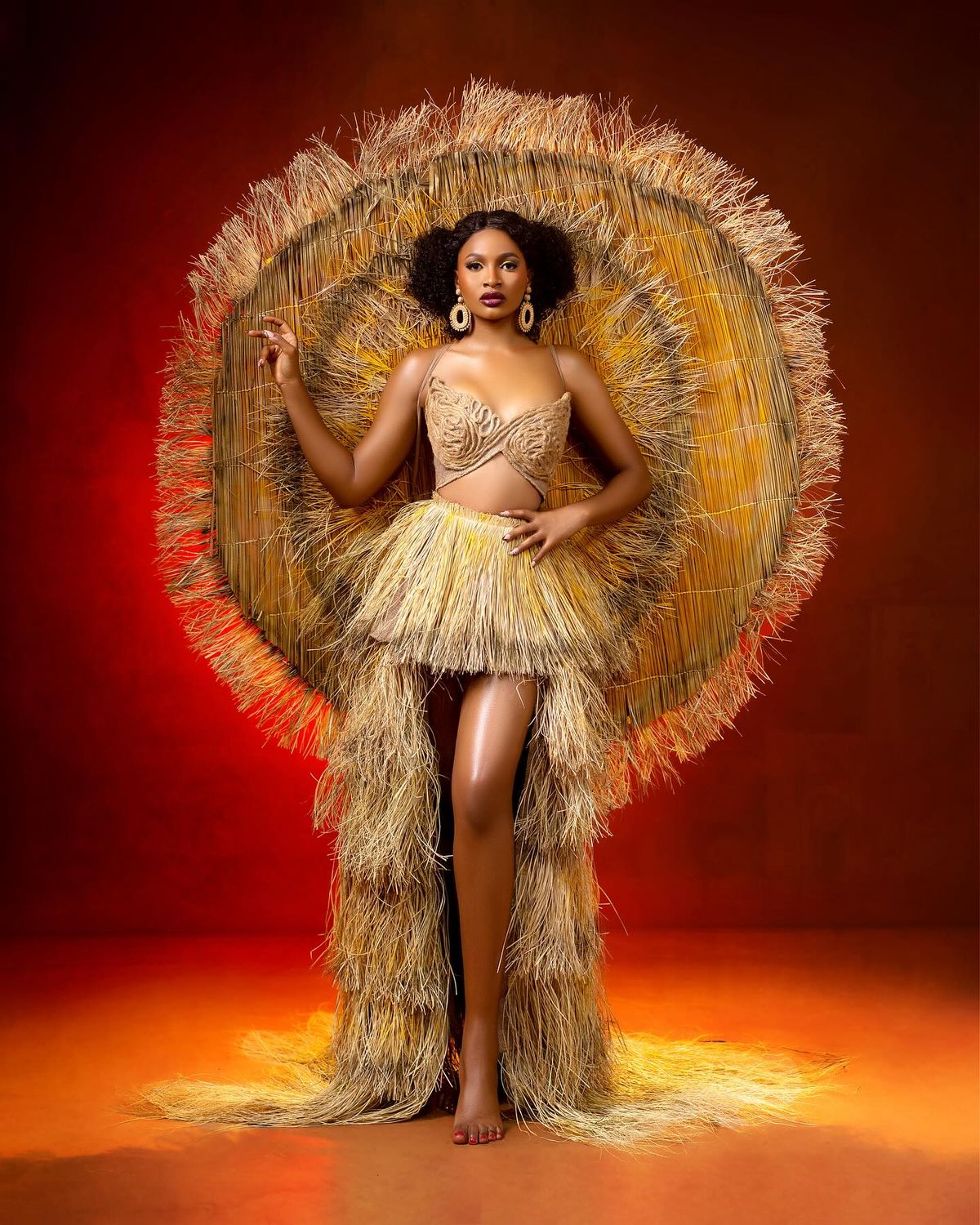
In the Dominican Republic, festival dress is shaped by cultural practices that move through streets, rural communities, and public celebrations where music, ritual, and collective identity overlap. Gaga processions and Palos traditions create spaces where clothing becomes part of sound, movement, and spiritual expression. Dress in these contexts is not designed solely for display. It functions as participation, signalling belonging within cultural systems that are performed rather than observed.
Afro-Dominican cultural arts have long carried layered meanings around identity, ancestry, and community life. Clothing within Gaga and Palos traditions reflects these systems through colour, texture, layering, and symbolic use of fabric. The garments are shaped by rhythm and procession, responding to drums, chants, and coordinated movement.
Afro-Dominican Gaga and Palos traditions shape festival dress through music, ritual, and community-made clothing systems across cultural celebrations.
Gaga Processions and Coordinated Dress Identity
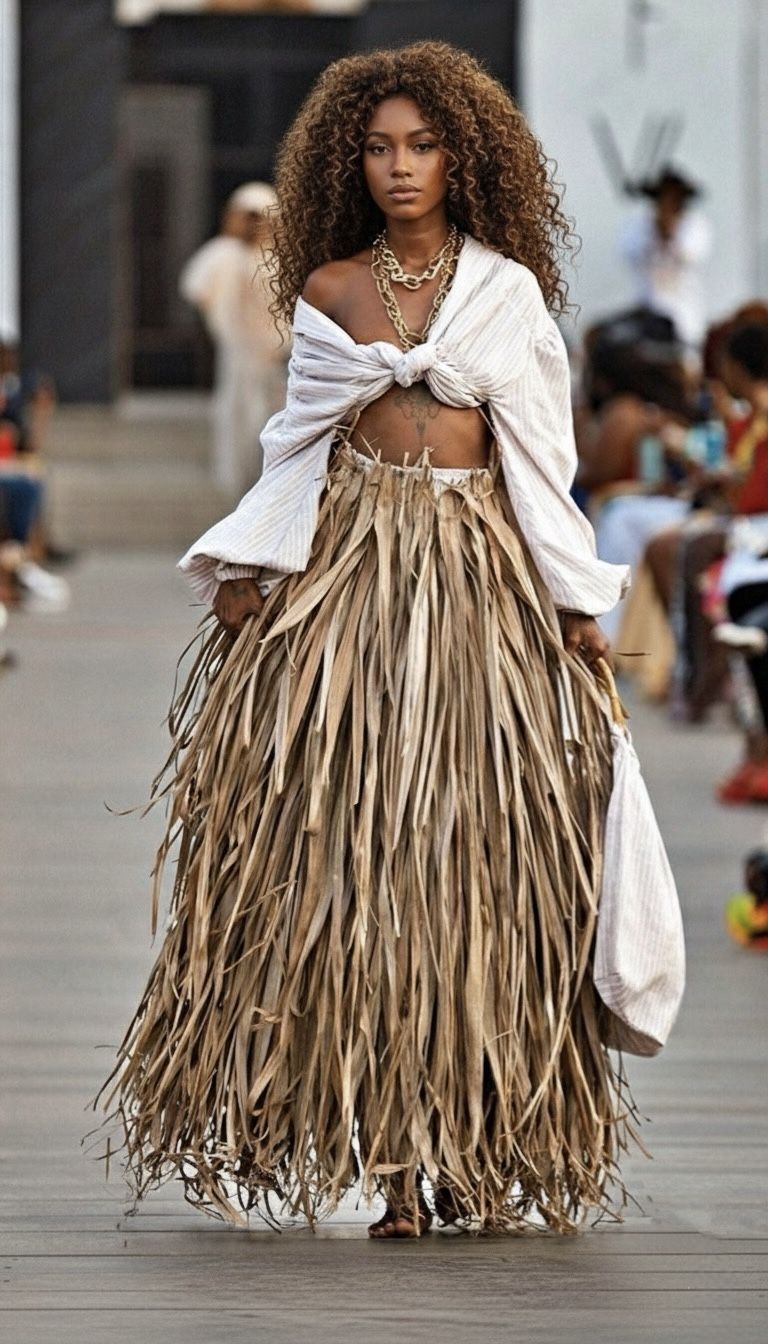
Gaga traditions in the Dominican Republic involve seasonal processions where groups move through towns and communities with music, dance, and organised participation. Clothing worn during Gaga reflects group identity, often using coordinated colours, head coverings, and layered garments that distinguish one group from another.
The fabric in the Gaga dress is selected for visibility and movement. Participants often wear garments that allow for physical expression during long processions, in which walking, dancing, and rhythmic movement are part of the cultural structure.
The visual unity of Gaga groups is important. Clothing helps establish a collective presence in public space, making identity legible through coordinated dress rather than individual styling. In this sense, Gaga fashion operates as a system of belonging communicated through movement and fabric.
Palos Tradition and Ritual Dress Language
Palos, a musical and spiritual tradition rooted in Afro-Dominican communities, carries its own relationship to dress. While Palos is primarily defined by drumming and ceremony, clothing within these spaces reflects respect for ritual context and communal participation.
Garments worn during Palos gatherings are often simple but intentional. Head coverings, neutral or coordinated colours, and practical clothing choices support movement and participation in musical and ceremonial settings.
The focus of Palos’ dress is not on ornamentation but on alignment with the atmosphere of ritual performance. Clothing becomes part of the environment created by drums, chants, and communal gathering rather than standing apart from it.
READ ALSO:
- Rumba, Son, and Sacred Ceremony: How Afro-Cuban Performance Arts Produce Dress
- Steelband, Calypso, and Cloth: How Trinidad’s Performance Arts Produce Dress Culture
Festival Culture and Layered Dress Expression
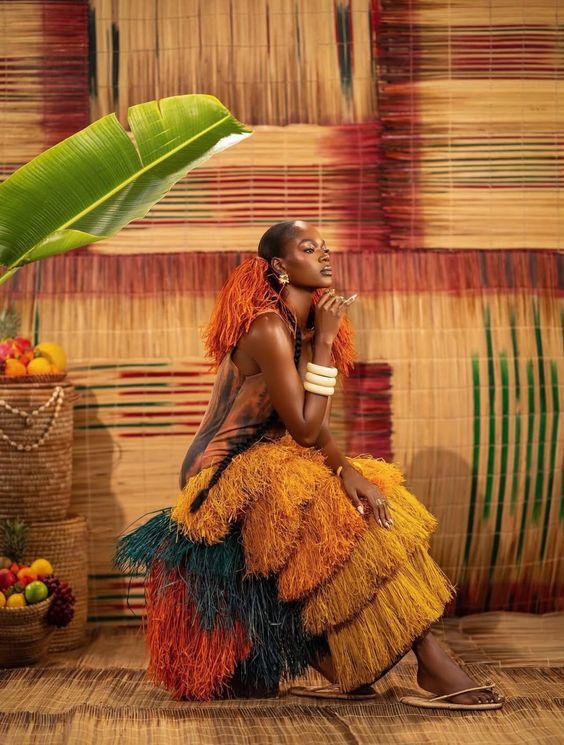
Beyond specific traditions, festival culture in the Dominican Republic brings together multiple expressions of Afro-Dominican identity through clothing, music, and public celebration. Dressing in these spaces often combines everyday fashion with symbolic or coordinated elements tied to cultural participation.
Participants may incorporate traditional references into contemporary clothing choices, blending modern silhouettes with colour schemes or accessories that reflect cultural identity. This layering reflects how Afro-Dominican fashion operates across both historical and contemporary contexts.
Festival dress, therefore, becomes a space where identity is continuously negotiated through fabric, movement, and collective visibility.
Craft, Community, and Material Production
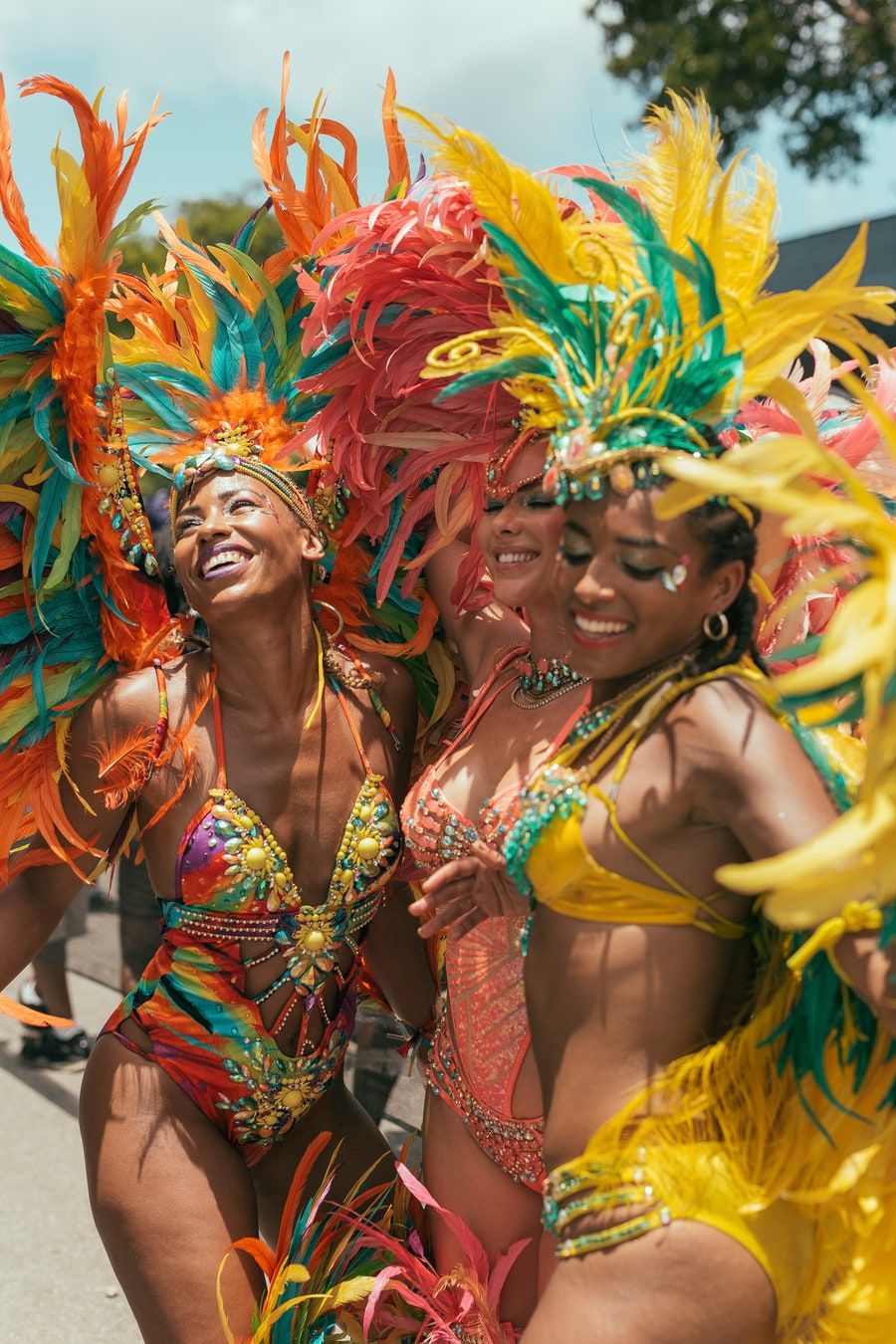
Clothing used in Gaga, Palos, and festival contexts is often produced through local tailoring, home-based garment making, and community craft knowledge. Materials are selected based on availability, durability, and cultural meaning rather than industrial fashion cycles.
Tailors and informal makers play a central role in producing garments that support cultural participation. These production systems are embedded within community life, allowing fashion to circulate through local economies rather than formal retail structures alone.
This craft-based system ensures that dress remains closely connected to cultural practice rather than separated into commercial fashion categories.
The Omiren Argument
Afro-Dominican festival dress is often treated as mere visual decoration attached to cultural performance, with clothing viewed as secondary to music and procession. This framing reduces Gaga and Palos’ traditions to spectacle and overlooks how deeply clothing is embedded in their structures.
In reality, Gaga, Palos, and festival culture actively produce dress systems through coordinated group identity, ritual participation, and community-based garment production. Clothing functions as a structural element of Afro-Dominican cultural arts, shaping how identity is expressed, recognised, and maintained within collective performance spaces.
FAQs
- What is Gaga in Dominican culture?
Gaga is a procession-based cultural tradition involving music, dance, and coordinated group participation, in which dress supports identity and movement.
- How is clothing used in Palos traditions?
Clothing in Palos gatherings is practical and respectful, supporting participation in ritual music and communal ceremony.
- Is the festival dress in the Dominican Republic traditional or modern?
It is both, often blending traditional Afro-Dominican references with contemporary clothing styles.
- Who makes clothing for cultural festivals?
Local tailors, community makers, and informal garment producers often create clothing for these cultural events.
- Why is dress important in Afro-Dominican cultural arts?
Clothing helps communicate identity, group belonging, and participation within music and ritual traditions.