Building a lookbook for a fashion campaign, editorial shoot, or public appearance is one of the most commercially consequential things a stylist does. A strong lookbook opens doors to buyers, editors, press, and new clients. A weak one closes them, regardless of how good the underlying garments are.
In African fashion, where the styling often carries cultural depth that is not self-evident to every viewer, the lookbook does even more. It is not just a sales document. It is an act of cultural positioning.
The stylists building the strongest lookbooks in this space are not necessarily the ones with the best eye. They are the ones who understand what a lookbook is for before they pull a single garment.
How professional stylists build a lookbook for campaigns, shoots, and public appearances in African fashion: the process, decisions, and visual logic behind every edited selection.
What Is a Fashion Lookbook and Why Does It Matter
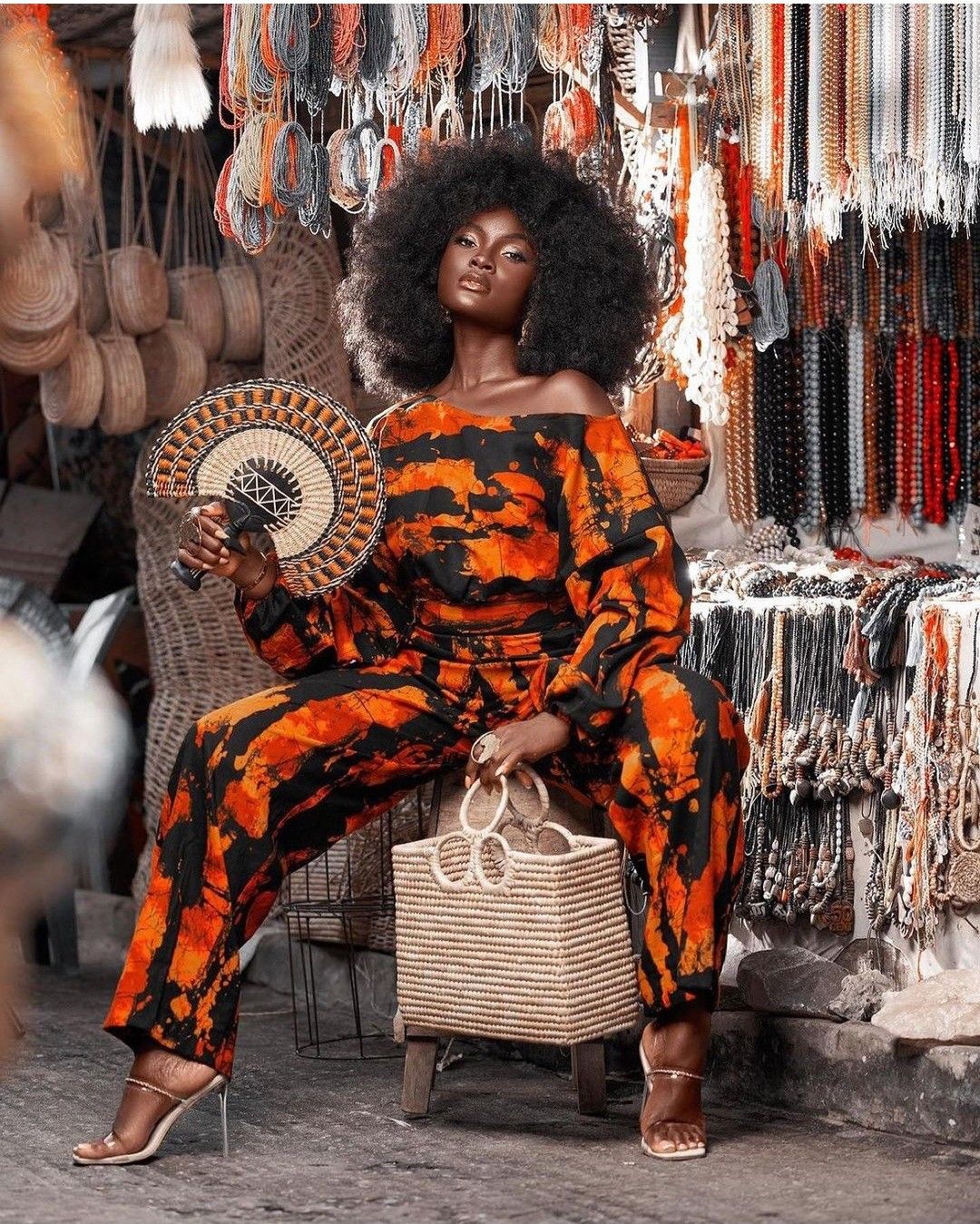
A lookbook is the document a brand sends into the world when it cannot be in the room. It carries the brand’s visual argument to buyers, editors, press, and customers who will form their impression of the work from what they see on the page or screen.
No stylist. No context. Just the images and whatever story they tell together.
This is why the best lookbooks are not collections of well-styled photographs. They are visual arguments, built in sequence, where each image serves the whole.
The stylist who understands this approaches a lookbook shoot differently from one who optimises on a shot-by-shot basis. The brief is different, the preparation is different, and the decisions on set are different.
For emerging stylists, this is the difference between a shoot that looks good and a lookbook that gets commissioned again. For brands, it is about evaluating whether your stylist is building images or a system.
The Stylist’s Lookbook Process: Starting With the Brief
Before a single garment is pulled, the stylist needs a clear answer to one question: what is this lookbook trying to make the viewer feel, understand, or do?
The answer differs significantly by context. A campaign lookbook creates desire and communicates the brand’s point of view. An editorial lookbook tells a visual story for a publication’s audience. A public figure’s styling portfolio establishes or reinforces their public image. A press lookbook gives editors the visual material they need to write about the work.
Each of these purposes requires a different approach to selection, sequencing, and image construction.
A lookbook built without a brief is built without a destination.
The most common mistake at this stage is going directly to the rail without agreeing on a brief. The garments are there, the shoot date is set, and the pressure is on. But a lookbook built without a clear brief leaves a stylist making decisions without an agreed framework for what counts as the right one.
A proper styling brief for a lookbook covers four things:
- Purpose: what the lookbook needs to achieve commercially or editorially
- Audience: who will view it and what they already know about the brand
- Emotional register: the specific feeling the lookbook should inhabit
- Constraints: what the lookbook should not do, which is often more useful than what it should
Purpose and audience are usually straightforward. The emotional register is where most briefs fall short. Aspirational is not a register. Contemporary African luxury is not a register. The stylist needs language specific enough to guide decisions on set: which of these two jackets, which of these three backgrounds, how much visual weight in this particular image.
The constraints matter as much as the positive direction. A brand that does not want to appear inaccessible needs to communicate that before the stylist pulls pieces. A public figure shifting their image needs a stylist who understands the previous image and why it is being changed.
For African and diaspora fashion brands, the brief often requires a layer of cultural positioning that is not present in a generic styling brief. Which textile traditions are being referenced? Which design lineages is the collection in conversation with? A stylist who understands these questions can build a lookbook that communicates them visually. The debate around who actually owns Ankara illustrates why these questions are not decorative: cultural ownership and textile origin are live issues in African fashion. A stylist who does not ask them produces a lookbook that shows the clothes without telling their story.
Lookbook Visual Storytelling in African Fashion
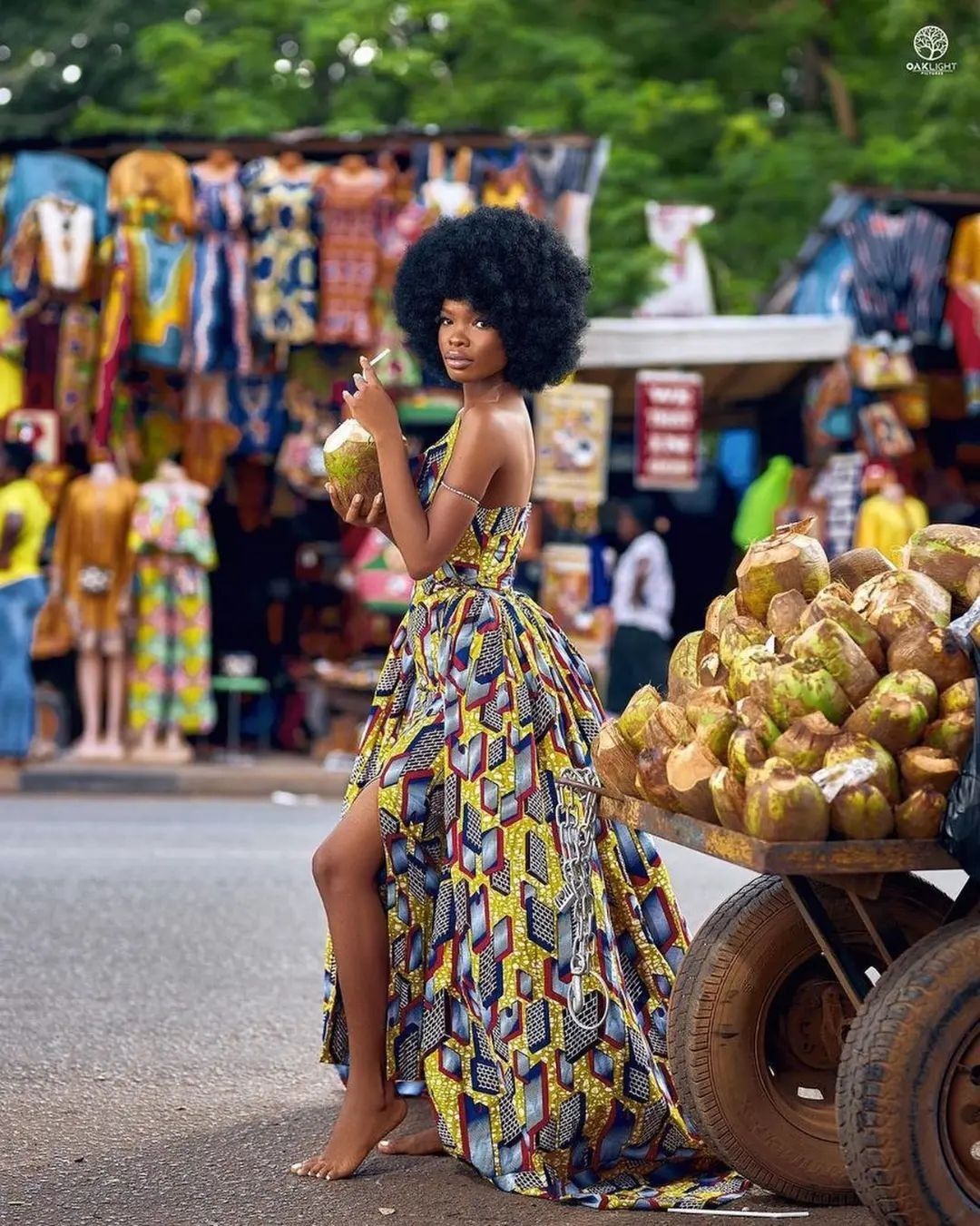
The visual logic of a lookbook is the sequence of decisions that determines how images work together as a whole, not just how each image works individually.
This starts with the cover look. The opening image carries the entire argument in compressed form. It sets the register, signals the customer, and makes the promise that the rest of the lookbook will either keep or break.
A stylist who treats the cover look as simply the strongest image from the shoot is thinking about images individually. A stylist who treats it as the thesis statement of a visual argument is thinking about the lookbook as a whole.
The cover look is not the best image from the shoot. It is the argument the shot is making, compressed into a single frame.
The following sequencing is where the argument is developed. Images that share a colour relationship. Looks that escalate in formality or visual complexity. A recurring element, whether a textile, a silhouette, or a styling detail, that appears in different forms across the lookbook and creates visual coherence without repetition.
These are not automatic outcomes of a well-styled shoot. They are decisions that need to be made before the shoot, during the planning stage, so that the right images are available to be sequenced once the day is done.
Editing is the discipline that tests the logic. A lookbook with twenty images and a clear argument is stronger than one with forty images and a diffuse one. The stylist who can identify which images carry the story and which simply add volume, and who has the confidence to cut, is building something that will work in the world.
A Lookbook in Practice: What the Decisions Look Like
Consider a Lagos-based brand shooting a resort collection in three textile stories: an Aso-oke tailoring line, a printed cotton casualwear range, and a beaded eveningwear series.
The stylist’s first decision is the cover look. The Aso-oke tailoring carries the brand’s strongest craft argument and its clearest cultural positioning. It is the thesis statement. It opens the lookbook.
The mid-sequence introduces variation. The printed cotton looks provide visual relief from the tailoring’s structure, showcasing the brand’s range without abandoning its identity. Two or three looks here, demonstrating how the same brand logic produces a different register.
The closing sequence uses the beaded eveningwear as a resolution. The most formal, the most statement-making. The lookbook ends at a different level of visual intensity than it started, giving the sequence movement and a sense of arrival.
Each of these decisions was made before the shoot day. The editing then confirms or adjusts. The result is a lookbook that reads as a coherent argument about the brand, not a selection of strong individual images.
ALSO READ
- The Aso-Oke Weaver Crisis: What Happens When Nigeria’s Most Important Cloth Can No Longer Be Made
- The Intimacy of Tailoring: How Clothes Learn the Language of Your Life
- The Cultural Codes of Dressing Well: What Every Society Understands About Style and Respect
- Who Actually Owns Ankara: The Legal and Cultural Argument the Fashion Industry Has Been Avoiding
How the Lookbook Process Changes by Context
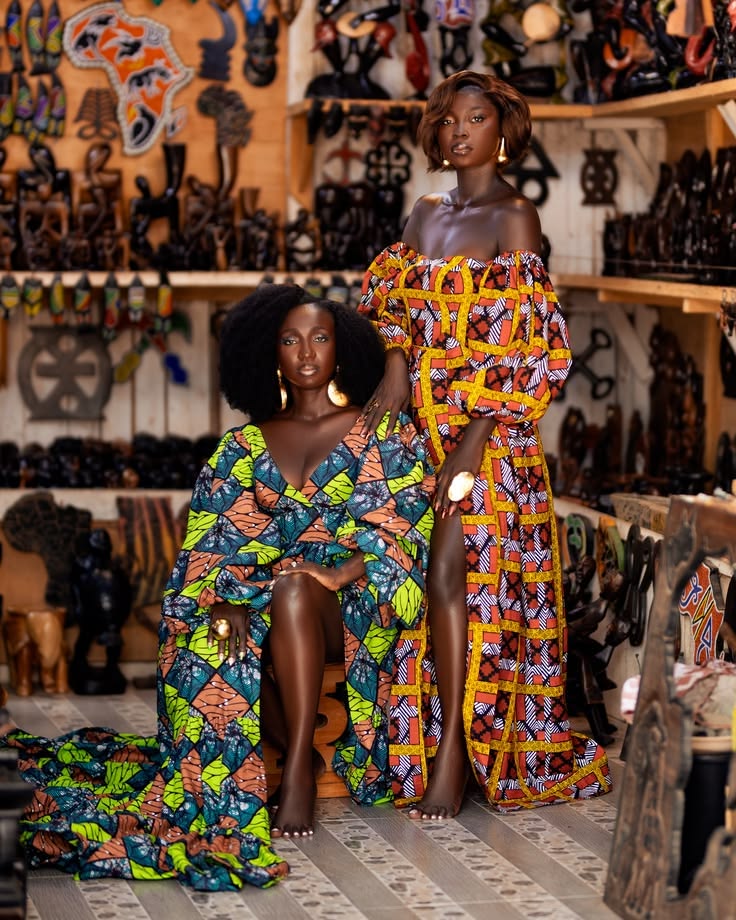
The principles of lookbook construction are consistent, but execution differs significantly between a brand campaign, an editorial shoot, and a public appearance brief.
A brand campaign lookbook is the most commercially purposeful. Every decision serves the brand’s commercial objectives: communicating the collection’s point of view, reaching the buyers and press the brand needs to grow, and producing images that can be repurposed across marketing channels.
The stylist working on a campaign is working within a tighter brief and with more stakeholders than in an editorial context. Decisions made on set are more likely to be reviewed and challenged. The skill lies in holding the visual logic of the lookbook while accommodating the client’s legitimate commercial priorities.
An editorial lookbook offers more creative freedom but comes with a different constraint: it must serve the publication’s audience and aesthetic rather than the designer’s vision alone. A stylist working in editorial for an African or diaspora fashion publication operates in a context where the audience has specific visual literacy, cultural references, and expectations about what the fashion they are looking at should do.
This is the creative challenge: to make images that are specific enough to mean something to that audience while being accomplished enough to reach beyond it.
A public appearance brief is perhaps the most personal and the most consequential. The stylist is not just dressing a person for a moment. They are participating in the construction of an image that will exist beyond the moment, photographed, circulated, interpreted, and associated with the person for the duration of their public life. For public figures in African and diaspora contexts, the choice of who makes their clothes, which textile traditions those clothes draw from, and how the overall image positions them culturally is not just a fashion decision. It is a statement about identity, about belonging, and about what kind of visibility they are choosing. Veekee James’s trajectory illustrates how deliberate those choices can be, and what they communicate when made consistently over time.
How Stylists Actually Build a Lookbook: The Core Discipline
The stylist who builds strong lookbooks is not necessarily the one with the best eye or the most contacts. They are the ones who ask the right questions before the shoot begins, think through the sequence before the images are made, and edit with enough confidence to cut what the lookbook does not need.
In African and diaspora fashion, where the work being styled carries cultural weight beyond the visual surface, this discipline matters more than it might elsewhere.
A lookbook built carelessly, with beautiful images but no coherent argument and garments photographed without an understanding of what they mean, is an opportunity lost. The clothes were present. The story was not.
The stylists building the most compelling lookbooks in this space understand that their job begins before they touch a garment. It begins when they understand what the lookbook is for.
FAQs
What should be included in a fashion lookbook?
A fashion lookbook should include a cover look that communicates the brand’s core argument, a sequenced set of looks that develop that argument across different silhouettes, fabrics, or registers, and a closing look that provides resolution or a strong final statement. Beyond the images themselves, each look needs to be styled with the brand’s customer clearly in mind: accessories, setting, casting, and lighting all contribute to whether the lookbook communicates what it is meant to.
How many looks should a lookbook have?
For most brand campaign lookbooks, eight to fifteen looks is the functional range. Fewer than eight can feel incomplete. More than twenty tends to dilute the editorial argument unless the brand has a specific reason to show breadth, such as a multi-category launch. Editorial lookbooks for publications typically run shorter, five to ten looks, because the publication’s own context provides some of the framing. The correct number is always the minimum needed to make the argument complete.
What is the difference between a campaign lookbook and an editorial lookbook?
A campaign lookbook serves the brand’s commercial objectives: it communicates the collection, reaches buyers and press, and produces images that can be used across marketing channels. An editorial lookbook serves a publication’s audience and aesthetic: it tells a visual story that is interesting to readers rather than primarily promotional. The distinction matters for the brief. A campaign lookbook is evaluated against commercial outcomes, and an editorial lookbook against the quality of the story it tells.
How do stylists manage garment selection across multiple looks?
The most reliable approach is to build the looks in sequence before the shoot, not on the day of the shoot. The stylist identifies the cover look first, then builds outward: which looks will precede it, which will follow, and what the lookbook’s visual arc will be. Garment selection at this stage is editorial: what does each look need to say, and which pieces from the available range say it most clearly? Pieces that photograph well but do not serve the sequence are set aside.
What does a stylist’s brief typically include?
At minimum: the purpose of the lookbook, the audience it is addressing, the feeling or register it should inhabit, and the constraints the stylist needs to work within. The most useful briefs also include reference images for the visual territory the brand or client is aiming for, and explicit reference images for the territory they are trying to avoid. The negative references are often more useful than the positive ones.
How do public appearance stylists work differently from editorial stylists?
The fundamental difference is duration. An editorial image exists in the context of a publication, at a point in time. A public appearance image becomes part of a person’s permanent visual record. The public appearance stylist is making decisions that will be associated with the person indefinitely, which means the brief is necessarily longer-term and more personal. They need to understand not just the occasion but the narrative arc the person is building across their public life.
How do stylists working in African fashion handle pieces that carry specific cultural meaning?
The most careful stylists treat this as a research and conversation requirement before the shoot. They seek to understand the cultural context of each significant piece: its origin, its social function, its relationship to the community that produced it. This understanding shapes decisions about how the piece is combined with other garments, how it is photographed, and how it appears in the sequence. Cultural meaning is not communicated by isolating a piece and pointing at it. It is communicated by the care and intelligence of the choices made around it.
CONTINUE READING
Read next: The Intimacy of Tailoring — How Clothes Learn the Language of Your Life.