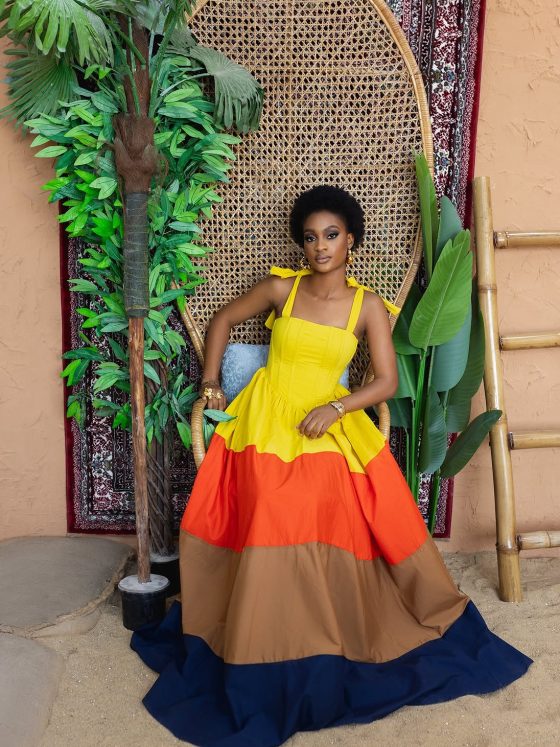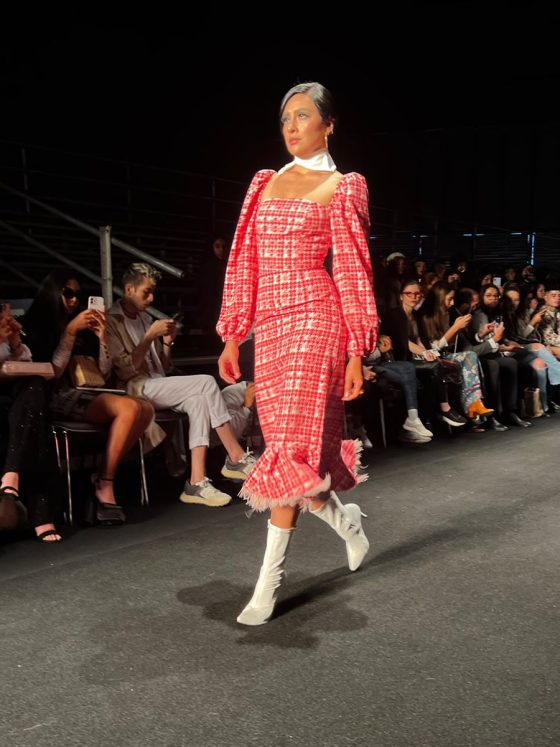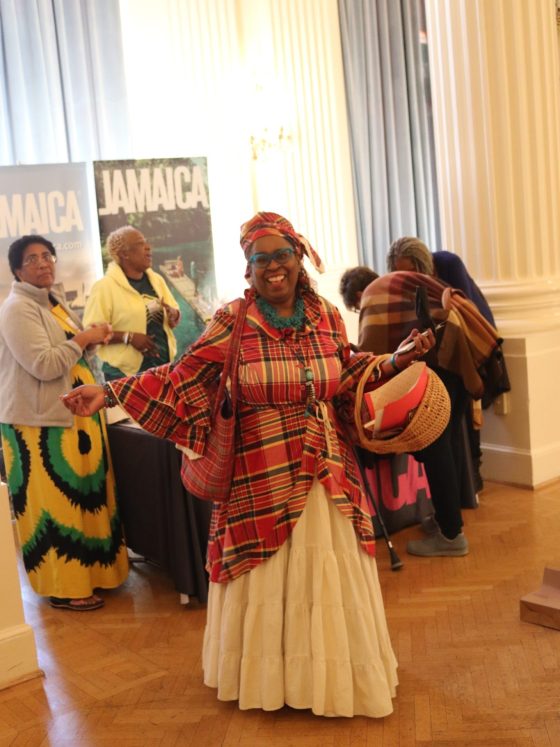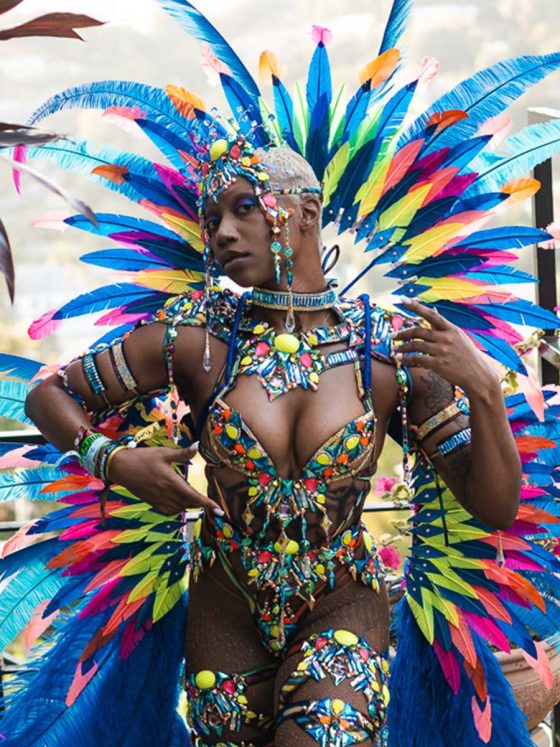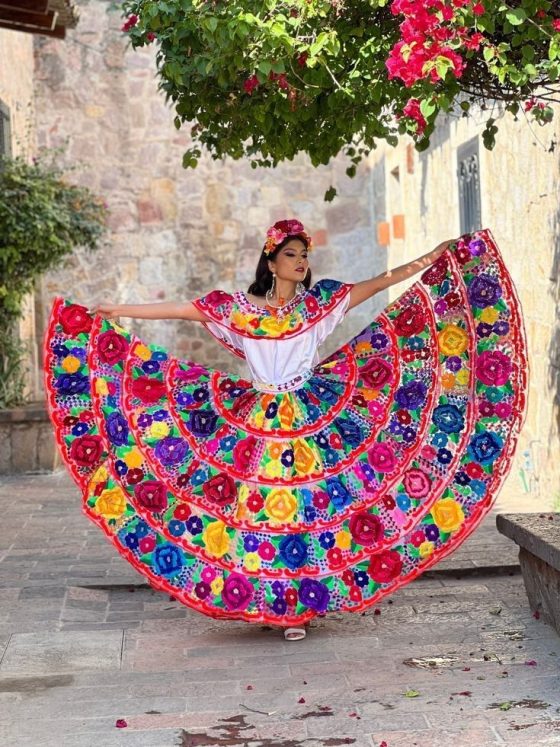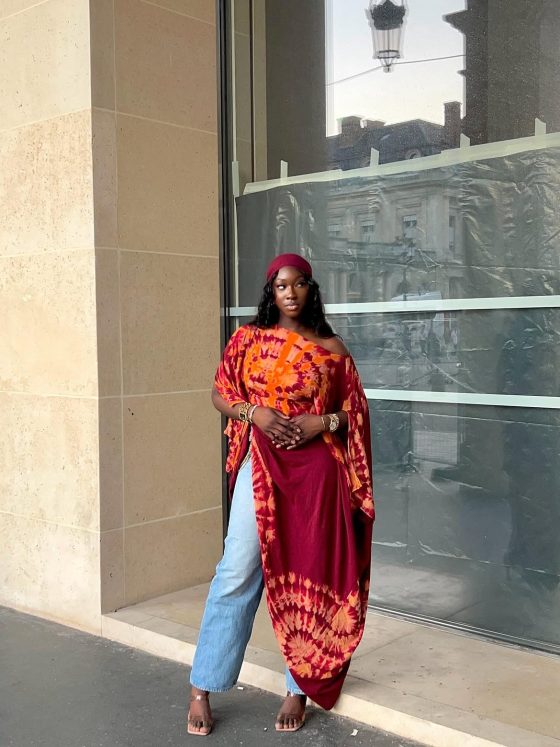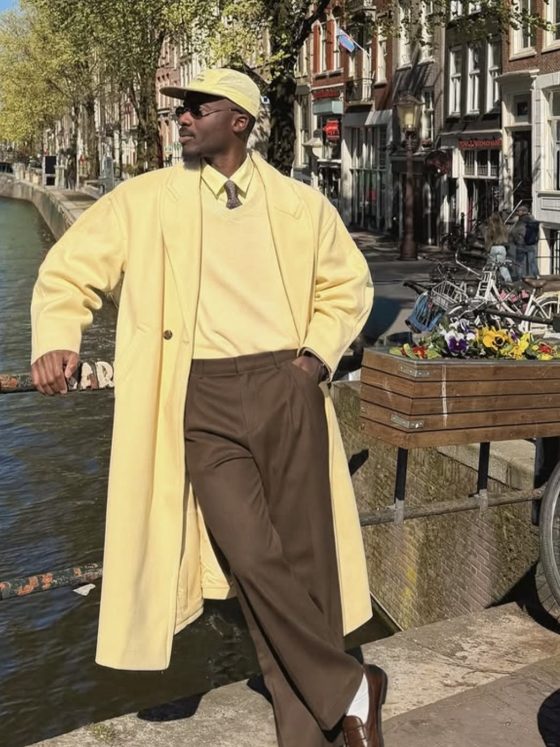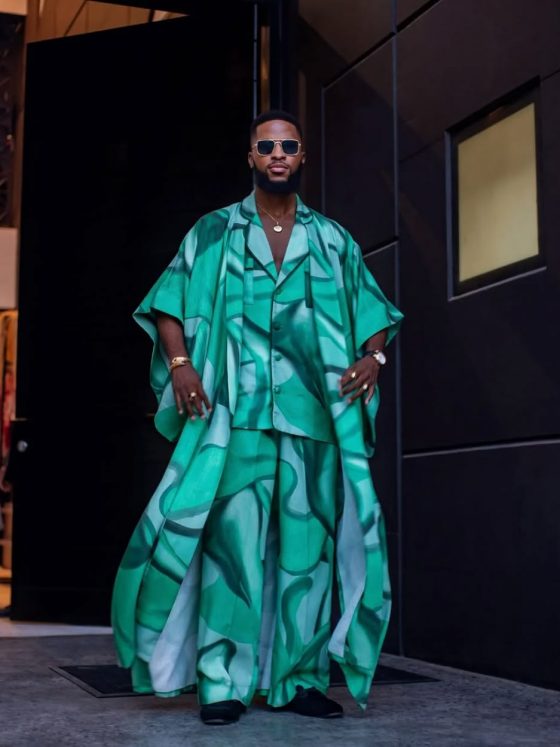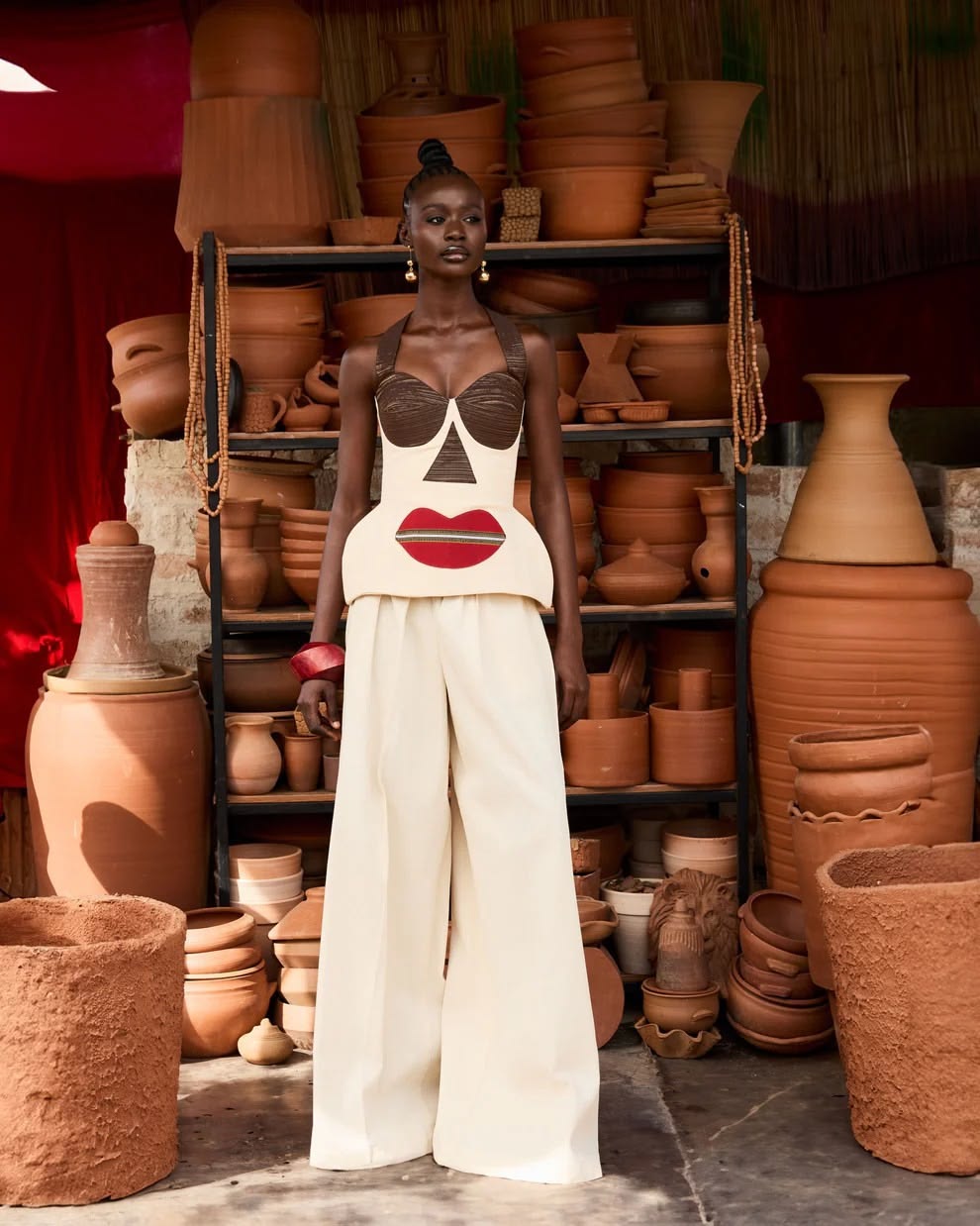
In Havana, independent designers often work with limited access to fabric, unstable supply chains, and small production capacity. Yet, Cuban fashion continues to produce designers whose work carries a distinct visual and cultural language. Their collections move through local studios, art spaces, private workshops, runway presentations, diaspora markets, and international fashion conversations shaped by far more than tourism aesthetics. Afro-Cuban designers are not simply preserving cultural references. They are actively reshaping how Cuban identity is expressed through fashion.
Fashion from Cuba is frequently interpreted through a nostalgic lens. International audiences often expect vintage silhouettes, retro styling, or simplified Caribbean imagery linked to old Havana postcards and Cold War mythology. Afro-Cuban designers have increasingly challenged that framing by creating work rooted in tailoring, spiritual symbolism, Black identity, contemporary art, and material adaptation shaped by Cuban realities.
Afro-Cuban designers are reshaping Cuban fashion through Black identity, tailoring, material adaptation, and contemporary design culture.
Fashion Under Material Limitation
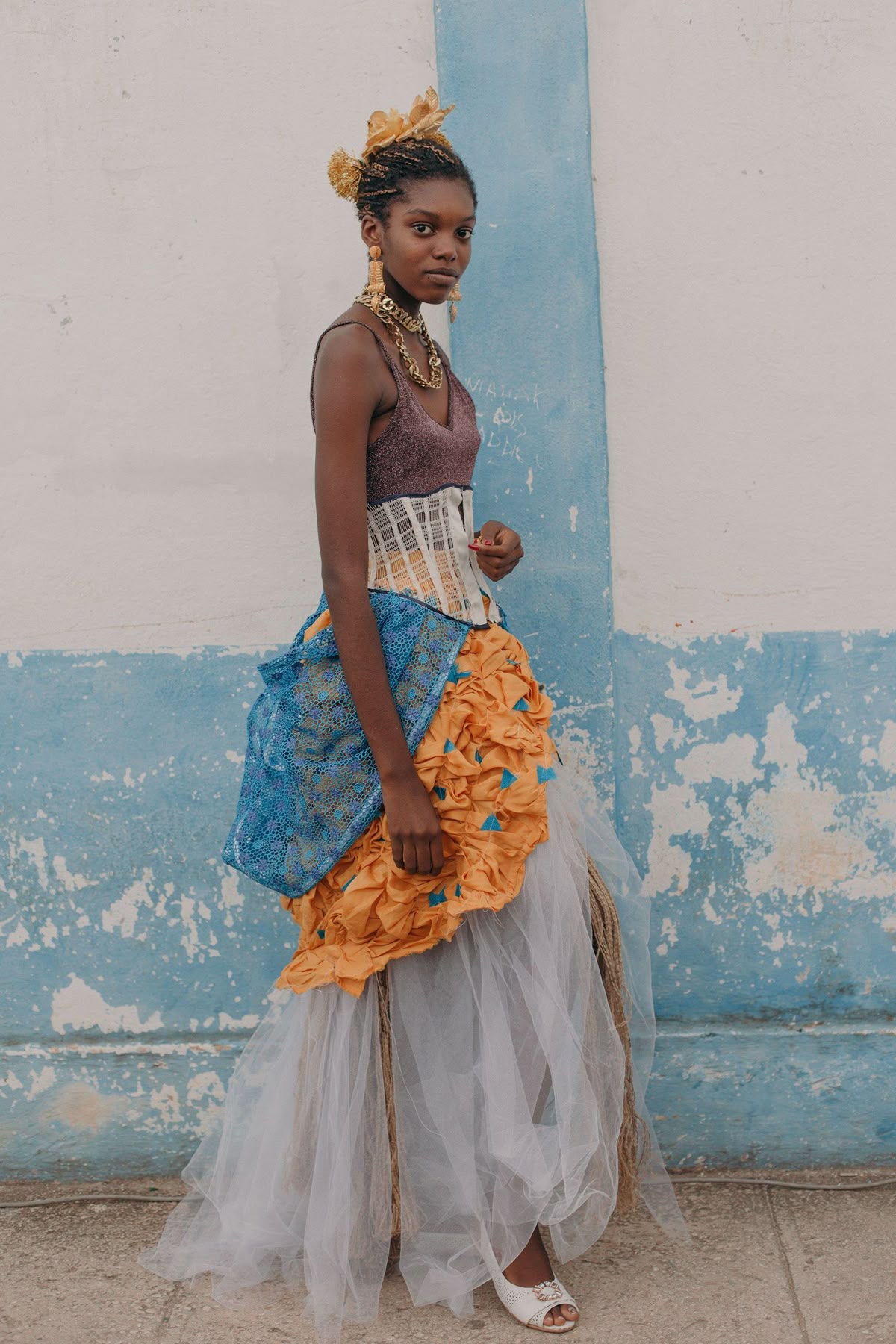
One of the defining conditions shaping Cuban fashion design is material scarcity. Access to imported fabrics, industrial manufacturing, specialised trims, and consistent retail infrastructure remains limited compared to larger fashion economies.
Rather than stopping production entirely, designers have adapted around these constraints. Garments are often produced in small runs using locally available materials, repurposed textiles, handcrafted elements, and altered vintage pieces. Tailoring and garment reconstruction, therefore, play major roles within Cuban design culture.
This has produced a fashion environment where construction skill matters deeply. Designers cannot rely on constant material abundance. They work through adjustment, experimentation, and strategic use of available resources.
The result is not uniformity but highly individualised design language shaped by necessity and creative control.
Afro-Cuban Identity Beyond Folklore
Afro-Cuban designers increasingly approach Black identity as a contemporary design framework rather than a folkloric reference point. Yoruba symbolism, rumba aesthetics, natural hair culture, spiritual colour systems, and Afro-diasporic silhouettes appear within collections without being reduced to costume.
Designers such as Sandra Delgado and other independent Cuban creatives working through local fashion circuits have explored how Afro-Cuban identity can exist within modern tailoring, experimental silhouettes, and conceptual fashion spaces.
This shift matters because Afro-Cuban culture has historically been treated as heritage material within tourism and performance industries rather than as an active force shaping contemporary fashion design. Designers are increasingly rejecting that separation.
Clothing becomes a way to place Black Cuban identity directly into modern visual culture rather than limiting it to ceremonial or historical representation.
Diaspora Networks and International Visibility
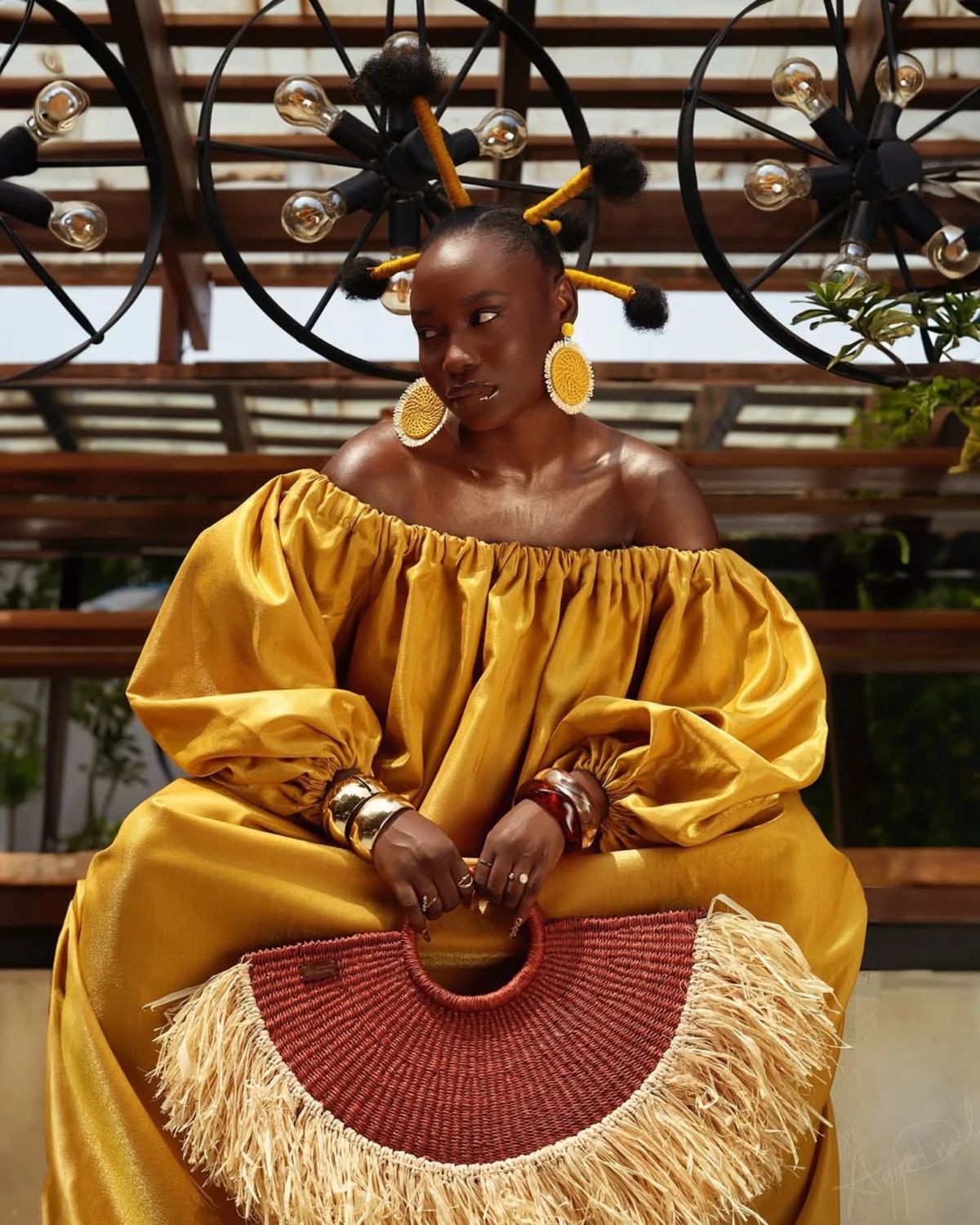
Many Afro-Cuban designers operate between Cuba and diaspora communities abroad. Fashion circulates through family networks, exhibitions, independent boutiques, online audiences, and cultural collaborations rather than large international retail systems.
Diaspora demand has become especially important because it allows designers to reach Cuban communities and Afro-diasporic audiences interested in fashion connected to cultural specificity rather than mass-market Caribbean branding.
At the same time, designers must negotiate how Cuban identity is interpreted internationally. There is constant pressure to produce work that fits familiar external expectations about Cuba. Some designers resist this directly through minimalist tailoring, monochromatic collections, or avant-garde construction that refuses tourist readability.
Others incorporate Afro-Cuban references more visibly while still grounding the work in contemporary fashion language rather than spectacle.
READ ALSO:
- Afro-Dominican Fashion: Visibility, Identity, and the Dress Culture of Dominican Communities
- Afro-Cuban Fashion: Abakuá Societies, Yoruba Heritage, and the Politics of Afrocentric Identity
Fashion, Art, and Independent Creative Spaces
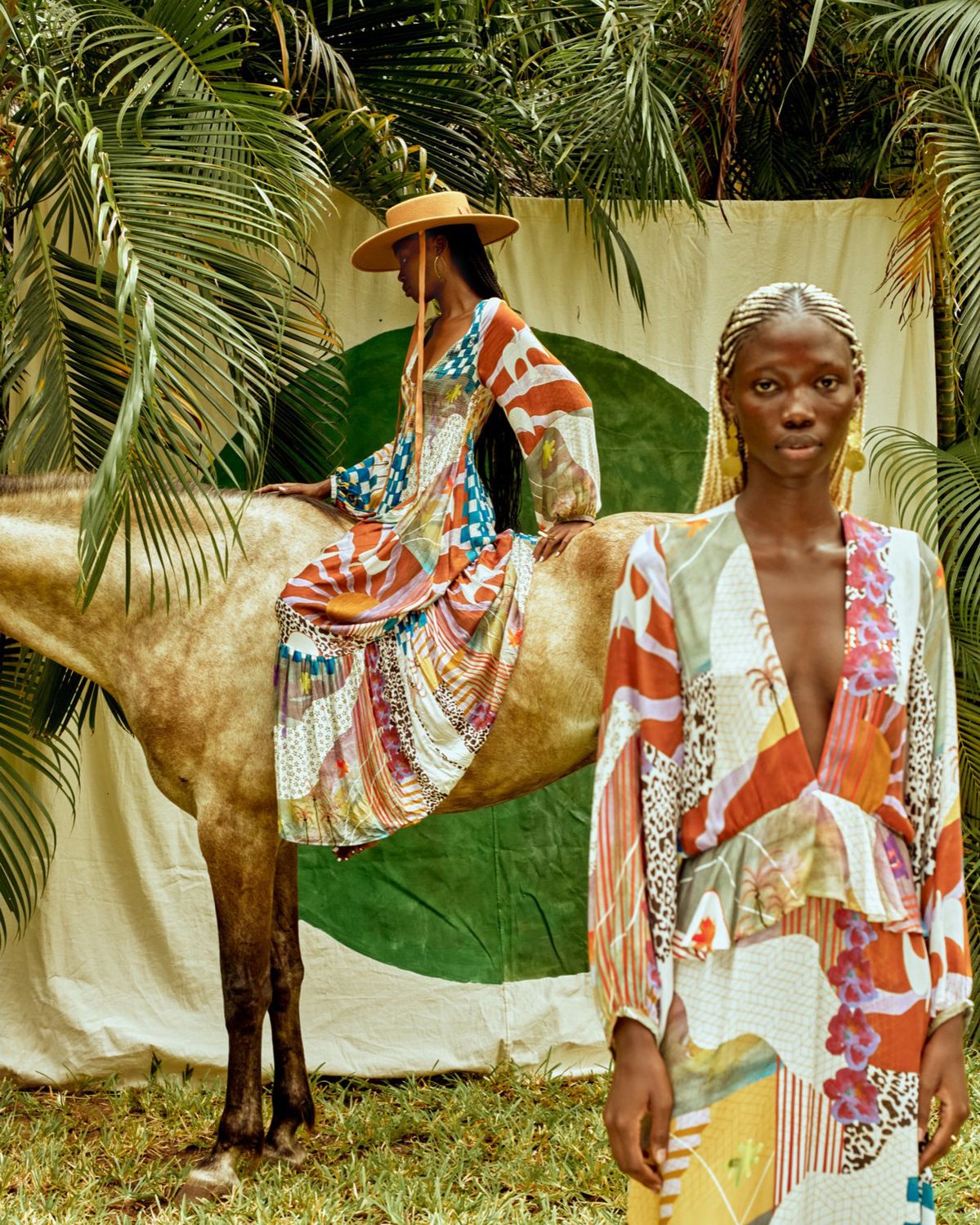
The boundaries between fashion, visual art, music, and performance remain fluid in Cuba. Many designers present work through galleries, cultural festivals, photography collaborations, and interdisciplinary creative spaces rather than traditional fashion industry systems alone.
This overlap reflects the structure of Cuban creative life, where independent cultural production often depends on collaboration across artistic disciplines. Fashion, therefore, functions not only as a commercial production but also as a cultural commentary and visual experimentation.
Afro-Cuban designers have used these spaces to build fashion narratives that connect to race, spirituality, memory, migration, and urban identity in contemporary Cuban life.
The Omiren Argument
Cuban fashion is often framed internationally through nostalgia, vintage aesthetics, and tourism-centred imagery that reduce the country’s creative identity to frozen historical references. Within this framing, Afro-Cuban cultural influence is frequently treated as folklore rather than contemporary design intelligence.
In reality, Afro-Cuban designers are building fashion cultures grounded in adaptation, conceptual creativity, Black identity, and material experimentation shaped by Cuba’s economic realities. The future influence of Afro-Cuban fashion will not come from reproducing familiar images of Cuba for external audiences. It will come from designers continuing to redefine Cuban identity through contemporary fashion systems created on their own terms.
FAQs
- What influences Afro-Cuban fashion designers?
Afro-Cuban designers draw from Black identity, Yoruba symbolism, music culture, tailoring traditions, and Cuban urban life.
- Do Cuban designers face production challenges?
Yes. Limited access to fabrics, manufacturing infrastructure, and imported materials affects fashion production across Cuba.
- How does Afro-Cuban culture appear in fashion design?
It appears through colour systems, spiritual symbolism, hairstyles, silhouettes, tailoring, and conceptual references tied to Afro-Cuban identity.
- Are Cuban designers connected to diaspora markets?
Many designers rely on diaspora audiences, international collaborations, and independent cultural networks outside traditional retail systems.
- Is Cuban fashion only focused on vintage aesthetics?
No. Many contemporary designers actively challenge nostalgic stereotypes associated with Cuban fashion imagery.