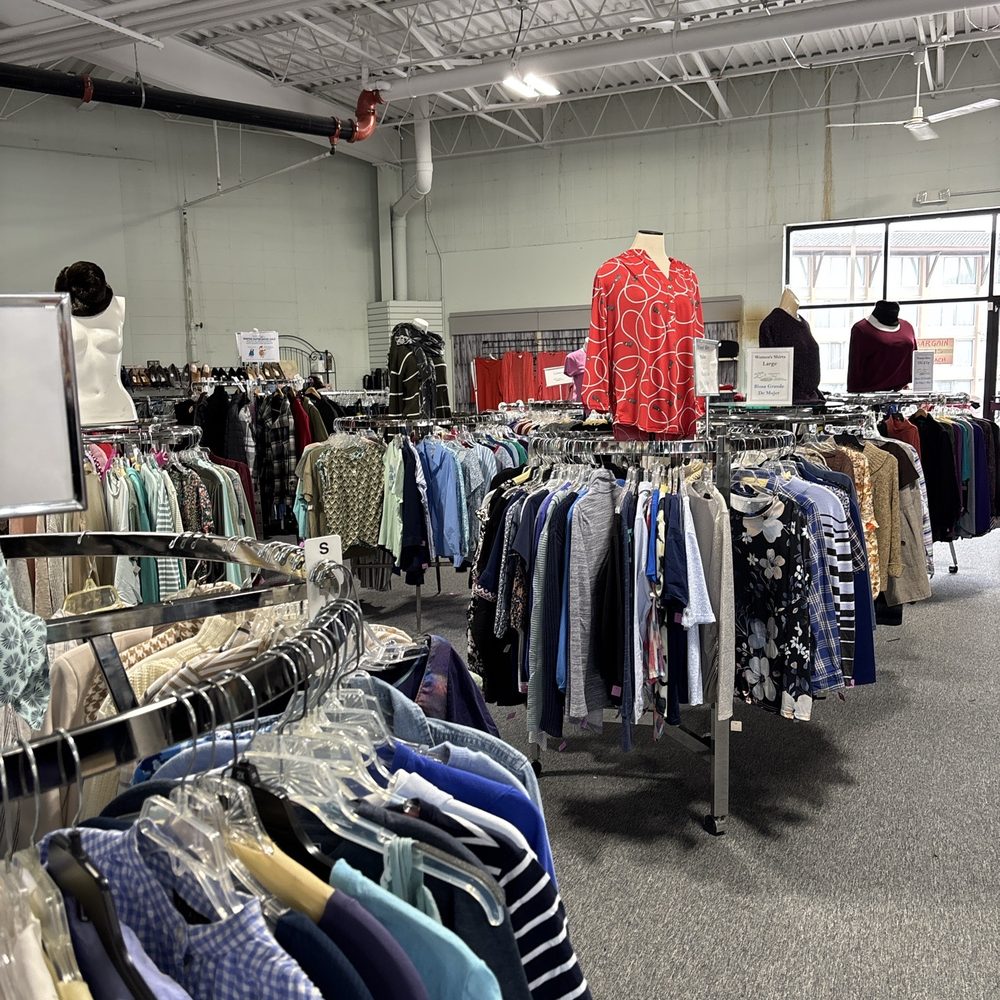
The white shirt at the market is the right cut, the right shade and a price you can afford. You can picture yourself wearing it. What you can’t quite picture is the white shirt hanging behind your work clothes, or the one folded at the bottom of a drawer. By the time you remember both, you’re home with a third. Omiren’s June coverage of Africa’s second-hand fashion market looked at the trade behind the clothes. In January 2025, The Or Foundation reported that around 15 million second-hand garments arrived at Accra’s Kantamanto Market each week. That estimate puts the scale of the trade in view. This story starts at the other end: with the shopper standing in front of a pile of clothes, holding a little money, and deciding what to take home.
Buying a garment second-hand gives it another chance to be worn. Bringing it home is only the first step. Before the next market trip, take five minutes to see what you already own. The piece you’re looking for might be tucked behind something else, waiting to be mended, or already doing its job so well that you haven’t noticed it doesn’t need replacing.
Check what you already own before the next bale. A short wardrobe check, a cost-per-wear sum and three questions help you thrift without doubling up.
Why we buy the same thing twice
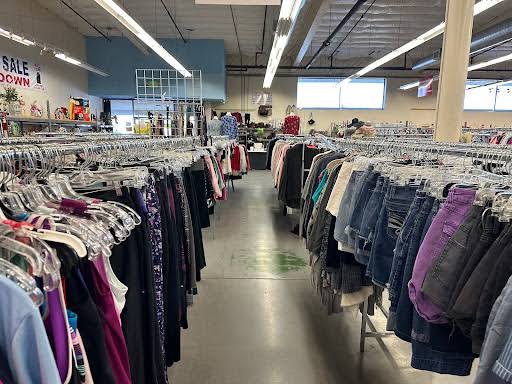
A low price makes it easy to ask the wrong question. “Is this a good price for a shirt?” is easier to answer than “What would this shirt do that the one at home doesn’t?” The first question is about the piece in your hands. The second asks you to remember what’s in the cupboard, how it fits and why you don’t wear it more often. Familiarity helps explain why the same pieces catch your eye. If you know you like dark jeans, a pair that fits can feel safer than a cut you’ve never tried. That isn’t necessarily a mistake. Two pairs of dark jeans can both earn their place if you alternate them all week. It’s the fourth pair worth questioning when you still reach for the same two and what you actually need is a top you like with either.
Then there are the clothes you’ve stopped seeing: the jacket behind the door, the trousers in a bag under the bed, the shirt you left at a relative’s house. At the stall, you shop against the wardrobe you remember. It’s easy to forget that it isn’t quite the wardrobe you own.
Take five minutes before you leave
You don’t need to empty the cupboard. Start with what you’ve worn in the past month. Those clothes give you a better picture of an ordinary week than the pieces you keep meaning to wear. Leave room for things you need less often: an outfit for formal occasions or a layer you’ll reach for when the weather changes.
- Check your regulars. Pull out a few pieces you wear most. Notice what you already have in more than one version and which versions you actually choose. If one white shirt always comes out first, ask what makes it work better than the others.
2. Name the gap. Think of a recent outfit you couldn’t finish. You could have three patterned tops but no plain trousers you like with them. Or the light jacket you keep looking for could already be in the cupboard and only need a new zip. One problem calls for shopping; the other calls for a repair.
3. Make a short list. Write down two or three items at most. “Plain trousers that work with my patterned tops” is more useful than “something nice.” Take a quick photo of those tops if you’d rather check the colours at the stall than try to remember them.
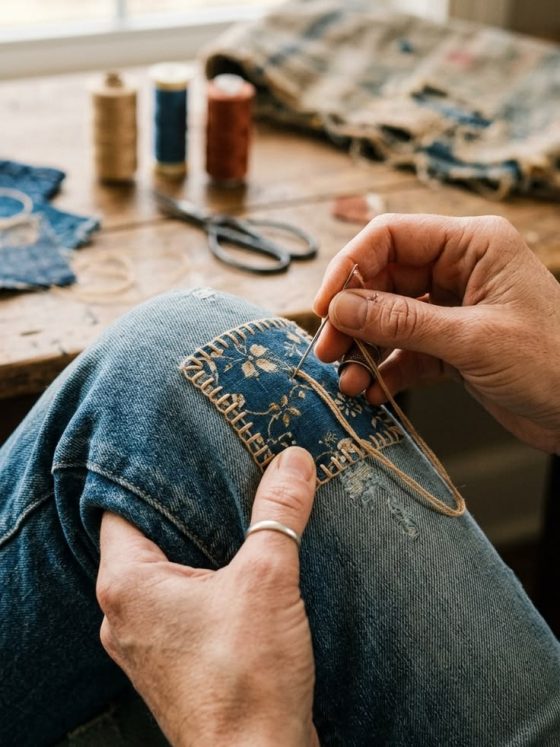
If you discover that the thing you need is something you already own, start there. Omiren’s piece on what keeps clothes in use looks at how care, alterations and repair can make the difference between a garment you keep and one you keep wearing. The list isn’t a rule against surprises. It gives you something to compare a surprise with. If you come across an unplanned find, ask whether you can picture it in an outfit you’ll wear or whether it just looks like something you already love.
What will the bargain cost each time you wear it?
Cost per wear is what you paid for a garment divided by how many times you wear it. A jacket that costs 40 cedis and gets two outings costs 20 cedis per wear. Trousers that cost 120 cedis and get worn 60 times cost 2 cedis per wear. The trousers cost more up front, but they last longer. At the market, you’re estimating, not counting. If you rarely wear jackets, don’t assume you’ll wear this one every week just because it makes the numbers look good. And if the trousers need hemming or the jacket needs a zip, add the repair cost before you compare options.
Check the garment while you can still return it. Run the zip up and down. Look for strain at the seams and thinning under the arms or at the inner thighs. A missing button might be an easy fix. The useful question is whether it’s a fix you’ll make. A shirt that spends six months waiting to be mended isn’t saving you much, however little it costs.
Ask three questions before you pay.
- Can I name three things I own that go with it? Picture those pieces, not the ones you could buy later. If the shirt needs new trousers and shoes before you’ll wear it, the stall price isn’t the full cost. For a specific occasion, one complete outfit may be enough.
2. Do I already have something that does the same job? If you do, decide whether you’re replacing it or adding to it and replacing trousers that no longer fit is different from replacing trousers you still like because the hem has come loose.
3. When will I wear it? For an everyday piece, try to name a day in the next two weeks. For an occasion piece, name the occasion. “I’ll wear it to the wedding next month” is a plan. “I might wear it somewhere one day” is a reason to pause.
You don’t need to run through every question at every stall. Try them when you’re reaching for your money, mainly because the price is low or because the piece might be gone when you come back.
What about knowing your wardrobe changes?
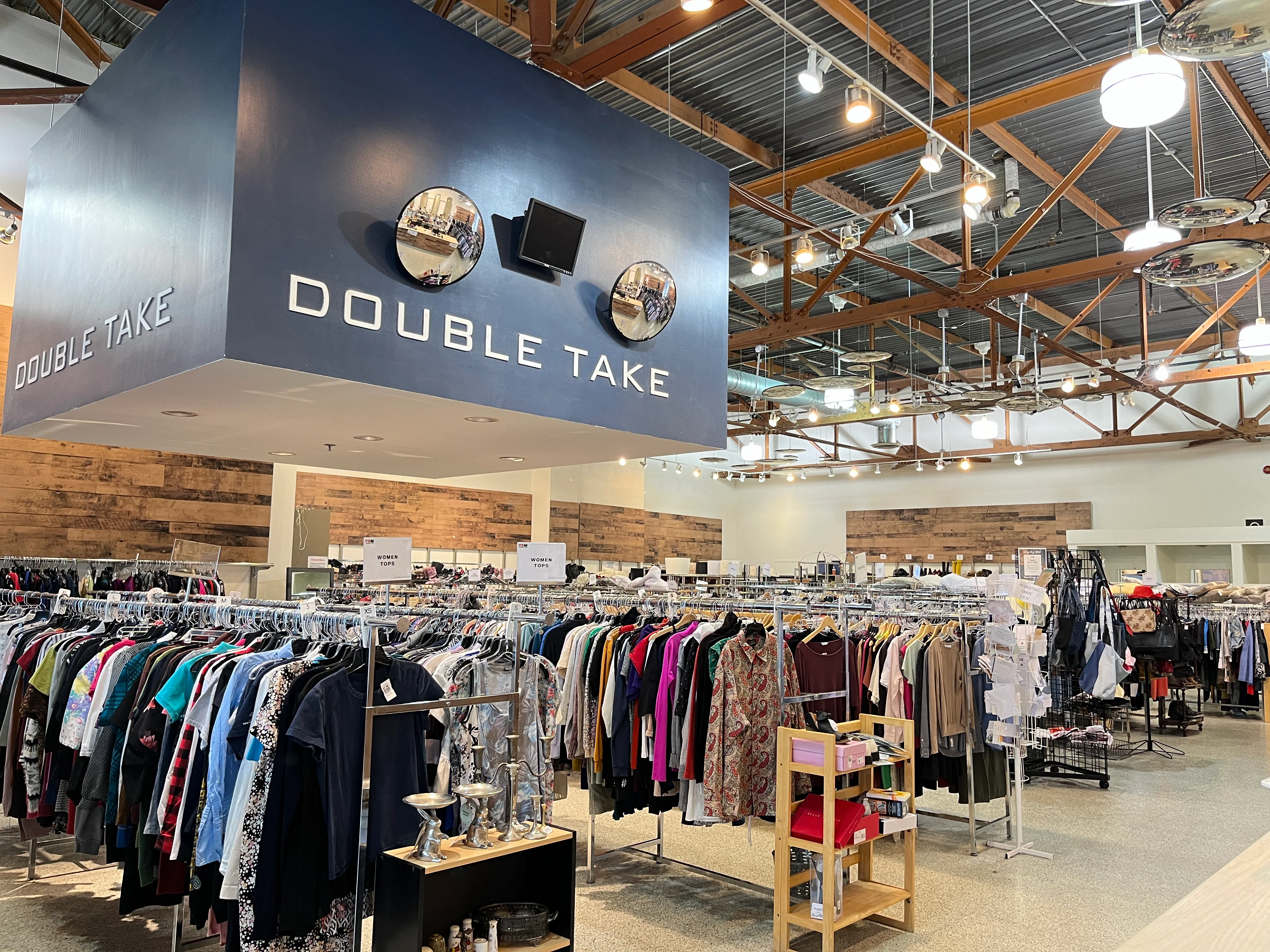
A shopper choosing carefully won’t fix the second-hand trade. Questions about what gets exported, what can be sold and who deals with the waste still belong with exporters, policymakers and the wider fashion industry. Long before you pick up a shirt, people at the market have already decided what can be resold, repaired, or remade. Omiren’s reporting on Kantamanto as a design school follows that work, while The Or Foundation’s Kantamanto research documents the waste the market has to handle. You can decide whether this particular shirt is likely to spend its next year on your back or at the back of the cupboard. Sometimes the wardrobe check sends you to the market for the plain trousers that make three tops easier to wear. Sometimes it sends you to a tailor with the trousers you already own. And sometimes you go to the market, enjoy looking and come home with your money.
There’s nothing wrong with another white top if it’s the one you’ll reach for. But if the one you wanted was already behind your work clothes, finding it before you left was the better bargain.
Also Read:
- Accra Streetwear: How Ghanaian Youth Are Redefining African Urban Fashion
- Kenya Mitumba Trade, AGOA Exports, and the Domestic Textile Gap
- Lagos Street Style 2026: What the Youth Are Building After Detty December
- Amah Ayivi and Marché Noir: The Togolese Designer Who Built a Paris Fashion Empire on Textile Waste
Frequently Asked Questions
What should I do before buying second-hand clothes?
Take five minutes to see what you already own before the next market trip. Start with what you have worn in the past month, check your regulars, name the gap in a recent outfit you couldn’t finish and write a list of two or three items at most. The piece you want may be behind something else, waiting to be mended, or already doing its job.
What is the cost per wear?
Cost per wear is what you paid for a garment divided by the number of times you wear it. A jacket that costs 40 cedis and gets two outings costs 20 cedis a wear, while trousers that cost 120 cedis and get worn 60 times cost 2 cedis a wear. Add any repair to the price before you compare your options.
Which questions should I ask before I pay?
Ask three questions: can I name three things I own that go with it, do I already have something that does the same job, and when will I wear it? For an everyday piece, try to name a day in the next two weeks. For an occasion piece, name the occasion.
Can a careful shopper fix the second-hand trade?
No. A careful shopper won’t fix the second-hand trade. Questions about what gets exported, what can be sold and who deals with the waste still belong with exporters, policymakers and the wider fashion industry. What you can decide is whether this particular shirt will spend its next year on your back or at the back of the cupboard.