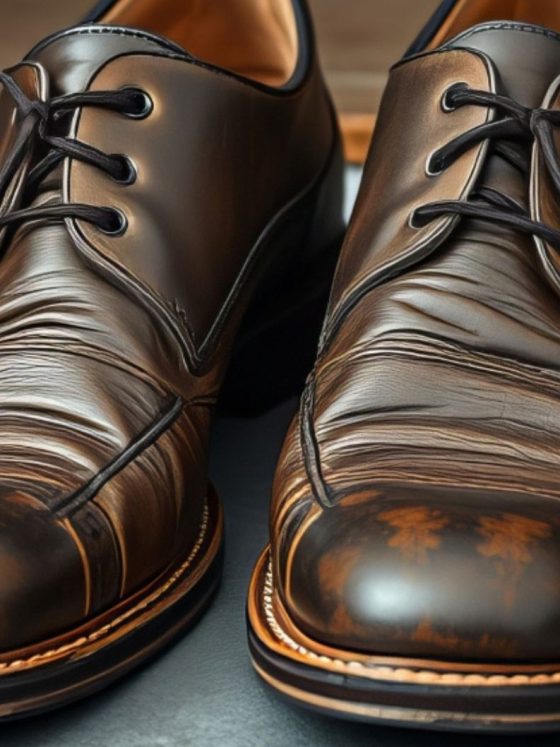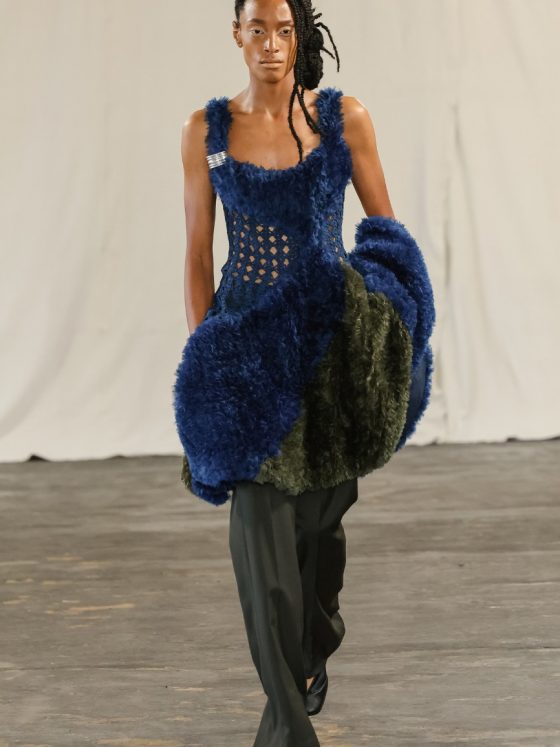
A garment can remain intact long after its owner no longer wants to wear it. Attachments can outlast the fabric or the seams, too. The Ellen MacArthur Foundation describes these different conditions through the language of physical and emotional durability: whether an item remains functional and whether it remains desirable to its user. That distinction changes the question we ask about familiar clothes. Instead of treating repeated wear as something to defend, it invites us to examine what actually makes continued use possible.
“Emotional durability is about how much people value and want to keep using a product.” — Ellen MacArthur Foundation, “Design Products to Be Used More and for Longer”
Three things come into view once you hold that distinction: the garment’s condition, someone’s willingness to wear it, and the care or repair available when it needs attention. Together, they shift the discussion from purchase to the work that follows. The foundation’s circular-fashion framework includes maintenance, repair, and restyling as practices that help clothing retain its value over time. The Accra market of Kantamanto makes that work visible in a specific and well-documented way.
Explore how durability, attachment and repair help keep clothes in use, with documented examples of care services and clothing work in Accra.
Lasting Is Not the Same as Being Worn
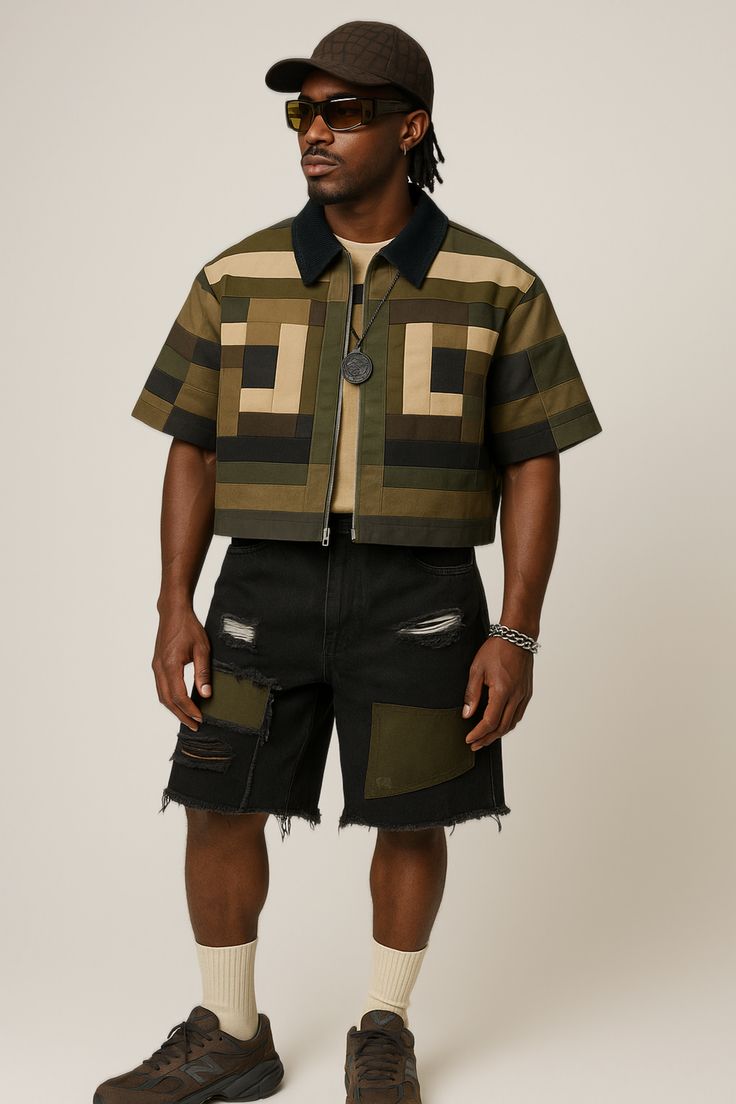
Physical durability concerns a garment’s ability to withstand use. The Ellen MacArthur Foundation identifies strong seams, durable materials, and lasting dyes or prints as design choices that support a longer working life. Emotional durability concerns whether people continue to find an item relevant and desirable. The two ideas answer different questions: can the garment still be worn, and does someone still want to wear it?
A technically sound item does not automatically retain its place in a wardrobe. Nor does a strong attachment prevent material deterioration. Considering longevity across both dimensions avoids treating construction as the whole story or assuming affection can indefinitely compensate for failing fabric.
The foundation identifies history, meaning, rarity and timelessness as possible contributors to emotional durability. These are potential explanations for continued desirability, not a universal account of why people keep their clothes. For any individual garment, the answer remains a question of reporting. Its owner might explain when it became useful, whether its role changed over the years, and why they keep choosing it. Without that testimony, describing a garment as a personal uniform or a symbol of resistance supplies an interpretation rather than establishing one.
Keeping Clothes in Use Takes Work

The word maintenance brings less conspicuous activity into the discussion: cleaning, storage, alterations and repairs. The Ellen MacArthur Foundation includes these practices in its account of how clothing can retain its actual and perceived value. Continued use is therefore not simply an owner’s decision. It can depend on services, information, and practical skills that fashion conversations often overlook when they focus mainly on the purchase.
The foundation’s case study of Clothes Doctor illustrates one approach to making that infrastructure available. The business offers professional alterations and repairs, along with products and guidance for cleaning, storing, and repairing garments at home. The foundation presents this combination as a way to make clothing care and extended use more accessible to people without specialist skills or equipment.
The example does not establish that every repair is affordable or every item recoverable. It identifies something more specific: an infrastructure of care around the garment, one that treats maintenance as a service rather than an incidental task the owner figures out alone. Asking why someone keeps wearing an item is only part of the inquiry. Another part concerns what makes that choice practicable, and who performs the work that makes it so.
Accra: Repair, Resale and Remaking Are Different Activities
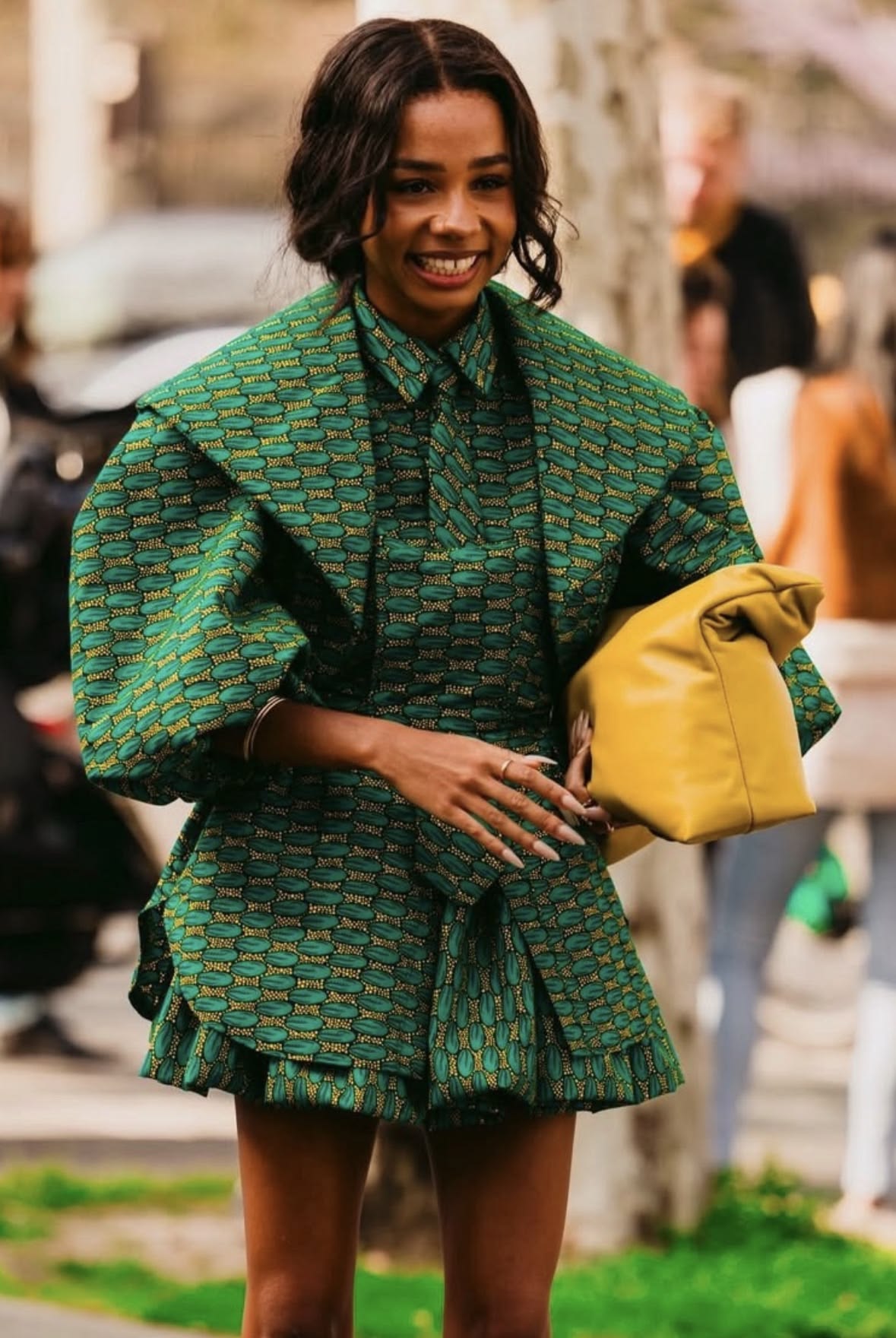
The Or Foundation’s published accounts bring clothing workers in Accra directly into view. In a May 2026 report involving the Kantamanto Women’s Association, the organisation described women’s work in reselling, repairing and upcycling garments. Team biographies also identify practitioners with experience repurposing secondhand clothing and rehabilitating accessories, including hats and eyewear. These are the foundation’s accounts of particular people and activities, not an independent survey of everyone working in Kantamanto.
These activities belong in a discussion of continued use, but they shouldn’t be collapsed into a single category. Repair returns a faulty or broken item to a usable condition. Resale moves an existing item to another owner. Remaking changes the product rather than simply restoring its previous function. Those distinctions matter because they describe different relationships with the garment, different skills, and different kinds of value.
That distinction also marks the limit of a purely wardrobe-centred story. A garment can leave one owner and continue to be used by another. Further work can give it an entirely different form. The Accra examples do not establish why an individual repeats an outfit. They show documented skills and labour through which clothing and accessories can remain in circulation, and they broaden the subject from attachment alone to the people who make further use possible.
Repair Does Not Have to Erase Its Evidence
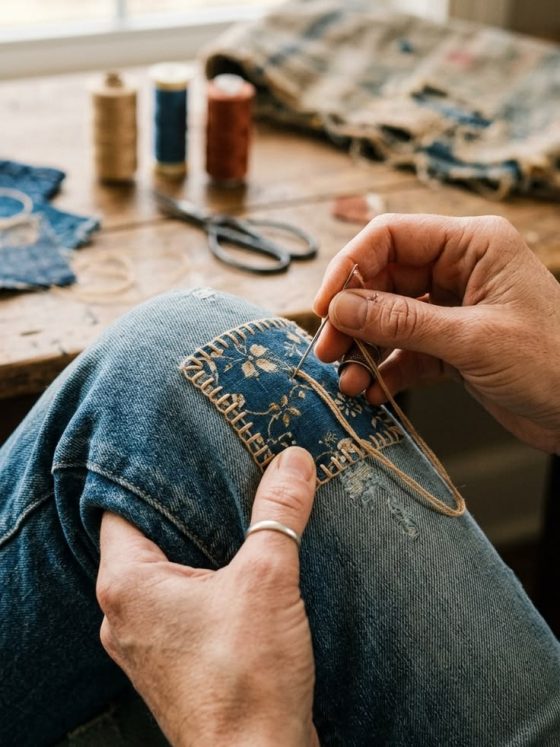
One possible aim of repair is to make damage difficult to detect. Visible mending offers another approach, and it has found a receptive audience in recent years. In describing a 2023 workshop, London’s Victoria and Albert Museum explained how darning can repair knitted garments by fixing holes or creating patches to extend wear. Participants were invited to work on their own garments or practise visible-mending techniques on sample patches.
The example expands what repair can mean aesthetically. Continued use does not require an item to look untouched; the intervention itself can remain apparent, even celebrated. Whether a wearer finds those stitches attractive, practical or unsuitable is a separate question. The workshop documents a technique and an approach, not a shared emotional response to repaired clothes.
Visible mending shifts a garment’s life story from concealment to legibility. The repair becomes part of the object’s history rather than a correction to be hidden. This creates a different relationship with both the garment and the idea of wear itself. For Omiren’s related discussion of how objects carry documented histories, see “What a Museum Record Can and Cannot Tell Us About Dress”.
Attachment Is Not an Environmental Calculation
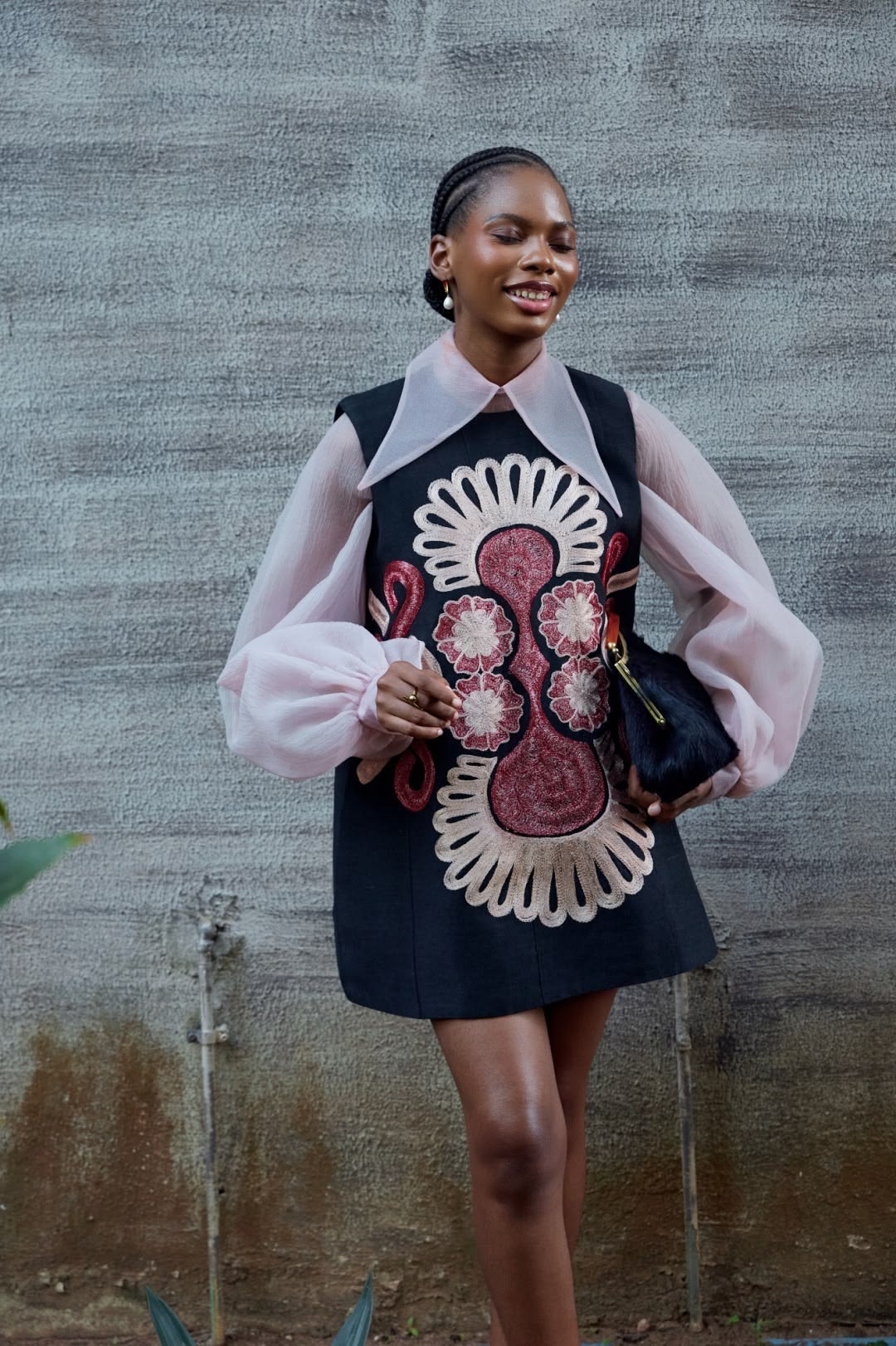
The Ellen MacArthur Foundation connects durability and longer use with the potential of circular-fashion business models. Its framework argues for products designed to remain useful and desirable over time, with care, repair and resale built into the system rather than left to individual resourcefulness.
That does not make attachment, repair and environmental outcomes interchangeable findings. The sources examined here do not establish the impact of an individual wardrobe, what purchases repeated wear displaced, or how particular garments were maintained over their lifetimes. A cultural account can examine why clothes remain meaningful without assigning unmeasured environmental savings to that meaning.
Equally, an account of repair can recognise skilled work without assuming sustainability was every worker’s or customer’s motive. The women working in Kantamanto are doing economic and creative work. Their labour extends the life of clothing, but attributing an environmental purpose to that work requires evidence beyond the fact that the items are reused. Precision here protects against flattening genuinely varied motivations into a single narrative.
Beyond the Moment of Purchase
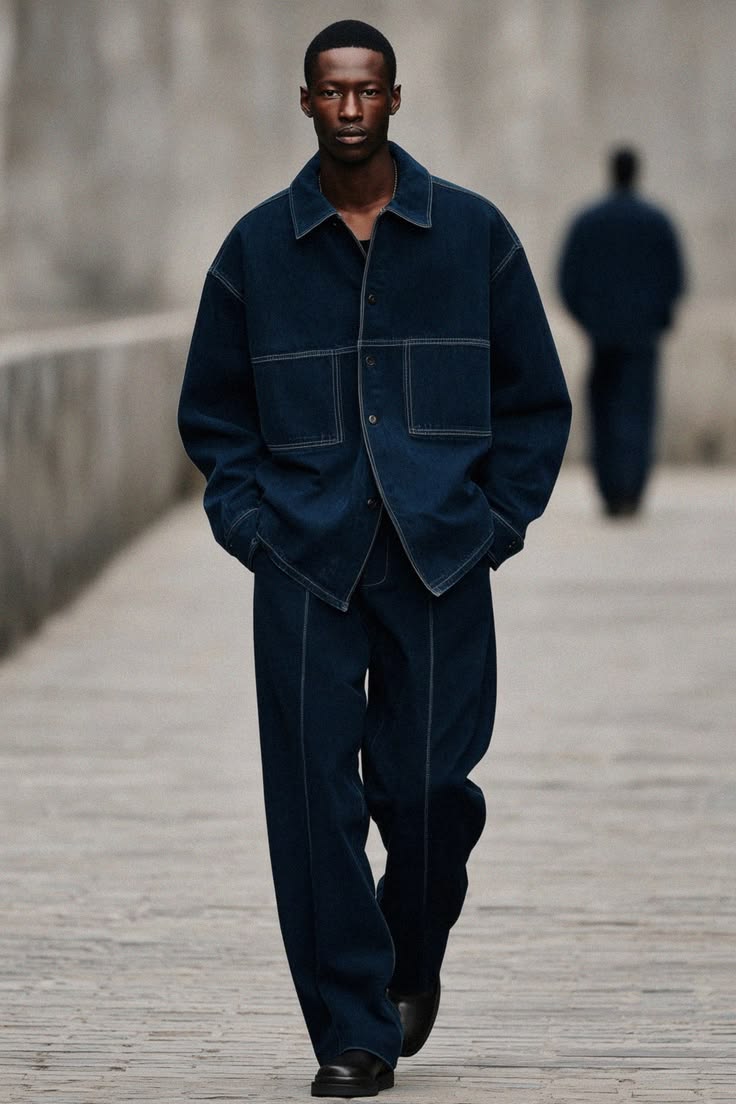
Looking at clothing through continued use shifts the emphasis. The purchase becomes a beginning rather than the whole story, and what follows is often more varied, more labour-intensive, and more interesting than the transaction that started it.
Material durability enables further wear. Continued desirability gives someone a reason to choose the item again. Care and repair can support both, while resale and remaking create routes into another person’s use. A fuller account of the clothes we return to therefore needs more than a description of their appearance. It needs to recognise the work that keeps them wearable, and distinguish that documented work from the personal meanings only their wearers can explain.
The gap between those two things, what can be documented and what can only be testified to, is worth keeping visible. It is not a limit that prevents the story from being told. It is the honest shape of what any careful account of clothing and continued use looks like.
For more on how design choices communicate value over time, see Omiren’s feature “A Collection Is Not a Campaign: How to Read Fashion’s Different Presentations”. For context on repair and care as cultural practices across West Africa, see “Kantamanto and the Question of Value: What Fashion’s Waste Debate Misses”.
Also Read:
- “What a Museum Record Can and Cannot Tell Us About Dress” — how documented descriptions establish what they establish and where they stop.
- “Kantamanto and the Question of Value: What Fashion’s Waste Debate Misses” — a companion piece on the labour and value systems at work in Accra.
- “A Collection Is Not a Campaign: How to Read Fashion’s Different Presentations” — on how fashion presents itself versus what it actually documents.
For primary material, consult the Ellen MacArthur Foundation’s “Design Products to Be Used More and for Longer”, the V and A’s visible-mending workshop description and the Or Foundation’s published accounts of the Kantamanto Women’s Association.
Frequently Asked Questions
Is emotional durability the same as strong construction?
No. Physical durability concerns continued functionality: whether a garment can still be worn. Emotional durability concerns whether an item remains relevant and desirable to its user. Neither condition alone establishes that a garment will continue to be worn. A well-constructed item may lose its place in a wardrobe; a beloved one may become unwearable through wear. Both dimensions need attention.
Are repair and resale the same way of extending use?
No. Repair restores an existing garment’s usability for its current owner. Resale transfers an existing product to another owner. Remaking changes to the product rather than simply restoring it. All three can support continued use, but they involve different activities, skills, and relationships with the item. Keeping those distinctions clear is part of what makes an account of clothing longevity useful.
Does choosing to repair clothing have an environmental impact?
The sources examined here do not establish the environmental impact of individual repair decisions. The Ellen MacArthur Foundation connects longer product use with circular-fashion goals at the systemic level, but this article does not calculate or claim specific environmental savings from individual wardrobe choices. Attributing measured environmental outcomes to personal attachment or repair requires evidence beyond what these sources provide.