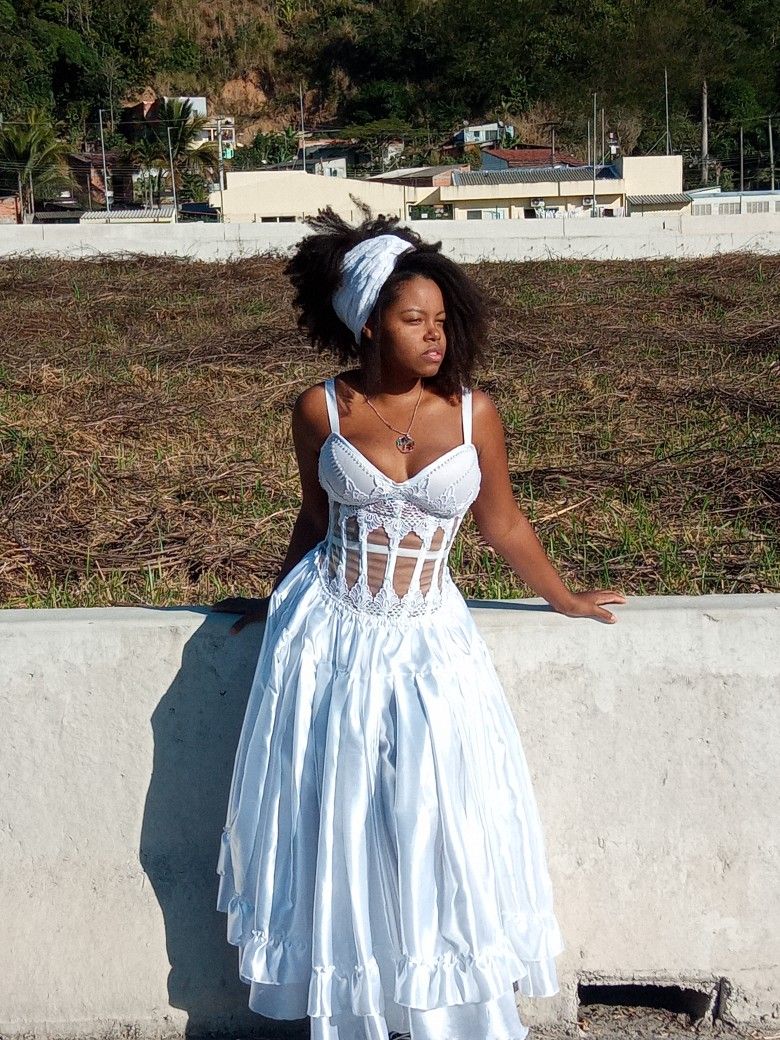
In many Cuban homes where Santería is practised, clothing is prepared with a level of attention that begins long before any ceremony starts. White garments are washed carefully and set aside. Beads are arranged according to spiritual association. Headwraps are folded and stored with intention, not as accessories but as ritual items. Within Regla de Ocha, commonly known as Santería, clothing is part of a structured spiritual system in which dress, colour, and material choices carry defined meanings linked to Yoruba-derived religious practice.
In Cuba, Santería dress culture does not function as an aesthetic expression. It operates through ritual obligation, spiritual alignment, and ceremonial discipline. The garments worn in these contexts are shaped by religious logic that has survived adaptation across centuries, maintaining continuity through practice rather than display.
Santería dress in Cuba is shaped by Yoruba spiritual systems, white ritual clothing, beads, and ceremonial headwraps as part of a living religious practice.
White Cloth and Ritual Discipline
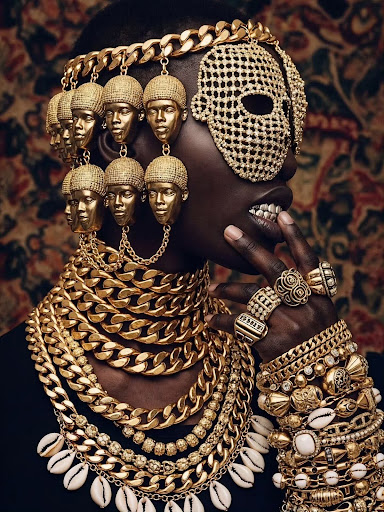
White clothing holds a central place in Santería practice. It is commonly worn during initiations, ceremonies, and periods of spiritual cleansing. The use of white is not decorative. It is tied to ideas of purification, respect, and alignment with spiritual requirements.
Loose-fitting dresses, shirts, trousers, skirts, and head coverings are chosen for their ability to support both ritual discipline and physical participation. Ceremonies often involve movement, drumming, singing, and group interaction, meaning garments must function within active spaces.
During initiation periods, practitioners may consistently wear white for extended periods. This creates a visible marker of spiritual transition, but its meaning remains internal to the religious system rather than externally symbolic.
The repetition of white across Santería spaces reflects continuity within Yoruba-derived spiritual logic, which was adapted into Cuban religious life without losing its structural meaning.
Beads, Colours, and Spiritual Mapping
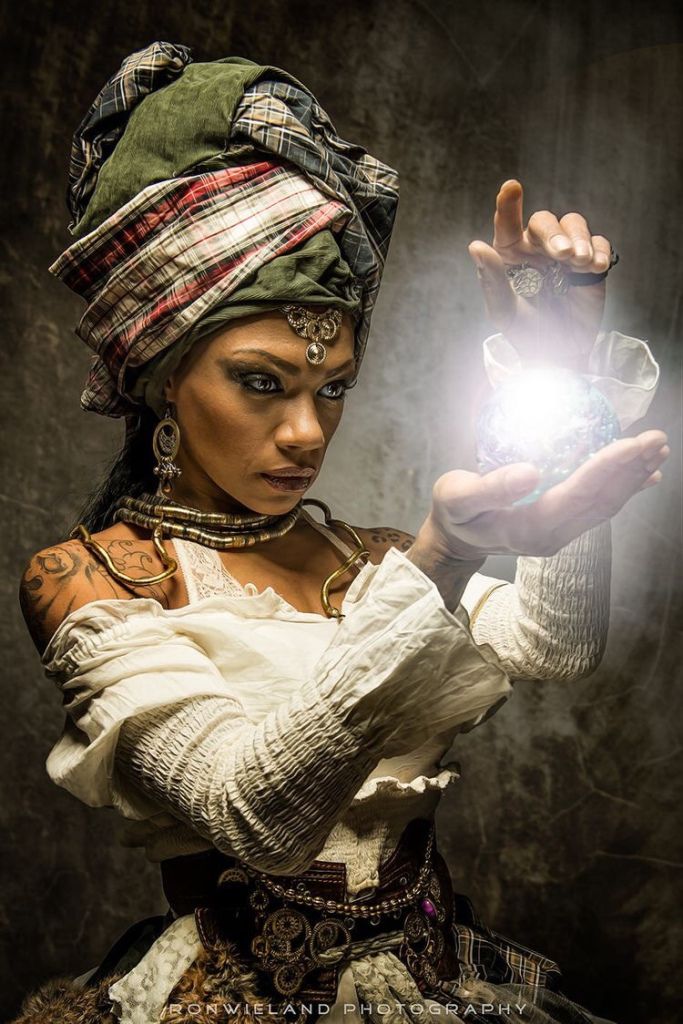
Beads in Santería operate as a structured system of spiritual identification. They are not decorative jewellery. Each colour combination corresponds to a specific Orisha, and practitioners wear them according to initiation level, spiritual relationship, or ritual responsibility.
Blue, white, red, yellow, green, and multicoloured combinations are used in precise configurations. These combinations are not interchangeable. Their meaning is governed by religious knowledge passed through initiation and community instruction.
Beads may be worn on the neck or wrist, or integrated into ceremonial dress, depending on context. They function as a form of spiritual mapping, connecting the wearer to specific Orisha and ritual obligations.
This system reflects continuity with Yoruba spiritual traditions, adapted into Cuban religious life through generations of practice.
ALSO READ:
- Jamaican Designers Building a Fashion Identity on Their Own Terms
- Havana Streetwear: Vintage Economy, Son Culture, and Afrocentric Self-Expression
Headwraps and Ceremonial Structure
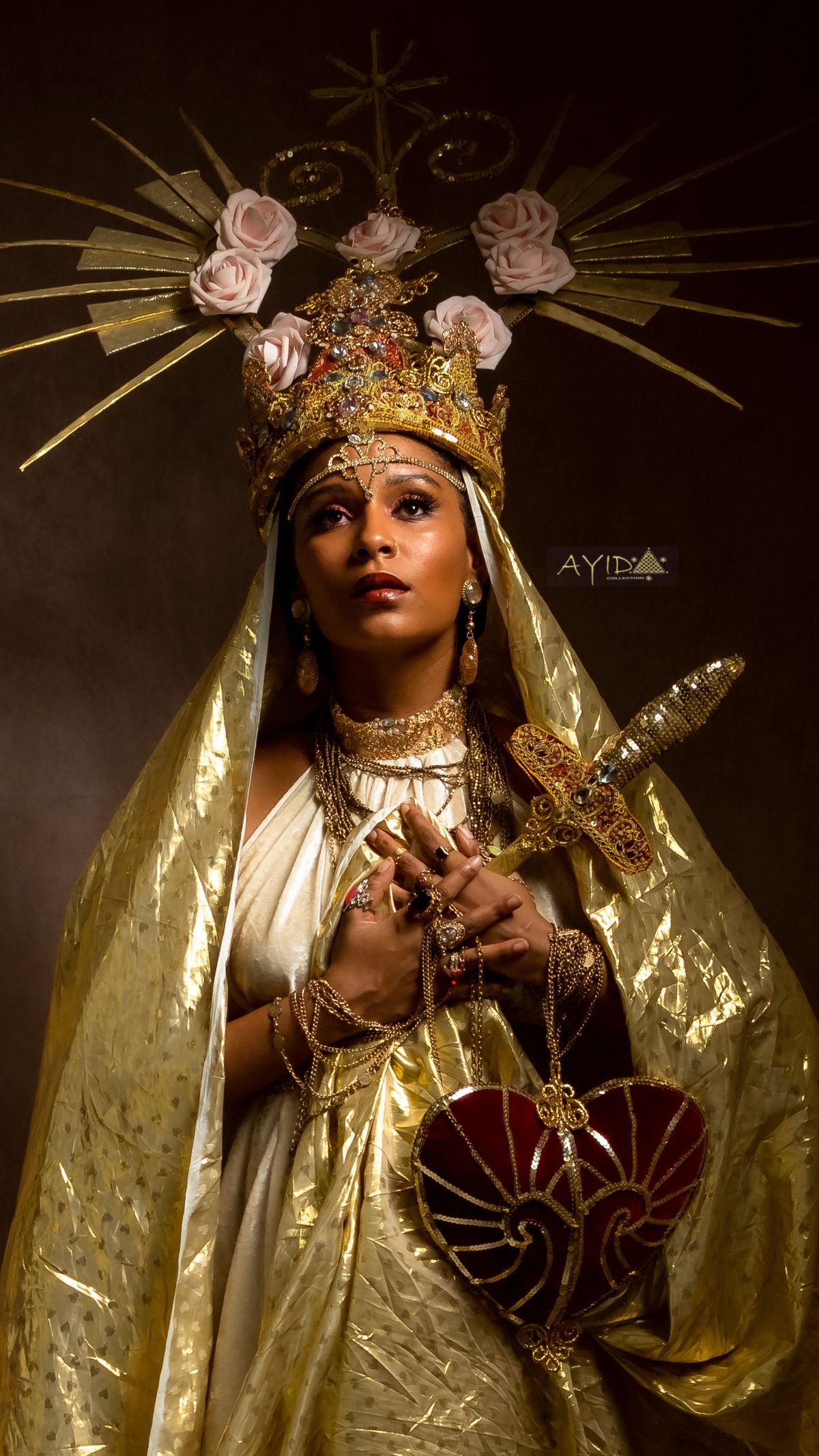
Headwraps play an important role in Santería dress culture. They are tied with care and used in both practical and ceremonial contexts. Their structure supports ideas of respect, containment, and spiritual order.
In many ceremonies, headwraps are worn alongside white garments, creating a unified visual field that reflects discipline and participation. The wrapping of the head is not merely cultural styling. It is part of ritual preparation and identity within the spiritual system.
Different tying methods and styles may be used depending on ritual context, lineage, or ceremonial role. The meaning of the headwrap is therefore determined by practice rather than appearance alone.
Material Continuity and Adaptation
Santería dress culture in Cuba reflects both continuity and adaptation. While core Yoruba-derived principles remain intact, materials used in contemporary practice may vary depending on availability and economic conditions.
Imported fabrics, locally produced textiles, and adapted garments are all used within ceremonial life. What remains consistent is not material origin but ritual structure. Clothing continues to function according to the same spiritual logic regardless of its source.
This adaptability has allowed Santería dress systems to persist through changing economic and political conditions in Cuba, maintaining continuity through practice rather than fixed material forms.
The Omiren Argument
Santería dress in Cuba is often misunderstood by external interpretations that frame it as a symbolic costume or a cultural aesthetic, detached from its religious structure. This view separates clothing from the spiritual system that gives it meaning, reducing ritual garments to mere visual markers.
In reality, Santería clothing functions as part of a structured Yoruba-derived spiritual system that governs colour, materials, and dress practices through initiation, ritual discipline, and ceremonial participation. The survival of these dress traditions in Cuba is not based on visual preservation but on continued religious practice that maintains the internal logic of clothing within a living spiritual system.
FAQs
- What is Santería dress culture based on?
It is based on Yoruba-derived religious traditions that structure clothing through ritual, colour systems, and spiritual practice.
- Why is white important in Santería clothing?
White represents purification, discipline, and spiritual alignment within ceremonial and initiatory contexts.
- Are Santería beads decorative?
No. Beads carry specific spiritual meanings associated with the Orisha and are worn according to religious instruction.
- Do practitioners wear ceremonial clothing daily?
Some elements, such as beads, may be worn regularly, but full ceremonial dress is context-specific.
- Is Santería dress the same across Cuba?
Core principles remain consistent, but materials and styles may vary depending on community and availability.