Menu
  • African Style
    • Designers & Brands
    • Street Fashion in Africa
    • Traditional to Modern Styles
    • Cultural Inspirations
  • Fashion
    • Trends
    • African Designers
    • Afro-Latin American
    • Caribbean Designers
    • Street Style
    • Sustainable Fashion
    • Diaspora Connects
  • Beauty
    • Skincare
    • Makeup
    • Hair & Hairstyle
    • Fragrance
    • Beauty Secrets
  • Lifestyle
    • Culture & Arts
    • Travel & Destination
    • Celebrity Style
    • Luxury Living
    • Home & Decor
  • News
    • Cover Stories
    • Designer Spotlight
    • Fashion Weeks
    • Style Icons
    • Rising Stars
    • Opinion & Commentary
  • Women
    • Women’s Style
    • Health & Wellness
    • Workwear & Professional
    • Evening Glam
    • Streetwear for Women
    • Accessories & Bags
  • Shopping
    • Fashion finds
    • Beauty Picks
    • Gift Guides
    • Shop the Look
  • Events
    • Fashion Week Coverage
    • Red Carpet & Galas
    • Weddings
    • Industry Events
    • Omiren Styles Special Features
  • Men
    • Men’s Style
    • Grooming Traditions
    • Menswear Designers
    • Traditional & Heritage
    • The Modern African Man
  • Diaspora
    • Designers
    • Culture
  • Industry
    • Insights
    • Investment
    • Partnerships
    • Retail
    • Strategy
🌐 EN
Subscribe
OMIREN STYLES OMIREN STYLES

Fashion · Culture · Identity

OMIREN STYLES OMIREN STYLES OMIREN STYLES OMIREN STYLES
  • Fashion
    • Africa
    • Caribbean
    • Latin America
    • Trends
    • Street Style
    • Sustainable Fashion
    • Diaspora Connects
  • Culture
    • Textiles
    • Cultural Inspirations
  • Designers
    • African Designers
    • Caribbean Designers
    • Afro-Latin American
    • Emerging Talent
    • Interviews
  • Beauty
    • Skincare
    • Makeup
    • Fragrance
    • Beauty Traditions
  • Women
    • Women’s Style
    • Evening Glam
    • Streetwear for Women
  • Men
    • Men’s Style
    • Grooming Traditions
    • The Modern African Man
    • Menswear Designers
  • Diaspora
    • Diaspora Voices
    • UK Scene
    • US Scene
    • Caribbean Diaspora
    • Afro-Latino Identity
  • Industry
    • Strategy
    • Investment
    • Retail
    • Insights
    • Partnerships
  • News
    • Cover Stories
    • Fashion Weeks
    • Style Icons
    • Rising Stars
  • Cultural Inspirations

What Clothing Means Before It Is Worn: The Cultural Life of Garments

  • Fathia Olasupo
  • April 22, 2026
Total
0
Shares
0
0
0

Most fashion conversations begin at the point of wearing. The focus is on styling, fit, and how a garment is perceived when it appears in public.

This approach overlooks a more fundamental reality. Clothing does not begin when it is worn. It begins earlier, at the point of design, intention, and cultural positioning.

By the time a garment reaches the body, it already carries meaning. It has been shaped by decisions about who it is for, what it represents, and how it should exist in the world.

Understanding fashion at this level requires shifting attention away from appearance alone and toward what garments are before they are used.

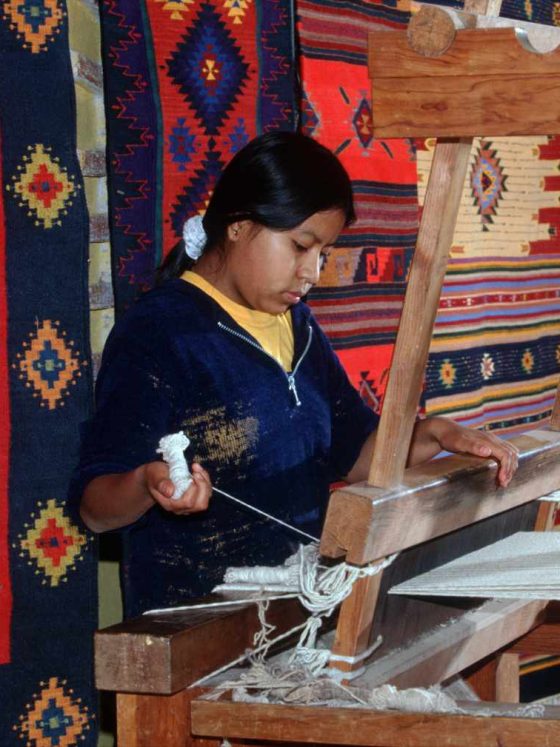
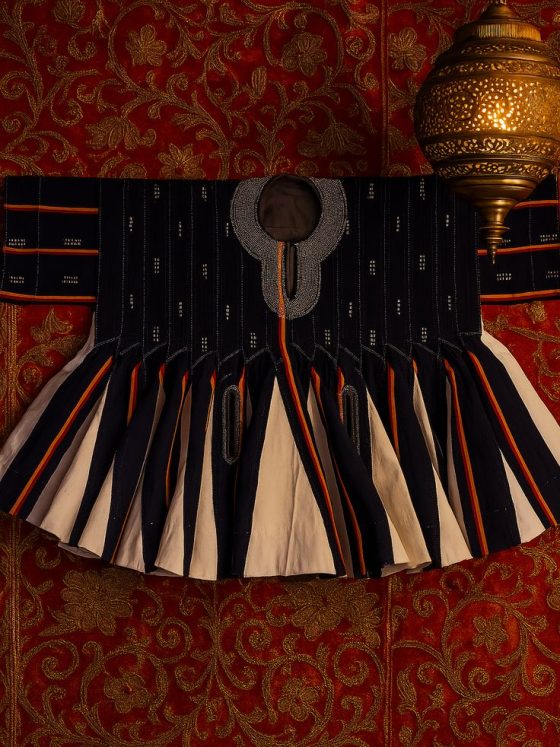
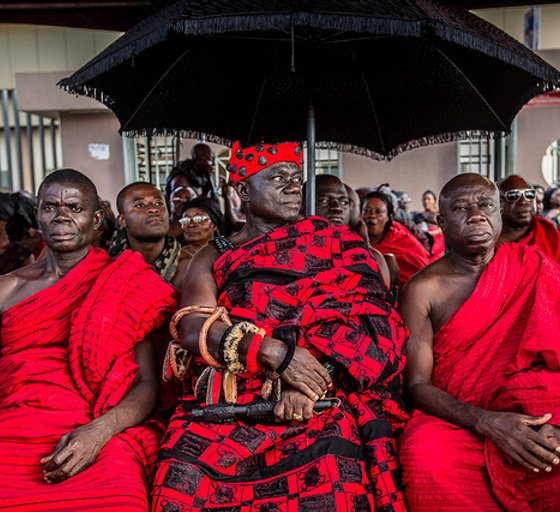
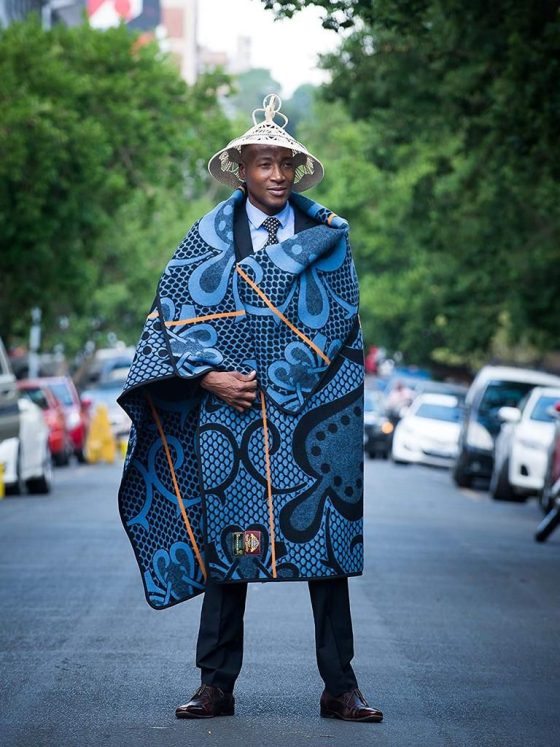
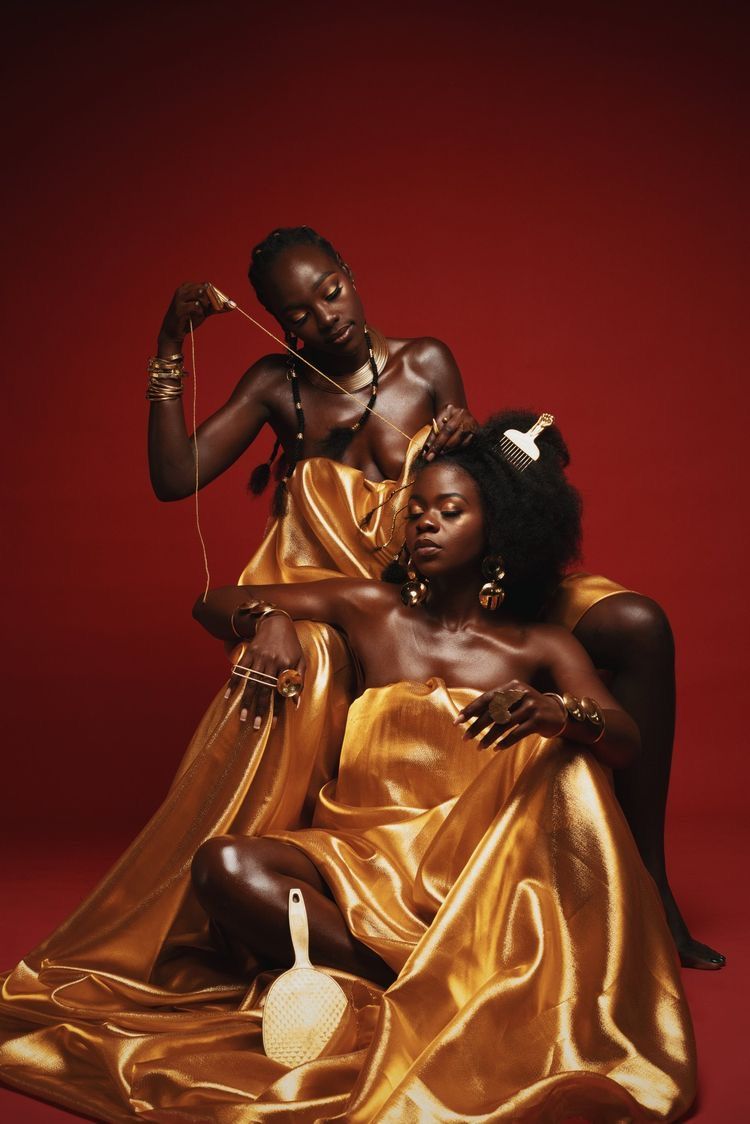
Clothing carries meaning before it is worn. Explore how culture, history, and design shape garments long before they reach the body.

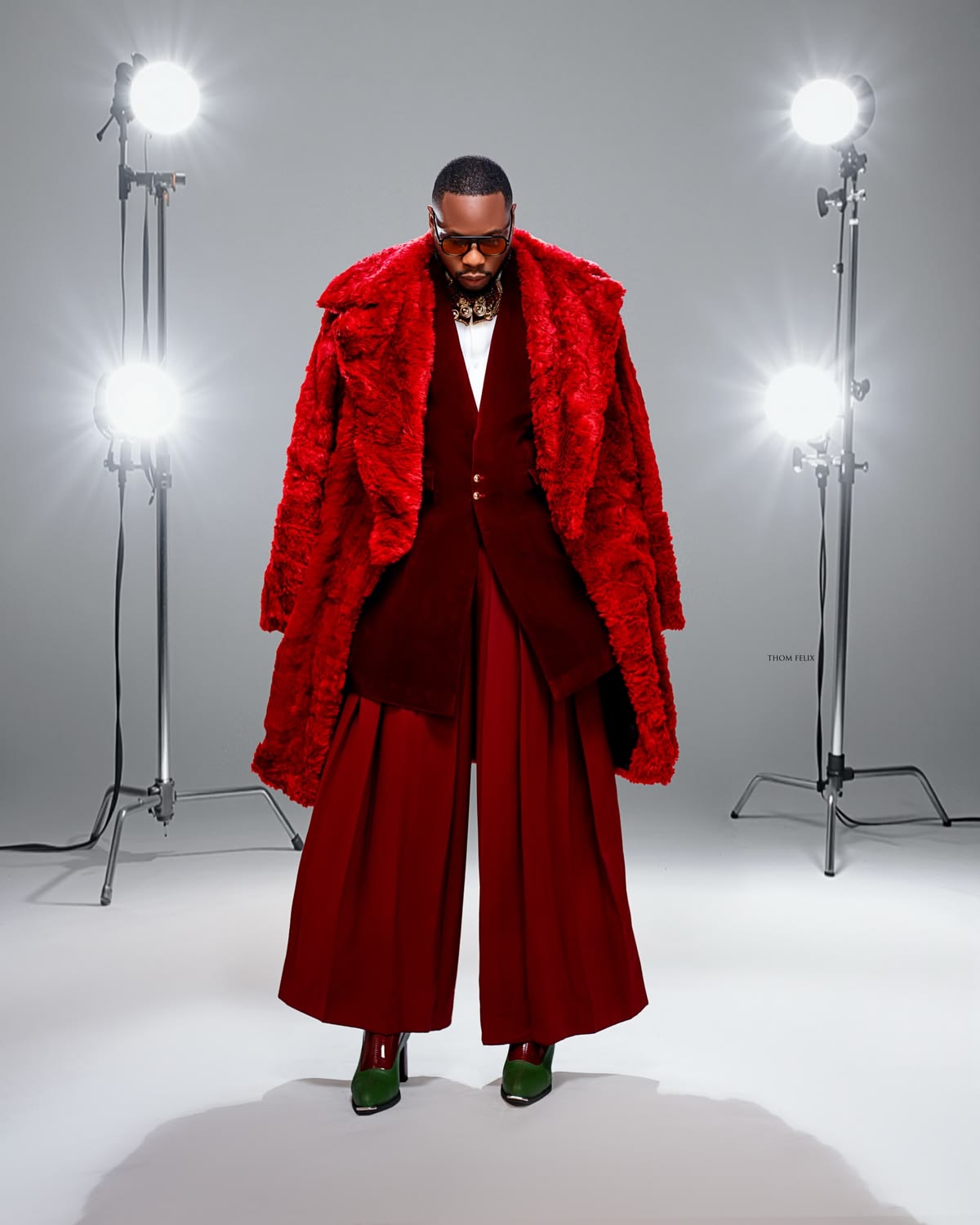
Garments as Constructed Meaning
Garments as Constructed Meaning

A garment is not a neutral object. It is the result of a process that embeds meaning into form.

Every element, fabric, cut, structure, and finish reflects a set of decisions. These decisions are influenced by culture, environment, and the designer’s intent.

Designers like Thebe Magugu approach clothing as a narrative tool. His collections often engage directly with history and social context, ensuring that meaning is not an afterthought but a foundation.

Similarly, Kenneth Ize works with materials and processes, creating garments that reflect specific methods of making and cultural origins.

In both cases, the garment is already defined before it is worn. It carries a position, not just a shape.

The Pre-Existing Language of Clothing

Certain garments communicate immediately because their meanings are widely understood. This happens because clothing functions within a shared visual language.

A tailored suit suggests formality and authority. A ceremonial garment signals significance and occasion. A uniform defines role and function.

The wearer does not create these meanings. They exist before the act of dressing.

Designers such as Grace Wales Bonner work within this language while expanding it. Her collections draw from cultural memory and intellectual reference, allowing garments to communicate on multiple levels.

Stella Jean also builds meaning directly into design, using clothing to reflect specific histories rather than abstract inspiration.

In these cases, garments do not wait to be interpreted. They arrive with meaning already structured into them.

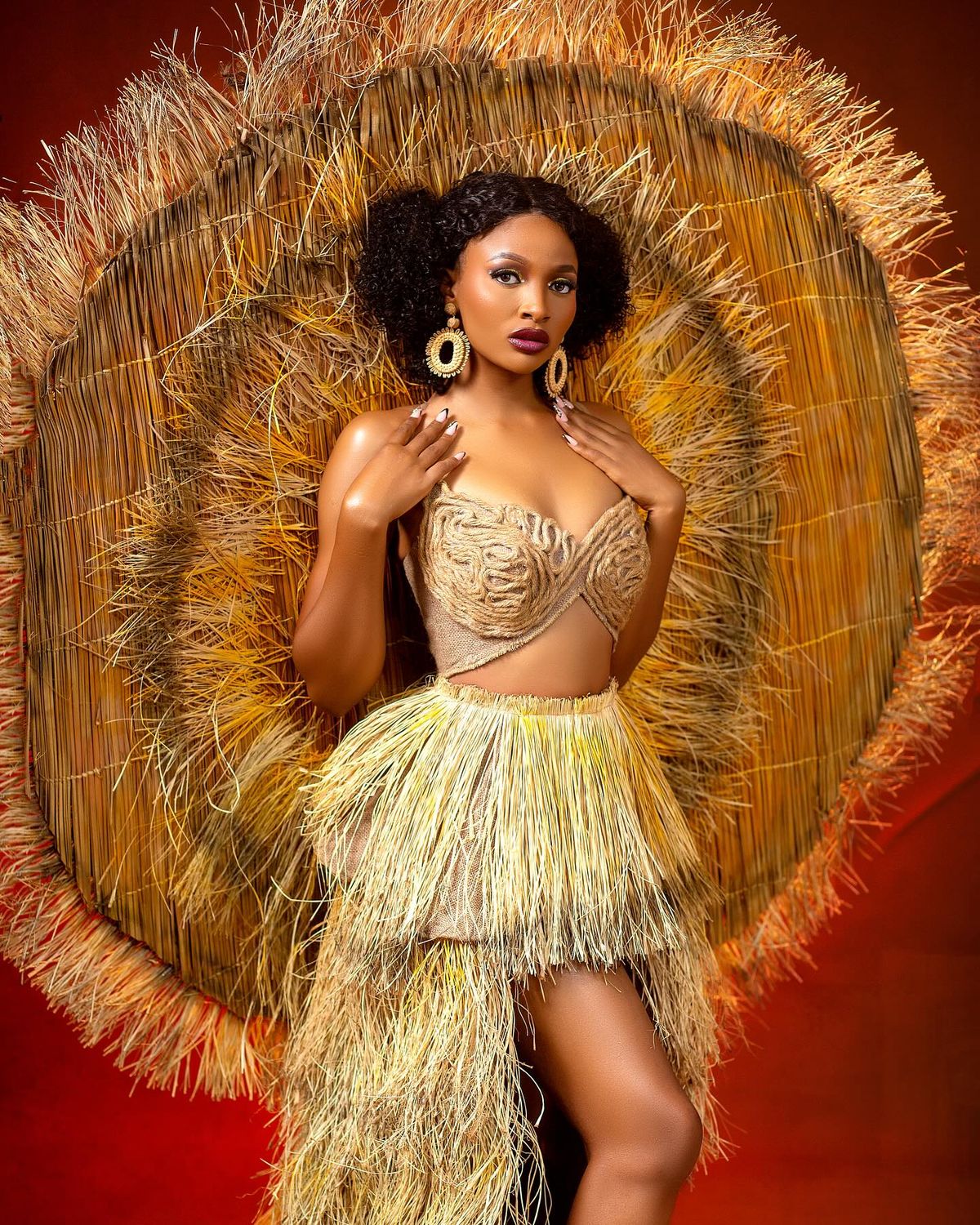
Movement Across Contexts and the Shift of Meaning
Movement Across Contexts and the Shift of Meaning

When garments move beyond their original context, their meaning can shift.

A piece designed within a specific cultural or social framework may be understood differently when introduced to a global audience. The visual elements remain, but the depth of meaning may not transfer fully.

Designers operating within global systems often navigate this tension. Olivier Rousteing, for example, presents work to an international audience where cultural references are constantly reinterpreted.

In contrast, Wales Bonner maintains a strong emphasis on context, ensuring that garments are presented with intellectual and cultural clarity.

This contrast shows that visibility alone is not enough. Without context, meaning can become reduced or misread.

Design as Responsibility

If garments carry meaning before they are worn, then design is not only a creative act. It is a responsible one.

Designers are not simply producing clothing. They are shaping how ideas, histories, and identities are expressed and understood.

Kerby Jean-Raymond has consistently used fashion as a medium for cultural and historical storytelling, embedding clear messages into his collections.

Similarly, Telfar Clemens has built a brand that communicates ideas about accessibility, community, and ownership.

In both cases, the garments carry an intention that exists independently of how they are worn. The meaning is already present.

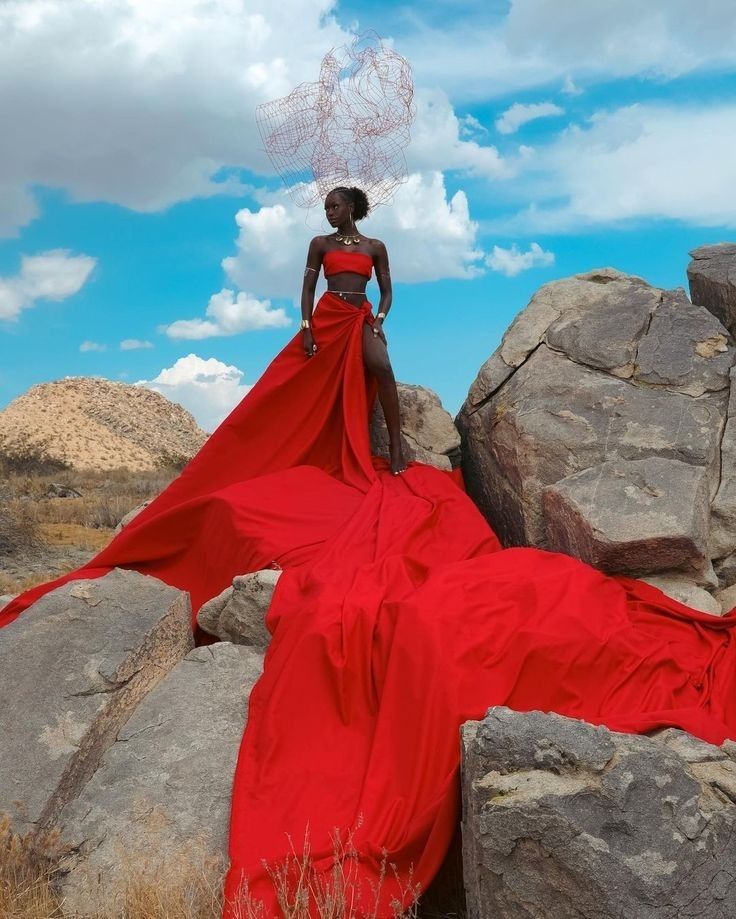
Wearing as Interpretation, Not Creation

Wearing a garment does not create its meaning from nothing. Instead, it activates or engages with what already exists.

The wearer participates in the garment’s meaning. They may reinforce it, adjust it, or place it in a new context, but they are not starting from a blank slate.

This perspective shifts the understanding of style. It is no longer only about personal expression. It becomes a relationship between what the garment represents and how it is used.

READ MORE:

  • Why Fit Is the Most Underrated Language in Fashion
  • Why Fashion Needs Critics, and What Happens When It Doesn’t Have Them

Why This Perspective Matters Now
Wearing as Interpretation, Not Creation

In a fast-moving fashion environment, garments are often consumed quickly, with limited attention to their origin or meaning.

However, as more designers emphasise narrative and context, there is a growing need for deeper engagement. Understanding what clothing represents before it is worn allows for more informed and intentional interaction with fashion.

It moves the conversation beyond appearance and into interpretation.

Meaning Precedes Use

Clothing does not begin when it is worn. It begins earlier, through intention, design, and cultural context.

By the time a garment reaches the body, it already carries a defined position. It already communicates something.

Recognising this changes how fashion is approached. It shifts attention from surface-level observation to deeper understanding.

Fashion is not only about what is seen. It is about what has already been said before the garment is ever worn.

FAQs

  1. What does clothing represent before it is worn?

Clothing carries cultural, social, and design meanings that exist before it is used or styled.

  1. How do designers add meaning to garments?

Through design choices, materials, references, and the concepts behind their collections.

  1. Why is context important in fashion?

Context helps preserve the original meaning of garments and prevents misinterpretation.

  1. Does wearing clothes create meaning?

Wearing engages with existing meaning rather than creating it entirely from scratch.

  1. Can clothing lose its meaning over time?

Yes. When removed from its original context, meaning can shift or become less clear.

Post Views: 40
Total
0
Shares
Share 0
Tweet 0
Pin it 0
Related Topics
  • clothing cultural meaning
  • fashion anthropology
  • textile symbolism
Fathia Olasupo

olasupofathia49@gmail.com

You May Also Like
Why Originality in Fashion Is Overrated and What Actually Drives Style Forward
View Post
  • Cultural Inspirations

Why Originality in Fashion Is Overrated and What Actually Drives Style Forward

  • Fathia Olasupo
  • April 23, 2026
​​Civilisational Framing Shewa Oromo Cultural Clothing: The Living Governance Document Worn Across the Ethiopian
View Post
  • Cultural Inspirations

​​Civilisational Framing Shewa Oromo Cultural Clothing: The Living Governance Document Worn Across the Ethiopian

  • Meseret Zeleke
  • April 20, 2026
Five Traditional Hausa Women's Styles and the Silence That Speaks in Every Fold
View Post
  • Cultural Inspirations

Five Traditional Hausa Women’s Styles and the Silence That Speaks in Every Fold

  • Ayomidoyin Olufemi
  • April 20, 2026
Raffia Costume: The Sacred Dress of Pan-Liberian Ritual and Why Spirits Wear It
View Post
  • Cultural Inspirations

Raffia Costume: The Sacred Dress of Pan-Liberian Ritual and Why Spirits Wear It

  • Rex Clarke
  • April 17, 2026
What Jamaica Kept: The African Fabrics and Head-Tie Traditions That Survived the Middle Passage
View Post
  • Cultural Inspirations
  • Diaspora Connects

What Jamaica Kept: The African Fabrics and Head-Tie Traditions That Survived the Middle Passage

  • Ayomidoyin Olufemi
  • April 16, 2026
The East African Anchor: The Evolution of the Kanzu
View Post
  • Cultural Inspirations
  • Traditional & Heritage

The East African Anchor: The Evolution of the Kanzu

  • Faith Olabode
  • April 15, 2026
Top 5 Igbo Traditional Bridal Looks for Igba Nkwu in 2026
View Post
  • Cultural Inspirations
  • Weddings

Top 5 Igbo Traditional Bridal Looks for Igba Nkwu in 2026

  • Rex Clarke
  • April 15, 2026
Akwete Styles for Igbo Women
View Post
  • Cultural Inspirations

Top 5 Akwete Styles for Igbo Women

  • Adams Moses
  • April 14, 2026

Leave a Reply Cancel reply

Your email address will not be published. Required fields are marked *

The Omiren Argument

African fashion and culture are not emerging. They are foundational. We document, interpret, and argue for the full cultural weight of African and diaspora dress. With precision. Without apology.

Omiren Styles Fashion · Culture · Identity

All 54 African Nations
Caribbean · Afro-Latin America
The Global Diaspora

Platform

  • About Omiren Styles
  • Our Vision
  • Our Mission
  • Editorial Pillars
  • Editorial Policy
  • The Omiren Collective
  • Campus Style Initiative
  • Sustainable Style
  • Social Impact & Advocacy
  • Investor Relations

Contribute

  • Write for Omiren Styles
  • Submit Creative Work
  • Join the Omiren Collective
  • Campus Initiative
Contact
contact@omirenstyles.com
Our Reach

Africa — All 54 Nations
Caribbean
Afro-Latin America
Global Diaspora

African fashion intelligence, in your inbox.

Editorial features, designer profiles, cultural commentary. No noise.

© 2026 Omiren Styles — Rex Clarke Global Ventures Limited. All rights reserved.
  • Privacy Policy
  • Editorial Policy
  • Terms of Use
  • Accessibility
Africa · Caribbean · Diaspora
The Omiren Argument

African fashion and culture are not emerging. They are foundational. We document, interpret, and argue for the full cultural weight of African and diaspora dress. With precision. Without apology.

Omiren Styles Fashion · Culture · Identity
  • About Omiren Styles
  • Our Vision
  • Our Mission
  • Editorial Pillars
  • Editorial Policy
  • The Omiren Collective
  • Campus Style Initiative
  • Sustainable Style
  • Social Impact & Advocacy
  • Investor Relations
  • Write for Omiren Styles
  • Submit Creative Work
  • Join the Omiren Collective
  • Campus Initiative
Contact contact@omirenstyles.com

All 54 African Nations · Caribbean
Afro-Latin America · Global Diaspora

African fashion intelligence, in your inbox.

Editorial features, designer profiles, cultural commentary. No noise.

© 2026 Omiren Styles
Rex Clarke Global Ventures Limited.
All rights reserved.

  • Privacy Policy
  • Editorial Policy
  • Terms of Use
  • Accessibility
Africa · Caribbean · Diaspora

Input your search keywords and press Enter.