Menu
  • African Style
    • Designers & Brands
    • Street Fashion in Africa
    • Traditional to Modern Styles
    • Cultural Inspirations
  • Fashion
    • Trends
    • African Designers
    • Afro-Latin American
    • Caribbean Designers
    • Street Style
    • Sustainable Fashion
    • Diaspora Connects
  • Beauty
    • Skincare
    • Makeup
    • Hair & Hairstyle
    • Fragrance
    • Beauty Secrets
  • Lifestyle
    • Culture & Arts
    • Travel & Destination
    • Celebrity Style
    • Luxury Living
    • Home & Decor
  • News
    • Cover Stories
    • Designer Spotlight
    • Fashion Weeks
    • Style Icons
    • Rising Stars
    • Opinion & Commentary
  • Women
    • Women’s Style
    • Health & Wellness
    • Workwear & Professional
    • Evening Glam
    • Streetwear for Women
    • Accessories & Bags
  • Shopping
    • Fashion finds
    • Beauty Picks
    • Gift Guides
    • Shop the Look
  • Events
    • Fashion Week Coverage
    • Red Carpet & Galas
    • Weddings
    • Industry Events
    • Omiren Styles Special Features
  • Men
    • Men’s Style
    • Grooming Traditions
    • Menswear Designers
    • Traditional & Heritage
    • The Modern African Man
  • Diaspora
    • Designers
    • Culture
  • Industry
    • Insights
    • Investment
    • Partnerships
    • Retail
    • Strategy
🌐 EN
Subscribe
OMIREN STYLES OMIREN STYLES

Fashion · Culture · Identity

OMIREN STYLES OMIREN STYLES OMIREN STYLES OMIREN STYLES
  • Fashion
    • Africa
    • Caribbean
    • Latin America
    • Trends
    • Street Style
    • Sustainable Fashion
    • Diaspora Connects
  • Culture
    • Textiles
    • Cultural Inspirations
  • Designers
    • African Designers
    • Caribbean Designers
    • Afro-Latin American
    • Emerging Talent
    • Interviews
  • Beauty
    • Skincare
    • Makeup
    • Fragrance
    • Beauty Traditions
  • Women
    • Women’s Style
    • Evening Glam
    • Streetwear for Women
  • Men
    • Men’s Style
    • Grooming Traditions
    • The Modern African Man
    • Menswear Designers
  • Diaspora
    • Diaspora Voices
    • UK Scene
    • US Scene
    • Caribbean Diaspora
    • Afro-Latino Identity
  • Industry
    • Strategy
    • Investment
    • Retail
    • Insights
    • Partnerships
  • News
    • Cover Stories
    • Fashion Weeks
    • Style Icons
    • Rising Stars
  • Cultural Inspirations

Why Originality in Fashion Is Overrated and What Actually Drives Style Forward

  • Fathia Olasupo
  • April 23, 2026
Why Originality in Fashion Is Overrated and What Actually Drives Style Forward
Total
0
Shares
0
0
0

Fashion often presents itself as an industry driven by originality. Designers are expected to create something new each season, and innovation is treated as the highest form of value.

However, this expectation does not fully reflect how fashion actually works.

Most ideas in fashion are not entirely new. They are reworked, adjusted, and reintroduced in different contexts. What is often described as originality is, in many cases, a refined version of something that already exists.

Understanding this does not reduce the value of design. It clarifies where that value truly lies.

Is originality in fashion overrated? Explore how repetition, influence, and reinterpretation truly shape style and drive fashion forward.

Fashion Moves Through Repetition, Not Reinvention
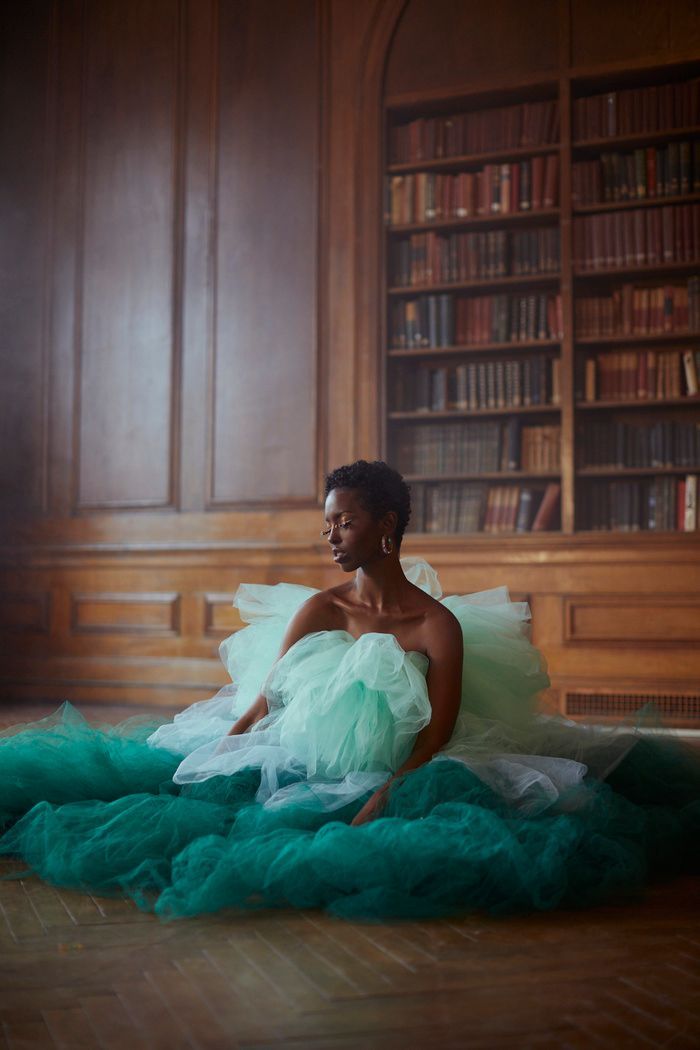
Fashion Moves Through Repetition, Not Reinvention

Fashion develops through cycles of repetition. Silhouettes return, styling methods reappear, and references are continuously revisited.

This repetition is not a limitation. It is the mechanism through which fashion evolves.

Designers build on existing ideas, shifting proportion, material, or context to create something that feels current. The process is less about starting from nothing and more about working within an ongoing visual conversation.

Designers as Editors, Not Just Creators

If originality is not absolute, then the role of the designer changes.

Rather than being seen only as creators, designers can be understood as editors. They select, refine, and reposition ideas. They decide what to keep, what to remove, and what to emphasise.

Designers like Phoebe Philo built influence not by constant reinvention, but by clarity and precision. Her work consistently returned to similar ideas, each time refining them further.

Similarly, Miuccia Prada has revisited themes across decades, adjusting them to reflect changing cultural contexts rather than abandoning them entirely.

Their strength lies not in producing something completely new, but in knowing how to evolve what already exists.

Influence Is the Real Currency of Fashion
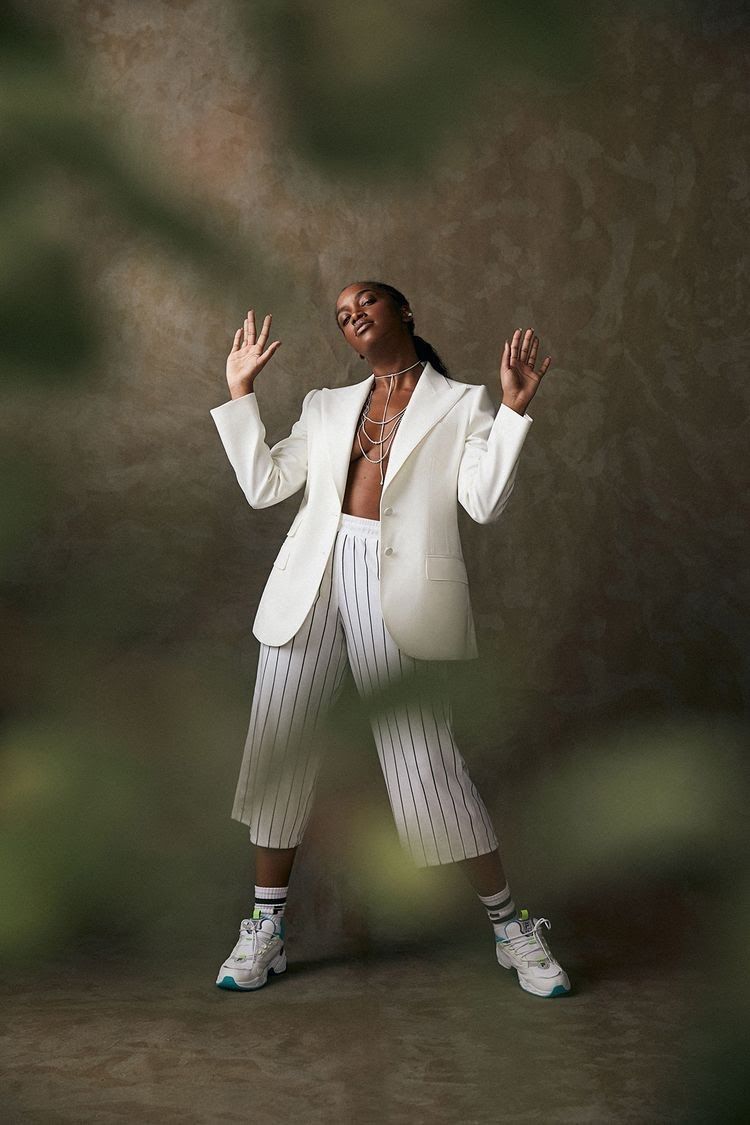
Influence Is the Real Currency of Fashion

Fashion is shaped more by influence than by originality. Ideas move between designers, cities, and cultures, creating a network of shared references.

This movement is constant. A detail seen in one context may reappear in another, slightly altered but still recognisable.

Designers like Virgil Abloh openly acknowledged this process, treating fashion as a space of sampling and reinterpretation. His work demonstrated that influence is not something to hide, but something to work with intentionally.

This approach reflects a broader reality. Fashion is not built in isolation. It is built through exchange and adaptation.

Why the Idea of Originality Persists

Despite this, the idea of originality remains central to how fashion is discussed.

This is partly because newness is easier to market. It creates excitement and drives consumption. It also reinforces the idea that fashion is constantly moving forward.

However, this emphasis can be misleading. It suggests that value comes only from what has never been seen before, rather than from how well something is understood and developed.

When Originality Becomes Limiting

The pressure to be completely original can lead to work that prioritises difference over depth.

Designers may focus on creating something that appears new, even if it lacks coherence or long-term relevance. In contrast, those who work through refinement often produce more consistent and enduring work.

This does not mean that innovation is unnecessary. It means that innovation is more effective when it is grounded in understanding rather than novelty.

READ ALSO:

  • Dressed to Lead: How Heads of State Use Fashion as an Instrument of Soft Power
  • How to Develop a Signature Style That Has Nothing to Do With Trends

What Actually Moves Fashion Forward
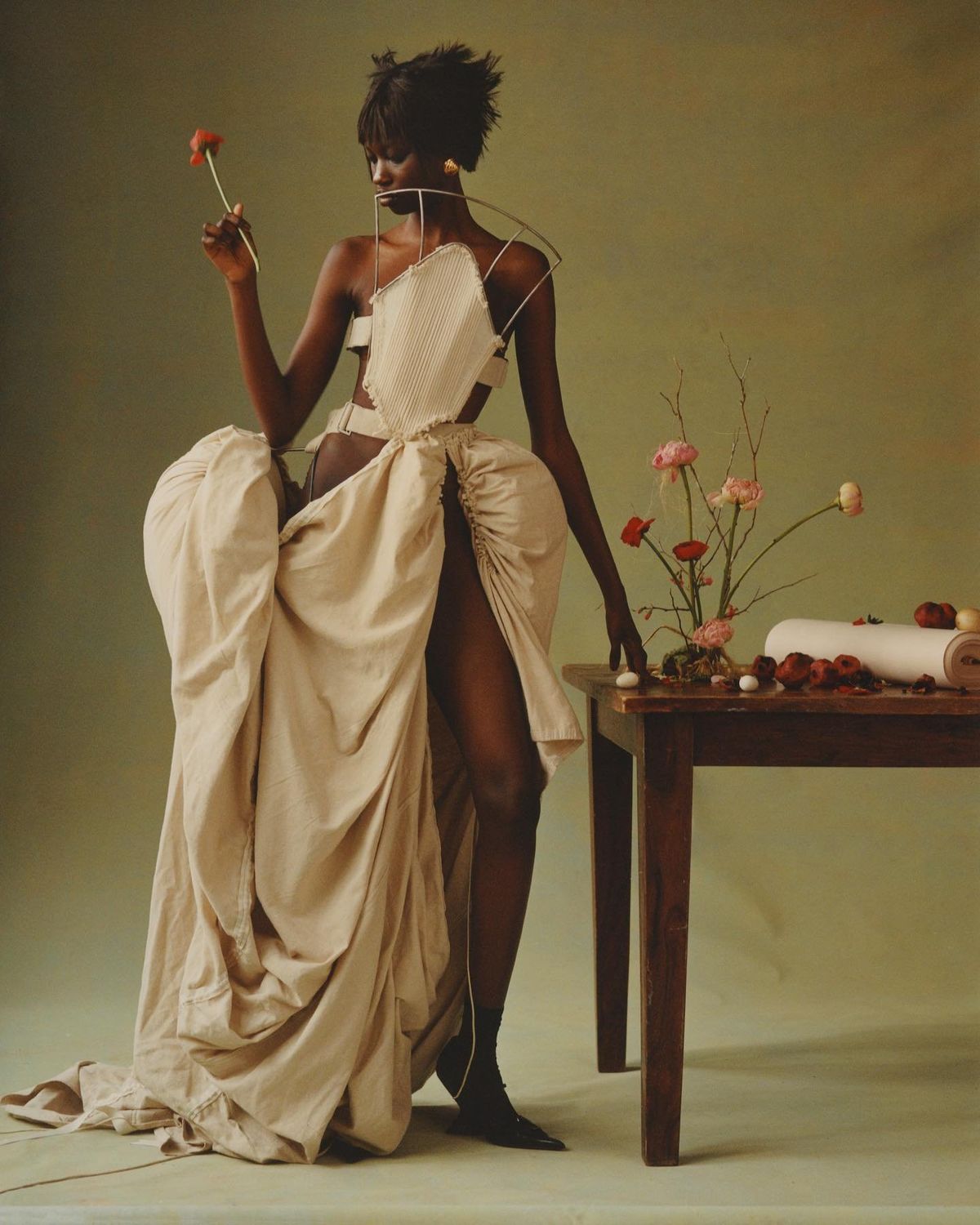
What Actually Moves Fashion Forward

If originality is not the primary driver, then what is?

Fashion moves forward through a combination of repetition, refinement, and reinterpretation.

Ideas are introduced, revisited, and adjusted over time. Each iteration adds something new, even if the foundation remains familiar.

This process allows fashion to evolve without losing continuity. It creates a balance between change and stability.

Rethinking What It Means to Create

Originality, as it is often defined, suggests starting from nothing. Fashion rarely operates this way.

Instead, it builds on what already exists, using influence and repetition as tools for development.

Recognising this does not diminish the designer’s role. It redefines it. It shifts the focus from invention to interpretation, from novelty to precision.

Because in fashion, progress is not always about creating something entirely new.

It is often about seeing existing ideas more clearly and knowing exactly how to move them forward.

FAQs

  1. Is originality important in fashion?

Originality matters, but fashion often evolves through reinterpretation rather than completely new ideas.

  1. How do designers come up with new ideas?

Many designers build on existing concepts, refining and adapting them to new contexts.

  1. Why does fashion repeat trends?

Fashion repeats trends because ideas are revisited and reinterpreted over time.

  1. What drives fashion innovation?

Innovation comes from combining influence, refinement, and cultural context.

  1. Is copying common in fashion?

Influence and reinterpretation are common, but they differ from direct copying.

Post Views: 40
Total
0
Shares
Share 0
Tweet 0
Pin it 0
Related Topics
  • cultural influence fashion
  • fashion innovation theory
  • style evolution
Fathia Olasupo

olasupofathia49@gmail.com

You May Also Like
View Post
  • Cultural Inspirations

What Clothing Means Before It Is Worn: The Cultural Life of Garments

  • Fathia Olasupo
  • April 22, 2026
​​Civilisational Framing Shewa Oromo Cultural Clothing: The Living Governance Document Worn Across the Ethiopian
View Post
  • Cultural Inspirations

​​Civilisational Framing Shewa Oromo Cultural Clothing: The Living Governance Document Worn Across the Ethiopian

  • Meseret Zeleke
  • April 20, 2026
Five Traditional Hausa Women's Styles and the Silence That Speaks in Every Fold
View Post
  • Cultural Inspirations

Five Traditional Hausa Women’s Styles and the Silence That Speaks in Every Fold

  • Ayomidoyin Olufemi
  • April 20, 2026
Raffia Costume: The Sacred Dress of Pan-Liberian Ritual and Why Spirits Wear It
View Post
  • Cultural Inspirations

Raffia Costume: The Sacred Dress of Pan-Liberian Ritual and Why Spirits Wear It

  • Rex Clarke
  • April 17, 2026
What Jamaica Kept: The African Fabrics and Head-Tie Traditions That Survived the Middle Passage
View Post
  • Cultural Inspirations
  • Diaspora Connects

What Jamaica Kept: The African Fabrics and Head-Tie Traditions That Survived the Middle Passage

  • Ayomidoyin Olufemi
  • April 16, 2026
The East African Anchor: The Evolution of the Kanzu
View Post
  • Cultural Inspirations
  • Traditional & Heritage

The East African Anchor: The Evolution of the Kanzu

  • Faith Olabode
  • April 15, 2026
Top 5 Igbo Traditional Bridal Looks for Igba Nkwu in 2026
View Post
  • Cultural Inspirations
  • Weddings

Top 5 Igbo Traditional Bridal Looks for Igba Nkwu in 2026

  • Rex Clarke
  • April 15, 2026
Akwete Styles for Igbo Women
View Post
  • Cultural Inspirations

Top 5 Akwete Styles for Igbo Women

  • Adams Moses
  • April 14, 2026

Leave a Reply Cancel reply

Your email address will not be published. Required fields are marked *

The Omiren Argument

African fashion and culture are not emerging. They are foundational. We document, interpret, and argue for the full cultural weight of African and diaspora dress. With precision. Without apology.

Omiren Styles Fashion · Culture · Identity

All 54 African Nations
Caribbean · Afro-Latin America
The Global Diaspora

Platform

  • About Omiren Styles
  • Our Vision
  • Our Mission
  • Editorial Pillars
  • Editorial Policy
  • The Omiren Collective
  • Campus Style Initiative
  • Sustainable Style
  • Social Impact & Advocacy
  • Investor Relations

Contribute

  • Write for Omiren Styles
  • Submit Creative Work
  • Join the Omiren Collective
  • Campus Initiative
Contact
contact@omirenstyles.com
Our Reach

Africa — All 54 Nations
Caribbean
Afro-Latin America
Global Diaspora

African fashion intelligence, in your inbox.

Editorial features, designer profiles, cultural commentary. No noise.

© 2026 Omiren Styles — Rex Clarke Global Ventures Limited. All rights reserved.
  • Privacy Policy
  • Editorial Policy
  • Terms of Use
  • Accessibility
Africa · Caribbean · Diaspora
The Omiren Argument

African fashion and culture are not emerging. They are foundational. We document, interpret, and argue for the full cultural weight of African and diaspora dress. With precision. Without apology.

Omiren Styles Fashion · Culture · Identity
  • About Omiren Styles
  • Our Vision
  • Our Mission
  • Editorial Pillars
  • Editorial Policy
  • The Omiren Collective
  • Campus Style Initiative
  • Sustainable Style
  • Social Impact & Advocacy
  • Investor Relations
  • Write for Omiren Styles
  • Submit Creative Work
  • Join the Omiren Collective
  • Campus Initiative
Contact contact@omirenstyles.com

All 54 African Nations · Caribbean
Afro-Latin America · Global Diaspora

African fashion intelligence, in your inbox.

Editorial features, designer profiles, cultural commentary. No noise.

© 2026 Omiren Styles
Rex Clarke Global Ventures Limited.
All rights reserved.

  • Privacy Policy
  • Editorial Policy
  • Terms of Use
  • Accessibility
Africa · Caribbean · Diaspora

Input your search keywords and press Enter.