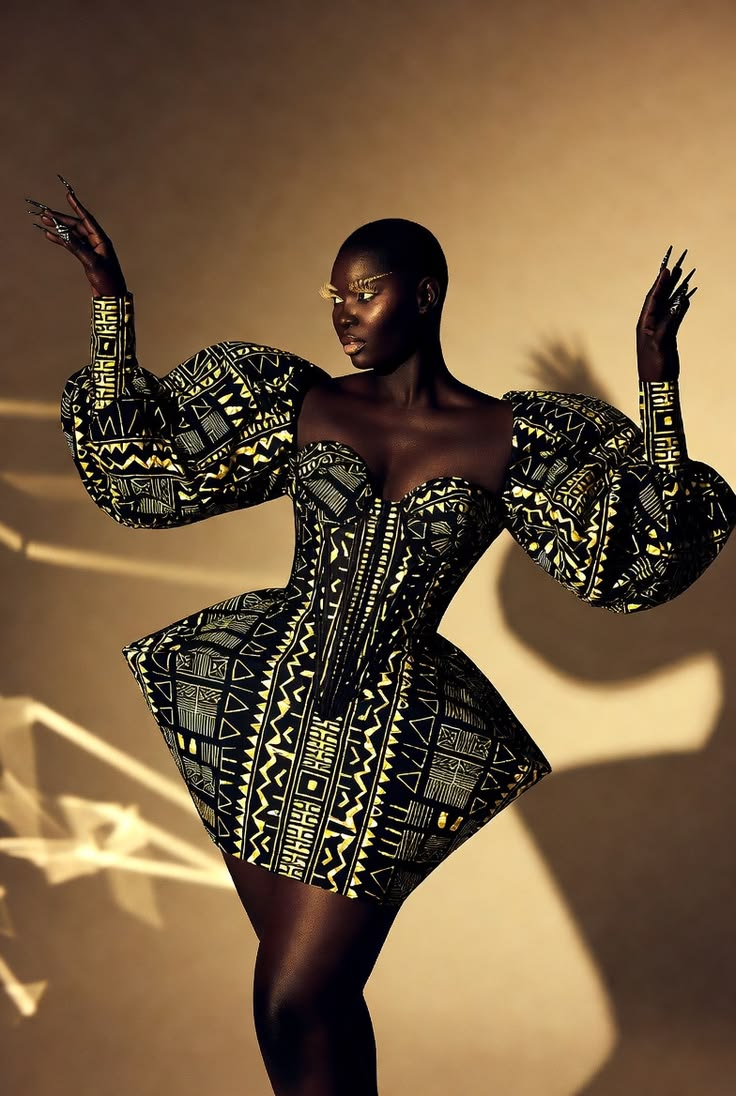
Culture and traditions are not barbaric or evil; they are identity, memory, and the living soul of a people, shaping who I am and guiding the story I choose to tell the world.
For decades, African fashion has been discussed in the context of Western markets as though its value depends on how well it fits into a London boutique or a New York runway. Critics and observers have questioned whether African prints are too bold, whether the silhouettes are too loose, or whether the fabrics are too heavy for layering in cold climates. These are real observations. But they are being used to ask the wrong question.
The right question is not whether African fashion fits into Western weather. The right question is why anyone assumed it was supposed to.
African clothing was never engineered for the cold. It was engineered for the heat, the sun, the dust, the humidity, and the daily rhythm of life in one of the most climatically distinct landmasses on earth. That is not a limitation. That is precision design. And precision design that has survived centuries of use across diverse communities is not a market problem. It is a masterclass in climate intelligence.
This article makes one argument: African fashion is climate technology, not just culture. Everything else follows from that.
To understand why African fashion is built the way it is, you first have to understand the broader conversation about African cultural identity and why the world still misreads it.
External Reference: The United Nations Environment Programme has documented extensively how textile production and climate are linked globally. You can read their full report on fashion and sustainability at UNEP Fashion and the Environment.
African fashion is not a trend misplaced in the wrong market. It is climate technology, cultural identity, and generational intelligence woven into fabric. This article explores why African clothing belongs to its environment and what the world can learn from it.
Climate Shapes Design, Not Just Style
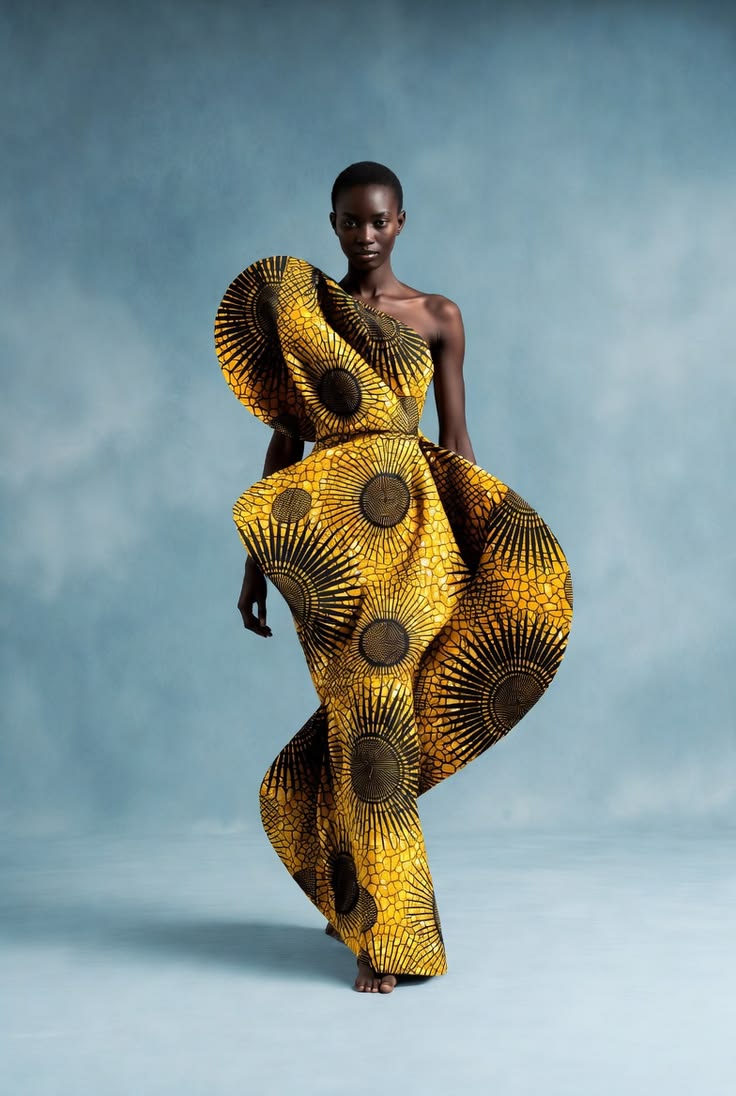
West Africa sits primarily between the equator and the Tropic of Cancer. Temperatures in cities like Lagos, Accra, Dakar, and Nairobi regularly reach highs that would shut down entire European cities. The air carries humidity. The sun is direct for most of the year. Rain comes in concentrated seasons, not the slow drizzle of a British autumn.
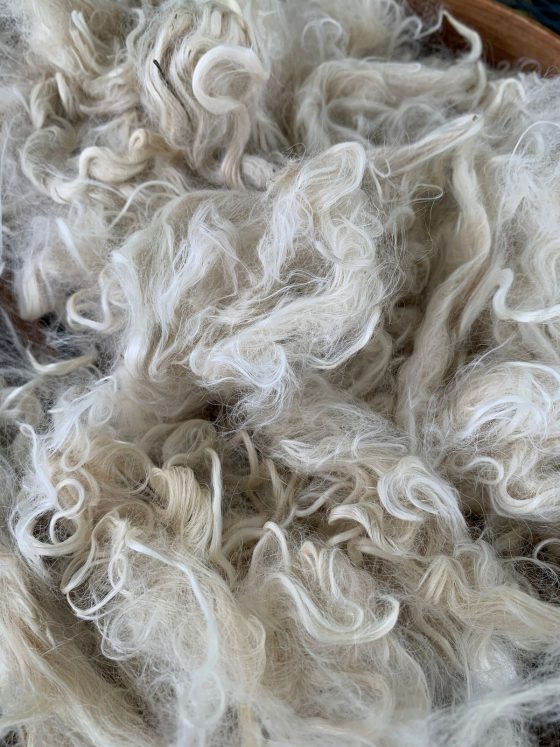
African clothing evolved within this reality. The fabrics that dominate traditional African dress are cotton, linen, and handwoven textiles. These are not romantic choices. They are functional ones. These materials breathe. They absorb sweat and release heat. They allow the body to regulate its own temperature rather than trapping it.
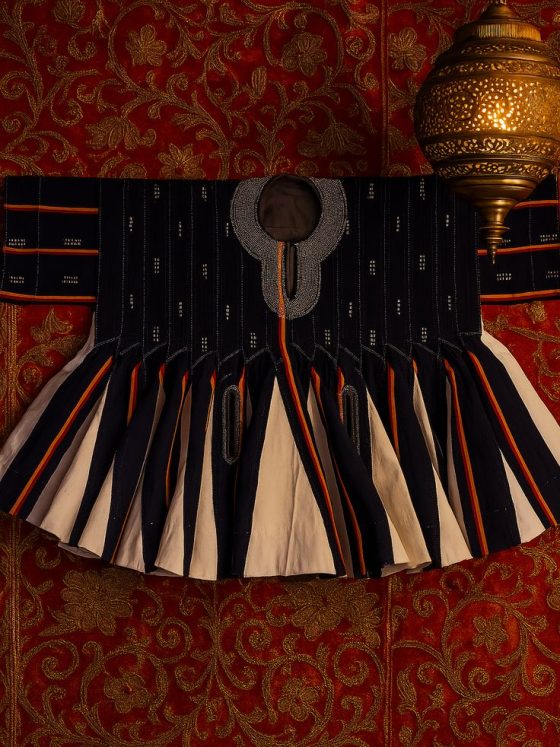
The silhouettes tell the same story. The Agbada of the Yoruba people is wide, flowing, and layered, creating pockets of air around the body. The Kaftan, worn across North and West Africa, moves with the wearer rather than constricting them. The wrapper, tied across the waist, adapts in real time to the body’s movement and the day’s demands. None of these designs is accidental. All of them are answers to the climate.
Contrast this with Western fashion, which evolved in environments where the enemy was cold rather than heat. Heavy wool, structured tailoring, fitted coats, and tight layers exist because they needed to keep warmth in. The design logic is opposite. Western fashion fights nature. African fashion lives with it.
Functionality Over Seasonal Trends
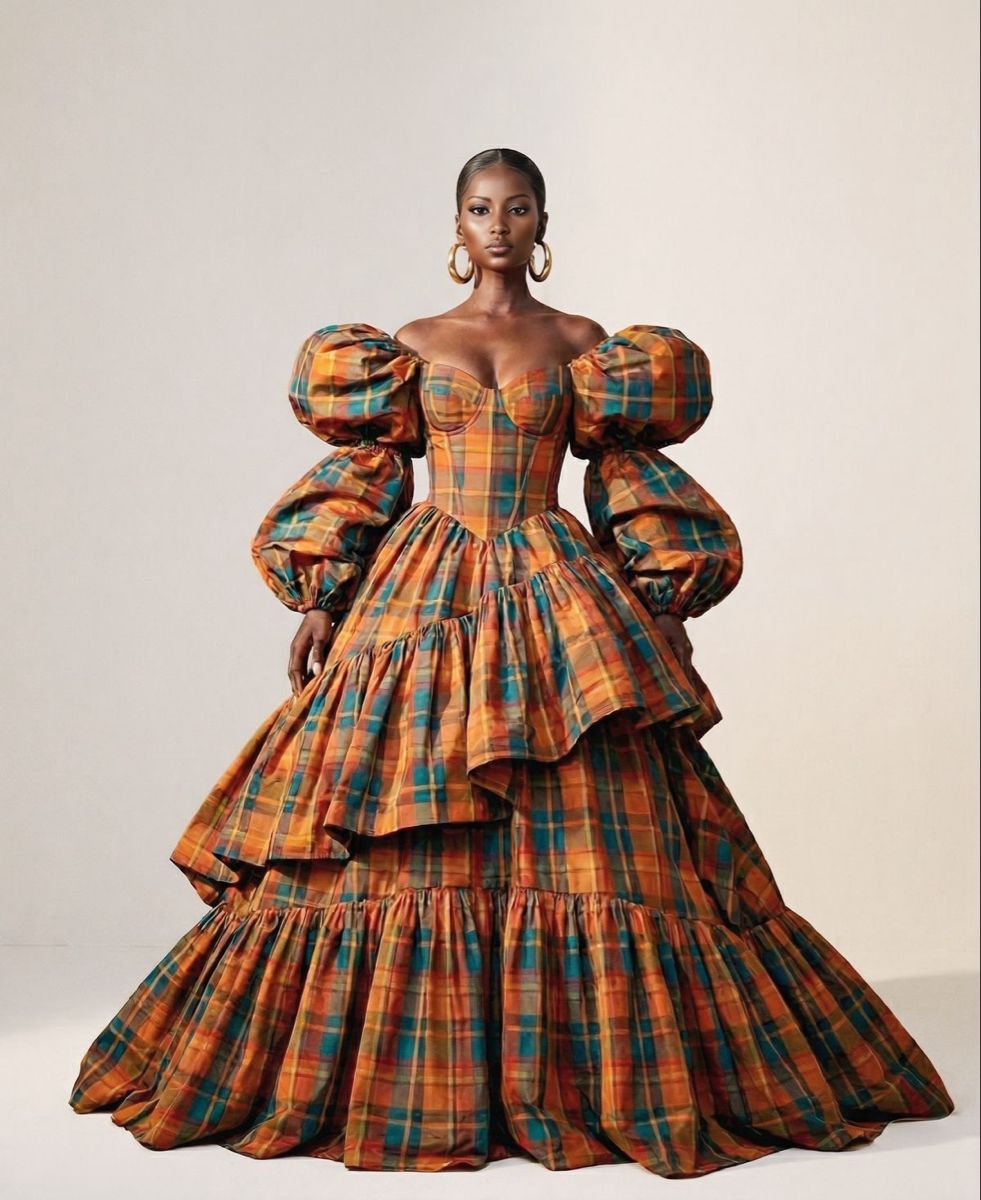
Western fashion is organised around a calendar. Spring/Summer. Autumn/Winter. Collections drop, trends shift, wardrobes rotate. This cycle is not just commercial. It reflects a genuine seasonal reality. The body’s needs change dramatically between a cold January and a warm July in most Western cities.
African fashion does not operate on that cycle because the climate does not demand it. In most of sub-Saharan Africa, the range between the coolest and warmest months is far smaller than in Europe or North America. Clothing does not need to rotate between extremes. It needs to be adaptable within a consistently warm range.
This creates a different kind of functionality. African garments are designed to move from morning to evening, from work to ceremony, from home to market, without requiring a complete wardrobe change. A well-tied wrapper can be casual or formal depending on how it is worn. A dashiki moves between contexts with the same ease. This is not a limitation. It is efficiency.
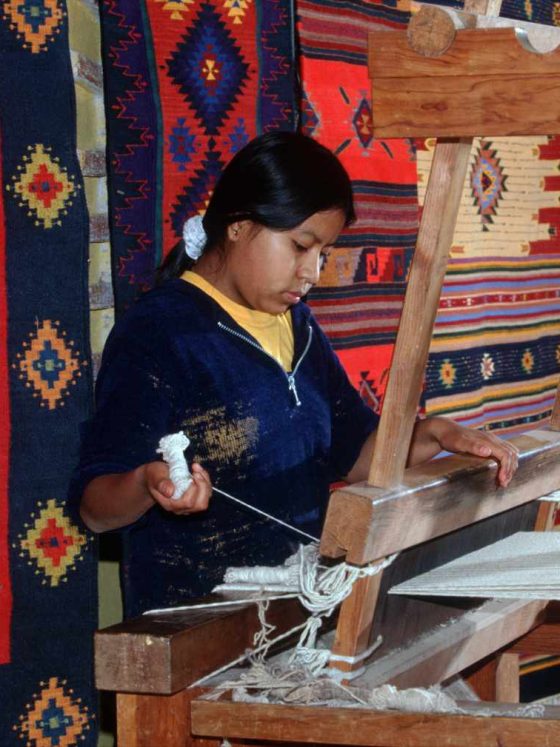
There is also a logic of durability embedded in African textiles. Handwoven fabrics like Kente from Ghana and Aso-Oke from Nigeria are built to last. They are passed down through generations. They carry history in their threads. This is the opposite of fast fashion’s disposable cycle. It was slow fashion before the term existed.
To understand how Kente and Aso-Oke function specifically within ceremonial life, read Omiren’s detailed breakdown of African fabric as ceremonial language and social code.
External Reference: The Ellen MacArthur Foundation has published research showing that the global fashion industry generates 92 million tonnes of waste annually, a figure that helps contextualise why African fashion’s durability model matters. Read their full report at Ellen MacArthur Foundation Fashion and the Circular Economy.
Cultural Identity Is Embedded in the Fabric
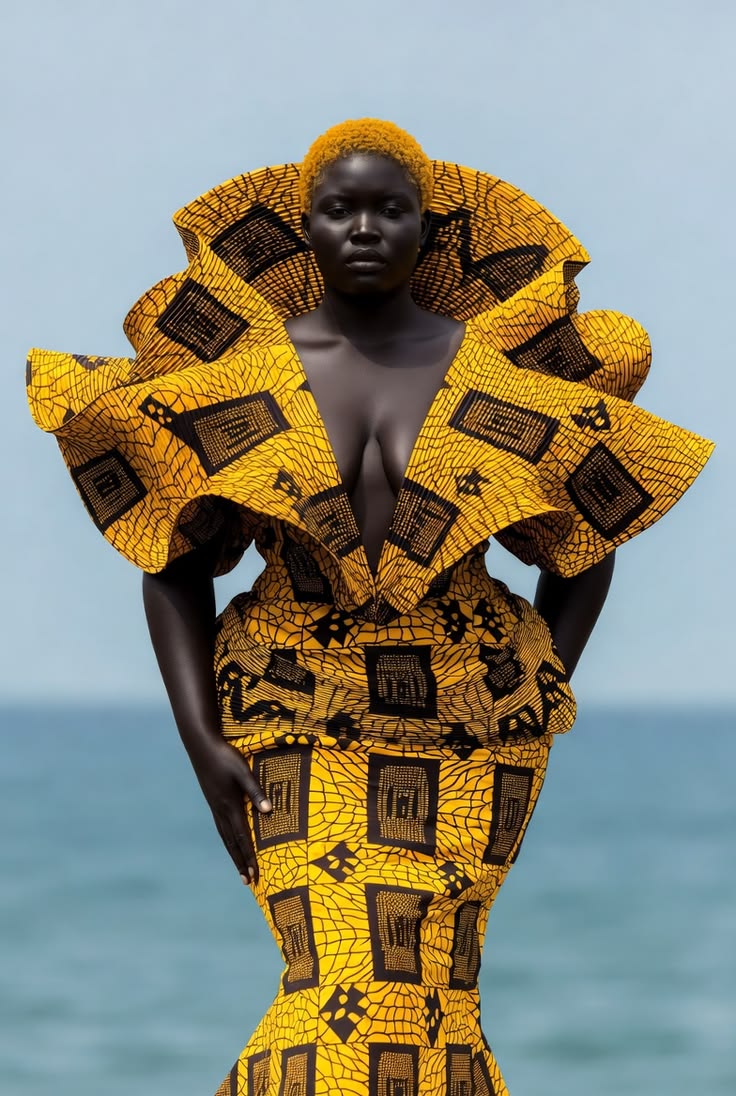
The third layer of this argument moves beyond climate into meaning. African textiles are not just materials that cover the body. They are a language. Every pattern, colour combination, and weaving technique communicates something specific to those who know how to read it.
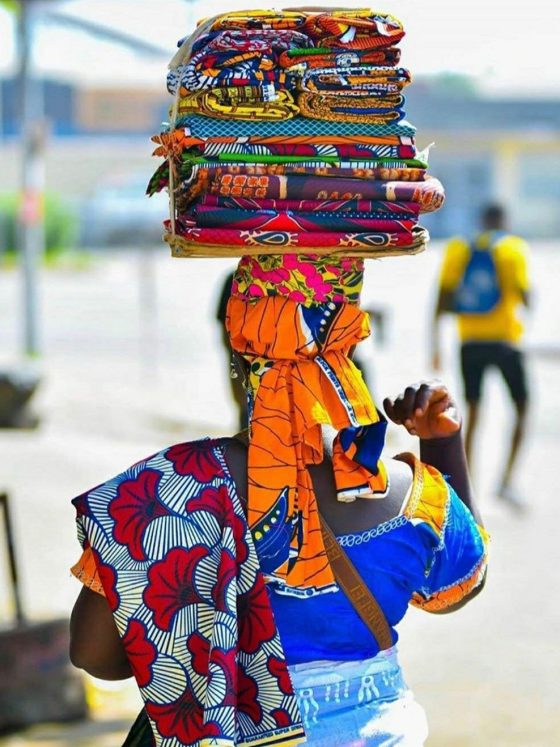
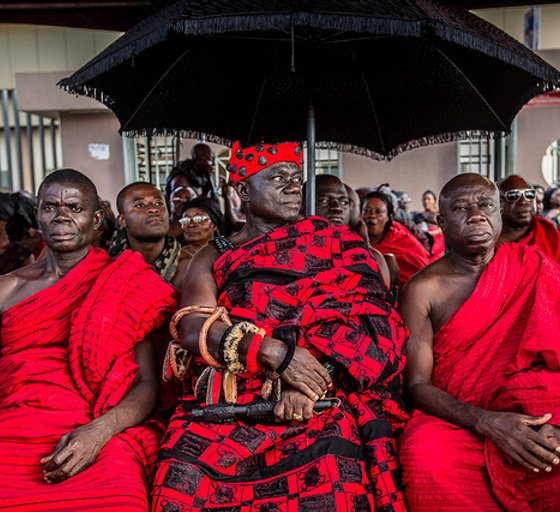
Kente cloth from the Ashanti people of Ghana is one of the most recognisable examples. Its colours carry coded meanings. Gold signals wealth and royalty. Green signals growth and renewal. Black signals spiritual strength and maturity. The patterns themselves carry names and histories. Wearing Kente is not a decoration. It is a statement of identity and belonging.
Adire, from the Yoruba people, is a resist-dyed textile that carries the handprint of its maker in every piece. No two Adire cloths are identical. The irregularities are not flaws. They are signatures. They prove the cloth was made by a human being, not a machine, and that it carries the intention of the person who made it.
Aso-Oke, also from the Yoruba tradition, signals status and occasion. At weddings, naming ceremonies, and funerals, the specific fabric a person wears communicates their role, their family, and their respect for the event. This is social communication encoded in cloth.
When Western markets strip these textiles down to aesthetic appeal, printing Ankara patterns on fast-fashion items for novelty, they remove the language and keep only the surface. True translation is impossible because meaning is inseparable from context. This is not a failure of African fashion to globalise. It is proof that it was never designed to be a commodity. It was designed to be a conversation.
External Reference: UNESCO has formally recognised several African textile traditions as intangible cultural heritage, acknowledging their role as living cultural systems rather than simply decorative arts. Read the full listing at UNESCO Intangible Cultural Heritage Africa.
The Mismatch Is Proof, Not Weakness
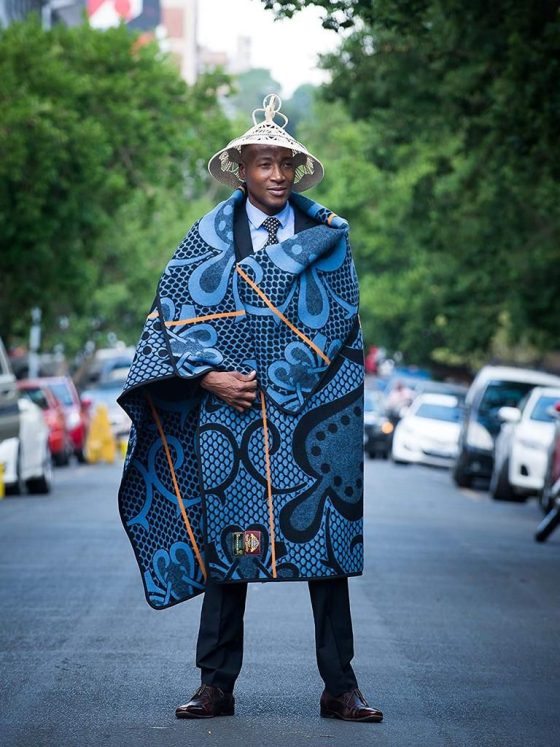
When African fashion enters Western markets, it faces predictable friction. Heavy prints feel out of place in cold-weather layering systems. Bold colours contrast with the muted, season-driven palettes of European winters. Flowing silhouettes resist the fitted structure preferred by Western tailoring. These mismatches are regularly cited as reasons why African fashion struggles to scale globally.
But these are not weaknesses. They are confirmation of the design’s authenticity.
A garment optimised for Lagos heat should feel out of place in a London December. That dissonance is not a design failure. It is evidence that the original design had integrity. It was made for something specific, and it shows. The problem is not African fashion. The problem is the expectation that everything designed outside of Western contexts must eventually be absorbed into Western markets to be considered successful.
African fashion does not need Western validation to be complete. It is already complete.
Omiren has explored this validation dynamic at length in Why Africa Stops Waiting for the World’s Permission, which sits at the centre of the broader Rex Clarke Adventures vision.
External Reference: Vogue Business published an analysis of the growing friction between African fashion designers and Western fashion weeks, highlighting the tension between authentic representation and commercial adaptation. Read it at Vogue Business Africa Fashion Week.
Africa and the Future of Sustainable Fashion
Here is where the argument turns forward. The global fashion industry is under pressure from climate change and sustainability expectations. Fast fashion’s environmental cost is well-documented. The push toward lighter fabrics, slower production cycles, natural fibres, and durable garments is growing. The industry is searching for a model that is both beautiful and sustainable.
That model has existed in Africa for centuries.
Natural fibres that breathe and decompose. Handwoven textiles built to outlast generations. Clothing systems are designed for year-round use rather than disposable seasonal cycles. Garments that carry meaning and therefore are not thrown away casually. This is not the future of fashion. It is the past of African fashion. And it is directly relevant to where the world needs to go.
The West engineered clothing to fight nature. Africa engineered clothing to live with it. As climate pressures intensify globally, the design philosophy embedded in African textiles will become less marginal and more essential. The question is whether the global fashion conversation will honestly acknowledge that inheritance.
For more on how Africa’s relationship with the natural world shapes its design traditions beyond fashion, read How Africa Has Always Built for the Environment It Lives In.
External Reference: The Business of Fashion has tracked the rise of African designers in global sustainability conversations, noting that their approach to fabric, production, and durability aligns more naturally with sustainability goals than that of most Western fast-fashion brands. Read the feature at Business of Fashion Africa Sustainable Design.
The Omiren Argument: Clothing as a Climate System
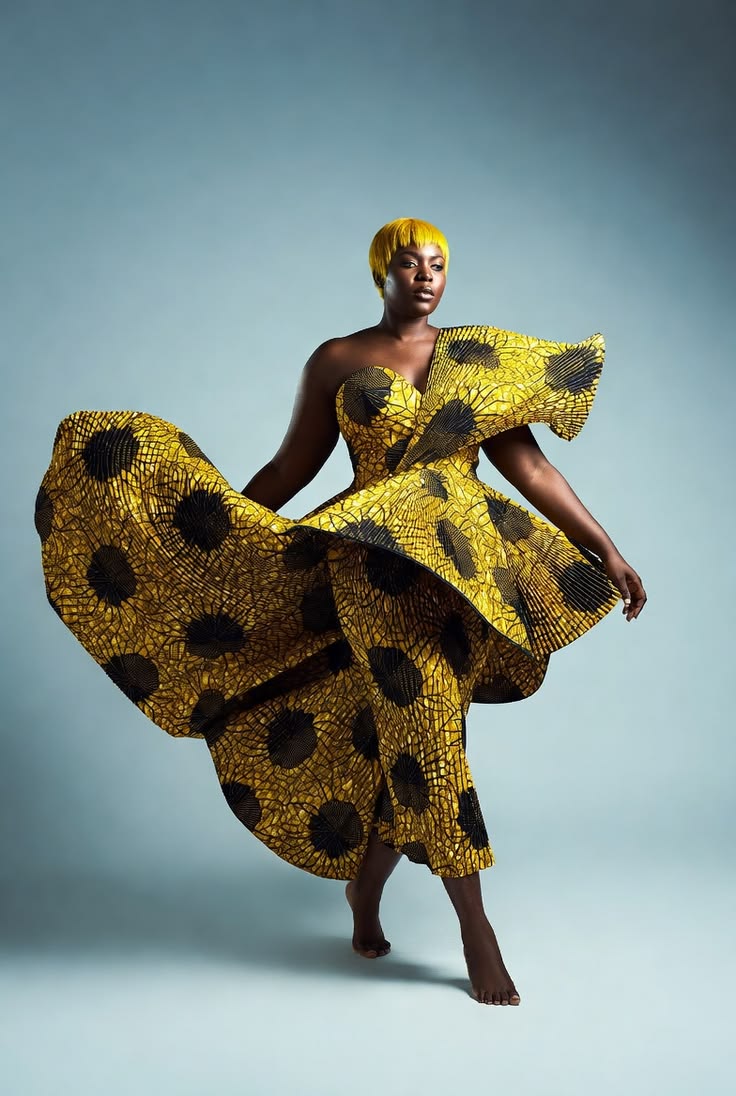
The Omiren perspective begins with a premise that most global fashion conversations skip entirely. Clothing is not neutral. Every design choice, from the weight of a fabric to the cut of a silhouette, reflects the environment it was created to serve. When you understand that premise, African fashion stops looking like an exotic alternative to Western style and starts looking like what it actually is. A system. A complete, refined, climate-responsive system built over generations by people who understood exactly where they lived.
Omiren’s position is not that African fashion should compete with Western fashion. It is that African fashion operates with an entirely different logic. Western fashion evolved in cold, grey, seasonal climates where layering was survival and structure was warmth. African fashion evolved in environments defined by direct sun, high temperatures, and the need for air to move freely across the body. These are not two versions of the same thing. They are two different answers to two different problems.
What makes the Omiren argument powerful is its confidence. It does not ask African fashion to justify itself in someone else’s language. It clearly states that a garment designed for heat is not inferior to one designed for cold. It is different. And that difference is the point.
This argument falls within Omiren’s broader body of thought on why African identity does not require Western approval to be valid. The fashion conversation is one thread in a much wider cloth. The British Museum’s collection on African textiles offers detailed documentation of how weaving and dyeing traditions developed as climate-responsive technologies across the continent. Read more at The British Museum African Textiles Collection.
Frequently Asked Questions
Q: Why does African fashion look different from Western fashion?
A: Because it was designed for a different climate, culture, and way of life. African fashion evolved in response to heat, sun, and seasonal patterns that are completely unlike those in Europe or North America. The fabrics, silhouettes, and patterns all reflect that specific environmental and cultural context. Read more on how the African climate shaped African design.
Q: Is African fashion suitable for cold climates?
A: Traditional African fashion was not designed for cold climates and performs best in warm to hot conditions. This is not a flaw. It is an accurate design. Adapting African textiles for colder climates is possible but requires modification, which is why many diaspora communities layer African prints over or under Western garments. The African diaspora and dress identity are subjects Omiren explores separately.
Q: What does Omiren say about African fashion in global markets?
A: Omiren’s position is that African fashion should not measure its value by how well it fits into Western markets. Its design logic, cultural depth, and climate intelligence make it complete on its own terms. The goal is not assimilation into global fashion systems but recognition of African fashion as a distinct and authoritative design tradition. Read Omiren’s full position at The Omiren Manifesto on African Identity.
Q: What makes African textiles different from mass-produced fabrics?
A: Many traditional African textiles are handwoven or hand-dyed, which means each piece is unique. They carry cultural codes in their patterns and colours, are made from natural fibres designed for warm climates, and are built for durability rather than disposability. They exist in a completely different relationship to production, meaning, and time than mass-produced fabrics. For a deeper look, the Textile Society of America maintains a useful archive on African textile traditions.
Q: Why is African fashion relevant to sustainable fashion conversations?
A: African fashion has practised many of the principles that the sustainable fashion movement is now promoting, including natural fibres, slow production, durable garments, and clothing designed for longevity rather than disposal. It offers a model that the global industry is only beginning to catch up with. The Ellen MacArthur Foundation’s Circular Economy report provides the data that makes this comparison concrete.
Q: Can African fashion influence global fashion without losing its identity?
A: This is the central tension. Influence is possible, but identity preservation requires intention. When African textiles are adopted globally without credit, context, or cultural understanding, meaning is stripped away. Authentic engagement with African fashion means acknowledging its roots, understanding its language, and ensuring that the communities that created it benefit from its recognition. Omiren addresses this tension directly in African Fashion and the Appropriation Line.
Closing Argument
African fashion was never made for Western weather. That is not an apology. That is a declaration.
It was made for the heat of the harmattan, the rhythm of the market, the weight of ceremony, and the daily survival of communities who understood their environment deeply enough to encode it in cloth. It carries centuries of climate intelligence, cultural memory, and design precision that no trend cycle can replicate.
The world does not need African fashion to adapt. The world needs to understand what African fashion already knows.
That is the Omiren argument. And it stands.
Also Read: Rex Clarke Adventures: Travelling Africa With Eyes Open