Menu
  • AFRICA
    • African Fashion
    • African Designers
    • Textiles & Craft
    • Heritage Clothing
    • Made in Africa
    • Regional Style
  • DIASPORA
    • Diaspora Voices
    • Diaspora Connects
    • UK Scene
    • US Scene
    • Caribbean Diaspora
    • Afro-Latino Identity
    • Migration & Identity
  • CULTURE
    • Style & Identity
    • Ceremony & Ritual
    • Art & Music
    • Cultural Inspirations
    • Black Culture
    • Heritage Stories
  • FASHION
    • Trends
    • Street Style
    • Runway
    • Sustainable Fashion
    • Tailoring
    • Luxury Fashion
  • INDUSTRY
    • Editorial Intelligence
    • Market Trends
    • Brand Strategy
    • Retail & Commerce
    • Partnerships
    • Reports
    • Insights
  • BEAUTY
    • Skincare
    • Makeup
    • Hair & Hairstyle
    • Fragrance
    • Beauty Traditions
    • Natural Beauty
  • MEN
    • Men’s Style
    • Grooming Traditions
    • Traditional & Heritage
    • The Modern African Man
    • Menswear Designers
  • WOMEN
    • Women’s Style
    • Evening Glam
    • Workwear & Professional
    • Streetwear for Women
    • Accessories & Bags
    • Bridal
  • NEWS
    • Cover Stories
    • Fashion Weeks
    • Opinion & Commentary
    • Style Icons
    • Rising Stars
  • DIRECTORY
    • Designers
    • Brands
    • Boutiques
    • Stylists
    • Models
    • Photographers
    • Creative Teams
    • Events
    • Production
    • Materials & Suppliers
Omiren Magazine Partner With Us Advertise Style Index
Subscribe
OMIREN STYLES OMIREN STYLES

Fashion · Culture · Identity

OMIREN STYLES OMIREN STYLES OMIREN STYLES OMIREN STYLES
  • AFRICA
    • African Fashion
    • African Designers
    • Textiles & Craft
    • Heritage Clothing
    • Made in Africa
    • Regional Style
  • DIASPORA
    • Diaspora Voices
    • Diaspora Connects
    • UK Scene
    • US Scene
    • Caribbean Diaspora
    • Afro-Latino Identity
    • Migration & Identity
  • CULTURE
    • Style & Identity
    • Ceremony & Ritual
    • Art & Music
    • Cultural Inspirations
    • Black Culture
    • Heritage Stories
  • FASHION
    • Trends
    • Street Style
    • Runway
    • Sustainable Fashion
    • Tailoring
    • Luxury Fashion
  • INDUSTRY
    • Editorial Intelligence
    • Market Trends
    • Brand Strategy
    • Retail & Commerce
    • Partnerships
    • Reports
    • Insights
  • BEAUTY
    • Skincare
    • Makeup
    • Hair & Hairstyle
    • Fragrance
    • Beauty Traditions
    • Natural Beauty
  • MEN
    • Men’s Style
    • Grooming Traditions
    • Traditional & Heritage
    • The Modern African Man
    • Menswear Designers
  • WOMEN
    • Women’s Style
    • Evening Glam
    • Workwear & Professional
    • Streetwear for Women
    • Accessories & Bags
    • Bridal
  • NEWS
    • Cover Stories
    • Fashion Weeks
    • Opinion & Commentary
    • Style Icons
    • Rising Stars
  • DIRECTORY
    • Designers
    • Brands
    • Boutiques
    • Stylists
    • Models
    • Photographers
    • Creative Teams
    • Events
    • Production
    • Materials & Suppliers
  • Fashion Weeks

From Cocoon to Catwalk: Tracing a Single Strand of Rare Silk from Farm to Atelier

  • Heritage Oni
  • February 16, 2026
From Cocoon to Catwalk: Tracing a Single Strand of Rare Silk from Farm to Atelier
Total
0
Shares
0
0
0

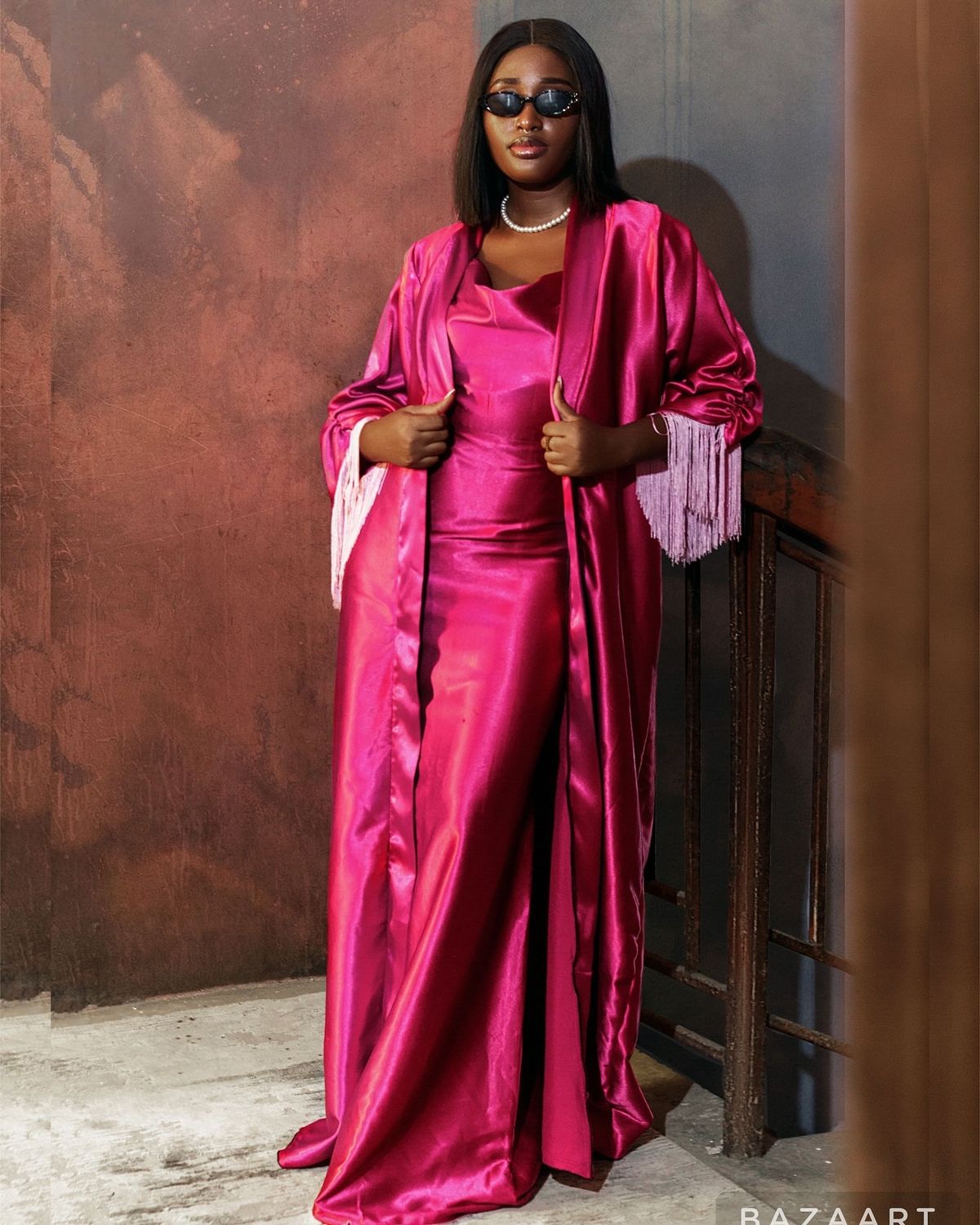
Imagine holding a gown in your hands and realising that every inch of it once lived inside a tiny cocoon, spun by a silkworm munching on mulberry leaves. That single strand of silk travelled for weeks through careful farming, delicate reeling, twisting, weaving, and dyeing before it became the luxurious fabric draping a model on the runway. It’s a story you can literally touch, bridging quiet farms, bustling ateliers and the fashion capitals of the world. Following this strand of rare silk isn’t just about textiles; it’s about people, craft, culture, and the choices that make something both beautiful and meaningful.

Discover how a rare silk strand travels from silkworm cocoon to luxury atelier, shaping culture, craftsmanship, and the global fashion story.

Origins: The Birth of a Single Strand

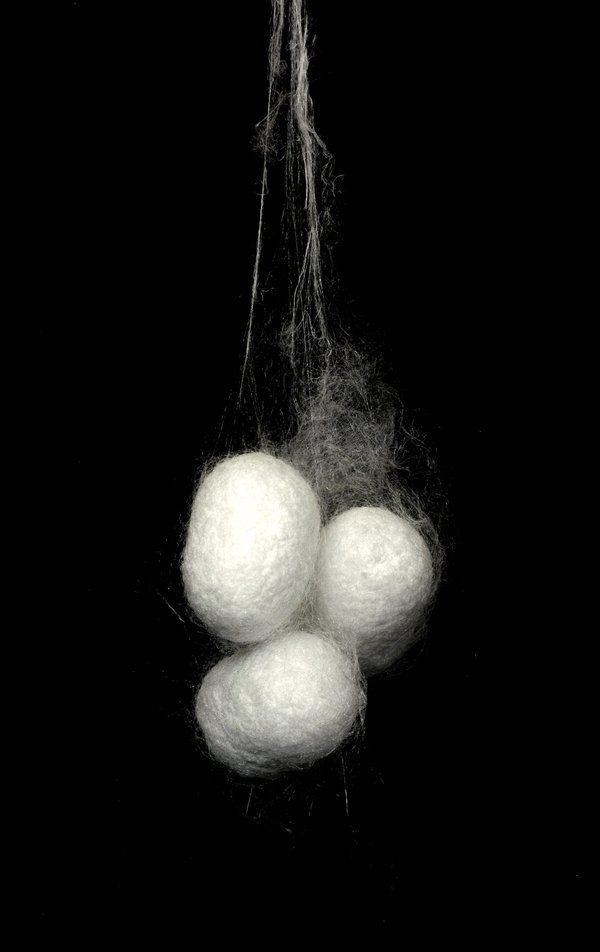
Silk begins as a secretion from the Bombyx mori silkworm, a tiny insect that spins a cocoon from a continuous filament. A single cocoon can contain hundreds to over a thousand metres of silk, a delicate yet remarkably strong fibre. Beyond the standard mulberry silk, rare varieties such as wild Tussar, Muga, and lotus silk offer unique textures, colours, and cultural significance. These silks are not only luxurious materials but also historical artefacts, dating back to the Silk Road and Asia’s craft traditions. The cocoon embodies nature’s patience and the meticulous timing required for harvest.

Sericulture: Crafting the Cocoon
Sericulture: Crafting the Cocoon

Sericulture—the cultivation of silkworms- is a practice that combines agricultural knowledge with generational expertise. Farmers nurture silkworm larvae on mulberry leaves, observing the rhythms of life that dictate feeding, growth, and cocoon formation. In areas with wild silk, the larvae feed on forest foliage, introducing natural variations in colour and texture that artisans prize. Time is critical: harvesting before the moth emerges preserves the cocoon’s continuous filament, which is a necessity for the smooth, long fibres sought by ateliers.

Once harvested, the cocoon is softened with hot water to loosen the sericin gum that holds the fibres together. The end of the filament is located and meticulously wound into fine threads by deft hands. This labour-intensive process determines the silk’s final quality—its strength, smoothness, and lustre. Some strands are combined to create threads of varying thickness, suitable for weaving fine fabrics or textured, artisanal weaves. Subsequent degumming, spinning, and twisting prepare the fibre for the next phase: the atelier.

Weaving and Atelier Transformation

At the atelier, silk takes on its expressive life. Skilled weavers transform threads into textiles with intricate patterns, textures, and finishes. Designers apply dyes that highlight silk’s natural sheen, while finishing processes enhance drape and softness. Each piece of fabric becomes a canvas, reflecting both aesthetic choice and cultural meaning. In haute couture, silk is not just a material; it is a medium for storytelling, identity, and social commentary.

Read Also: 

  • Mauve: The Colour That Changed Fashion, Industry, and Science
  • How Silk Wove Its Way Through Centuries of Fashion 
  • Simone & Elise and the Rise of Narrative Couture in Abidjan

Ethics, Traceability, and Sustainability
Ethics, Traceability, and Sustainability

Modern fashion increasingly tracks Silk’s journey, emphasising transparency and ethical practices. Ahimsa, or peace silk, harvested after the moth emerges, reflects a growing global demand for humane production. Blockchain, QR codes, and traceability programs allow brands and consumers to follow the fibre from farm to final garment. Rare silks carry stories of sustainability, artisanal labour, and ecological awareness, turning garments into conscious statements.

Conclusion

A single strand of rare silk carries the weight of centuries of culture, craft, and conscience. From mulberry leaf to couture runway, it is a conduit between nature and human expression, between local knowledge and global culture. In tracing this journey, we see that silk is not merely a commodity but a chronicle of innovation, ethics, aesthetics, and identity. Each thread embodies meaning, reminding us that luxury is measured not by price but by the depth of its story.

Nourish your skin, elevate your glow — explore Skincare on OmirenStyles.

5 FAQs

  1. Why is silk considered rare and valuable?

Producing continuous, long filaments requires precise cultivation, careful harvesting, and meticulous processing. Wild and speciality silks add further rarity through their texture, colour, and labour-intensive production.

  1. What is Ahimsa silk?

Ahimsa silk, or peace silk, is harvested after the moth has emerged, focusing on animal welfare. It produces shorter fibres while aligning with ethical and sustainable practices.

  1. How is silk traced from farm to atelier?

Through modern traceability systems, including QR codes, blockchain records, and batch tracking, consumers and brands can follow a silk strand’s full journey.

  1. How does weaving impact the silk’s cultural value?

Weaving transforms raw fibres into patterned, textured fabrics that reflect local traditions, design philosophy, and societal expression. It converts silk from a material into a storytelling medium.

  1. Why does silk matter in a cultural and social context?

Silk embodies centuries of human ingenuity, regional craft knowledge, and aesthetic innovation. Its journey reveals intersections of history, ecology, ethics, and fashion, offering insight into global culture.


Post Views: 362
Total
0
Shares
Share 0
Tweet 0
Pin it 0
Related Topics
  • Couture Material Journey
  • Luxury Textile Craft
  • Silk Production Heritage
Avatar photo
Heritage Oni

theheritageoni@gmail.com

You May Also Like
Africa Fashion Week London Recap: Standout Collections and Designer Highlights
View Post
  • Fashion Weeks

Africa Fashion Week London Recap: Standout Collections and Designer Highlights

  • Faith Olabode
  • July 23, 2026
African Designers at LFW SS27: What the AW26 Firsts Mean for September
View Post
  • Fashion Weeks

African Designers at LFW SS27: What the AW26 Firsts Mean for September

  • Peace Vera
  • July 10, 2026
How African Menswear Designers Are Challenging European Fashion Weeks on Their Own Terms
View Post
  • Fashion Weeks

How African Menswear Designers Are Challenging European Fashion Weeks on Their Own Terms

  • Fathia Olasupo
  • June 29, 2026
Benin Fashion Month vs FIMO Togo: Two Models for Building West African Fashion
View Post
  • Fashion Weeks

Benin Fashion Month vs FIMO Togo: Two Models for Building West African Fashion

  • Peace Vera
  • June 25, 2026
Oshobor at Paris Fashion Week: Why Edo Masquerade Deserved More Than "Ethereal"
View Post
  • Fashion Weeks

Oshobor at Paris Fashion Week: Why Edo Masquerade Deserved More Than “Ethereal”

  • Ayomidoyin Olufemi
  • June 23, 2026
Benin Fashion Month: The Government-Backed Festival Quietly Reshaping West African Fashion
View Post
  • Fashion Weeks

Benin Fashion Month: The Government-Backed Festival Quietly Reshaping West African Fashion

  • Adams Moses
  • June 22, 2026
Mai Atafo, Ugo Monye, and the Architecture of Nigerian Menswear Excellence
View Post
  • Fashion Weeks

The Young Nigerian Tailors Redefining Luxury Menswear Without a Fashion Week Invitation

  • Adams Moses
  • May 19, 2026
View Post
  • Fashion Weeks

The Real Cost of Showing at Paris Fashion Week for an African Designer

  • Rex Clarke
  • May 18, 2026

Leave a Reply Cancel reply

Your email address will not be published. Required fields are marked *

The Omiren Argument

African fashion and culture are not emerging. They are foundational. We document, interpret, and argue for the full cultural weight of African and diaspora dress. With precision. Without apology.

Omiren Styles Fashion · Culture · Identity

All 54 African Nations
Caribbean · Afro-Latin America
The Global Diaspora

Platform

  • About Omiren Styles
  • Our Vision
  • Our Mission
  • Editorial Pillars
  • Editorial Policy
  • The Omiren Collective
  • Campus Style Initiative
  • Sustainable Style
  • Social Impact & Advocacy
  • Investor Relations

Contribute

  • Write for Omiren Styles
  • Submit Creative Work
  • Join the Omiren Collective
  • Campus Initiative
Contact
contact@omirenstyles.com
Our Reach

Africa — All 54 Nations
Caribbean
Afro-Latin America
Global Diaspora

African fashion intelligence, in your inbox.

Editorial features, designer profiles, cultural commentary. No noise.

© 2026 Omiren Styles — Rex Clarke Global Ventures Limited. All rights reserved.
  • Privacy Policy
  • Editorial Policy
  • Terms of Use
  • Accessibility
Africa · Caribbean · Diaspora
The Omiren Argument

African fashion and culture are not emerging. They are foundational. We document, interpret, and argue for the full cultural weight of African and diaspora dress. With precision. Without apology.

Omiren Styles Fashion · Culture · Identity
  • About Omiren Styles
  • Our Vision
  • Our Mission
  • Editorial Pillars
  • Editorial Policy
  • The Omiren Collective
  • Campus Style Initiative
  • Sustainable Style
  • Social Impact & Advocacy
  • Investor Relations
  • Write for Omiren Styles
  • Submit Creative Work
  • Join the Omiren Collective
  • Campus Initiative
Contact contact@omirenstyles.com

All 54 African Nations · Caribbean
Afro-Latin America · Global Diaspora

African fashion intelligence, in your inbox.

Editorial features, designer profiles, cultural commentary. No noise.

© 2026 Omiren Styles
Rex Clarke Global Ventures Limited.
All rights reserved.

  • Privacy Policy
  • Editorial Policy
  • Terms of Use
  • Accessibility
Africa · Caribbean · Diaspora

Input your search keywords and press Enter.

Newsletter Subscribe

Join Our Community

Get exclusive access to new collections, special offers, and style inspiration.