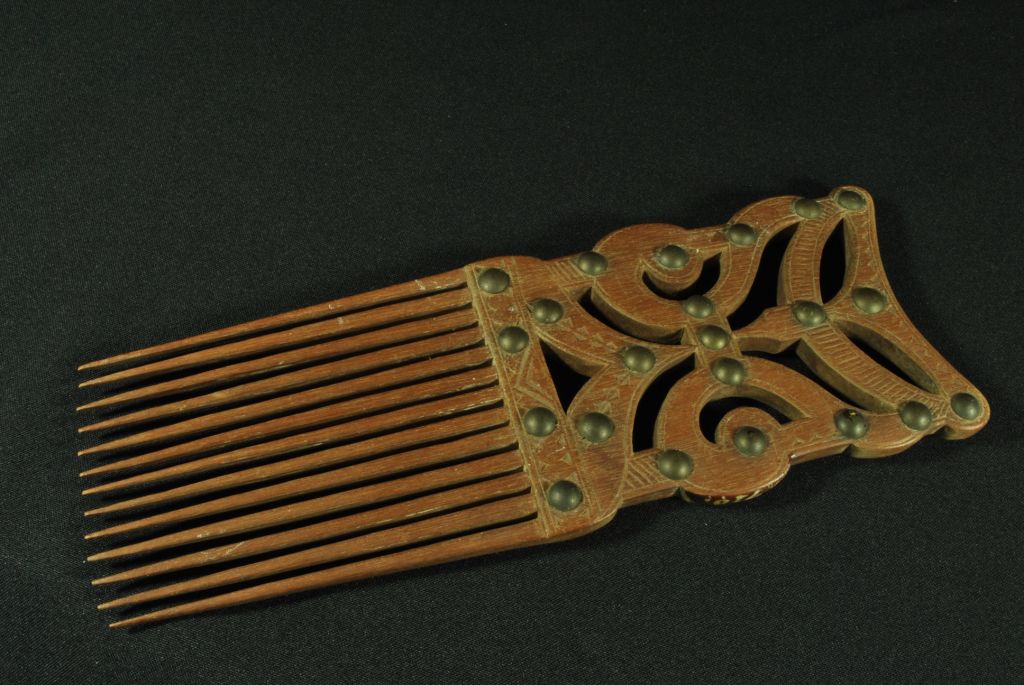
Somewhere in the interior rainforest of Suriname, a man is carving a comb. He is not a craftsman by trade. He is a farmer, a fisherman, a member of one of the six Maroon communities whose ancestors escaped Dutch plantation slavery in the seventeenth and eighteenth centuries and built autonomous societies deep in the forest, societies so resilient that the Dutch colonial government eventually had to negotiate peace treaties rather than continue the military campaigns that had failed to defeat them. The comb he is carving will be a gift for a woman in his life. It may take days. The motifs pressed into its surface are called tembé: geometric patterns that carry meaning, express something specific to the person who will receive the object, and, as one Maroon artist described it, constitute geometric poetry.
The African fashion and beauty market is worth $ 31 billion. The beauty traditions of Suriname’s Maroon communities, the Saamaka, Ndyuka, Aluku, Pamaka, Matawai, and Kwinti, are among the most sophisticated and most consistently underrecognised in the African diaspora. These communities built their beauty culture, their adornment practices, their hair traditions, and their artistic systems from nothing that the colonial world gave them, in the interior of a South American rainforest, and they built something of extraordinary complexity and depth. As the Smithsonian Folklife Festival’s documentation of Maroon arts confirms, the anthropologist Melville Herskovits remarked in 1930 that Bush Negro art in all its ramifications is, in the final analysis, Bush Negro life. He was correct. The comb is not separate from the culture. It is the culture made material.
In Suriname’s Maroon communities, the carved comb is not a tool. It is a declaration. Here is what hair, adornment, and beauty mean when they are made material.
Suriname Maroon Hair Combs and Adornment: The Foundation
The six Maroon groups of Suriname and French Guiana are descendants of enslaved Africans who escaped Dutch plantations in the seventeenth and eighteenth centuries. As Riches Karayib’s documentation of Bushinengé history and culture confirms, the Bushinengé, also known in French Guiana, built autonomous societies rooted in African heritage, local adaptations, and knowledge forged through resistance. The Dutch colonial authorities eventually signed peace treaties with the Ndyuka in 1760, the Saamaka in 1762, and the Matawai in 1767. Those treaties recognised the Maroon communities’ political independence and gave them the sustained autonomy in which their culture could develop. The artistic traditions that emerged from that autonomy, including the tembé carving tradition that produced the comb, are among the most distinctive contributions of the African diaspora to the world’s artistic heritage.
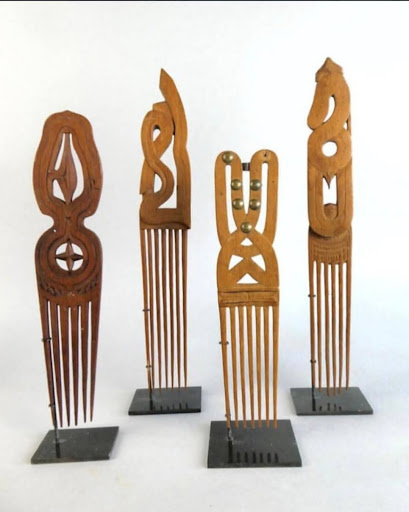
The tembé motifs that cover Maroon-carved objects, combs, paddles, food stirrers, trays, house pediments, doors, and calabashes are geometric. They are not abstract in the purely decorative sense. Each piece is individual. Each carries specific meaning. The word tembé describes both the motifs and the practice of making them. A man carving tembé on a comb is engaging in a practice that is simultaneously technical, artistic, communicative, and relational. He is making a beautiful object. He is expressing his skill. He is saying something to the person who will receive it. And he is participating in a cultural tradition that has endured for centuries of autonomous community life.
The Maroon comb is not a tool that happened to be decorated. It is a declaration that happened to be functional. Every tembé motif pressed into its surface is geometric poetry: the maker saying something specific to the person who will use it, in a visual language that both of them can read.
The Comb as Love Token
The carved comb is the most widely known product of Maroon men’s woodcarving tradition. Its function is double: it is a haircare implement, used to style the elaborate hairstyles that Maroon women are known for, and it is a love token, a gift from a man to a woman that carries a declaration of affection pressed into its surface. As the Milwaukee Public Museum’s documentation of Ndyuka material culture confirms, woodcarving is the art through which Ndyuka men express love and affection. Among Ndyuka men and women, the exchange of gifts is essential to maintaining relationships. Carved items given as gifts help keep a woman’s affection and partnership. The comb is among the most common of these gifts, alongside food stirrers, trays, paddles, and clothes beaters.
A carved Maroon comb can be fourteen or fifteen inches tall, with tembé motifs pressed precisely into both sides of the comb’s surface. Ceremonial combs carry identical carvings on each face. The scale of the object, far larger than a European hair comb, reflects both its practical function in managing elaborately styled natural hair and its status as a presented object, something that deserves to be seen as well as used. The comb sits in a woman’s hair, a gift she received as a declaration. Its visual language is available to everyone who sees it. It is adornment and communication simultaneously.
The tembé motifs are described as geometric poetry. Carlos Adaoudé, a Maroon artist who created the pediment of the Maison de l’Amérique Latine in Paris, has described the practice as a way of expressing oneself, of saying things to villagers, to their wives, and of making beautiful things. It talks a lot about love and sex, and so on. When a man returns from a trip, carrying things in a dugout canoe or chopping wood, he returns to the village with objects he carved for his wife when he missed her. The comb is therefore also a record of absence, of longing, of the maintenance of a relationship across physical distance. It is a letter written in wood.
Hair as Cultural Practice
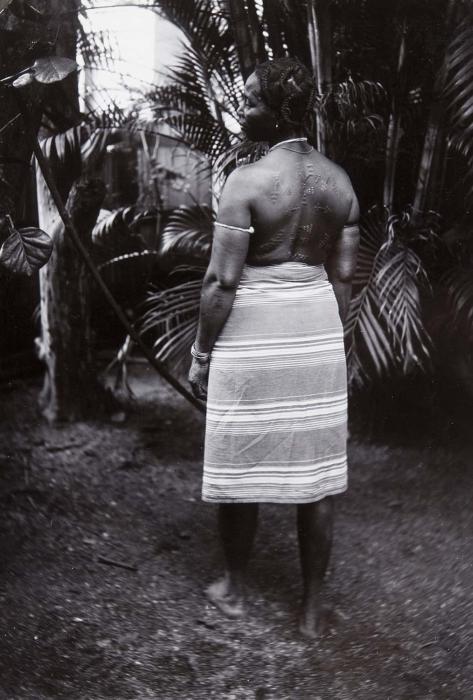
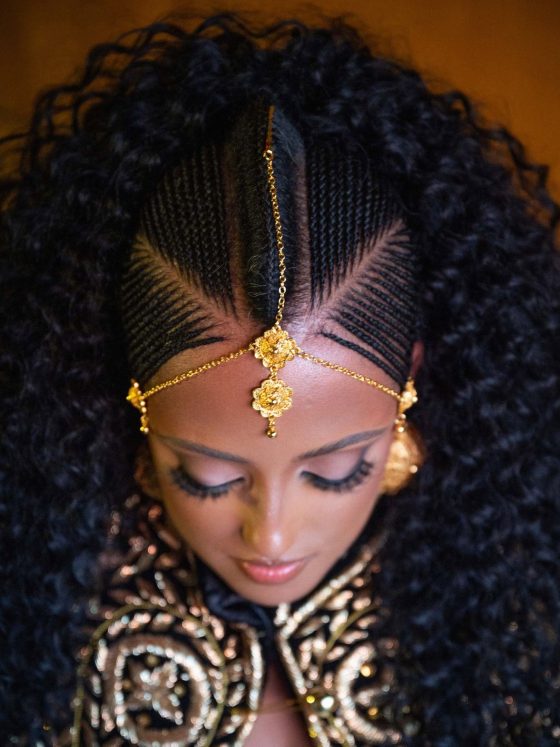
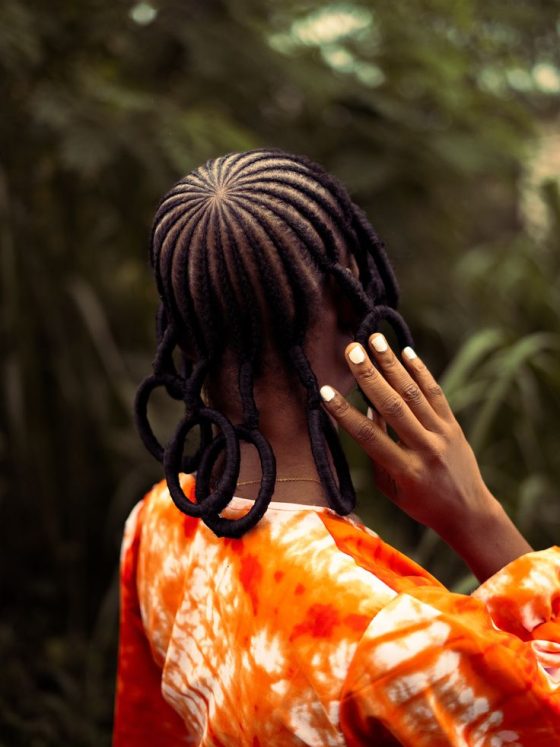
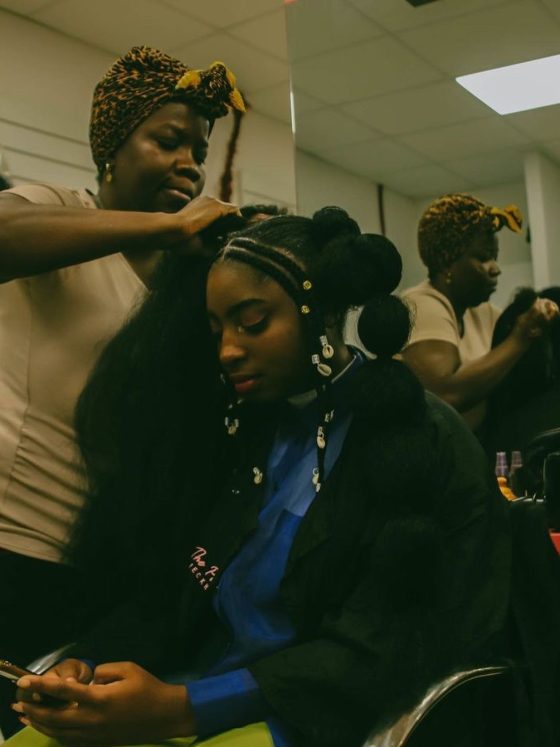
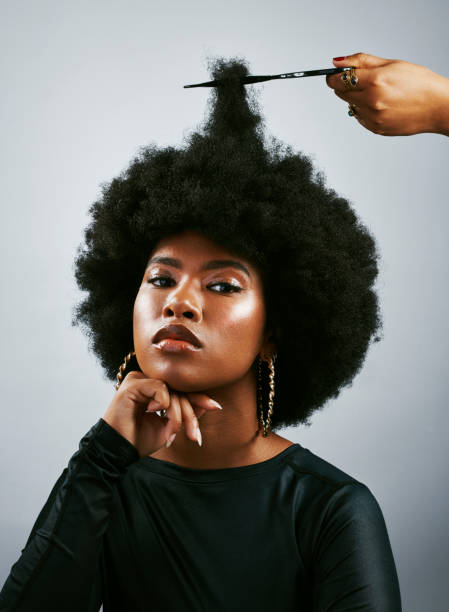
The elaborate hairstyles of Maroon women are not incidental to the comb’s significance. They are the context that gives the comb its purpose. Maroon women’s hair traditions require the kind of tool that the carved comb provides: a large-toothed implement capable of managing natural hair volume and texture, durable enough for daily use, and worthy in appearance of the person who wears it. The comb is not separate from the hairstyle it enables. Together they constitute a beauty practice that is as complete and as culturally significant as any dress tradition.
The connection among hair care, community practice, and cultural transmission is documented across African diaspora communities. As Omiren Styles’ documentation of African hair rituals and their role in community knowledge transmission confirms, hair care practices in African and diaspora communities function as social rituals: spaces where knowledge is transmitted, relationships are maintained, and cultural identity is practised in the most immediate and physical sense. The Maroon woman who uses a carved comb given to her by a specific person and styles her hair in a tradition maintained across generations of autonomous community life is engaging in exactly this kind of practice.
Scarification is a further dimension of Maroon bodily adornment. Carefully patterned arrangements of scar tissue create geometric designs on the faces and chests of community members, working in the same aesthetic vocabulary as the tembé motifs on carved objects: geometric, precise, specific to the individual, and carrying meaning within the community’s shared visual language. The scarified body, the elaborate hairstyle, and the carved comb together constitute an aesthetic system in which every surface available to adornment is considered and addressed.
Women’s Arts: The Overlooked Half
The colonial and early anthropological record of Maroon arts focused overwhelmingly on men’s woodcarving, which is the practice most immediately legible to outside observers as art. Women’s artistic traditions, including calabash carving, patchwork, embroidery, and the textile clothing fashions that Maroon women have developed and continually reinvented across generations, were ignored or dismissed. As Brill’s peer-reviewed documentation of Maroon fashion history confirms, the textile arts that carry Maroon fashion through from one generation to the next were totally ignored by early writers, who lavished praise on the men’s art of woodcarving but said virtually nothing about the artistic gifts of women, most importantly in calabash carving (referred to by one of them as doodling) and clothing. This is not a minor oversight. Women’s textile arts are as central to Maroon aesthetic life as men’s woodcarving. They simply required more cultural knowledge to recognise as art.
The calabash bowl carved by Maroon women is the domestic equivalent of the man’s carved comb: an everyday object transformed by applied geometric motif into something that carries aesthetic decision, individual expression, and relational meaning. Women use pieces of broken glass to finish bowl carvings, pressing designs into the calabash surface in the same tembé vocabulary that men use on wood. The community’s visual language is shared. The materials and the objects differ. The aesthetic commitment and the communicative intent are the same.
Maroon women’s textile traditions include patchwork clothing assembled from small pieces of fabric in complex geometric arrangements. The women have continued across generations to adopt newly available materials and invent novel techniques, adapting the tembé geometric vocabulary to each new material that enters their lives without losing the visual and communicative logic on which the tradition was built. This adaptability is itself evidence of a living culture rather than a preserved artefact: a tradition that is still being made rather than only being maintained.
The Tembé Tradition and International Recognition
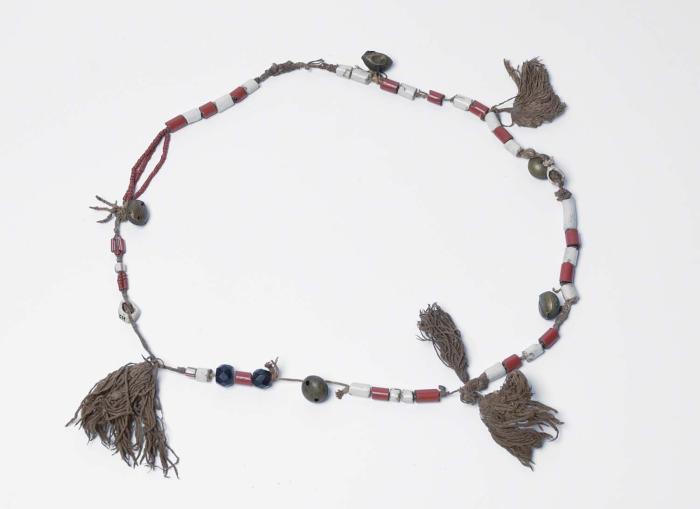
In 2020, tembé was included in France’s National Inventory of Intangible Cultural Heritage, recognising the practice as it exists among the Aluku and Ndyuka communities in French Guiana. This recognition gives institutional visibility to a practice long passed down through families, villages and everyday objects. It also serves as a reminder that this heritage is not static. It continues to evolve and inspire new generations. The tembé carved on a comb in a Maroon village today carries the same geometric vocabulary that was carved in the nineteenth century, and new hands are learning it through the same intimate transmission process: watching, practising, receiving objects, giving objects, understanding, through the material relationship, what the motifs are for.
The Omiren Argument
Suriname’s Maroon communities built one of the most complete and most original beauty cultures in the African diaspora, inside autonomous societies that the Dutch colonial system tried and failed to destroy. The African fashion and beauty market is worth $ 31 billion. The tembé tradition, which covers combs, calabashes, paddles, house pediments, and clothing in geometric patterns that carry specific meanings for specific people, is a beauty culture that made itself from almost nothing: from African aesthetic sensibilities carried forward without physical objects across the Middle Passage, from local materials available in a South American rainforest, from the sustained autonomy that peace treaties signed in the 1760s and 1770s gave these communities to develop their own cultural systems without European interference. The carved comb that a Maroon man gives to a woman is not a souvenir. It is simultaneously a letter, a declaration, a love token, a beauty tool, and a document of cultural continuity. The elaborate hairstyles that Maroon women maintain, the calabash bowls they carve with broken glass in the same geometric vocabulary that the men use on wood, the patchwork textiles they have continually reinvented across generations: all of these constitute a beauty culture of extraordinary sophistication that colonial-era observers chose to overlook because it did not conform to their categories of art. Omiren Styles documents it here as what it is: one of the most materially realised beauty cultures in the diaspora, built by people who decided that beauty was not a luxury that resistance prevented but a right that resistance protected.
Also Read:
- Gullah Geechee Women’s Headwrap Traditions, Still Practised Today
- Caribbean Beauty Rituals That Deserve a Global Stage
- Suriname Maroon Men’s Ceremonial Dress: Pangi, Kamisa and Cultural Memory
- Baobab Oil’s Supply Chain: Who Benefits From Africa’s Beauty Ingredient?
Frequently Asked Questions
What is tembé art?
Tembé is the Maroon woodcarving and decorative art tradition of Suriname and French Guiana. It refers to the geometric motifs carved onto everyday objects by Maroon men and women, including combs, paddles, food stirrers, trays, house pediments, and calabash bowls. Each piece of tembé is individual and carries specific meaning. One Maroon artist described it as geometric poetry: an art of expression that says things to specific people through visual language. In 2020, tembé was included in France’s National Inventory of Intangible Cultural Heritage, recognising the practice among the Aluku and Ndyuka communities in French Guiana.
Why do Maroon men carve combs?
Among the Ndyuka and other Maroon groups, carved objects, including combs, are given by men to women as love tokens: gifts that maintain relationships and express affection. The comb is both a practical haircare implement, used to style the elaborate hairstyles Maroon women are known for, and a declaration, pressed in wood and covered with tembé geometric motifs specific to the maker and the recipient. Combs can be fourteen or fifteen inches tall and may carry identical tembé carvings on both sides. Ceremonial combs are given for special occasions. The practice of carving objects for women during periods of absence, when a man is away travelling or working, means that the comb can also serve as a record of longing and distance.
What are Maroon women’s art traditions?
Maroon women’s art traditions include calabash carving (using pieces of broken glass to press tembé geometric motifs into calabash bowl surfaces), patchwork textile construction (assembling complex geometric patterns from small pieces of fabric), embroidery, and clothing fashions that have been continually reinvented across generations using newly available materials while maintaining the underlying tembé aesthetic vocabulary. These traditions were largely ignored by colonial-era observers and early anthropologists, who focused overwhelmingly on men’s woodcarving. Academic scholarship, particularly that of Sally and Richard Price, spanning more than fifty years of ethnographic research, has documented the importance and sophistication of women’s artistic contributions to Maroon material culture.
What is the cultural significance of hair in Maroon communities?
Hair is central to Maroon women’s adornment culture. The elaborate hairstyles maintained by Maroon women require the specifically designed carved comb, which is both a practical implement and a gifted object carrying relational meaning. Hair, the carved comb that styles it, scarification patterns on the body, and textile clothing together constitute an aesthetic system in which every available surface is considered as a site of adornment and expression. The comb given as a love token connects the haircare practice to the community’s relationship economy: the man’s carving skill and the woman’s hairstyling tradition are part of the same cultural system.
Who are the Maroons of Suriname?
The Maroons of Suriname are descendants of enslaved Africans who escaped Dutch plantations in the seventeenth and eighteenth centuries and built autonomous societies in the interior rainforest of Suriname and present-day French Guiana. There are six major groups: the Saamaka (also spelt Saramaka), the Ndyuka (also known as Okanisi or Aukan), the Aluku (also known as Boni), the Pamaka (Paramaka), the Matawai, and the Kwinti. The Dutch colonial government, unable to defeat them militarily, signed peace treaties with the Ndyuka in 1760, the Saamaka in 1762, and the Matawai in 1767, granting them formal political autonomy. Today the Saamaka and Ndyuka are the largest groups, each with populations in the tens of thousands across Suriname, French Guiana, and diaspora communities in the Netherlands.
Explore More
Read the full Culture > Heritage & Identity section for Omiren Styles’ documentation of diaspora beauty cultures, hair traditions, and the communities who made beauty material as an act of resistance and continuity.
Discover travel and heritage intelligence across Africa and the Caribbean diaspora at Rex Clarke Adventures.