Menu
  • African Style
    • Designers & Brands
    • Street Fashion in Africa
    • Traditional to Modern Styles
    • Cultural Inspirations
  • Fashion
    • Trends
    • African Fashion Designers
    • Afro-Latin American Designers
    • Caribbean Designers
    • Street Style
    • Sustainable Fashion
    • Diaspora Connects
  • Beauty
    • Skincare
    • Makeup
    • Hair & Hairstyle
    • Fragrance
    • Beauty Secrets
  • Lifestyle
    • Culture & Arts
    • Travel & Destination
    • Celebrity Style
    • Luxury Living
    • Home & Decor
  • News
    • Cover Stories
    • Designer Spotlight
    • Fashion Weeks
    • Style Icons
    • Rising Stars
    • Opinion & Commentary
  • Women
    • Women’s Style
    • Health & Wellness
    • Workwear & Professional Looks
    • Evening Glam
    • Streetwear for Women
    • Accessories & Bags
  • Shopping
    • Fashion finds
    • Beauty Picks
    • Gift Guides
    • Shop the Look
  • Events
    • Fashion Week Coverage
    • Red Carpet & Galas
    • Weddings
    • Industry Events
    • Omiren Styles Special Features
  • Men
    • Men’s Style
    • Grooming Traditions
    • Menswear Designers
    • Traditional & Heritage
    • The Modern African Man
  • Diaspora
    • Designers
    • Culture
  • Industry
    • Insights
    • Investment
    • Partnerships
    • Retail
    • Strategy
Subscribe
OMIREN STYLES OMIREN STYLES

Fashion · Culture · Identity

OMIREN STYLES OMIREN STYLES OMIREN STYLES OMIREN STYLES
  • Africa
  • Women
  • Men
  • Fashion
  • Beauty
  • Lifestyle
  • Diaspora
  • Industry
  • News
  • Fashion

How to Develop a Signature Style That Has Nothing to Do With Trends

  • Fathia Olasupo
  • March 26, 2026
How to Develop a Signature Style That Has Nothing to Do With Trends
Total
0
Shares
0
0
0

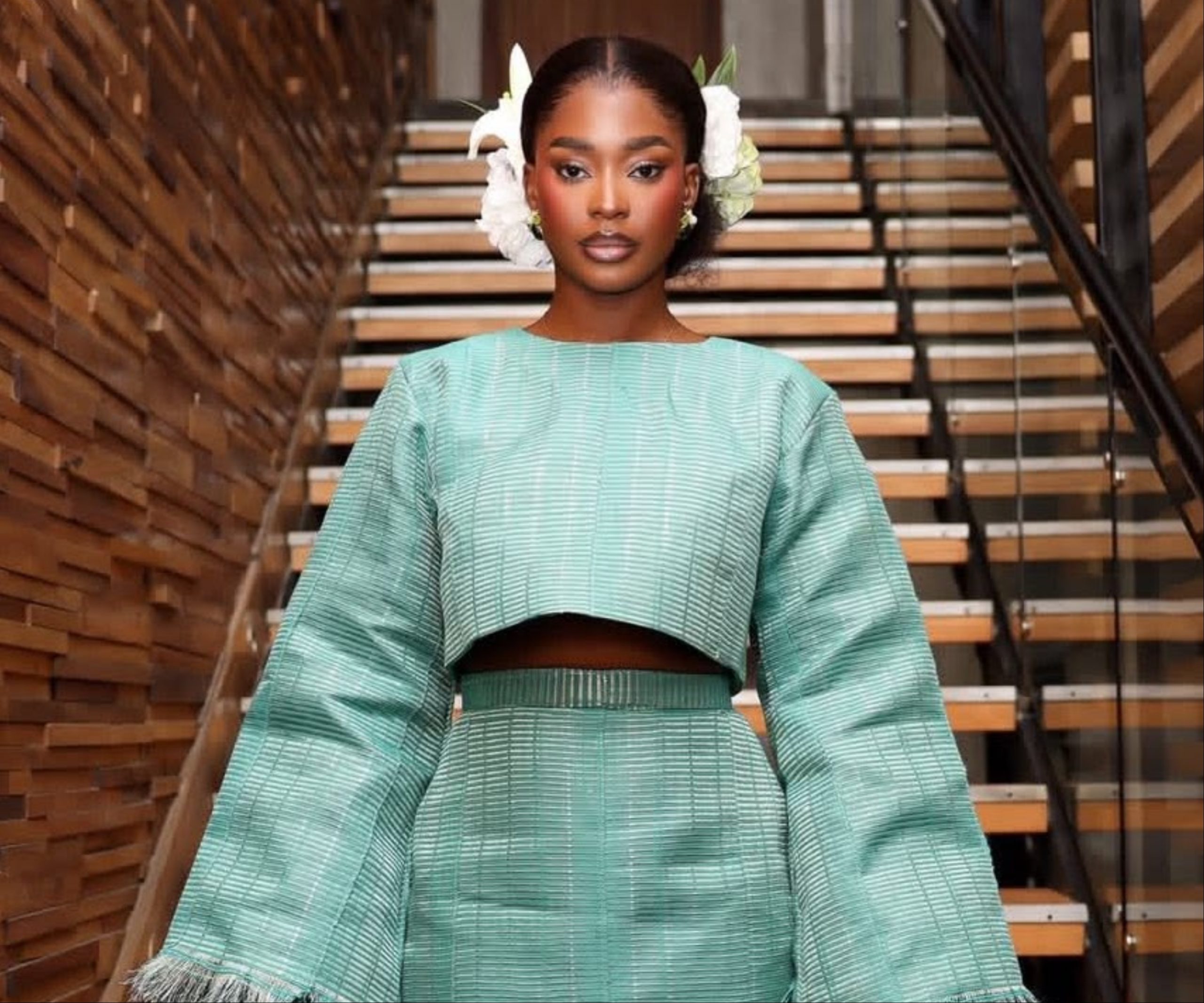
Trends come and go. They dominate social media feeds for a season, flood stores with copycat designs, and vanish before you’ve even learned to appreciate them. The signature style is different. It is intentional, enduring, and deeply personal. More than aesthetics, it communicates who you are, where you come from, and the life you are actively building.

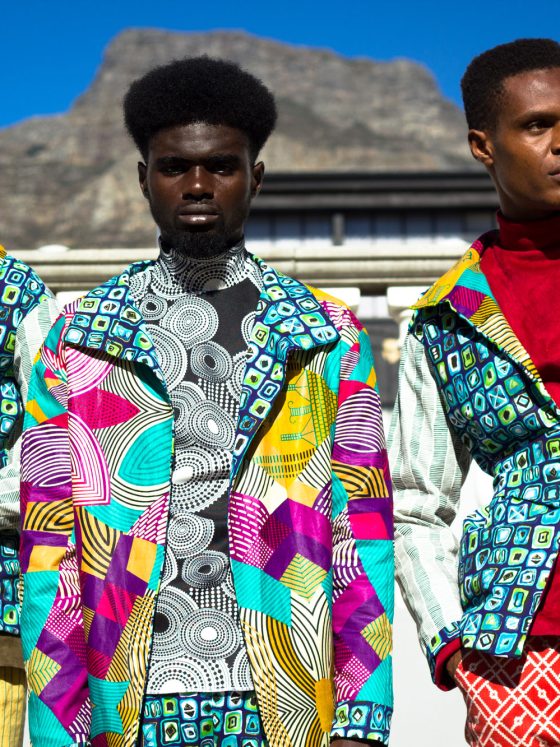
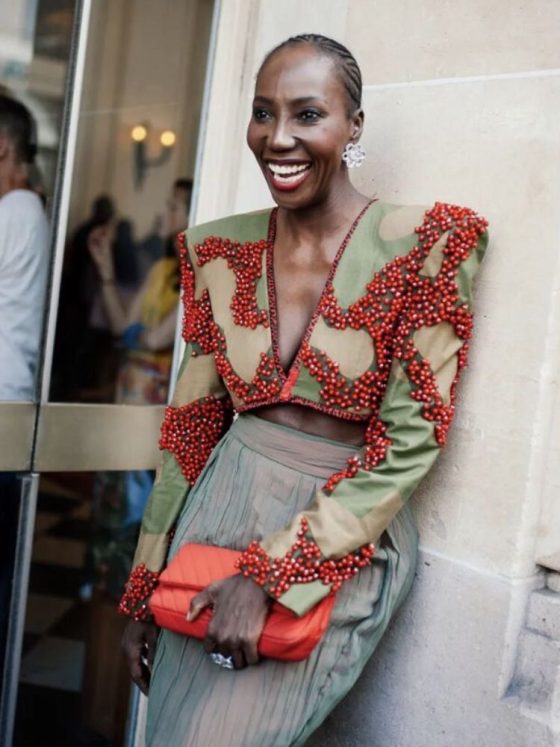
Across Africa and the diaspora, signature style is an instrument of cultural and personal authority. A Lagos entrepreneur layering hand-woven cotton over structured tailoring is not merely dressing; he is asserting identity, presence, and ambition simultaneously. A Caribbean creative blending embroidery with contemporary silhouettes signals confidence, rootedness, and vision. Signature style transcends seasons and evolves with purpose.

Build a signature style rooted in heritage, intention, and identity. Learn how to express yourself without following fleeting fashion trends.

Anchoring Style in Identity
Anchoring Style in Identity

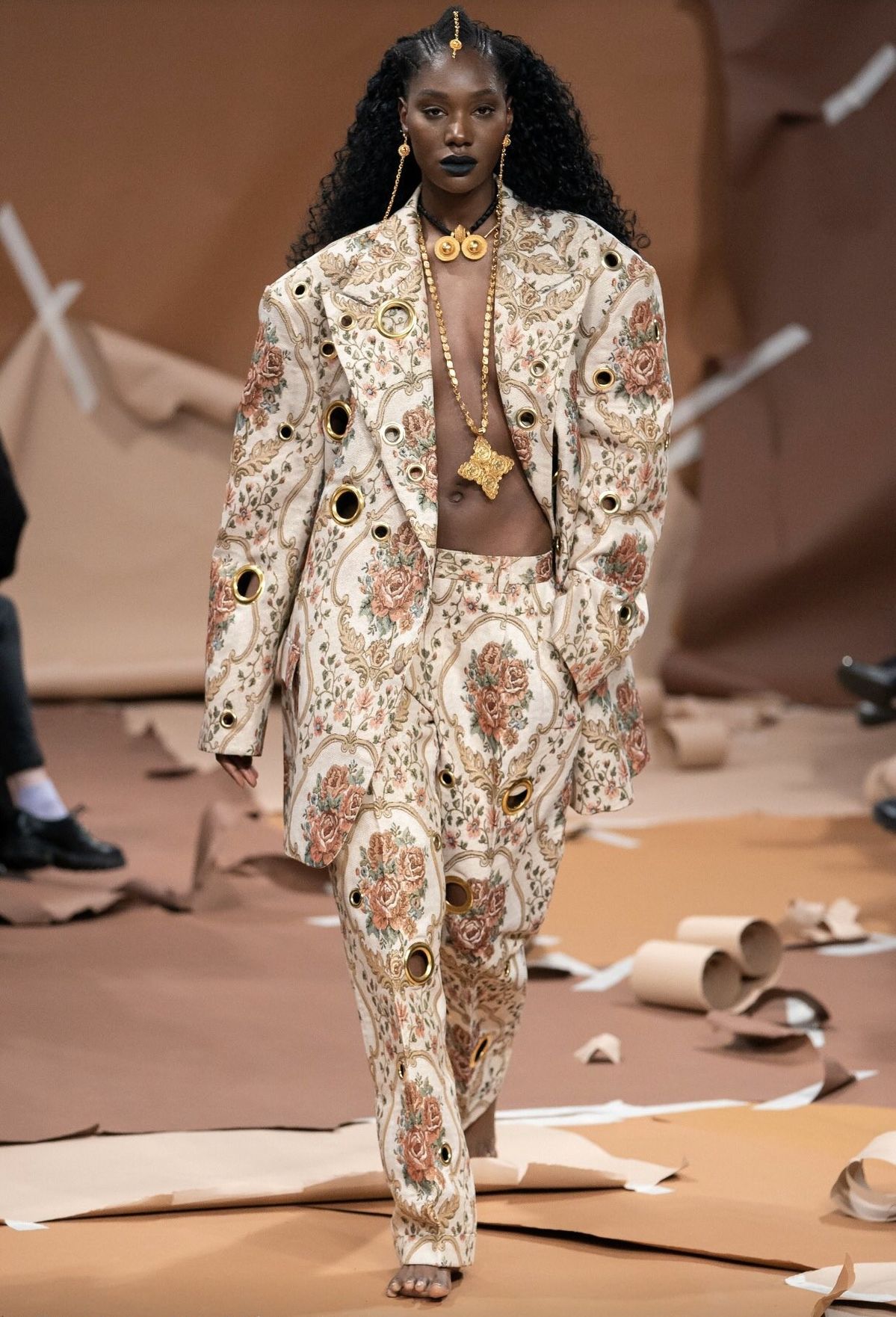
Developing a signature style begins with grounding clothing in identity:

  1. Cultural literacy: Signature style draws from heritage. Subtle integration of textiles, patterns, or traditional silhouettes transforms everyday clothing into a statement of ancestry and belonging.
  2. Silhouette consistency: Identify the shapes and cuts that reflect your personality, flatter your body, and communicate presence. Consistency builds recognition and authority.
  3. Colour language: A carefully curated palette reflects your identity and role in society, rather than the whims of seasonal colour forecasts.
  4. Material understanding: Fabrics tell stories about how they drape, move, and age; their drape, movement, and ageing communicate refinement, longevity, and intent.

The most powerful signature styles are readable; they communicate nuance, intellect, and purpose without needing to shout.

How to Build Without Following Trends

Many mistake style for trend adherence. Signature style is curated, experimental, and consistent, not reactive.

  • Curation: Audit your wardrobe. Keep pieces that feel authentic, communicate your story, and align with your current life. Discard garments that exist solely because they are fashionable.
  • Experimentation: Mix textures, textiles, and patterns until recurring combinations emerge. These become the seeds of your signature.
  • Consistency: Repeat key pieces, shapes, and pairings thoughtfully. A signature style is recognisable because it maintains coherence, not because it follows fleeting trends.

Across African and diaspora fashion, inspiration abounds. Consider:

  • A Ghanaian hand-loomed jacket paired with minimalist tailoring signals authority.
  • A Caribbean-inspired embroidered shirt combined with contemporary trousers communicates creativity and heritage.
  • Latin American artisanal textiles adapted into modern cuts showcase cultural intelligence and personal taste.

These pieces communicate without words, asserting presence while honouring heritage.

Signature Style as Cultural and Personal Authority
Signature Style as Cultural and Personal Authority

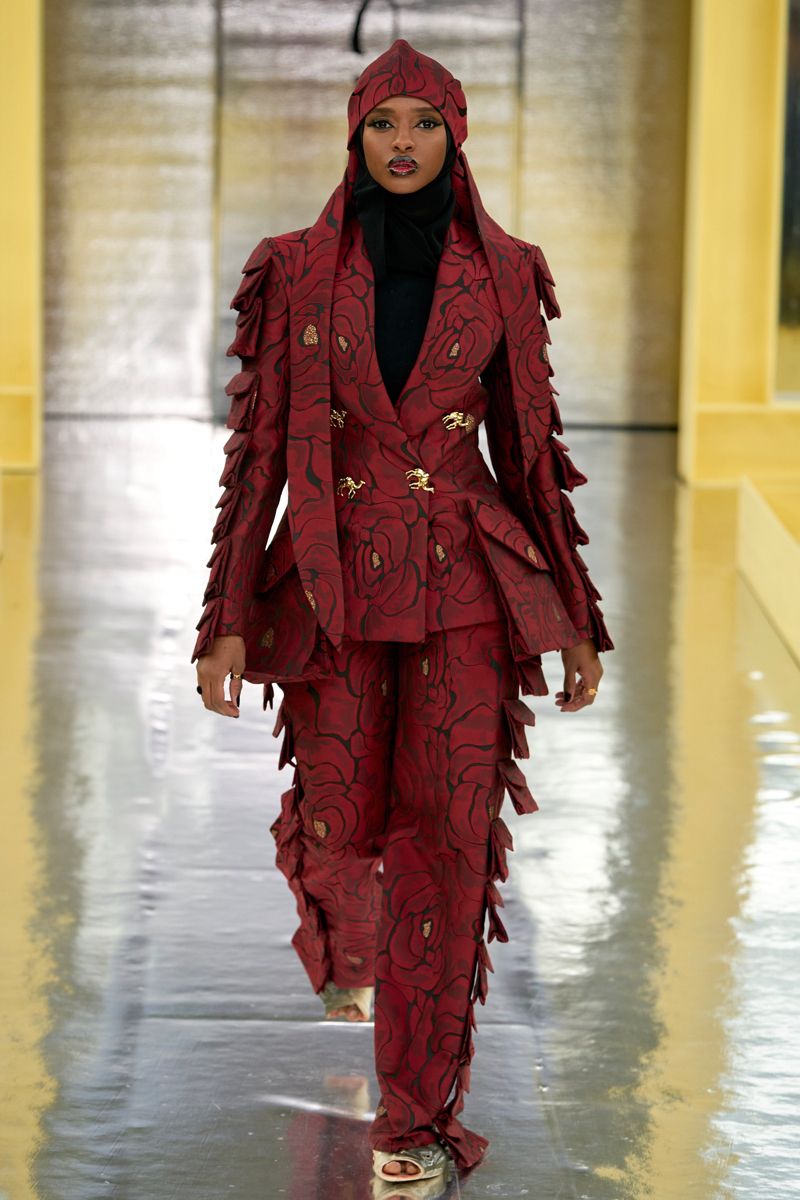
Signature style is more than a visual preference. It is a tool of authority and influence:

  • It signals intention, showing the wearer is conscious of identity, context, and ambition.
  • It bridges heritage and modernity, allowing culturally grounded statements without needing explanation.
  • It creates psychological consistency, allowing mental energy to focus on purpose rather than wardrobe anxiety.

When fully realised, signature style renders trends irrelevant. Clothing becomes a medium for storytelling, power, and cultural literacy rather than a reaction to a fashion calendar.

READ ALSO:

  • Loza Maléombho: Redefining African Fashion for the Global Stage
  • Thebe Magugu: African Heritage Meets Global Luxury in 2025

How to Start Developing Your Signature Style
How to Start Developing Your Signature Style

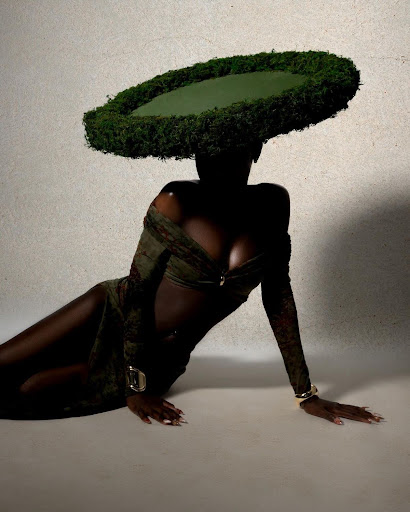
  1. Identify your constants: Recognise fabrics, cuts, and colours that resonate with your identity across time.
  2. Integrate heritage thoughtfully: Subtle references to traditional textiles or patterns provide cultural depth.
  3. Commit to quality: Prioritise materials and craftsmanship that endure beyond seasonal trends.
  4. Build a visual language: Layering techniques, accessory choices, and colour pairings should reflect consistency.
  5. Evolve with intention: Allow your style to grow alongside your ambitions, adapting without chasing fleeting fads.

The signature style is liberating. It removes the pressure to follow trends and places the wearer firmly in control of their narrative. Each garment chosen intentionally becomes a marker of self-definition.

Beyond Aesthetic: Style as Statement

The wardrobe is no longer just about appearance; it is about agency, authority, and presence. A signature style communicates that the wearer is deliberate, culturally literate, and ambitious. It asserts:

  • I am aware of my heritage and carry it with me.
  • I am present in my current life and intentional about my choices.
  • I am building my future, and my clothing reflects that ambition.

When trends fade, signature style remains, becoming an enduring reflection of self, culture, and purpose.

FAQs

  1. How can I create a signature style without following trends?

Focus on consistent silhouettes, curated fabrics, cultural elements, and wardrobe pieces that reflect identity and goals.

  1. Why is integrating heritage important for personal style?

Heritage-infused clothing communicates authenticity, cultural literacy, and depth, giving style long-term resonance.

  1. How do fabrics affect the perception of signature style?

Materials convey refinement, durability, and intention, making your style communicative and memorable.

  1. What steps can I take to identify my signature style?

Audit your wardrobe, experiment with combinations, repeat key elements, and refine based on identity, lifestyle, and goals.

  1. How does signature style differ from following fashion trends?

Signature style is intentional, enduring, and culturally grounded; trends are temporary, externally dictated, and often superficial.


Post Views: 139
Total
0
Shares
Share 0
Tweet 0
Pin it 0
Related Topics
  • intentional dressing style
  • signature personal style
  • timeless fashion identity
Fathia Olasupo

olasupofathia49@gmail.com

You May Also Like
Haitian Vodou Dress and the Colours That Are Not for Decoration
View Post
  • Diaspora Connects

Haitian Vodou Dress and the Colours That Are Not for Decoration

  • Ayomidoyin Olufemi
  • April 17, 2026
What Jamaica Kept: The African Fabrics and Head-Tie Traditions That Survived the Middle Passage
View Post
  • Cultural Inspirations
  • Diaspora Connects

What Jamaica Kept: The African Fabrics and Head-Tie Traditions That Survived the Middle Passage

  • Ayomidoyin Olufemi
  • April 16, 2026
The Timing of Fashion: Why Some Ideas Are Only Accepted Later
View Post
  • Beauty
  • Fashion

The Timing of Fashion: Why Some Ideas Are Only Accepted Later

  • Fathia Olasupo
  • April 15, 2026
The White Shirt: A Study in Minimalist Authority
View Post
  • Men's Style
  • Trends

The White Shirt: A Study in Minimalist Authority

  • Faith Olabode
  • April 15, 2026
The African Men Who Dress to Be Remembered: Style, Power, and the Continent’s Forgotten Dandy Tradition
View Post
  • Diaspora Connects
  • Style & Identity

The African Men Who Dress to Be Remembered: Style, Power, and the Continent’s Forgotten Dandy Tradition

  • Ayomidoyin Olufemi
  • April 15, 2026
KikoRomeo: The Nairobi Brand That Turned Kenyan Craft Into Global Fashion Authority
View Post
  • African Fashion Designers

KikoRomeo: The Nairobi Brand That Turned Kenyan Craft Into Global Fashion Authority

  • Adams Moses
  • April 14, 2026
View Post
  • African Fashion Designers
  • Opinion & Commentary

Why Fashion Brands Don’t Scale: Access Over Design

  • Fathia Olasupo
  • April 14, 2026
Mia Amor Mottley: The Prime Minister Who Wears the Caribbean on the World Stage
View Post
  • Caribbean Designers
  • Celebrity Style
  • Fashion

Mia Amor Mottley: The Prime Minister Who Wears the Caribbean on the World Stage

  • Rex Clarke
  • April 12, 2026

Leave a Reply Cancel reply

Your email address will not be published. Required fields are marked *

The Omiren Argument

African fashion and culture are not emerging. They are foundational. We document, interpret, and argue for the full cultural weight of African and diaspora dress. With precision. Without apology.

Omiren Styles Fashion · Culture · Identity

All 54 African Nations
Caribbean · Afro-Latin America
The Global Diaspora

Platform

  • About Omiren Styles
  • Our Vision
  • Our Mission
  • Editorial Pillars
  • Editorial Policy
  • The Omiren Collective
  • Campus Style Initiative
  • Sustainable Style
  • Social Impact & Advocacy
  • Investor Relations

Contribute

  • Write for Omiren Styles
  • Submit Creative Work
  • Join the Omiren Collective
  • Campus Initiative
Contact
contact@omirenstyles.com
Our Reach

Africa — All 54 Nations
Caribbean
Afro-Latin America
Global Diaspora

African fashion intelligence, in your inbox.

Editorial features, designer profiles, cultural commentary. No noise.

© 2026 Omiren Styles — Rex Clarke Global Ventures Limited. All rights reserved.
  • Privacy Policy
  • Editorial Policy
  • Terms of Use
  • Accessibility
Africa · Caribbean · Diaspora
The Omiren Argument

African fashion and culture are not emerging. They are foundational. We document, interpret, and argue for the full cultural weight of African and diaspora dress. With precision. Without apology.

Omiren Styles Fashion · Culture · Identity
  • About Omiren Styles
  • Our Vision
  • Our Mission
  • Editorial Pillars
  • Editorial Policy
  • The Omiren Collective
  • Campus Style Initiative
  • Sustainable Style
  • Social Impact & Advocacy
  • Investor Relations
  • Write for Omiren Styles
  • Submit Creative Work
  • Join the Omiren Collective
  • Campus Initiative
Contact contact@omirenstyles.com

All 54 African Nations · Caribbean
Afro-Latin America · Global Diaspora

African fashion intelligence, in your inbox.

Editorial features, designer profiles, cultural commentary. No noise.

© 2026 Omiren Styles
Rex Clarke Global Ventures Limited.
All rights reserved.

  • Privacy Policy
  • Editorial Policy
  • Terms of Use
  • Accessibility
Africa · Caribbean · Diaspora

Input your search keywords and press Enter.