Morocco’s babouche trade has global customers. The harder question is whether it has a global value chain that works for the people who make the slipper.
The African fashion market is worth 31 billion dollars. Morocco’s handicraft exports reached a record MAD 1.232 billion (approximately $130 million) in 2025, up 11% from 2024 and up 55% from MAD 792 million in 2019. As Morocco World News confirmed in March 2026, based on government spokesperson Mustapha Baitas, the United States accounts for 49% of recorded handicraft exports, followed by France at 10.5%, with Turkey surging to third place at 6% after exports more than doubled. The sector employs 20% of Morocco’s active workers, with women representing 54% of artisans, and contributes 7% to GDP and 10% to tourism revenues.
Those headline figures show that international demand for Moroccan craft is real and growing. They do not reveal who captures the margin between a leather workshop in Fès and a finished product sold in New York or Paris. That gap is the babouche value-chain question, and the 2025 data contains a detail that makes it more urgent: leather goods exports fell 23% in the January-to-September period. The overall handicraft headline is positive, while the leather category that produces babouches is declining. That tension is not an anomaly. It is the industry’s real story.
Morocco’s handicraft exports hit MAD 1.23 billion in 2025. But leather goods fell 23%. The babouche value chain question is whether growth reaches the makers.
The Babouche as a Supply Chain
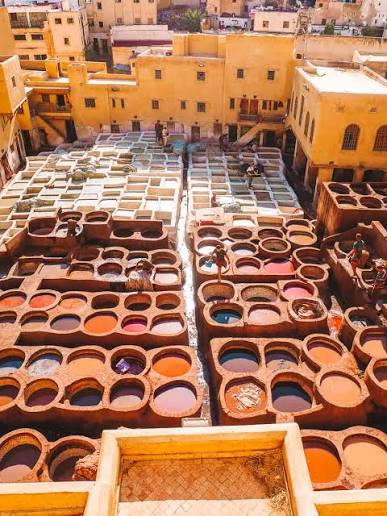
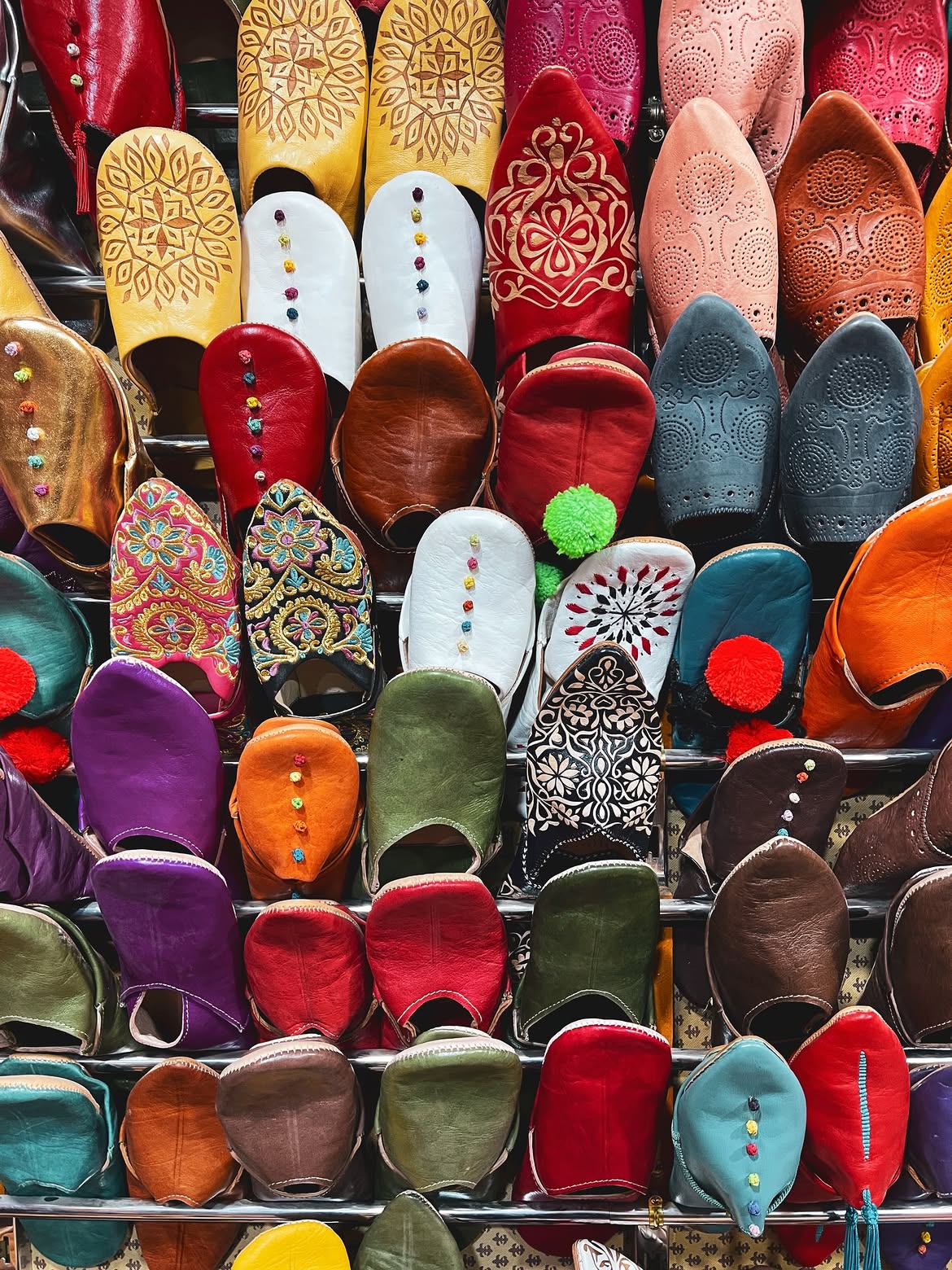
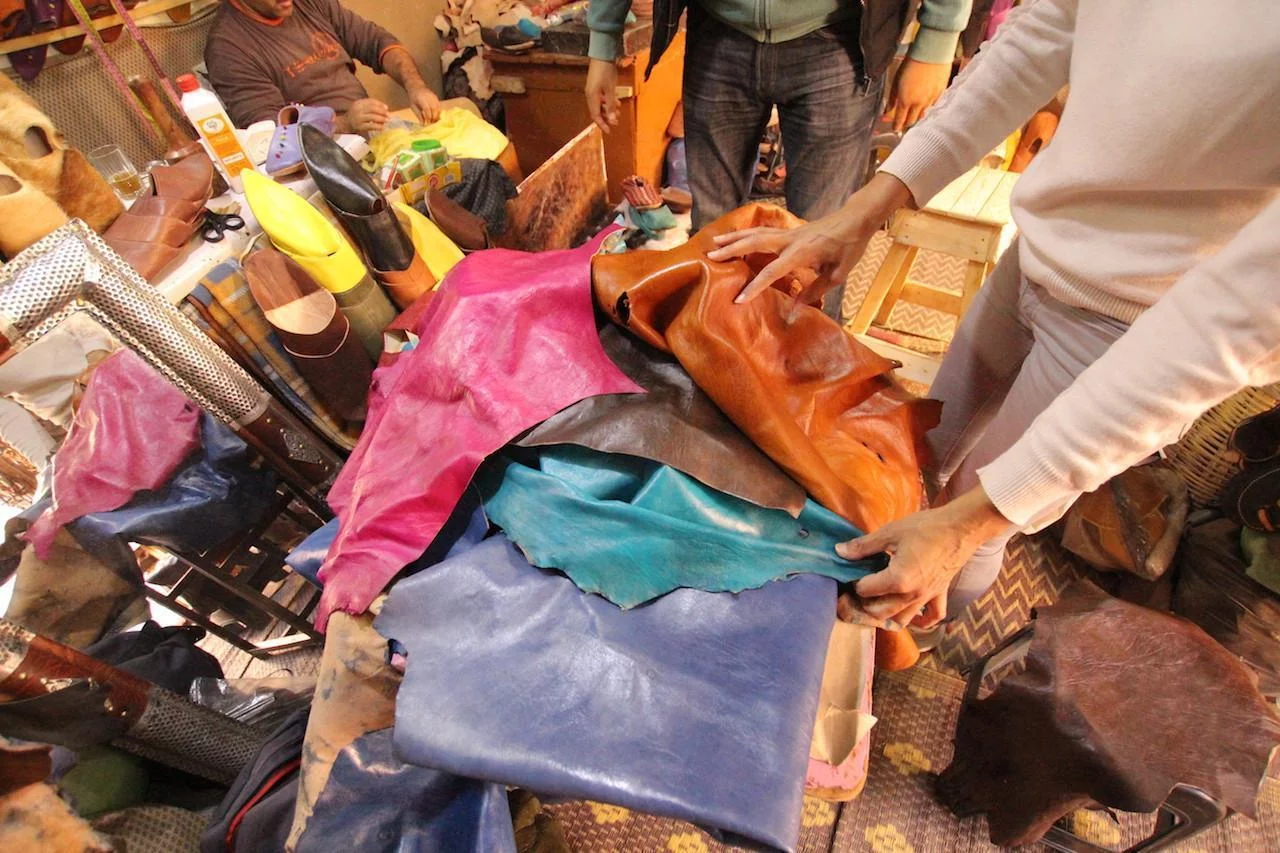
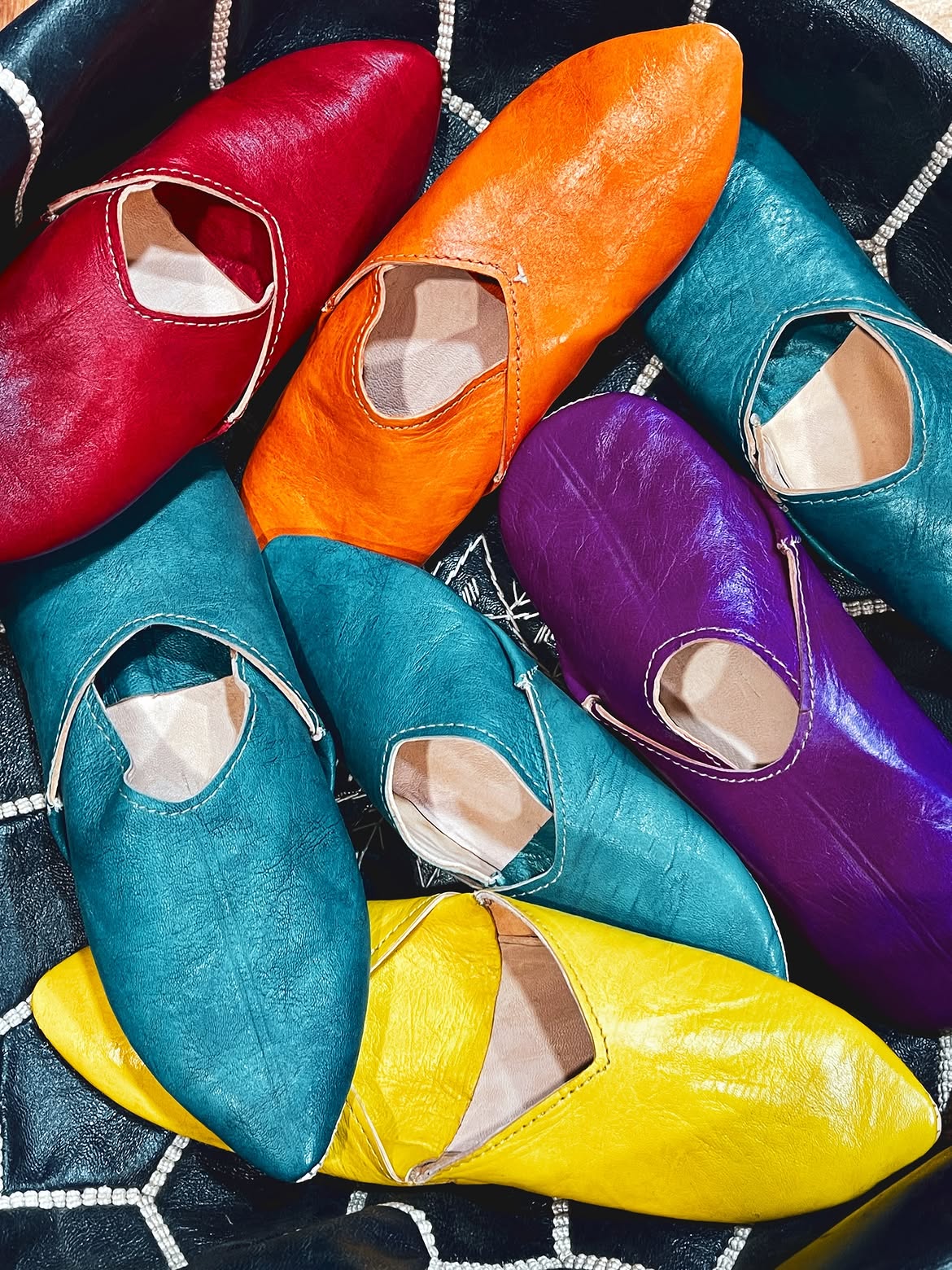
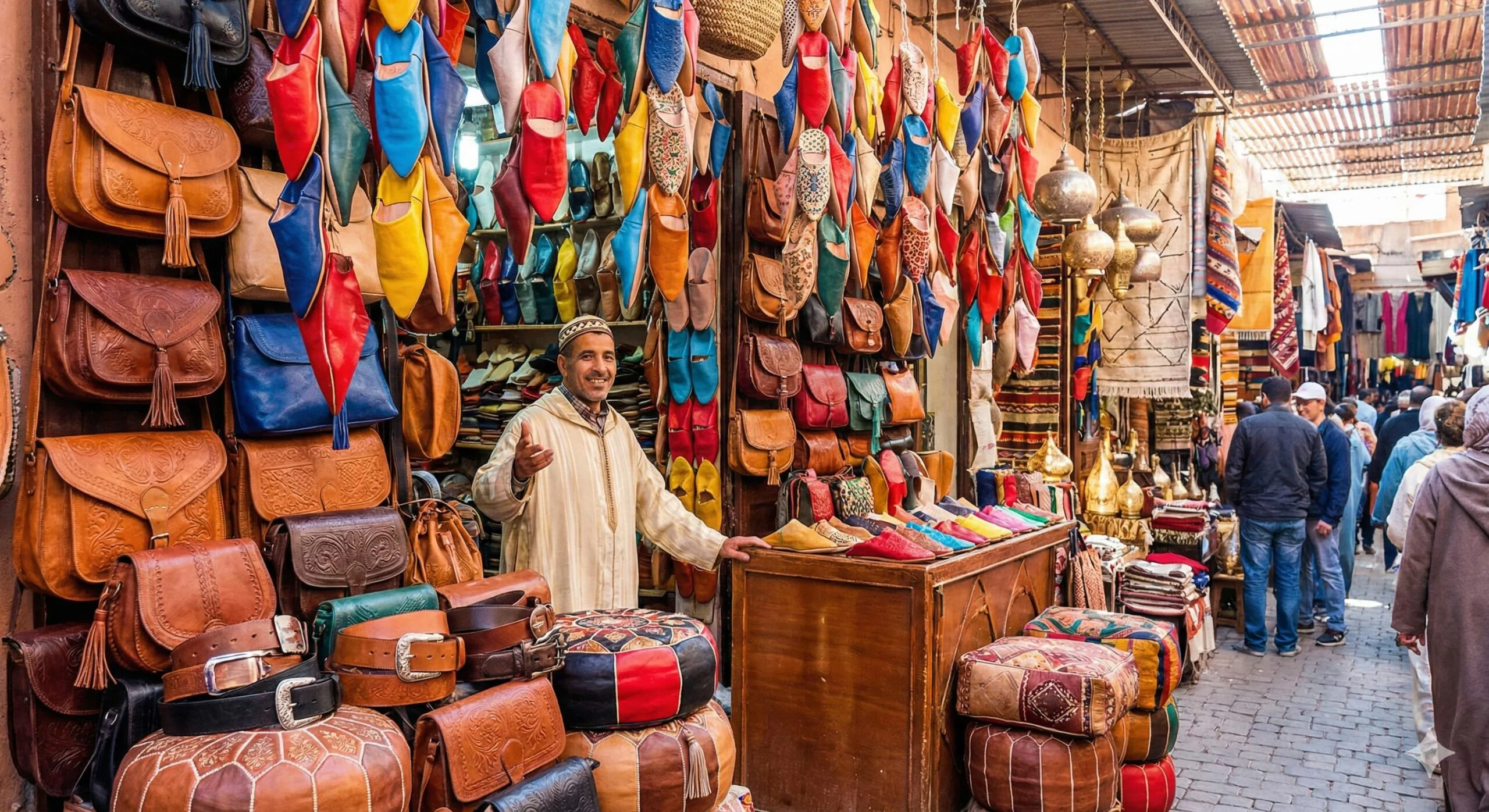
The babouche, Morocco’s traditional backless leather slipper, is not one product. It is a category that spans handmade artisan production from cured hides using traditional tannery processes, through mass-manufactured factory versions using synthetic materials, to premium export products designed for international boutiques. The material journey of a single pair involves hide sourcing and tanning, leather finishing and dyeing, workshop cutting and stitching, sole assembly, local retail or souk sale, export aggregation, overseas retail, and in the most direct cases, online direct-to-consumer sale.
At every stage of that journey, value is added. At every stage, value can also move away from the workshop. The tanner who processes the hide may have no visibility into the final retail price in a Paris boutique. The cutter who shapes the leather may not know the name of the overseas buyer who will eventually wear the slipper. The workshop owner who stitches the finished pair may sell to a local trader at a price set by market convention rather than by any transparent negotiation. The critical question is not whether these transactions occur. They do, and the export figures confirm it. The question is whether the makers have enough information, bargaining power, and market access to negotiate terms that reflect the value of their labour and knowledge.
Export value measures what crosses the border. It does not automatically measure who controls pricing, branding, customer data, or profit after the product leaves the workshop. Morocco’s babouche trade is reaching more international consumers than at any point in the available data. The distribution of the value it creates remains unverified.
Fès: The Trade’s Capital and Its Contradictions
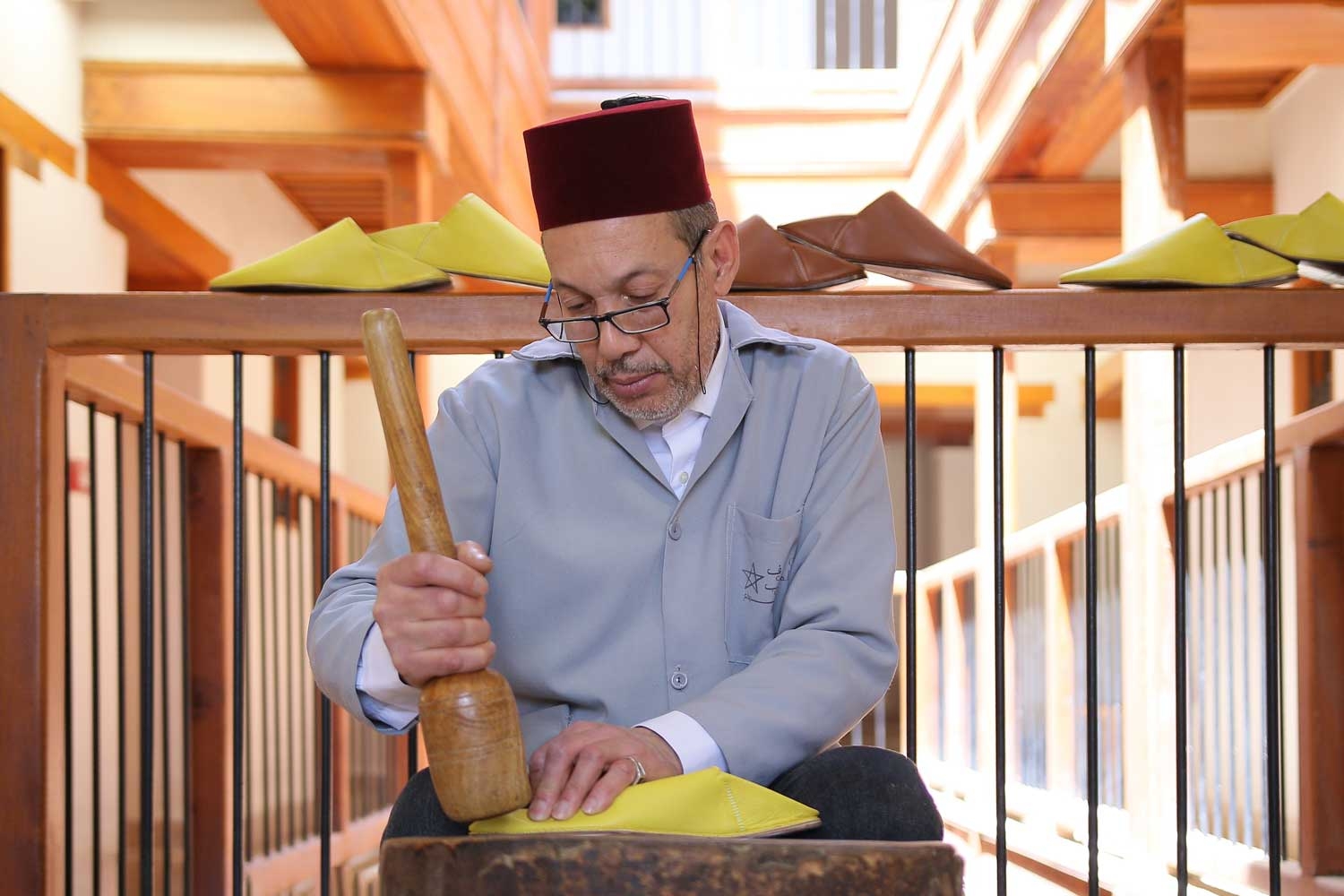
Fès is the most significant city in the babouche leather trade and the site of the most dramatic growth in the 2025 data. As Hespress confirmed from the State Secretariat’s January 2026 report, Fès recorded export growth of 81% in 2025, increasing its share of national handicraft exports from 13% to 21%. That is extraordinary growth for a single city in a single year, and it confirms that Fès has moved from a secondary to a major position in Morocco’s export geography. The Chouara tannery complex, the el-Bali medina workshops, and the network of leather traders that connects them to export channels have collectively produced the most dynamic export growth story in the Moroccan handicraft sector in 2025.
But Fès’s export growth does not confirm that Fès’s artisans are stronger. A city’s export share can grow because more intermediaries are routing product through its channels, because export aggregators are consolidating Fès-produced goods for overseas buyers, or because a few large wholesale operations have scaled up their international sales. None of these mechanisms requires that the individual workshop owner or piece-rate leather worker has received a higher purchase price for their labour. The 81% growth figure measures output; it does not measure who benefited from it.
The specific skills embedded in Fès leather production represent the value at stake. Traditional tanning using plant-based processes, the colour-dyeing knowledge that produces Fès leather’s characteristic palette, the pattern-cutting skills for different babouche styles, and the assembly techniques that distinguish handmade from factory production are not skills that can be replicated industrially without losing the qualities that international buyers describe as the reason for buying Moroccan babouches in the first place. The artisans who hold these skills are the source of the trade’s value proposition. Whether they are the primary beneficiaries of the industry’s international commercial success remains the industry’s unresolved question.
What the Data Does and Does Not Show
The most important detail in the 2025 export data for the babouche trade is one that contradicts the positive headline: leather goods exports fell 23% in the January-to-September period, even as overall handicraft exports grew 11%. As Morocco World News documented in October 2025, based on the national handicraft secretariat’s quarterly data, basketry and leather goods both declined by 23%, while traditional clothing surged 115% and pottery and stone products maintained their position as the largest category at 36% of total exports. The decline in leather goods occurred during the same period that Fès recorded its strongest growth. The two facts are not necessarily in contradiction, because Fès’s growth includes categories beyond leather, but the divergence between leather goods and the broader handicraft headline is a significant data point for anyone assessing the babouche trade specifically.
The footwear-specific trade data adds useful but cautious context. Morocco’s exports under HS 640359, the customs category for leather footwear with outer soles not elsewhere specified, were approximately $8.09 million in 2024, with France, Italy, and Spain as the largest recorded destinations. That figure is not a direct count of babouche exports: the customs category includes other types of leather footwear, and babouches sold as accessories or craft goods rather than as footwear may be recorded under different categories. The figure should be read as leather footwear sector context rather than as a precise babouche market measurement.
The Intermediary Question
Any serious analysis of the babouche value chain must resist the temptation to cast intermediaries as the story’s villains. Traders, wholesalers, and exporters can provide services that individual workshop owners cannot easily fund independently: consolidated orders, quality control, export documentation and customs compliance, packaging and labelling, overseas distribution, retail relationships, demand forecasting, and customer service in languages and time zones that a Fès workshop cannot easily manage from its tannery floor.
The structural problem is not that intermediaries exist. It is the conditions under which they operate. The questions that determine whether intermediaries create or extract value in the babouche supply chain include: who sets the purchase price, and is it set transparently or by convention; whether makers are paid on delivery or after resale; whether workshops have visibility into the final retail price; whether producers can negotiate repeat orders or whether each transaction is effectively spot-priced; who owns the customer relationship and the customer data; and whether a workshop that wanted to export independently could do so without prohibitive cost in documentation, logistics, and minimum-order thresholds.
None of these questions can be answered from national export data. They require price-chain research, producer interviews, and contract documentation that is not publicly available for the Moroccan babouche sector. What can be said is that the combination of 440,000 registered artisans, a sector contributing 7% of GDP, and a national export figure of MAD 1.23 billion produces an average of approximately MAD 2,800 per registered artisan per year in export value if distributed evenly, which is approximately $280. That figure is not a real income estimate because export value is not artisan income and many artisans serve domestic rather than export markets. But it illustrates the scale gap between the sector’s headline commercial performance and the individual economic position of the artisans who constitute it.
What a Stronger Trade Would Look Like
The 2025 data confirms that Morocco’s babouche trade has international momentum. The sector-structure question is whether that momentum can be redirected to strengthen artisan positions rather than merely growing aggregate export value. As Omiren Styles’ documentation of Guinea’s léppi GI protection confirms, a legal protection framework can provide a basis for collective action by artisans. Still, it cannot, on its own, change the pricing power, market access, or financial position of individual makers within that framework. Morocco’s babouche trade faces the same structural challenge: the instruments for stronger artisan positions exist at the policy level (the National Handicrafts Register, the professional artisan card, the state support programmes), but their translation into practical commercial bargaining power at the workshop level is the gap that national export figures do not measure.
Specific mechanisms that could strengthen artisan positions include producer cooperatives with transparent pricing and shared export services; digital tools enabling workshops to receive and manage direct orders from international buyers; training in packaging, product photography, pricing, and international compliance; collective sourcing of leather and materials to reduce input costs; geographic indication or authenticity frameworks where producers support them; transparent maker attribution on premium products; and buyer contracts with deposits, minimum-order clarity, and fair payment timelines. These are not romantic proposals for returning the trade to a pre-commercial era. They are commercial tools that exist and work in other craft and agricultural sectors, and the babouche trade’s scale and international demand would justify deploying them.
The Omiren Argument
Morocco’s babouche trade should not be judged only by the distance its slippers travel. The African fashion market is worth 31 billion dollars. A record handicraft export figure of MAD 1.232 billion in 2025 proves that international demand for Moroccan craft exists at scale. It does not prove that the tanner, cutter, stitcher, and shoemaker who create the babouche have gained greater pricing power, customer access, or brand ownership through that growth. The 23% decline in leather goods exports in the same year that overall handicraft momentum reached a record high is a detail the value-chain analysis cannot ignore: growth in the sector aggregate is occurring even as the specific product category most associated with Fès’s leather craft is contracting. Fès’s 81% export growth tells a city-level story of rising commercial position. The decline in leather goods tells a product-level story of competitive pressure. The babouche trade’s real measure of success is not whether Moroccan slippers can reach a boutique in Brooklyn or a souk stall in Marrakech and achieve a purchase. They already do. It is whether the people who make them can retain more of the value when they arrive there.
Also Read:
- How Ivorian Handloom Cooperatives Compete With Wax Print Imports
- Eritrean Fashion Designers: A Verified Public Record of Collections and Public Practice
- Uganda’s Barkcloth Industry: Can GI Protection Turn Heritage Into Greater Value?
Frequently Asked Questions
What is a babouche leather slipper from Morocco?
A babouche is Morocco’s traditional backless leather slipper, produced primarily in Fès and other craft centres using leather sourced from tanneries. Traditional babouches are handmade from hide processed in a tannery, cut and stitched by specialist artisans, and sold through local souks, tourist retail, wholesale export channels, and direct-to-consumer online markets. The product category ranges from handmade artisan production using traditional methods to factory-manufactured versions using synthetic materials, with quality, construction, and pricing varying significantly across the range.
How much does Morocco export in handicrafts in 2025?
Morocco’s handicraft exports reached a record MAD 1.232 billion (approximately $130 million) in 2025, an 11% increase from 2024 and a 55% increase from the MAD 792 million recorded in 2019. The United States accounted for 49% of exports, France for 10.5%, and Turkey for 6%, after Turkey more than doubled its purchases. Pottery and stone products were the largest category at 36%; traditional clothing grew fastest at 75%; leather goods declined 23% in the January-September period. Fès recorded the strongest city-level growth at 81%, increasing its national export share from 13% to 21%.
Why did Morocco’s leather goods exports decline?
Morocco’s leather goods exports declined 23% in the January-to-September 2025 period, according to the State Secretariat for Handicrafts and the Social and Solidarity Economy. The cause of the decline is not stated in the available public reporting. Possible contributing factors include competitive pressure from lower-cost factory-produced alternatives; shifts in international buyer demand toward other Moroccan craft categories, such as traditional clothing (which grew 115%); changes in tourism retail patterns; and exchange-rate and shipping-cost factors. The decline occurred in the same year that Fès recorded 81% overall export growth, suggesting that Fès’s growth came primarily from product categories other than leather goods.
How does the Moroccan babouche supply chain work?
The babouche supply chain in Morocco typically runs from hide sourcing and tannery processing through leather finishing and dyeing, workshop cutting and stitching, sole assembly, and local retail or souk sale. Exported babouches then move through export aggregators who consolidate orders, handle customs compliance, package for overseas retail, and manage international distribution. The intermediaries who perform these aggregation and logistics functions provide services that individual workshops often cannot independently provide, including bulk order management, packaging, and export documentation. The commercial questions within the supply chain concern pricing transparency, payment terms, customer data ownership, and whether artisans have the information and bargaining power to negotiate terms that reflect the full value of their craft.
Can Moroccan babouche artisans export directly?
Direct export is technically possible for registered artisans through Morocco’s national trade infrastructure, and the government’s National Handicrafts Register of 440,000 artisans and the professional artisan card programme represent steps toward formalising artisan commercial status. However, practical barriers to independent direct export include minimum order requirements from international buyers, documentation and customs compliance costs, logistics and shipping infrastructure, the need for product photography and foreign-language marketing, and the customer service requirements of international retail. Most artisans currently access international markets through intermediary traders, wholesalers, or exporters who perform these functions but who also control pricing and customer relationships.
Explore More
Read the full Fashion > Industry section for Omiren Styles’ intelligence on African craft export markets, value-chain analysis, and the structural conditions that determine whether craft heritage translates into artisan income.
Discover travel and heritage intelligence across North Africa, including Morocco and the Fès medina, at Rex Clarke Adventures.