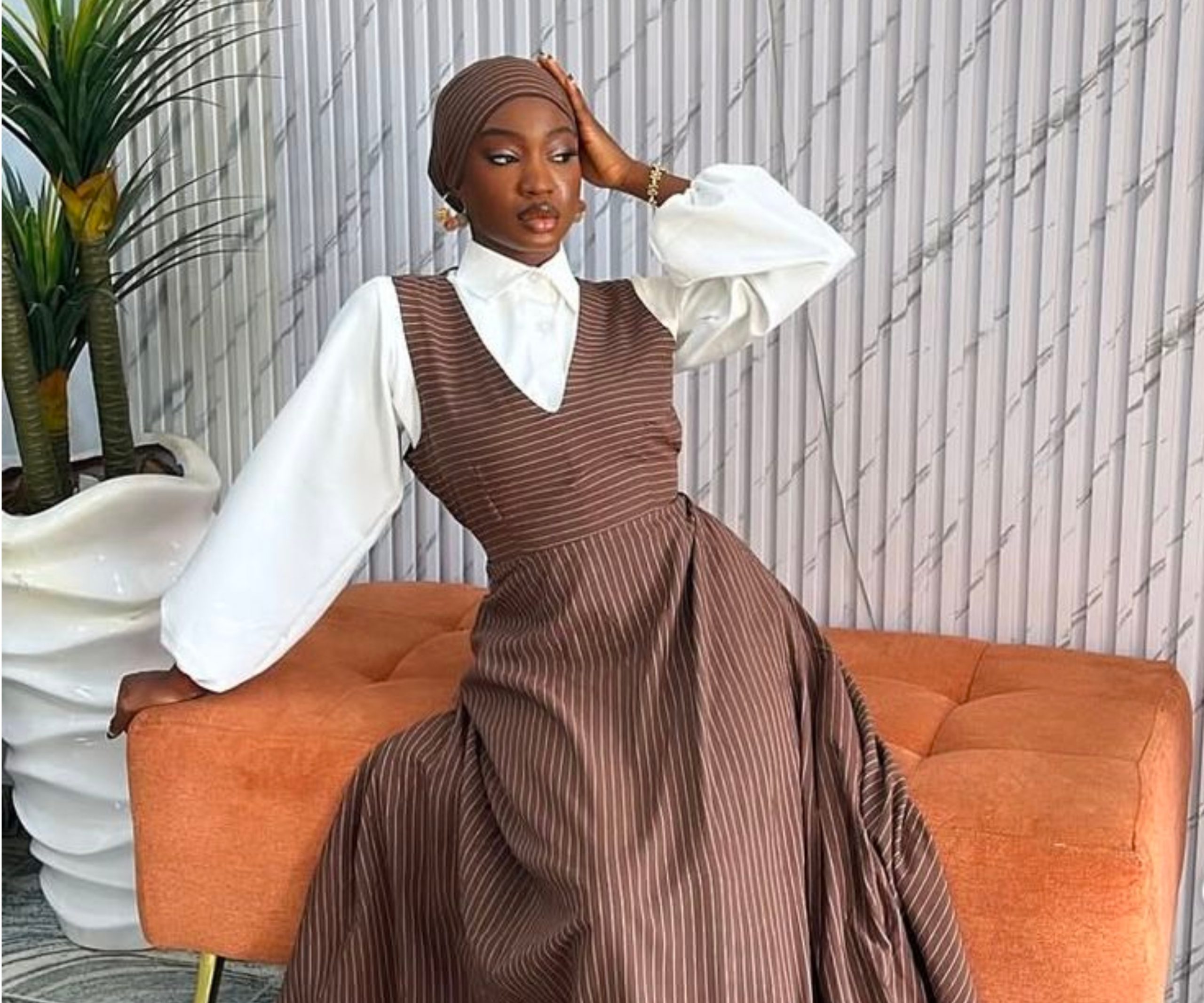
Fashion rarely changes without a reason. When silhouettes shift, societies are often negotiating something deeper than style. The renewed interest in modest dressing across the world is one of those moments.
Longer hemlines, flowing garments, layered fabrics, and covered silhouettes are reappearing on runways, social media, and city streets. Many trend reports frame this shift as a reaction to fashion fatigue or the return of conservative values. But that explanation is too shallow.
For millions of women, modest dressing has never disappeared. In many African cultures, covering the body has long carried meanings tied to dignity, authority, and belonging. The current global fascination with modest fashion, therefore, tells a larger story. It reveals how clothing can become a language through which people negotiate identity, faith, autonomy, and cultural pride.
Understanding the return of modest dressing requires moving beyond trends. It asks us to look at history, politics, and the evolving ways women define power in public spaces.
From African boubous to modern modest fashion, modest dressing reflects identity, power and cultural pride while redefining global luxury and style
Modesty as Cultural Memory
Across Africa, modest dressing has historically been a form of cultural expression rather than restriction. Traditional garments often combine coverage with visual richness.
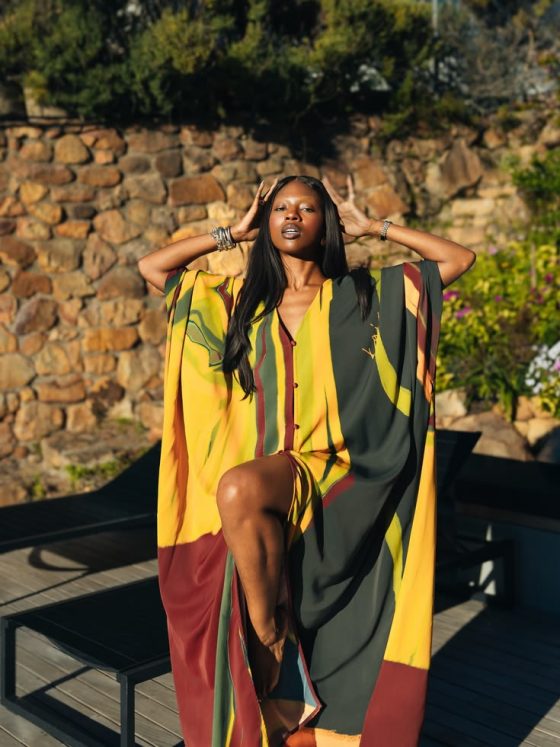
In West Africa, the flowing boubou has been worn for generations by both men and women. Its wide sleeves and long structure create an imposing silhouette that signals status and maturity. Rather than hiding the body, the garment expands presence. When worn during ceremonies or public gatherings, the boubou communicates authority and respect.
In Sudan, the toub, a long fabric draped around the body, became closely associated with professional women. Teachers, civil servants, and community leaders wore it as a symbol of dignity and education. The garment quietly carried social meaning. It showed that modest clothing could coexist with ambition and public leadership.
These examples challenge a common misunderstanding. In many African contexts, modest dressing is not about limiting expression. It is about presenting oneself with intentionality.
Clothing becomes a cultural record. Each fabric, fold, and silhouette reflects a society’s values and histories.
The Global Shift Toward Covered Silhouettes
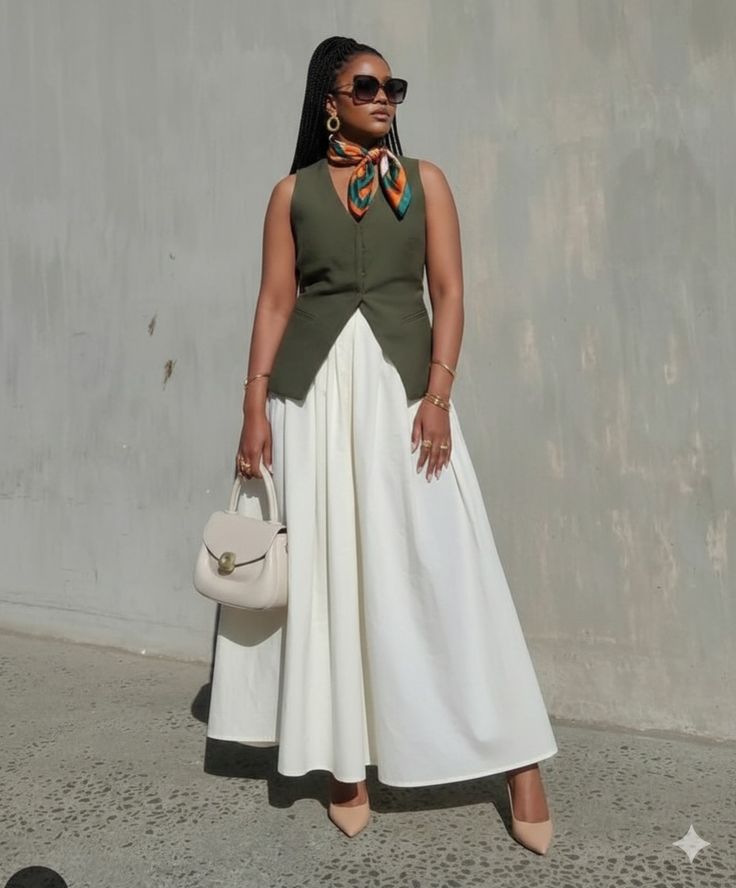
In recent years, modest fashion has expanded far beyond traditional cultural settings. Social media platforms have helped transform modest dressing into a global creative community.
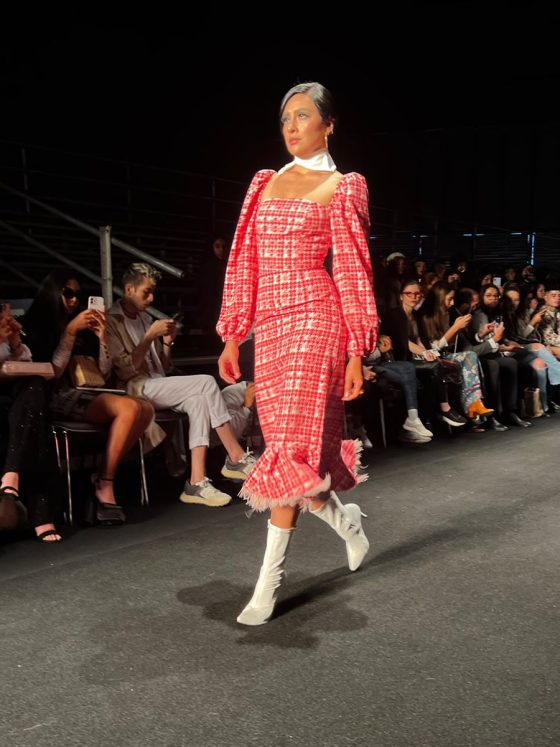
Young designers and influencers reinterpret covered silhouettes through colour, tailoring, and layered styling. What was once associated only with religious obligation is now explored as a design language.
Demographic changes have also played a role. Muslim consumers represent one of the fastest-growing segments of the global fashion economy. Many of them are young and digitally connected. They are not simply following traditional dress expectations. Instead, they are reshaping them.
The result is a growing fashion space where modesty meets experimentation. Flowing dresses appear alongside structured blazers. Headscarves are styled with contemporary streetwear. Cultural garments travel across continents through diaspora communities and digital storytelling.
Yet the deeper reason for the shift lies in women’s reconsideration of visibility and control over their bodies.
Modesty and the Question of Choice
For decades, fashion has often equated liberation with exposure. Advertising campaigns and runway shows frequently celebrated clothing that revealed more skin.
But many women now question whether this standard truly reflects freedom. Some view modest dressing as a way to step outside expectations that link femininity with constant display.
This does not mean rejecting beauty or creativity. Instead, it shifts the focus toward personal definition. A woman may choose modest clothing because of faith, cultural pride, professional presence, or simply comfort.
The important factor is authorship. The decision belongs to the wearer.
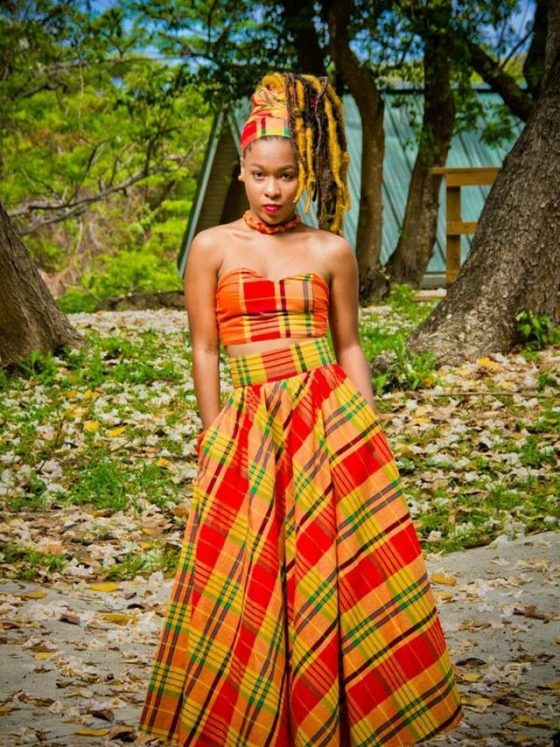
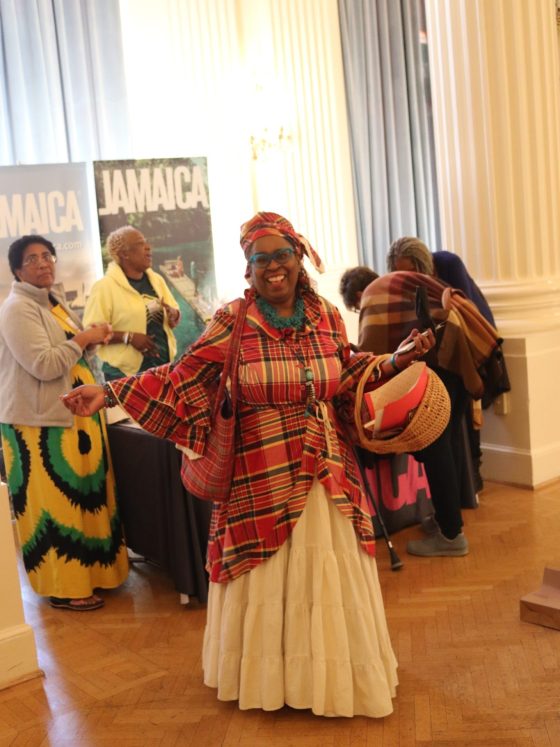
In African societies, clothing has long served as a marker of life stage and social identity. A carefully tied head wrap, a structured gown, or a ceremonial robe signals belonging to a community and its values.
When young Africans today revive traditional silhouettes or reinterpret modest garments, they are not retreating from modern life. They are negotiating how tradition can coexist with ambition.
READ ALSO:
Rethinking Luxury Through an African Lens
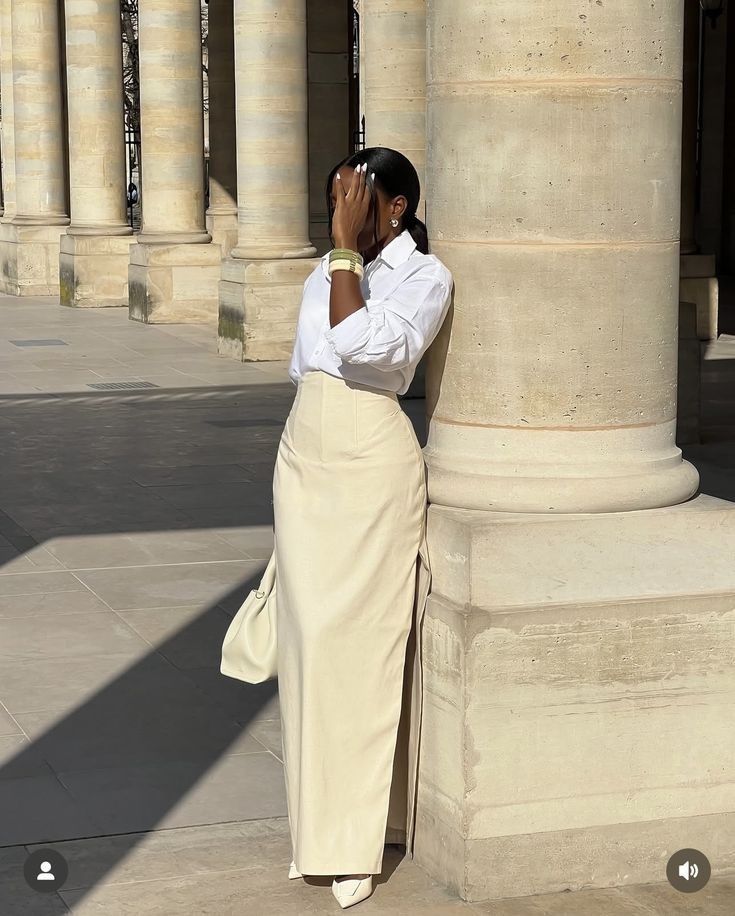
The return of modest dressing also invites a different understanding of luxury.
In Western fashion discourse, luxury is often associated with minimalism or subtle branding. African design traditions follow a different logic. Craftsmanship, textile heritage, and symbolic detail define prestige.
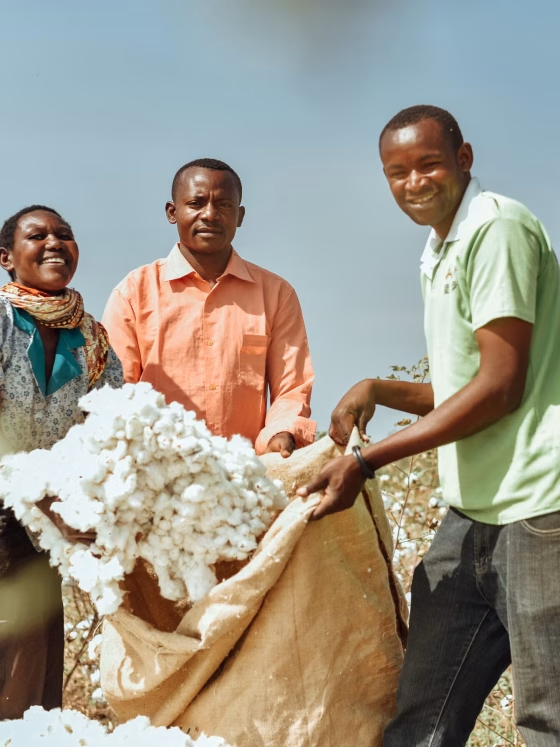
A richly embroidered gown or a carefully woven fabric carries the labour and knowledge of artisans. The value lies in cultural depth rather than quiet restraint.
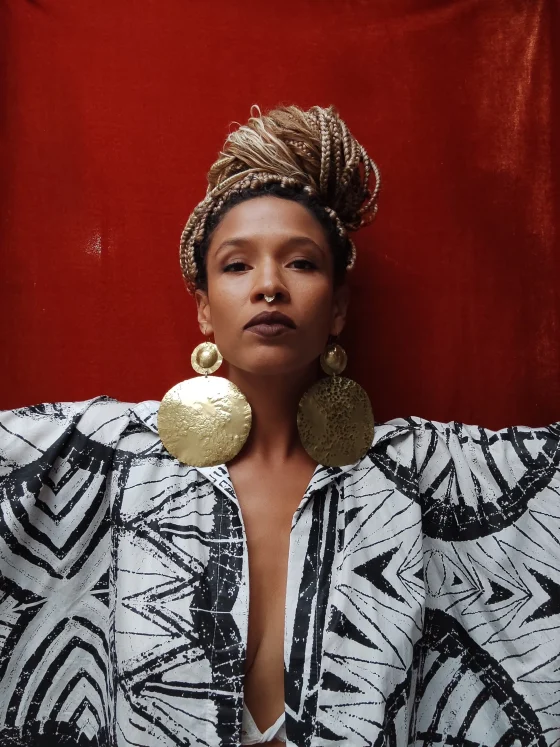
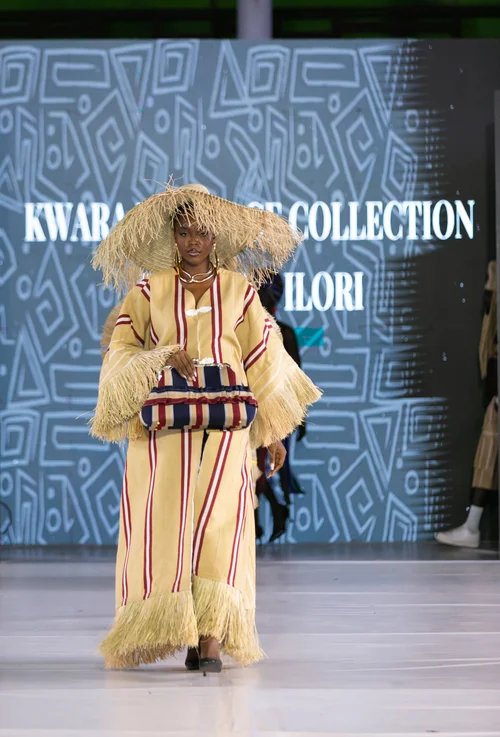
As African designers enter global fashion conversations, modest silhouettes are increasingly used to showcase this heritage. Flowing garments create space for intricate patterns and textile storytelling. Coverage becomes an opportunity for artistic expression.
This perspective challenges the idea that modest fashion is simply functional. Instead, it reveals how garments can hold history and cultural memory.
Why the Return of Modesty Matters
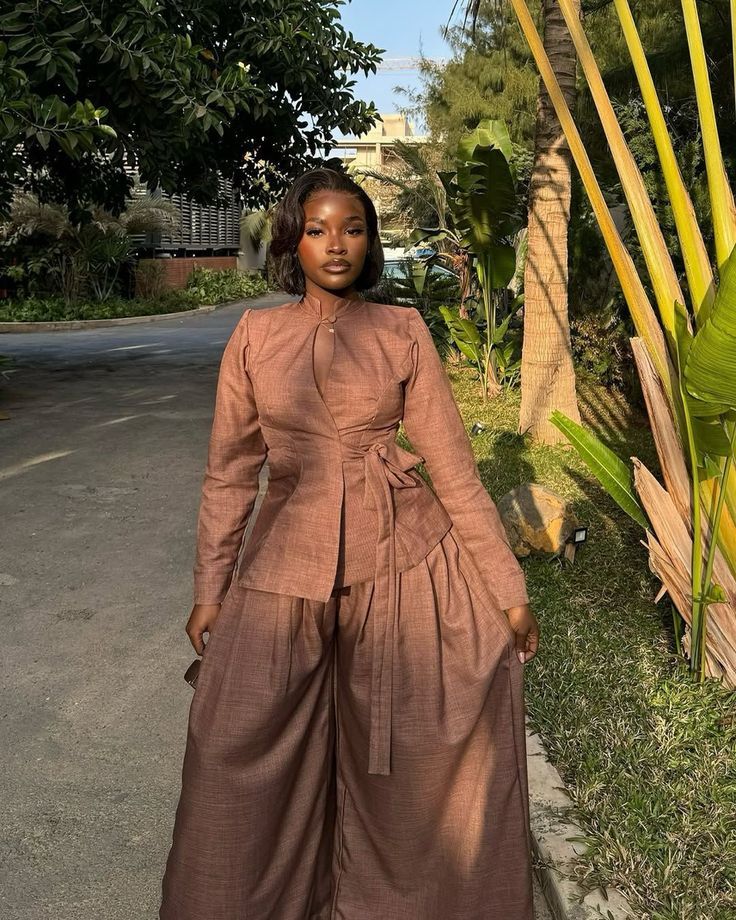
The renewed attention to modest dress matters because it expands the way fashion understands power.
For many women, clothing is not only about aesthetics. It is about negotiating visibility in a world that often defines women’s worth through appearance.
Modest garments allow some women to redirect attention toward voice, work, and presence rather than physical display. They can become tools for navigating professional environments, public leadership, or cultural representation.
At the same time, the movement highlights how fashion reflects social change. As global conversations about identity and autonomy evolve, clothing becomes one of the most visible places where those debates unfold.
Conclusion
The return of modest dressing is often described as a fashion cycle. But cycles rarely explain why people invest in garments with meaning.
Across continents, modest clothing is becoming a way for women to express identity, negotiate power, and reconnect with cultural heritage. What appears on the surface as a style shift is, in fact, a deeper conversation about visibility, dignity, and self-definition
African traditions remind us that modesty has long carried these meanings. Garments such as the boubou and toub demonstrate how clothing can balance coverage, authority, and beauty.
Seen through this lens, the resurgence of modest dressing is not a retreat into the past. It is a reminder that fashion is most powerful when it reflects the complexity of the people who wear it.
FAQs
- What is modest dressing in fashion?
Modest dressing refers to clothing that covers more of the body through longer silhouettes, looser fits and higher necklines while still allowing personal style.
- Why is modest fashion becoming popular again?
Growing cultural pride, digital communities, and conversations about body autonomy have encouraged many women to explore clothing that reflects their identity and comfort.
- Is modest dressing only connected to religion?
No. While faith traditions influence modest fashion, many people choose it for cultural reasons, professional settings or personal preference.
- How does African fashion influence modest dressing?
African garments such as boubous, kaftans, and draped fabrics combine coverage with vibrant textiles, craftsmanship and cultural symbolism.
- Does modest fashion limit creativity?
Not at all. Designers often use modest silhouettes as a canvas for detailed fabrics, layered styling and strong cultural storytelling.