For over a century, the suit has been positioned as the ultimate symbol of refinement. Its origins are traced to European tailoring traditions, its standards defined by Western institutions, and its evolution narrated through the lens of cities like London, Milan, and Paris. But across Africa, a quiet shift has been unfolding. In cities like Lagos, Accra, Nairobi, and Johannesburg, a new language of tailoring is emerging. One that does not seek validation from European standards but instead redefines the suit through culture, climate, and identity.
This is not an imitation. It is a reinterpretation. African men are not simply wearing suits. They are reshaping them, infusing them with local textiles, alternative silhouettes, and a sense of self that feels distinctly rooted. The result is a tailoring movement that challenges long-standing ideas about what the suit represents and, more importantly, who gets to define it.
Discover how African men’s tailoring in Lagos, Accra, Nairobi, and Johannesburg is redefining the suit through culture, craftsmanship, and modern identity.
The Suit as Inheritance and Interruption
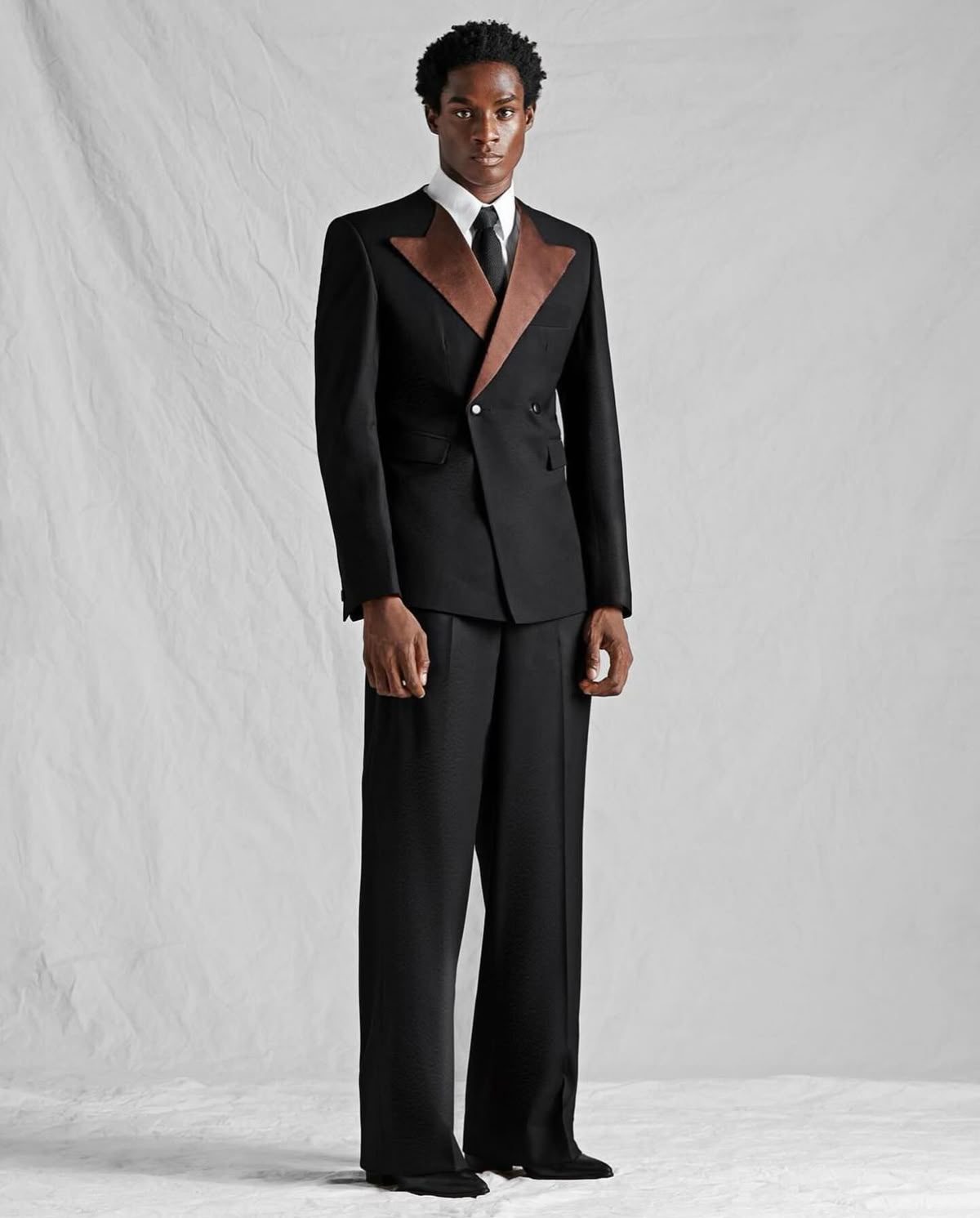
The suit arrived in Africa through colonial structures. It was introduced as a symbol of authority, professionalism, and modernity, often positioned in contrast to traditional dress.
But what was inherited has not remained unchanged.
Over time, African men began to adapt the suit to their own contexts. Fabrics became lighter, silhouettes more relaxed, and styling more expressive. The suit shifted from a uniform of conformity to a tool of self-definition.
Lagos: Precision Meets Personality
In Lagos, tailoring is both an industry and an identity.
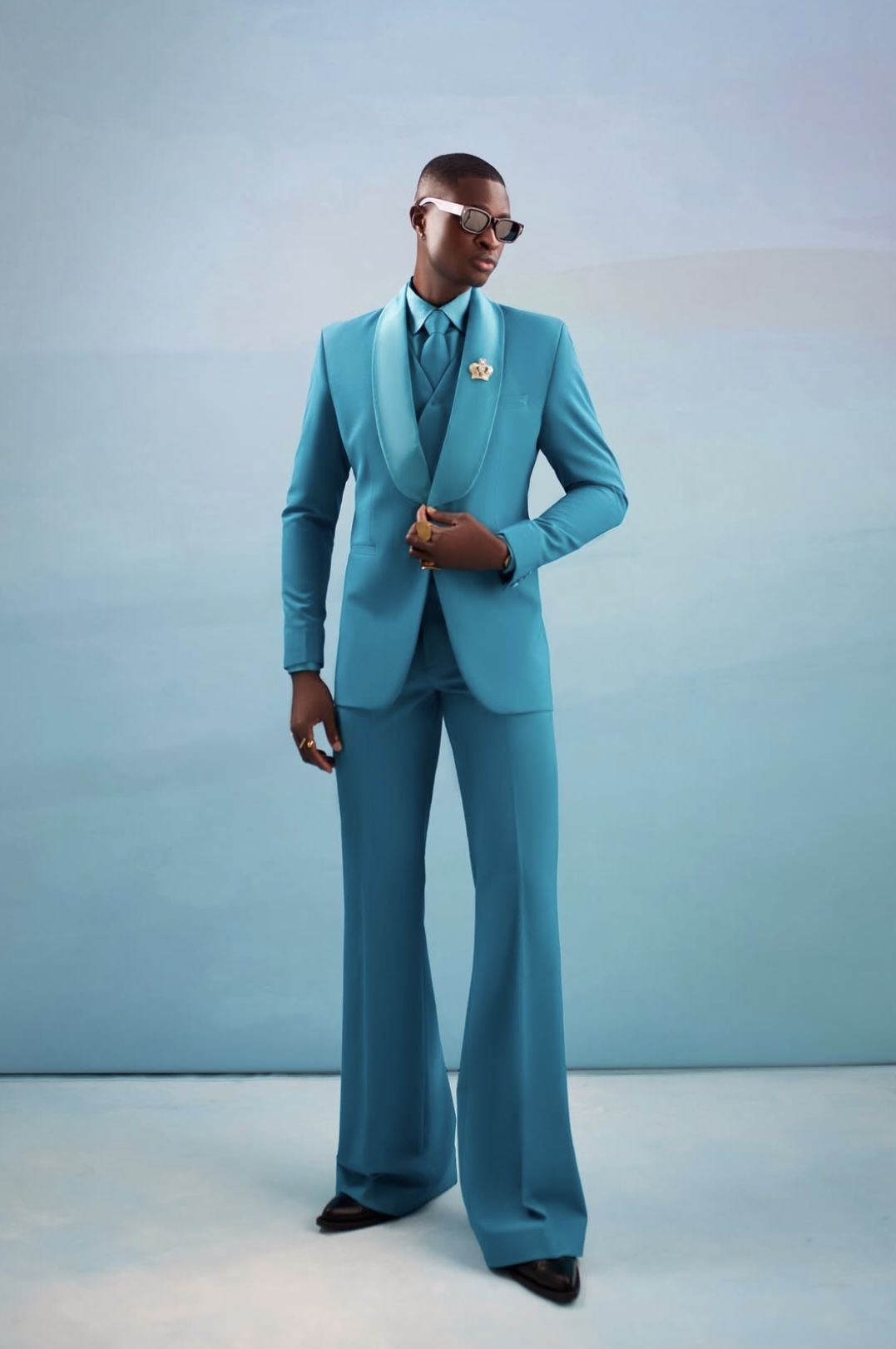
Here, the suit is rarely neutral. Colours are bolder, fits are sharper, and details are intentional. Tailors experiment with lapel shapes, trouser cuts, and fabric combinations, often blending traditional textiles with classic suiting structures.
What defines Lagos tailoring is confidence. The wearer is not hidden within the suit. He is amplified by it.
This is where the idea of bespoke takes on new meaning. It is not just about fit. It is about expression.
Accra: Soft Structure and Cultural Memory
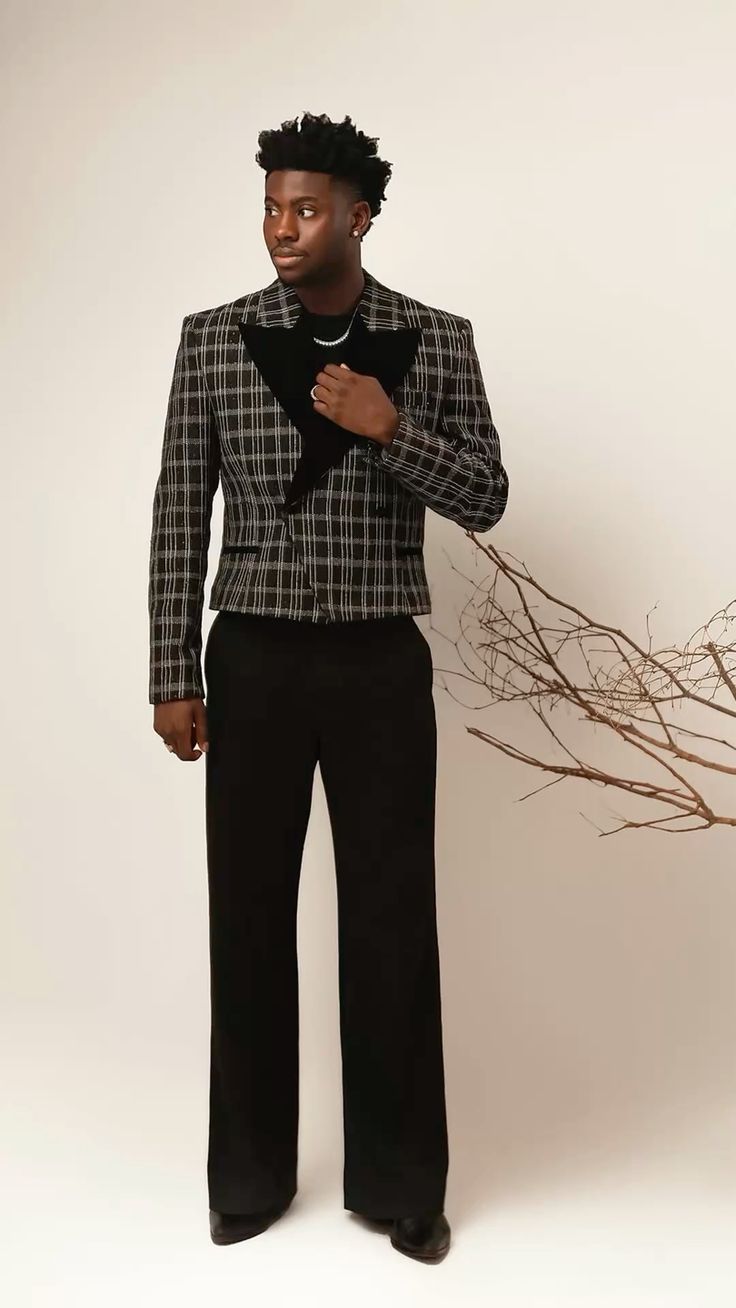
In Accra, tailoring often leans toward fluidity.
Designers incorporate fabrics like kente and other locally significant textiles into modern silhouettes. The result is a suit that feels both contemporary and rooted in tradition.
Structure is softened, allowing for movement and comfort. This reflects not only the climate but also a different approach to formality.
The suit becomes less rigid, more adaptable, and deeply connected to cultural identity.
Nairobi: Minimalism with Edge
In Nairobi, the tailoring movement is defined by clean lines and subtle innovation.
Designers focus on precision, often working with neutral tones and streamlined silhouettes. However, within this minimalism lies experimentation.
Unexpected cuts, layered pieces, and hybrid garments challenge conventional ideas of what a suit should look like.
This is tailoring that feels modern, global, and distinctly East African.
Johannesburg: Power Dressing Reimagined
In Johannesburg, the suit carries historical weight.
It has long been associated with power, resistance, and visibility. Today, designers are reinterpreting this legacy, creating pieces that balance structure with creativity.
Bold prints, unconventional fabrics, and statement tailoring define the scene. The suit becomes a canvas for storytelling, reflecting both history and contemporary identity.
The Philosophy of African Tailoring
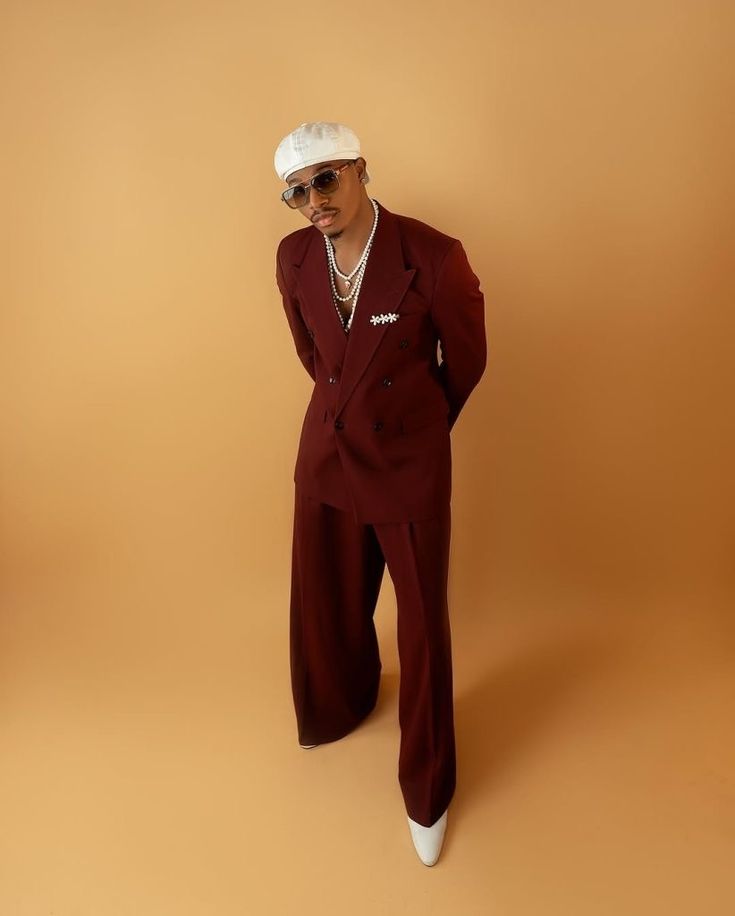
What connects these cities is not a single style, but a shared philosophy.
African tailoring prioritises context. It considers climate, culture, and movement. It values individuality over uniformity.
This results in suits that feel alive. They are not static garments designed for observation alone. They are worn, lived in, and adapted.
This approach challenges the traditional hierarchy of tailoring, in which European standards have long been the benchmark.
Why Europe Is No Longer the Centre
For decades, cities like London and Milan have been seen as the epicentres of tailoring. But this dominance is increasingly being questioned.
African designers are not looking outward for validation. They are building systems that operate on their own terms.
Local tailoring industries are thriving. Social media has amplified its reach. Global audiences are engaging with African menswear in new ways.
This does not mean Europe disappears from the conversation. It means it is no longer the sole reference point.
The Rise of Bespoke Culture in Africa
Bespoke tailoring has always been central to African fashion.
Unlike mass-produced clothing, bespoke pieces are made to fit the individual. This aligns with cultural values that emphasise personalisation and attention to detail.
In cities across the continent, tailoring shops function as creative spaces. Clients collaborate with tailors, selecting fabrics, discussing designs, and shaping the outcome.
This process creates a deeper connection between the wearer and the garment. It transforms clothing into something personal and intentional.
READ ALSO:
- Fashion Without Factories: Africa’s Original Bespoke Economy
- The African Men Who Dress to Be Remembered: Style, Power, and the Continent’s Forgotten Dandy Tradition
Global Influence and Recognition
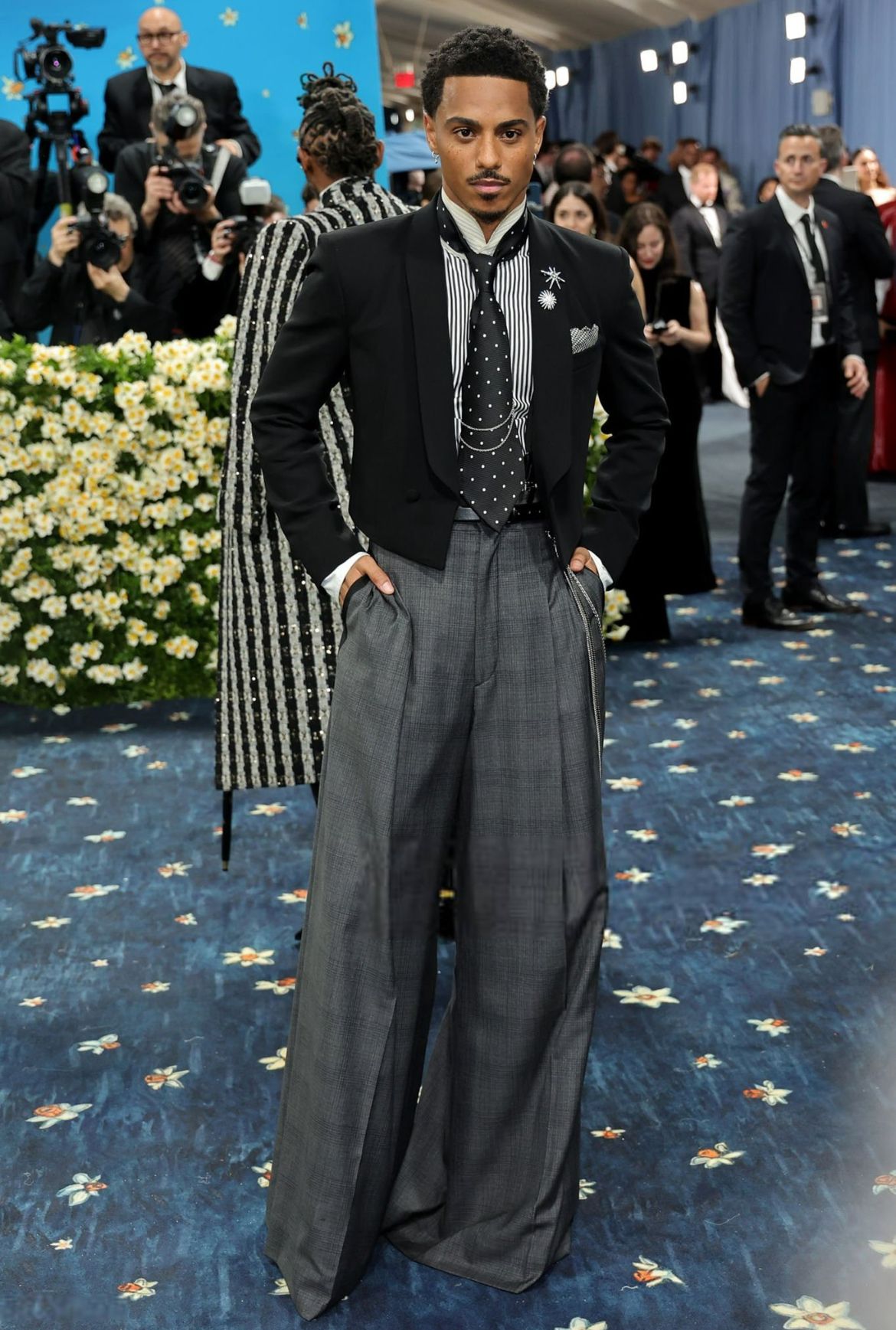
African tailoring is gaining international attention.
Designers are being featured in global publications, and their work is influencing broader fashion trends. Elements such as bold prints, relaxed silhouettes, and hybrid garments are appearing in collections worldwide.
Searches for “African bespoke suits” and “African tailoring brands” continue to rise, indicating growing interest.
However, the goal is not simply recognition. It is respect. To be seen not as inspiration, but as authority.
Reclaiming Identity Through Dress
At its core, this movement is about identity.
The suit, once a symbol of imposed standards, is being reclaimed as a tool of self-expression. It is no longer about fitting into a predefined mould. It is about redefining that mould entirely.
African men are using tailoring to assert presence, to tell stories, and to shape how they are seen.
Conclusion
The suit is no longer a fixed idea.
Across Africa, it is being reimagined through new fabrics, new silhouettes, and new philosophies. What was once defined by European tradition is now being expanded by African innovation.
This is not a rejection of tailoring history. It is an evolution of it.
And in that evolution, the centre shifts.
Not to replace one authority with another, but to create space for multiple perspectives. To recognise that style is not owned by any one region.
It is shaped by those who wear it.
Frequently Asked Questions (FAQs)
- What is African men’s tailoring?
It refers to bespoke and modern suit-making practices across Africa that incorporate local fabrics, styles, and cultural influences.
- How is African tailoring different from European tailoring?
African tailoring often emphasises individuality, climate-appropriate fabrics, and cultural expression over rigid structure.
- Are African suits popular globally?
Yes, they are gaining recognition and influencing global fashion trends.
- What fabrics are used in African suits?
Both traditional textiles and modern suiting fabrics are used, often combined creatively.
- Is bespoke tailoring common in Africa?
Yes, bespoke tailoring is a central part of African fashion culture.