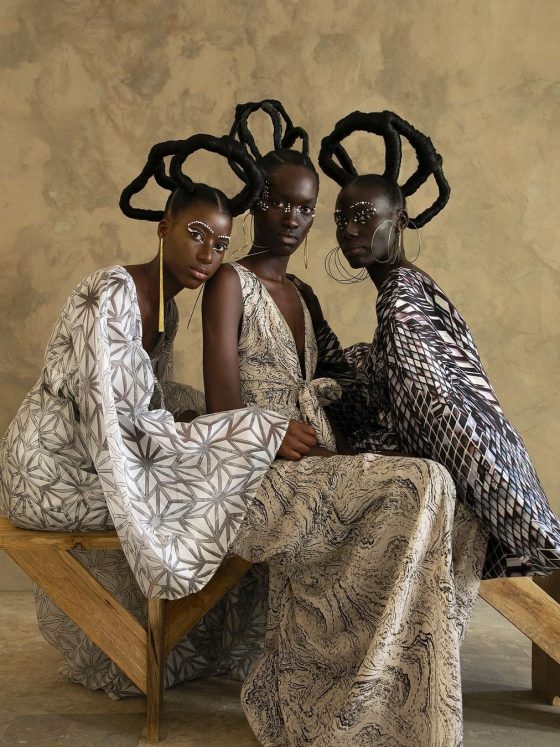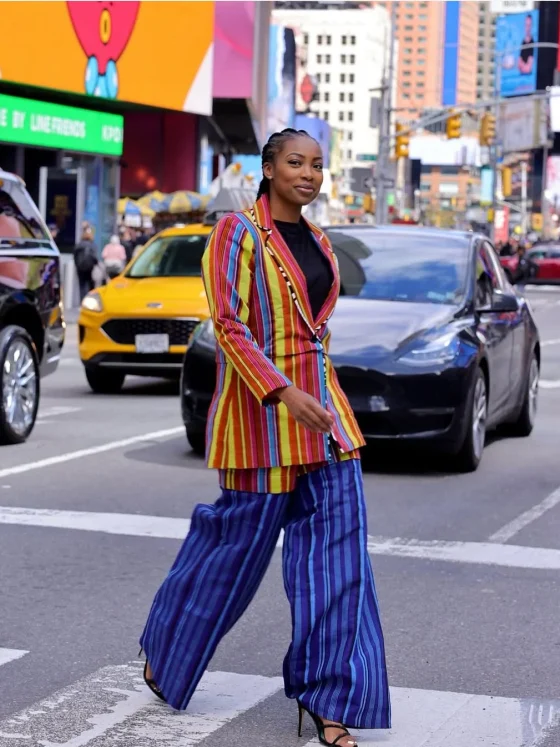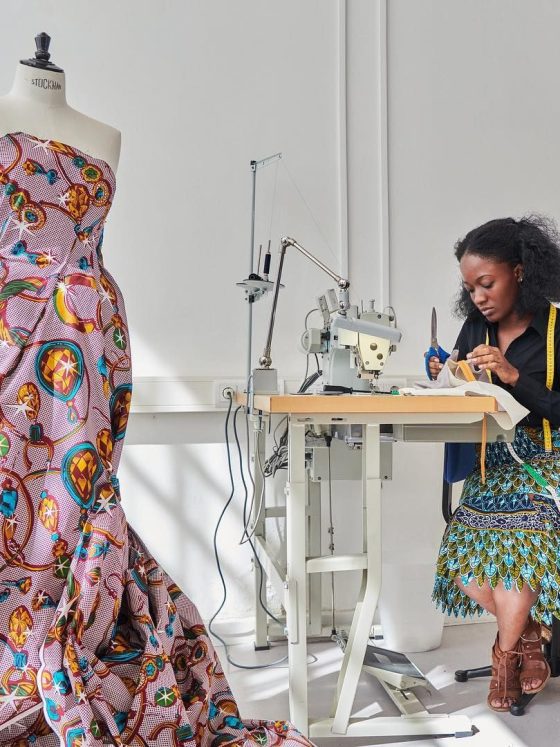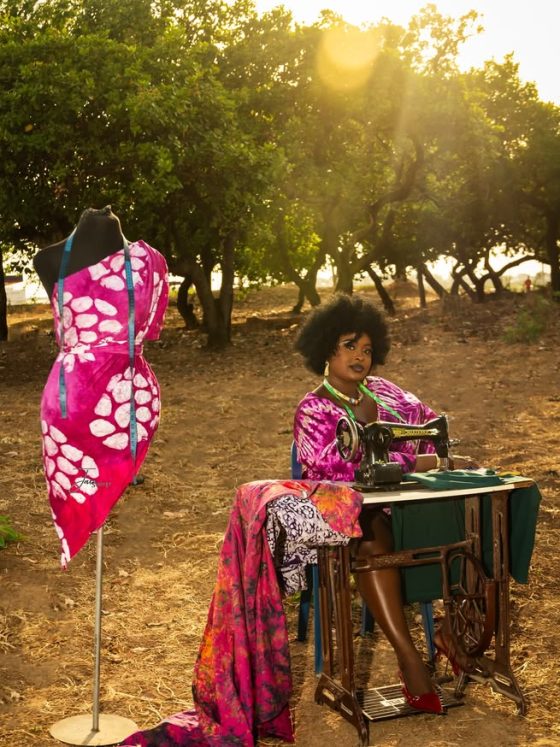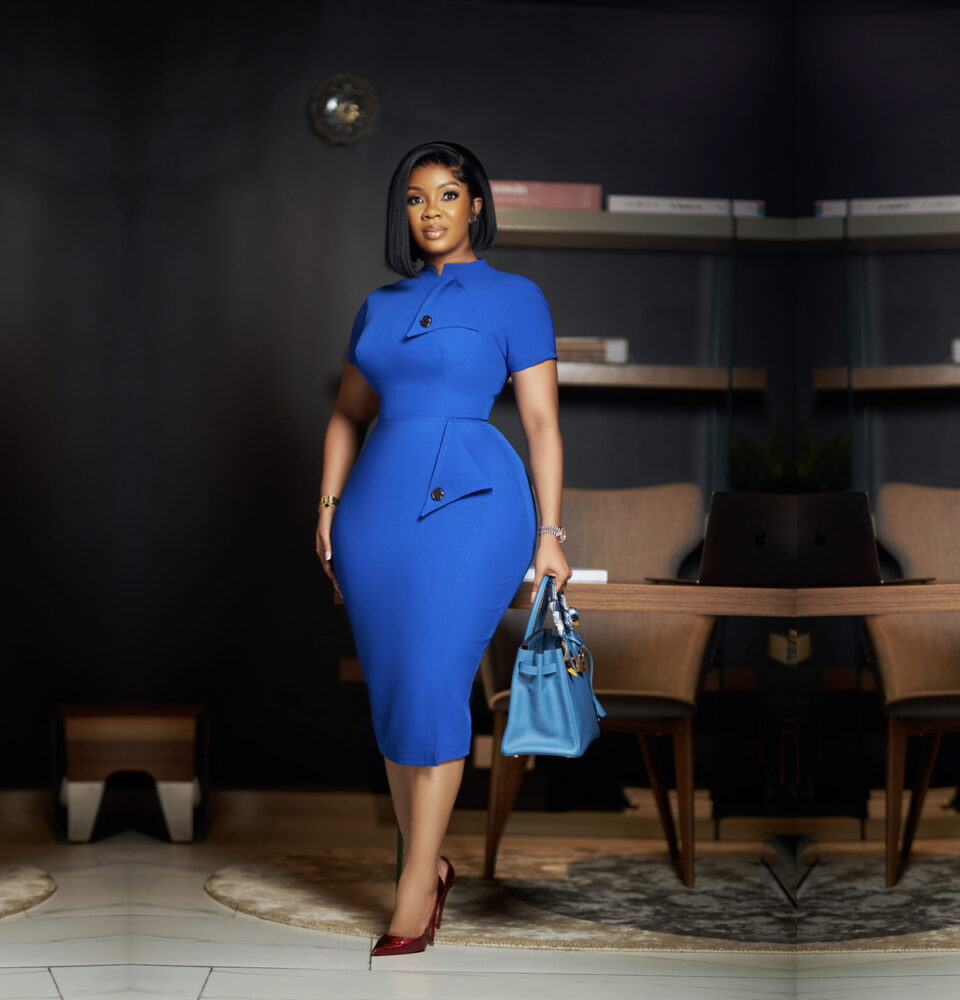
The African fashion market is worth 31 billion dollars. Ghana’s apparel market generates USD 91.65 per person in annual revenue, with 99% of sales in the non-luxury category. As Statista’s Ghana apparel market data confirms, the premium tier is a fraction of total sales. Yet, it is the tier where the most interesting commercial and cultural arguments are being made. Inside that premium fraction sits a customer who is simultaneously the most commercially promising and the most systematically overlooked in Ghanaian fashion: the professional Accra woman who is educated, earning, culturally rooted, and looking for clothing that carries all three of those facts simultaneously.
The gap is not about what she can afford. It is about what exists to be purchased. The Ghanaian professional woman needs clothing that performs in a boardroom without stripping her of cultural identity. She needs garments that travel from the morning meeting to the afternoon ceremony without requiring a change. She needs brands that understand that wearing kente to work is not a costume choice but a cultural statement with specific social weight. Most fashion coverage does not build its editorial lens around her. Most international fashion brands do not build their product strategy around her. The argument this article makes is that this is a market failure, not a cultural one.
The Ghanaian professional woman is educated, earning, culturally fluent, and systematically ignored by fashion. This is the argument for why that gap will close.
The Ghanaian Professional Woman Fashion Customer: Who She Is
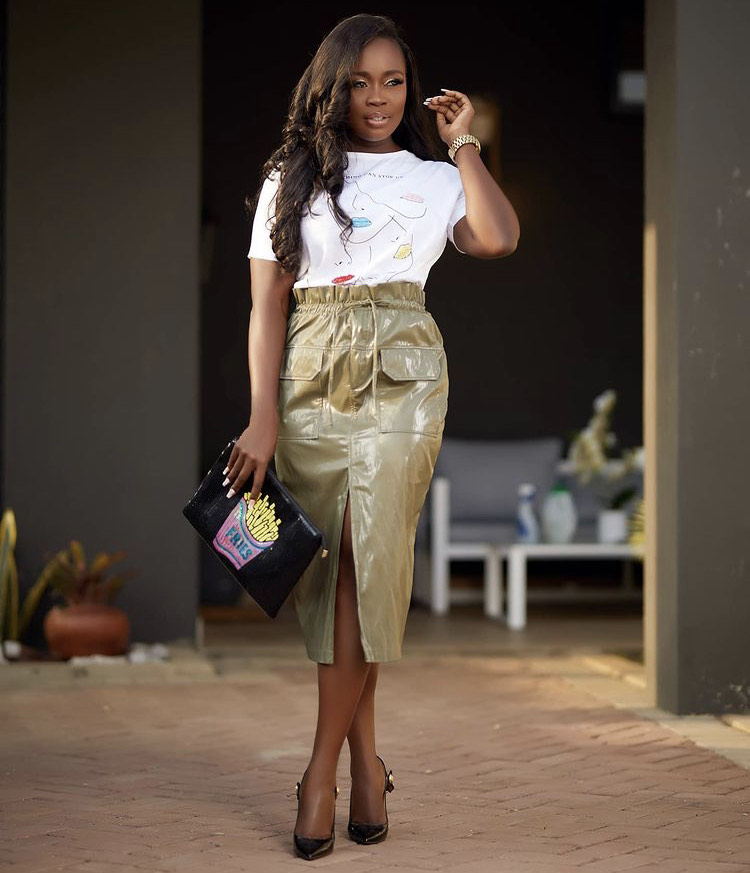
Ghana has one of the highest rates of female tertiary education enrolment in sub-Saharan Africa, and Accra’s formal employment sector is built in significant part on women who are graduates, entrepreneurs, and senior professionals operating across finance, law, technology, healthcare, and government. As the World Economic Forum’s Gender Gap Report on Ghana confirms, Ghana consistently ranks among the top performers in Africa on economic participation and opportunity for women. This is not aspirational data. It is the description of an existing customer base with specific purchasing power and specific clothing needs that the fashion market has not yet answered at scale.
She is not a theoretical customer. She sits in offices in Labone, Airport City, and the Ridge. She presents in boardrooms in Cantonments. She appears at client meetings in East Legon. She attends professional events in Osu and then moves to family ceremonies the same evening. She is the woman who has the most complex, multi-register dress demands of anyone in Accra, and she has been navigating those demands with limited support from the formal fashion market for decades.
The complexity of her demand is what makes her the most interesting fashion customer in Ghana. The contemporary woman in Accra is dressing for her own audience rather than the approval of a global or traditional public. A new generation of designers who view fabric as a structural instrument for independence is at the heart of this trend. The professional Accra woman is both the customer and the argument: she is the reason the Kente 2.0 movement exists, and she is the market that makes it commercially viable.
The Ghanaian professional woman is not choosing between looking professional and looking Ghanaian. She is choosing brands that understand she should not have to make that choice. The gap in the market is the space between those two demands.
Why Fashion Has Overlooked Her
The oversight is structural. International fashion brands building their African market strategies tend to focus on the continent’s youth culture, streetwear potential, and luxury aspiration. The middle tier, the professional woman who wants tailored, culturally grounded, occasion-appropriate clothing in the USD 200-600 range, is largely absent from those strategies. She is too financially sophisticated for fast fashion and not wealthy enough to be the target of the aspirational luxury conversation. She lives in the gap.
Domestic Ghanaian fashion has historically served her through two channels, each of which misses part of her need. The bespoke tailor meets her for ceremony but does not always produce the kind of precise, repeated professional wardrobe that the corporate calendar demands. The premium ready-to-wear brands like Christie Brown, Duaba Serwa, and Pistis reach her for occasion pieces but have not always built the accessible everyday professional tier that she wears five days a week. The gap between ceremony and everyday professional is exactly where the unmet demand lives.
The coverage gap compounds the market gap. A growing cohort of Ghanaian women designers are merging global minimalism with Ghanaian creative codes. Mimi Plange has stated that Africa is not one story and that her work speaks to the multiplicity. But the multiplicity that fashion coverage tends to celebrate is the ceremonial, the spectacular, the runway-ready. The professional woman getting dressed at seven in the morning for a full day of meetings is not in most fashion editors’ frame of reference.
What She Actually Needs
The Ghanaian professional woman’s dress requirements are precisely documented if you listen to her directly. She needs structured blazers and tailored separates that use Ghanaian fabrics without treating them as costume. The most compelling professional African fashion is built around the comfort that comes from having a genuine human connection with what you wear. It’s about feeling confident in who you are as you move up in your career. That confidence, for the Ghanaian professional woman, is inseparable from the cultural grounding of what she wears.
Specifically, she needs kente engineered for everyday professional use rather than ceremonial weight. She needs wax print in tailored silhouettes that hold their shape through a full working day. She needs colour palettes drawn from Ghanaian cultural grammar that read as authoritative in a meeting room. She needs accessories that carry cultural meaning without overwhelming a professional context. She needs, in short, exactly what the Kente 2.0 movement is beginning to produce.
Winifred Edjeani’s EKASA is the clearest current answer to that need. EKASA has redefined kente as useful and long-lasting luxury, taking it beyond the wedding aisle and into the business boardroom. The structured House Classics, tailored blazers, wrap blouses, and corporate dresses made from handwoven kente are built for the woman who moves with ease and quiet power. Christie Brown’s Star Girl and House Classics collections serve the same customer from the luxury end of the market. The demand is real. The brands serving it are still too few.
The Historical Precedent
Ghana has a documented tradition of professional women’s dress that the current market is not honouring proportionally. Omiren Styles’ documentation of Ghanaian Highlife and the origins of Afrocentric formal dress confirms that Chez Julie, founded by Juliana Norteye in 1960 after she returned from studying at ESMOD in Paris, introduced the kente kaba: a garment of tailored kente that challenged the accepted convention of kente worn only in its full ceremonial form. The kente kaba made the fabric available to the educated professional woman of post-independence Ghana without requiring her to attend a state ceremony to wear it. That intervention was sixty-six years ago. The current generation of designers is doing the same work again, and the market is no more saturated than it was in 1960.
The post-independence generation of Ghanaian professional women dressed with a deliberate cultural confidence that positioned their clothing as an assertion of African modernity. Wearing kente to a professional meeting in 1960s Accra was a political act as much as a fashion choice. The current generation of Ghanaian professional women who wear Kente 2.0 to their boardroom meetings in 2026 are making the same assertion with different materials and a more developed fashion market behind them. The assertion has not changed. The market that should be serving it has not kept up.
The Commercial Argument
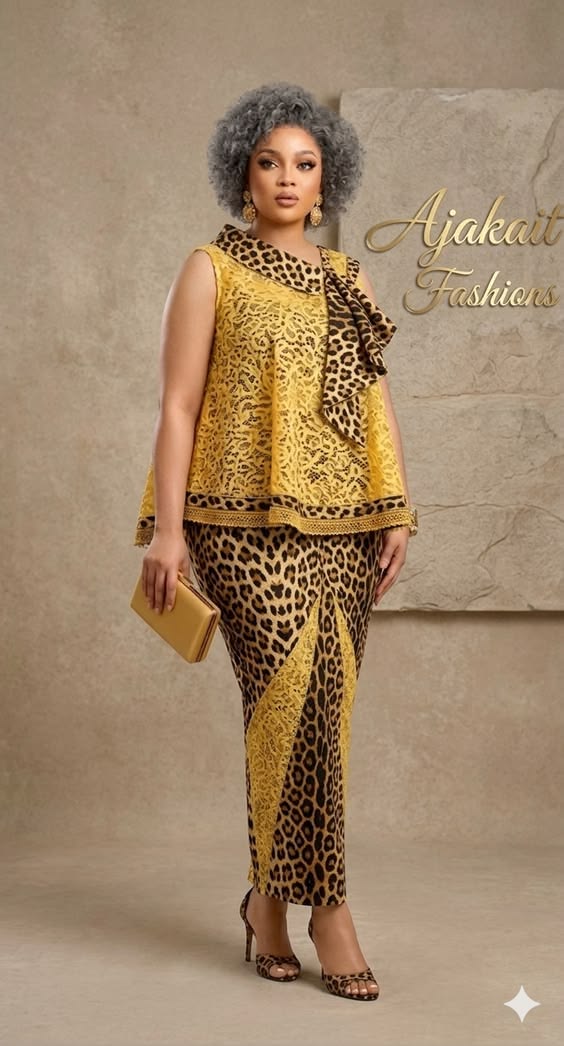
The commercial argument for designing specifically for the Ghanaian professional woman is straightforward. The most durable Ghanaian fashion brands of the past decade are those that built from cultural specificity outward. Christie Brown, Duaba Serwa, and Pistis are the proof that this approach works commercially. The professional woman tier is the natural next layer of that market, and the brands that build specifically for it, with the right pricing, the right silhouettes, and the right cultural intelligence, will find a customer who is ready, educated, and underserved.
The pricing tier is important. The Ghanaian professional woman is not looking for luxury as it is conventionally defined: a Christie Brown occasion piece is not her everyday professional wardrobe. She is looking for a premium tier that sits between high street and luxury, in the range that serves her professional life consistently rather than her ceremonial life occasionally. That tier exists in every mature fashion market. In Accra, it is being built, but slowly, and without the editorial attention it deserves.
The Omiren Argument
The Ghanaian professional woman is fashion’s most overlooked customer because she sits in the gap between every category that fashion currently serves. She is too sophisticated for fast fashion, too professional for the ceremonialist’s wardrobe, and too culturally rooted for the international brands that do not understand what kente means in a meeting room. The African fashion market is worth 31 billion dollars. Ghana’s apparel market generates USD 91.65 per person annually, with 99% in the non-luxury tier. The premium fraction that she occupies is being built by Christie Brown, EKASA, and the Kente 2.0 movement. It is not being built fast enough, and it is not being covered with anything close to proportional editorial attention. The brands that build the professional tier of Ghanaian womenswear, with tailored kente that holds its shape through a full working day, with wax print silhouettes that read as boardroom-appropriate, with pricing accessible to a mid-career professional, will find a customer who has been waiting for them since Juliana Norteye introduced the kente kaba in 1960. Omiren Styles is naming her here, clearly, so the market can see what it has been missing.
Also Read:
- Accra Fashion: How Women in Ghana Are Redefining Personal Style in 2026
- The Ghanaian Women Redefining Fashion on Their Own Terms
- Ghanaian Highlife and the Origins of Afrocentric Formal Dress
- Modern Women’s Workwear: Professional Style on Your Own Terms
Frequently Asked Questions
Who is the Ghanaian professional woman fashion customer?
The Ghanaian professional woman fashion customer is an educated, earning woman in Accra’s formal employment sector, working across finance, law, technology, healthcare, and government. She has complex, multi-register dress demands: she needs clothing that works in boardrooms in Cantonments and Airport City, travels to client meetings in East Legon, and then functions at family ceremonies the same evening. She is culturally rooted and wants clothing that carries her professional authority and her Ghanaian identity simultaneously, without requiring her to choose between them.
Why does fashion underserve the Ghanaian professional woman?
The Ghanaian professional woman lives in a structural gap in the fashion market. International brands focus on youth culture, streetwear, or aspirational luxury. Domestic bespoke tailoring serves her for ceremony but not for a consistent professional wardrobe. Premium ready-to-wear brands like Christie Brown and Duaba Serwa serve her for occasions but have not always built accessible everyday professional tiers. The pricing gap between high street and luxury, the tier where she lives professionally, is only beginning to be served, primarily by brands like EKASA and the Kente 2.0 movement.
What do Ghanaian professional women wear to work?
Ghanaian professional women are increasingly wearing structured blazers and tailored separates made from Ghanaian fabrics, particularly through the Kente 2.0 movement, which re-engineers kente from a ceremonial textile into daily, high-end professional wear. Brands like EKASA, founded by Winifred Edjeani, produce tailored blazers, wrap blouses, and structured corporate dresses from handwoven kente designed specifically for the boardroom. Christie Brown’s House Classics collections serve the same function from the luxury end of the market.
What is Kente 2.0 and why does it matter for professional Ghanaian dress?
Kente 2.0 is the re-engineering of Ghana’s most recognised textile from a ceremonial fabric into daily high-end professional wear. Traditional kente is heavy and reserved for weddings and formal ceremonies. Kente 2.0 reinterprets it for use in blazers, structured blouses, and tailored separates worn to offices and meetings. For the Ghanaian professional woman, Kente 2.0 resolves the central tension of her dress life: it allows her to wear her cultural identity to work without compromising the professional authority of her silhouette. EKASA and Christie Brown are the leading practitioners.
What is the historical precedent for professional Ghanaian women’s fashion?
The tradition of professional Ghanaian women’s dress with deliberate cultural grounding dates to the post-independence era. Juliana Norteye, who founded Chez Julie in 1960 after studying at ESMOD in Paris, introduced the kente kaba: a tailored kente garment that made the fabric available to professional women outside of its ceremonial context. That intervention was sixty-six years ago, and the current Kente 2.0 generation is doing the same work again: making Ghanaian cultural materials available to professional women in forms their working lives can accommodate.
Explore More
Read the full Fashion > Opinion section for Omiren Styles’ documentation of the arguments African fashion is making, the customers it is overlooking, and the commercial and cultural opportunities that follow from seeing both clearly.