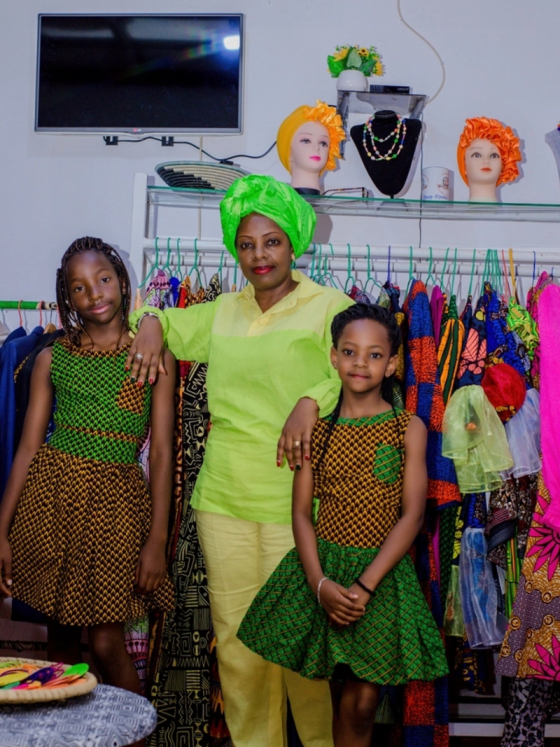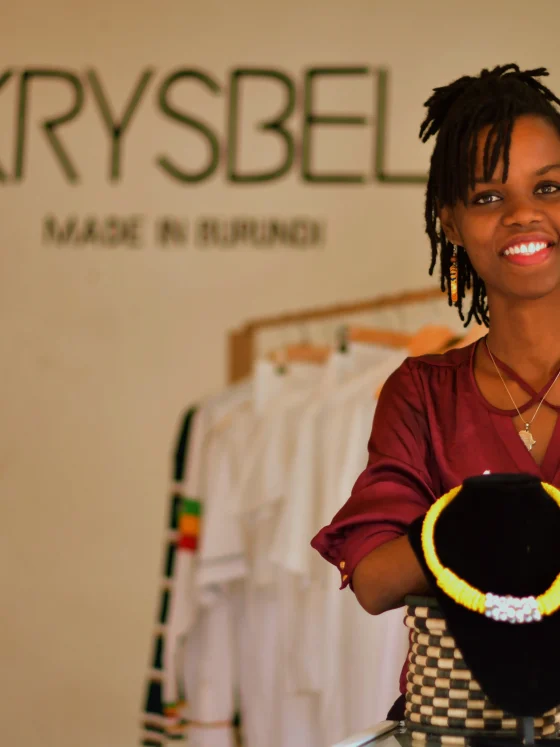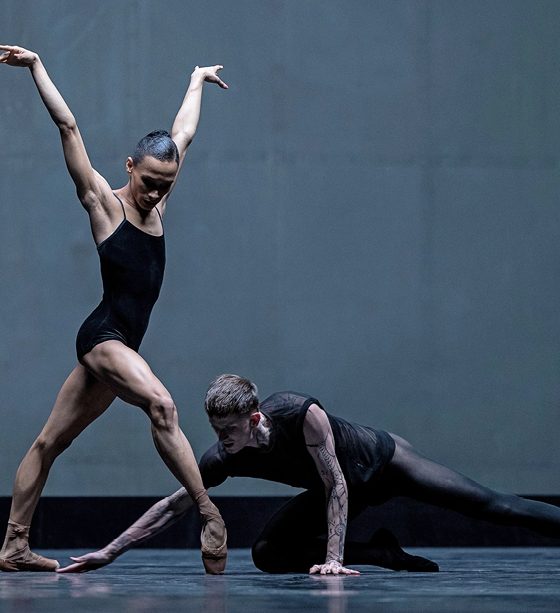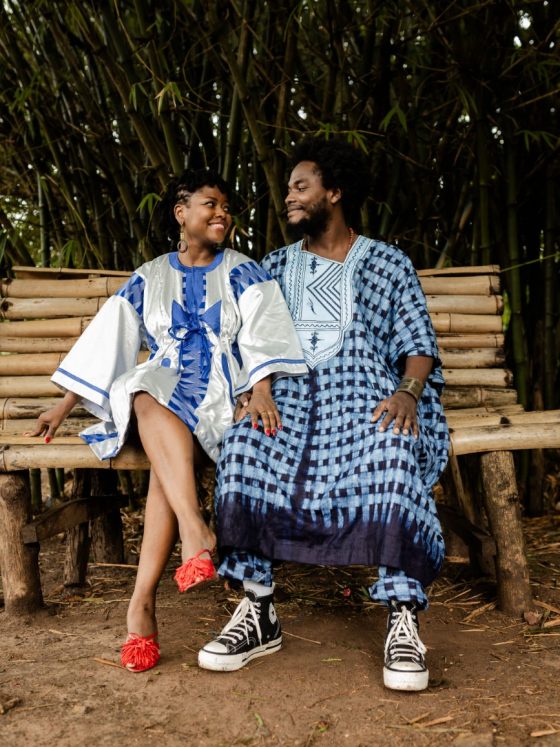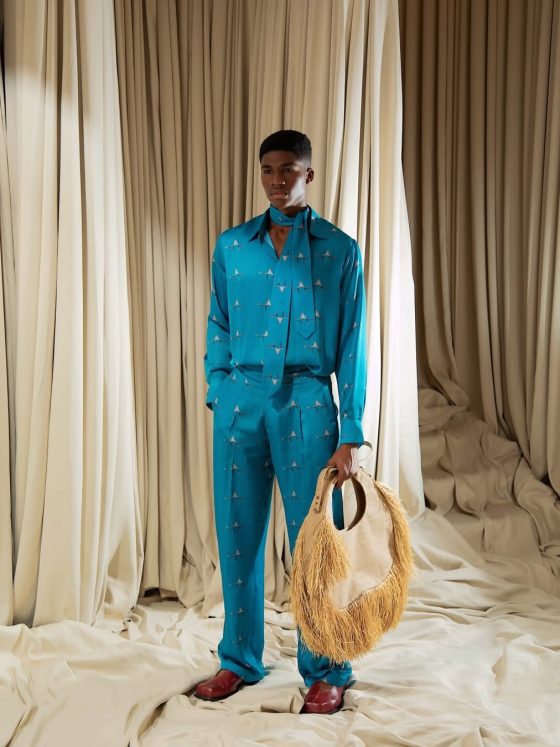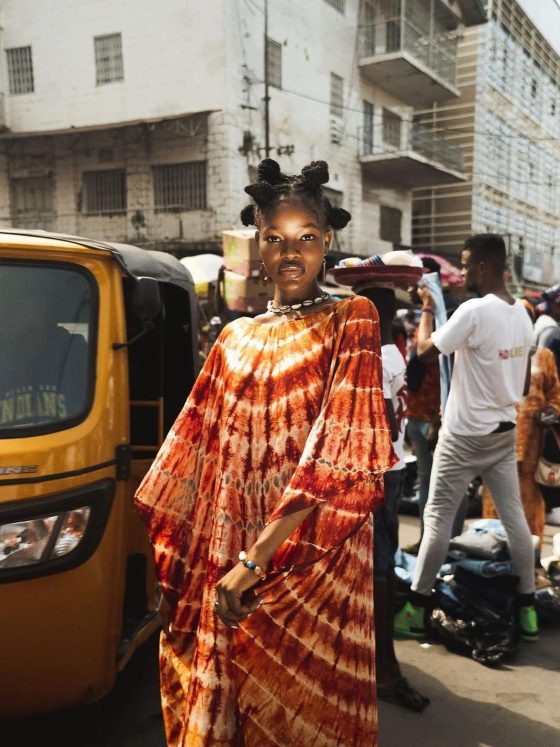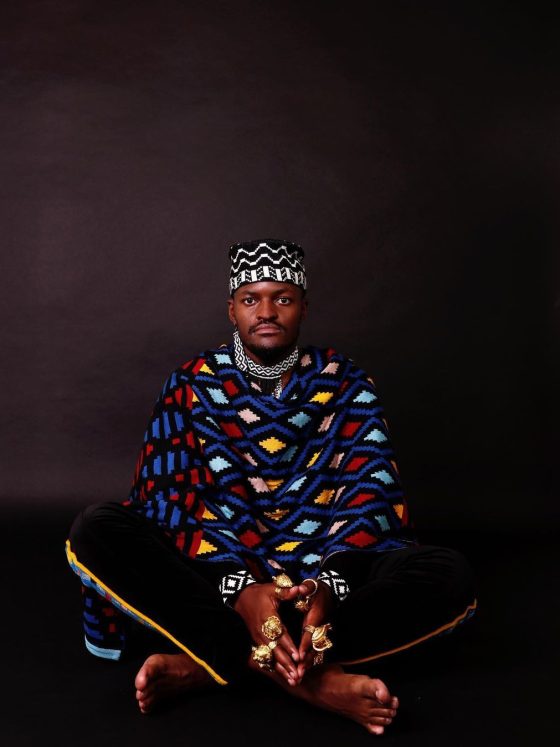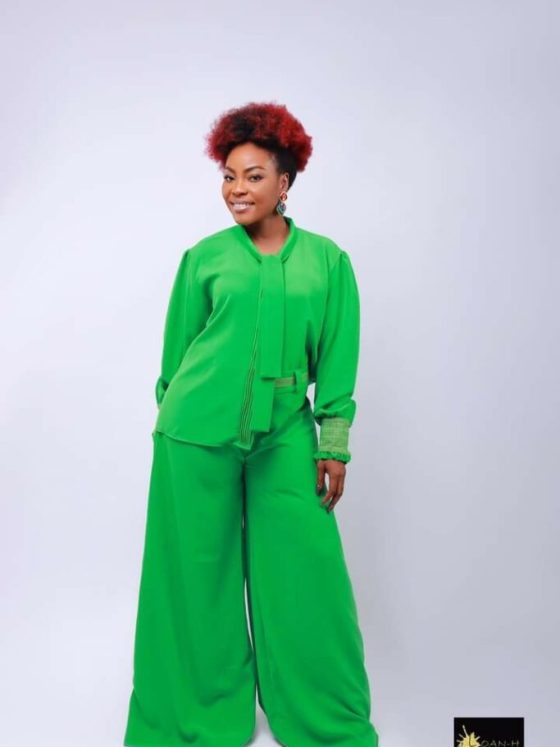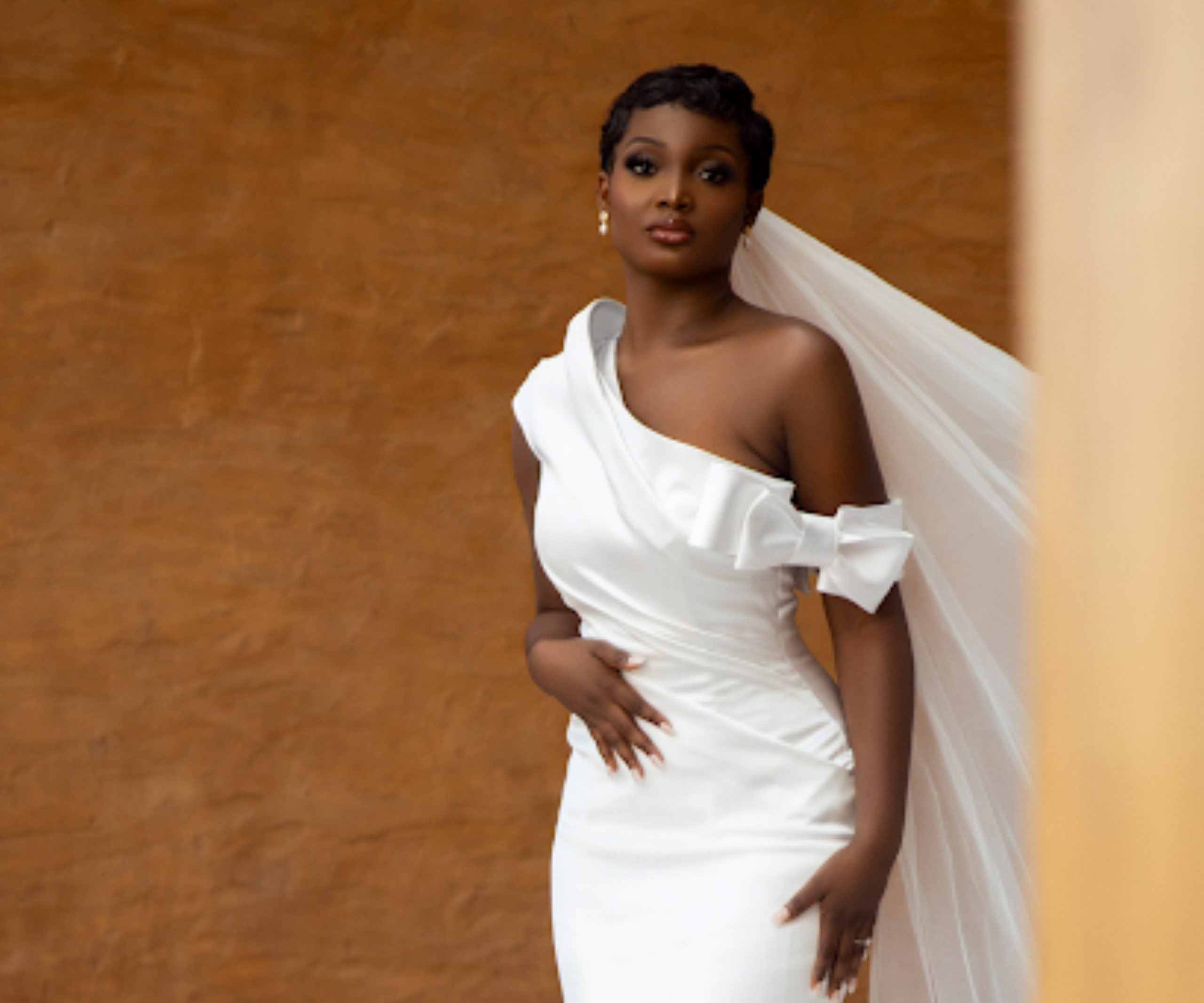
Ghana’s fashion scene is asserting its influence with boldness, decisiveness, and a feminine energy that defies oblivion. Across Accra, Kumasi, and beyond, a new generation of Ghanaian women designers is bending the fashion landscape into shapes that feel rooted, rebellious, and unapologetically original. These ladies are not following global fashion cues; they’re informing them, weaving together modern silhouettes, ancestral references, sustainability, and a fresh, unmistakably Ghanaian creative language.
This is not a “moment”.
It’s a movement, and these women are leading it with intention and edge.
Meet the Ghanaian female designers shaping global fashion through heritage modernism, sustainable luxury, Afrofuturist tailoring, and bold contemporary style. Explore the trends, cultural impact, and creative voices influencing the future of African fashion.
Below, Omiren Styles breaks down the major trends currently being engineered by Ghana’s top female designers, the creatives behind them, and the cultural shift they represent.
1. Heritage Modernism: A New Way of Wearing Culture
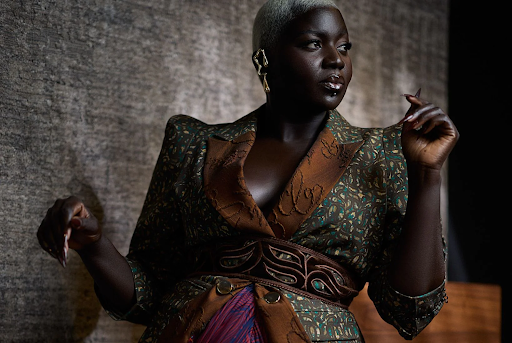
One of the strongest signatures emerging from Ghana right now is the reinvention of heritage through minimal, contemporary silhouettes. These female designers aren’t romanticising tradition; they’re reengineering it.
Christie Brown (Aisha Ayensu)
Aisha Ayensu has become synonymous with “modern African luxury”, and it’s not by accident. Her work fuses kente, wax prints, and handcrafted details into effortlessly elegant pieces that feel global rather than folkloric.
Her philosophy is simple:
“Heritage doesn’t need to be loud to be powerful.”
It’s this controlled aesthetic, sculpted sleeves, tailored bodices, and restrained palettes that have positioned Christie Brown as a global reference point. Her designs are regularly spotted on stars across the diaspora, and her brand embodies what Omiren calls “heritage modernism with quiet authority.”
Why It Matters
Ghanaian fashion is shifting from “cultural costumes” to “cultural confidence.” These designers are proving that traditional fabrics are not relics; they’re raw materials for luxury, innovation, and global relevance.
2. Afrofuturist Tailoring: Architectural. Experimental. Fearlessly Modern.
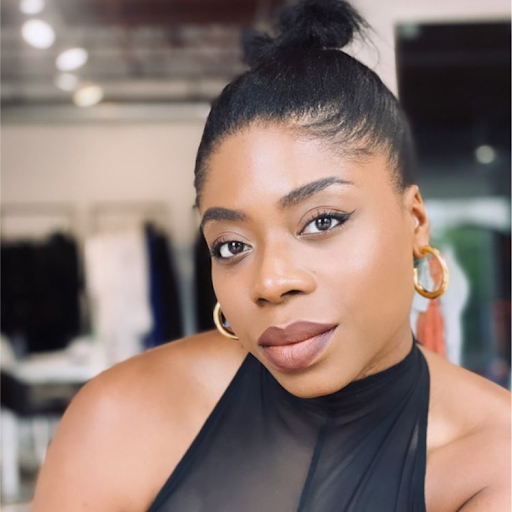
There’s a new architectural mood in Ghanaian womenswear; angular shoulders, unexpected cuts, and structured shapes that carry a futuristic pulse.
Emefa Kuadey (ISRAELA)
Emefa Kuadey isn’t just making clothes; she is sculpting identity. Known for her clean lines and precision tailoring, Kuadey’s aesthetic is the antithesis of cliché “African print” fashion. Her pieces feature bold structural elements, monochrome palettes, and minimalist shapes inspired by her engineering background.
“I design for women who move with intention, no noise, just presence.”
Her Afrofuturist tailoring has attracted global editorial attention, reinforcing Ghana’s position as a hub for intelligent, experimental design.
Why It Matters
This trend positions Ghanaian fashion within the global conversation on contemporary minimalism, proving that African luxury can be futuristic, sleek, and stripped back.
3. The Rise of Sustainable Artisanship: Fashion With a Conscience
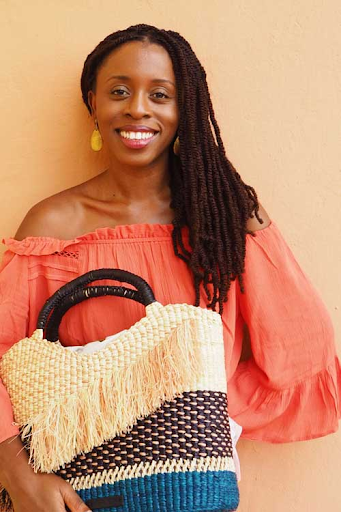
Although many perceive sustainability as a Western trend, Ghanaian women have been practising it long before it became popular. Upcycling, hand-dyeing, locally sourced materials, and community-based production are defining pillars for many designers whose traditions run through family lineage.
Akosua Afriyie-Kumi (A.A.K.S.)
Known globally for her raffia bags, Afriyie-Kumi builds her brand on slow fashion and artisanal craftsmanship. Women in northern Ghana handweave their pieces, a laborious task that takes days to complete each one.
“Every piece carries the fingerprint of its maker. That’s luxury to me.”
Her work has appeared in Vogue, Elle, and high-end boutiques worldwide, positioning Ghana as a leader in ethical luxury.
Why It Matters
Sustainable fashion is not a trend for Ghana; it is a cultural value system. Designers like Akosua are reframing the conversation: sustainability is not about scarcity; it’s about sophistication. Additionally, they are ensuring the preservation of cultural values.
4. The Feminine Power Silhouette: Softness With Structure
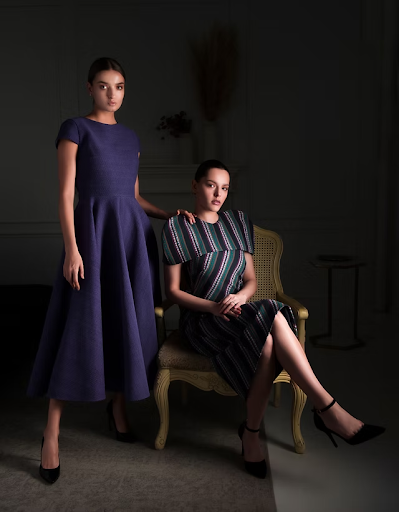
Ghanaian female designers are defining a new style lexicon for African femininity, one that balances softness, sensuality, and authority.
Duaba Serwa (Nelly Hagan-Aboagye)
Nelly’s designs celebrate the female form without objectifying it. She uses pleats, folds, and draped textures to create fluid structures that move beautifully on the body.
“Women don’t need harder edges to feel powerful. Power can be soft.”
Her brand is consistent, intentional, and architectural, embodying the new Ghanaian feminine authority: grounded, sensual, and confident.
Why It Matters
This trend challenges the outdated idea that African women must appear “loud” or “extravagant” to stand out. Instead, it frames elegance as a quiet form of resistance.
5. Afro-Urban Streetwear: Where Diaspora Cool Meets Local Energy
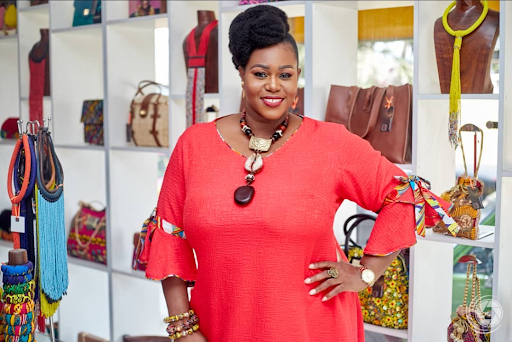
This is the space where culture, youth identity, and global aesthetics collide, and Ghanaian women are also in the mix, shaping its narrative.
Selina Beb
Selina Nenaako-Mensah founded Selina Beb. Her work combines contemporary Ghanaian street culture with diaspora energy, bright colours, bold patterns, artisanal accessories, and fun silhouettes that feel young, expressive, and culturally rooted.
She once told an interviewer:
“I’m not designing for the runway. I’m designing for the streets, because that’s where culture lives.”
Her pieces challenge the idea that African fashion must be formal or ceremonial to matter.
Why It Matters
Afro-urban streetwear is a cultural connector. It speaks to Gen Z, the diaspora, global fashion lovers, and anyone looking for wearable statements that scream identity without apology.
6. The Lace Renaissance: Traditional Bridalwear Reimagined
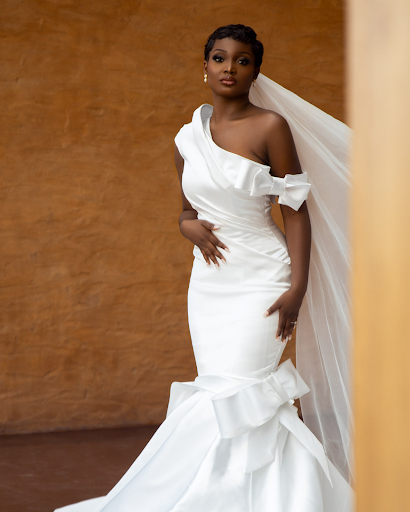
Ghanaian weddings have always been a canvas for fashion innovation, but women designers are reshaping bridal style into something far more personal and fashion-forward.
Pistis Ghana
Founded in 2008 by husband-and-wife duo Kabutey Dzietror and Sumaiya Dzietror, the Pistis brand is known for intricate lacework, meticulous beading, corseted bodices, and dramatic trains. Their work merges old-world bridal tradition with Hollywood-level glamour.
Key Designer: Sima Brew
Sima Brew has become a bridal powerhouse, dressing celebrities and redefining what a “Ghanaian bride” looks like. She elevates lace beyond its traditional use, turning it into sculptural, high-fashion statements.
“A bride should look like a dream, but also like herself.”
Why It Matters:
Bridal fashion is one of Ghana’s most influential fashion sectors. These women are pushing their boundaries and exporting a uniquely Ghanaian bridal identity across Africa and the diaspora.
ALSO READ:
7. Kente Reimagined: From Ceremony to Global Runway
Kente is more than cloth in Ghana; it’s history, pride, and philosophy. But modern designers are reinterpreting it in ways that feel global and culturally intelligent.
Melah GH (Mabel Mensah)
Melah GH introduces softer palettes, unexpected cuts, and contemporary styling to a fabric that traditionally carries heavy cultural symbolism.
“Kente doesn’t have to be stiff. It can be sexy, fluid, modern.”
Why It Matters
This trend breaks generational barriers, making kente accessible to younger audiences while preserving its cultural significance.
8. Diaspora Conversations: Ghanaian Designers Connecting Worlds
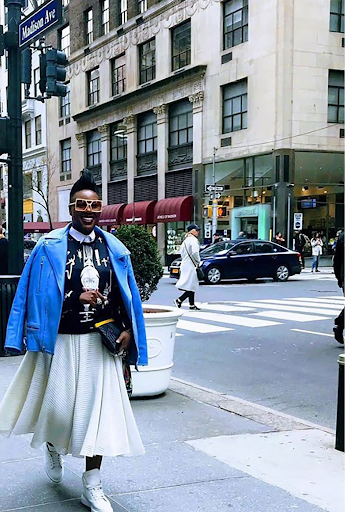
A growing cohort of Ghanaian women designers educated abroad or based between two cultures, London, Toronto, New York, and Accra, are merging global minimalism with Ghanaian creative codes.
Mimi Plange
Mimi Plange is internationally celebrated for her sculptural silhouettes and commitment to moving African aesthetics beyond print. She once stated:
“Africa is not one story. My work speaks to the multiplicity.”
Her clientele includes Michelle Obama and top global figures, positioning Ghana as a serious player in luxury fashion.
Why It Matters
This trend expands Ghanaian fashion from a local conversation into a cross-continental dialogue.
Omiren’s Forecast: Where Ghanaian Fashion is Heading Next
If there’s one thing clear from the work of these women, it’s this: Ghana is entering a new design era shaped not by imitation, but by innovation. The future of Ghanaian fashion will be defined by:
1. Global Minimalism With Ghanaian Precision
Expect cleaner lines, experimental structures, and subtler cultural embedding.
2. A Boom in Sustainable Luxury
Craft-based brands will dominate slow, deliberate, artisan-driven fashion.
3. International Collaborations
Ghanaian designers will join global runways, cultural summits, and capsule collections.
4. Digital-First Fashion Identity
More designers will leverage AI, digital fashion, and virtual lookbooks.
5. A Deepening of the “African Luxury” Narrative
Not loud, not maximalist, but intentional, intelligent, handcrafted, and culturally literate.
The Omiren Verdict
Ghanaian women designers have stopped waiting for space in the global narrative — they are writing one of their own. Their influence is not merely loud; instead, it is precise, confident, and deeply rooted in cultural intelligence. From sustainability to futurist tailoring, from bridal couture to Afro-urban streetwear, these women are not simply participating in fashion; they are shaping it.
They are shaping its future.
And they’re doing it on their own terms.