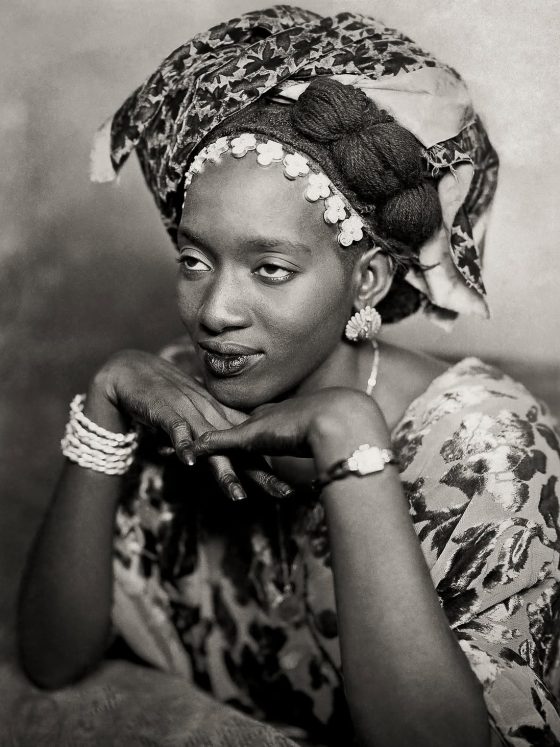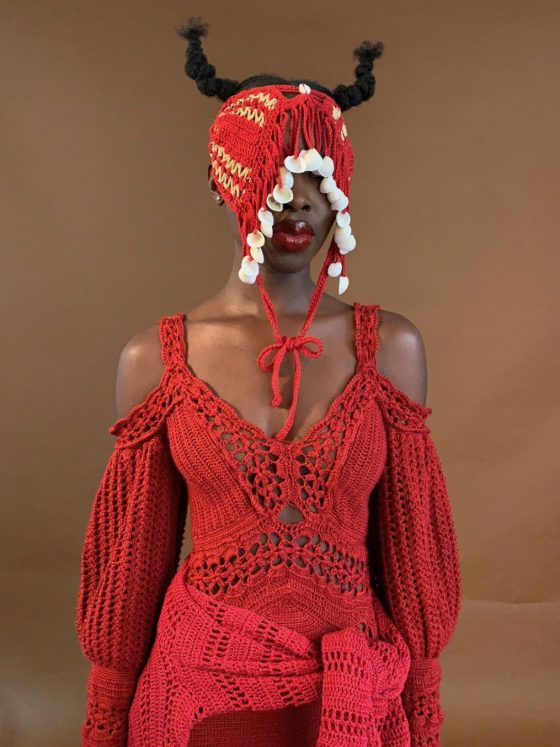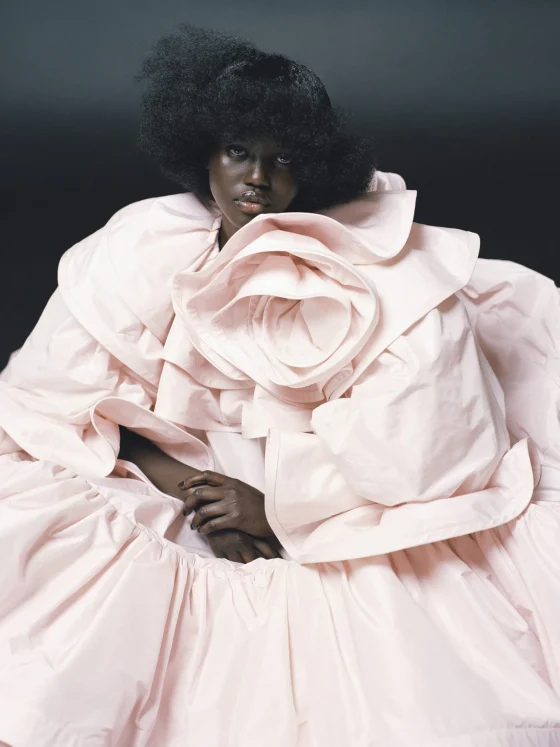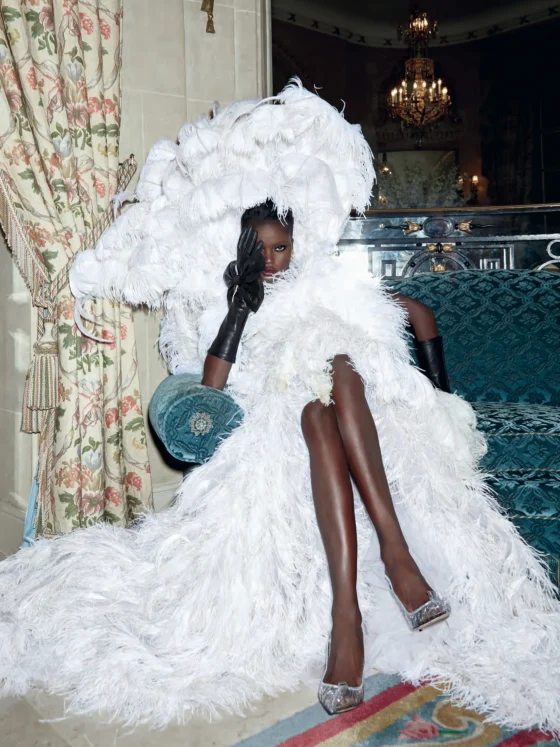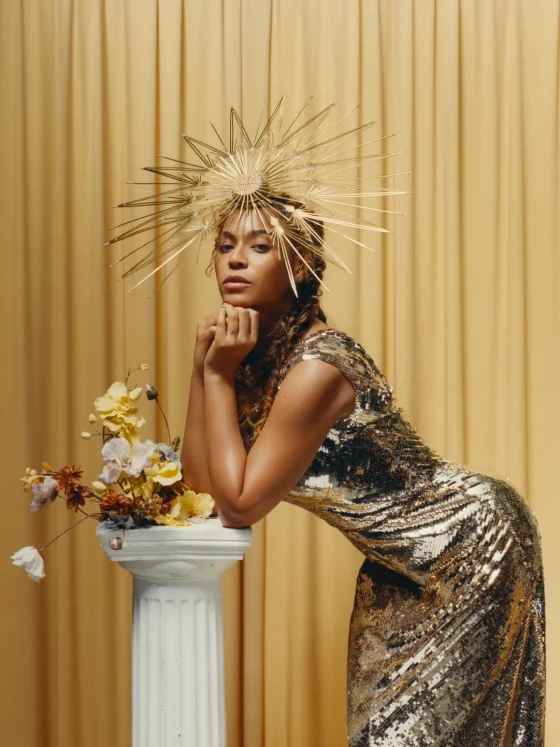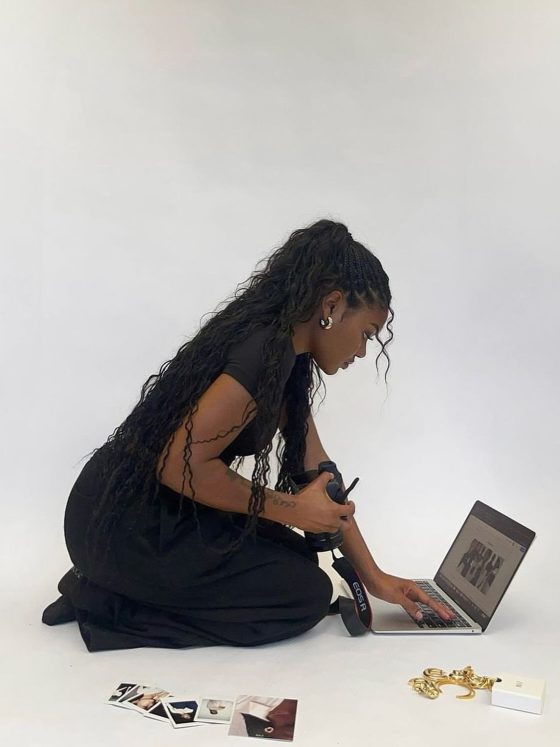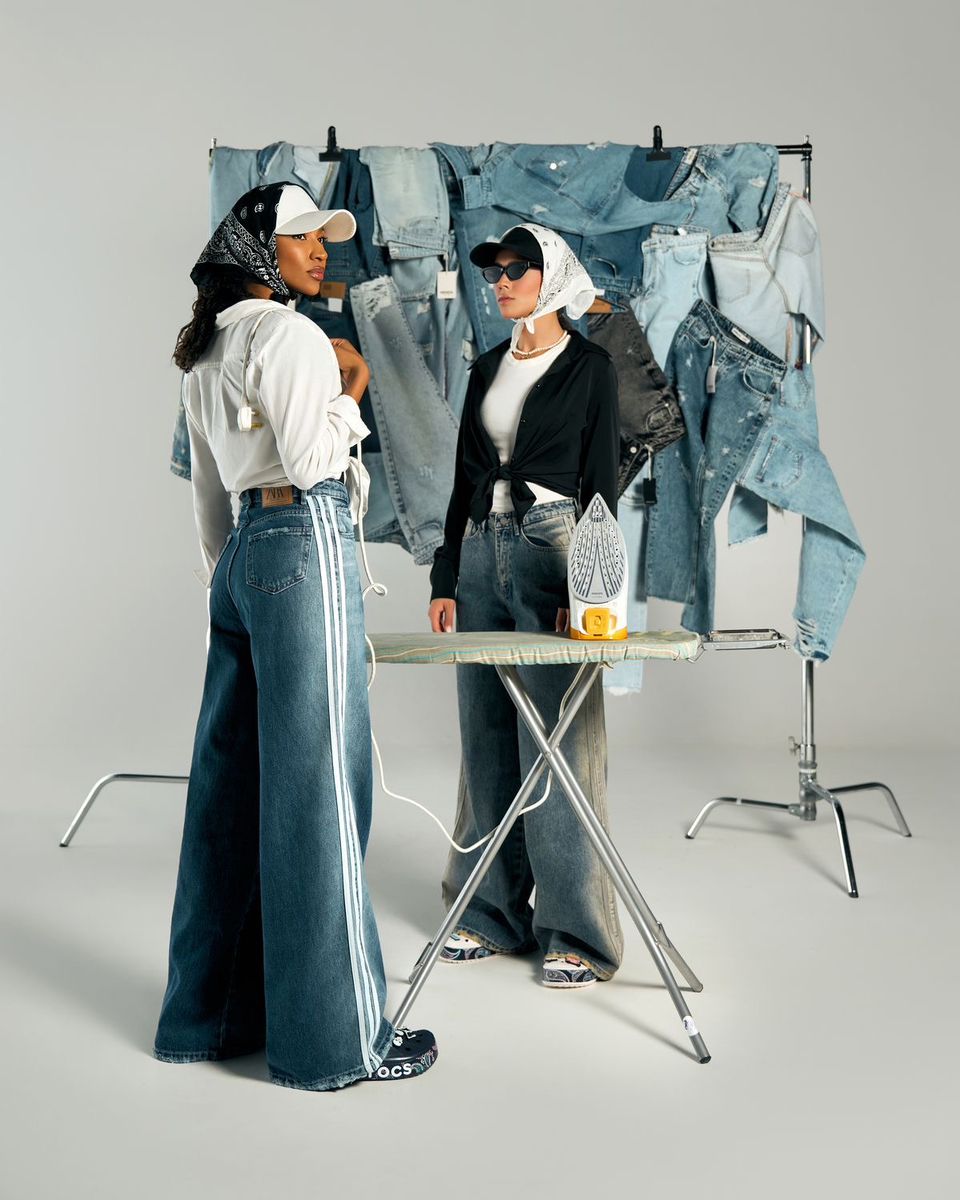
A fashion photograph is not a portrait of a garment. It is a visual argument about who wears it, where it belongs, and what it means.
The photographer who understands this plans a shoot differently from the one who focuses on technical execution. The decisions about light, location, and composition are the instruments through which the editorial argument is made. Make them reactively, on set, and the images may be technically correct, but editorially incoherent.
Pre-production is where the difference between a photographer who makes fashion images and a photographer who makes fashion arguments is determined.
How fashion photographers plan light, location, and composition for clothing-led editorial shoots. Technical and editorial decisions explained for African and diaspora fashion contexts.
The Four Decisions That Shape Every Fashion Shoot
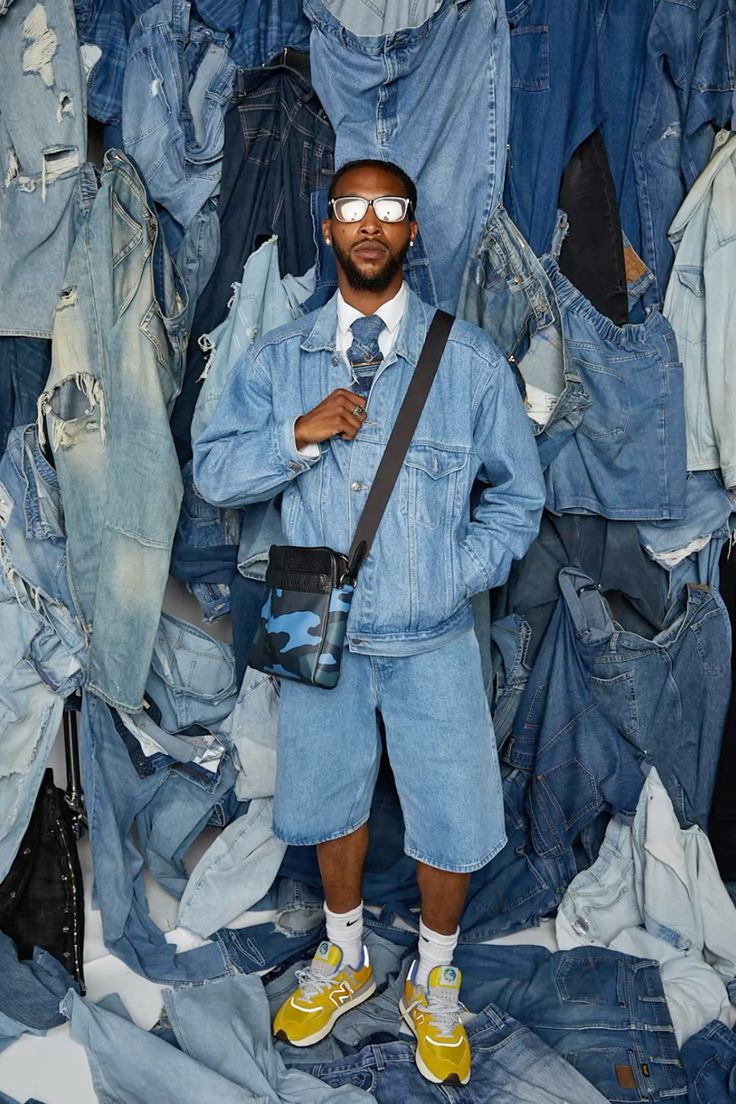
Clothing-led fashion photography is built on four pre-production decisions. Each one is both technical and editorial. Get them right before the shoot, and the day becomes execution. Leave them unresolved, and the day becomes a problem-solving exercise under pressure.
- What is this photograph actually doing? What argument is it making about the garment?
- What light serves that argument: hard or soft, natural or artificial, and calibrated for whom?
- What location makes the right editorial claim: cultural specificity, neutral field, or deliberate contrast?
- What composition directs the viewer’s eye to the garment’s most important quality?
These decisions are made in relation to each other, not independently. The light affects how the location reads. The location affects how the composition needs to work. A photographer who plans all four together before arriving on set is working editorially. One who plans them separately, or not at all, is working technically.
One Garment, Three Different Arguments
Consider a structured Ankara jacket: bold geometric print, strong shoulder line, mid-length. The same garment produces three completely different editorial arguments depending on the decisions made before the shoot.
Hard light, Lagos street, tight crop
Direct afternoon sun as the light source. A textured Lagos street environment like this location. A tight crop that fills the frame with the jacket’s print and the model’s upper body.
The argument: this is a bold, graphic, urban garment. The hard shadows emphasise the structured shoulder. The Lagos environment signals cultural specificity and contemporary African life. The tight crop makes the print the primary subject.
Soft light, white studio, three-quarter frame
Large softbox as the light source. A clean white studio background. A three-quarter frame showing the full silhouette from head to foot.
The argument: this is a precision-constructed garment for an international buyer who needs to assess it as a product. The soft light shows the textile’s surface quality without harsh shadows. The studio removes all cultural noise. The three-quarter frame communicates silhouette and proportion clearly,
Open shade, courtyard location, mid-length frame
Open shade from a courtyard wall as the light source. A Lagos architectural environment with textured walls and natural materials. A mid-length frame that shows the jacket and hem while keeping the environment and background in view.
The argument: this garment belongs in this city, worn by this person, in this context. The soft natural light reveals the print’s details, flattening it. The environment anchors the garment culturally without competing with it.
The jacket has not changed. The editorial arguments are entirely different. Each version required decisions made before the shoot began.
The light is not just technical. It is editorial. The location is not a backdrop. It is an argument. Composition is not decoration. It directs meaning.
What a Fashion Photograph Is Actually Doing
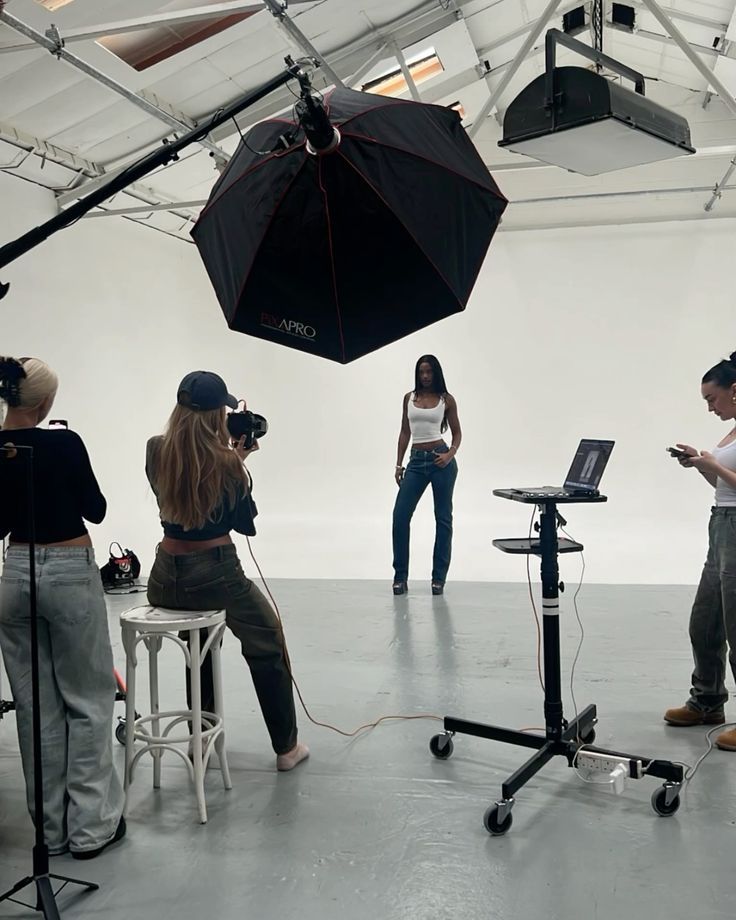
Every fashion photograph is made about the garment it contains. Some claims are explicit: this garment is luxurious, this garment is for a specific kind of body type, this garment belongs in a specific cultural context. Others are implicit, carried by the light quality and location without any text.
The photographer’s job is to ensure that the claims the image makes are the ones the brief requires. A garment photographed in flat, diffuse studio light against a grey background is being asked to stand alone as a visual object. That is sometimes the correct claim. When it is not, the image fails the brief regardless of how technically correct it is.
This requires the photographer to have read the brief at an editorial level, not just a technical one. What is this garment? Who is it for? What does it want to communicate about itself? These are not questions a photographer needs to answer alone, but they need to have been asked and answered before any technical planning begins.
The decisions about light, location, and composition are not style choices. They are editorial arguments.
For photographers working specifically in African and diaspora fashion, this editorial intelligence carries an additional layer. The garments being photographed often carry cultural histories and construction traditions that generic photography decisions will either honour or flatten. A photographer who has thought about what a piece of Aso-oke means before deciding whether to shoot it in a Lagos market or a white studio is making a more informed creative decision than one who defaults to habit. The intimacy built into significant African textiles is one of the things fashion photography can communicate or erase, depending on how well the photographer understands what they are working with.
Planning Light for Clothing-Led Stories
Hard light versus soft light
Hard light, from a direct flash, bare strobe, or direct midday sun, produces strong shadows, defined edges, and visual intensity that reads as bold and graphic.
It is appropriate for garments whose primary argument is structural: strong silhouettes, architectural construction, bold textiles that want to be read at full saturation.
Soft light, from an overcast sky, a large softbox, or bounced flash, produces smooth gradation, gradual shadows and an intimacy that reads as detailed and considered.
It is appropriate for garments whose primary argument is surface quality: hand-stitching, delicate embroidery, subtle textile variation that hard light would obscure with shadow.
The choice is not a preference. It is a decision about which qualities of the garment the image should prioritise. That decision belongs in the brief, not on the shoot day.
Lighting for dark skin tones
The predominant lighting paradigms in fashion photography were developed for and calibrated against lighter skin tones. A lighting setup that produces beautifully detailed images on a lighter-skinned subject may produce underexposed, detail-poor images on a darker-skinned one.
This is not a natural limitation of photography. It is a calibration problem with a technical solution.
The most effective approaches involve increasing overall light intensity, using reflectors or fill lights to open up shadow areas on the face and body, and exposing for the skin rather than the background.
For photographers working in African fashion contexts, where most subjects will have darker skin tones, this calibration should be the default setup, not just an adjustment made on the day.
Natural versus artificial light
The choice between natural and artificial light determines the location options, the shoot schedule, and the equipment requirements; it should be made in pre-production, not on set.
Natural light on location offers qualities that artificial light approximates but rarely replicates: the way late afternoon sun catches the grain of a handwoven textile, the quality of open shade on an overcast day in a tropical city, the specific light of a coastal environment. These are specific, and specificity in a fashion image is almost always an asset.
Artificial light in the studio offers control, repeatability, and independence from weather and time of day. For garments requiring precise colour reproduction or fine textural detail, studio light with proper calibration will consistently outperform natural light.
The decision should be based on what the garment needs, not what the photographer is most comfortable with.
ALSO READ
- Kenneth Ize and the Aso-Oke Question: What It Means to Build a Luxury Brand on a Handwoven Cloth
- The Intimacy of Tailoring: How Clothes Learn the Language of Your Life
- What the Numbers Say About Lagos, Accra, and Nairobi as Fashion Business Cities
- Investing in Textile Heritage: The Business Case for Preserving What Western Fast Fashion Cannot Copy
Location as Visual Argument
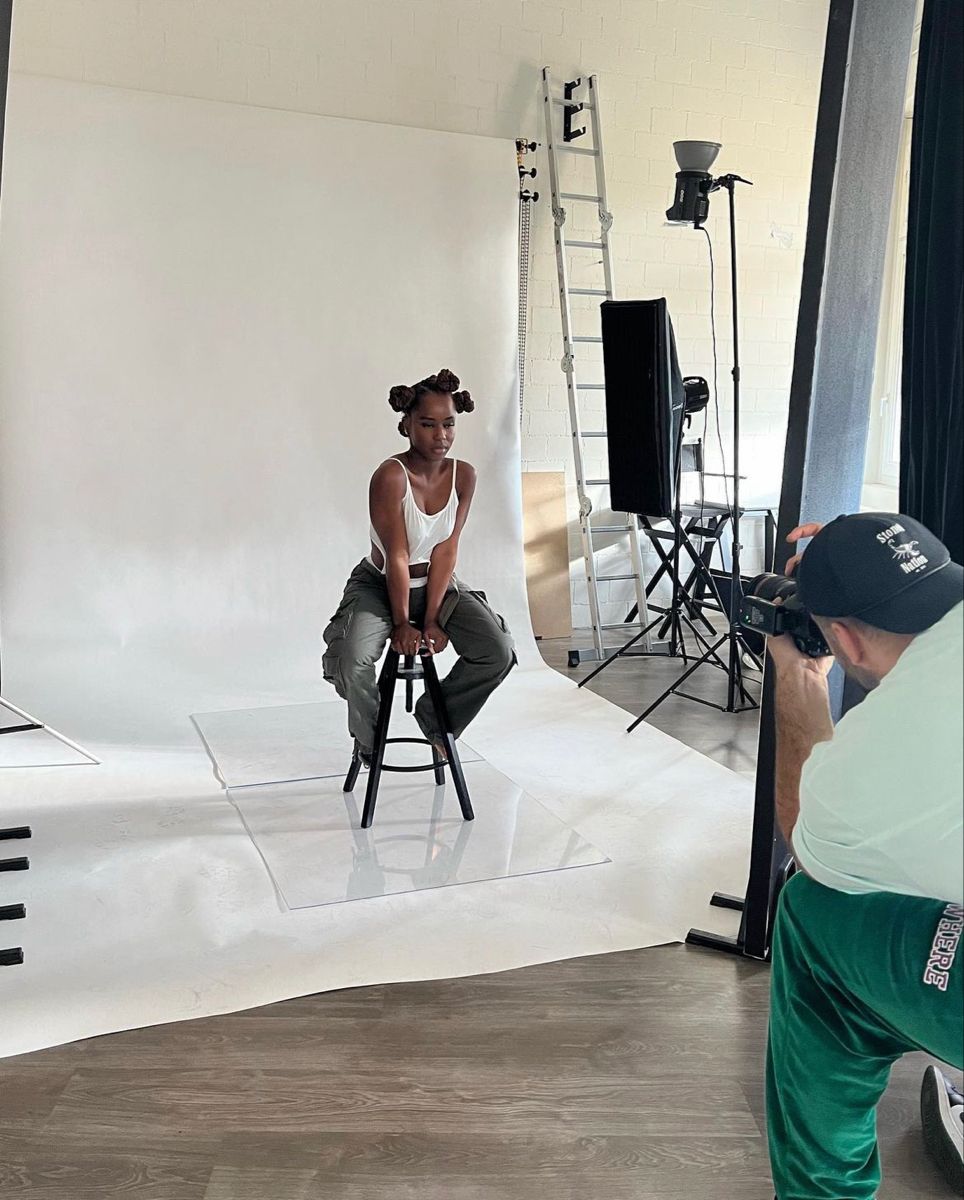
The location of a fashion shoot is an editorial decision. It is the primary context within which the garment will be read. The wrong location does not just produce a weaker background. It presents a contradiction: the garment says one thing, and the environment says another.
What location communicates
A garment photographed in an environment reflecting its cultural origins communicates heritage, rootedness, and authority.
The same garment photographed in a neutral environment communicates global relevance and contemporary positioning.
The same garment in an urban context conveys versatility and a sense of contemporary life.
None of these is automatically correct. The correct choice is the one that supports the argument the brief requires. The problem is when the location is chosen for practical reasons rather than editorial ones.
Location scouting as editorial research
The question in location scouting is not whether the environment is visually interesting. The question is whether it makes the right argument about the garment.
A photographer scouting for a shoot featuring structured Kente tailoring is looking for environments that either reinforce or meaningfully contrast with the garment’s cultural positioning. An eA visually neutral environment. One that is visually interesting but culturally incongruous says the wrong thing.
For photographers working in Lagos, Accra, Nairobi, or Johannesburg, the local environment offers specificity that European or American fashion photography cannot access. The architectural textures, street environments, and quality of natural light in tropical cities at different times of day are editorial assets specific to those places. The visual identity of African fashion cities is inseparable from where that fashion is photographed. The photographer who uses location as a generic backdrop is leaving one of the most powerful tools in their kit unused.
Studio versus location
A studio shoot, by removing all environmental context, says: th, “This is the entire argument. Everything in the frame is deliberate and controlled.
A location shoot places the garment in the world. It says: this garment belongs somewhere, in a specific cultural context.
Which approach is correct is an editorial question, not a production question, and it should be answered before the location search begins.
Composition in Service of the Garment
Framing the silhouette
The silhouette is the first thing a viewer reads in a fashion image. Before the textile, construction detail, or accessories, they read the shape of the garment against the background.
The frame needs to be large enough, the background clear enough, and the model’s position unambiguous enough that the silhouette communicates before anything else does.
For garments with complex architectural silhouettes, shoot at a distance and angle that show the whole shape. For garments where detail is the primary argument, move in until the detail dominates the frame.
The role of negative space
Negative space, the areas of the frame containing nothing of primary interest, is not wasted space. It is the visual breathing room that allows the viewer to read the garment clearly.
A frame packed with visual information from edge to edge makes every element compete for attention. The garment is one element among many. A frame with deliberate negative space directs the viewer’s eye to the garment as a matter of visual logic.
Camera angle and garment reading
A straight-on shot shows construction and proportion. A low angle elongates the silhouette and communicates aspiration. A high angle flattens three-dimensional form and should be used only when that flattening is intentional.
A three-quarter angle is the most common choice in fashion photography because it shows both front construction and side silhouette simultaneously.
The angle should be chosen based on the garment’s need to be shown, not on what the photographer finds visually interesting.
Composition is not self-expression. It is the set of decisions that guides the viewer’s eye to the argument the garment makes.
Why Pre-Production Is the Most Important Part of the Shoot
The decisions about light, location, and composition are almost always more consequential than decisions made on set. By the time the model is dressed and the camera is out, the fundamental editorial argument of the shoot has either been made or abandoned.
A photographer who arrives with clear decisions about light, location use, and compositional logic for each look uses the shoot day to execute and refine. A photographer who arrives without those decisions uses the shoot day to make them, under time pressure, with no time to think them through.
For African and diaspora fashion photography, where the work being shot often carries cultural significance that a careless image can flatten or erase, this pre-production discipline is a basic requirement of doing the work well.
Great fashion photography is rarely on set. It is planned before the model arrives, and the shoot is where the plan is executed.
FAQs
What is clothing-led fashion photography?
Clothing-led fashion photography treats the garment as the primary subject of the image rather than the model, the environment, or the concept. Every technical and editorial decision, the light, the location, the composition, the model’s position and expression, is made in service of communicating what the garment is, who it is for, and what it means. The distinction matters because many fashion images are nominally about clothing but are actually about the model’s beauty, the photographer’s aesthetic, or the location’s visual interest. A clothing-led image subordinates all of those to the garment.
How do photographers plan a fashion shoot?
A well-planned fashion shoot starts with the brief read at an editorial level: what is the garment, who is it for, and what argument does the image need to make about it? From that starting point, the photographer makes decisions about light (hard or soft, natural or artificial), location (what environment best supports the right garment), and composition (what lighting directs the viewer’s eye to the garment’s most important quality). These decisions are made together because each affects the others. The shoot day is then used to execute and refine those pre-production decisions, not to make them for the first time.
What makes a fashion image editorial rather than commercial?
An editorial fashion image serves a narrative or creative idea rather than a product sales objective. It is typically produced for a publication’s audience and evaluated against the quality of the story it tells. A commercial fashion image serves the brand’s commercial objectives: communicating the product clearly, reaching buyers and customers, and producing images that can be used across marketing channels. The distinction affects the brief, the creative freedom, the art direction process, and the criteria by which success is measured. Editorial images are judged by whether they say something interesting. Commercial images are judged by whether they sell something effectively.
What lighting approach works best for dark skin tones in fashion photography?
The most effective approach involves increasing overall light intensity, using reflectors or fill lights to open up shadow areas on the face and body, and exposing for the skin rather than the background. These are standard lighting decisions that need to be made with explicit attention to the subject’s skin tone. For photographers working primarily in African fashion contexts, this calibration should be the default setup rather than an adjustment. The predominant lighting paradigms in fashion photography were developed for lighter skin tones and produce systematically weaker images on darker-skinned subjects unless the setup is specifically adapted.
How do fashion photographers choose locations for African editorial work?
The location choice should be made as an editorial decision, not a logistical one. The question is whether the location makes the right argument about the garment: does it honour its cultural origin, expand its perceived relevance, or provide a neutral field platform for it to stand on its own? Graphing African fashion in generic international environments produces images that say nothing specific about the work. Photographing it in environments specific to the cities where that fashion is made, worn, and understood produces images with genuine editorial intelligence.
What is the role of composition in communicating garment silhouette?
The silhouette is the first thing a viewer reads in a fashion image, before they register textile, detail, or accessories. The framing needs to be large enough, the background clear enough, and the model’s position unambiguous enough that the silhouette communicates before anything else does. For garments with architectural or complex silhouettes, shoot at a distance and angle that shows the whole shape. For garments where detail is the primary argument, move in until the detail dominates the frame.
How does pre-production planning differ between studio and location shoots?
Studio shoots require pre-production decisions about light setup, background choice, and how much environmental context the image should include. Everything in a studio is a deliberate choice because nothing exists there by accident. Location shoots require additional decisions about how to use the specific environment’s lighting qualities to manage light that changes with weather and time of day, and how the location’s existing visual character supports or competes with the garments. The fundamental editorial decisions are the same in both contexts. The execution variables are different.
How should a fashion photographer approach a shoot featuring culturally significant African textiles?
By researching the textile before making any visual decisions. The cultural context, social function, and construction tradition of a significant textile should inform the decisions about where to photograph it, how to light it, and how to frame it. A handwoven piece with a specific community origin, photographed without that context in mind, is being treated as a generic fashion object. The photographer who has done the research makes better decisions because they know what is at stake with every choice.
Continue reading