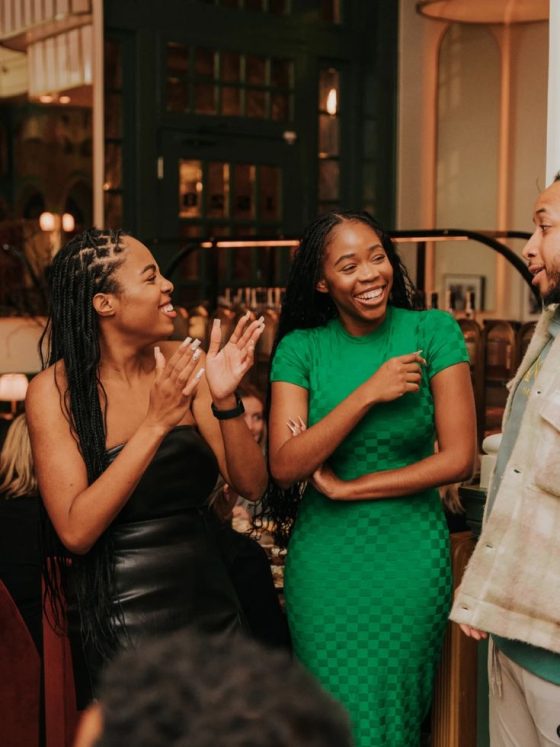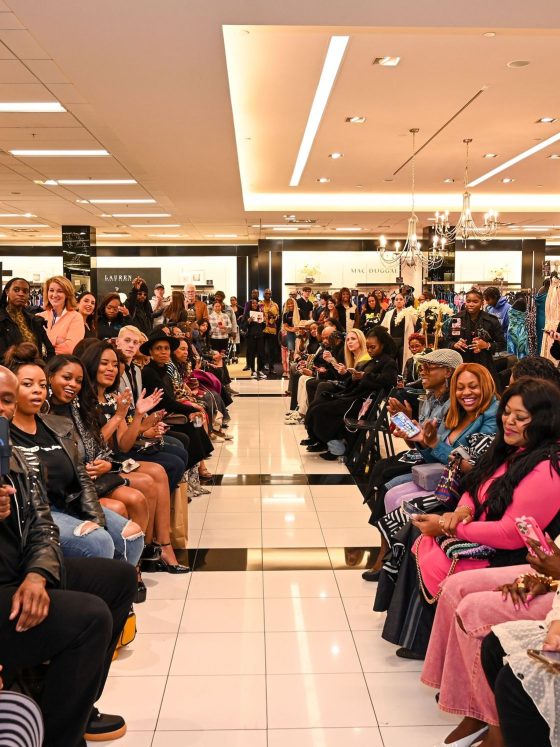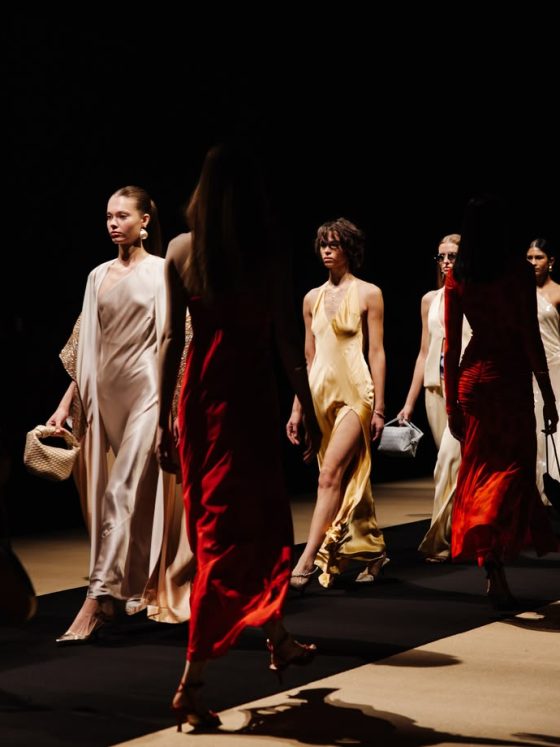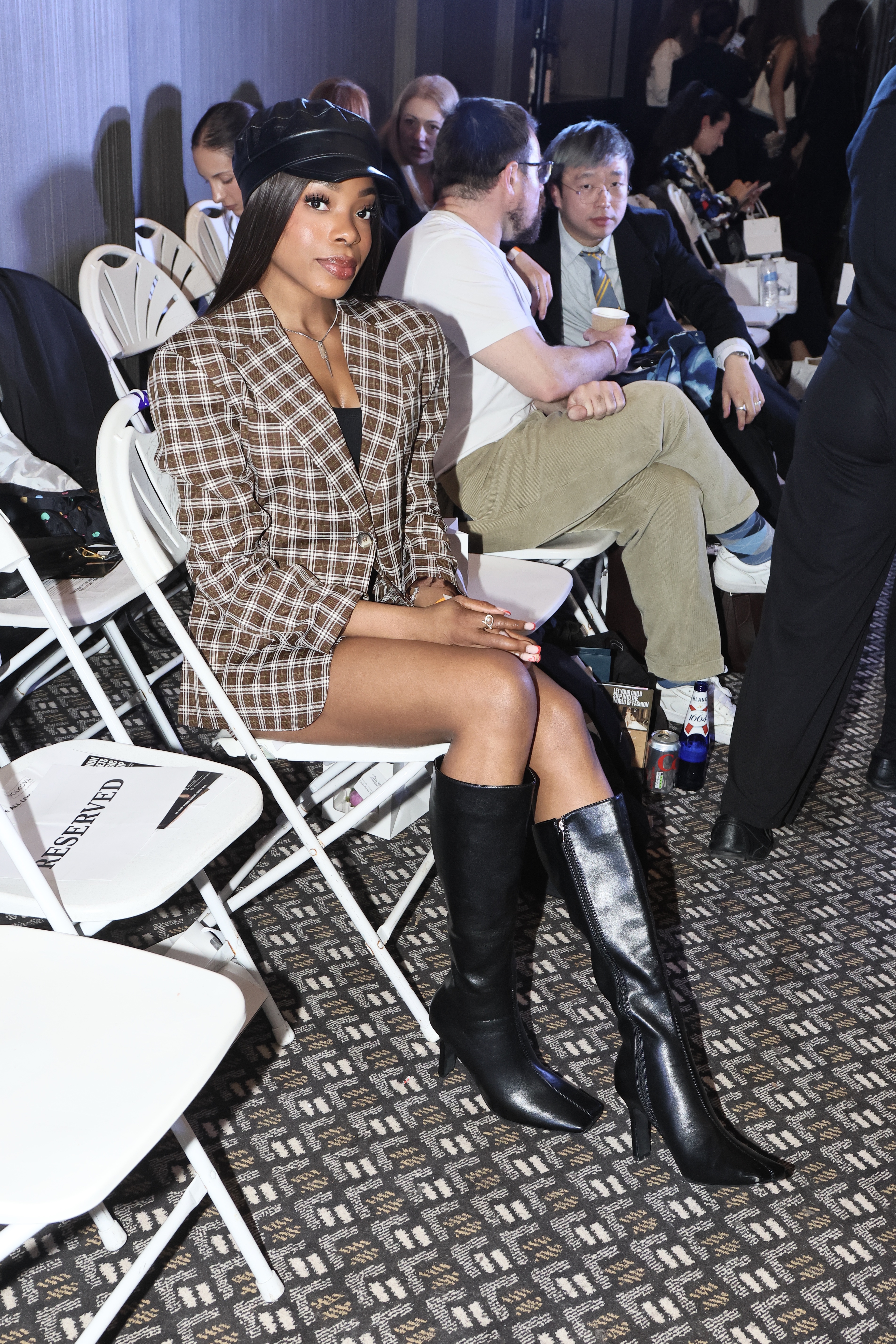
A fashion show lasts an evening. The work behind it often takes considerably longer: collections must be made, an exhibition assembled, models prepared, a programme staged and the results photographed. Once the event ends, its public record can narrow quickly to a handful of runway images and a few prominent names.
Renaissance 2026 offers a reason to look more closely. Held at Devonshire Square, London, on 29 August under the theme Global Origins: Stories Untold, the showcase presented work by 11 emerging designers and 10 artists. The organisers’ account also identifies more than 30 models and a substantial team across curation, styling, production, beauty, performance and photography. Alongside the runway and exhibition, Renaissance launched its first print publication, Renaissance Archive 001.
Omiren Styles has already reported the event in full and named its participating designers and artists. The further question is what it takes to make their work visible and to keep a useful record of it after the venue closes. This article explores that question.
A closer look at the designers, artists and creative team behind Renaissance 2026 in London – and the first print archive created to document their work.
One Programme, Several Creative Languages
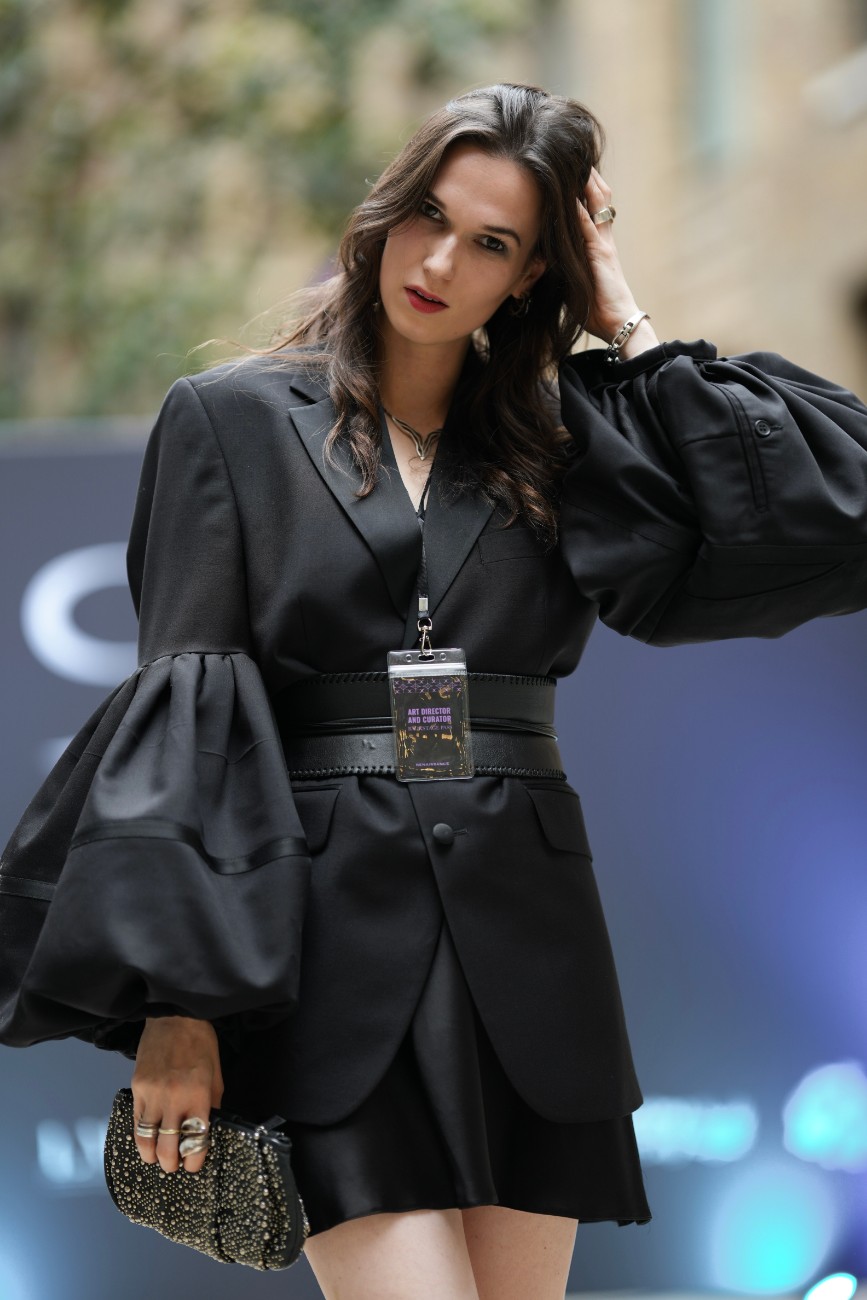
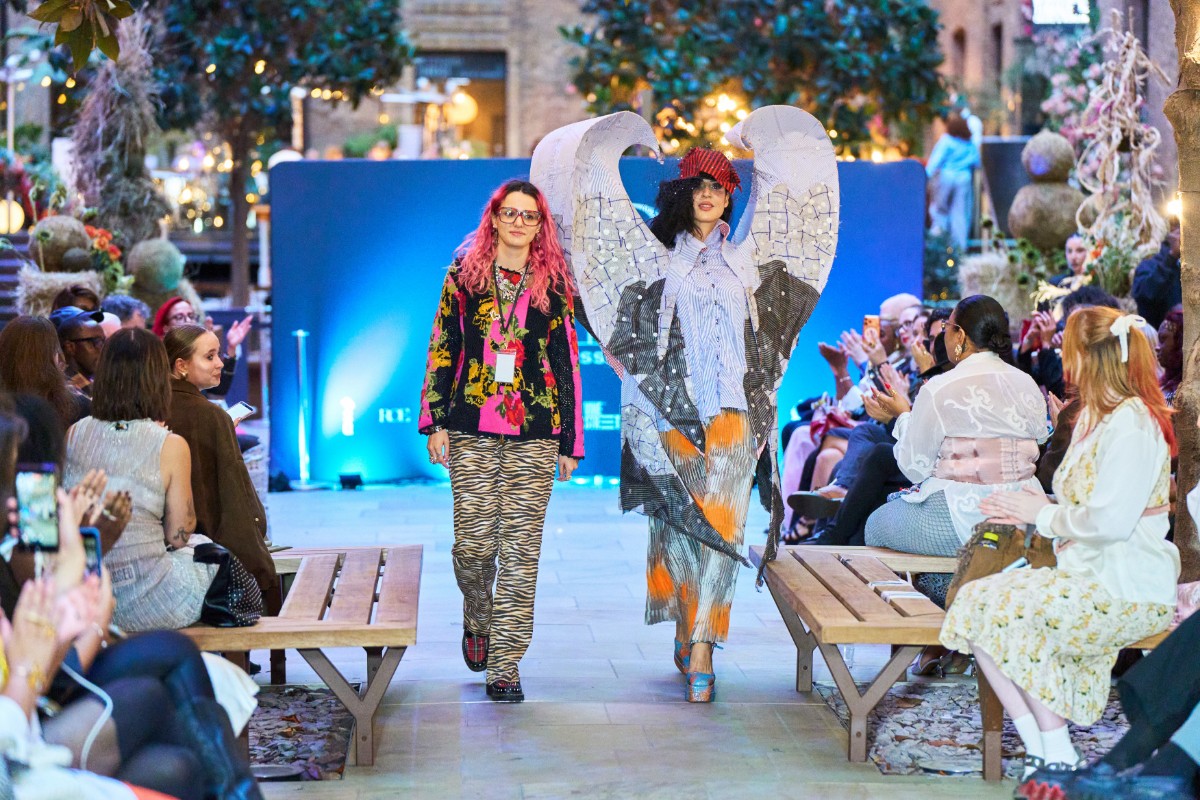
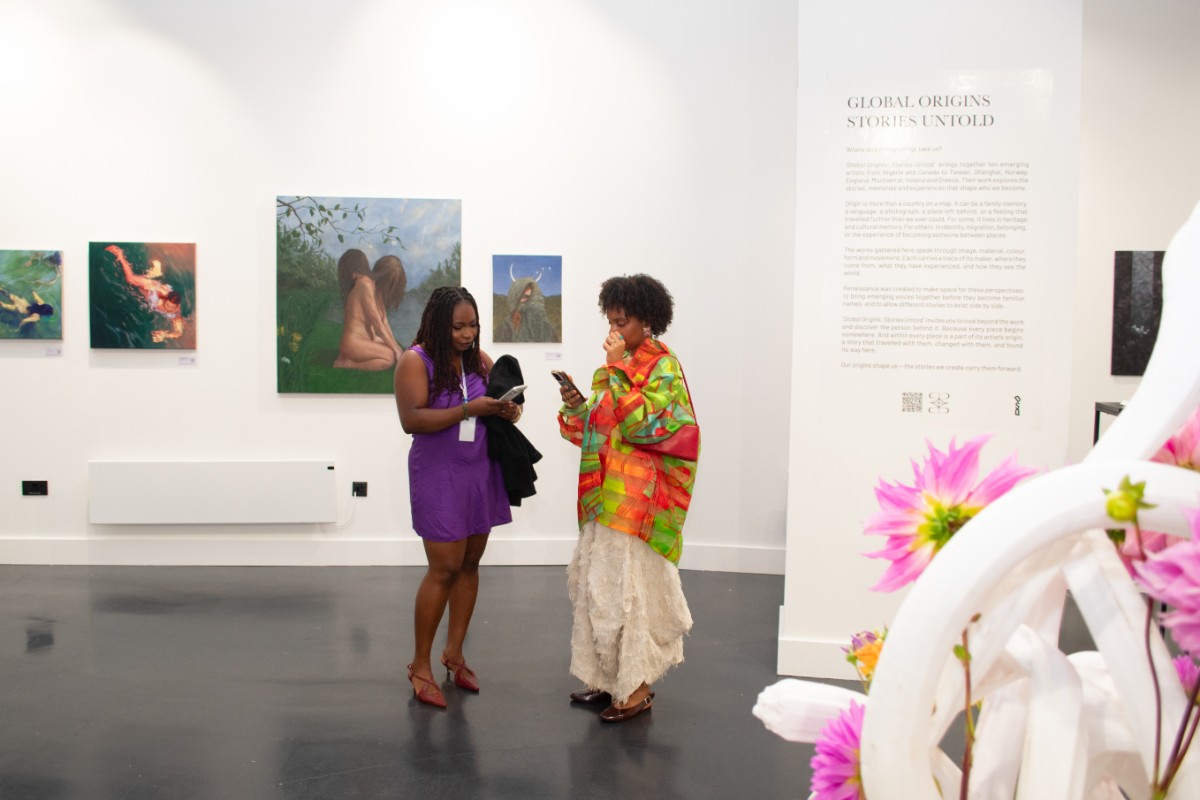
The fashion presentations took place in Devonshire Square’s Western Courtyard, while the artists exhibited at the DSQ Cube. Rather than placing fashion and visual art as unrelated attractions running in parallel, Renaissance organised both around questions of origin, identity and personal history. Its published account describes the theme as an invitation for participants to work from their own experiences.
That intention is clear. What each designer or artist made of it is a more individual story than any event theme can tell on its own. A programme can establish that Maria Goundry, Jade Chrysanthe or Jason Bezas participated; a fuller account would connect a particular collection or artwork to its maker’s decisions, materials and stated ideas. Without those details or direct conversations, it would be misleading to assign a cultural meaning to work that has not been examined first-hand.
The showcase nevertheless reveals something about the format Renaissance has chosen. It did not ask the runway to carry the entire event. Fashion, exhibition and live performance shared the programme, giving different practitioners distinct ways to present work and giving guests more than one entry point into the theme. A singer, a pianist and a DJ are listed among the contributors alongside designers, artists, stylists, jewellery partners and photographers. Whether those disciplines genuinely informed one another during the evening is a question for the participants, not something that can be settled from a schedule alone.
The Team Behind the Presentation
Laura Onome Momodu led Renaissance as Founder and Creative Director. Omiren’s original report identifies Marie Buchem as Art Director and Curator and Victor Odemena as Marketing Lead. The organisers’ additional credits span press, art coordination, stage management, model coordination, front-of-house supervision, and a volunteer corps.
Those roles shape how work reaches an audience. Curation determines how an exhibition is assembled and what sequence a visitor encounters. Styling changes how a runway collection reads alongside jewellery and shoes. Stage, model and front-of-house teams make the practical sequence of a live event possible. Photographers create many of the images through which people who were not present will later encounter the work.
These contributions are not interchangeable, and meaningful credit should say what each person did rather than simply place every handle beneath a general team heading. The credit list supplied by the organisers and reproduced at the end of this article acknowledges that wider participation. It also provides the starting point for more specific reporting: a photograph of a designer’s look, for example, should identify the designer, model and photographer where confirmed. A grouped list of photographers cannot do that work.
An event becomes more than a collection of attractive images when the archive, photographs and subsequent reporting allow the makers and the people who helped present their work to remain identifiable once the evening has passed.
What Renaissance Archive 001 Can Do
The print publication is the most distinctive element to revisit after the show, according to the organisers’ account reported by Omiren, Marie Buchem’s artistic direction shaped the 86-page Renaissance Archive 001, which includes 22 portraits and written profiles. The organisers said the first edition of 50 copies sold out on opening night and that a second edition was in production at the time of that report. These are reported claims, not a current stock update.
A print publication changes the unit of attention. An event programme tells a visitor who is participating. A profile has room to document a person’s practice and perspective in a way that a runway caption or a social media post typically does not. If Archive 001 does that consistently, it becomes a reference for collaborators, editors and audiences seeking to understand the makers rather than merely recall an evening.
We cannot assess the quality or reach of Archive 001 without reading a copy. Its significance in this account lies in the editorial choice to produce one alongside a first showcase, with an identifiable artistic director, rather than treating documentation as an afterthought to the live event.
In its account of the Africa Fashion exhibition, the Victoria and Albert Museum describes how family photographs and the stories attached to them helped document fashion histories that institutional records alone did not capture. The projects are different in scale and purpose; the connection is narrower but important. Images become more informative when the people in them can identify themselves, their work and the context in which it was made. Archive 001 creates a structure that enables that identification for the participants in Renaissance 2026.
Omiren Styles has explored a related principle in its analysis of how fashion holds memory and identity, arguing that clothing and the records around it carry information about creative communities at specific moments in their development. Here the archive is not only a garment or a personal wardrobe but also a deliberate record of people working at a particular point in their practice.
Credit Is Part of the Record
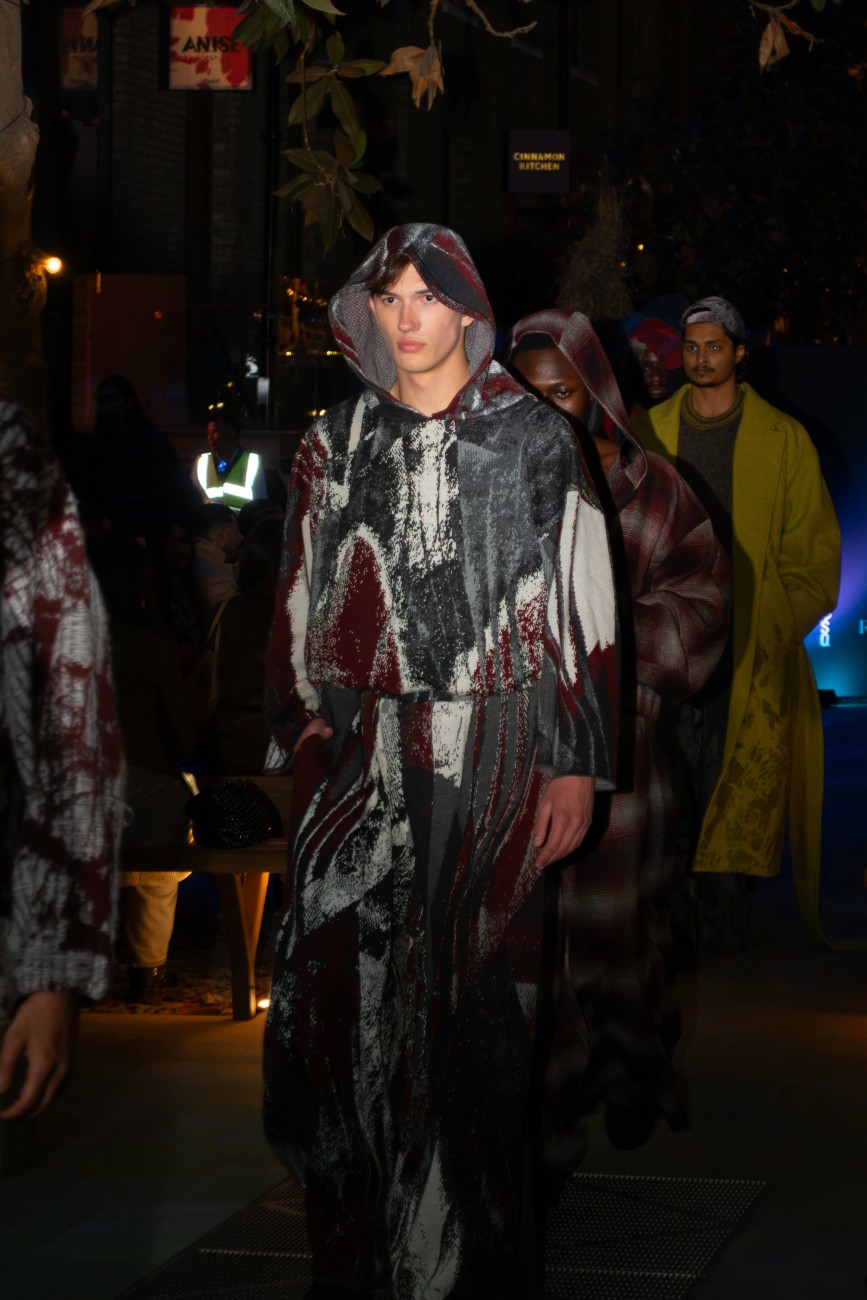
Renaissance’s extensive contributor list is welcome. It also exposes a practical editorial problem events frequently encounter: an Instagram handle may help someone find a maker, but it cannot, by itself, tell a future reader the person’s full name, exactly which work they contributed, or which of several photographers made a specific image. Handles can change or become inaccessible. A list of 13 photographers against an event with hundreds of images does not allocate authorship.
This is the documentation gap that Omiren Styles has written about directly in the context of fashion supply chains: the records that exist are not always the records that attribute work correctly. The same gap appears in event documentation. A credit section that covers who was present is a different and less useful record than one that says who made what.
The grouped list below acknowledges contributors as supplied by the organisers. Published article photographs should identify the people and work actually pictured. Every photograph used needs its own verified photographer credit and agreed usage terms. Where a designer, stylist, jewellery maker, or shoe partner contributed to a particular look, confirm those relationships and record them as a unit rather than distributing them across separate category lists.
That is how an event becomes more than a collection of attractive images. Renaissance created a stage for emerging work in August 2026. The archive, the photographs and the reporting around them determine whether the makers remain identifiable once the evening itself has receded.
Contributor Credits Instagram
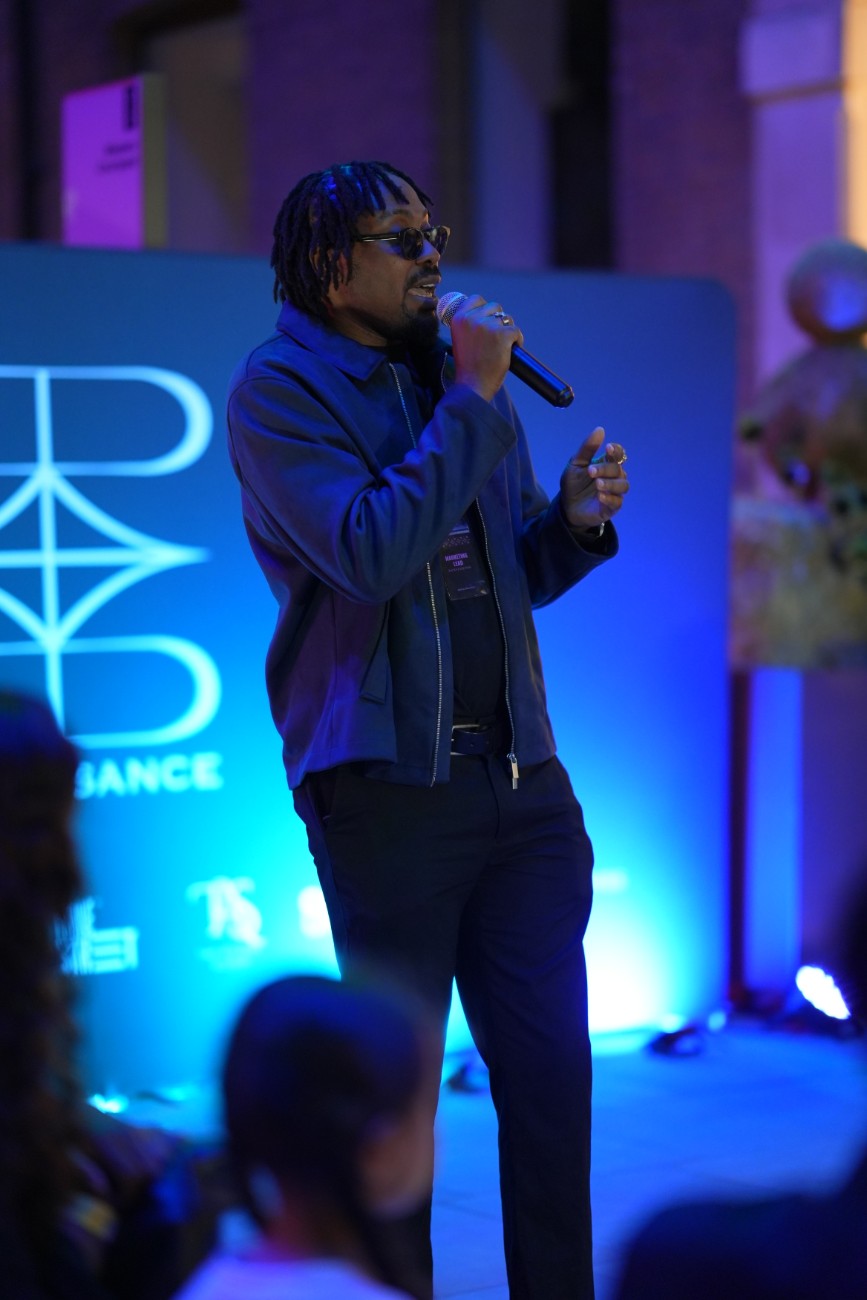
The Renaissance organisers supplied the following Instagram handles and roles. They are reproduced as event credits, not as independently verified legal names or image-by-image photography credits. Confirm spelling, preferred names and role descriptions against the organiser’s master list before publication. The handle is @kemzphotography. _ has been normalised from the supplied form ‘@kemzphotography. _(note the space); verify with the photographer before using.
Renaissance: @renaissance_fashion_show
Founder and Creative Director: @lauramomodu
Art Director and Curator: @surrnoir
Marketing Lead: @heisodems
Press Manager: @artlives
Art Coordinator: @omarmonsef
Production Manager: @dafurlulu
Stage Manager: @janelle_jonas
Assistant Stage Manager: @zainab._anjum
Model Coordinator: @jordanjnrmusic
Front-of-House Supervisor: @ishitakaushik60
Artists (as supplied): @jasonbezas.art · @chawntaybarrett · @ndukauba_anthonia · @tom_halsall_art · @izrahyel · @loithebird · @silviailona · @lu.yu.1111 · @cathy_chou_29 · @ryanstatic_
Designers (as supplied): @mariagoundrystudio · @sar.ghaisan · @nojolie_ · @thouartjanus · @traykov_couture · @__ndoki · @jdn_byjordan · @eduardasazonova_ · @emh002 · @jadechrysanthe · @hallebyhaseebali
Lead Stylist: @tina.musiba
Stylist Assistants: @theandvdual · @sjc_fashion_
Jewellery and Accessories: Diva Choice Petite Boutique @divachoice_official · Ama’Moora @amamoora__ · Retro Chic Italy @retrochicitaly · African Chica @african_chica · Crescent Agency @crescentagency
Shoes: Itele @itele.uk
Dressers: @ayaba.yemi · @curatedbyella · @zani.png3 · @0211channy · @jelzchavez · @katifire._.x · @_ayoajibade_
Models and Model Organisations (as supplied): @accessstudio.ldn · @lmodelacademy · @purpleteporingo · @_hannah.louisee · @steph777.x · @Guatamlokeshofficial · @kaylinstirling · @kalyinishanil · @maddiesmythex · @jayy.access · @xelinaam · @izzy.abdulai · @albajribes · @reuelhadera · @jasminelgx1 · @pumpkinpatchpage · @miss.dove.c · @millie_dobson_ · @climaciprian · @isabellarumin · @sarahjanexlv · @so_finewine · @marques.mba · @insidedswardrobe · @keionamir · @17taiwo_ · @estherjkill · @palaash09 · @todo_hinano · @whosscarce · @amarulacore · @rubybrownmusic · @clarionjames_
Hair: @prettygorgeoushair
Makeup: @rosybeemua · @beautyology.mua · @sb_artistry · @susuu25mts
Performers: Singer @alessiaartist · Pianist @isaac_onyirioha · DJ @aislingjoseph
Venue Partner: @dsq_london
Partners (as supplied): @dsq_london · @yanskates · @roemagazine · @covunilondon · @wearableartcollective · @tryvinestreet · @accessstudio.ldn · @lmodelacademy · @cblackdesign
Creative Partners: @jst_rald · @ch_53n · @sebcollective · @itgirls
Photographers and Image-Makers (as supplied):
@vanjovanz · @benedetto_kp · @kemzphotography · @ell_iny12 · @anjaliphotography_ · @shen.r1 · @shotbysamikshaa · @facesandfacadesfilm · @laurennmanning_ · @filmedbymadhu · @tumurtogtokh · @philipkool6759 · @creative_house_of_ade
Volunteers: @khalilsatter · @tippumastan · @wtfcappy · @zani.png3 · @kat_nx · @sylvie.ann · @weronik.ka · @azeezpeace · @kassy_hills · @pretty.ay0_ · @ife_bello_
ALSO READ
- Renaissance Debuts in London With Fashion, Art Showcase and First Print Archive – Omiren’s event report and full named participant lists
- Clothing as an Archive: How Fashion Holds Memory and Identity
- After Africa Fashion Week London 2026: What Converted Into Orders, Stockists, Press or Partnerships?
Frequently Asked Questions
What was Renaissance 2026?
Renaissance 2026: Global Origins – Stories Untold was a fashion and art showcase held at Devonshire Square, London, on 29 August 2026. According to the organisers, it featured runway presentations by 11 emerging designers, an exhibition by 10 artists, and the launch of Renaissance Archive 001.
Who founded the Renaissance?
Laura Onome Momodu is identified as Renaissance’s founder and creative director. Marie Buchem served as art director and curator. Victor Odemena is named as Marketing Lead.
What is Renaissance Archive 001?
It is the platform’s first print publication. The organisers’ account, as reported by Omiren Styles, describes an 86-page edition containing 22 portraits and written profiles. The organisers stated that a first edition of 50 copies sold out on opening night and that a second edition was being prepared. These figures are taken from the organisers’ published account and have not been independently verified.
Where can I find the participating designers and artists by name?
Omiren’s original Renaissance event report lists the full names of participating designers and artists. The grouped contributor credits above provide the Instagram handles the organisers supplied. Match and confirm full names and handles before using either to identify individuals in captions or articles.
Who should be credited for the event photographs?
The organisers supplied a list of photographers and image-makers, reproduced in the contributor credits above. That list does not match individual image files to specific photographers. Each image selected for publication requires its creator, permissions and usage terms to be confirmed individually before the image is used.
How does this article relate to Omiren’s existing event report?
The original Omiren report covers the event itself: the named designers, artists, and the showcase’s content as it took place. This follow-up article addresses the production behind that event and the editorial decision to create a print archive alongside it. It does not duplicate or replace the primary report.
EXPLORE MORE
Read the full Events and Fashion coverage at Omiren Styles for ongoing reporting on emerging designers, fashion showcases and the creative infrastructure behind them. Discover travel and heritage intelligence across Africa, the Caribbean and Latin America at Rex Clarke Adventures.