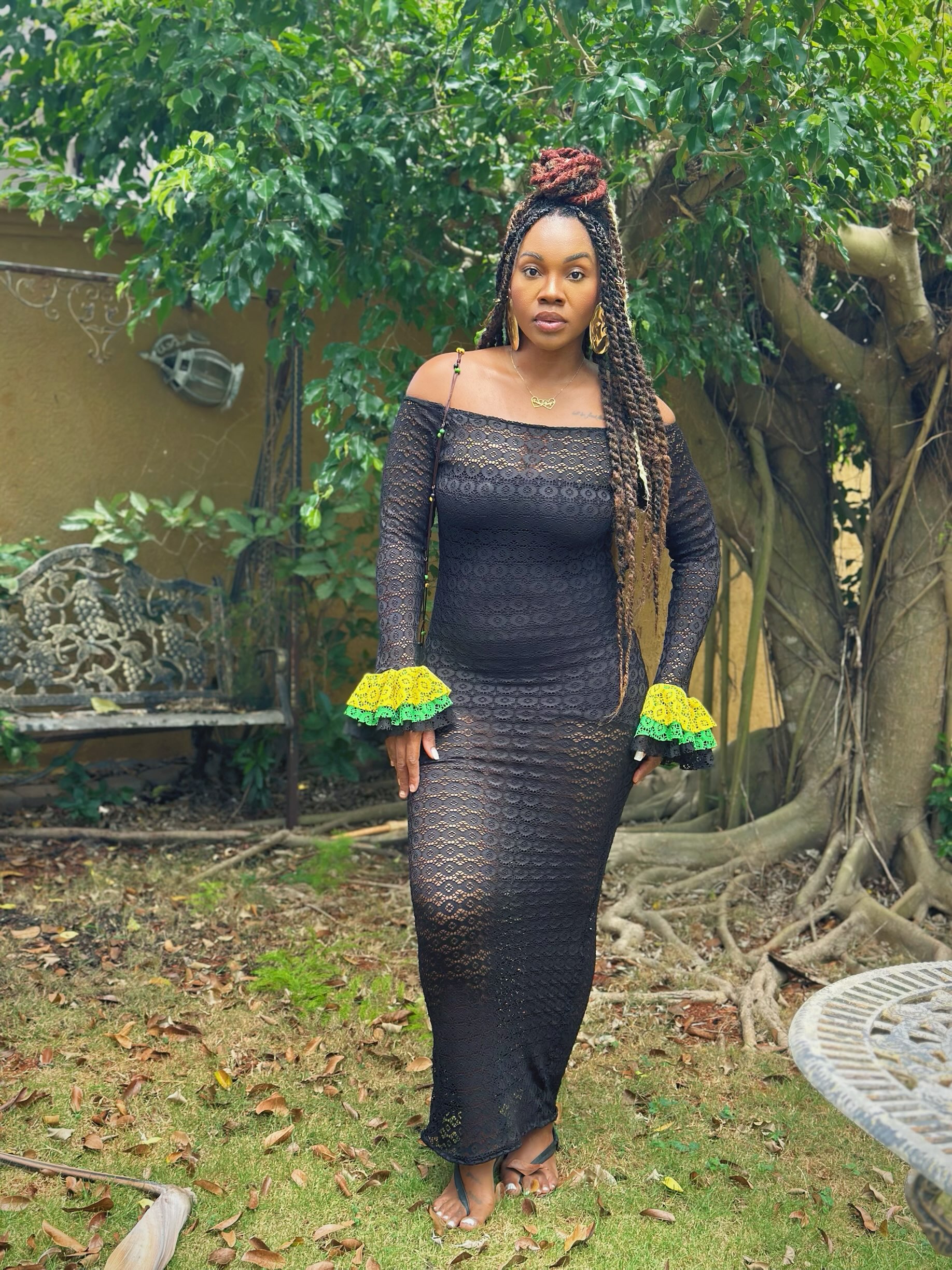
According to the Jamaica Observer, Errice Alicia Anderson’s OCTAVIA Capri Set is part of her 2026 Jamaica Love collection. The newspaper selected the design for its 4 August Independence fashion edit, identifying it as a standout from the release.
That endorsement is the publication’s judgement, not an independent Omiren assessment.
The distinction between the product, the collection and the editorial setting is worth preserving. OCTAVIA is the named set, and the newspaper assigns it to the Jamaica Love collection.
“#Jamaica64!” is the title of the newspaper’s wider edit. They describe three related but separate things.
Jamaica became independent in 1962, so the hashtag number matches the 2026 anniversary. The edit is built around that moment, and the set arrives inside it.
Errice Alicia Anderson’s OCTAVIA Capri Set appears within her 2026 Jamaica Love collection, selected for the Jamaica Observer’s Independence fashion edit.
A specific design within the collection
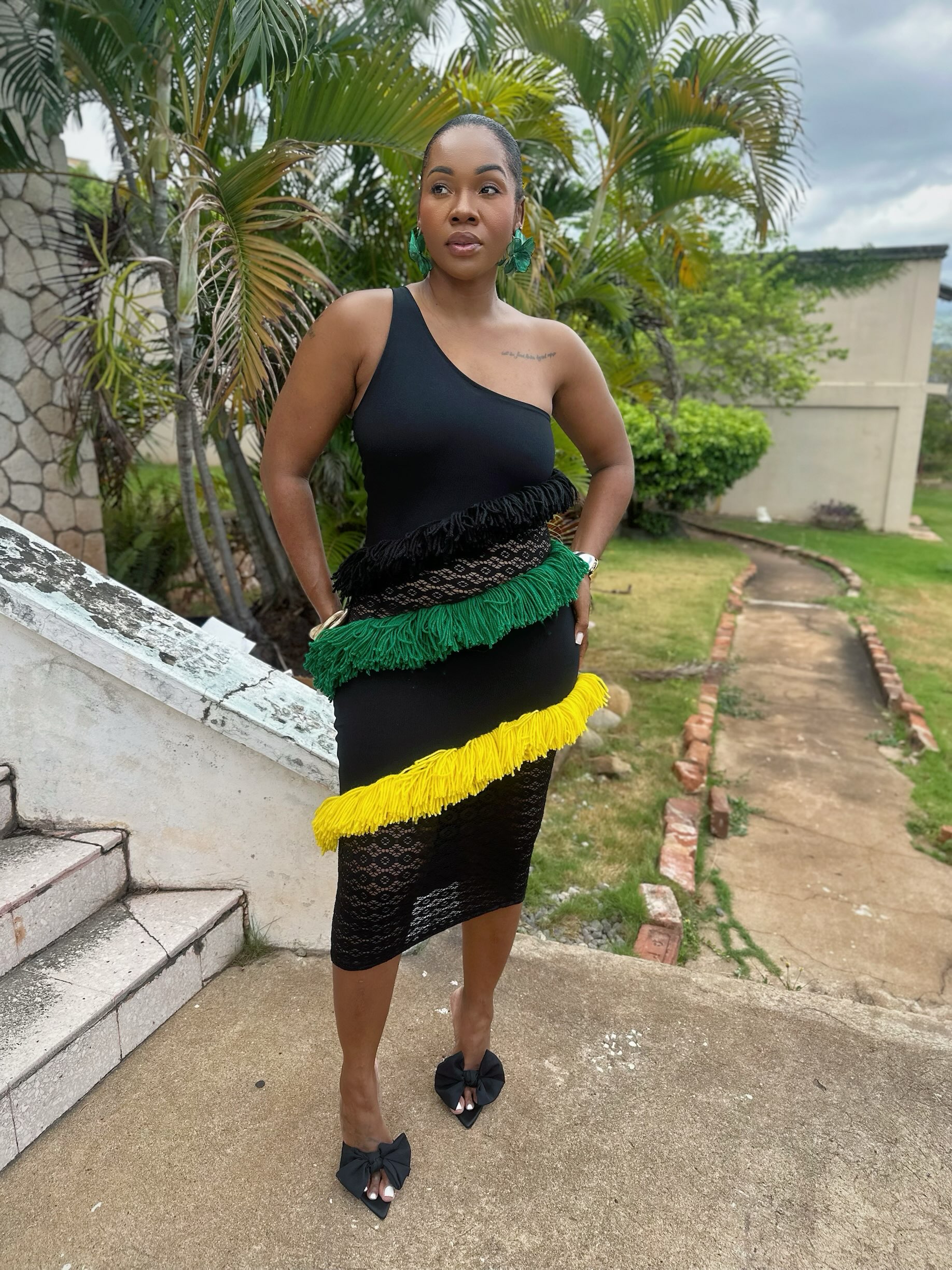
The Observer entry gives readers an identifiable product rather than referring only to Anderson’s collection as a whole. The text describes her 2026 Jamaica Love collection as having “delivered once again”, presenting the release as a recurring highlight tied to her Independence drop.
It also credits the accompanying photograph to the Instagram account @erricealiciadesigns. The credit identifies the account associated with the image; it does not name the original photographer or establish permission for another publication to reproduce it.
“A named product is a lead, not a verdict. It tells you where to look before it tells you what to think.” Omiren Styles Editorial Intelligence
That product identification provides a useful lead for discovery. It lets further reporting follow one design through its components, proportions, and styling, rather than treating the collection title as a complete explanation of the clothes.
The available text does not supply those garment details. It provides no composition, measurements, or construction details, and the retrieved material has not supported an independent visual assessment.
We therefore cannot attribute a specific neckline, fastening, trouser length, or fit to this set. A capri set can take many forms, and the name alone does not tell us which one this is.
That restraint is deliberate. Describing a garment we have not seen would mean borrowing details from other clothes, and a reader deserves better than a plausible guess.
How the Observer frames the edit
The newspaper opens its edit with “Black. Green. Gold. But make it fashion”, the colours of the Jamaican flag, and urges readers to skip the predictable and choose pieces designed and made in Jamaica. That sets the terms on which the OCTAVIA set is presented.
It celebrates local making and national colour, and the Observer deserves credit for pointing readers to Jamaican designers at a moment when many shoppers default to generic flag-themed clothing.
It is also a framing device. The edit explains why the newspaper selected the pieces; it doesn’t explain how each one is cut or constructed.
For readers who want the wider picture, our profile of Jamaican designers building a fashion identity on their own terms puts this kind of national moment in a longer context.
Independence framing is context, not a design verdict.
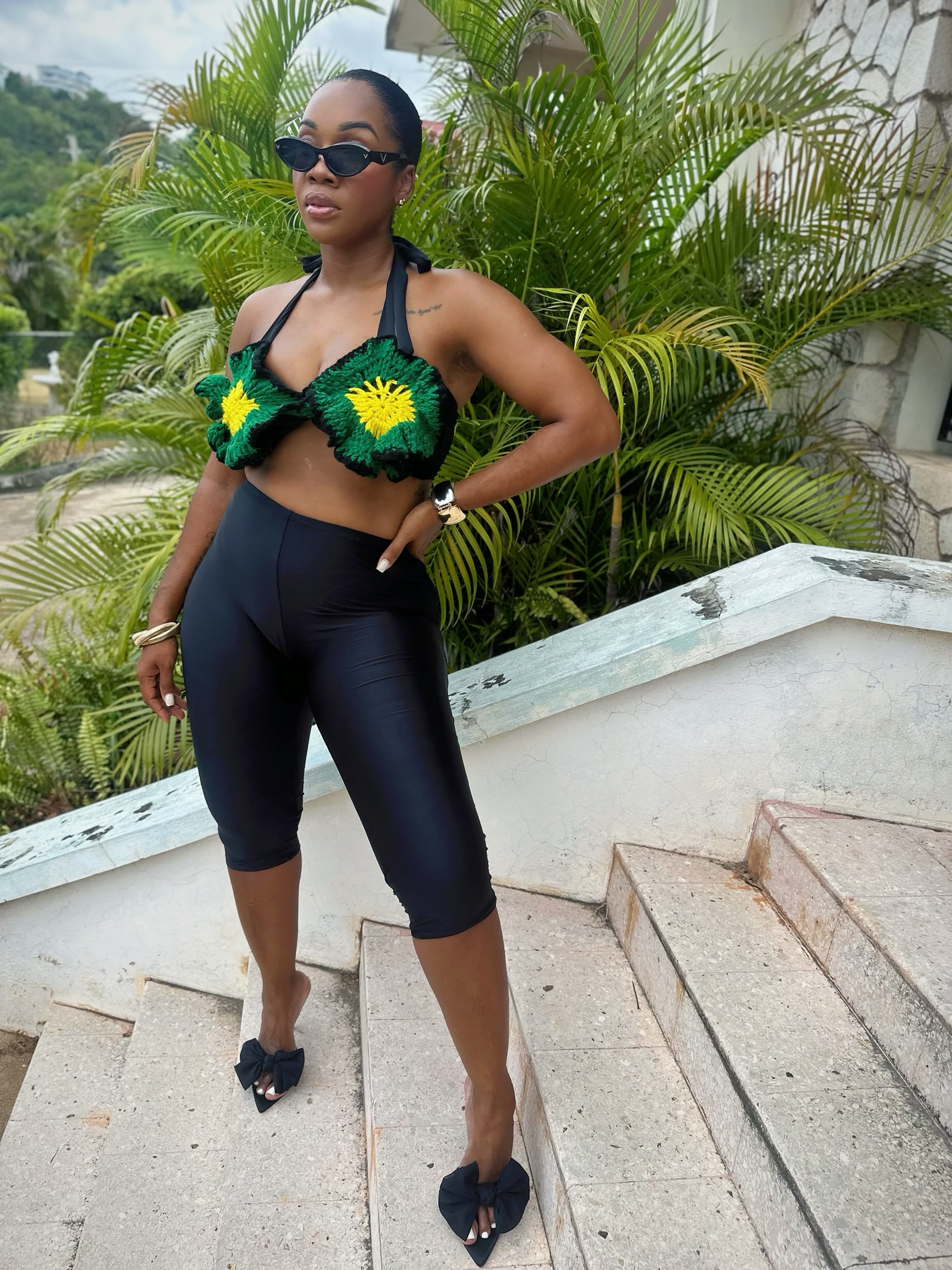
The newspaper introduces its selection through Independence dressing and Jamaican creative talent. That is the context in which the OCTAVIA set appears, and it should not automatically be treated as Anderson’s complete account of the design.
Likewise, Jamaica Love does not assign a specific symbolic meaning to every colour or garment feature. Such connections require either an attributable explanation from the designer or clearly identified visual evidence.
On a patriotic occasion, it’s tempting to read every shade and seam as a statement. The more honest approach is to wait until the designer or the garment itself supplies the meaning.
The next useful question is about the outfit itself: how its components relate, what its proportions emphasise, and what styling adds to the presentation. Those questions should guide a collection feature rather than rely on patriotic framing alone.
Why the photo credit matters
A photo credit looks like a small detail, but in fashion coverage it carries weight. It tells readers where an image came from and who to ask about it, and our piece on why the Global South never got credit for what it made explains why that matters well beyond a single caption.
Here, the credit points to the designer’s own Instagram account. That suggests the image circulated through the label’s channels, though the entry doesn’t say so, and it doesn’t say who held the camera.
This matters for a practical reason. Any follow-up feature that wants to show OCTAVIA needs a clear route to the original image and permission for its use, and that route starts with the designer.
Reading a newspaper edit as a source
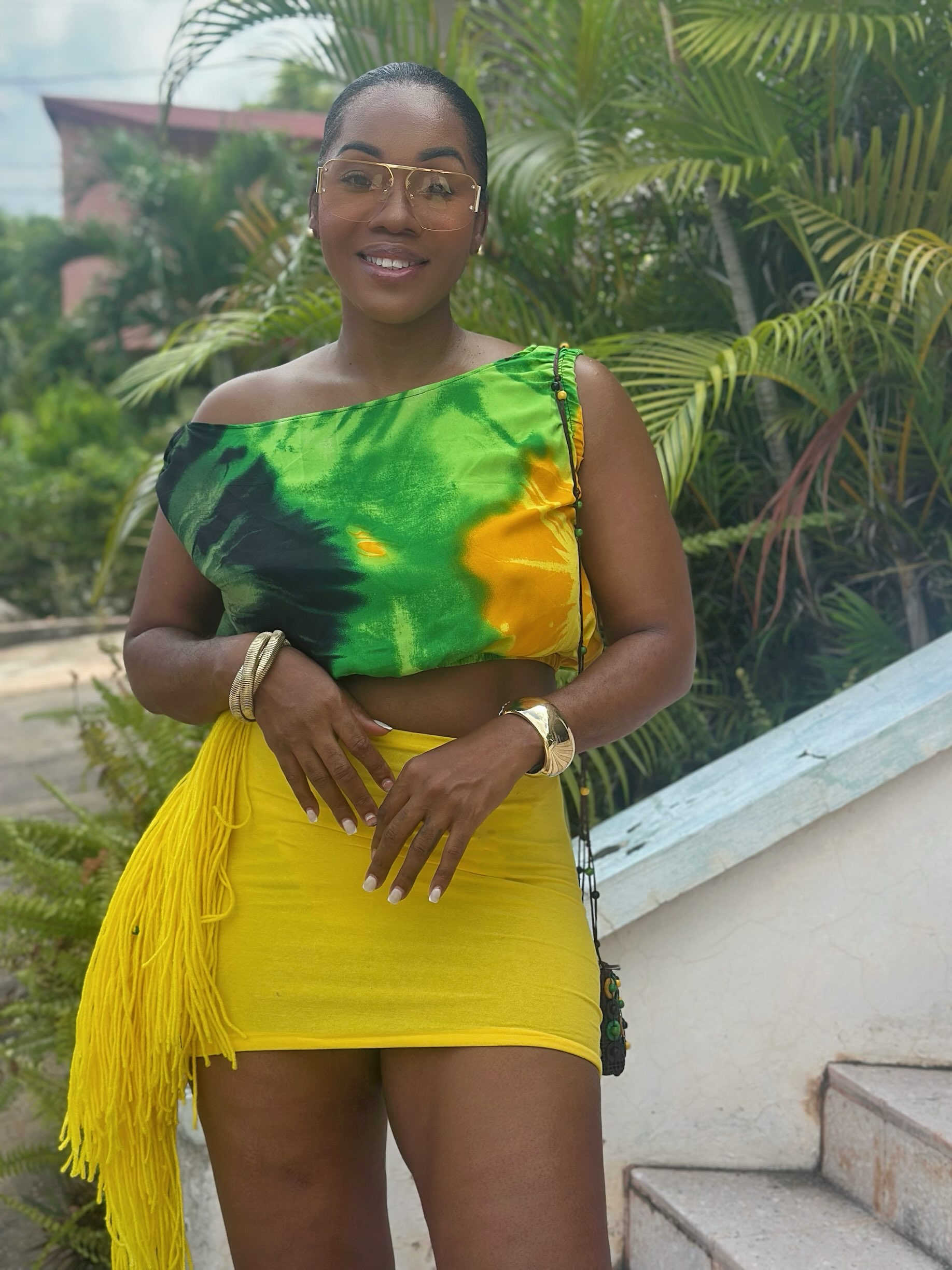
A fashion edit is a curated list, and curation is editorial judgement. The Observer chose which Jamaican designs to feature, in what order, and how to frame them, and each choice shapes how readers encounter the work.
That makes the edit a legitimate starting point for discovery. It is a credible local publication drawing attention to a named design at a culturally significant moment, exactly the kind of lead a fashion platform should follow up on.
It does not make the edit a technical record. Newspapers working to a seasonal deadline rarely publish fibre content, pattern details, or sizing, and the absence of those details here reflects the format, not a failing of the designer.
There is also the question of what a short entry can carry. A single product line inside a longer list has room for a name, a collection and an image, and little else.
Treating that line as the whole story would flatten the design into a caption. Treating it as an invitation to look closer respects both the newspaper and the designer.
What a reader can do with this now
For shoppers, the practical step is to go to the designer’s own channels, where product descriptions, sizing and availability are normally published. The Observer entry points to the Instagram account, and that is the sensible place to begin.
For other writers, the useful discipline is to attribute precisely: name the product, name the collection, credit the newspaper for its selection and keep the design description to what has actually been seen.
For us, the next step is to look closely at the clothes. When the garment evidence arrives, this discovery lead can become the design feature it deserves to be.
The Omiren Argument
The verified starting point is specific: a named design by Errice Alicia Anderson, placed within her 2026 Jamaica Love collection and selected by the Jamaica Observer for attention.
That establishes a reason to investigate, not a completed critique. Omiren’s contribution must come from examining the set, not restating another publication’s preference.
A full assessment of OCTAVIA should distinguish the garment’s design from its styling and the cultural language surrounding its release. The collection’s name supplies context, and the clothes must supply the evidence.
Until that evidence is in hand, the honest position is the one this piece takes: a design worth looking at, introduced by a credible source, with the looking still to be done. More of our Caribbean fashion coverage lives at Omiren Styles.
What would complete the feature?
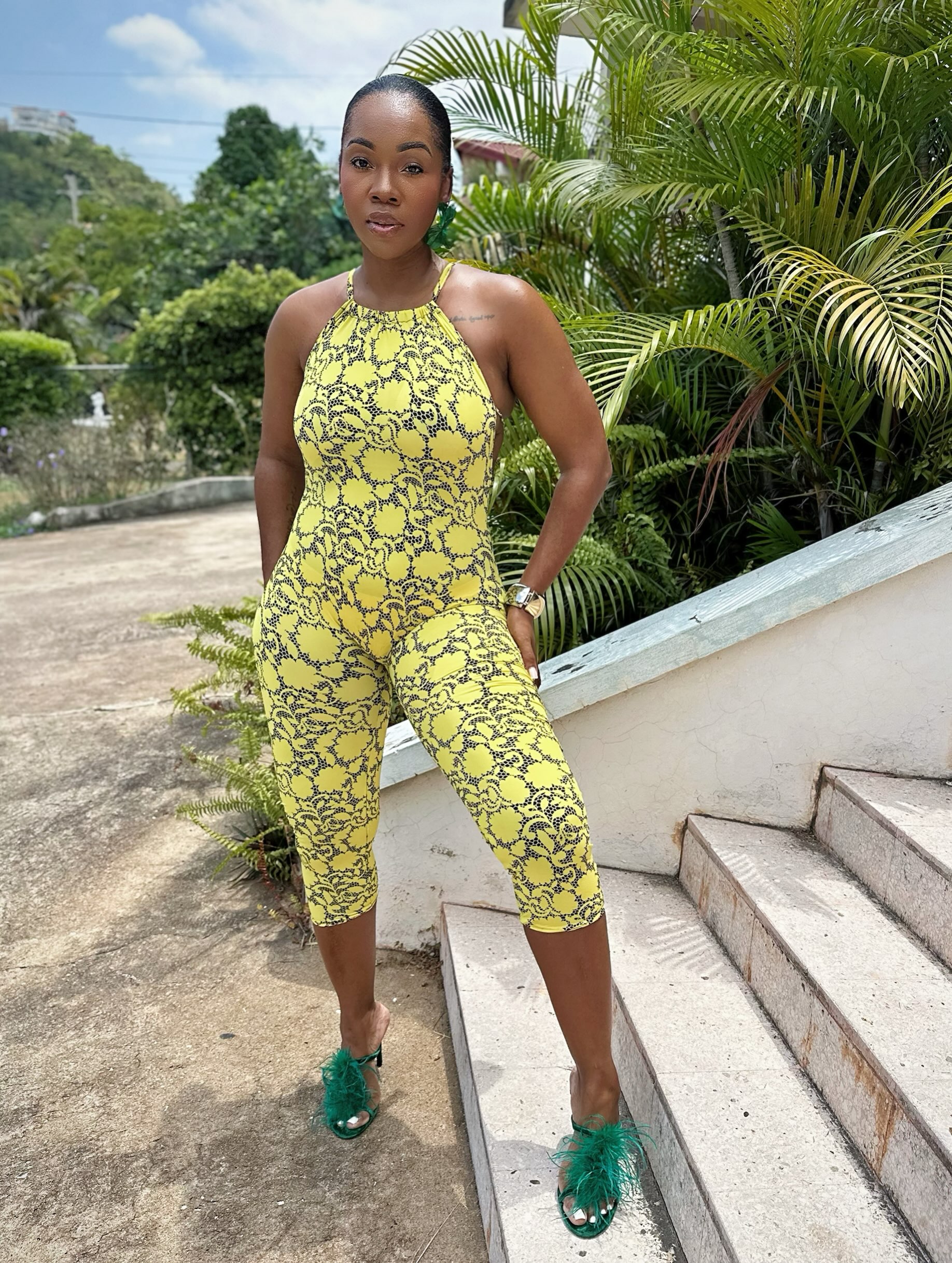
The OCTAVIA product photographs or the original product post, ideally with the designer’s description, would make the next version possible. Clear front and back views, declared materials, and sizing information would allow a piece to address cut and styling substantively.
Until then, this remains a short discovery piece. It should not be read as the completed garment-led feature, and it should not be stretched through repetition into something it is not.
Also Read:
- Jamaican Textiles and Cloth Culture: Bandana Fabric, Maroon Weaving, and the Kingston Garment Economy
- What Jamaica Kept: The African Fabrics and Head-Tie Traditions That Survived the Middle Passage
- Dancehall Fashion: Jamaica’s Most Influential Export That Fashion Media Refuses to Credit
- Edvin Thompson of Theophilio: How Jamaican Dancehall Built a New York Fashion Week Collection
Frequently Asked Questions
What is the OCTAVIA Capri Set?
It is a named design by Errice Alicia Anderson, featured in her 2026 Jamaica Love collection. The available text does not describe its fabric, cut or fit.
Who selected it, and why?
The Jamaica Observer selected it for its 4 August Independence fashion edit and identified it as a standout from the release. That is the newspaper’s judgement, not an independent assessment.
Does ‘Jamaica Love’ have a defined meaning?
The reviewed text does not assign symbolic meaning to each colour or garment feature. Any such reading needs a designer explanation or clear visual evidence.
Who took the photograph?
The Observer credits the image to the Instagram account @erricealiciadesigns. That identifies the account, not the photographer, and it does not establish reproduction rights.