Bandana fabric does not enter Jamaican life as decoration. It is cut, wrapped, stitched, and worn in ways that place it inside work, ceremony, and everyday movement. In rural markets, it appears as head ties and aprons. In national celebrations, it is assembled into coordinated garments that signal participation rather than display. The cloth carries a recognisable pattern, but its meaning comes from how it is used and by whom.
Across Jamaica, textile culture is not organised around a single tradition. It moves through distinct systems of making and use, from locally recognised fabrics like bandanas to community-based practices such as Maroon weaving to the urban garment economy centred in Kingston. Each operates with its own logic, shaped by access to materials, labour structures, and cultural purpose.
Jamaican textile culture goes beyond the bandana. This article examines cloth, Maroon weaving, and Kingston’s garment economy as distinct systems.
Bandana Fabric as a National Cloth with Specific Uses
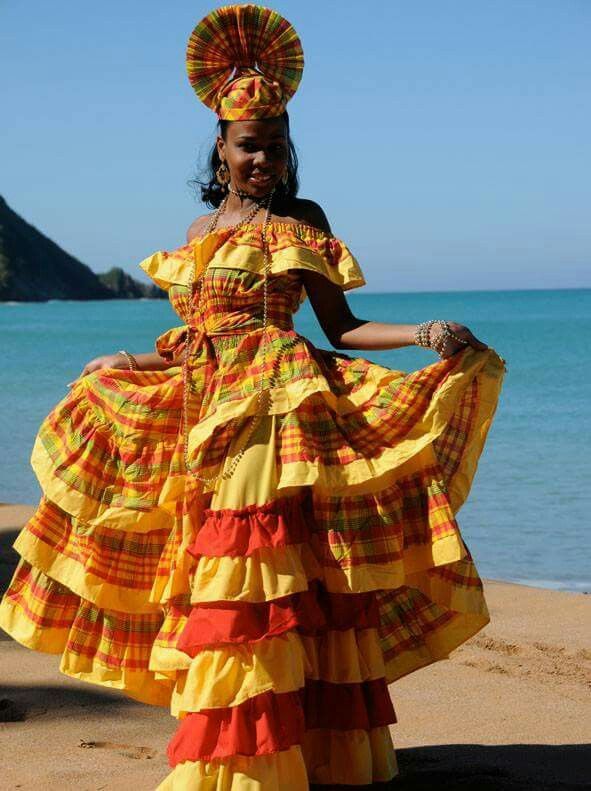
Bandana fabric holds a visible place in Jamaican dress, but its role is often misunderstood. The red-and-white check pattern is widely recognised, yet it is not a general symbol applicable across all contexts. Its meaning is shaped by how it is worn and where it appears.
Historically, bandanas became associated with working-class dress, particularly among rural women who used the fabric for headwraps, skirts, and aprons. The cloth’s durability and accessibility made it practical for daily use, especially in agricultural settings. Over time, it moved into more formalised spaces, including national celebrations and school events, where it is often used to construct coordinated outfits that signal collective identity.
This shift did not remove its earlier associations. Instead, it layered them. Bandana now operates across different registers, from everyday wear to state-recognised cultural expression. Its continued use is tied less to reinvention and more to consistent presence across generations.
Maroon Weaving and the Localised Production of Cloth
Within Maroon communities, textile practices are tied to local production rather than mass distribution. Weaving, where it is practised, does not exist as a commercial industry aimed at external markets. It functions within a community structure in which knowledge is passed through direct teaching and practice.
Materials are often sourced locally, and the finished textiles are used within the community or for specific cultural purposes. The scale of production is small, but that scale is part of the system. It allows for control over process, meaning, and distribution.
Maroon textile practices do not attempt to compete with industrial fabric production. They operate alongside it, maintaining a separate logic that prioritises continuity over expansion. The value of the cloth is not determined by volume or visibility but by its place within community life.
READ ALSO:
- Addis Ababa Street Style: How Ethiopia’s Capital Is Wearing Its Cultural Confidence
- Johannesburg Street Style: How Soweto, Sandton, and Maboneng Are Dressing Three Different Arguments
Kingston’s Garment Economy and Urban Production Systems
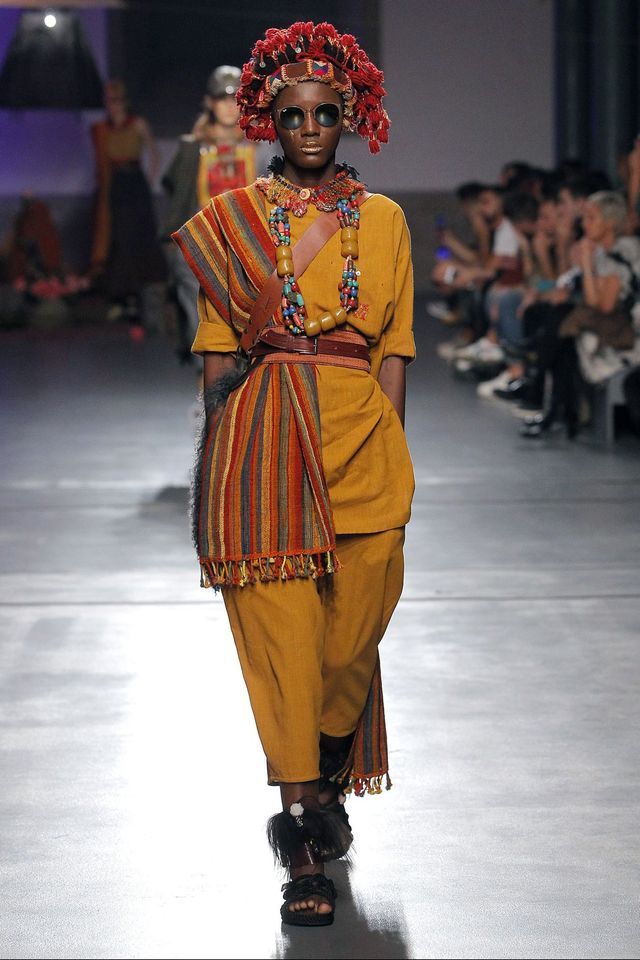
In Kingston, textile culture shifts from community-based production to a more complex garment economy shaped by urban demand, imported materials, and local tailoring networks. Fabric is sourced through formal and informal channels, including wholesale markets, small shops, and international supply chains.
Tailors, sewists, and small-scale designers form the backbone of this system. Many operate independently, producing garments for individual clients rather than mass retail. This allows for flexibility in design and direct engagement with customers, but it also reflects the economic constraints within which the industry operates.
Industrial-scale textile production is limited in Jamaica, so much of the fabric used in Kingston is imported. This does not erase local identity. Instead, it shifts the point of creativity from fabric production to garment construction. The way cloth is cut, assembled, and styled becomes the defining factor in how fashion is expressed.
At the same time, there are ongoing efforts to strengthen local production, including initiatives that support small manufacturers and craft-based enterprises. These efforts exist within a broader economic context where access to capital, infrastructure, and global markets remains uneven.
Cloth, Use, and the Question of Ownership
Across these systems, a central issue emerges: who controls the production and meaning of cloth? Bandana fabric, despite its strong association with Jamaica, has historical ties to imported textiles, raising questions about ownership and origin. Maroon weaving operates with clear internal ownership but limited external visibility. Kingston’s garment economy depends on imported materials while producing locally defined styles.
These conditions shape how Jamaican textile culture develops. It is not a closed system. It is influenced by trade, history, and economic structure. What remains consistent is the role of use. Cloth gains meaning through how it is worn, where it appears, and the social context in which it operates.
The Omiren Argument
The common assumption is that Jamaican textile culture can be understood through its most visible fabric, particularly the bandana, which is treated as a national symbol that represents the whole. This view prioritises recognisability over structure, reducing textile culture to surface pattern.
In practice, Jamaican cloth culture is defined by multiple systems of production and use that do not collapse into a single narrative. Bandana fabric, Maroon weaving, and Kingston’s garment economy each operate under different conditions of labour, access, and cultural purpose. The meaning of cloth in Jamaica does not come from a single point of origin. It comes from how these systems function together, shaping what is made, how it is worn, and who it belongs to.
FAQs
- What is bandana fabric in Jamaica?
A bandana is a red-and-white checked fabric widely used in Jamaican dress. It appears in both everyday wear and formal cultural settings, with meaning shaped by context.
- Is bandana fabric originally Jamaican?
Bandana has historical ties to imported textiles but has been integrated into Jamaican dress culture over time, gaining local significance through use.
- Do Maroon communities produce their own textiles?
Yes. Where weaving is practised, it is done on a small scale within the community, with knowledge passed through generations.
- Why does Jamaica rely on imported fabric?
Limited industrial textile production means that much of the fabric used in urban centres like Kingston is sourced internationally.
- What defines textile culture in Kingston?
The garment economy is driven by local tailors and small-scale designers who transform imported fabrics into clothing shaped by Jamaican style and demand.