Cultural inclusivity in fashion is no longer defined solely by representation. In 2026, integration defines how garments, materials, and design systems move across cultures without losing meaning, origin, or structure. Certain fashion pieces have achieved global relevance not because they are visually appealing, but because they carry cultural frameworks that translate across borders. These items operate across multiple identities simultaneously: local and global, traditional and modern, heritage-based and market-driven.
The following five fashion pieces stand out not as symbolic gestures but as structural examples of cultural-inclusion garments and accessories that have entered global fashion systems while retaining identifiable cultural roots and design logic.
Explore five culturally inclusive fashion pieces shaping global style in 2026, grounded in history, design systems, and cross-cultural relevance.
Designs That Cross Borders and Traditions
1. The Handwoven Structured Jacket
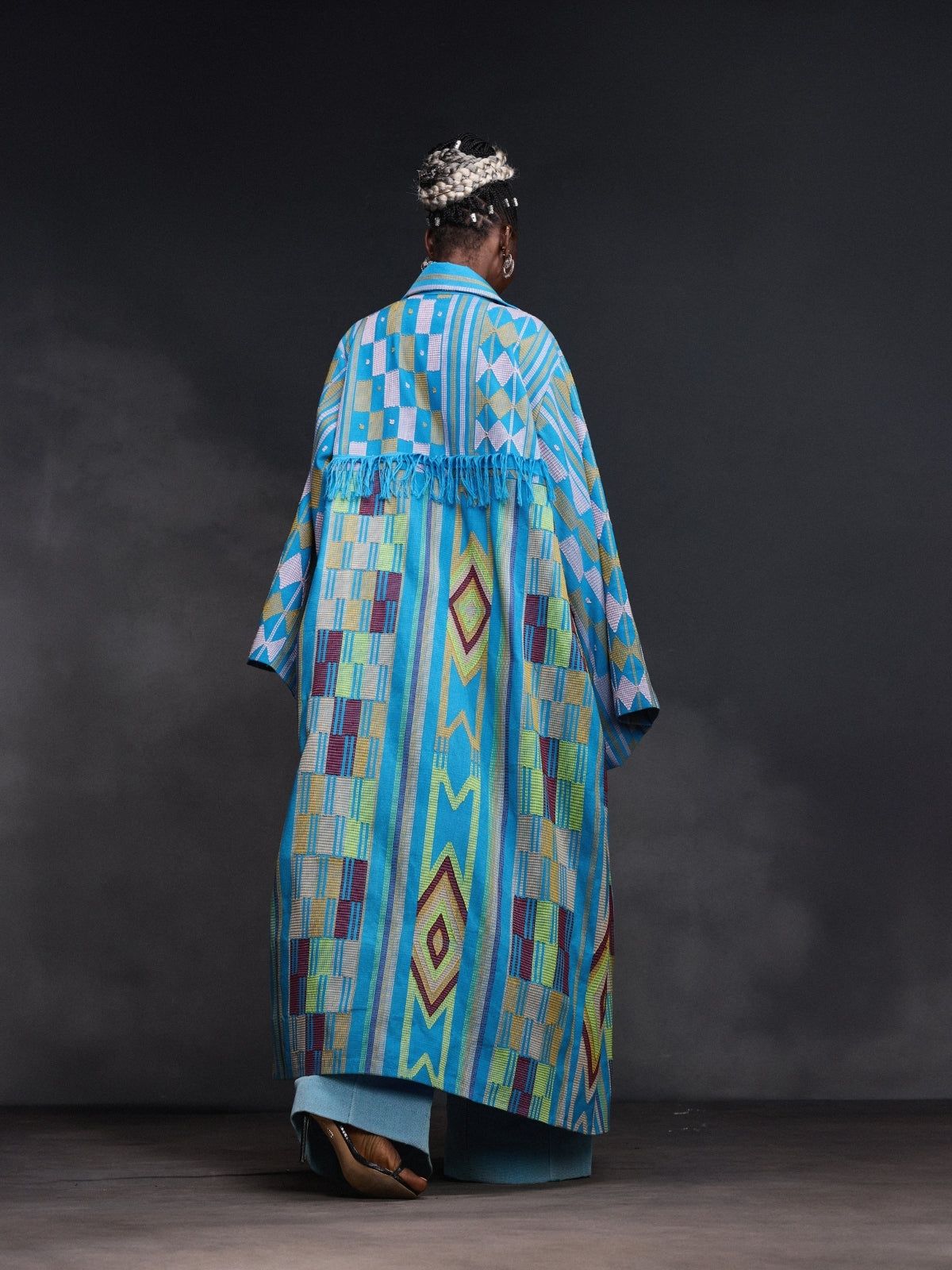
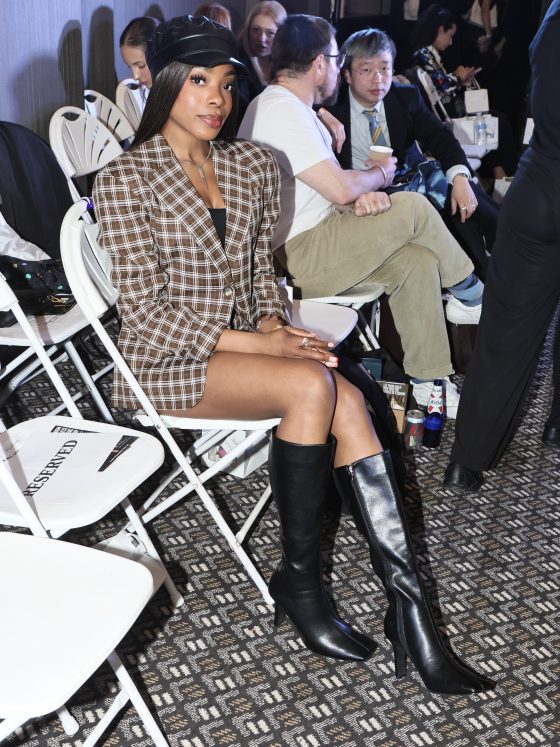
This garment is a clear example of cultural inclusion through design integration rather than aesthetic borrowing. Handwoven textiles from Africa, South Asia, and Latin America have long existed in ceremonial and community contexts. What has changed is their translation into contemporary tailoring systems, blazers, structured jackets, and formal outerwear that operate within global fashion categories.
Historically, weaving traditions in regions such as West Africa (aso-oke), India (khadi), and Peru (Andean textiles) were community-based production systems tied to social structure, class, and identity. These textiles were not originally designed for Western tailoring formats—their incorporation into structured jackets required design engineering, rather than surface adaptation.
Today, these jackets serve multiple functions globally, including:
- Heritage artifacts
- Contemporary luxury garments
- Cross-cultural design systems
They are worn in professional, editorial, and ceremonial spaces across continents without being classified as ethnic dress. This makes them culturally inclusive by operating within global fashion language while preserving the material’s origin.
Why It Matters:
This piece demonstrates that cultural inclusion is not about visibility but design translation. The textile is not decorative; it is structural. The garment fits global tailoring standards while retaining indigenous production systems.
2. The Silk Headscarf / Wrap System
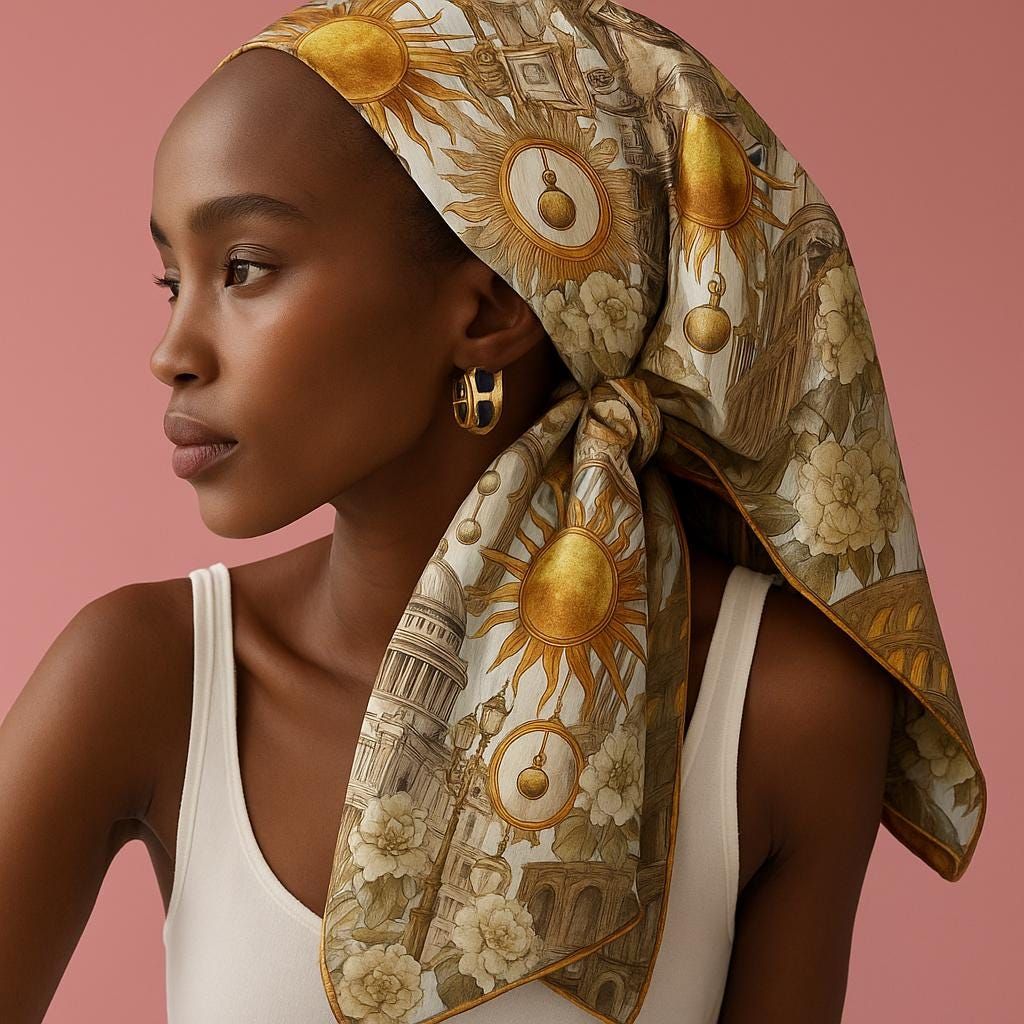
The silk scarf as a headpiece is one of the oldest cross-cultural garments in human history. It exists in multiple civilisations:
- Africa (headwrap traditions)
- Middle East (hijab and turban structures)
- Europe (silk scarves in aristocratic dress)
- Asia (silk wraps and textile adornment)
What makes it culturally inclusive in the modern fashion system is its modular identity. It is not owned by one culture. It is not defined by one function. It adapts across religious, social, and stylistic contexts without losing cultural meaning.
Globally, the silk scarf now operates as:
- Religious garment
- Cultural symbol
- Style accessory
- Identity marker
It appears in haute couture, streetwear, diaspora fashion, ceremonial wear, and everyday styling across continents. Its inclusion is not performative; it is structural. The garment adapts to different cultural systems without cultural erasure.
Why It Matters:
This piece represents shared cultural architecture rather than borrowed aesthetics. It shows how one form can hold multiple meanings across societies while remaining recognisable.
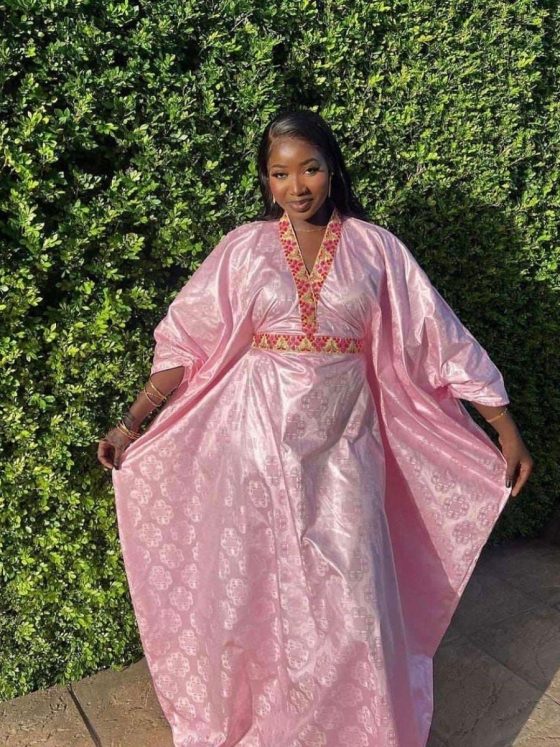
3. The Kaftan / Robe Silhouette
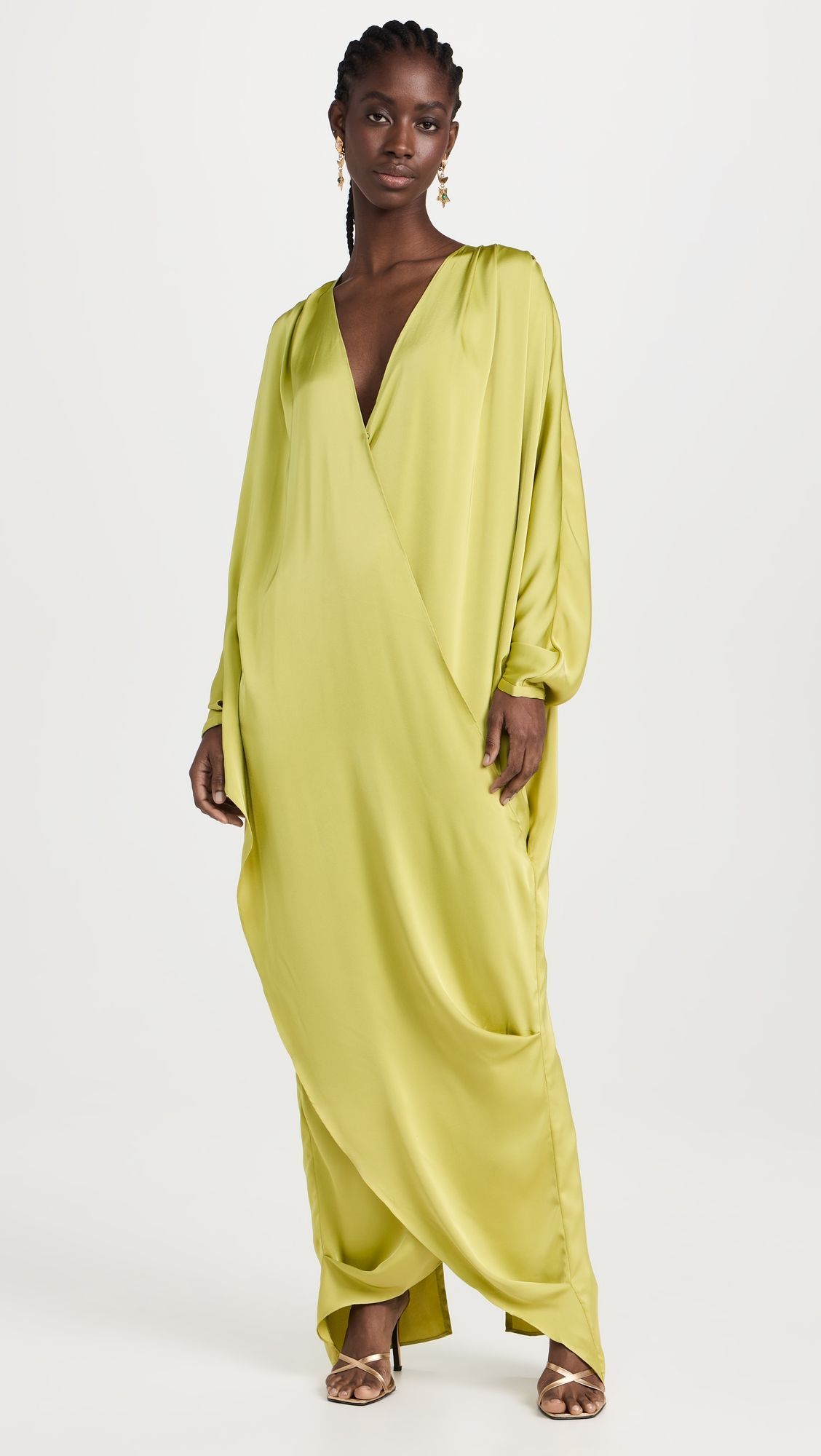
The kaftan is one of the most globally inclusive garments in fashion history. Its structure appears in:
- North Africa
- West Africa
- Middle East
- Asia
- Mediterranean Europe
Originally designed for climate adaptation and social function, the kaftan evolved through trade routes, migration, and empire expansion. It became a transcontinental garment system, not a regional one.
In modern fashion, the kaftan exists as:
- Luxury resort wear
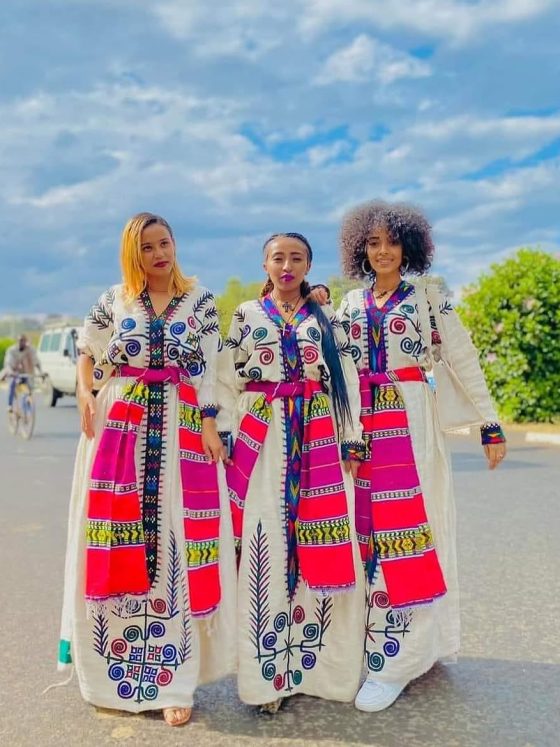
- Cultural dress
- High fashion silhouette
- Ceremonial attire
- Contemporary minimalism
Designers adapt it into evening wear, bridal wear, casual wear, and couture collections across global markets. Its loose structure, modularity, and adaptability make it universally wearable and free of cultural constraints.
Why It Matters:
The kaftan is culturally inclusive because it does not require reinterpretation to cross borders. Its structure already belongs to multiple cultures through historical movement and exchange.
4. The Leather Cross-Body Carrier / Harness Bag
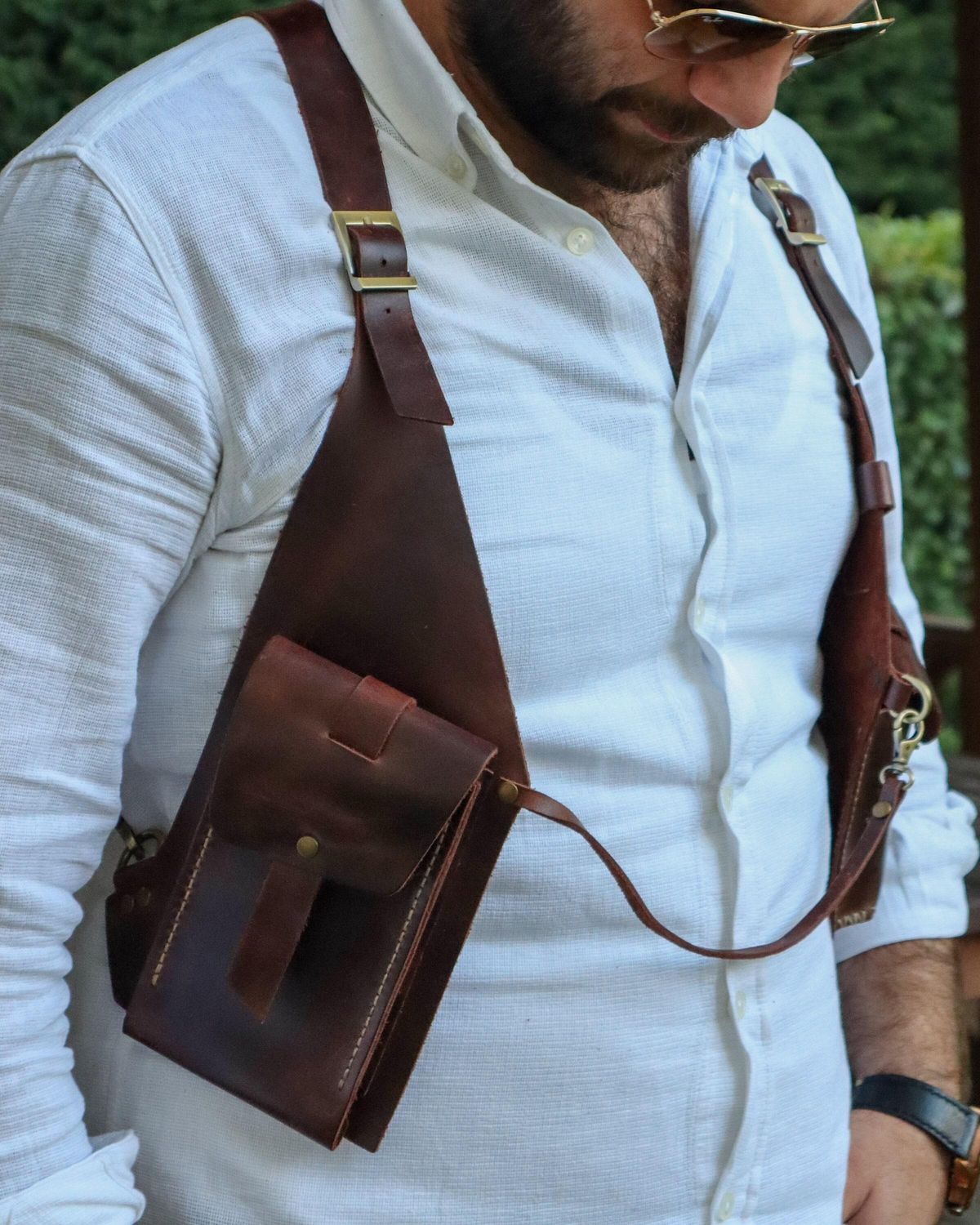
Leather carriers exist across cultures:
- African leathercraft traditions
- Middle Eastern saddlework
- European leather guild systems
- Indigenous leather practices
The modern cross-body carrier or harness bag merges these traditions into functional urban design. It draws from:
- Utility gear
- ceremonial carriers
- trade satchels
- ritual containers
In contemporary fashion, this piece operates in streetwear, luxury, and functional fashion simultaneously. It is worn across cultures because its form is universal: carry, secure, move.
What makes it culturally inclusive is not origin; it is functionality convergence. Different cultural leather systems independently evolved similar objects to meet the same human needs.
Why it matters:
This piece represents shared human design logic, not cultural borrowing. It reflects how different societies solved the same problems through similar material systems.
5. The Patterned Wrap Skirt / Tie Garment
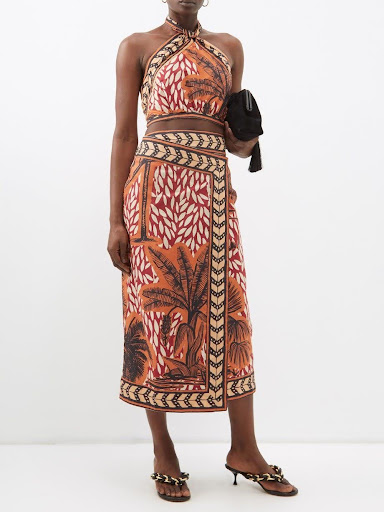
Wrap garments appear in multiple cultures:
- African wrappers
- Asian sarongs
- Pacific island lava-lavas
- Indian lungis
- Latin American wraps
The design logic is identical: fabric is wrapped, tied, layered, and adjusted to the body and context. This garment form predates modern tailoring and is among the oldest inclusive clothing systems in human history.
In contemporary fashion, wrap skirts and tie garments appear in:
- Streetwear
- Luxury fashion
- Resort wear
- Cultural dress
- Performance fashion
They are gender-neutral in structure, adaptable in size, and climate-responsive. Their inclusivity comes from structural universality, not symbolism.
Why It Matters:
This garment shows that cultural inclusivity can exist at the level of form, not representation. It works across bodies, cultures, and social systems without modification.
READ MORE:
What the Most Influential Fashion Pieces of 2026 Communicate TodaySimplify, Then Elevate: The Quiet Power of Digital Minimalism in Fashion
What These Pieces Reveal About Cultural Inclusivity in Fashion
Cultural inclusivity in global fashion is not achieved through token representation or surface symbolism. It emerges through structural compatibility when garments can function across cultural systems without losing coherence.
These five pieces share three defining characteristics:
1. Shared Human Design Logic
They exist across cultures because they solve universal human needs: covering, carrying, protecting, adapting, and expressing identity.
2. Cross-Cultural Evolution
They did not spread through trend cycles but through migration, trade, empire, climate adaptation, and social systems.
3. Structural Adaptability
They work in luxury fashion, streetwear, ceremonial dress, and daily wear because their forms are functionally flexible.
Conclusion
Cultural inclusivity in fashion does not begin with visibility campaigns or marketing narratives. It begins with designing systems that have long belonged to multiple cultures, shaped by history, movement, and shared human needs. The handwoven structured jacket, silk headscarf, kaftan silhouette, leather carrier, and wrap garment are not inclusive because they represent diversity; they are inclusive because their structures allow coexistence across cultures.
These pieces operate inside global fashion not as borrowed forms, but as integrated design languages shaped by centuries of exchange, adaptation, and reinvention. Their continued presence in modern fashion signals a shift away from aesthetic appropriation toward functional and structural cultural integration, where garments are valued for how well they move between worlds, not how well they symbolise them.
FAQs
- What are culturally inclusive fashion pieces in global fashion?
Culturally inclusive fashion pieces are garments and accessories that draw on shared design systems across cultures, enabling global use without losing cultural meaning or structure.
- How does cultural inclusivity differ from cultural representation in fashion?
Cultural inclusivity focuses on structural integration of design forms across cultures, while representation centres on visibility and symbolism without necessarily integrating cultural systems into fashion design.
- Why are handwoven structured jackets culturally inclusive garments?
They combine indigenous weaving traditions with modern tailoring systems, allowing heritage textiles to operate within global fashion categories such as formalwear and luxury design.
- How do garments like kaftans and wrap skirts achieve global relevance?
Their forms evolved through trade, migration, and climate adaptation, making them naturally adaptable across cultures, climates, and social systems.
- What role does cultural exchange play in inclusive fashion design?
Cultural exchange enables garments to evolve through shared human needs, creating design systems that function across societies rather than remaining tied to a single cultural identity.