There is a tendency in global fashion to treat certain garments as timeless objects, detached from the people who make them. They are described as heritage. They are admired for their craft. They are circulated as inspiration. What disappears in that process is authorship.
The huipil is one of those garments.
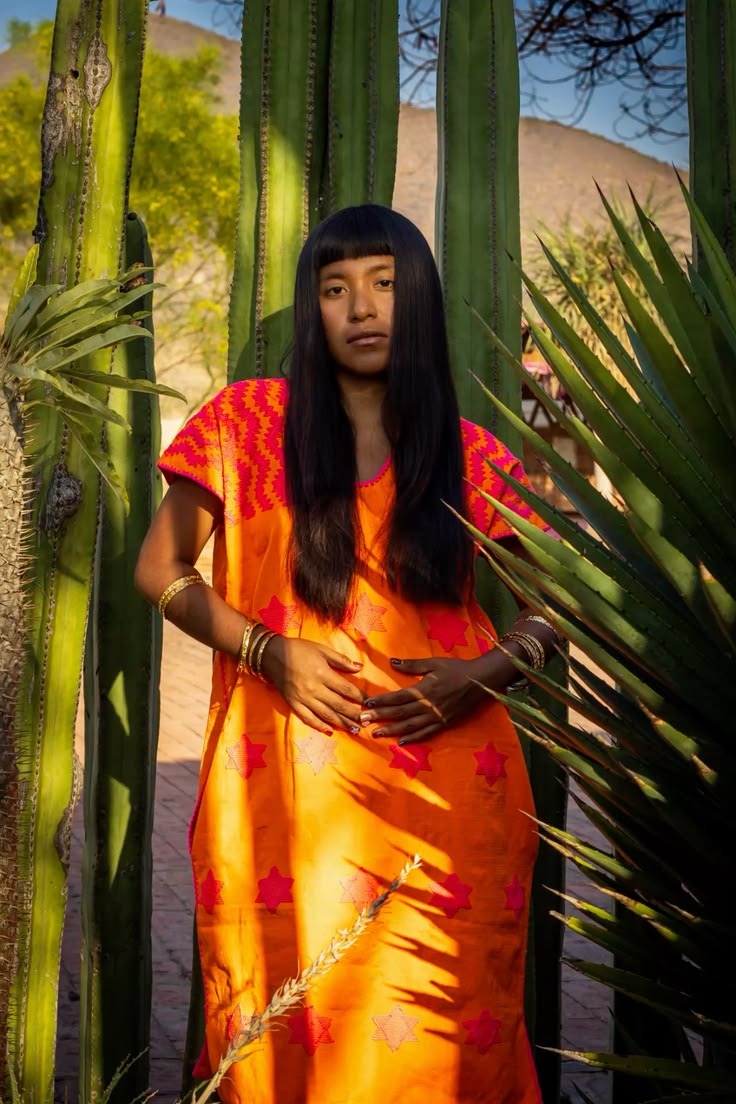
Worn across Indigenous communities in Mexico and Guatemala, the huipil is often introduced to global audiences as a traditional tunic, handwoven, richly embroidered, and culturally significant. All of that is true. None of it is sufficient.
Because the huipil is not just a garment, it is a system of meaning, labour, and ownership. And the fashion industry has spent decades extracting from that system without accounting for it.
The huipil’s global appeal hides a deeper question: who owns Maya textile traditions, and who profits from their continued appropriation.
What the Huipil Is: Authorship, Labour, and Cultural Meaning
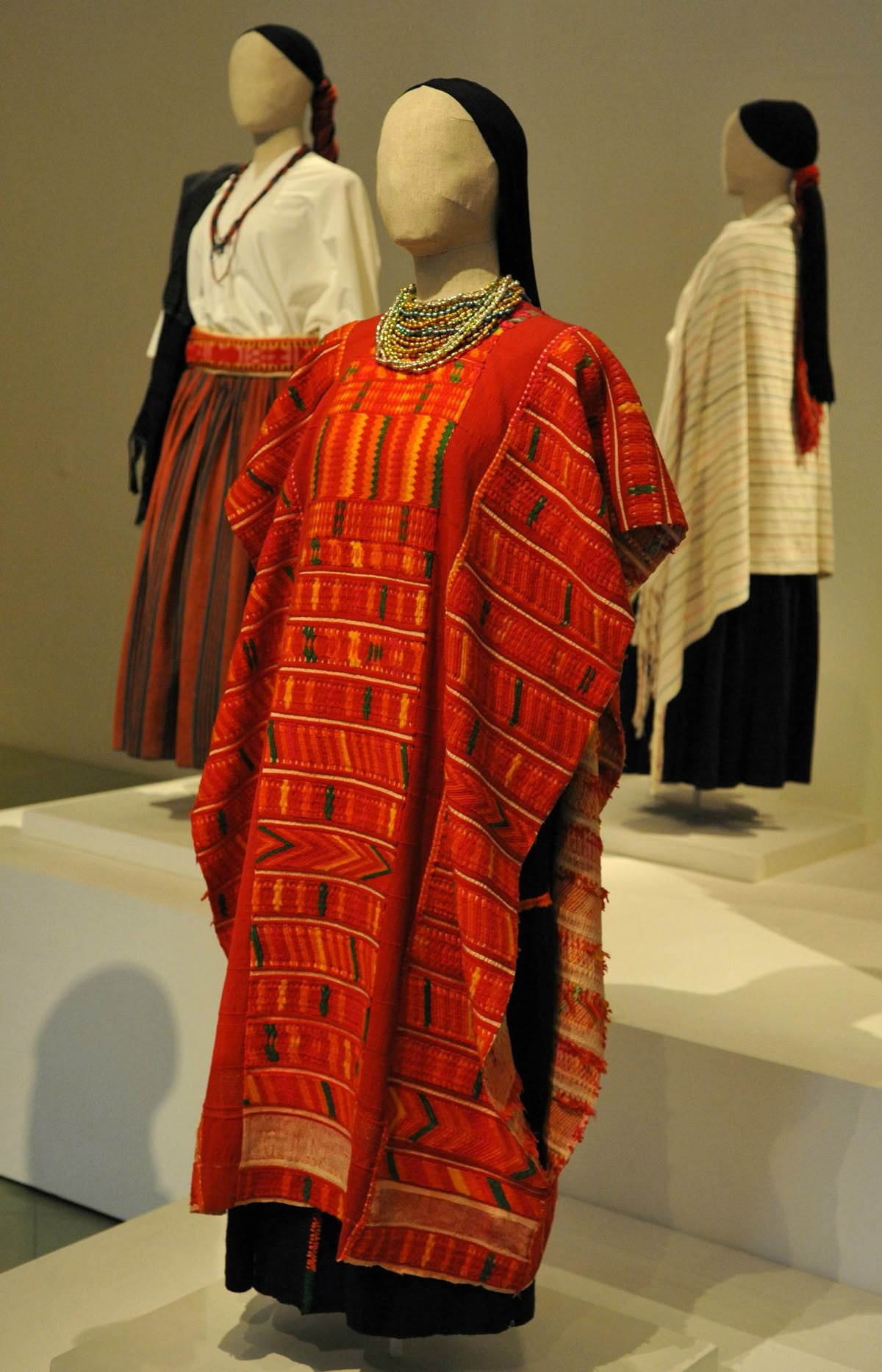
Huipil production is not anonymous. It is specific, localised, and deeply tied to identity.
In many Maya communities, the huipil communicates information before a word is spoken. Patterns, colours, and motifs signal where a woman is from, her community, and sometimes her marital or social status. These designs are not interchangeable. They are inherited, taught, and preserved through generations of women who weave not for trends but for continuity.
The labour itself is intensive. Backstrap looms, still used widely, require time, physical discipline, and technical knowledge. A single huipil can take weeks or months to complete, depending on its complexity. What is being produced is not just fabric, but a cultural record.
This is where the first distortion happens. When the huipil enters global fashion conversations, it is often flattened into aesthetic language. Embroidery becomes decoration. The pattern becomes the print. Labour becomes invisible.
Authorship disappears.
Documented Appropriation: When Design Is Taken Without Attribution
The appropriation of huipil designs is not abstract. It is documented, repeated, and traceable.
International fashion brands have, over the years, reproduced specific Maya patterns in collections without crediting the communities they come from. These are not vague similarities. In many cases, the designs are recognisable to the communities that created them, down to particular motifs that hold cultural meaning.
Brands such as Zara and Isabel Marant have faced public criticism and, in some cases, legal challenges for using Indigenous Mexican designs without permission or compensation. These incidents are not isolated mistakes. They reveal a pattern in how global fashion operates when engaging with non-Western design systems.
The justification often leans on the idea of inspiration. But inspiration, in this context, functions as a shield. It allows brands to draw from a cultural source while avoiding the responsibilities that come with it.
The huipil complicates that defence. Its designs are not generic. They are identifiable and owned in practice, if not always protected in law. When they are reproduced without consent, it is not homage. It is an extraction.
Why the Global Fashion System Enables This Pattern
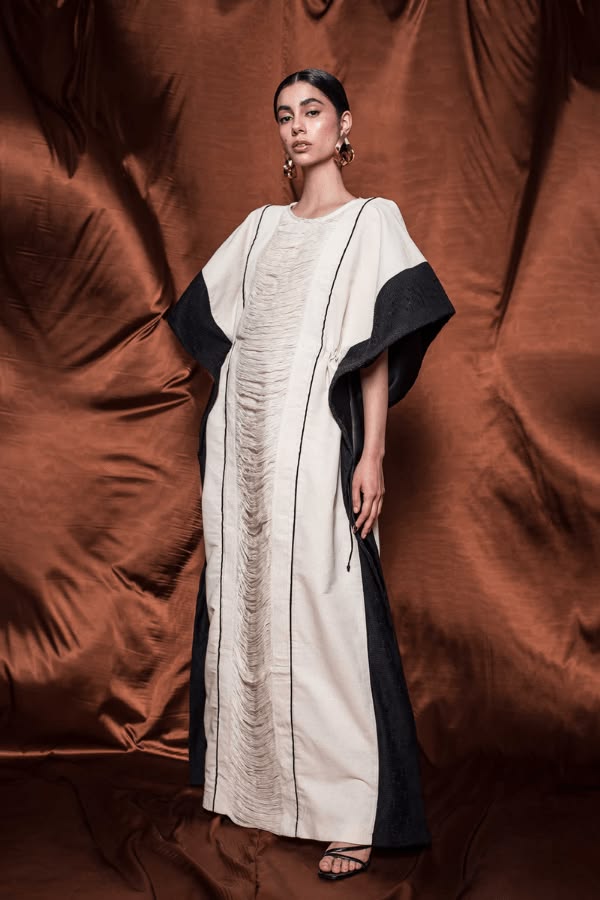
To understand why this continues, you have to look at how value is structured in fashion.
Designers and brands operating within the global system are rewarded for novelty and speed. Collections are produced seasonally, sometimes faster. The demand for newness pushes brands to look outward for references they can adapt quickly.
Indigenous textile traditions offer exactly what the system seeks: visually rich, technically complex designs that can be translated into marketable products. But the system is not built to account for the origin of those designs in any meaningful way.
Legal protections for Indigenous intellectual property remain limited or difficult to enforce across borders. Cultural ownership, especially when it is collective and intergenerational, does not fit easily into existing frameworks of copyright and trademark.
This creates a gap. And the industry operates inside that gap.
The result is a recurring pattern: designs move from community to runway to retail without the community moving with them.
What Ethical Sourcing Actually Requires
If the problem is clear, the solution cannot be vague.
Ethical engagement with huipil traditions starts with recognising that these designs have authors, even when those authors are communities rather than individuals. That recognition has to translate into practice.
Authentic sourcing is not about aesthetic alignment. It is about structure.
It means direct collaboration with artisans, where communities are not positioned as suppliers of labour but as partners with agency. It means compensation that reflects not just the cost of production, but the value of the knowledge embedded in the work. It means crediting the origins of designs in ways that are visible to consumers, rather than buried in internal processes.
Some initiatives within Mexico have begun to push for this shift, advocating for legal frameworks that protect Indigenous designs as cultural heritage. These efforts are uneven, but they point to a model in which the movement of design across markets does not require the erasure of its source.
Anything less maintains the same imbalance under a different name.
READ ALSO:
- BUZIGAHILL: The Ugandan Label Shaping Global Upcycling
- Loza Maléombho: Redefining African Fashion for the Global Stage
Africa as Subject, the Americas as Mirror
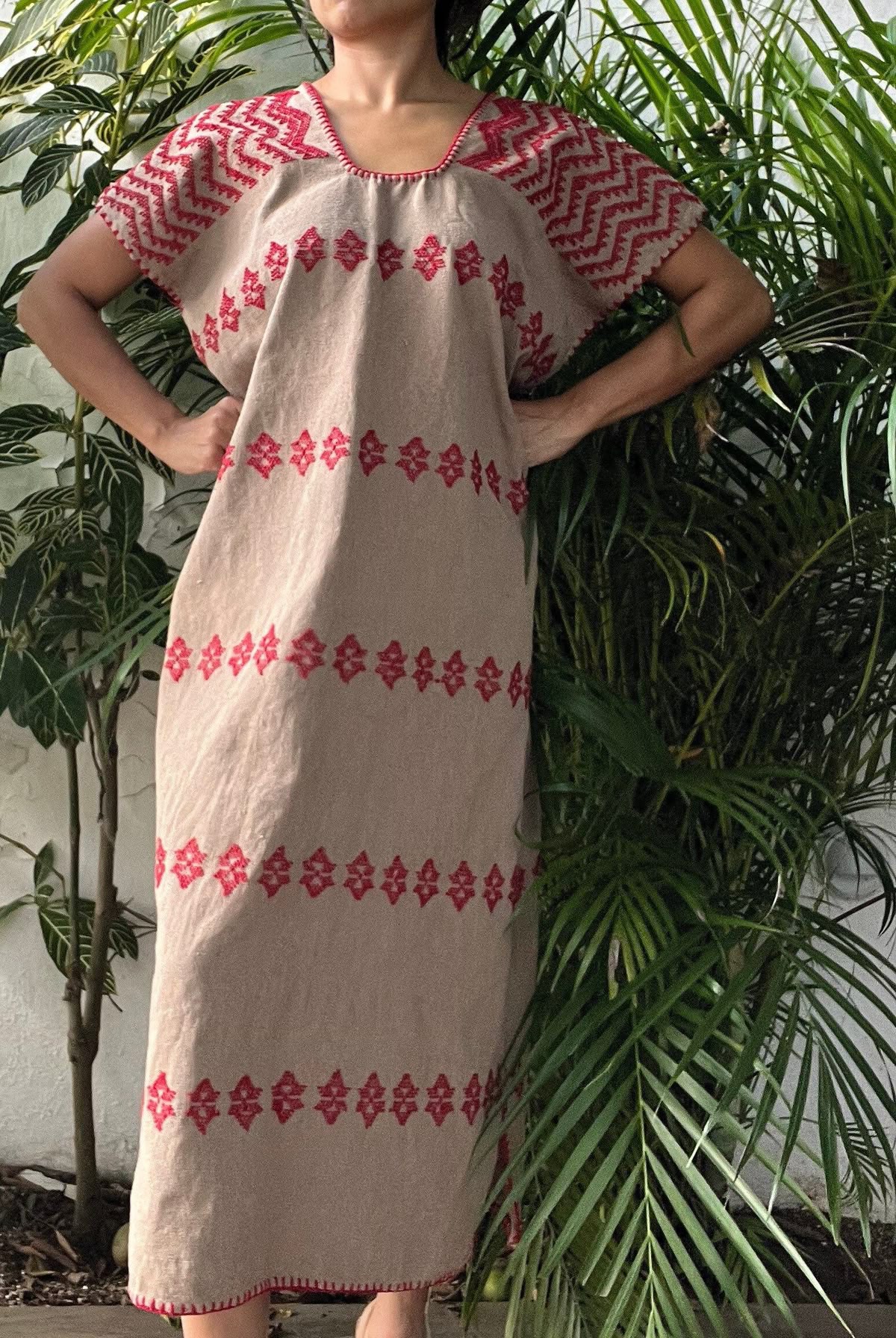
The huipil is not an isolated case. It is part of a broader pattern that extends across continents.
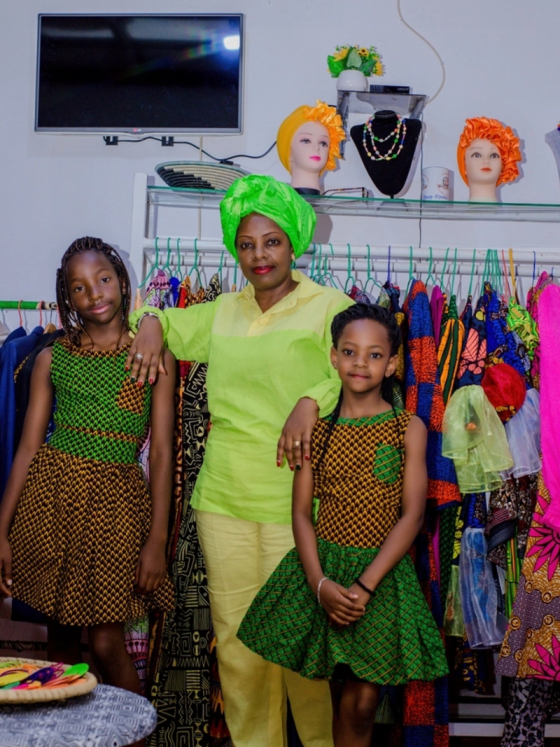
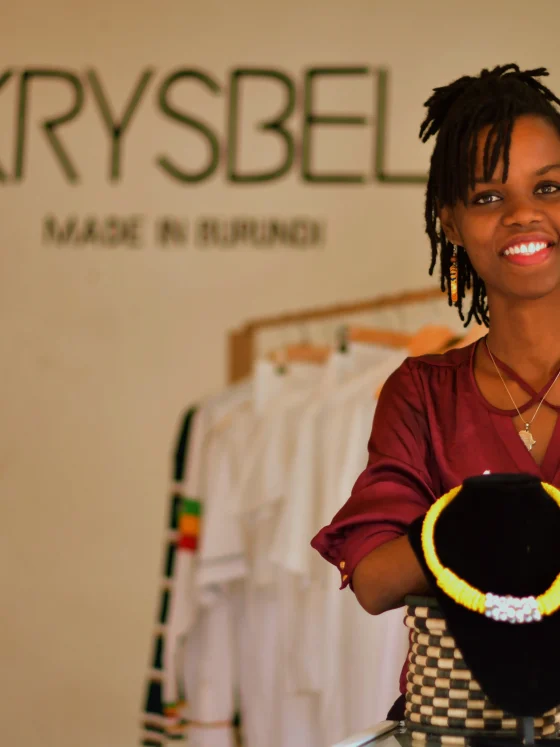
In African fashion systems, similar dynamics are visible. Textile traditions, whether in weaving, dyeing, or printmaking, are frequently extracted, reinterpreted, and commercialised by external actors with greater access to global markets. The language used to describe this often softens the reality. It becomes collaboration, inspiration, and global exchange.
But the underlying question remains the same.
Who makes it? Who defines it? Who profits?
The huipil sharpens that question because its lineage is so clear. It forces the industry to confront the gap between the product’s visibility and the producer’s invisibility.
In that sense, the Americas do not sit outside the African experience. They reflect it.
Reframing the Huipil: From Aesthetic Object to Economic Argument
What the huipil is arguing, if taken seriously, is not about preservation alone. It is about control.
Control over how designs are used—control over who benefits from them. Control over whether cultural production remains tied to the communities that sustain it or becomes raw material for a global industry that does not answer to them.
This is where the conversation has to move.
As long as the huipil is treated primarily as an aesthetic object, the terms of engagement will remain superficial. It will be admired, replicated, and sold. The deeper structures that shape its movement through the industry will remain unchallenged.
To shift that, the garment has to be understood as part of an economic system, not just a cultural one.
And once that shift is made, the question becomes harder to avoid.
Not what the huipil looks like.
But who it belongs to, and who is allowed to profit from it.
FAQs
- What is a huipil in Mexican and Guatemalan fashion?
A huipil is a traditional handwoven tunic made by Maya women, carrying cultural, social, and regional identity through its patterns and design.
- Why is huipil appropriation a major issue in global fashion?
Huipil designs are often copied by international brands without credit or compensation, removing them from their cultural and economic context.
- Which fashion brands have been accused of copying huipil designs?
Brands like Zara and Isabel Marant have faced criticism for using Indigenous Mexican designs without proper attribution.
- How can fashion brands ethically use Indigenous textile designs like the huipil?
Through direct collaboration, fair compensation, proper crediting, and respecting the cultural ownership of the communities involved.
- How does the huipil relate to African fashion and cultural appropriation?
It reflects similar patterns in which traditional designs are commercialised globally, while the original creators receive limited recognition or economic benefit.