African black soap is frequently brought to international markets as a natural alternative, a mild cleanser meant to compete with products with chemical formulations. However, that framing instantly lessens it. Black soap is not a substitute. It is a unique cleansing method developed in West African cultures long before the contemporary skincare industry began defining what is effective.
Traditional African black soap is fundamentally a formulation based on accuracy rather than branding. Its formulation, which combines ash from plantain skins, cocoa pods, and palm leaves with oils such as shea butter and palm oil, reflects a contextual and chemical understanding of skin. The oils restore equilibrium, and the ash provides natural exfoliation and antimicrobial properties, resulting in a cleansing process that recalibrates rather than strips the skin.
This recipe has long included what the international beauty industry currently offers as pH balance, gentle exfoliation, and deep cleansing. However, black soap’s complexity was often reduced as it expanded beyond West Africa and into foreign markets. Standardisation was applied to variations. The ingredients were changed. Additionally, the product was frequently commercialised without maintaining the knowledge system that gave it its efficacy.
Black soap is not recommended as a trend in this article. It views it as a system worth understanding. Because the data has always been there, the true question is not whether African black soap is effective. What was lost in the process of making it worldwide, and why is its science just now acknowledged?
African black soap is more than a natural cleanser; it is a centuries-old West African skincare system rooted in science and tradition. Discover the real benefits behind this powerful cleansing ritual.
African Black Soap Is Not Basic: It Is a Formulated System
African black soap is frequently misinterpreted as a straightforward, all-natural cleanser carelessly thrown into the global organic skincare market. However, traditional African black soap is more complicated. It is a carefully crafted composition that mimics what contemporary skincare now refers to as “active + barrier support” by balancing alkaline ash with restorative oils.
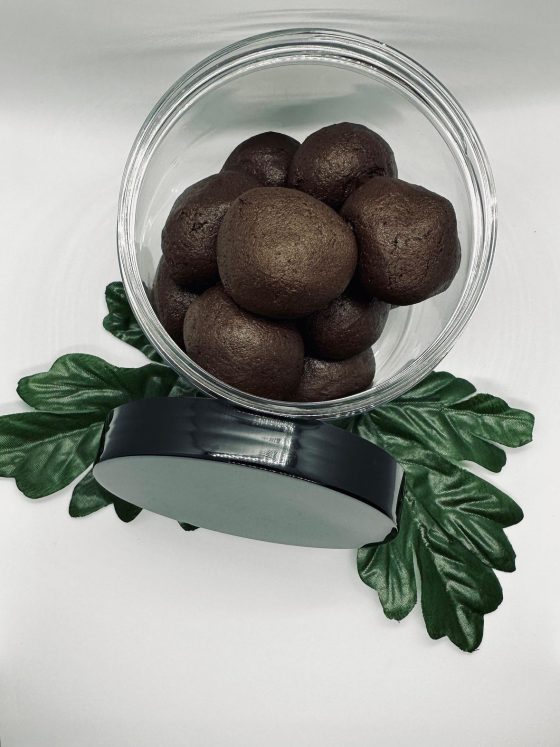
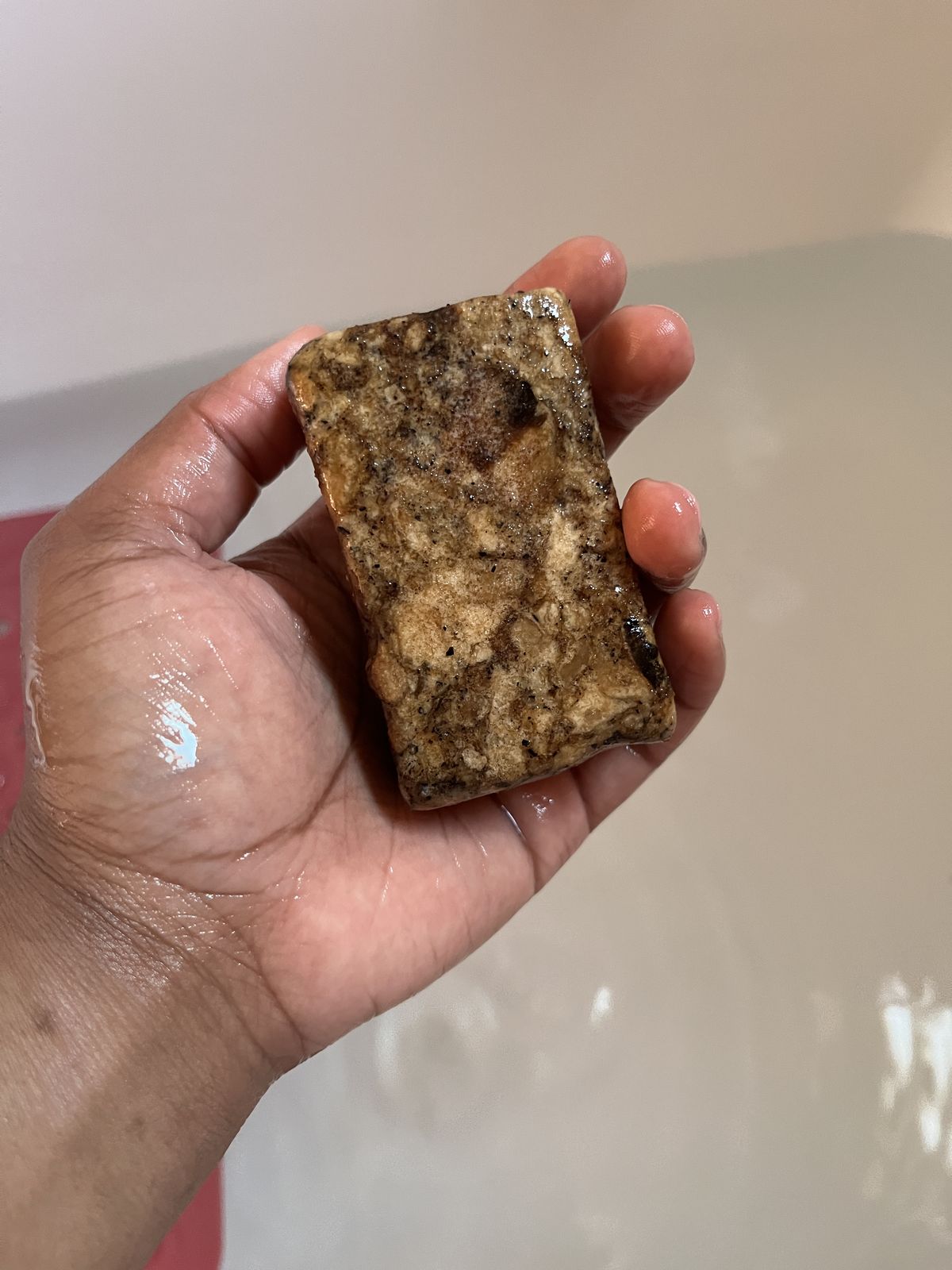
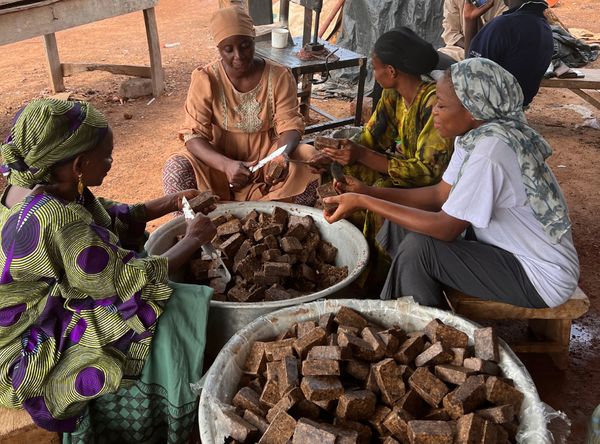
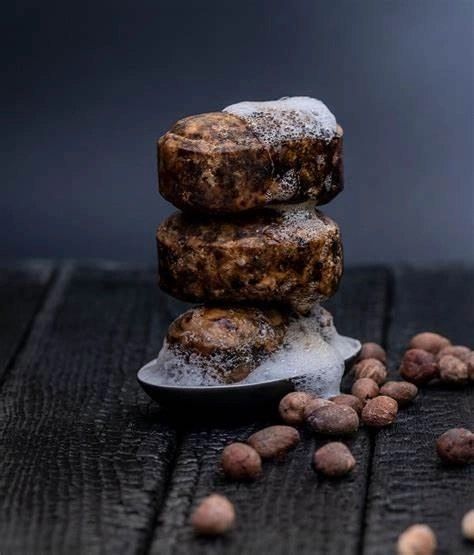
In West Africa, black soap is made using both chemical and cultural methods. A base high in potassium compounds is produced by sun-drying and burning cocoa pods and plantain skins to ash. After that, this ash is carefully combined with oils, usually shea butter, coconut oil, or palm oil, to create a cleansing agent that does more than just get rid of filth. It recalibrates the skin’s surface, cleanses, and exfoliates. In actuality, the irregular texture, which is sometimes viewed as a defect in international markets, is a sign of the soap’s genuineness and proof that it hasn’t been industrially standardised.
This technology is unique due to its flexibility. Because each community makes black soap according to the resources available, the environment, and the needs of the skin, there is no one correct recipe. It could operate across generations without requiring laboratory validation due to its versatility. Because it was constantly improved via practice, it was successful.
These days, contemporary African companies are translating this structure without flattening it. While Arami Essentials blends black soap into modern beauty routines without stripping it of its roots, brands such as Skin Gourmet keep raw, edible-grade formulations that preserve the integrity of traditional black soap. The focus of their job has shifted from selling ingredients to safeguarding systems.
What African black soap has traditionally done, cleanse without harm, exfoliate without disturbance, and regard the skin as something to be maintained rather than corrected, is only now starting to be articulated by the global skincare business.
When Black Soap Went Global, Its Science Was Simplified
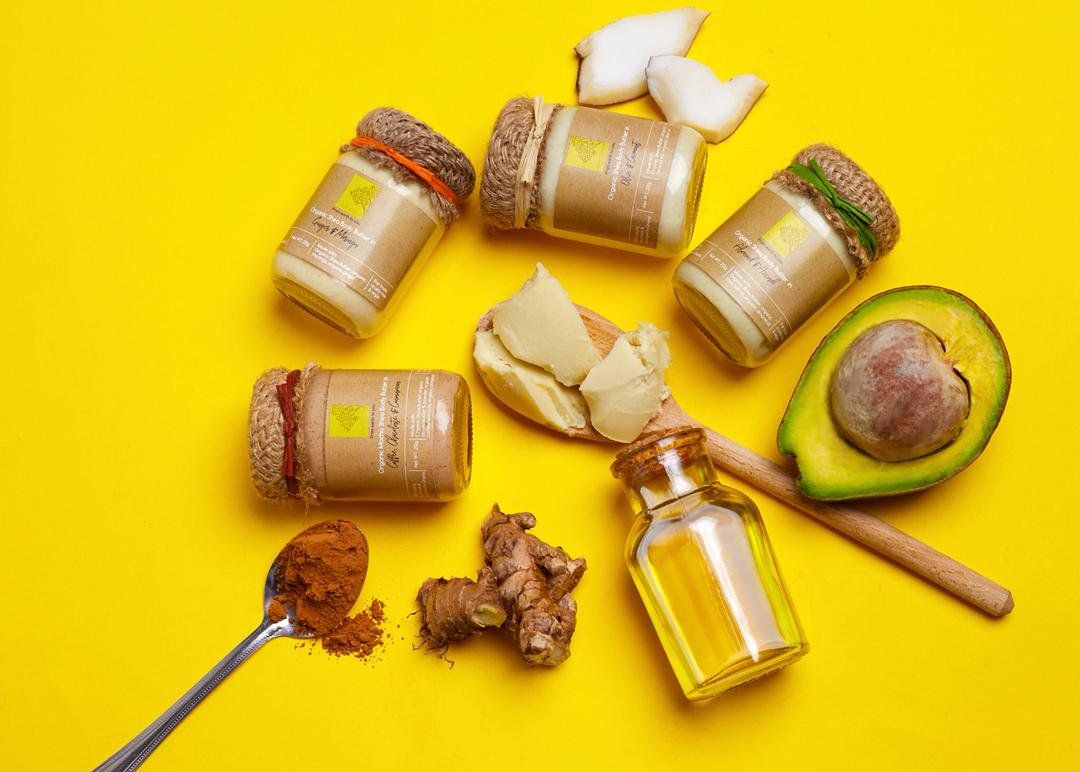
African black soap travelled as a product rather than as a system when it entered other markets. And throughout that shift, much of its complexity was condensed into a few commercially viable claims, including natural, organic, and acne-friendly. These are not wrong, yet they are lacking.
The science of black soap lies in its equilibrium. The oils prevent possible dryness by replenishing moisture, while the alkaline ash cleans and exfoliates. It works well on a variety of skin types because of this balance. However, many commercial versions upset this balance by adding artificial aromas, reducing the ash level, or standardising the recipe for mass production. The end product looks like black soap, but it doesn’t work like that.
The difference between commercial and raw black soap becomes crucial at this point. The colour, texture, and even aroma of raw black soap might vary based on where it comes from. Conversely, commercial versions place more emphasis on uniformity than originality. They are simpler to scale, package, and market, but frequently at the expense of the qualities that made black soap so successful.
By maintaining traditional formulations and making them available to a worldwide audience, companies like Alata Botanicals are trying to close this gap. Maintaining context is just as difficult as maintaining quality, because in an already competitive skincare industry, black soap becomes just another product in the absence of context.
Due to a lack of knowledge, the global industry did not misinterpret black soap. Because it gave precedence to standardisation over specificity, it misinterpreted it. Additionally, it turned a dynamic system into a fixed product.
ALSO READ:
The Real Value of Black Soap Is Not in Its Popularity But in Its System
African black soap’s ascent in the global skincare market is sometimes interpreted as confirmation that traditional African beauty customs are now being acknowledged. However, in this instance, recognition is just partial. The product is what has been acknowledged. The system that first made the product effective is still understudied.
Black soap was never intended to be used alone. It served as part of a more comprehensive skincare strategy that also included butters, oils, environmental awareness, and understanding of how skin changes over time. It would be misguided to remove the soap from that system and market it as a stand-alone remedy. It’s not an easy solution. It is a single stage in a more comprehensive care system.
At this point, African companies are starting to regain control over both production and narrative. To ensure that black soap is understood within its full cultural and functional context, companies like 54 Thrones are redefining African skincare as a system rather than a collection of ingredients.
The Omiren Argument
African black soap is becoming more popular because the global skincare business has reached the limits of its own formulations and is now looking outside itself for solutions it did not initially appreciate, not because the world has suddenly grown more knowledgeable. That distinction is important. It changes the perception of black soap from an alternative to a benchmark.
The business frequently portrays black soap’s success as a sign of progress, but popularity without comprehension is a brittle kind of acknowledgement. Adopting a product without its system makes it easy to dilute, reformulate, and reuse it until it loses its original identity. African ingredients have frequently been assimilated into international markets, but their underlying knowledge systems are either ignored or misinterpreted.
The Omiren stance is straightforward: the system of knowledge that African black soap represents is more valuable than its worldwide demand. The industry is not improving African skincare; rather, it is taking advantage of it as long as that system is maintained, acknowledged, and allowed to influence how the product is used and perceived. In this situation, recognition is only significant if it results in the retention of narrative, control, and knowledge at the source.
Frequently Asked Questions (FAQs):
1. What is African black soap made from?
Traditional African black soap is made from ash derived from plantain skins, cocoa pods, or palm leaves, combined with natural oils like palm oil, coconut oil, or shea butter. The exact formulation varies by region, which is part of what makes it effective.
2. Is African black soap good for acne?
Yes, African black soap is known for its antibacterial and exfoliating properties, which can help reduce acne. However, its effectiveness depends on using authentic, unrefined black soap rather than heavily processed commercial versions.
3. What is the difference between raw black soap and commercial black soap?
Raw black soap is traditionally made, uneven in texture, and varies in composition depending on its origin. Commercial black soap is often standardised, may include additives, and is designed for mass production, which can reduce its original benefits.
4. Can African black soap be used on all skin types?
It can be used on most skin types, but due to its natural exfoliating properties, it should be used carefully on sensitive or dry skin, and is often followed by a moisturising oil or butter.
5. Why is African black soap considered better than regular soap?
African black soap cleanses without harsh chemicals, offers gentle exfoliation, and is rooted in a skincare system that prioritises long-term skin health rather than quick, surface-level results.