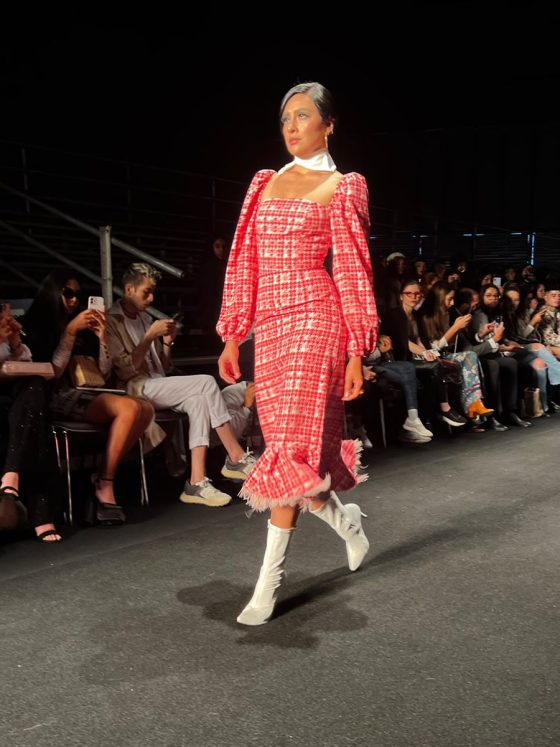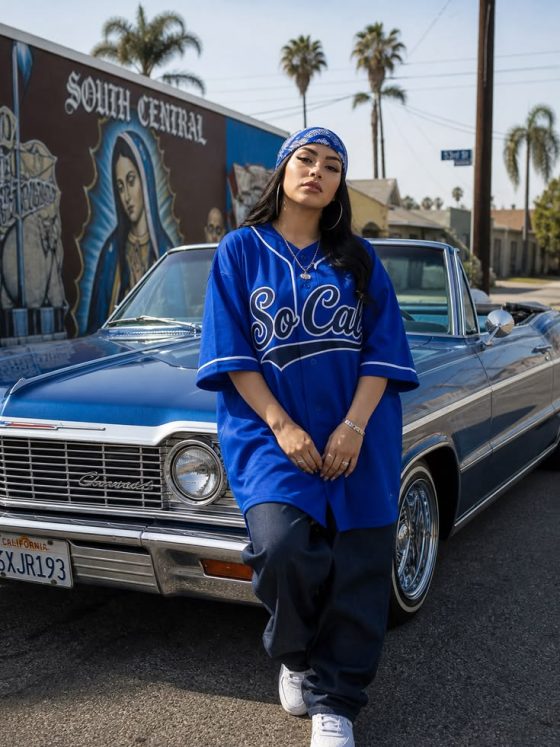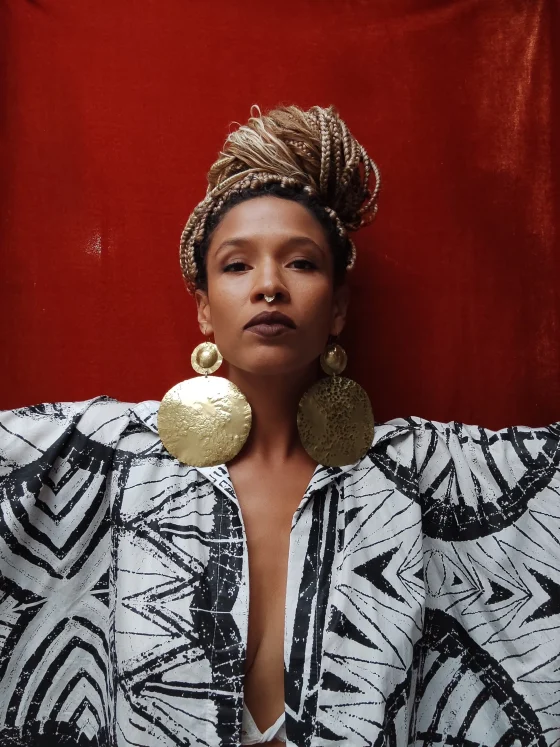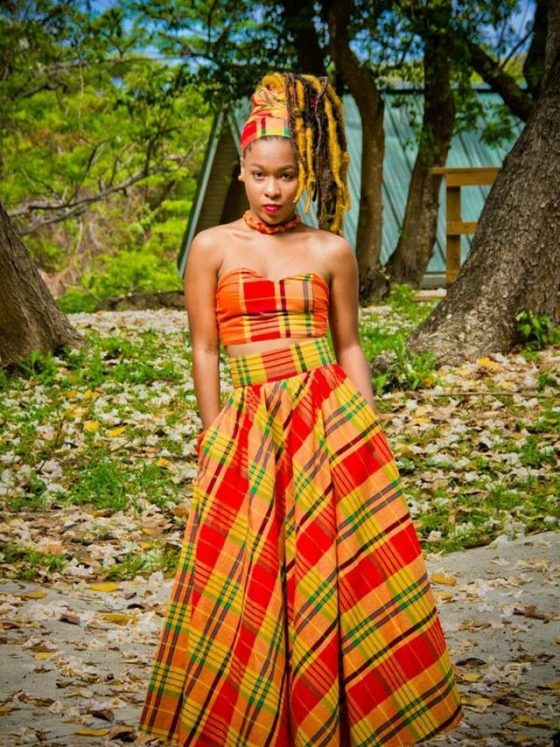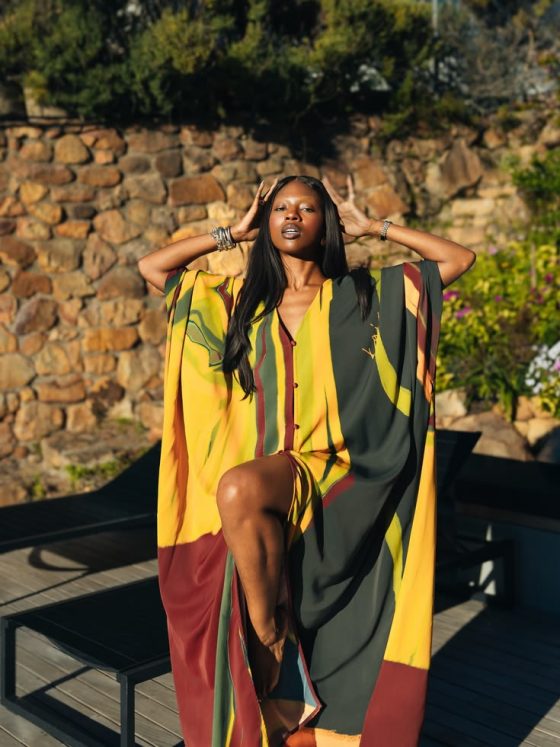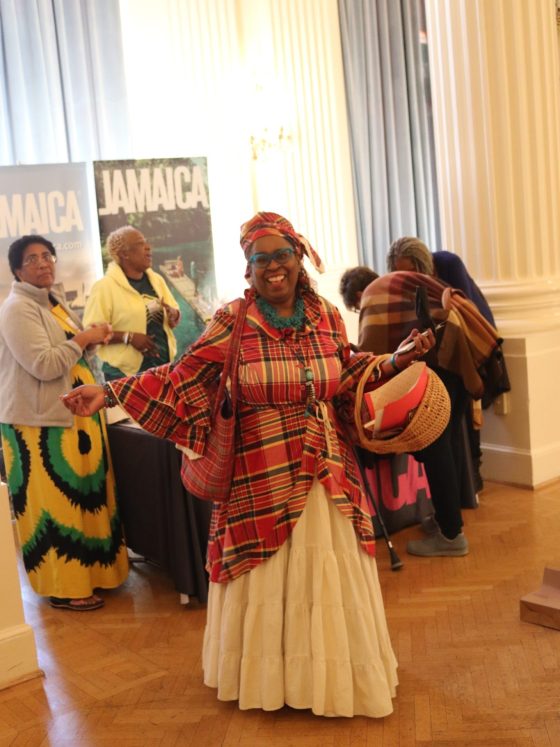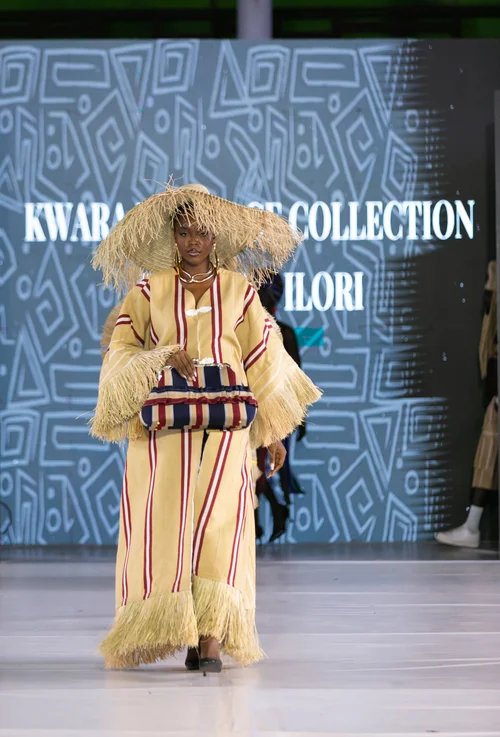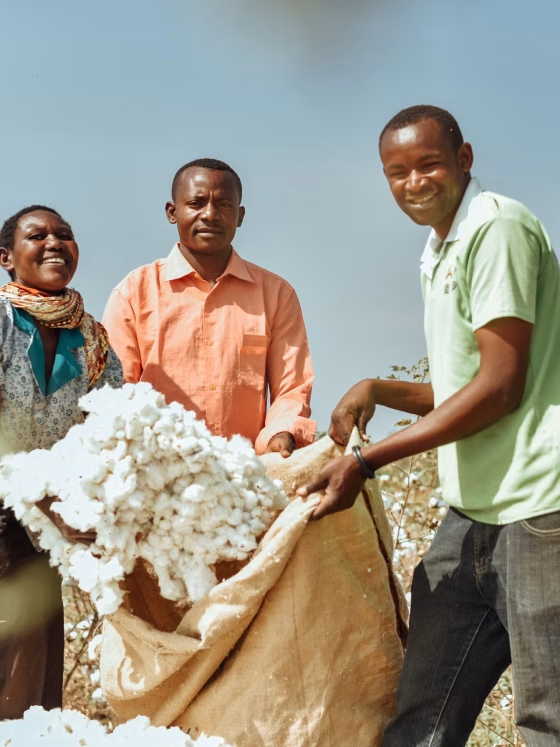
Luxury fashion’s power centres, Paris, Milan, and New York, were once impermeable fortresses. Their runways dictated global trends, their couture houses defined taste, and their gatekeepers decided whose stories deserved visibility.
But in the last decade, Africa’s leading fashion houses have not only entered these spaces but also helped shift them.
Today, African luxury is no longer framed as “emerging”. It is woven into the DNA of global fashion weeks, displayed in museums, stocked in international boutiques, and studied by fashion institutions.
The influence is structural, not symbolic. African houses are redefining silhouettes, textile choices, casting decisions, sustainability standards, and even how the global industry interprets heritage.
This is a recalibration of the global fashion hierarchy. And at the centre of that shift are the African houses, whose work has travelled from Lagos, Johannesburg, Accra, Casablanca, Rabat, and Abidjan to dictate conversations in Paris, Milan, and New York.
African luxury houses are reshaping Paris, Milan, and New York with new aesthetics, craftsmanship, and cultural influence powering today’s global fashion trends.
The Drivers of Africa’s Global Influence
Africa’s impact on global fashion capitals is rooted in elements like authenticity, craftsmanship, sustainability, and narrative depth. African fashion houses have these qualities embedded in their identities.
Aesthetic Innovation
African designers frequently merge architectural silhouettes, archival references, and traditional craftsmanship to produce collections that feel original rather than derivative of European houses. This authenticity is a valuable currency globally.
Textile Leadership
African houses are reshaping how Paris, Milan, and New York approach textiles like aso-oke, kente, handwoven wool, raffia, and artisanal dyeing traditions. These textiles offer luxury buyers what the industry lacks in rarity, technique, and human touch.
Cultural Storytelling
The global industry is hungry for stories grounded in identity. African fashion houses function as cultural historians, using garments to document political memory, migration, spirituality, and community heritage.
The African Luxury Houses Shaping Global Runways
Thebe Magugu (South Africa)
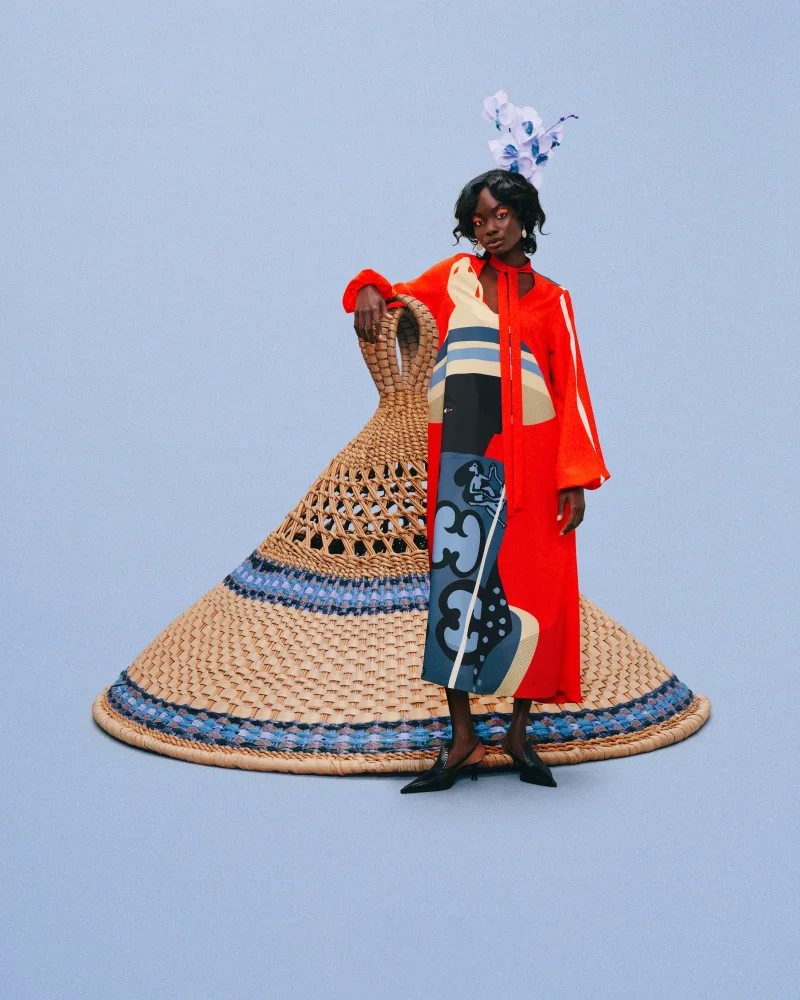
Magugu’s presence across Paris and global editorial spaces has made him one of the leading voices influencing contemporary fashion. His collections, rooted in sociopolitical research, have been featured by international retailers and museums, informing how the industry interprets concept-driven design. Magugu’s partnership with major brands and his precise tailoring have positioned him as a bridge between African intellectual fashion and European runway relevance.
Imane Ayissi (Cameroon) — Haute Couture’s African Vanguard
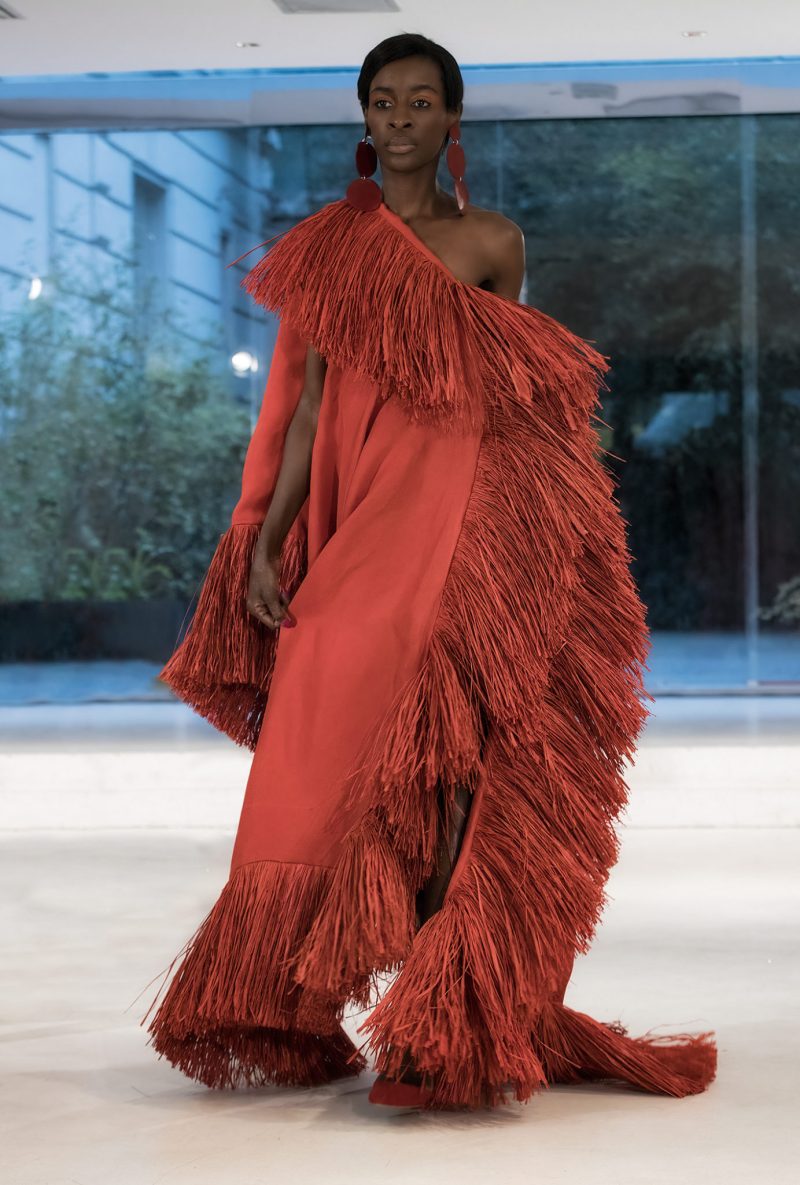
As one of the few African designers to show on the official Paris Haute Couture calendar, Ayissi has changed the industry’s understanding of luxury. His work uses African textiles without falling into predictable motifs. Instead, he crafts sculptural garments that merge French couture techniques with African philosophies of movement and form. His presence in Paris challenges the notion that couture is Eurocentric by nature.
Maison Artc (Morocco)
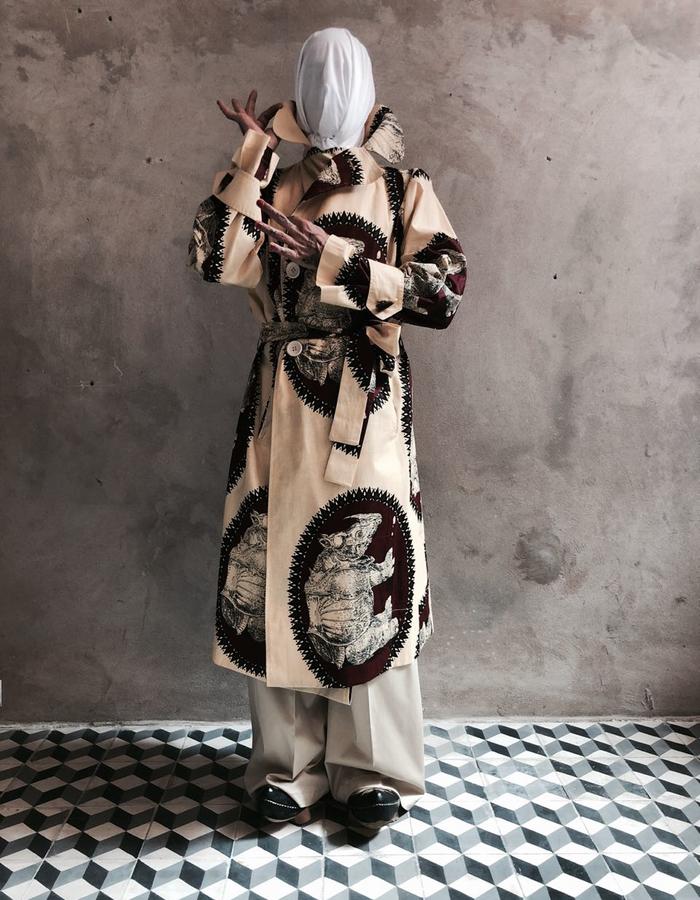
Maison Artc, led by Artsi Ifrach, has influenced global fashion with theatrical presentations and garments considered wearable art. The brand’s archival approach, drawing from Amazigh, Arab, and African histories, has caught the attention of European museums and fashion critics. Maison Artc’s work is a reminder that African luxury also includes North Africa’s rich cultural and artistic lineage.
Maxhosa Africa (South Africa)
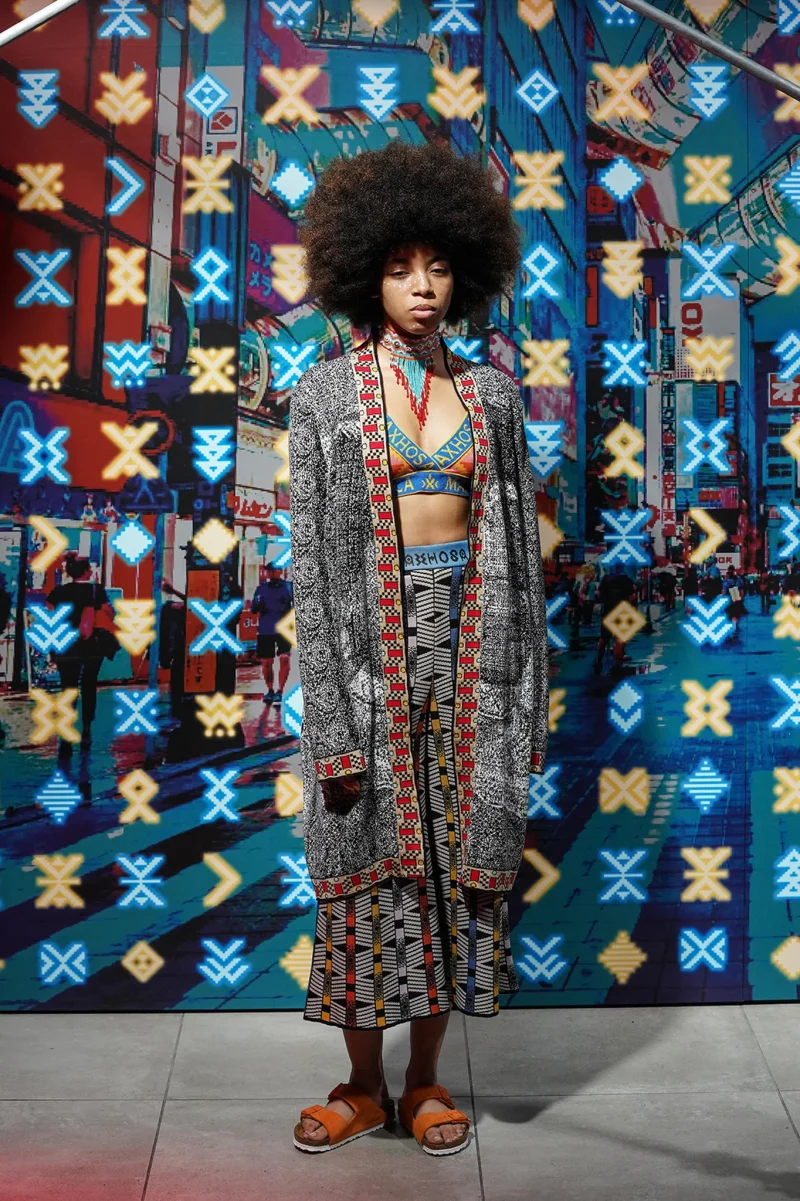
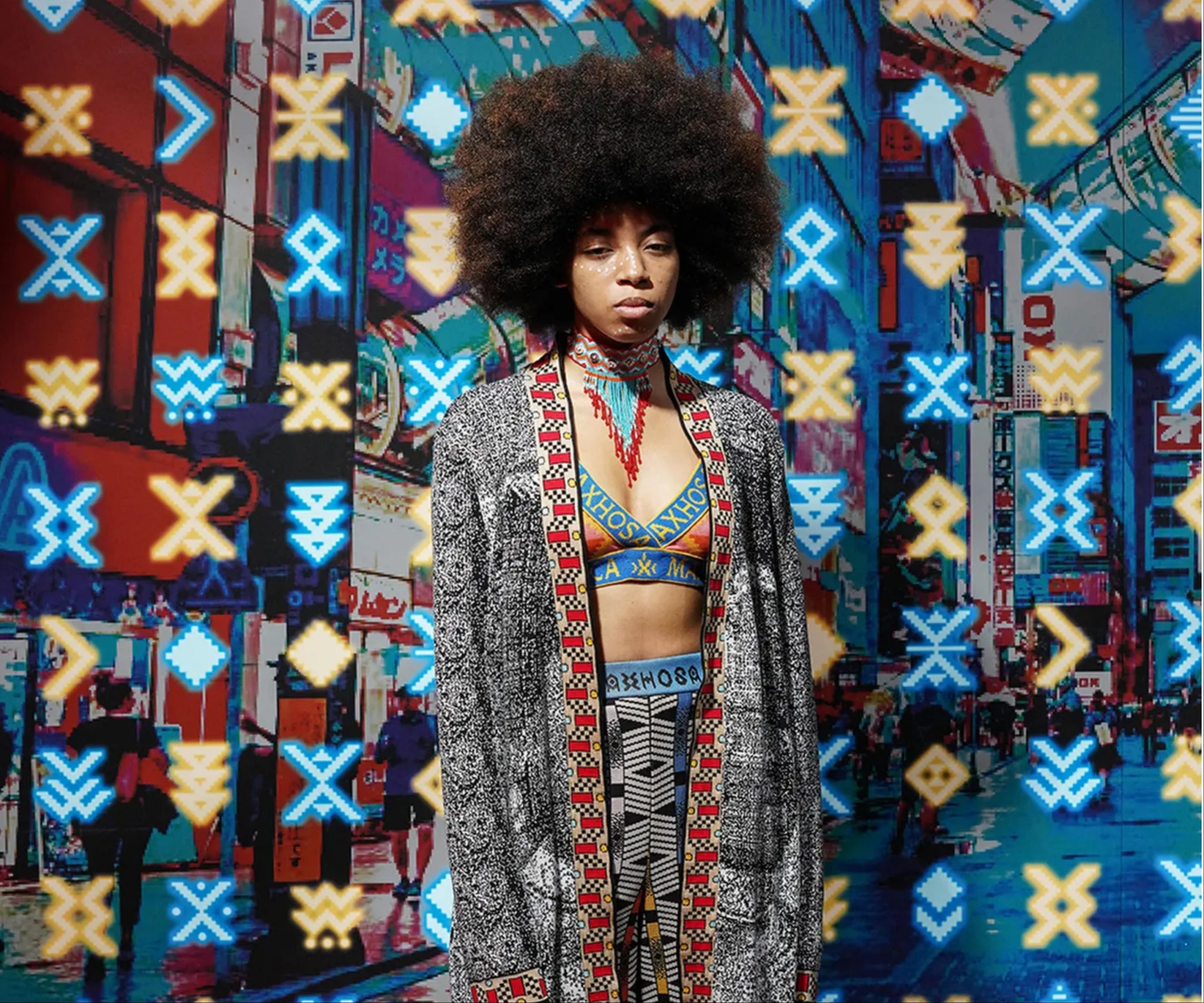
Laduma Ngxokolo’s luxury knitwear has travelled from Johannesburg to shopfronts in New York and to fashion exhibitions worldwide. His bold graphic patterns, rooted in Xhosa tradition, have influenced global designers’ approach to print design and knitwear engineering. Maxhosa represents how regional identity can translate into global luxury without compromise.
Christie Brown (Ghana)
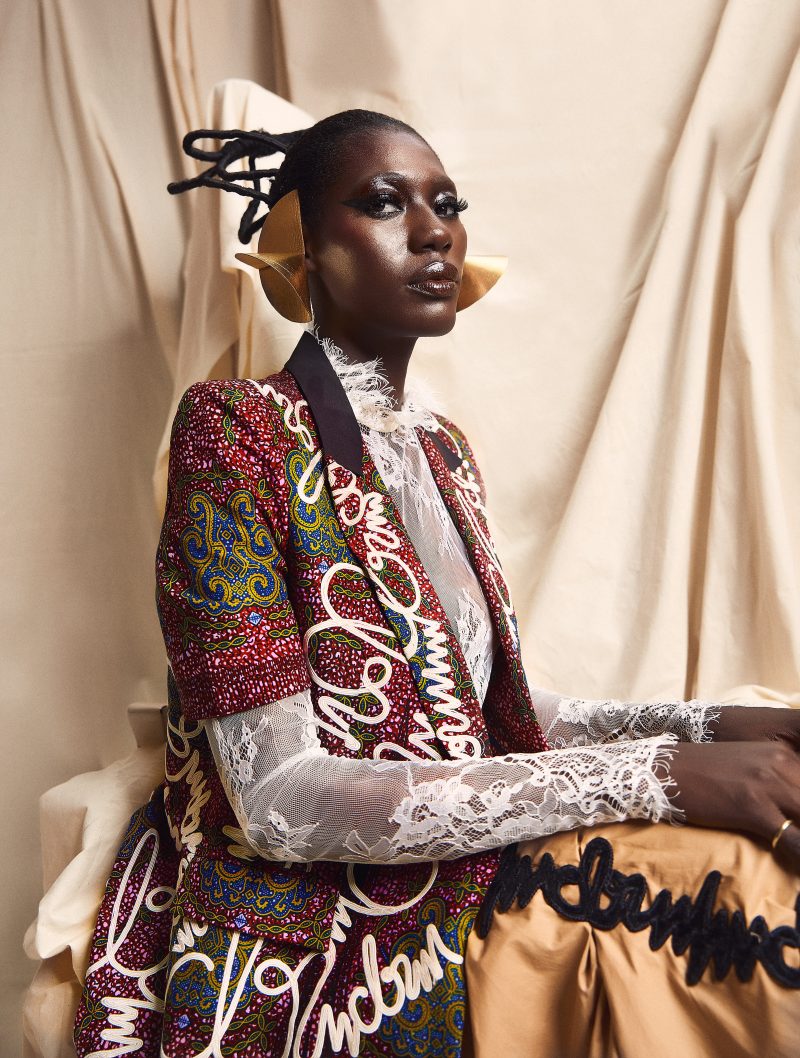
Christie Brown is one of the few West African luxury houses whose influence has extended into international retail and global editorial platforms. Known for its refined craftsmanship, structured silhouettes, and beadwork, the brand has elevated Ghana’s global presence. Christie Brown’s work shows how African luxury can balance contemporary tailoring with artisanal traditions.
Kenneth Ize (Nigeria)

Kenneth Ize’s Paris Fashion Week collections played a significant role in reintroducing the global industry to Nigerian aso-oke. His collaborations with European ateliers and international stylists have made his textiles recognisable across editorial campaigns and runways. Ize’s work underscores Africa’s potential to set textile trends, not just follow them.
Lagos Space Programme (Nigeria)
The Lagos Space Programme has grown into one of Africa’s most critically acclaimed conceptual fashion houses. Its presence in international exhibitions and publications positions it as a thought leader in global fashion. The brand’s minimalist, intellectual, genderless approach has influenced conversations around identity and modern luxury in Europe and the U.S.
READ ALSO:
- The Rise of African Luxury Designers Redefining Global Runway Culture
- How African Culture Is Shaping Global Fashion in 2025: Trends, Designers, and Style Movements
How African Houses Are Impacting Paris
Paris, long considered fashion’s philosophical capital, has embraced African luxury for its intellectual rigour and couture-level craftsmanship.
1. Redefining Couture Codes
Imane Ayissi and Maison Artc have introduced techniques and textiles that expand the couture vocabulary beyond its Euro-French foundations.
2. Diversifying Fashion Narratives
Paris institutions, fashion schools, museums, and editors now reference African houses as key case studies in design innovation.
3. Shaping Editorial and Casting Standards
African designers influence editorials, model casting, and styling decisions, contributing to a more global representation of beauty and craft.
Influence in Milan: A Shift in Texture and Tailoring
Milan’s emphasis on precision, tailoring, and craftsmanship aligns naturally with Africa’s textile traditions.
1. Elevating Artisanal Textiles
Brands like Kenneth Ize and Maxhosa inspire global interest in handwoven, handcrafted textile techniques that Milan’s luxury houses now study and reinterpret.
2. A New Lens on Luxury Menswear
African houses, mainly those from South Africa and Nigeria, are reshaping menswear through bold knitwear, structured tailoring, and contemporary silhouettes.
3. Sustainability as Craft Heritage
African luxury’s inherent sustainability challenges Milan’s industrial approach, showing that luxury can be ethical without sacrificing excellence.
African Influence in New York: Culture, Art, And Identity
New York thrives on cultural fusion and creative freedom elements African houses embody naturally.
1. Museum Recognition
Institutions like the Met, the Brooklyn Museum, and MFA Boston have spotlighted African designers, elevating their influence on American fashion criticism.
2. Celebrity and Red-Carpet Styling
African houses from Maxhosa to Thebe Magugu regularly appear on stylists’ radar, boosting visibility in the U.S. market.
3. Diaspora Connection
New York’s African diaspora communities fuel the cultural exchange that drives demand for African luxury in editorial and retail spaces.
Conclusion
African fashion houses are transforming global fashion capitals instead of waiting for invitations. Paris is learning new couture languages. Milan is rethinking its relationship with craft. New York is expanding its cultural vocabulary. The shift is unmistakable; Africa is not influencing global fashion from the margins but transforming it from within.
For deeper coverage of Africa’s role in global luxury, explore more fashion intelligence on Omiren Styles.
FAQs
- Which African fashion houses are influencing global fashion capitals?
Brands such as Thebe Magugu, Imane Ayissi, Maxhosa Africa, Maison Artc, Christie Brown, and Lagos Space Programme play significant roles.
- How are African houses shaping Paris Fashion Week?
Through couture innovation, unique textiles, and cultural storytelling, African houses are expanding Paris’s design perspectives.
- What impact do African designers have in Milan?
They influence textile experimentation, the evolution of menswear, and sustainable luxury practices.
- How are African luxury brands influencing New York fashion?
African luxury brands influence New York fashion through museum exhibitions, celebrity styling, and editorial features that showcase African identity and craftsmanship.
- What makes African luxury fashion globally relevant today?
Rich textile heritage, craftsmanship, cultural storytelling, and modern silhouettes that resonate across markets.