The arguments in the previous two articles were built on a specific kind of knowledge: the documented cultural grammar of specific African ceremonial dress traditions and the observed practice of contemporary Lagos tailoring. Both are forms of evidence, but neither is the kind a buyer uses to decide whether to stock a garment or a market analyst uses to project what African fashion will generate commercially over the next five years.
This article works with the other kind of evidence: the runway record, the buyer record and the commercial data whose job is to confirm or complicate the cultural arguments that cultural analysis alone cannot verify. It also does something this series has been doing throughout, and this article makes explicit: it distinguishes what is confirmed from what is not, and it names the gap.
The most important discipline in evidence-based fashion journalism is not finding the evidence. It is naming the difference between what the evidence says and what the argument needs it to say. The runway record and the buyer record do not always align. When they do not, the gap is the story.
The previous two articles examined the grammar and the rework. This article examines the evidence: what the 2026 runway and buyer records actually show, where editorial analysis ends and confirmed reporting begins, and what the commercial record still does not capture.
What the AFWL 2026 Record Confirms: Source Discipline
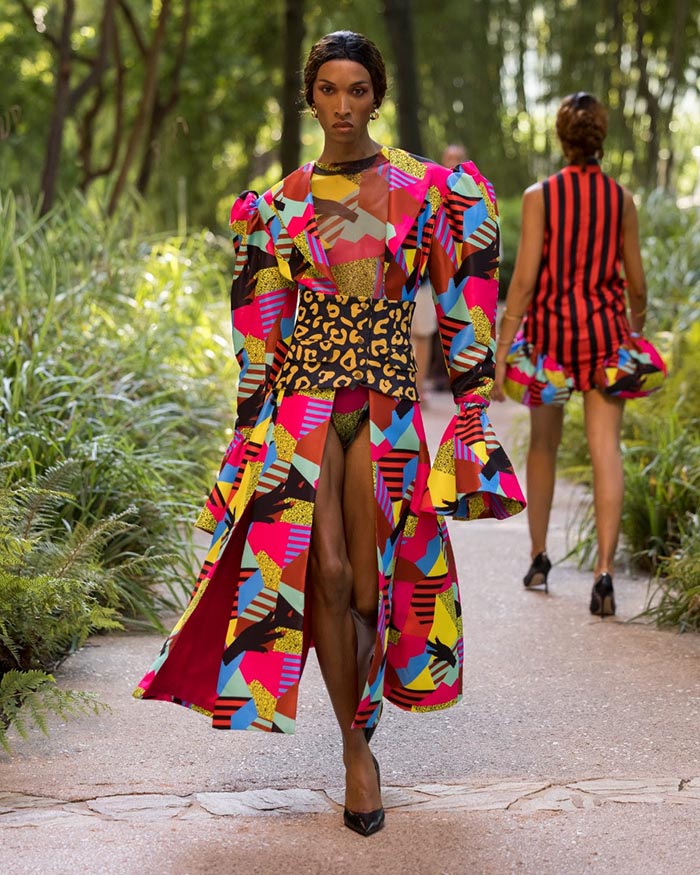
Africa Fashion Week London 2026 ran from August 17 to 23 at 8 Northumberland Avenue, London, under the theme Design Beyond Borders, marking the event’s 16th anniversary. Multiple pre-event sources and the post-event record confirm this.
Two Omiren Styles articles addressed AFWL 2026 before the event. The first, published July 27, 2026, documented the event’s structure, dates, the Shop The Runway commercial mechanism launching Sunday, 23 August, and the British Council Creative DNA cohort. The second, published July 28, 2026, analysed the runway trends anticipated for the 2026 edition based on advance information.
Both of these articles are pre-event editorial analyses. Their value is real: they synthesise information about what was expected, planned and presented in advance of the event, and they reflect Omiren Styles’ editorial judgement about what those signals meant. They are not post-event reporting. They cannot confirm what appeared on a specific runway on a specific day because it was written before those runways happened.
What the post-event record confirms: Africa Fashion Week London 2026 featured, among its confirmed designers, Mary Martin London, who has led the AFWL catwalk for eleven years and whose work is specifically documented as bold, structural, theatrical and sculptural. The British Council Creative DNA 2026 cohort included designers from Ethiopia, Kenya, Rwanda, Uganda, Zimbabwe, Ghana and Nigeria. The Shop The Runway mechanism launched as planned, creating for the first time a direct purchase pathway from runway to buyer within the two-day format. The founder and CEO, Olori Ronke Ademiluyi-Ogunwusi, Queen of the Ooni of Ife, described the edition as being about creating opportunities and celebrating African excellence.
What the post-event record does not confirm at the level of specificity that the preceding articles in this series need: which specific ceremonial dress traditions appeared on which specific runways; whether the volume grammar documented in the first article of this trilogy was present in the confirmed post-event coverage in the forms the cultural analysis identified; and which specific designers’ work was subsequently picked up by which specific buyers through the Shop The Runway mechanism. The public record still doesn’t answer these questions.
What the AFWL Pre-Event Runway Analysis Actually Contains
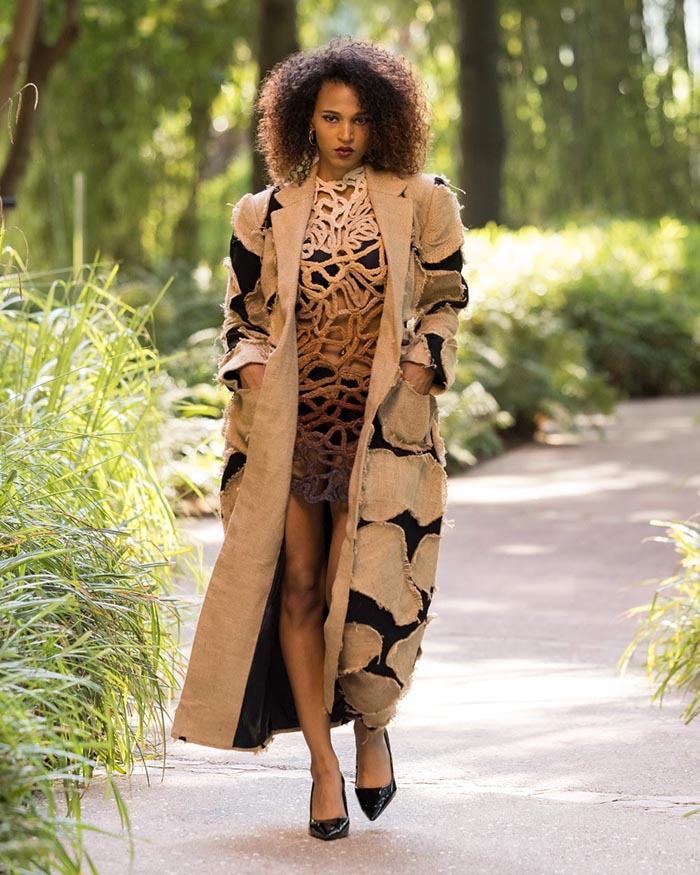
The Omiren Styles pre-event analysis of AFWL 2026 runway trends, published July 28, 2026, contains editorial analysis of anticipated runway trends whose value is in the cultural interpretation rather than the confirmed runway record. The analysis identifies jewel tones at full saturation as the consistent colour direction: sapphire, forest green, plum and the warm gold of Fulani ceremonial tradition. It identifies the dressed body as a complete system as AFWL’s most significant presentational difference from European fashion week: headwrap, garment, jewellery and footwear considered together as a single design decision rather than separately styled components. It identifies white not as a neutral but as its own formal register, present in column silhouettes and structured tailoring whose cultural authority comes from Oromo and Fulani ceremonial traditions.
These observations represent Omiren Styles’ editorial judgement about what the AFWL 2026 runway was likely to show, based on advance knowledge of participating designers, the event’s curatorial direction and the broader 2026 African fashion landscape. They help explain the frame within which the runway operated. They do not confirm specific runways on specific days.
The pre-event Omiren Styles article on AFWL 2026 itself, published July 27, 2026, confirms the structural details: the event ran 22 to 23 August at 8 Northumberland Avenue; the Shop The Runway mechanism launched Sunday, 23 August; the British Council Creative DNA cohort was present; 3,000-plus designers and creatives have been showcased since 2011; and the event was described as the most commercially ambitious in its 16-year history. These advance details are reliable because they describe the event’s structure and stated programme, not its runway outcomes.
What Lagos Fashion Week SS26 Confirms
Lagos Fashion Week Spring/Summer 2026 provides a more fully documented post-event runway record than AFWL 2026 for this specific question. Multiple post-event sources of confusion.
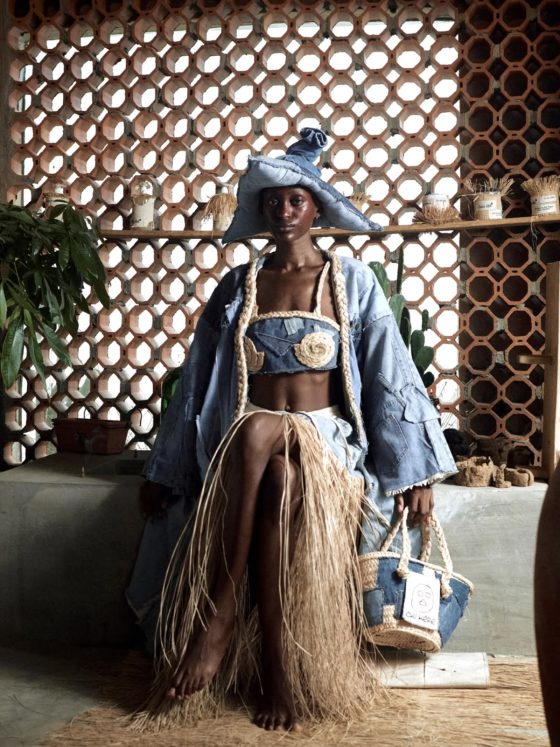
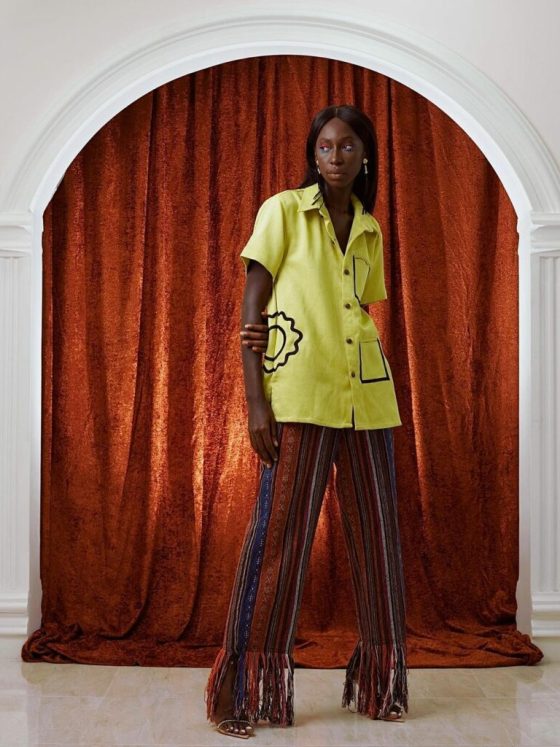
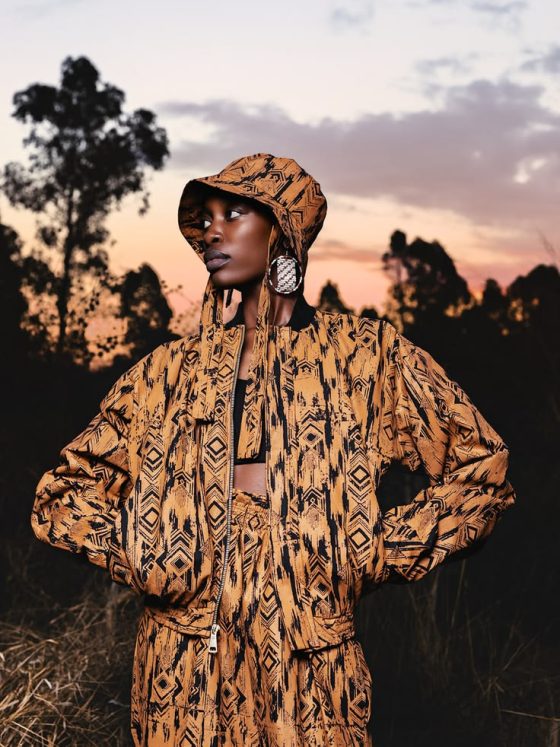
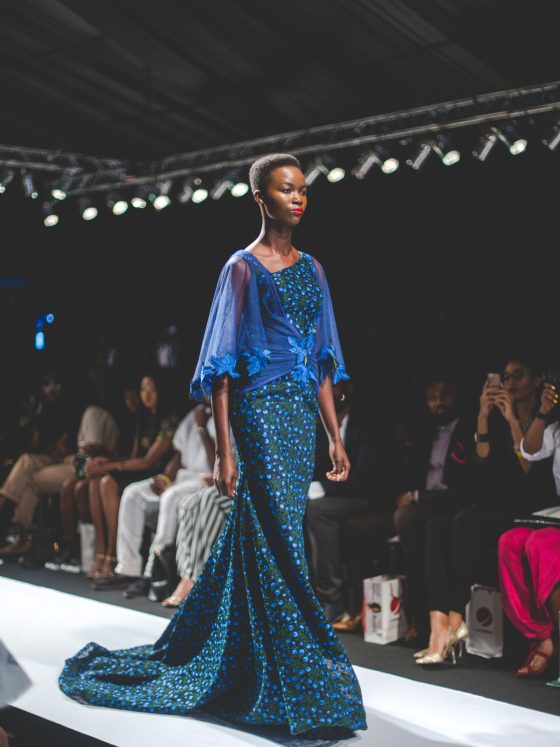
The confirmed post-event record shows designers at LFW SS26 showed restraint, intention, and a deep understanding of craft that has been in communities for generations; materials were local, techniques ancestral, execution contemporary and unapologetically confident; and volume was an active, acknowledged design resource used intentionally rather than by default. The post, ‘Africa by fashion’, is not trying to be elevated by Western standards because it was always elevated; the city is not asking for a seat at the table because it is building its own.
The ceremonial grammar’s presence on the LFW SS26 runway is confirmed through the specific observation that volume has always existed in African dress, from geles to agbadas, and that the LFW SS26 runway treated it as fashion that takes up space unapologetically. This is post-event editorial analysis from a confirmed post-event source, not a confirmed description of a specific collection’s specific garments. The observation is reliable as an account of the runway’s general direction; it is not a primary source confirming which specific ceremonial silhouettes appeared in which specific collections.
For this article’s purposes, what LFW SS26 confirms is that the ceremonial vocabulary is present on the Lagos runway as an acknowledged and active design resource in 2026; designers are using it with intentionality rather than as a generic cultural reference; and the international market is receiving it as evidence that African fashion defines its own standards of excellence rather than aspiring to external ones.
What the Buyer Record Independently Confirms
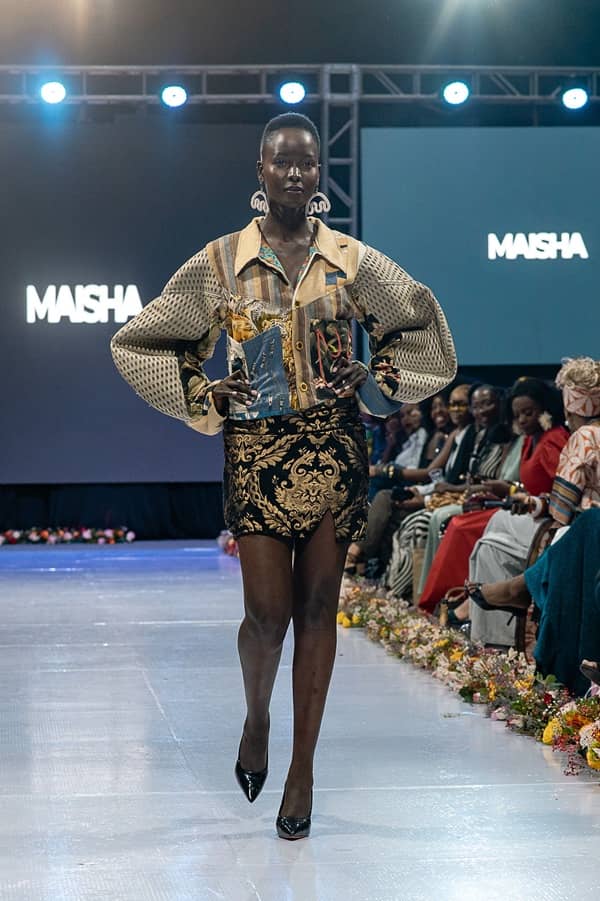
The buyer record is a different kind of evidence from the runway record. It confirms not what designers are making but what buyers are actually purchasing, stocking and commissioning at commercial scale.
The session’s evidence base on the buyer side is substantial and independently sourced.
The Diaspora Market
The African Heritage Fashion Report 2026, published in May 2026, estimates the African diaspora fashion market at £4.2 billion in the UK and the United States combined. The three most searched African heritage fashion terms in the UK and the United States are kente cloth, Adinkra symbols and Maasai patterns, with combined monthly search volume exceeding 50,000 searches. Museum gift shops have become the fastest-growing channel for African heritage fashion, with the Smithsonian’s National Museum of African American History and Culture, Tate Modern and the V&A all reporting increased demand for culturally authentic products. Black History Month drives a 340% spike in searches for African heritage gifts.
These figures confirm that demand for culturally specific African fashion is driven not by fleeting trends, but by a diaspora and broader community deeply committed to what it represents. Kente’s position as the most searched heritage textile is not a coincidence of trend cycles: it is the commercial expression of a cultural relationship that exists independently of the fashion calendar.
The Kente Market Specifically
The kente GI, registered in August 2025 as Ghana’s first Geographical Indication, and the UNESCO Intangible Cultural Heritage inscription of December 2024 have created a legal architecture around the kente name that allows the buyer who stocks authenticated kente to make a verifiable claim whose value the buyer who stocks a kente-inspired alternative cannot make. The commercial case for GI protection is precisely this: the authenticated product can be verified, and the buyer who can verify their stock is in a stronger commercial position than the buyer who cannot.
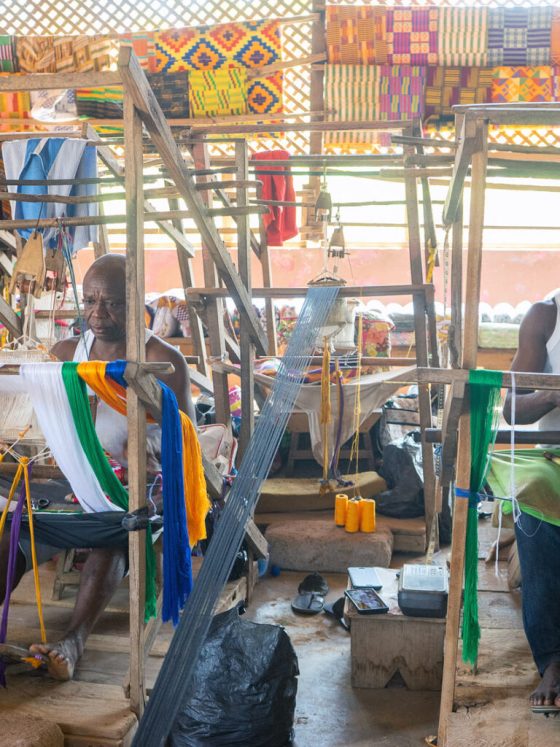
Kente is now seen on international runways and in high-end designer coats and suits for 2026, and market analysis of the Ghana apparel market recognises authentic kente as the most expensive cloth in Ghana and views it as art. Each outfit requires expert weaving from the specific regions of Bonwire and Adanwomase. The Ghana apparel market is projected to grow at 7.5% CAGR through 2032. These are buyer-relevant commercial facts rather than runway observations; they describe the market conditions in which a buyer makes a sourcing decision about kente.
The V&A Record
The V makes an Africa Fashion exhibition, which reached the McCord Stewart Museum in Montreal from September 2025 to February 2026 after prior stops in London, Brooklyn, Portland, Melbourne and Chicago, and provides the most institutionally authoritative record in the session’s evidence base of what international cultural institutions consider to be the defining expressions of African fashion. The exhibition featured approximately one hundred garments and accessories, drawn from multiple African fashion traditions.
The V&A’s curatorial decisions are themselves a form of buyer record: the institution has made explicit choices about which garments, traditions, and designers represent African fashion. The exhibition’s touring reach to six cities on three continents over 2025 and 2026 confirms that the international institutional market for African fashion is real, active and geographically broad.
Where the Runway Record and the Buyer Record Diverge
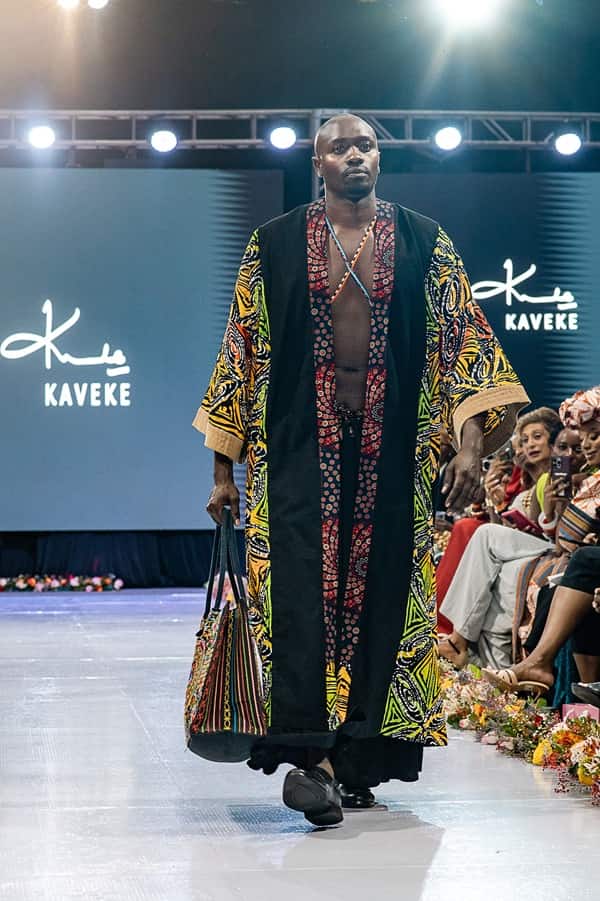
The runway record and the buyer record don’t always tell the same story, and the gaps between them are where significant work remains undone.
The runway record in 2026 confirms that African ceremonial dress traditions already exist as design resources in both the Lagos and London African fashion runway contexts. Designers are the vocabulary with intention and confidence. The international critical reception confirms that this is being read as a declaration of cultural authority rather than an appeal for international validation.
The buyer record confirms that demand for culturally specific African fashion is real, strong, and driven largely by specific, large-scale interest rather than trend-following. The search volume for kente, Adinkra, and Maasai, plus SearchGI’s legal architecture, confirms that the commercial infrastructure for culturally authentic African fashion is being built.
The gap between these two confirmed records is the gap this series has been documenting throughout: the runway is producing work; the demand exists; but the logistics, the documentation, the buyer relationships and the commercial infrastructure that would allow the runway work to reach the demand at scale are not yet built at the scale the demand requires.
As Omiren Styles has established, in its analysis of how African fashion brands can expand without flattening their design language, the commercial infrastructure gap is the gap between visibility and sustainable commerce. The runway visibility is confirmed. The buyer demand is confirmed. The commercial infrastructure that converts confirmed visibility and confirmed demand into sustainable commerce for specific makers, in specific communities, using specific textiles whose production is culturally grounded: that infrastructure is the gap.
What the Pre-Event Record Contributes
The pre-event editorial record, including Omiren Styles’ own analysis of AFWL 2026 runway trends and the Business Day NG designer preview published July 24, 2026, contributes something different from the post-event confirmed record: editorial synthesis of what the available advance information suggested about the event’s cultural and commercial direction.
Business Day NG’s pre-event profile of AFWL 2026 designers, published July 24, 2026, confirmed that the lineup brought together established and emerging names whose collections speak to innovation, craftsmanship and growing global influence; that AFWL functions as a bridge between African designers and the global fashion economy through buyers, retailers, investors and new audiences; and that through partnerships including the British Council Creative DNA programme and the Adire Oodua Textile Hub, AFWL champions creativity while driving education, entrepreneurship and the preservation of African textile heritage.
The pre-event record’s contribution to the evidence base is no less valuable for being pre-event. It documents the institutional framework, commercial intentions, and curatorial rationale that post-event records confirm or revise. Used correctly, pre-event analysis is the hypothesis that post-event reporting tests. Used incorrectly, it becomes a substitute for confirmed reporting rather than an input to it.
What the Commercial Record Still Does Not Capture
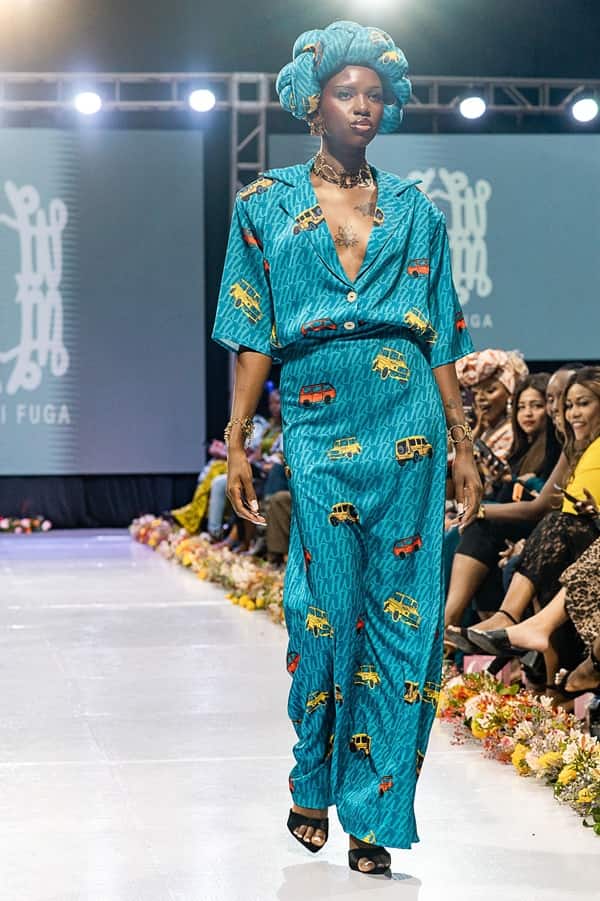
The most important gap in the 2026 runway and buyer record is not a gap between two sets of confirmed evidence. It is a gap between what the formal commercial record captures and what actually drives the African ceremonial dress economy.
The formal record captures: international runway events and their media coverage; market research on diaspora fashion search behaviour; GI registrations and their legal consequences; museum acquisition and exhibition records; and retail and wholesale purchase data from brands and platforms that generate formal documentation.
The formal record does not capture the volume and value of bespoke tailoring commissions for African ceremonial occasions in Lagos, Accra, Nairobi, London and New York; the economic activity of diaspora fashion networks that supply ceremonial dress through personal relationships rather than retail channels; the cultural authority of makers and wearers whose names are not in any commercial record but whose practice sustains the traditions the runway references; and the creative and commercial decisions of the artisan producers whose work generates the ceremonial vocabulary that designers draw on without always crediting.
These gaps are not specific to African fashion. The informal, the personal and the community-held are structurally invisible to any formal commercial record. In African fashion’s specific case, what the formal record misses is particularly large, because the proportion of the economy that operates through personal, community, and informal channels is higher than in the industries whose commercial record systems were built to capture.
As Omiren Styles has documented throughout this trilogy, the grammar of African ceremonial dress is maintained by practitioners – wearers, makers, community elders – rather than by institutions, databases or formal records. The runway and the buyer record are the most visible layer of a much larger economy whose primary evidence is held by the people who practise it, not by systems designed to document commercial activity.
The Omiren Argument
The evidence for this is real, and the grammar is real. The runway record confirms that African ceremonial dress vocabulary is active, intentional and commercially visible in 2026. The buyer record confirms that demand for culturally specific and culturally authentic African fashion is growing, institutionally recognised and commercially significant. The gap between what the confirmed evidence shows and what the argument needs it to show is small and specific: the ceremonial vocabulary is on the runway, the demand is in the market, and the infrastructure that connects specific makers to specific buyers at the scale that would make the grammar commercially self-sustaining for the communities that hold it is the gap.
This is the most specific statement this series has been building toward. The argument is not that African fashion is undervalued or invisible. The runway record and the buyer record both confirm that African fashion is increasingly visible and commercially valued in 2026. The argument is that the visibility and the value are not yet flowing at an adequate scale to the specifiers, community cultural knowledge holders whose work generates both the visibility and the value. The infrastructure gap is not a recognition gap. It is a gap in the infrastructure that converts recognition into sustainable commerce for the right people.
As Omiren Styles has argued throughout this series, the Global South made fashion and never got credit. The 2026 runway and buyer record is the most specific available documentation that this argument is commercially current and urgent, not historically archival. The runway is running, and the demand is growing. The infrastructure that would make those three things commercially beneficial to the makers who built the grammar is what this series has been arguing for and what the record confirms is still being built.
ALSO READ
- The Agbada, Rebuilt: How Lagos Tailoring Reworks a Status Garment
- Can Heritage Textiles Scale Without Losing Their Meaning?
- How African Fashion Brands Can Expand Without Flattening Their Design Language
- The Global South Made Fashion. It Just Never Got Credit.
Frequently Asked Questions
What is the difference between the pre-event runway record and the post-event runway record?
A pre-event runway record is editorial analysis published before an event, based on advance information about participating designers, the event’s curatorial direction and the broader fashion landscape. It contains reliable structural information about what is planned but cannot describe what actually appeared on specific runways on specific days. A post-event runway record reports on what happened at the event, based on confirmed observations of AFWL 2026, which ran August 17 to 23. Articles published before August 17 are pre-event analysis; articles published after August 23 are post-event reporting. Omiren Styles’ own analysis of AFWL 2026 runway trends was published July 28, 2026, before the event, and is editorial analysis rather than confirmed runway reporting. The Fashion Police Nigeria article published August 24, 2026, is the confirmed post-event source used in this series.
What does the buyer record confirm about African ceremonial dress in 2026?
The buyer record confirms several specific things: the African diaspora fashion market is estimated at £4.2 billion in the UK and the United States combined (African Heritage Fashion Report 2026); kente cloth, Adinkra symbols and Maasai patterns are the three most searched African heritage fashion terms in the UK and the United States, with combined monthly searches exceeding 50,000; museum gift shops have become the fastest-growing channel for African heritage fashion, with the V&A, Tate Modern and the Smithsonian all reporting increased demand; and authenticated kente commands between $300 and $2,000 or more per outfit, with the Ghana apparel market projected to grow at 7.5% CAGR through 2032. These figures confirm that demand for culturally specific African fashion is real, growing, and driven largely by diaspora communities with specific cultural investment rather than trend cycles.
What gap does the 2026 runway and buyer record leave unresolved?
The most significant unresolved gap is between the confirmed visibility and demand and the commercial infrastructure that would allow that visibility and demand to benefit the specific makers, communities and knowledge holders whose work generates both. The runway is confirming that African ceremonial dress vocabulary is active and intentional. The buyer record confirms that demand for culturally specific African clothing is growing. Still, neither record confirms that the economic benefit of this visibility and demand is flowing at an adequate scale to the artisan producers, traditional textile weavers, and cultural knowledge holders whose practice sustains the vocabulary the runway references. This is the infrastructure gap that the series has been building toward naming: not a gap in recognition, but a gap in the systems that convert recognition into sustainable commerce for the right people.
What does the kente GI mean for buyers in 2026?
As Omiren Styles has established, in its analysis of whether heritage textiles can scale without losing their meaning, the kente GI, registered in August 2025 as Ghana’s first Geographical Indication, creates a legal architecture that allows buyers who stock authenticated kente to make a verifiable claim whose value buyers who stock kente-inspired alternatives cannot match. The GI requires that products bearing the name originate from designated Ghanaian production regions and meet specified technique criteria. For buyers, this means authenticated kente is a verifiable product rather than a category claim, and the premium it commands in the market is defensible because the authentication mechanism exists.
Why does the formal commercial record miss so much of the African ceremonial dress economy?
The formal commercial record captures what passes through formal commercial systems: international runway events and their coverage, retail and wholesale purchase data, GI registrations, museum acquisition records and market research on formal search behaviour. It does not capture the volume and value of bespoke tailoring commissions for African ceremonial occasions, the economic activity of diaspora fashion networks operating through personal relationships rather than retail channels, the creative and commercial decisions of artisan producers whose work does not generate formal documentation, or the cultural authority of makers and wearers whose practice sustains the traditions the runway references. These gaps are structural rather than incidental: the proportion of the African ceremonial dress economy that operates through informal, personal and community channels is large, and the commercial record systems that exist were not built to capture it.
EXPLORE MORE
Read the full Culture and African Fashion and Cultural Memory sections at Omiren Styles for ongoing documentation of African ceremonial dress, its runway presence, its buyer record and the infrastructure gap between confirmed visibility and sustainable commerce for African makers and communities. Discover travel and cultural heritage intelligence across Africa, the Caribbean and Latin America at Rex Clarke Adventures.