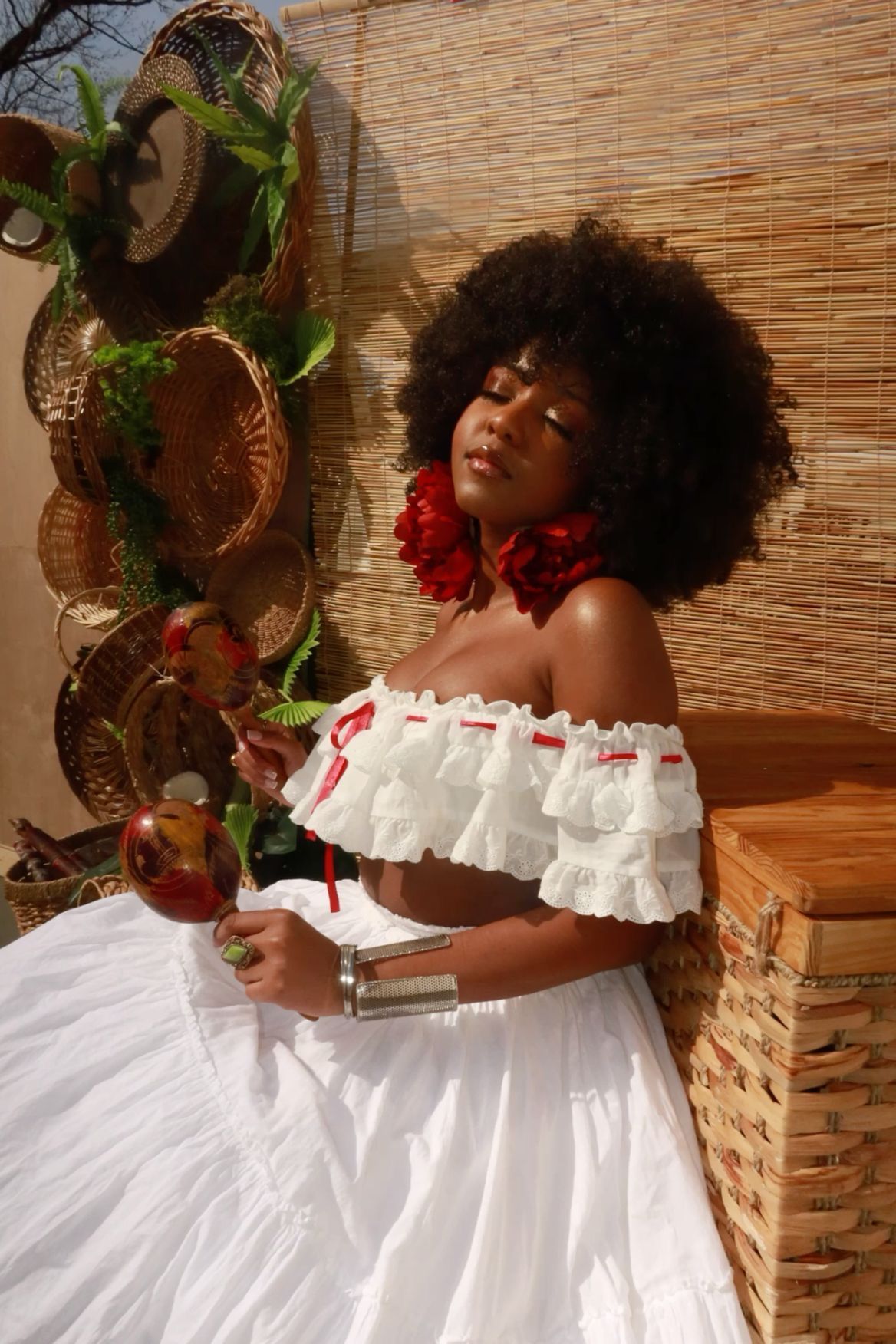
In global conversations about spirituality and fashion, few traditions have been as misunderstood as Haitian Vodou. Often reduced to myth or misrepresented through sensational imagery, Vodou has rarely been given the depth it deserves. Yet within its practice exists a highly structured visual language, one where dress is not aesthetic but spiritual.
In Haitian Vodou, what is worn is not chosen for style. It is chosen for meaning. Colours, fabrics, and forms are aligned with a cosmology that connects the physical and the unseen. To view Vodou dress as decorative is to misunderstand it entirely. It is, in essence, a system of communication between worlds.
Explore Haitian Vodou dress, the meaning of ceremonial colours, and how fashion in Vodou reflects spirituality, identity, and cultural cosmology.
Understanding Haitian Vodou Beyond Misconception
Haitian Vodou is a spiritual tradition rooted in West and Central African belief systems, shaped further in Haiti through history, resistance, and cultural continuity. It is not a monolith, but a complex practice involving rituals, community, and connection to ancestral and spiritual forces.
Despite this, Vodou has often been portrayed inaccurately, particularly in Western media. These portrayals tend to strip it of its structure and reduce it to spectacle.
Dress, however, offers a clearer insight into its true nature. It reveals a system that is organised, intentional, and deeply symbolic.
Dress as Spiritual Language
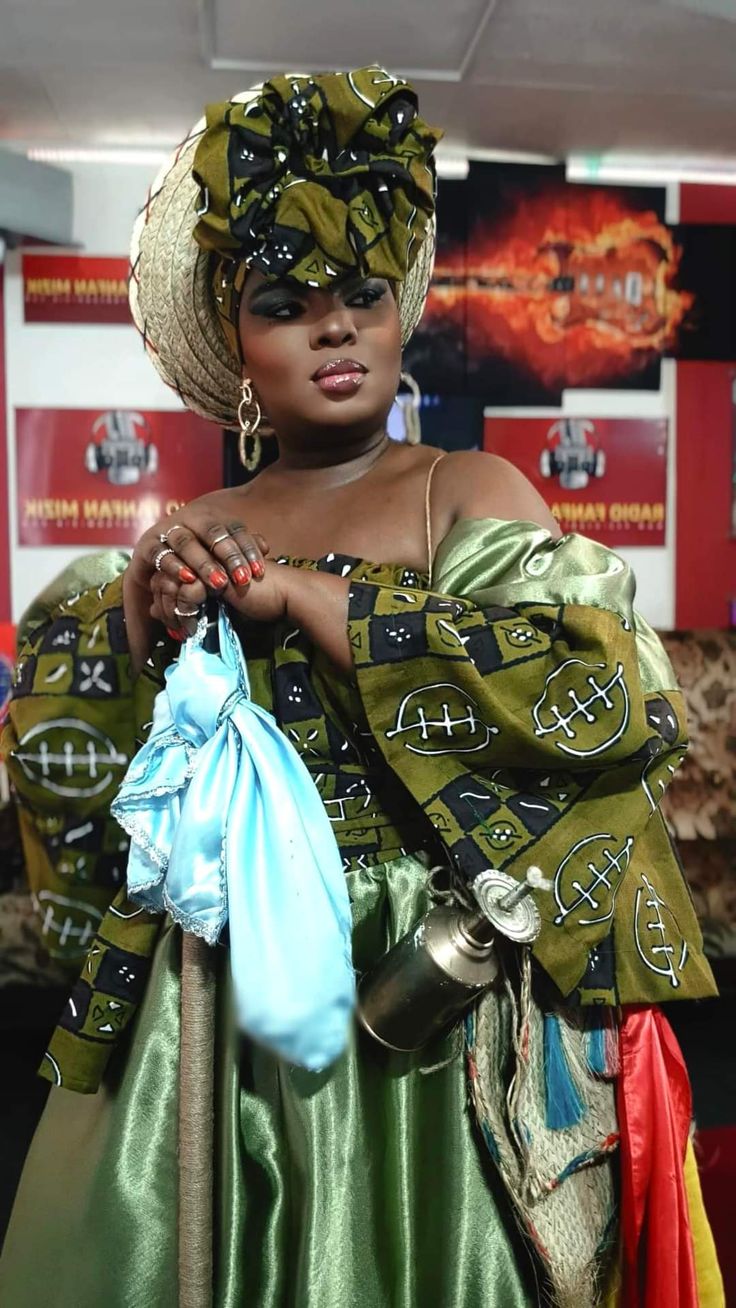
In Haitian Vodou, clothing functions as a form of alignment. What is worn during ceremonies is not based on personal preference but on spiritual significance.
Each element of dress corresponds to specific forces, spirits, and energies. This creates a visual system where meaning is embedded in appearance.
Unlike mainstream fashion, where clothing is often expressive of individuality, Vodou dress is relational. It connects the wearer to something beyond themselves.
The Meaning of Colour in Vodou Dress
Colour is one of the most important aspects of Vodou ceremonial attire. It is never random.
Different spirits, often referred to as lwa, are associated with specific colours. These colours are used to invoke, honor, and align with them.
For example, white is commonly associated with purity, clarity, and spiritual openness. It is often worn during ceremonies that emphasise peace and connection.
Other colours may represent strength, protection, or transformation. The exact meanings can vary depending on the context and the specific spiritual framework.
What remains constant is that colour is intentional. It carries meaning that goes beyond visual appeal.
White Garments and Spiritual Purity
White holds a particularly significant place in Haitian Vodou dress. It is often worn by practitioners during ceremonies, especially those involving initiation or spiritual cleansing.
The use of white reflects a state of readiness. It symbolises openness to spiritual presence and a connection to higher energies.
In this context, white is not minimal. It is powerful. It represents a form of clarity that allows for deeper engagement with the spiritual world.
Fabric, Form, and Movement
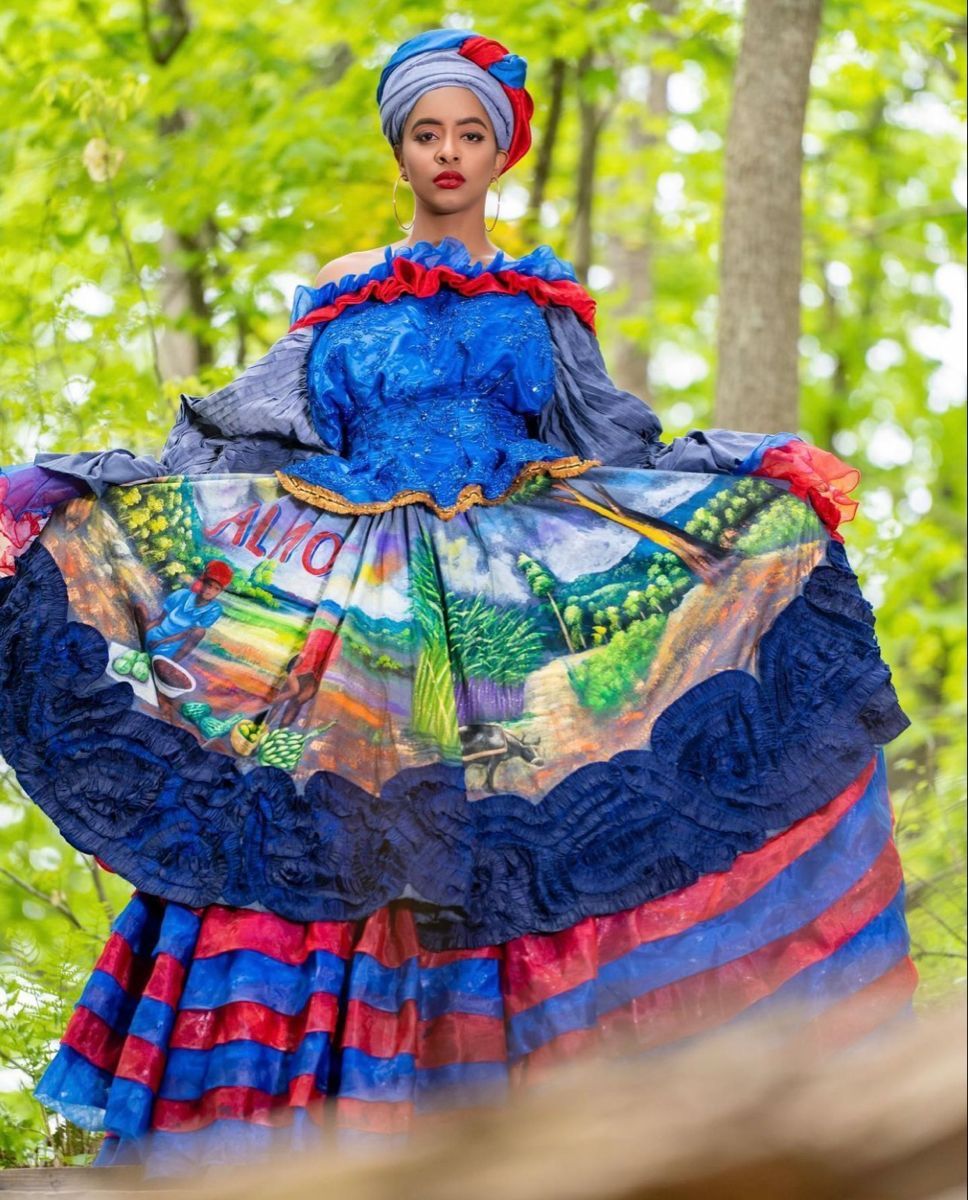
Beyond colour, the choice of fabric and the structure of garments also carry meaning.
Flowing fabrics are often used to allow for movement, particularly during ceremonies that involve dance and rhythm. This movement is not incidental. It is part of the spiritual process.
Garments are designed to facilitate connection, not restrict it. They create space for expression that aligns with ritual practices.
This approach challenges conventional ideas of fashion as static. In Vodou, dress is dynamic. It moves with the body and the spirit.
Adornment and Symbolic Detail
Accessories and adornments are also integral to Vodou dress. Beads, scarves, and other elements may be used to reinforce spiritual alignment.
Like colour, these details are not chosen arbitrarily. They are selected based on their meaning and their relationship to specific spiritual forces.
This layered approach creates a complete visual system. Every element contributes to the overall message being communicated.
Colonial Erasure and Misinterpretation
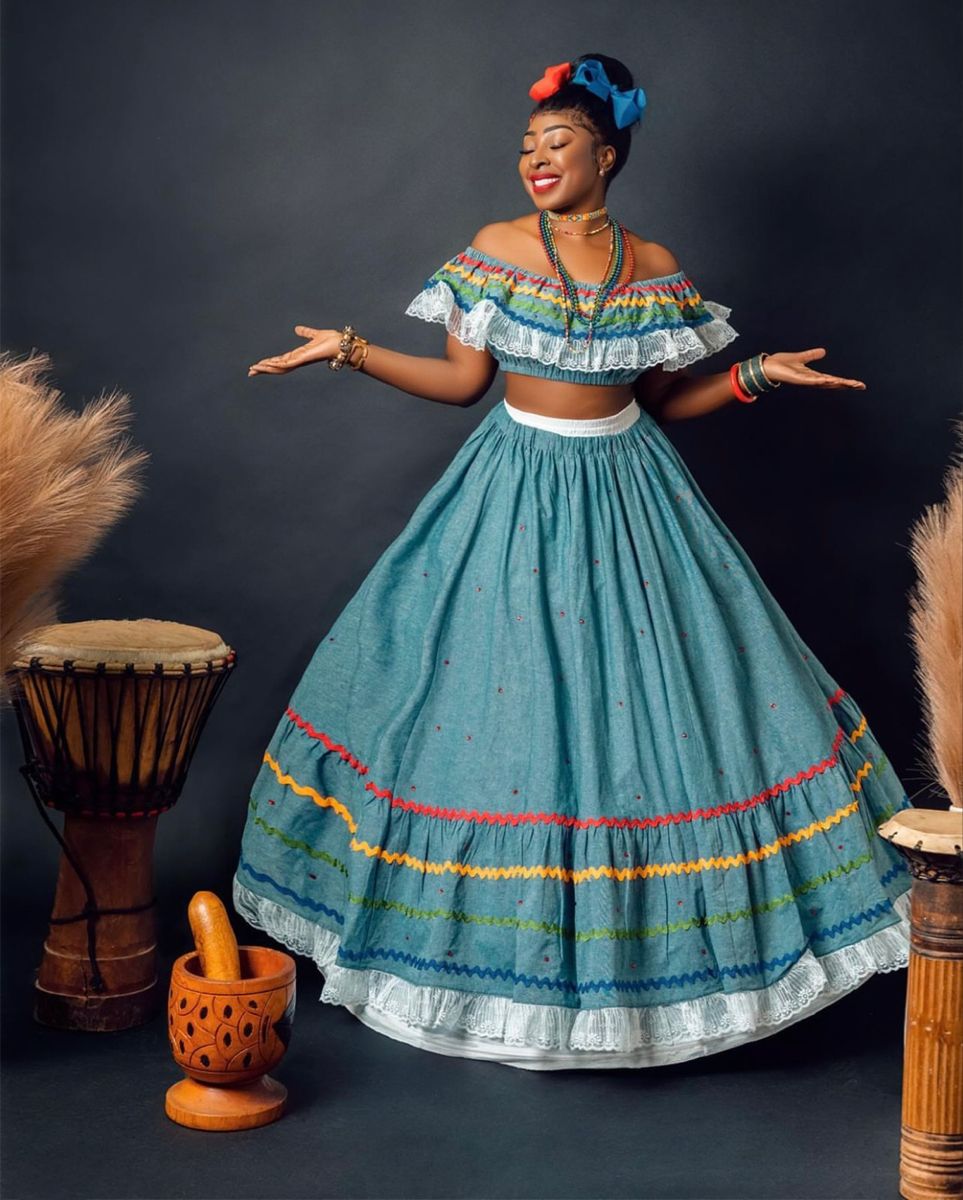
The misunderstanding of Haitian Vodou dress is closely tied to broader histories of colonialism and cultural suppression.
African-derived spiritual practices were often labelled as primitive or dangerous. This framing extended to their visual expressions, including dress.
As a result, the meaning behind Vodou attire was obscured. What was once a structured system of symbolism became misrepresented as costume or spectacle.
Revisiting these traditions with accuracy is part of a larger effort to correct these narratives.
READ ALSO:
- Where Culture Becomes Couture: African Fashion, Heritage, and Modern Luxury
- The Caribbean–African Fashion Corridor: How Lagos, Trinidad, and Jamaica Built A Shared Visual Culture
Vodou Dress in Contemporary Context
Today, Haitian Vodou dress continues to exist within both traditional and modern contexts.
Practitioners maintain ceremonial practices, preserving the meanings associated with dress. At the same time, elements of Vodou aesthetics are occasionally referenced in art and fashion.
This visibility, however, requires careful handling. Without context, there is a risk of repeating past misinterpretations.
Understanding the spiritual significance of Vodou dress ensures that it is engaged with respectfully.
A System of Cosmology
To fully understand Haitian Vodou dress, it must be seen within its broader cosmological framework.
It is not separate from belief. It is part of it.
Clothing becomes a medium through which relationships between the physical and spiritual worlds are expressed. It reflects a worldview where appearance is connected to presence, and form is connected to meaning.
Reframing the Narrative
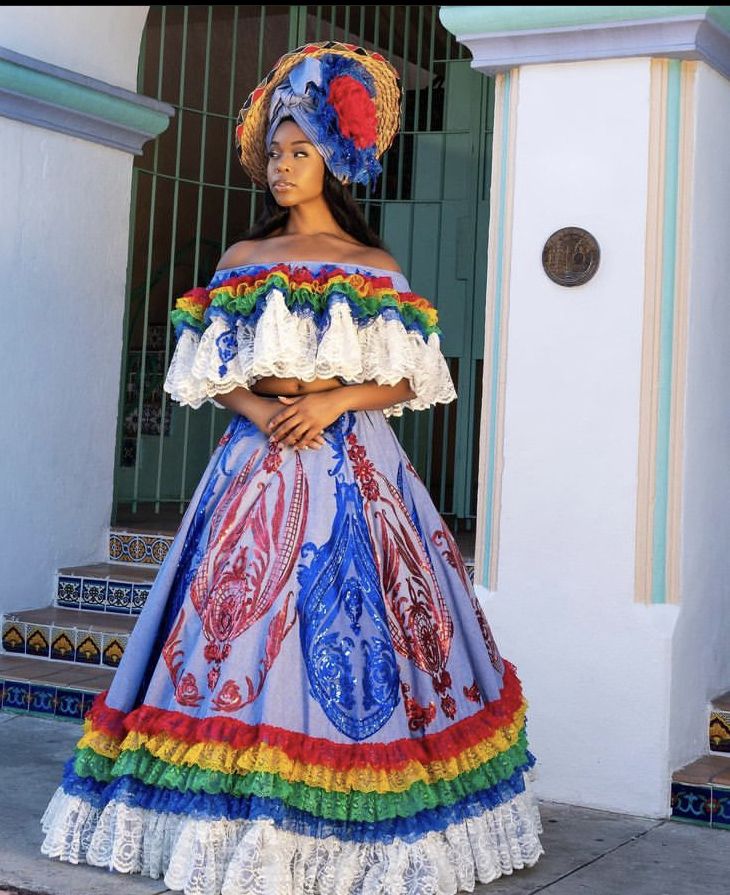
There is a growing need to shift how Haitian Vodou is represented, particularly in global fashion and media.
Moving away from sensationalism toward understanding allows for a more accurate and respectful engagement.
Dress plays a key role in this reframing. It offers a tangible way to see the structure and intention within Vodou practice.
Conclusion
Haitian Vodou dress is not decorative. It is deliberate.
Through colour, fabric, and form, it communicates a system of belief that is both complex and deeply rooted in history. It reflects a connection to ancestry, spirituality, and cultural continuity.
To view it through a purely aesthetic lens is to miss its significance. To understand it is to recognise that fashion, in this context, is not about style. It is about meaning.
Frequently Asked Questions (FAQs)
- What is Haitian Vodou dress?
Haitian Vodou dress refers to ceremonial clothing worn during spiritual practices, designed to align with specific beliefs and energies.
- Why are colours important in Vodou?
Colours are used to represent and connect with different spiritual forces, making them a key part of ceremonial attire.
- Is Vodou dress everyday clothing?
No, it is typically worn during ceremonies and rituals, not as everyday fashion.
- Why is Haitian Vodou often misunderstood?
Historical misrepresentation and colonial narratives have contributed to widespread misconceptions.
- Can Vodou dress be used in fashion?
It can inspire fashion, but it should be approached with understanding and respect for its cultural and spiritual significance.