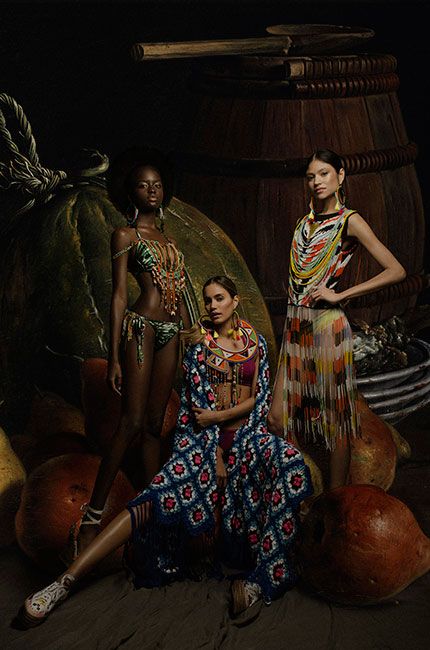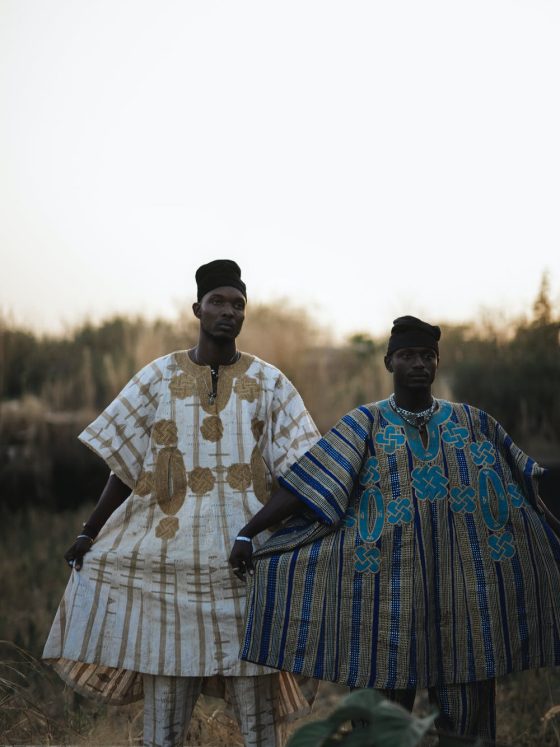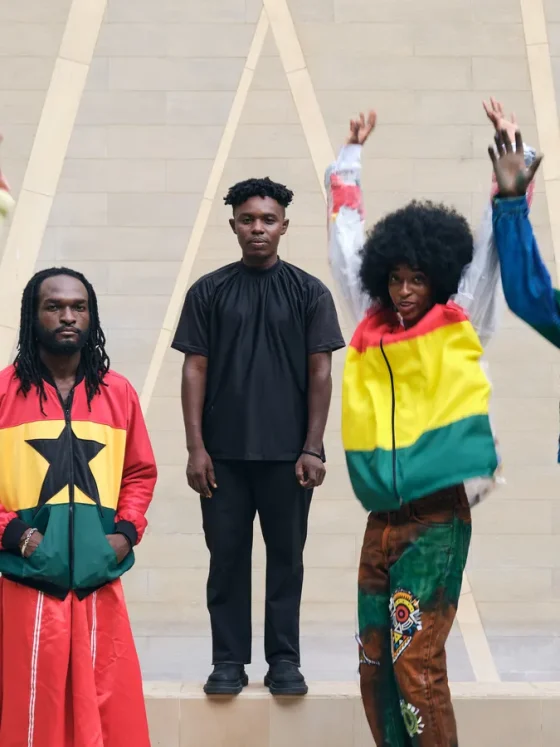
Fashion is built on influence. Ideas move across borders, cultures, and communities, shaping how people dress and how designers create.
However, while influence travels freely, recognition does not.
Certain designers, regions, and institutions are consistently credited as innovators, while others remain unnamed, even when their ideas are clearly present. This creates a gap between where something comes from and who is acknowledged for it.
This gap is not accidental. It reflects how the fashion system assigns value.
Who gets credit in fashion? This article examines influence and visibility, and why recognition often goes to those with power rather than origin.
The Distance Between Origin and Visibility
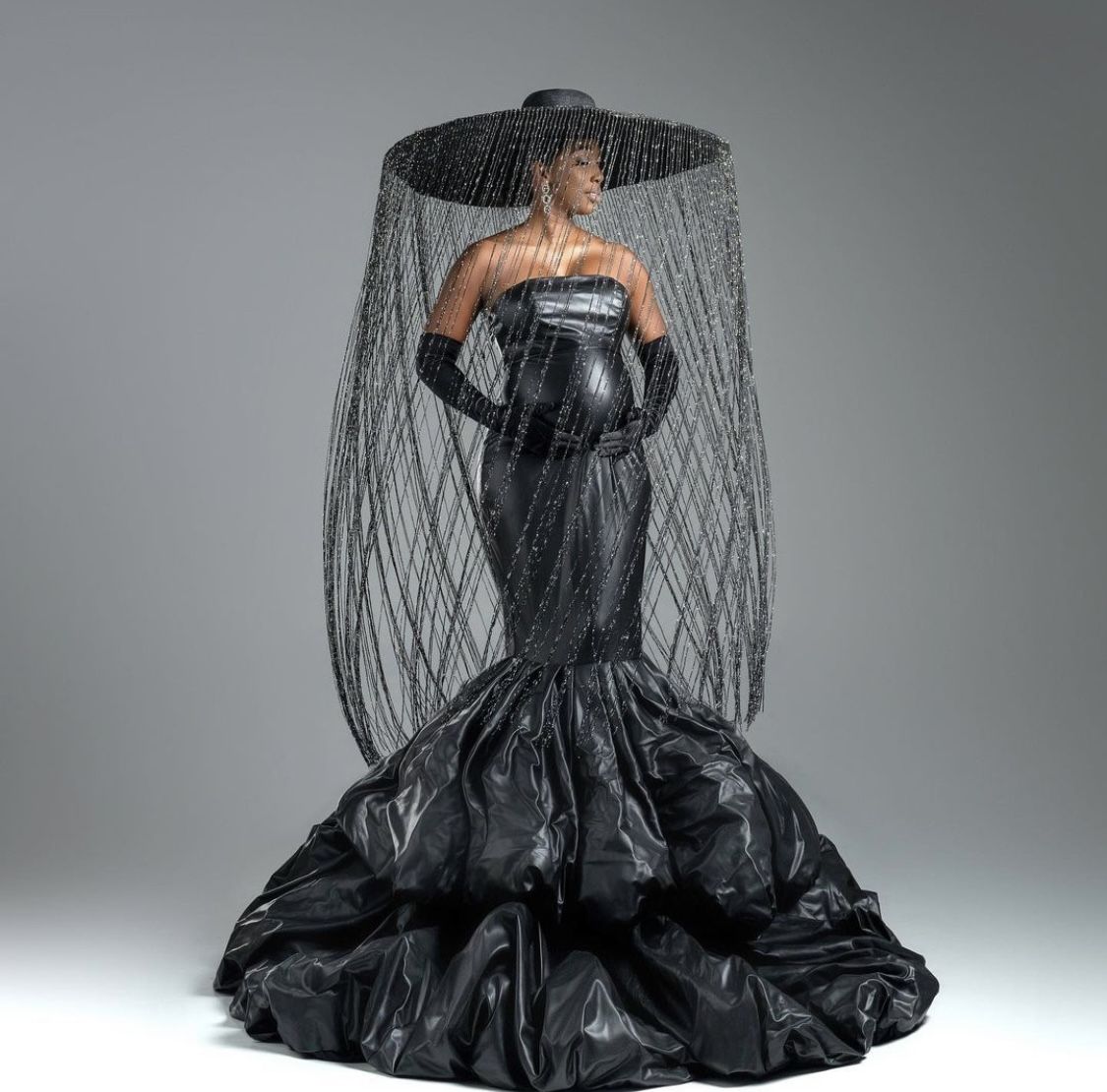
An idea can exist clearly within one cultural context and remain invisible in another.
Within African, Caribbean, and Black diasporic communities, many forms of styling, construction, and expression have long histories. These ideas are understood locally. They are part of everyday visual language.
However, when these same ideas enter global fashion systems, they are often detached from their origins. They are presented as fresh, innovative, or unexpected, without full acknowledgement of their origins.
This does not mean the idea has changed. It means the audience has changed.
And with that shift, so does attribution.
Visibility Determines Ownership
In theory, credit should follow creation. In practice, it often follows visibility.
The designers and brands that have access to major platforms, runways, global media, and retail networks are more likely to be seen as originators. Their work reaches audiences that define what is considered important.
Designers like Virgil Abloh understood this dynamic clearly. His work often existed at the intersection of streetwear, art, and cultural reference, bringing ideas from Black and diasporic communities into global luxury spaces.
Similarly, Olivier Rousteing has used his position at a major fashion house to shape how cultural references are presented and received internationally.
Their visibility allowed certain ideas to be amplified. However, amplification does not always equal origin.
Omiren Argument
Fashion has a credit problem, and it is not a matter of oversight. Credit in the industry follows the same channels as money, media, and institutional power, which means it flows toward the people who already hold those things and away from the communities that originate the ideas those people are paid to amplify. When a Black diasporic aesthetic moves from a street corner in Lagos or a dancehall in Kingston into a Parisian atelier, the journey is described as inspiration. When a West African textile tradition appears in a resort collection without attribution, it is described as a global influence. These are polite words for a precise mechanism: the systematic detachment of ideas from their origins at the moment those ideas become commercially valuable. It is not accidental. It is how the fashion system protects the investment of those already inside it.
Virgil Abloh understood the dynamic and said so publicly. Olivier Rousteing has navigated it from within one of the world’s most powerful fashion houses. But individual navigation of a broken system is not the same as the system being fixed. The designers who do not have a seat at a major house, who are working from Accra, Nairobi, or Port of Spain without access to global retail networks or international press, are still producing ideas that will appear, uncredited, in collections two or three seasons later. The gap between influence and recognition is not closing because the industry has not been forced to close it. Documentation is the force. Naming origins, tracing influence, and insisting on accuracy in the record are not cultural gestures. It is the only mechanism that makes erasure harder to complete. Omiren Styles exists to make it harder.
When Ideas Are Recognised Without Context
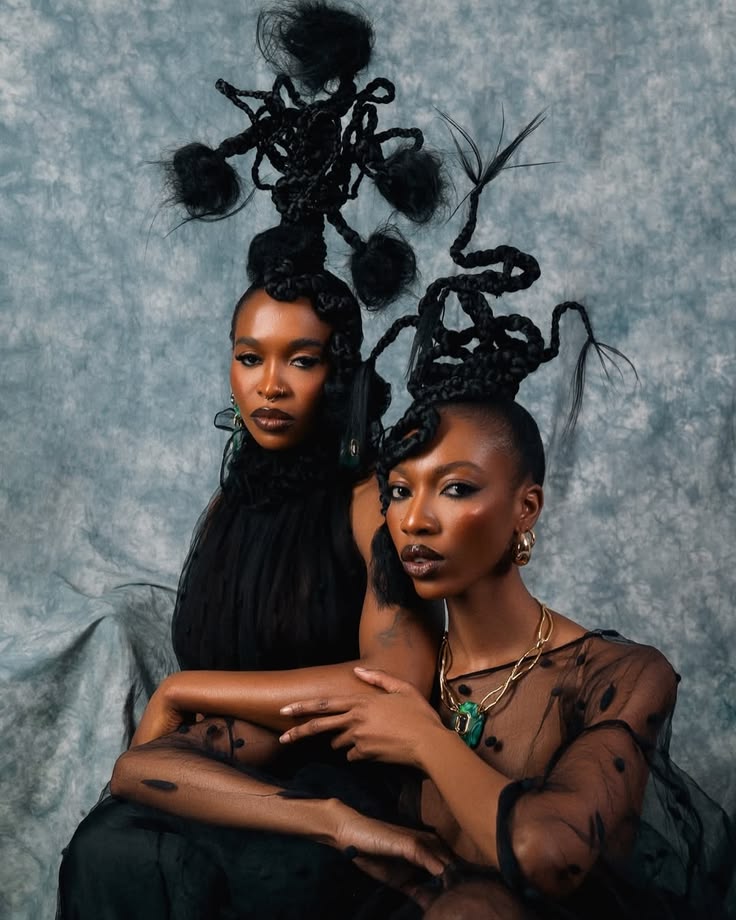
One of the most consistent patterns in fashion is the recognition of ideas without full context.
Elements that carry cultural meaning are often reduced to visual features. Their history, purpose, and significance are not always explained or acknowledged.
This creates a situation in which the aesthetic is visible, but the origin is not. The idea is present, but the narrative is incomplete.
Over time, this repetition leads to a form of cultural flattening. What was once specific becomes generalised. What had meaning became simply “style”.
The Role of Institutions in Assigning Credit
Fashion institutions play a central role in determining who is recognised.
Editors, buyers, curators, and award bodies all contribute to shaping the industry’s narrative. Their choices influence which designers are highlighted and which stories are told.
Because these institutions are often concentrated in specific regions, their perspective shapes global understanding. This can result in a narrow view of where innovation is believed to originate.
Designers working outside these networks may produce influential work without receiving equivalent recognition. Their ideas circulate, but their names do not.
READ ALSO:
- The Timing of Fashion: Why Some Ideas Are Only Accepted Later
- Why Fashion Brands Don’t Scale: Access Over Design
Credit and Power Are Closely Linked

The question of credit cannot be separated from the question of power.
Those with access to platforms, funding, and networks are better positioned to claim and maintain recognition. They can document their work, present it widely, and secure their place in the industry’s narrative.
Those without this access may still influence fashion, but their contributions are harder to trace and harder to protect.
This imbalance does not mean that influence is one-sided. It means that recognition is unevenly distributed.
Reclaiming Narrative From Within
In response to this gap, there has been a growing effort to document and assert fashion narratives from within African and diasporic contexts.
Writers, editors, and platforms are increasingly focused on naming origins, tracing influence, and providing context. This work is essential. Without it, ideas risk being separated from the cultures that produced them.
Reclaiming narrative is not about limiting influence. Fashion will always be shaped by exchange. It is about ensuring that the exchange does not erase the origin.
Recognition Should Not Be an Afterthought
The gap between influence and recognition reveals a fundamental imbalance within fashion. Ideas move freely, but credit does not always follow.
Understanding this gap makes it possible to engage with fashion more critically. It encourages a closer look at where ideas come from, how they are presented, and who is acknowledged.
Fashion is not only about what is seen. It is also about what is remembered and who is named.
Closing the gap between influence and recognition is not just about fairness. It is about accuracy.
FAQs
- Why do some designers not get credit for their ideas in fashion?
Recognition often depends on visibility, access to platforms, and media coverage rather than on origin alone.
- How does cultural influence work in fashion?
Cultural influence involves ideas moving across communities, but credit is not always given to the source.
- What is the difference between influence and recognition in fashion?
Influence refers to the source of ideas, while recognition refers to who is publicly credited for them.
- How do fashion institutions affect who gets credit?
They shape narratives through media, awards, and retail decisions, influencing who is seen as important.
- Can fashion give proper credit to original creators?
Yes, through accurate storytelling, documentation, and intentional acknowledgement of origins.