Fashion often presents itself as forward-thinking, constantly searching for what is new. However, a closer look reveals a different pattern. Many ideas that are celebrated today were not accepted when they first appeared.
They were seen as excessive, unfamiliar, or out of place. Over time, those same ideas return, slightly reframed, and are then described as innovative.
This pattern suggests that fashion does not always reject ideas because they lack value. It delays them because the conditions for their acceptance are not yet in place.
Why are some fashion ideas ignored, then celebrated later? This article explores timing, power, and delayed recognition in global fashion.
Recognition Is Tied to Readiness, Not Just Creativity
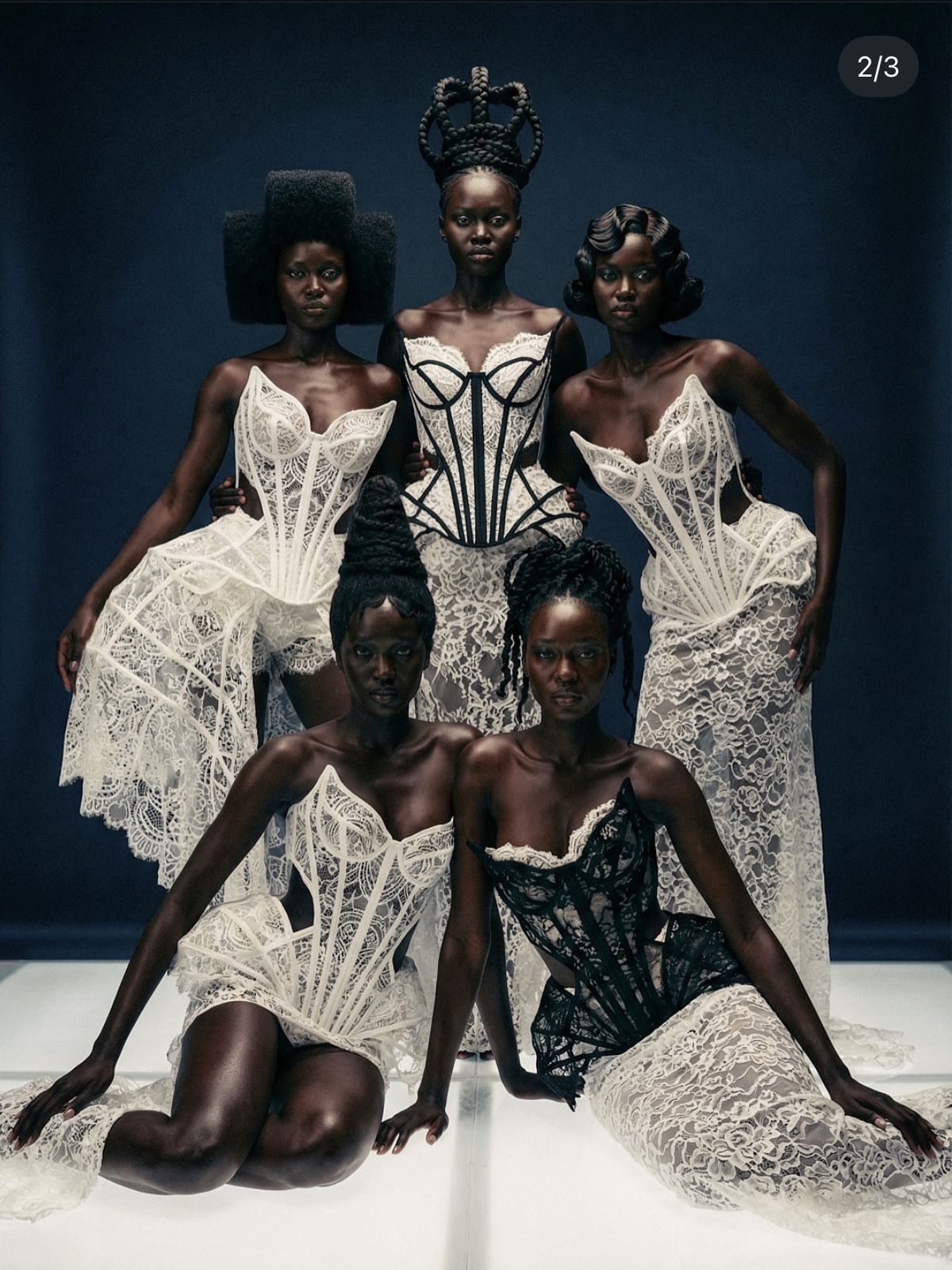
For an idea to be accepted in fashion, it must align with what the industry is prepared to recognise. Media narratives, market demand, and cultural exposure shape this readiness.
When a concept emerges from a context that is not widely understood or prioritised, it is often overlooked. It does not disappear. It continues to exist within its original environment, developing without external validation.
Later, when the industry becomes more receptive, the same idea can be reintroduced and celebrated. At that point, it is no longer seen as unfamiliar. It is seen as timely.
This shift is not always about a change in the idea itself. It is about a change in perception.
Cultural Distance Creates Delay
One of the main reasons ideas are accepted later is cultural distance.
When fashion draws from African, Caribbean, or Black diasporic contexts, the initial response is often hesitation. These references may not align with dominant aesthetic frameworks, making them harder to interpret within existing systems.
As a result, they are either ignored or simplified. Over time, as exposure increases and cultural understanding expands, these same references become more accessible.
Designers such as Grace Wales Bonner have shown how cultural narratives can be introduced into global fashion in ways that eventually reshape how those references are understood. Similarly, Martine Rose has challenged conventional menswear codes, with ideas that gained broader recognition over time rather than immediately.
Their work reflects a broader reality: acceptance is often delayed until the audience learns how to read what is being presented.
The Omiren Argument
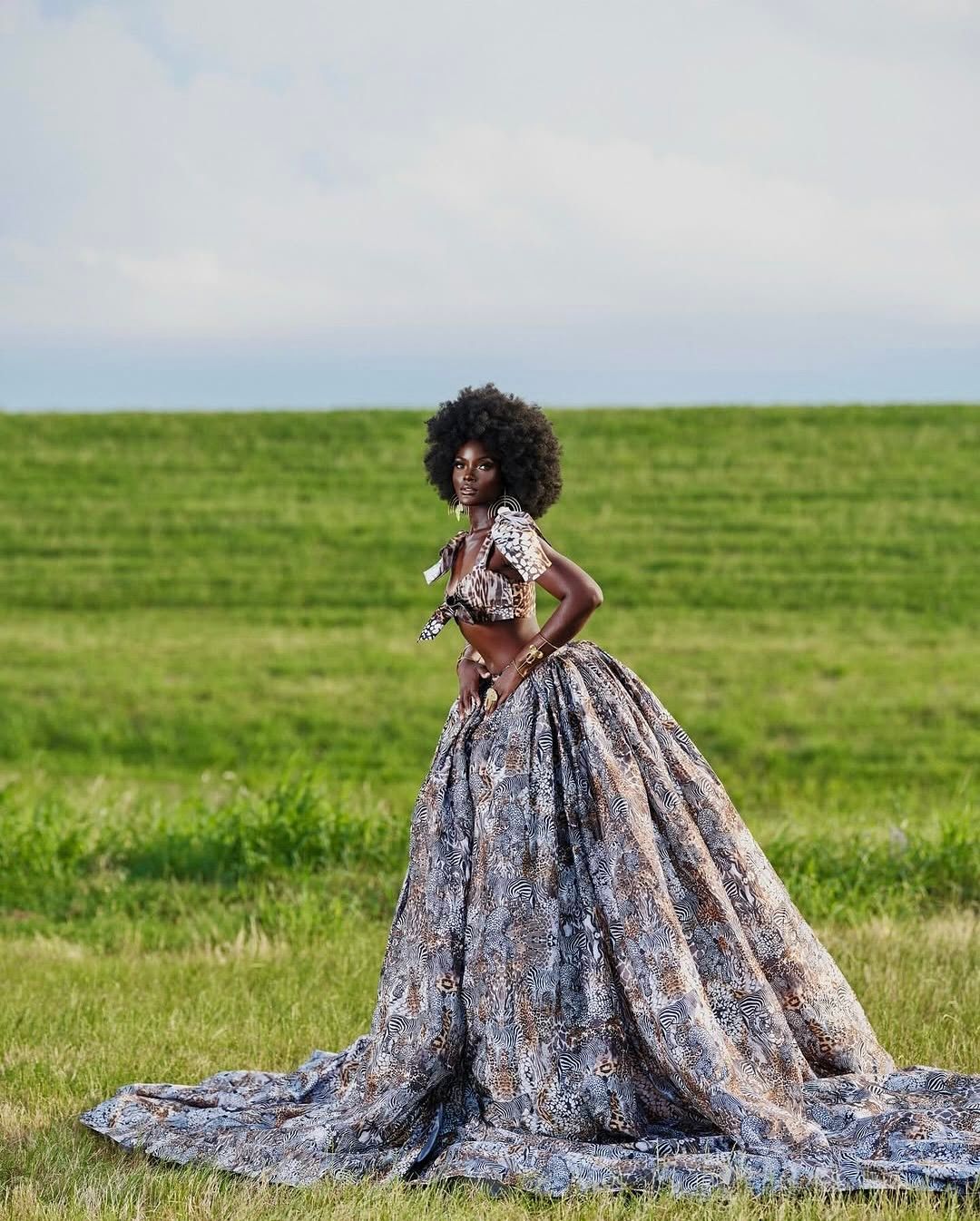
The fashion industry has a word for when it finally notices something it ignored for years. That word is “emerging”. It does not mean the thing is new. It means the industry has decided, on its own timeline and for its own reasons, that the moment of acknowledgement has arrived. African designers, African textile traditions, and African aesthetic systems have been “emerging” in global fashion media for three decades. The work was never absent. The conditions for its recognition were simply not in place, and those conditions are controlled by institutions that have historically had no structural reason to accelerate them. This is not a timing problem. It is a power problem dressed in the language of timing.
The consequence falls on the people who created the work. A Congolese designer who built a visual language in Kinshasa in 2005 does not benefit when a London label references that language in 2024 and is described as innovative. A Yoruba tailor whose embroidery techniques informed a Paris house’s resort collection does not receive the attribution that would allow his name to travel with the influence. The gap between creation and recognition is not neutral ground. It is where authorship disappears, where credit is quietly transferred, and where the industry resets the origin point of an idea to the moment it became visible to the people who control visibility. Omiren Styles documents what existed before that moment, because that is where the real story lives.
Reframing Changes Everything
An idea overlooked in one context can become influential when presented differently. This process of reframing plays a significant role in how fashion assigns value.
When cultural elements are introduced through platforms that already hold authority, they are often received with more openness. The framing shifts from unfamiliar to innovative.
This does not mean the idea has changed. It means the context of the presentation has changed.
This raises important questions about authorship and recognition. Who is credited when an idea becomes visible? And why is that visibility often delayed?
The Role of Power in Timing
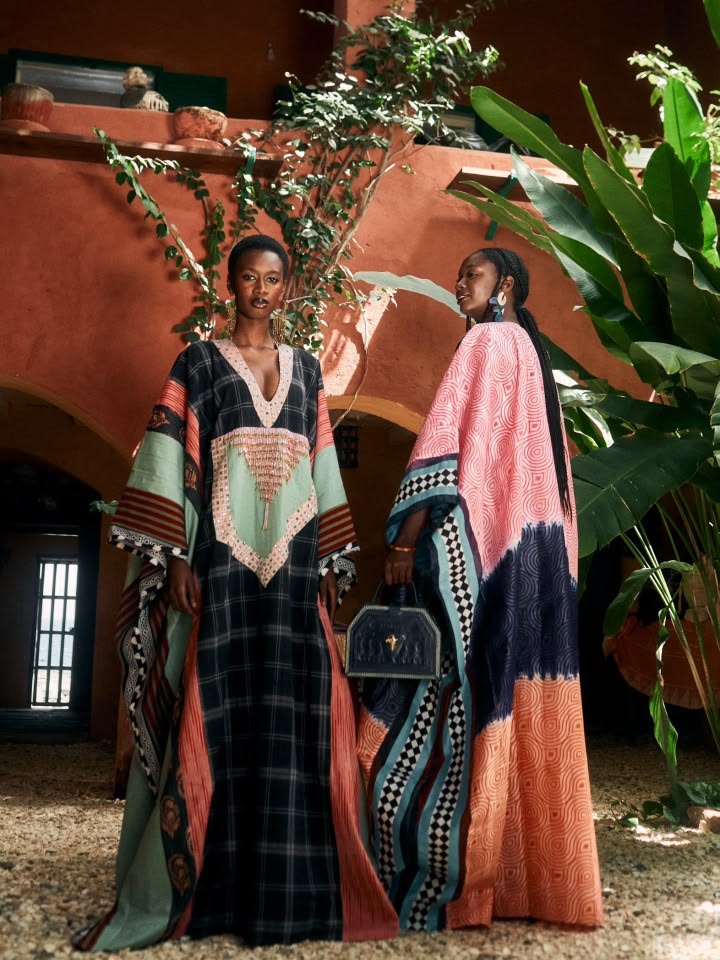
Timing in fashion is closely linked to power. Institutions, media platforms, and established brands can decide when something becomes visible.
These structures influence which ideas are amplified and which remain at the margins. They also shape the narrative around those ideas once they are introduced.
Because of this, some concepts remain unacknowledged until they pass through systems that validate them. By the time they are recognised, their origins may be less visible than their presentation.
This does not happen by accident. It reflects how authority operates within the industry.
Being Early Is Not Always an Advantage
In many industries, being early is seen as a strength. In fashion, it can have the opposite effect.
When an idea appears before the industry is ready, it may be ignored or misunderstood. The designer or community behind it does not always benefit from its later success.
This creates a gap between creation and recognition. Those who originate ideas are not always the ones who gain from them.
Understanding this changes how we interpret influence. It shows that visibility is not always aligned with origin.
READ ALSO:
- Dressing for Transition: How Style Evolves When Your Life Is Changing
- What the World Lost When Hand-Weaving Gave Way to Mass Production
What This Means for African and Diaspora Fashion
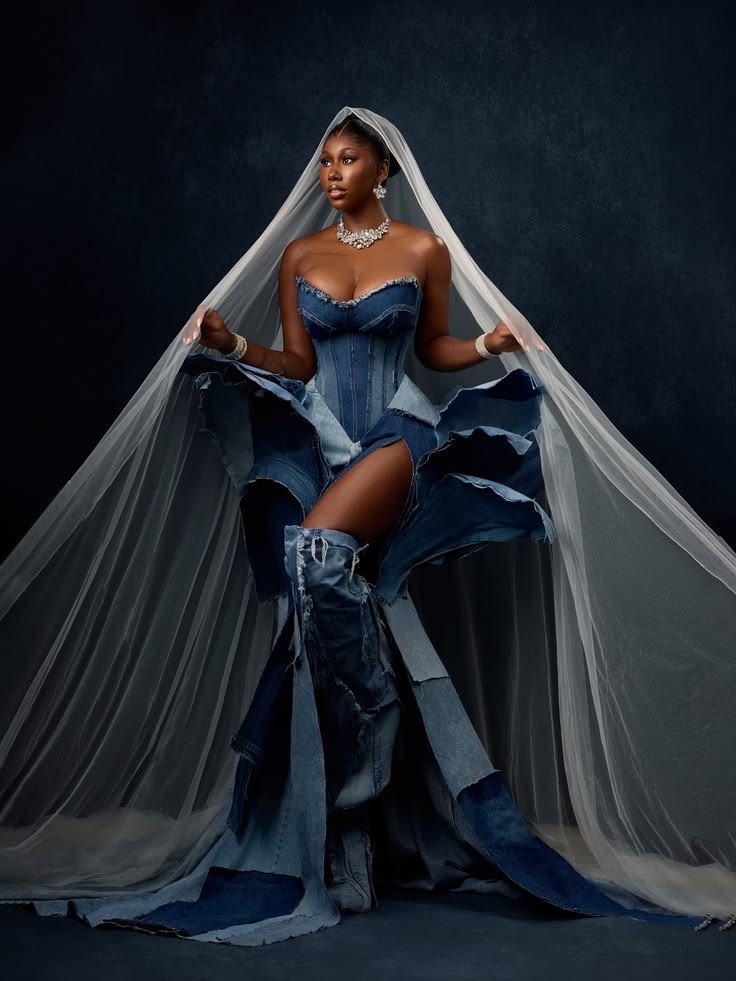
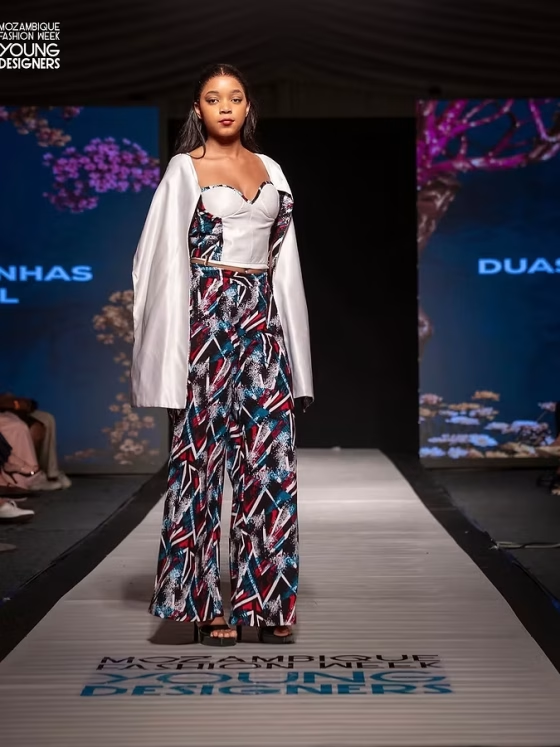
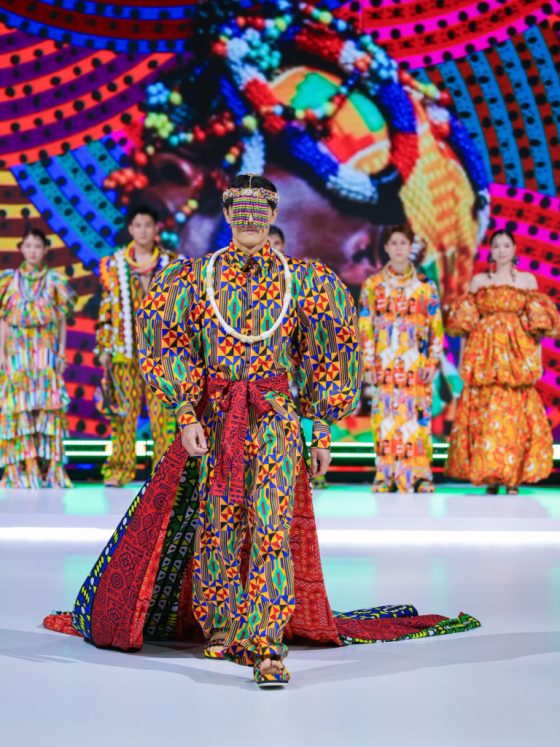
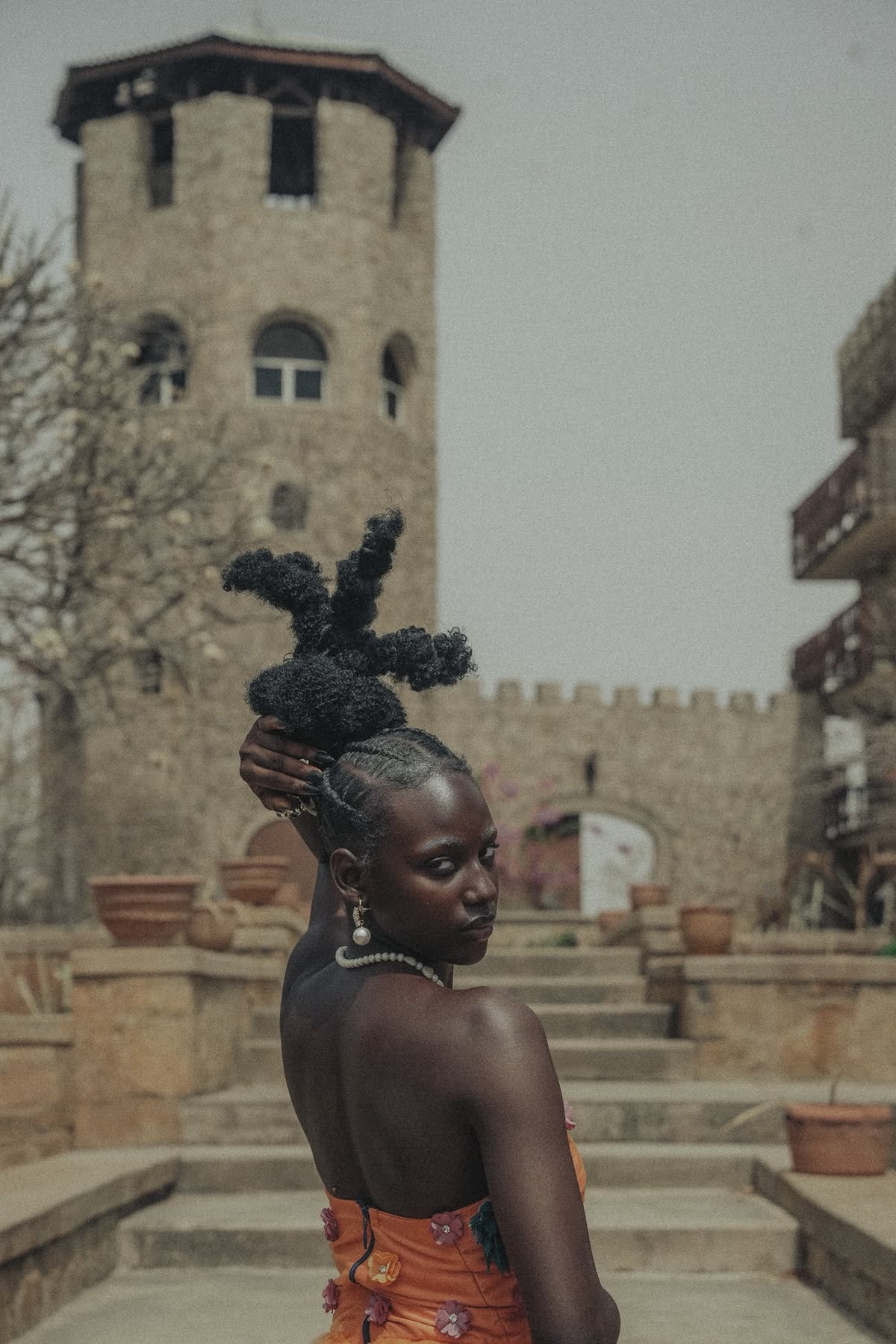
For African and diaspora designers, this pattern is particularly significant. Many concepts that are now gaining global attention have existed within these contexts for years.
What appears as discovery from a global perspective is often continuity from a local one. The work did not begin when it was noticed. It began long before that moment.
This highlights the importance of documenting, analysing, and asserting these narratives from within. Recognition should not depend solely on external validation.
Fashion Moves, But Not Always Forward
Fashion is often described as an industry that moves forward. In reality, it moves in cycles of delay, rediscovery, and reframing.
Ideas do not become valuable only when they are recognised. Their value exists from the moment they are created. What changes is the system’s ability to see them.
Understanding the timing of fashion reveals a deeper truth. Innovation is not always about what is new. It is often about what is finally being acknowledged.
FAQs
- Why are some fashion trends only recognised later?
Some ideas are ahead of their time and are only accepted when cultural, media, and market conditions become more receptive.
- How does timing affect fashion success?
Timing influences whether an idea is understood and accepted. Being early can sometimes lead to being overlooked.
- Why do African fashion ideas gain recognition later?
Cultural distance and limited global exposure often delay recognition, even when the ideas have long existed locally.
- What role does the media play in fashion timing?
Media shapes visibility and perception, influencing when and how ideas are accepted within the industry.
- Does fashion always create new ideas?
No. Many “new” ideas are reinterpretations of existing concepts, recognised at a different time.