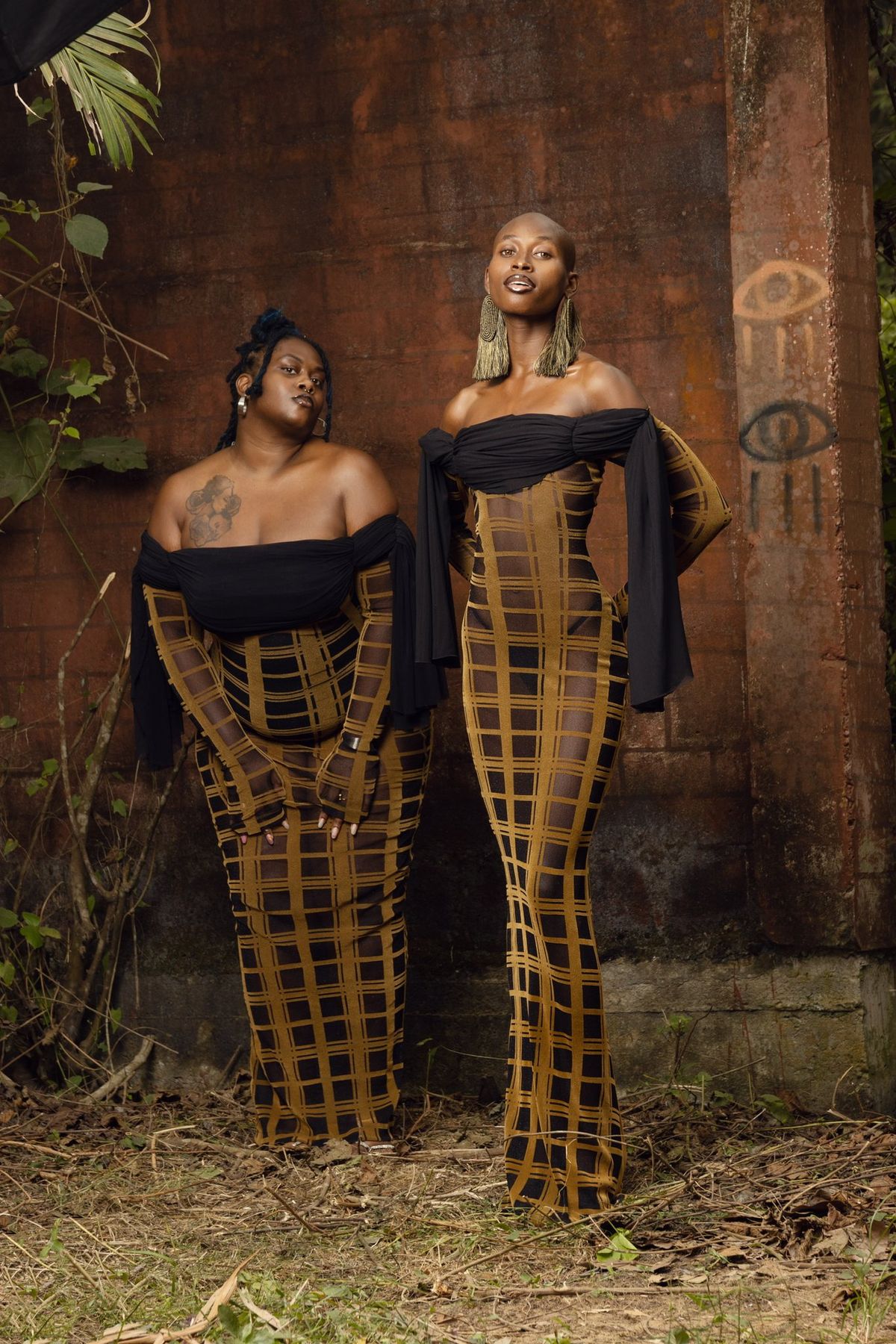
The phrase “too much” appears often in conversations about style, yet it is rarely questioned. It is used to describe outfits that feel overwhelming, excessive, or out of place. On the surface, it sounds like a simple matter of personal preference.
However, when certain styles, particularly those rooted in African and diaspora cultures, are consistently described this way, the phrase begins to carry a deeper meaning. It stops being about individual taste and starts reflecting how difference is perceived and judged.
What is often labelled as “too much” is not excess. It is an expression that has not been properly understood.
Why is cultural style often called “too much”? This article explores bias, perception, and how African and diaspora fashion is misread globally.
Expression Is Not Excess
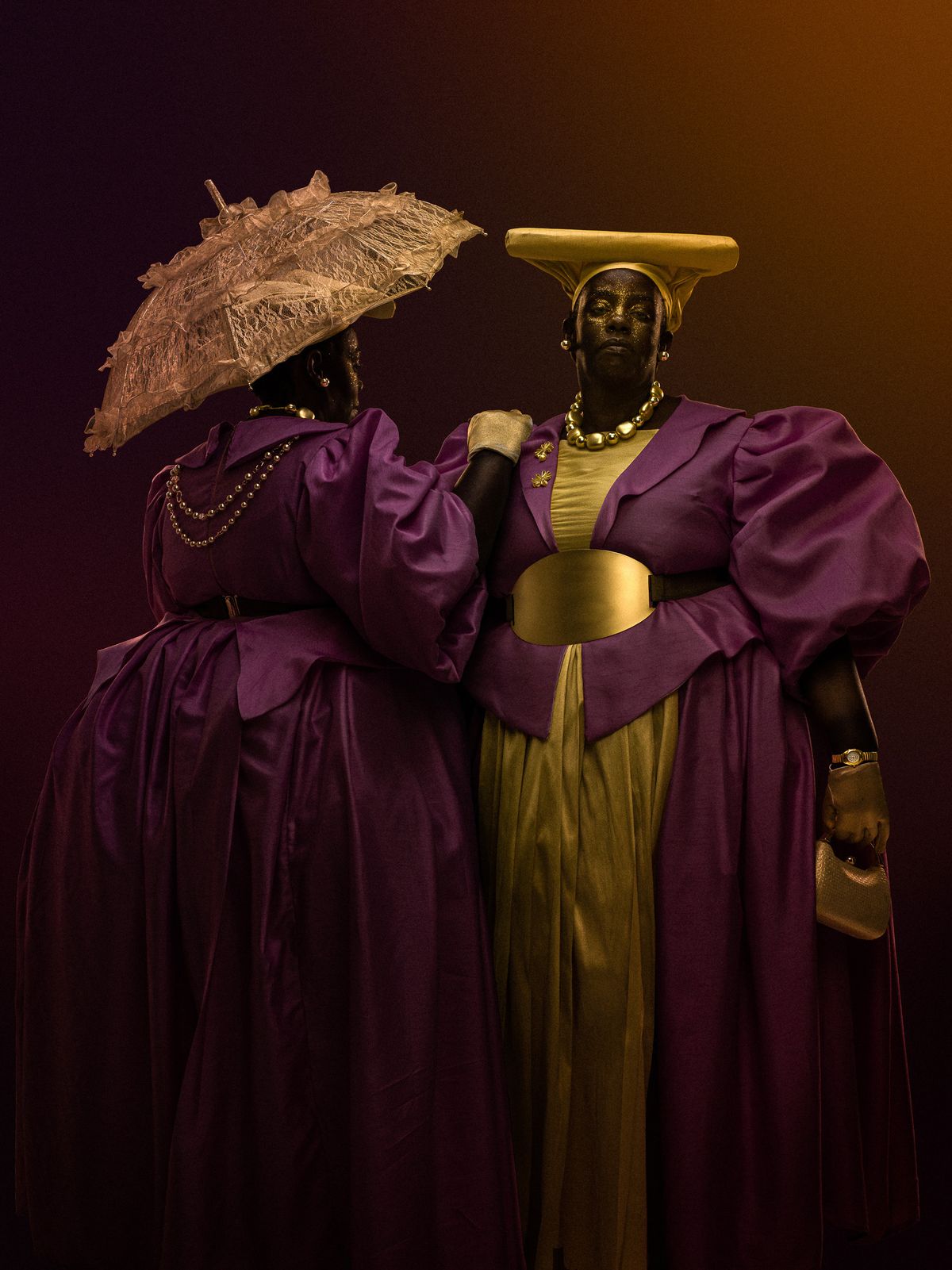
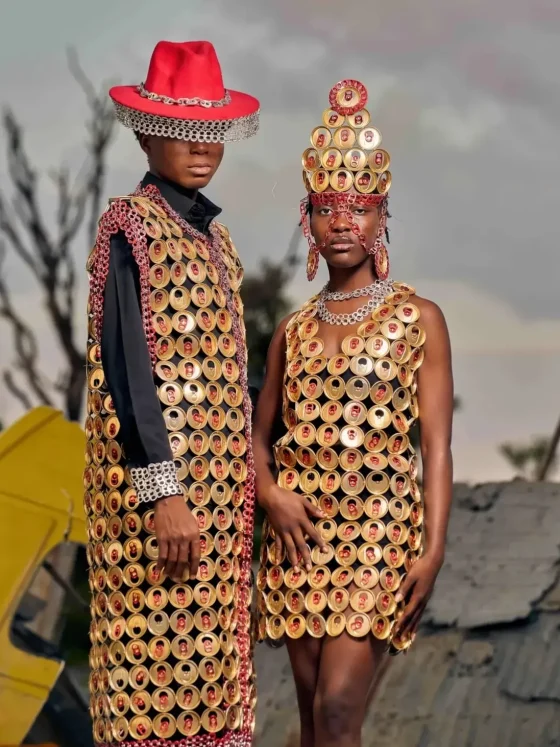
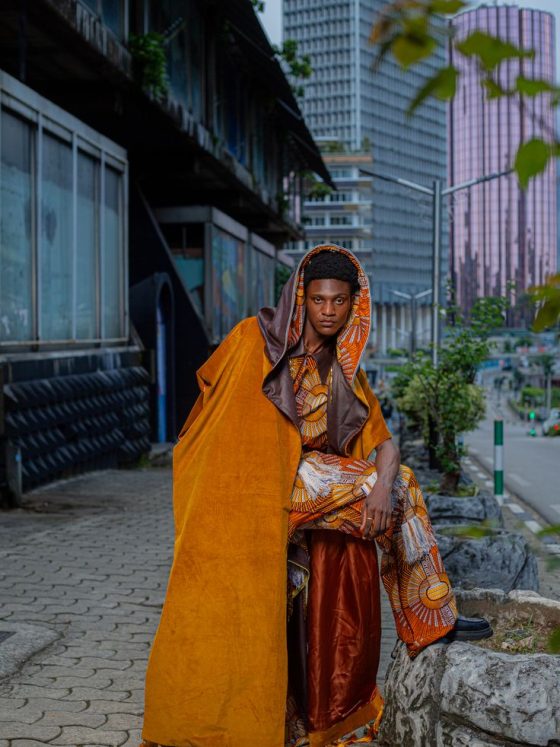
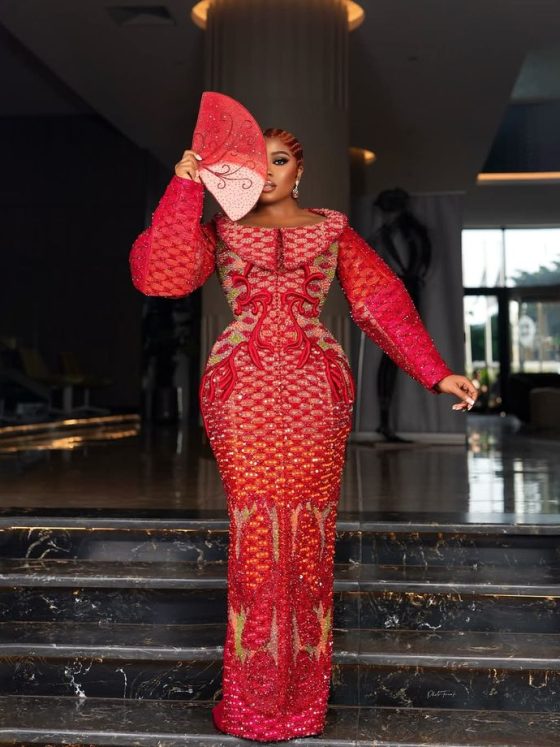
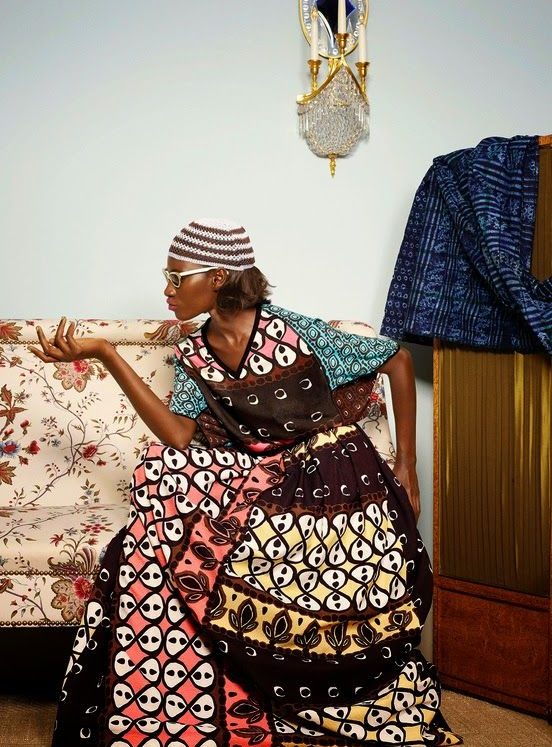
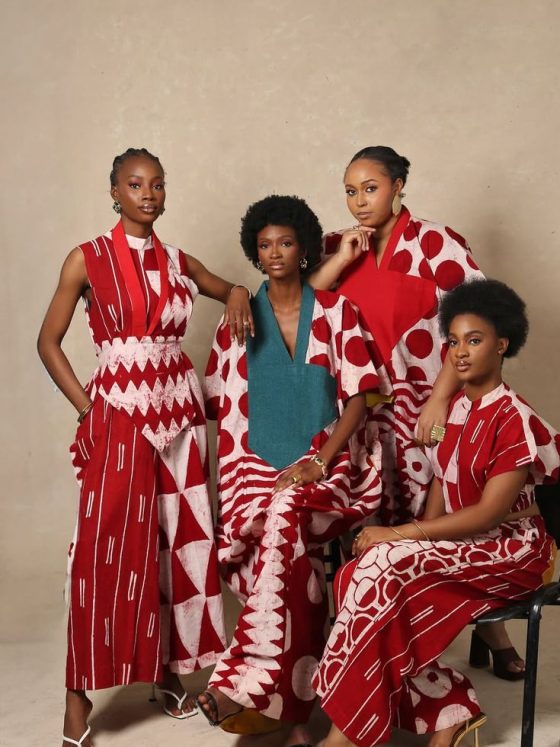
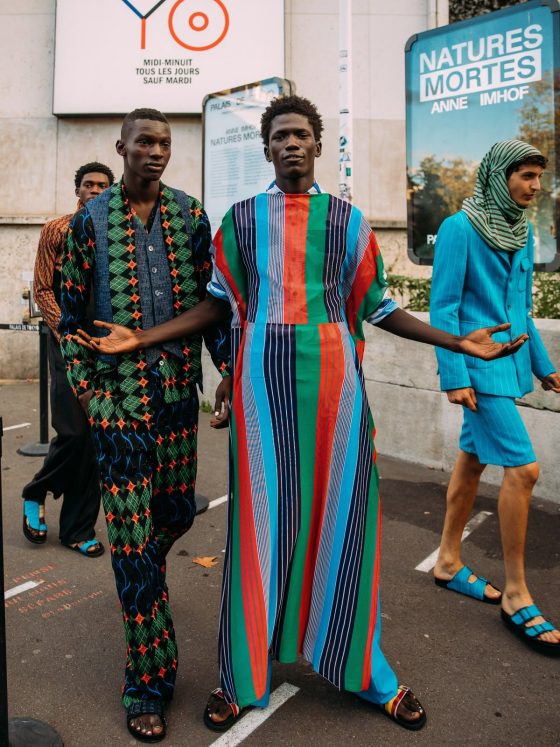
In many African cultural contexts, dressing is not guided by restraint. It is guided by presence, intention, and meaning. Colour is used with purpose, not hesitation. Embroidery, layering, and adornment are not decorative additions; they are part of a visual language that communicates identity, status, and occasion.
Because of this, what may appear overwhelming to an unfamiliar eye is often balanced within its own cultural logic. The proportions, combinations, and details are deliberate. They follow a system that may not be immediately visible to outsiders, but that does not make it excessive.
The issue, therefore, is not the clothing itself. It is the framework through which it is being interpreted.
A Standard That Positions Itself as Universal
Global fashion has long promoted a particular idea of refinement. Simplicity, muted tones, and controlled silhouettes are often treated as the foundation of good taste. These elements are presented not as one approach among many, but as the standard.
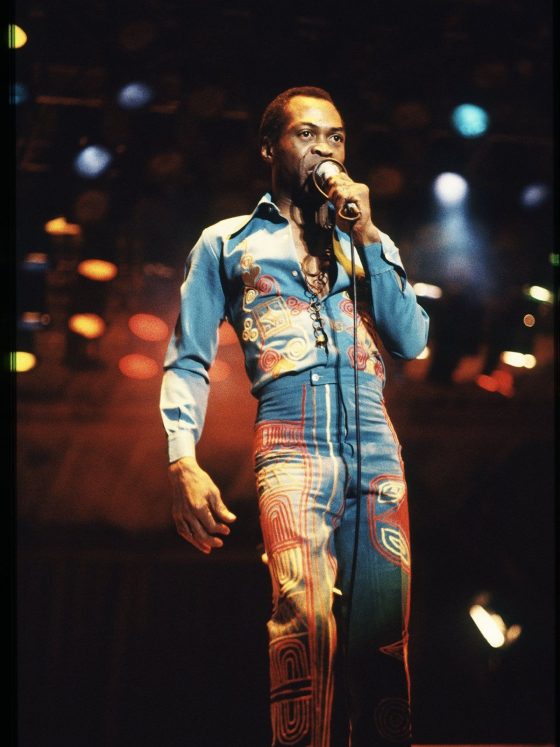
Yet this standard is rooted in a specific cultural history. It reflects values that prioritise subtlety and restraint. In contrast, many African, Caribbean, and Black Latin American traditions embrace visibility, richness, and layered expression as markers of elegance.
When one perspective dominates, other forms of expression are not seen on their own terms. Instead, they are measured against a standard that was never designed to include them. This is how cultural style becomes categorised as excessive rather than recognised as complete.
The Habit of Self-Editing
Because these standards are widely understood, many people learn to adjust their appearance depending on the environment they are entering. This adjustment is often subtle but intentional.
In professional or global spaces, there is sometimes an unspoken expectation to appear neutral. As a result, elements of cultural expression are reduced. Colours become softer, accessories are minimised, and silhouettes are simplified.
These changes are not always about comfort or preference. They are often about anticipating perception. People modify how they present themselves to avoid being misread or dismissed.
Over time, this creates a pattern where style is no longer purely expressive. It becomes strategic, shaped by the need to fit into existing expectations.
Visibility Without Context
In recent years, cultural fashion has gained more visibility on global platforms. However, visibility does not always lead to understanding.
Design elements that were once dismissed can become widely accepted when they are reframed for broader audiences. Designers like Mowalola present bold, unapologetic work that challenges conventional ideas of balance. Similarly, Duro Olowu has built a distinct aesthetic around vibrant prints and layered compositions, demonstrating that refinement need not be quiet.
Their work shows that perception can change when people are allowed to see differently. What was once described as overwhelming can become admired when it is properly framed and understood.
When Meaning Is Removed
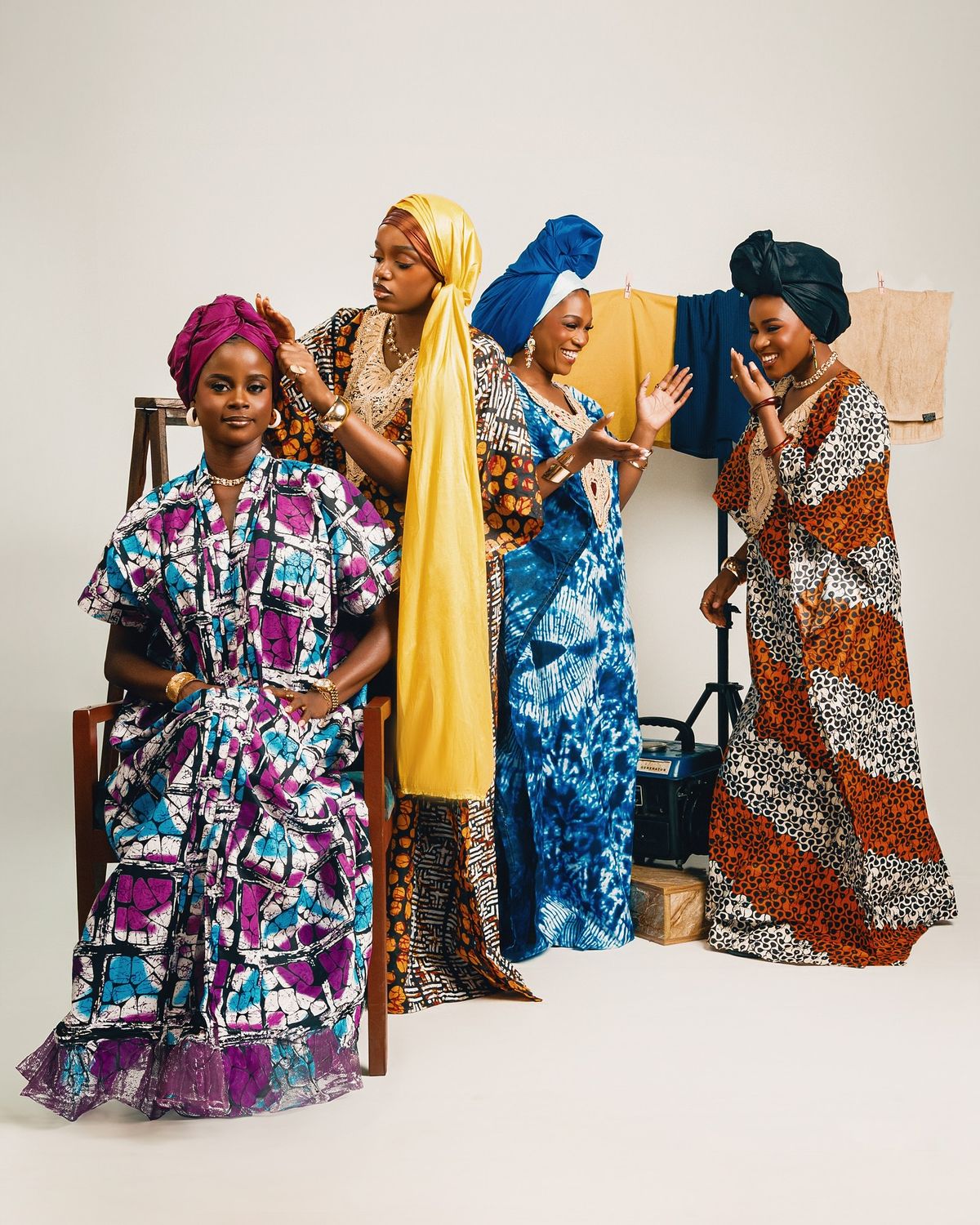
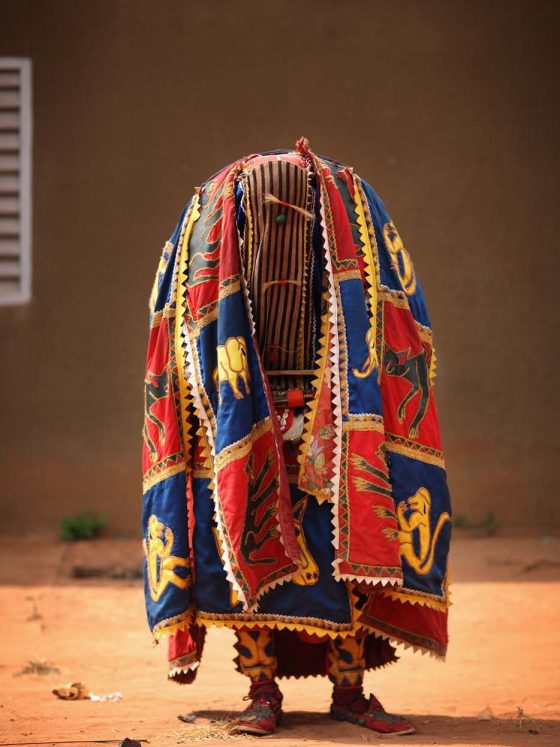
One of the main reasons cultural style is misinterpreted is the absence of context. Clothing that carries cultural significance is often viewed outside of the environment that gives it meaning.
A heavily adorned outfit worn at a celebration reflects joy, status, and communal participation. A layered look at a ceremony communicates identity and belonging. These choices are not random; they are tied to specific moments and meanings.
When these garments are removed from their context, they are judged based on unfamiliar standards. Without understanding the occasion or significance, the visual impact becomes the only reference point. This is often what leads to the conclusion that something is “too much”.
Shifting the Way We Interpret Style
The issue is not that people prefer simplicity. Preference will always vary. The problem arises when one preference becomes the measure for all others.
To move beyond this, there needs to be a shift in how style is interpreted. Instead of making immediate judgments, there should be an effort to understand intention and context.
Rather than asking whether a look is excessive, a more useful question would be: What is this expressing?
This shift allows multiple styles to coexist without being ranked against a single standard. It creates space for cultural expression to be seen as complete, rather than compared.
READ ALSO:
- Dressed to Lead: How Heads of State Use Fashion as an Instrument of Soft Power
- How to Develop a Signature Style That Has Nothing to Do With Trends
Taking Up Space Without Adjustment
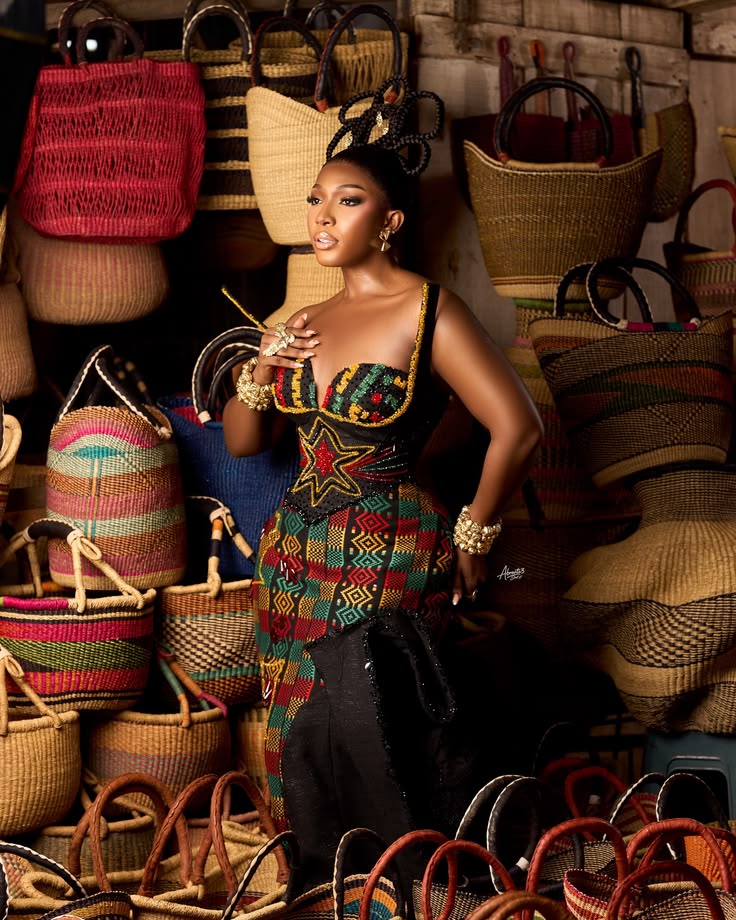
There is a growing refusal to conform to limiting expectations. More individuals are choosing to present themselves fully, without reducing their cultural expression for acceptance.
They embrace colour, scale, and detail without hesitation. They are allowing their clothing to reflect identity and heritage, even in spaces where those expressions are not always understood.
This approach is not about seeking attention. It is about maintaining integrity in how one is presented. It challenges the idea that style must be controlled or minimised to be considered appropriate.
Rethinking “Too Much”
Describing something as “too much” often reveals more about the observer than the subject. It reflects familiarity, exposure, and the limits of what has been normalised.
Cultural style, particularly within African and diaspora communities, has always been expansive and intentional. It carries meaning that goes beyond appearance, rooted in history, identity, and collective experience.
As fashion continues to evolve, the goal should not be to simplify these expressions for wider acceptance. Instead, it should be to deepen understanding.
Because what is often dismissed as excessive is, in reality, a complete and coherent form of expression, one that does not require reduction to be valid.
FAQs
1. Why is African fashion sometimes described as “too much”?
It is often due to cultural bias and unfamiliarity with expressive traditions that intentionally use colour, layering, and detail.
2. What does “too much” mean in fashion?
It refers to styles perceived as excessive, but the definition varies widely across cultural and social contexts.
3. How does culture influence how we judge clothing?
Cultural background shapes ideas of balance, elegance, and appropriateness, which affect how different styles are interpreted.
4. Can bold and detailed fashion be considered elegant?
Yes. Many cultures define elegance through richness, detail, and strong visual presence rather than simplicity.
5. How can people better understand cultural fashion?
By learning the context, purpose, and meaning behind garments instead of judging them through unfamiliar standards.