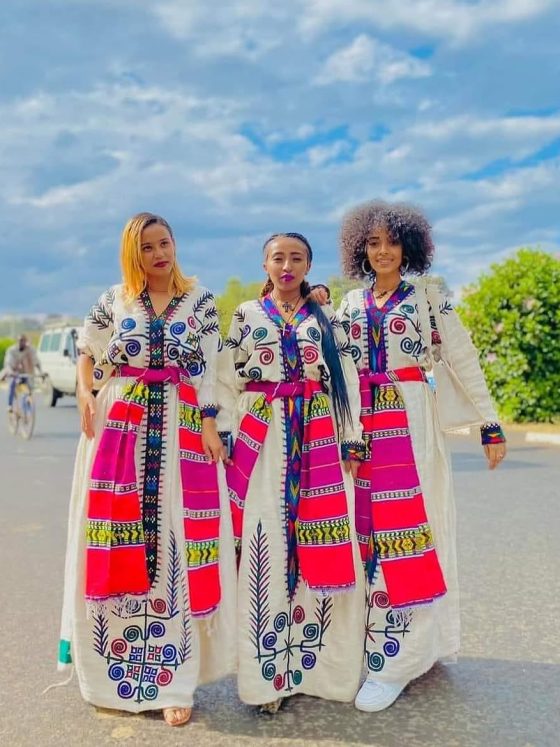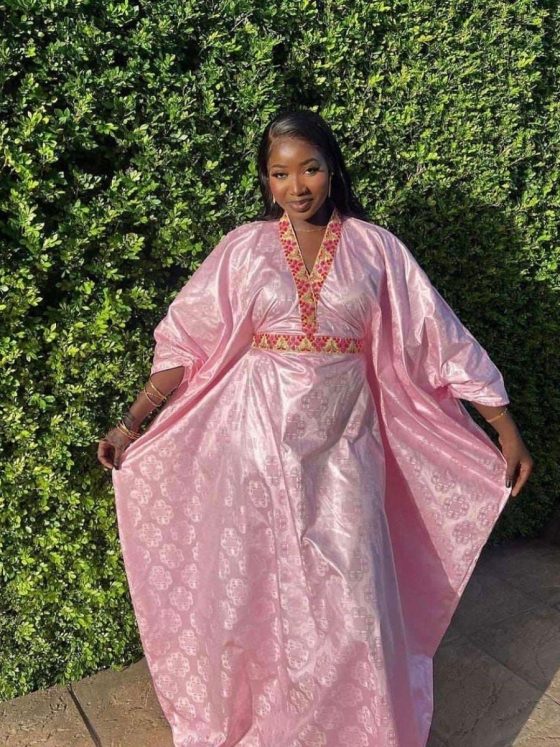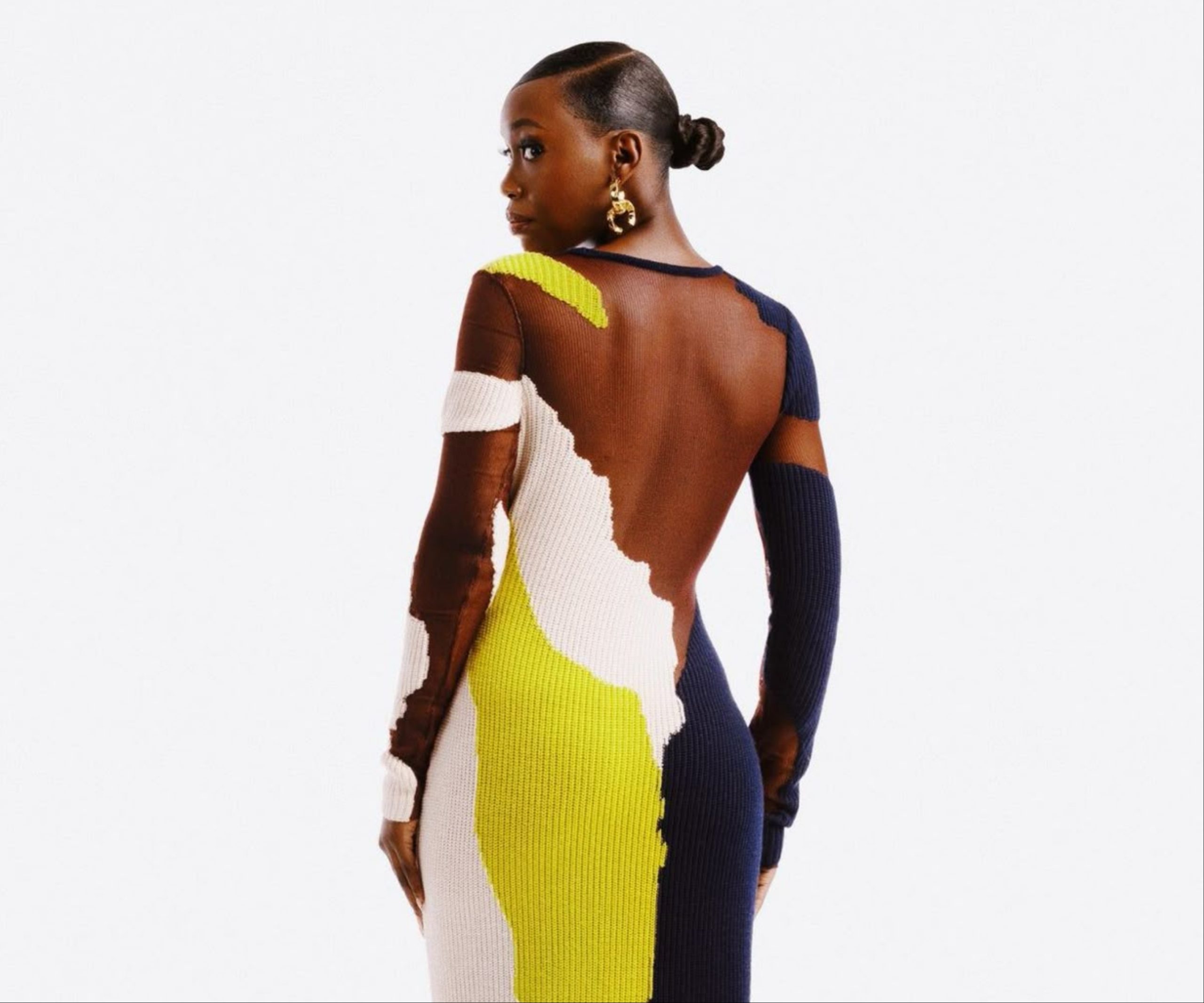
Luxury is often reduced to price tags and designer logos, but it has always been deeply political. Across centuries and continents, clothing has been a primary instrument of social stratification, cultural authority, and ceremonial distinction. In West Africa, robes, beadwork, and handwoven textiles mark royalty, community, and elders. In Japan, kimono patterns and materials historically dictated rank and seasonality. In Caribbean and Afro-Latin communities, traditional dress communicates lineage, spiritual alignment, and resistance.
Luxury is never neutral. It is a form of visual language that conveys power, access, and belonging, often controlled by those who dictate taste, visibility, and value.
Luxury fashion is power, culture, and access. Explore how style, heritage, and authority shape who gets to wear what globally.
Who Controls the Definition of Luxury?
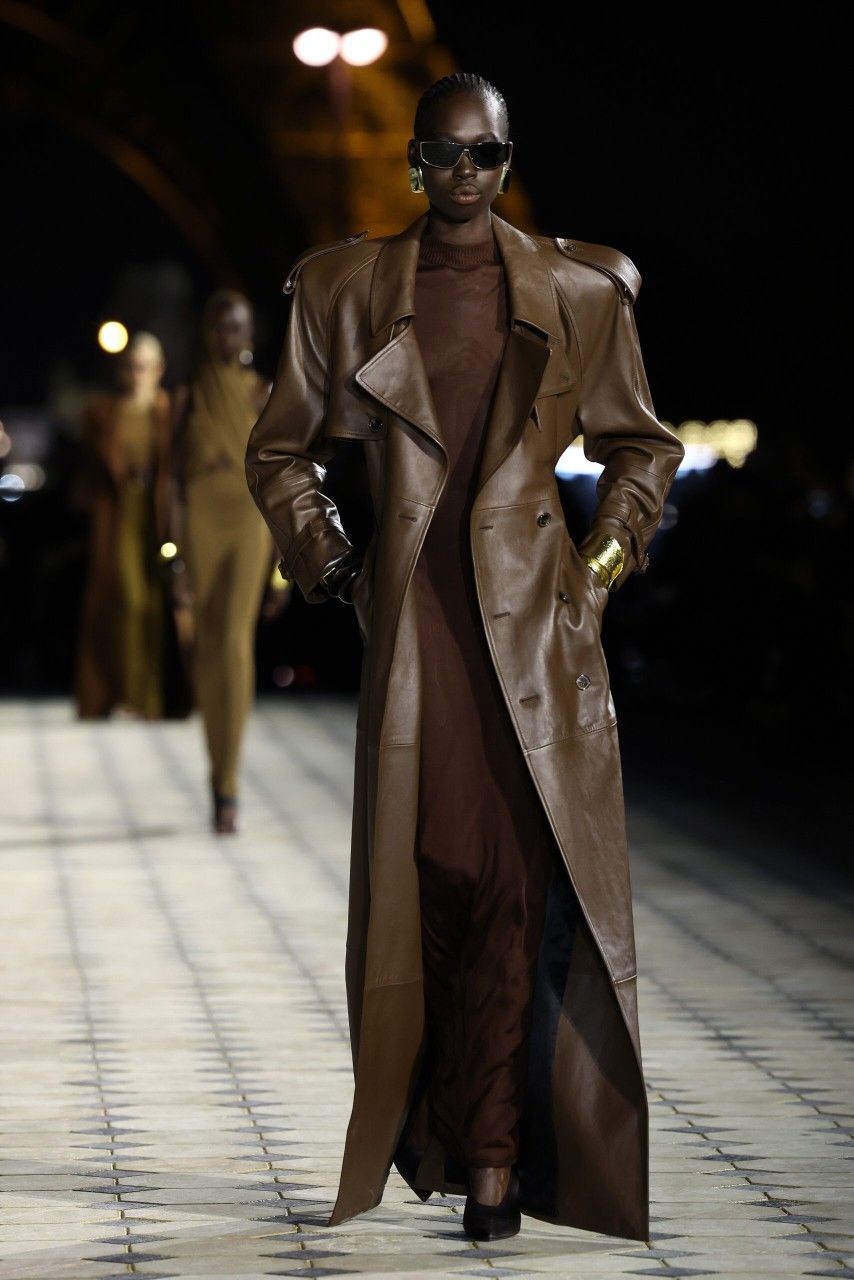
For decades, luxury has been defined by Western institutions: Paris, Milan, and New York set benchmarks for exclusivity, price, and style. Their authority has often overshadowed centuries-old African, Caribbean, and Latin American craft systems, even when those systems have produced textiles and garments of extraordinary complexity and cultural depth.
- In West Africa, hand-dyed indigo textiles and ceremonial wrappers carry lineage, social hierarchy, and spiritual significance.
- In the Caribbean, carnival and festival garments communicate historical memory, resistance, and community solidarity.
- In Latin America, woven textiles encode indigenous knowledge, history, and environmental understanding.
Yet these contributions are frequently categorised as “ethnic” or “folk” rather than recognised as legitimate, sophisticated luxury expressions. The politics of luxury is as much about recognition as it is about price.
Luxury as Cultural Power
Luxury garments communicate far more than wealth; they articulate identity, belonging, and social literacy:
- Social hierarchy: In many African societies, ceremonial wrappers and beadwork distinguish elders, kings, and community leaders.
- Cultural literacy: Knowledge of when and how to wear garments signals understanding of ritual, etiquette, and heritage.
- Political statement: In diaspora communities, wearing African or Caribbean textiles is often an act of reclamation, a subtle form of protest against Western fashion norms, and a declaration of pride.
Luxury, then, is a tool of both affirmation and exclusion. Who wears it and who decides its legitimacy reveal broader social and cultural power dynamics.
READ MORE:
- The Art of Dressing Well Across Cultures: What Global Style Actually Teaches Us
- Akwete, Kuba Cloth, Barkcloth, and Kete: The Sacred Textiles the World Is Finally Discovering
Redefining Luxury: An African and Diaspora Perspective
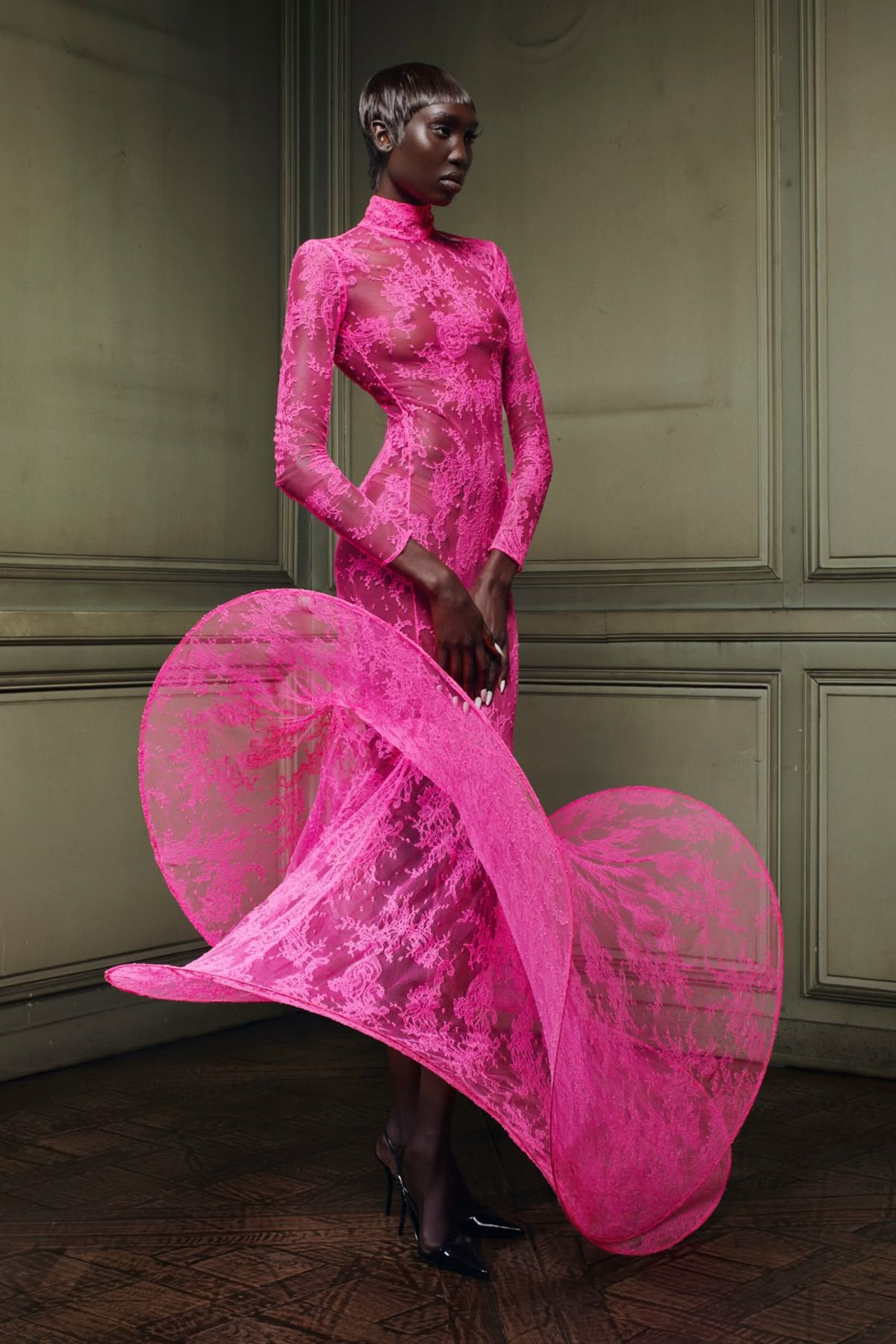
African and diaspora designers are challenging traditional hierarchies by reframing luxury around heritage, craft, and intentionality:
- In Lagos, couture designers are creating collections rooted in handwoven textiles, ceremonial-inspired silhouettes, and craft-intensive details without referencing Parisian fashion as a benchmark.
- In Accra, Ghanaian designers are elevating locally sourced, hand-dyed, and embroidered fabrics, asserting that luxury can exist outside Western paradigms.
- Caribbean and Latin American designers are incorporating ancestral weaving, embroidery, and beadwork, transforming traditional crafts into contemporary statements of refinement and empowerment.
Luxury, in this context, becomes an act of agency: it prioritises cultural authority, ancestral knowledge, and craft mastery over marketing narratives.
Who Gets to Decide?
The politics of luxury hinges on authority: who validates style, who determines access, and whose labour is recognised. Historically, Western fashion institutions have dominated this authority. Today, African and diaspora creators are claiming authorship, shifting the balance of power in global fashion.
Luxury is now defined not solely by scarcity or price, but by lineage, intent, and the integrity of production. It becomes a vehicle for cultural affirmation, community validation, and even activism.
Luxury Is a Statement of Cultural and Ethical Literacy
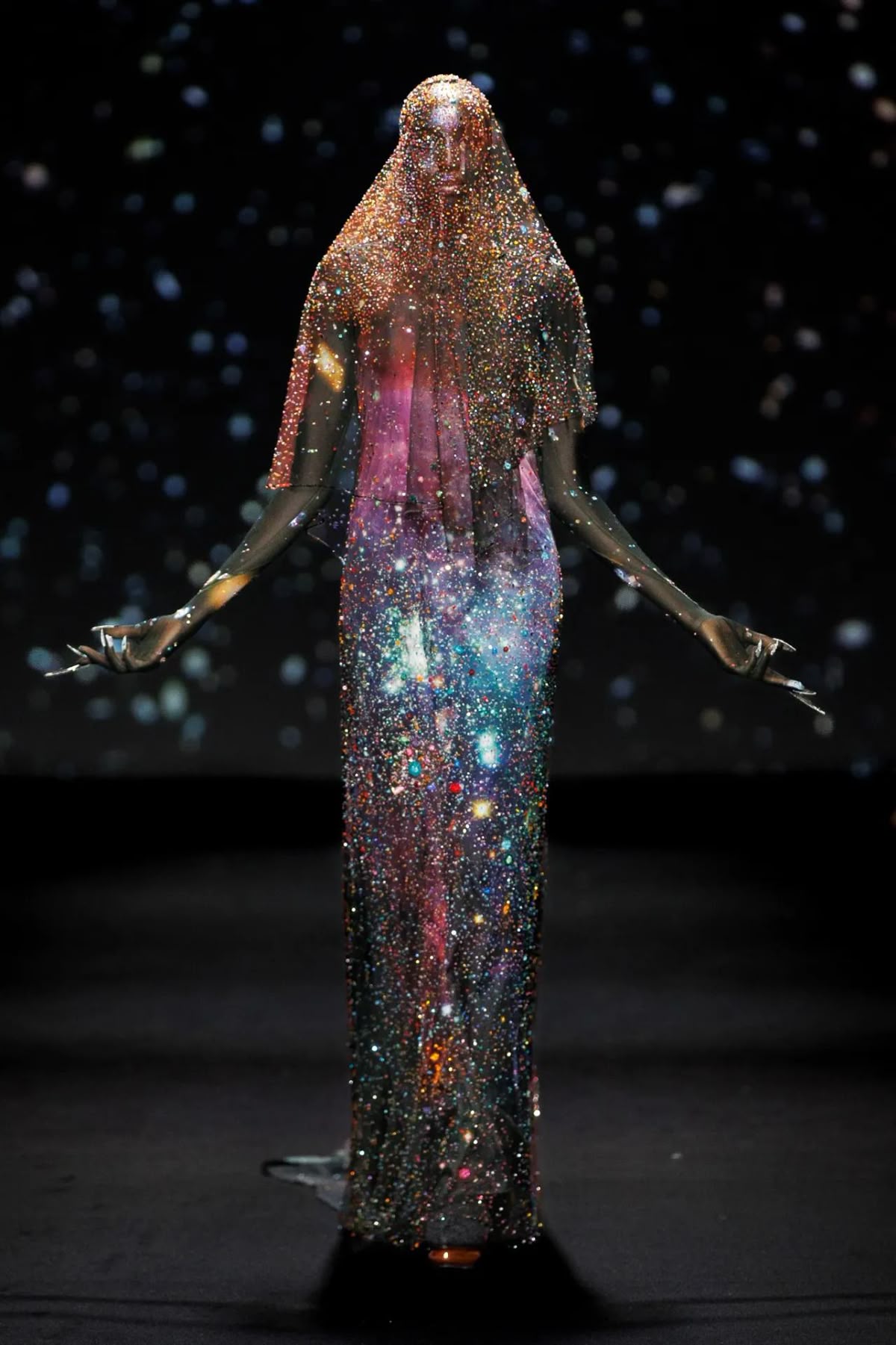
Luxury is no longer just aspirational; it is a moral and cultural statement. Selecting luxury garments now communicates:
- Respect for craft and heritage: choosing textiles made through centuries-old techniques.
- Awareness of social hierarchy and cultural codes: understanding when, where, and why to wear certain garments.
- Ethical engagement: supporting artisans, preserving traditions, and rejecting exploitative fast-fashion logic.
In this sense, the politics of luxury is a lens for understanding global power, cultural exchange, and identity. It forces us to ask not only who can afford to wear a garment, but who has the authority to define what is valuable and whether we, as consumers, participate in or challenge these systems.
Luxury, at its most meaningful, is an intersection of aesthetics, heritage, and politics, and the people who understand this are not merely dressing; they are making history visible in cloth.
FAQs
- What is the politics of luxury in fashion?
The politics of luxury examines who defines luxury, who has access to high-end clothing, and how fashion communicates social and cultural power.
- How do African designers redefine luxury fashion?
African designers centre craftsmanship, heritage, and cultural storytelling, challenging Western-dominated definitions of luxury clothing.
- Who decides what is considered luxury clothing globally?
Traditionally, global fashion capitals and media set luxury standards, but African and diaspora communities are increasingly claiming authority.
- How does clothing signal power and status across cultures?
Garments communicate hierarchy, ceremonial role, political allegiance, and cultural literacy, serving as visual markers of social and cultural authority.
- Why is cultural authority important in luxury fashion?
Cultural authority ensures the recognition of heritage, craft, and narrative in luxury, shifting the focus from price alone to knowledge, lineage, and ethical engagement.