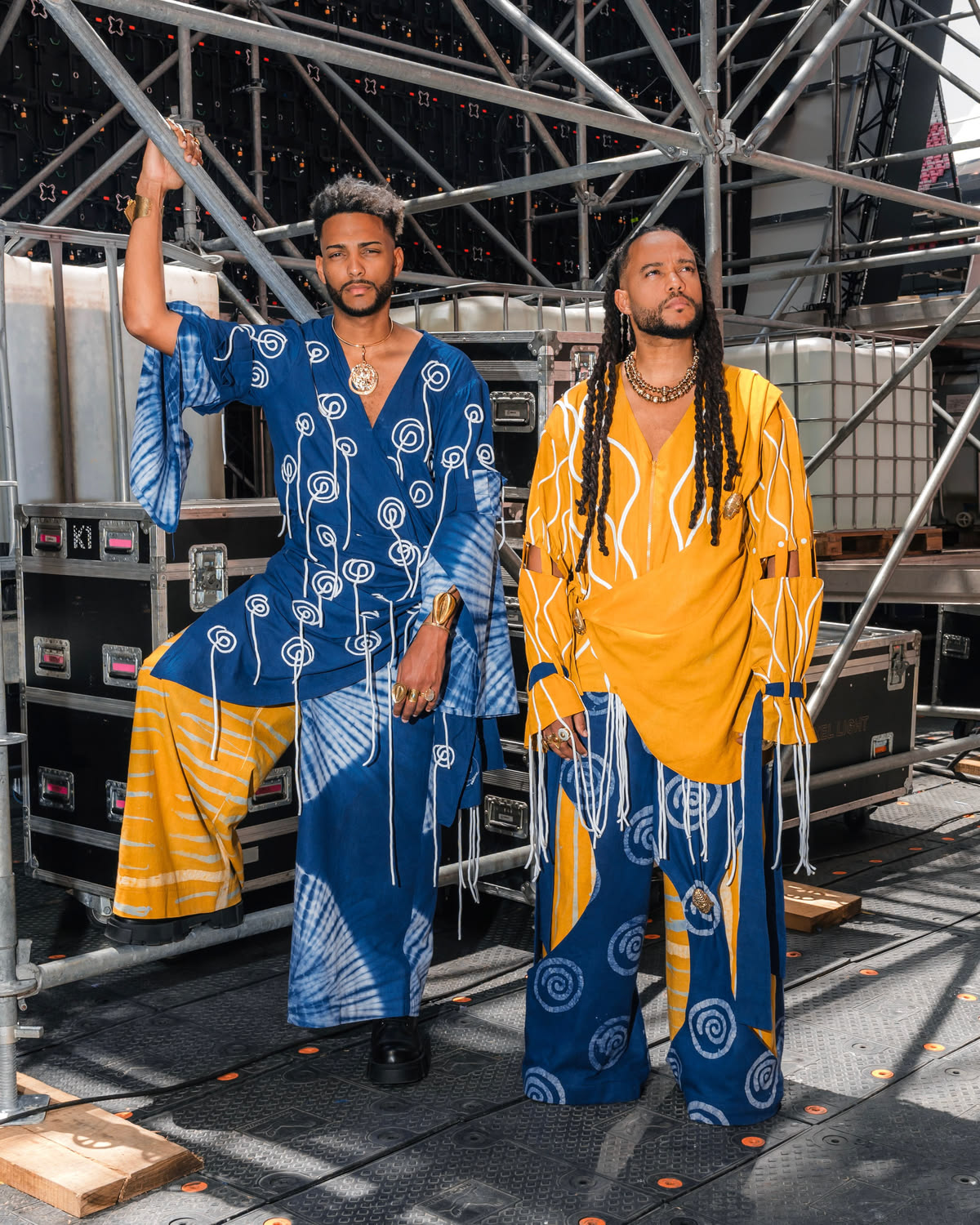
When considering what to wear, most people focus on silhouette, colour, or brand. But the single most consequential style decision is almost always overlooked: the fabric itself. Fabric is not merely a material; it is a vessel of cultural knowledge, a marker of identity, and a lens into history.
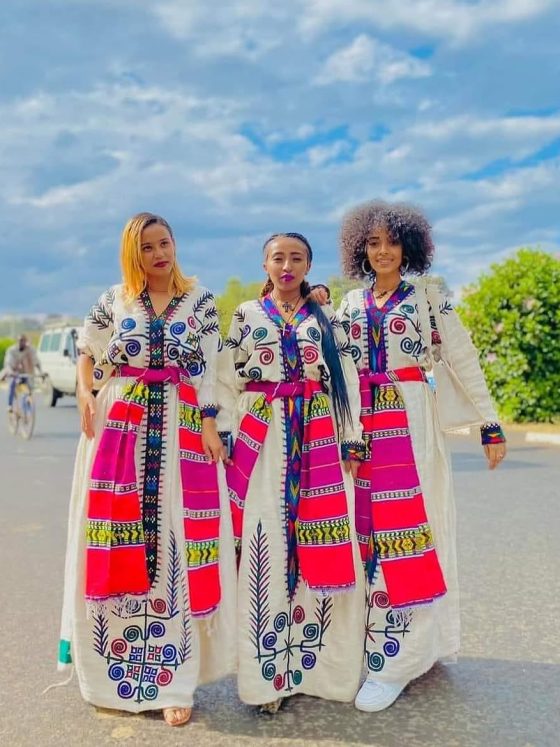
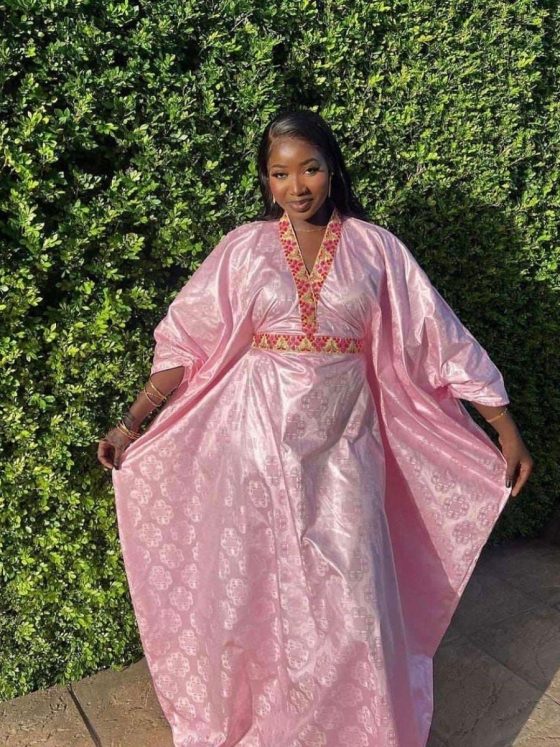
Across Africa, the Caribbean, and Latin America, traditional textiles have long communicated social rank, community affiliation, and spiritual significance. A garment’s material is rarely neutral; it carries stories woven into its threads. Choosing a fabric thoughtfully is an act of intentional dressing, one that connects the wearer to heritage, craftsmanship, and global fashion discourse.
From cultural identity to sustainability, the fabric you wear defines style, heritage, and impact, making it fashion’s most powerful decision.
The Stories Woven Into Textiles
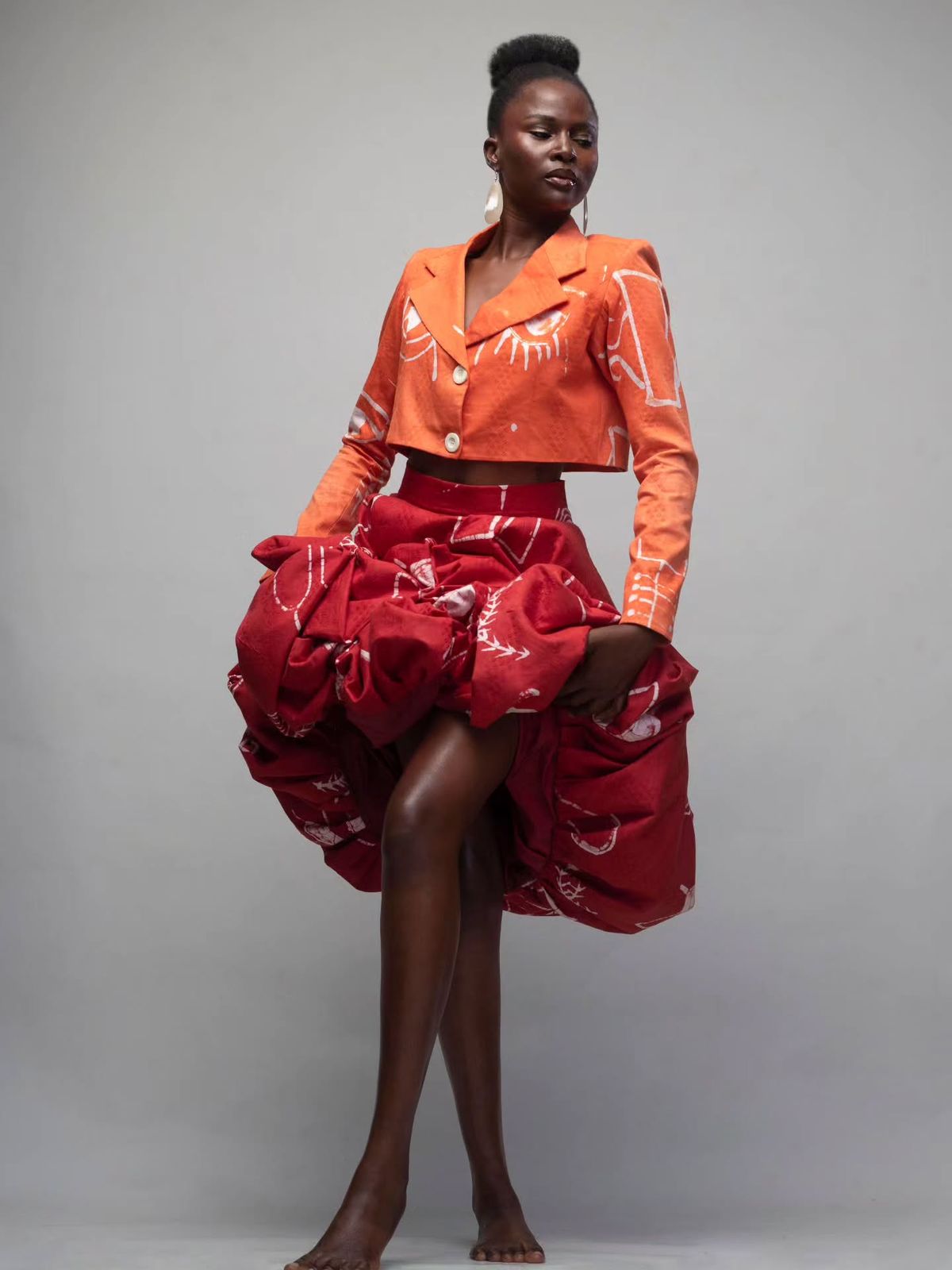
Each traditional textile has a history that extends far beyond surface aesthetics:
- Akwete Cloth (Nigeria): Produced by Igbo women, Akwete cloth reflects centuries of apprenticeship-based weaving, where complex geometric patterns encode lineage, ceremonial codes, and regional identity. Wearing it today signals respect for these centuries-old practices.
- Kuba Cloth (DR Congo): These raffia textiles feature layered geometric designs that are simultaneously aesthetic and functional. In Kuba culture, textile patterns communicate authority and ceremonial significance, functioning as a visual language across generations.
- Barkcloth (Uganda): Harvested from the Mutuba tree, barkcloth has been used for royal rituals and spiritual ceremonies for centuries. Its soft, textured surface and natural colour speak to environmental mindfulness, craftsmanship, and intergenerational knowledge.
- Ewe Kente (Ghana/Togo): Woven in narrow strips and stitched together, each pattern often references proverbs, historical events, or philosophical ideas. Wearing Kente is a way of enacting cultural storytelling, bringing oral traditions into a visual form.
These fabrics are not just textiles; they are living archives, encoding values, social codes, and environmental wisdom. Selecting such a material is therefore a cultural statement as much as a style choice.
Function, Philosophy, and Fashion
Choosing a fabric is as much about function as it is about cultural intelligence. Traditional textiles are often created in direct response to the environment, lifestyle, and ceremony:
- Alpaca and wool in South America regulate temperature while respecting ecological cycles.
- Silk in Asia signifies status, patience, and ritual precision through its painstaking production.
- Hand-dyed cotton and natural fibres in Africa are durable, repairable, and used for ceremonial or everyday purposes.
The choice of fabric to wear conveys subtle cues about context, occasion, and climate, infusing your wardrobe with intention. In many ways, fabric choice is the first chapter in your style narrative.
READ ALSO:
- What the Most Influential Fashion Pieces of 2026 Communicate Today
- Simplify, Then Elevate: The Quiet Power of Digital Minimalism in Fashion
Sustainability Starts at the Thread Level
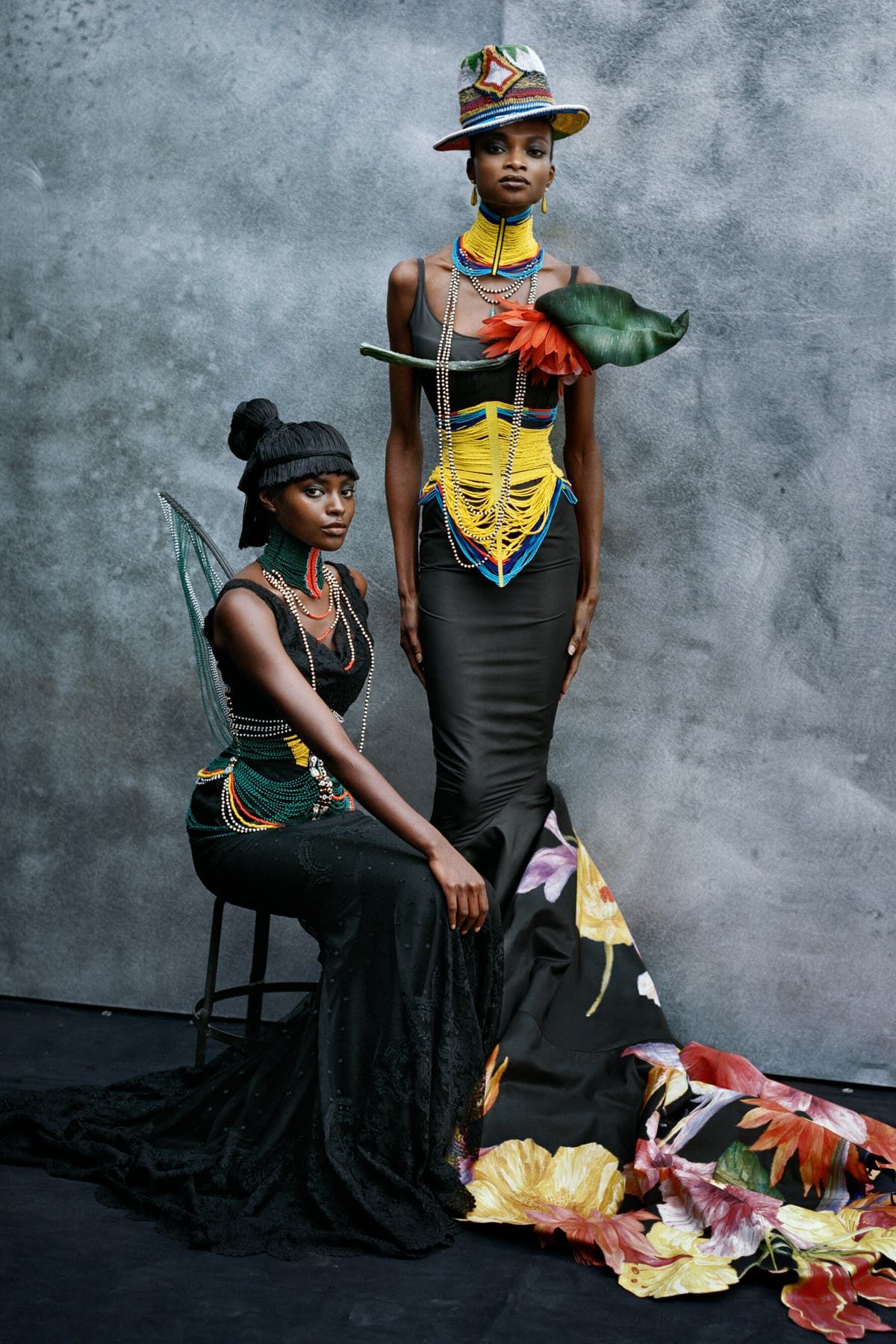
The rise of fast fashion has obscured one fundamental truth: quality fabrics sustain both style and the planet. Unlike mass-produced synthetics, handwoven and natural textiles embody circularity, longevity, and ethical production.
- Fabrics like barkcloth, handwoven cotton, and alpaca are repairable, reusable, and adaptable across generations.
- Traditional dyeing methods, often plant-based, reduce chemical pollution while carrying centuries of artisanal knowledge.
By prioritising intentional textiles, consumers participate in a political act of sustainability: honouring craft, reducing environmental impact, and affirming the social value of labour-intensive production.
Fabrics as Bridges Across Cultures
Selecting a textile is also a way to engage with global heritage. Caribbean handwoven materials, Afro-Latin American patterns, and African ceremonial cloths all reflect diasporic creativity and memory. Wearing these textiles is a form of dialogue: it communicates respect for their origins while situating the wearer within contemporary global fashion.
Designers from Lagos to Rio de Janeiro are foregrounding textile provenance, ensuring that the material is part of the story, not merely decoration. Consumers today are increasingly aware that fashion is not just style; it is a narrative, a craft, and an ethical engagement.
The Most Powerful Style Decision Is Intentionally Woven
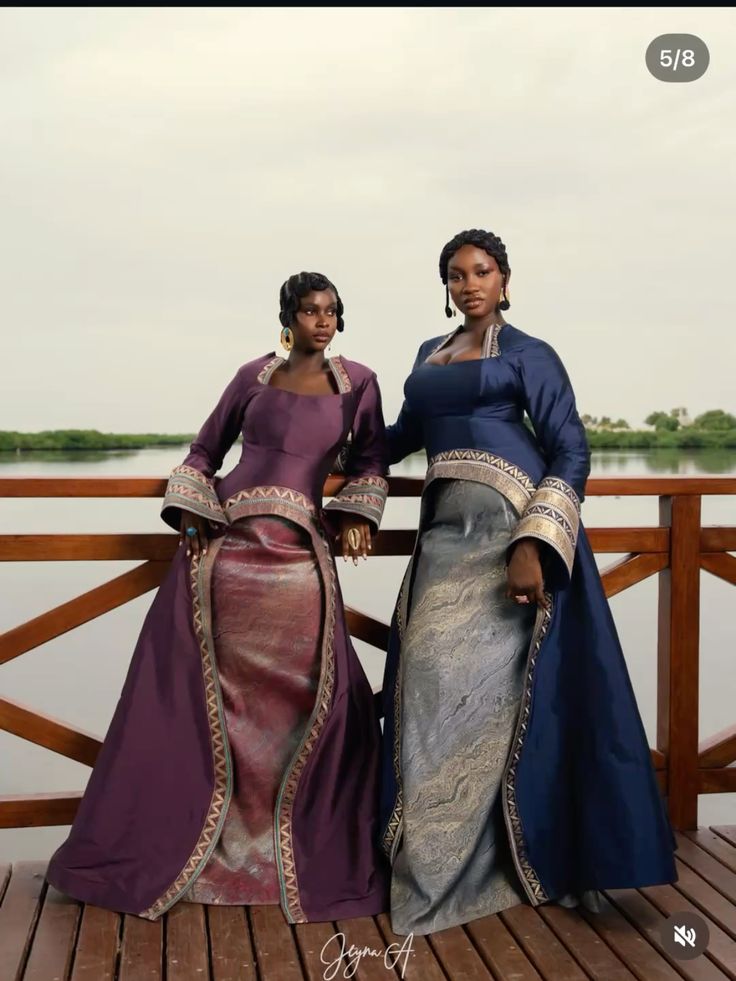
Choosing the right fabric transforms clothing from a superficial accessory into a tool of storytelling, identity, and cultural respect. It influences:
- How your clothing moves and feels.
- How your wardrobe ages and endures.
- How your presence communicates social, cultural, and personal intelligence.
Fabric determines the tone of every outfit, the legacy of every garment, and the depth of your sartorial identity. Selecting it consciously is more than a matter of style; it is an act of personal and cultural literacy.
Ultimately, dressing well begins with understanding the material beneath the cut and colour. Style is woven, quite literally, into the fabric of who we are.
FAQs
- Why is the choice of fabric important in fashion?
Choosing the right fabric affects style, durability, cultural meaning, and sustainability, making it a critical factor in intentional dressing.
- How do traditional African fabrics like Akwete or Kuba cloth influence style today?
These textiles carry historical, ceremonial, and cultural significance, inspiring modern designers while maintaining artisanal integrity and storytelling.
- What fabrics are sustainable and environmentally responsible?
Handwoven cotton, barkcloth, alpaca, linen, and other natural fibres are sustainable choices that reduce environmental impact and honour traditional craft.
- How does fabric communicate cultural identity?
Textiles encode heritage, social status, and regional identity. Wearing culturally significant fabrics connects the wearer to history, ceremony, and community.
- Can fabric choice improve your overall style?
Yes. Thoughtful fabric selection enhances garment movement, longevity, and cultural meaning, elevating dressing from aesthetic to intentional and meaningful style.