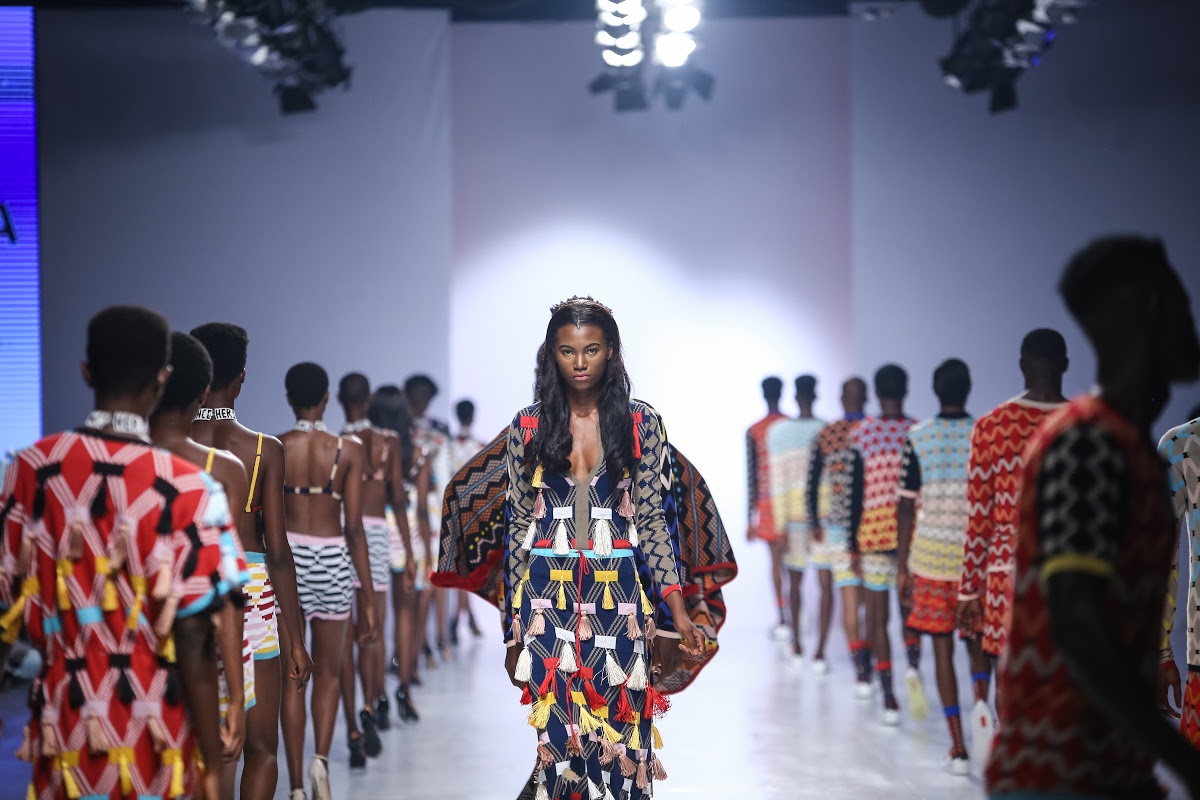
Luxury fashion has long presented itself as an exclusive system shaped by historic houses and European runways. Paris, Milan, and London have traditionally defined the language of prestige, craftsmanship, and influence within the global industry.
Yet another design economy has always existed beyond these capitals. Across markets, tailoring workshops, and textile traditions, independent designers have developed clothing cultures grounded in craft knowledge, community networks, and cultural identity.
Today, these designers are gaining visibility far beyond their original environments. In this article, we look at how independent designers are disrupting luxury fashion and how craft knowledge is quietly reshaping what luxury means today.
Learn how independent designers are disrupting luxury fashion by blending culture, craft, and creative freedom to reshape global style and redefine value.
Markets And Workshops As Classrooms Of Craft
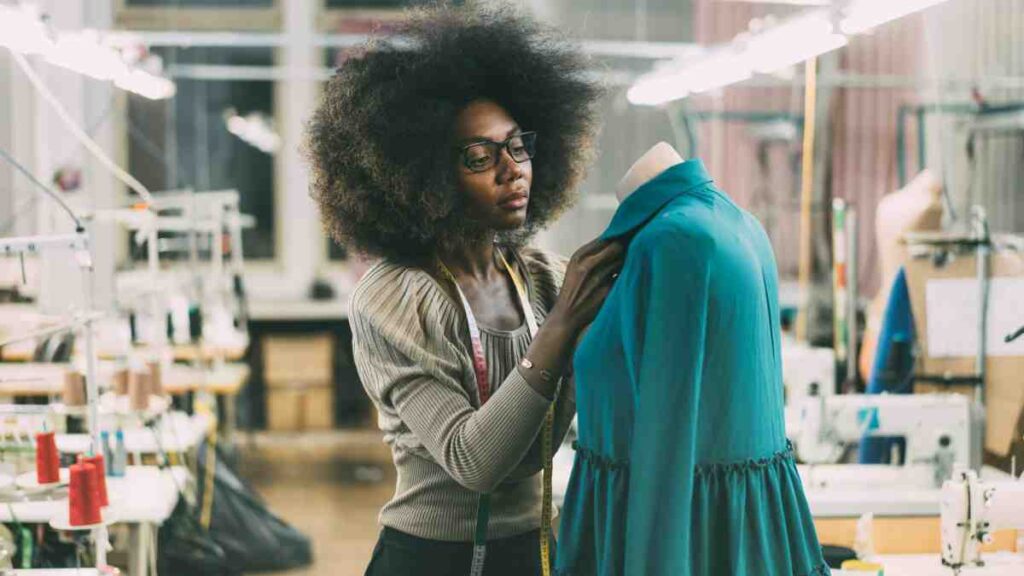
Independent designers often begin far from elite ateliers. They learn in fabric markets, street-level tailoring workshops, and community studios.
These environments teach lessons no formal fashion school can: how textiles behave, how designs wear in real life, and how consumers interact with clothing in everyday contexts.
Observation, repetition, and collaboration with local artisans embed deep craft knowledge. Every fold, stitch, and cut carries cultural significance, linking technique with heritage.
These foundational lessons explain why many independent designers approach luxury with an emphasis on story, craft, and identity.
Long before collections hit international runways, the market is their classroom, a place where skill meets culture.
Craft And Culture Redefine Luxury
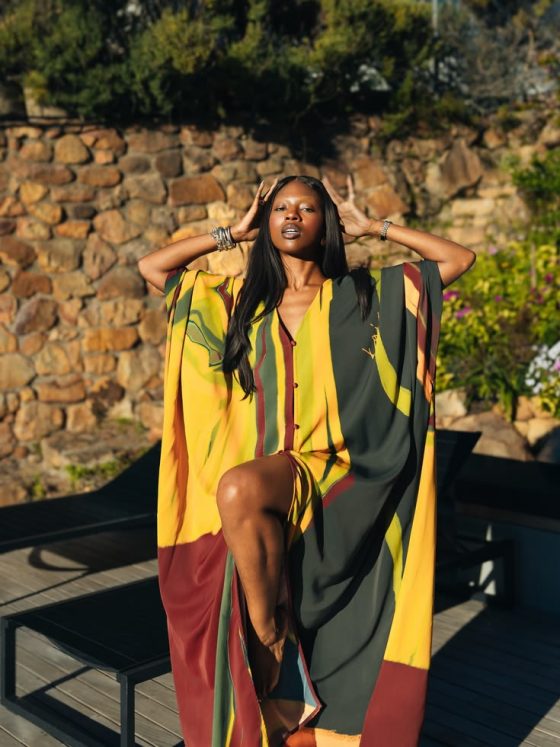
The luxury these designers create is rooted in intention. Every fabric, silhouette, and accessory tells a story. How independent designers are disrupting luxury fashion is evident in their deliberate choices.
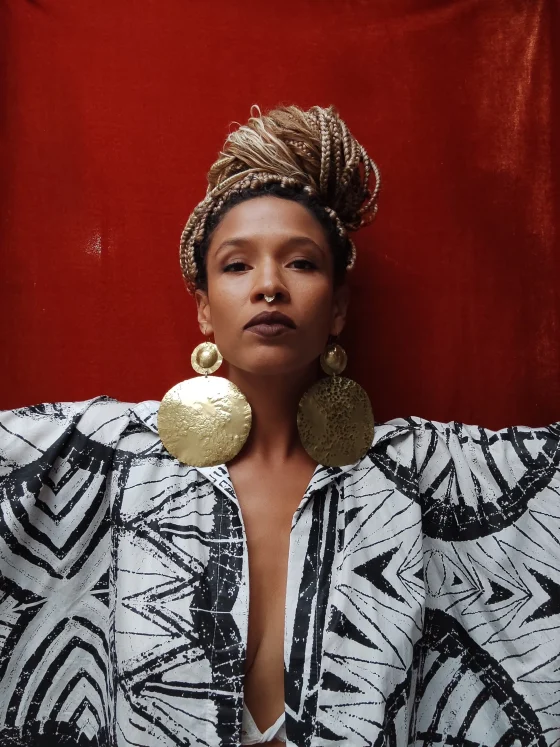
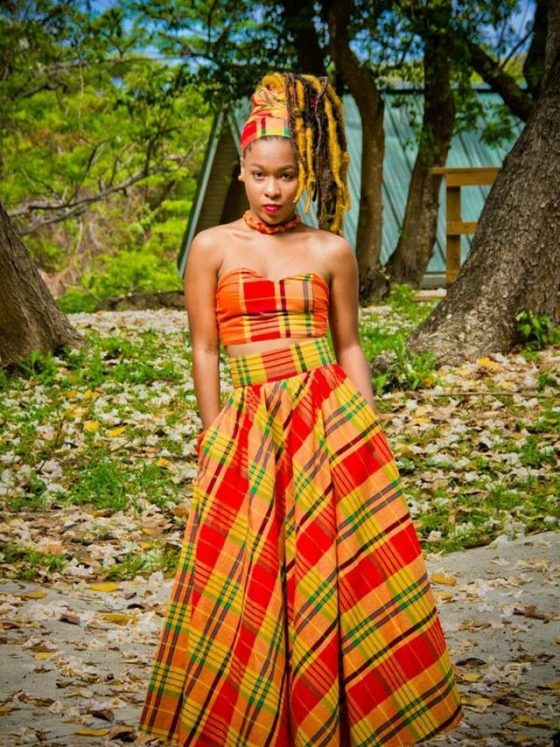
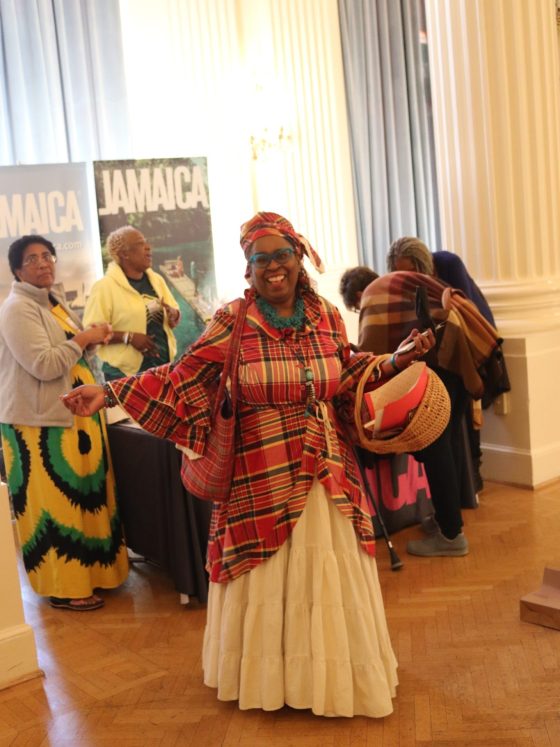
From selecting Kuba cloth, Batik, Kikoi, Caribbean Madras, or Andean aguayo textiles to collaborating with local artisans whose knowledge spans generations.
These materials carry cultural weight. Garments become statements, asserting identity, heritage, and history. By doing so, independent designers shift luxury away from labels and logos toward meaning, craft, and authenticity.
From Local Craft To Global Runways
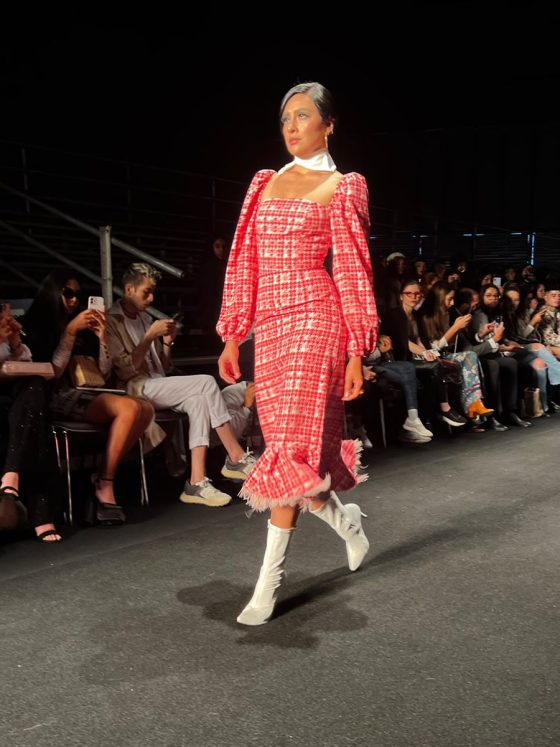
Designs once confined to workshops are now appearing on global platforms.
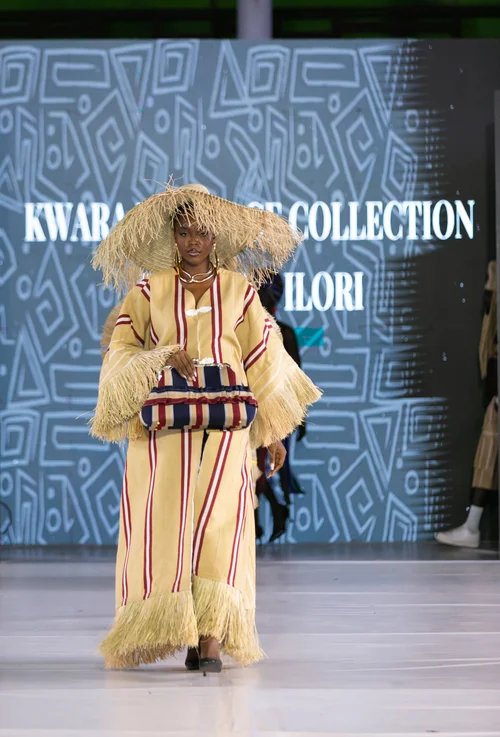
- Runway Presence: International fashion weeks and diaspora-focused events showcase culturally rooted collections.
- Collaborations: Studios partner with museums, galleries, and overseas brands, ensuring stories travel with the designs.
- Digital Access: E-commerce and social media allow designers to sell globally while retaining control over production, pricing, and narrative.
By connecting local craft to worldwide audiences, these designers exemplify how independent designers are disrupting luxury fashion.
Diaspora Communities Amplify Cultural Impact
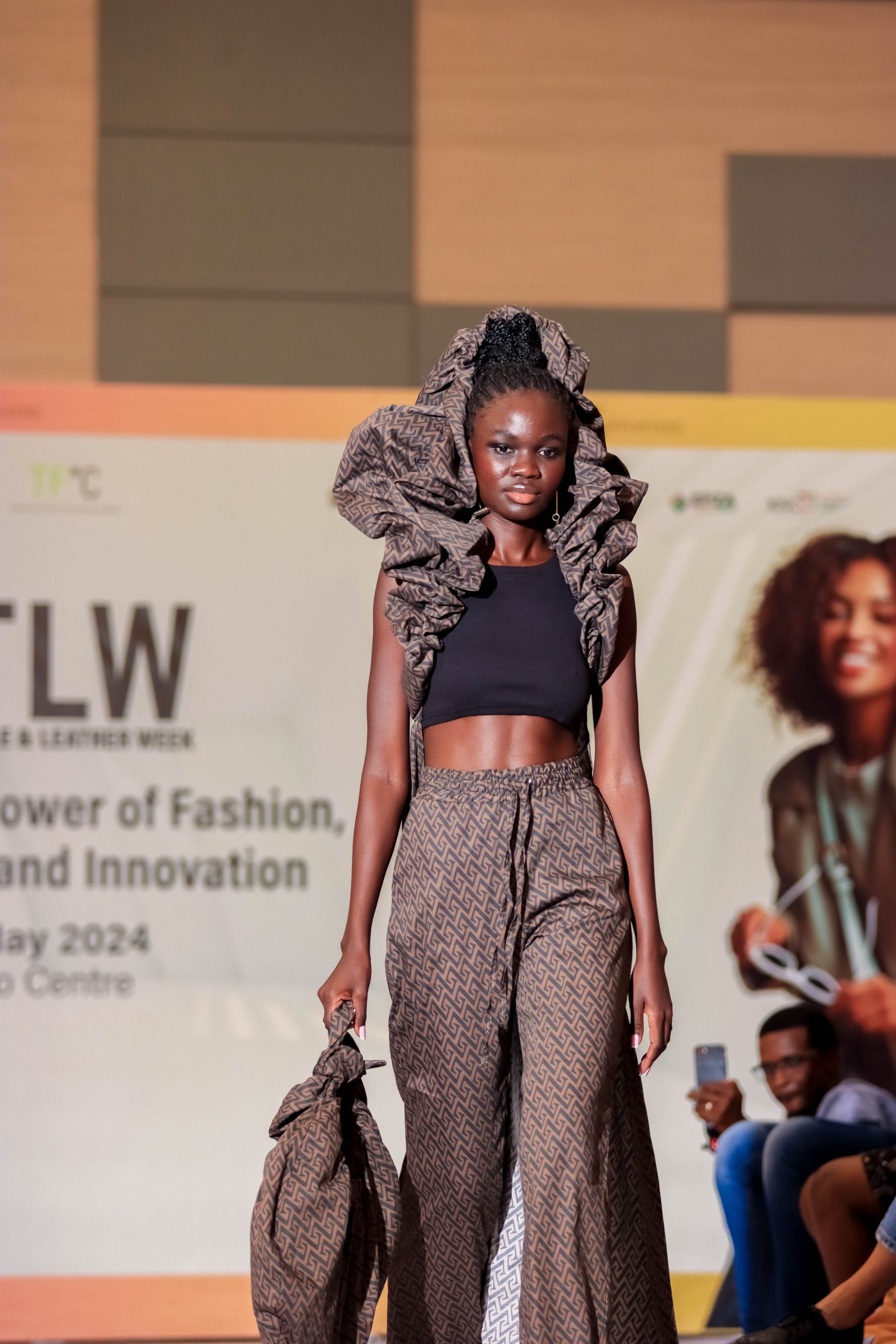
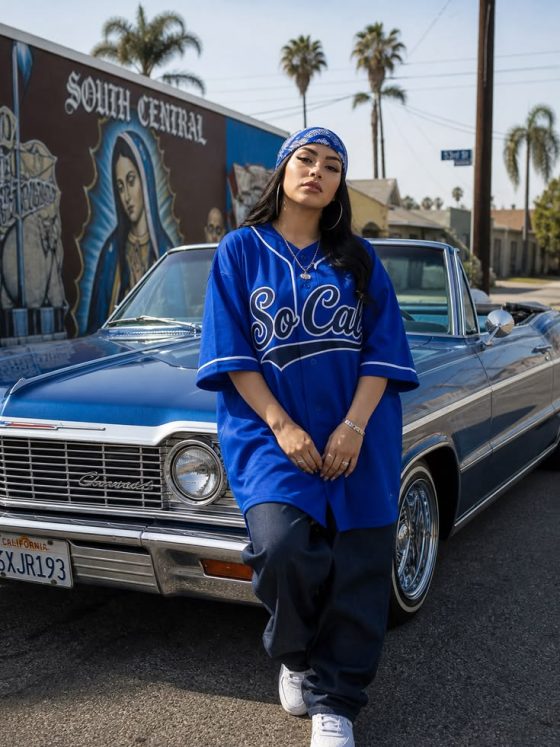
Diaspora consumers in cities such as London, New York, Toronto, and São Paulo act as cultural curators, not just buyers. They reinterpret African, Caribbean, and Latin American textiles into streetwear, office attire, and eveningwear.
A Haitian cotton-inspired blazer may appear in a Toronto fashion week look, while a Batik-patterned dress surfaces in a New York streetwear editorial, creating a bridge between continents.
This collaboration between designers and diaspora communities amplifies visibility for independent brands while shaping cultural narratives. By actively engaging with these markets, designers embed heritage into global conversations.
This shows how independent designers are disrupting luxury fashion. In this context, value is measured in narrative, identity, and creative authority, not in price or prestige.
ALSO READ:
- The Omiren Woman: A Guide to Sustainable Luxury Footwear
- Modest Fashion Is Not a Trend: A Global Reclaiming of Identity and Power
- Luxury Bag Organisation: The Omiren Woman’s Order of the Essentials
- Why Dressing for Your Future Self Is Not Pretending, But A Form of Power
Building Sustainable Luxury Models
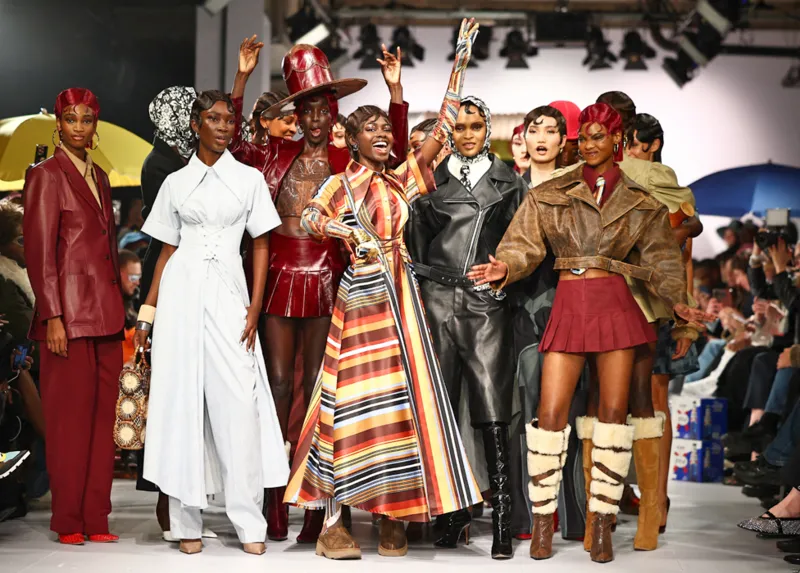
Independent designers are reimagining business models to preserve heritage while empowering communities.
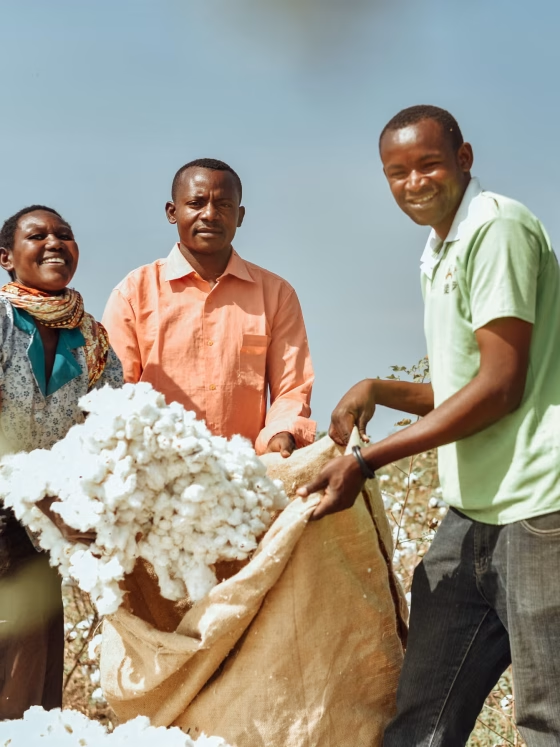
Direct-to-consumer platforms allow artisans in Mexico, Uganda, and the Caribbean to sell huipils, Kikoi, and Madras textiles globally without losing revenue to intermediaries.
Limited-edition collections protect the exclusivity of traditional techniques, while collaborations with heritage cooperatives. These include Batik workshops in West Africa or Kuba cloth collectives in the DRC, ensuring that knowledge is passed down to younger artisans.
Mentorship programmes paired with digital skill-building allow creators to scale operations without sacrificing authenticity. These approaches embed sustainability into the definition of luxury.
This proves that high-end fashion can support communities, maintain craft integrity, and evolve organically. Each project reinforces how independent designers are disrupting luxury fashion.
They define value through cultural depth, artisanal skill, and narrative richness, creating a luxury ecosystem rooted in story and authenticity.
Conclusion
Across markets, workshops, runways, and diaspora networks, independent designers prove that their disruption of luxury fashion isn’t a trend.
They combine craft, culture, and creativity to redefine value, creating garments that carry meaning, heritage, and identity.
Luxury now becomes a space where stories, authenticity, and community matter as much as labels and logos.
This is the legacy of independent design: a fashion system where cultural knowledge, skill, and creative independence drive influence, shaping global style for generations to come.
Frequently Asked Questions
-
Why Are More Consumers Choosing Independent Fashion Designers?
Many shoppers are looking for originality and transparency. Independent designers often produce smaller collections, share their design process openly, and maintain direct relationships with customers, which helps build trust and loyalty.
-
Do Independent Designers Influence Mainstream Fashion Trends?
Yes. Independent designers often experiment with new materials, cultural references, and design techniques. Larger brands frequently adopt these ideas later, so smaller labels often shape future trends.
-
Are Independent Fashion Brands More Sustainable Than Large Fashion Companies?
Many independent designers focus on slow fashion, producing fewer garments, using eco-friendly materials, and working with local artisans. This approach reduces waste and encourages consumers to buy fewer but higher-quality pieces.
-
How Do Independent Designers Reach Global Audiences Today?
Digital platforms have changed the industry. Social media and direct-to-consumer websites allow designers to promote and sell their work worldwide without relying on traditional retailers or fashion gatekeepers.