In Nigeria, weddings are not simply celebrations. They are cultural stages where identity, ambition, and community values are expressed in full colour. Clothing is rarely just decorative. It carries history, pride, and intention.
Over the past decade, pre-wedding photoshoots have evolved from simple engagement portraits into something more layered. Couples now use fashion, setting, and styling to build a visual narrative before the ceremony even begins. The result is a series of images that function almost like chapters in a story.
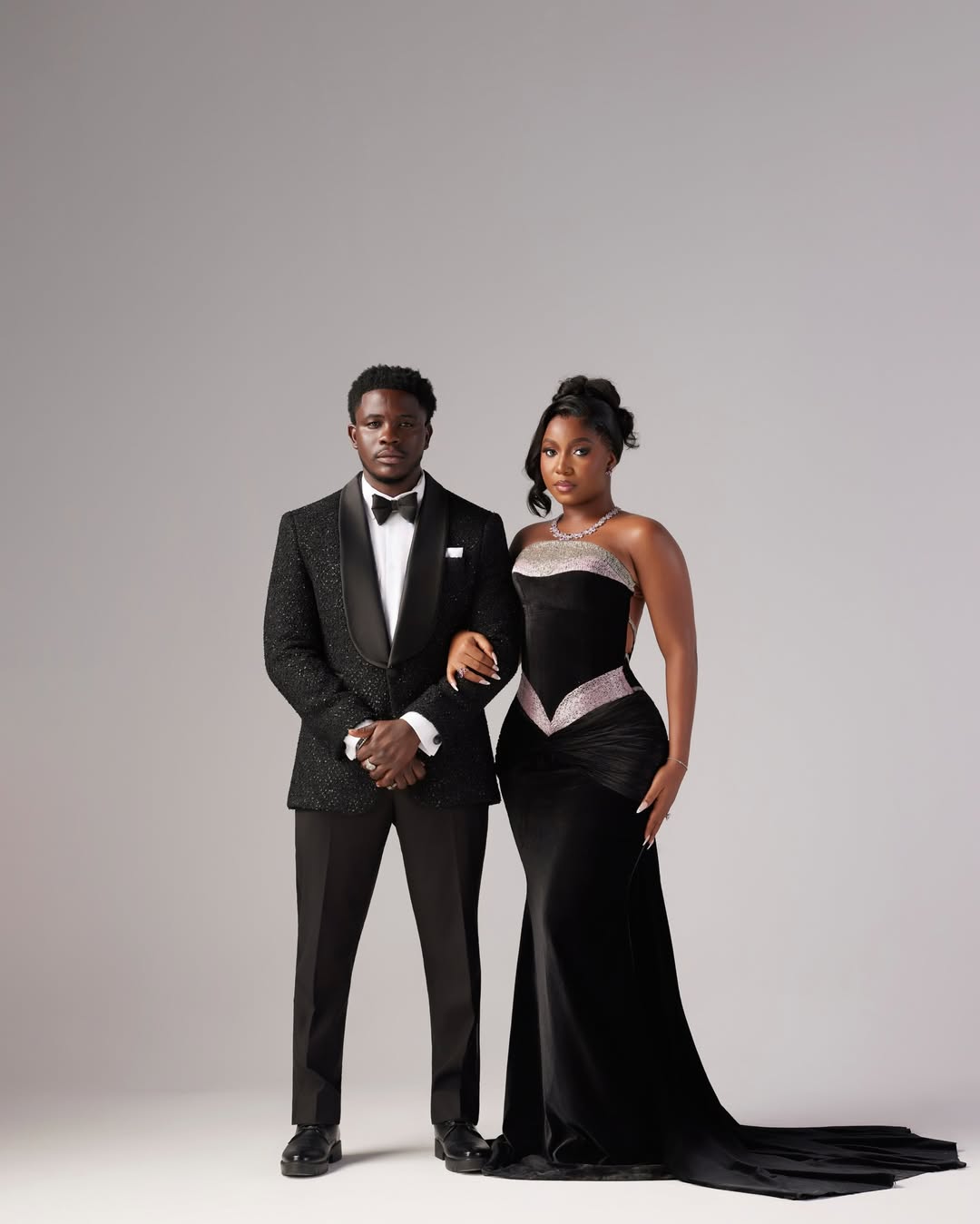
The pre-wedding looks of Simi Sanya and Femi Dapson illustrate this shift clearly. Their visual rollout moved across different aesthetics: relaxed denim, dramatic red couture, cinematic romance and a striking boubou moment that quietly revealed another dimension of the bride’s identity.
Taken together, the looks do more than celebrate a relationship. They reveal how modern Nigerian weddings are becoming spaces where love stories intersect with entrepreneurship, cultural pride and self-expression.
To read these outfits carefully is to see how fashion becomes a language that explains not just who the couple are together but who they are in the world.
From denim romance to the boubou that reflects her fashion brand, Simi Sanya’s pre-wedding looks show how style, love, and business meet.
The Rise of the Pre-Wedding Narrative
Pre-wedding photography in Nigeria once served a simple function. Couples posed in formal clothing, and the photos appeared on invitations or wedding programmes.
Today, the format has expanded. Social media platforms such as Instagram have transformed pre-wedding imagery into public storytelling. Couples release curated visuals weeks ahead of their ceremony, and audiences follow the journey almost like a series.
Fashion sits at the centre of this evolution.
Each look signals a different tone. One may express playfulness. Another may communicate elegance or cultural pride. Through clothing, couples construct a narrative that moves between intimacy and spectacle.
The style journey of Simi Sanya and Femi Dapson reflects this new storytelling culture.
Denim and the Narrative of Everyday Love
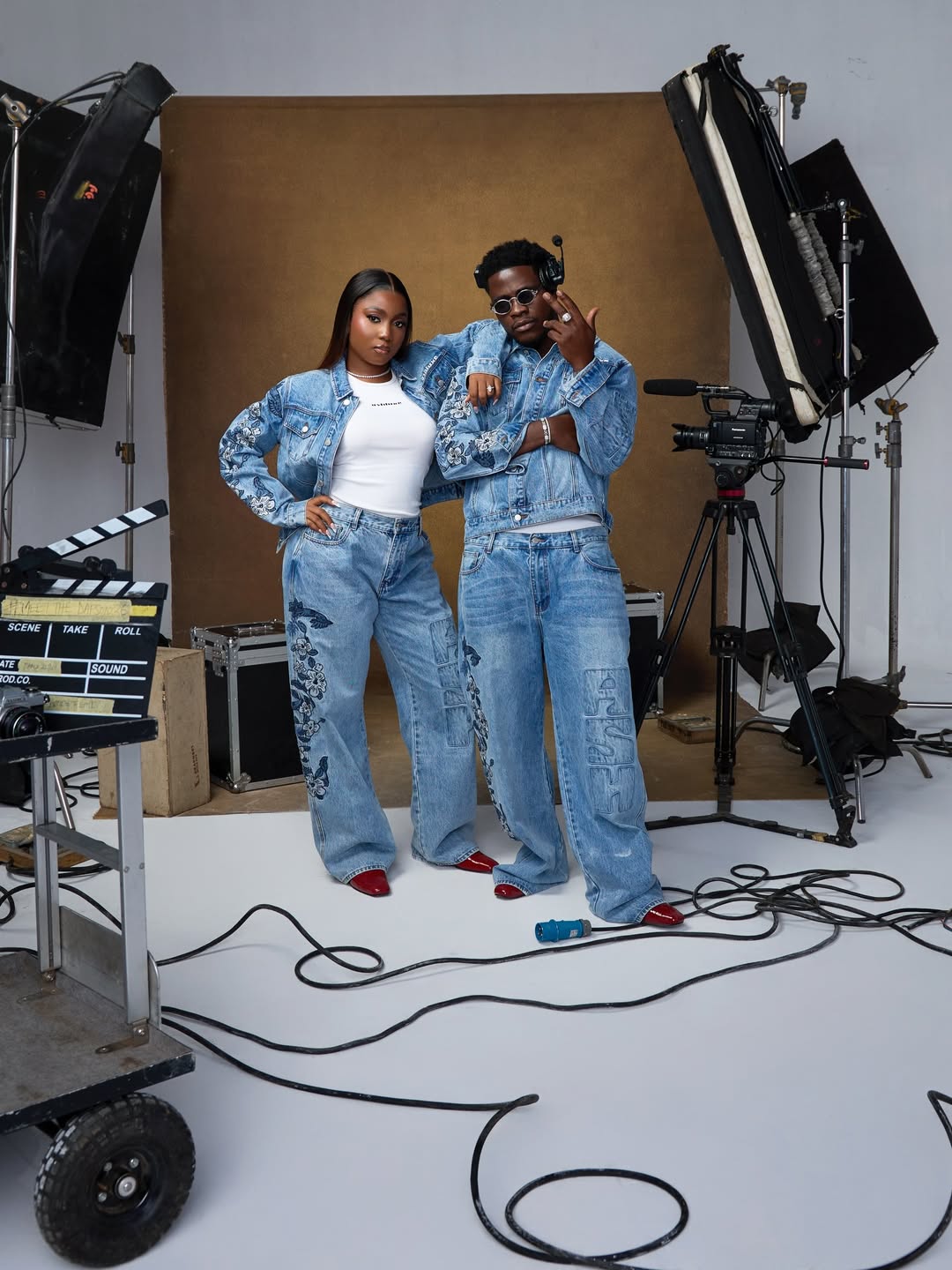
One of the couple’s earliest looks features coordinated denim outfits. The styling is relaxed, youthful and familiar.
This choice matters because Nigerian wedding imagery often begins with grandeur. By starting with denim, the couple highlights something else: the everyday foundation of their relationship.
Denim represents normal life. It suggests shared routines, laughter, and companionship before the ceremony.
In that sense, the look gently introduces the narrative. It reminds viewers that before the glamour of a wedding, there is a quieter story of two people building a life together.
This approach resonates strongly with younger audiences who see romance not only as spectacle but also as friendship and partnership.
Red Couture and the Language of Power
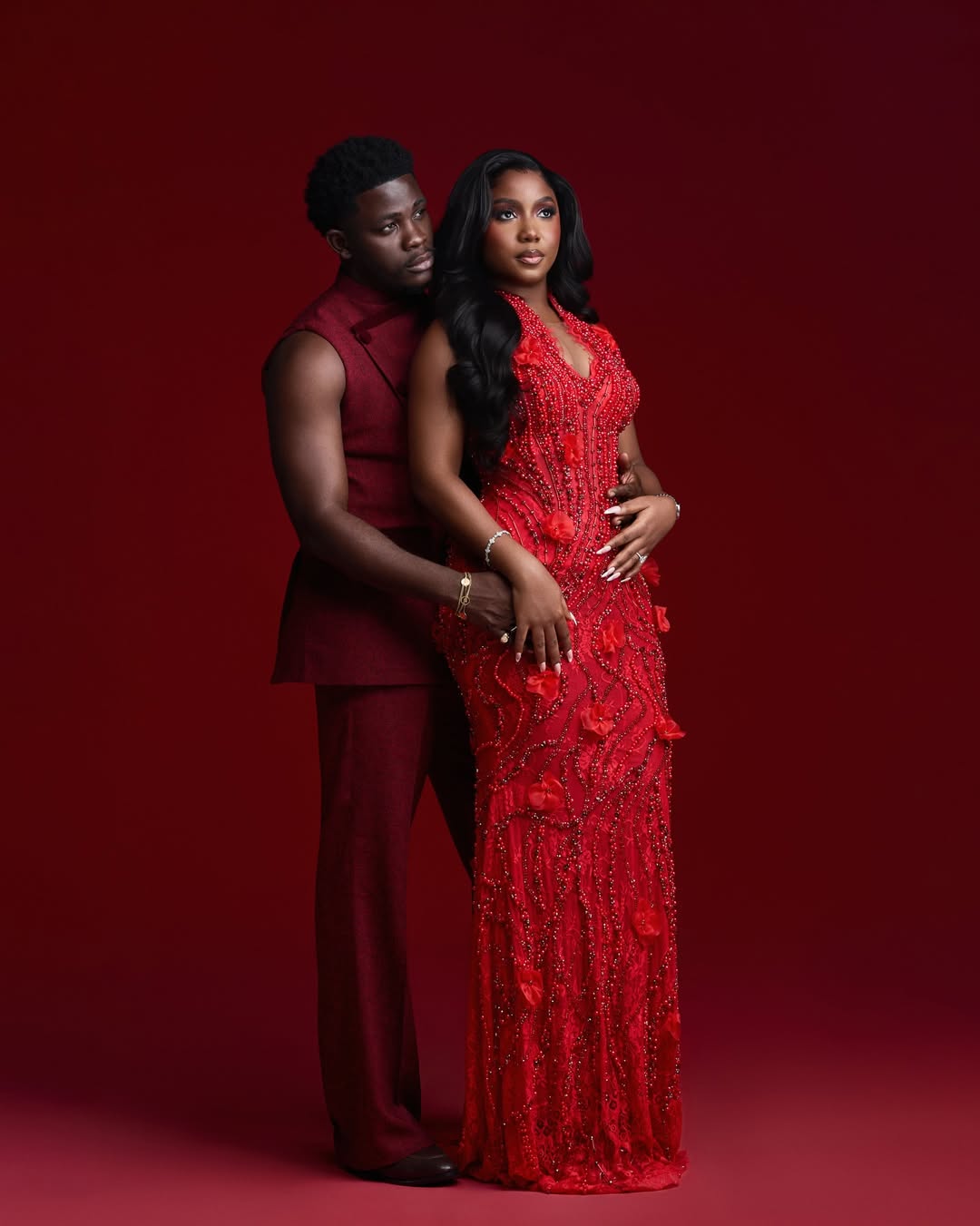
If the denim look represents intimacy, the red couture moment represents visibility.
In one striking frame, Simi appears in a richly detailed red gown while Femi complements the look in a burgundy suit. The colour palette is dramatic and deliberate.
Across many African cultures, red symbolises vitality, celebration, and authority. It is a colour associated with ceremony and emotional intensity.
Placed within a wedding narrative, the styling becomes a declaration of presence. The bride occupies the centre of the frame, confident and commanding attention.
This visual framing reflects a broader cultural shift in Nigerian weddings. Brides are increasingly positioned not simply as decorative figures but as individuals with a voice, ambition and authorship over their image.
Through fashion, the couple’s story also becomes a story about the evolving visibility of women.
The Boubou Moment: Where Love Meets Entrepreneurship
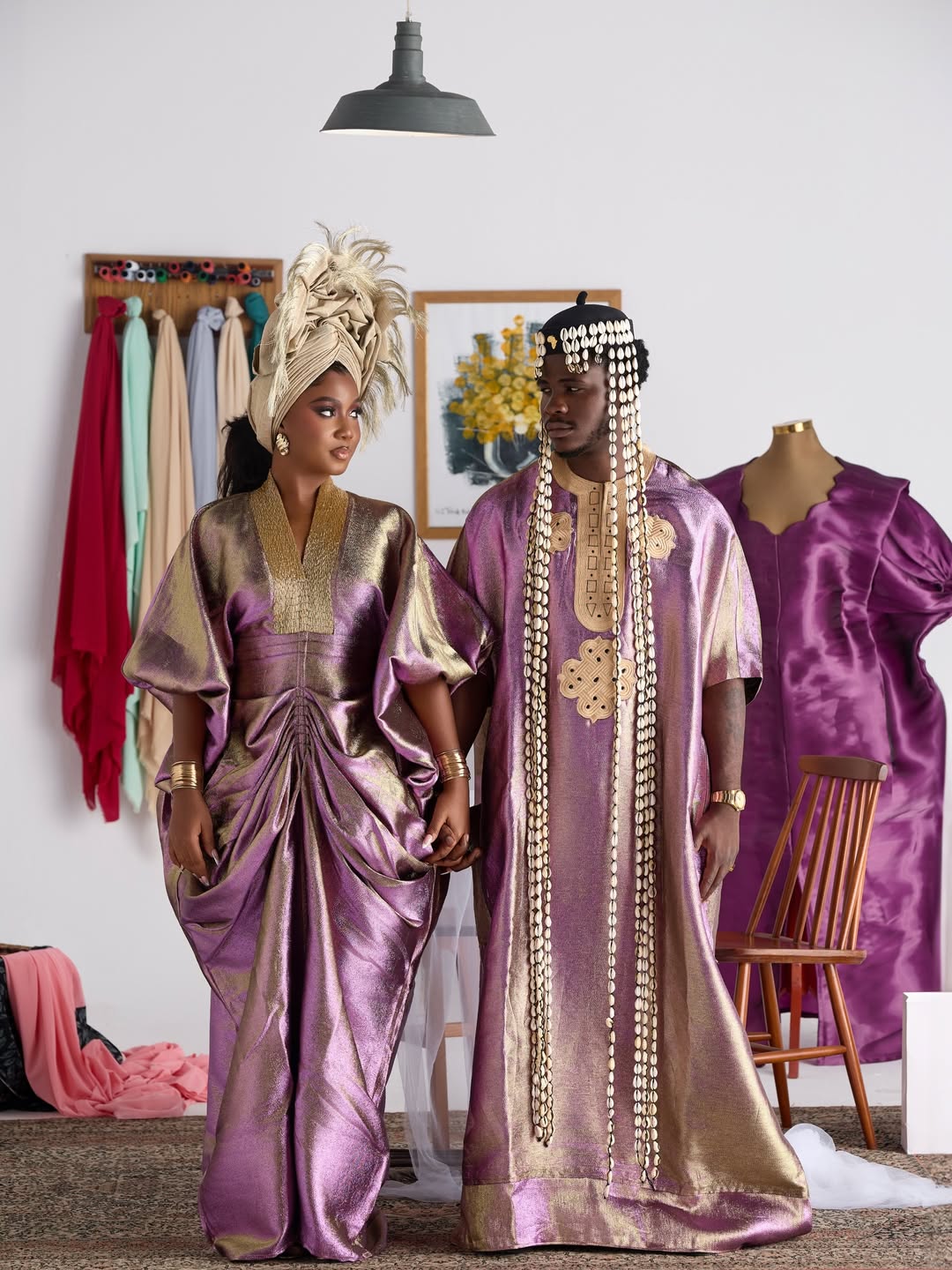
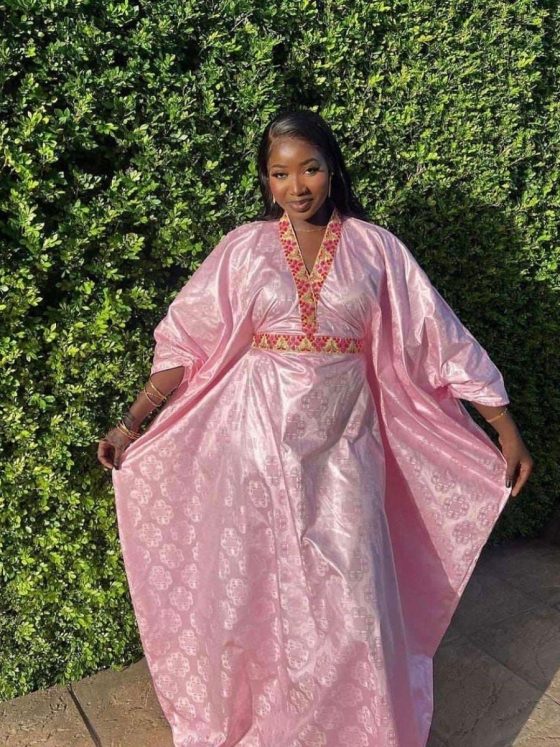
Among the most culturally interesting looks in the series is the moment when both Simi and Femi appear in flowing boubou outfits.
The Boubou holds deep meaning across West Africa. Known for its wide sleeves and generous silhouette, it blends elegance with comfort. Historically worn across several regions, the piece reflects the idea that style can be expressive without being restrictive.
In the context of this shoot, the boubou moment carries an additional layer.
Simi herself sells boubou designs through her fashion business. By choosing the garment for a pre-wedding look and dressing both herself and her partner in it, she turns the photoshoot into a quiet act of brand storytelling.
This is significant for two reasons.
First, it reflects the reality that many modern brides are entrepreneurs whose identities extend far beyond the wedding day.
Second, it shows how weddings have become platforms where personal narratives and professional ambitions intersect.
Instead of separating her business from her love story, Simi integrates it into the visual narrative. The garment becomes both cultural attire and entrepreneurial statement.
The message is subtle but powerful: the bride is not leaving behind her ambitions as she enters marriage. She carries them forward.
Read Also:
Cinema, Culture and the Influence of Visual Storytelling
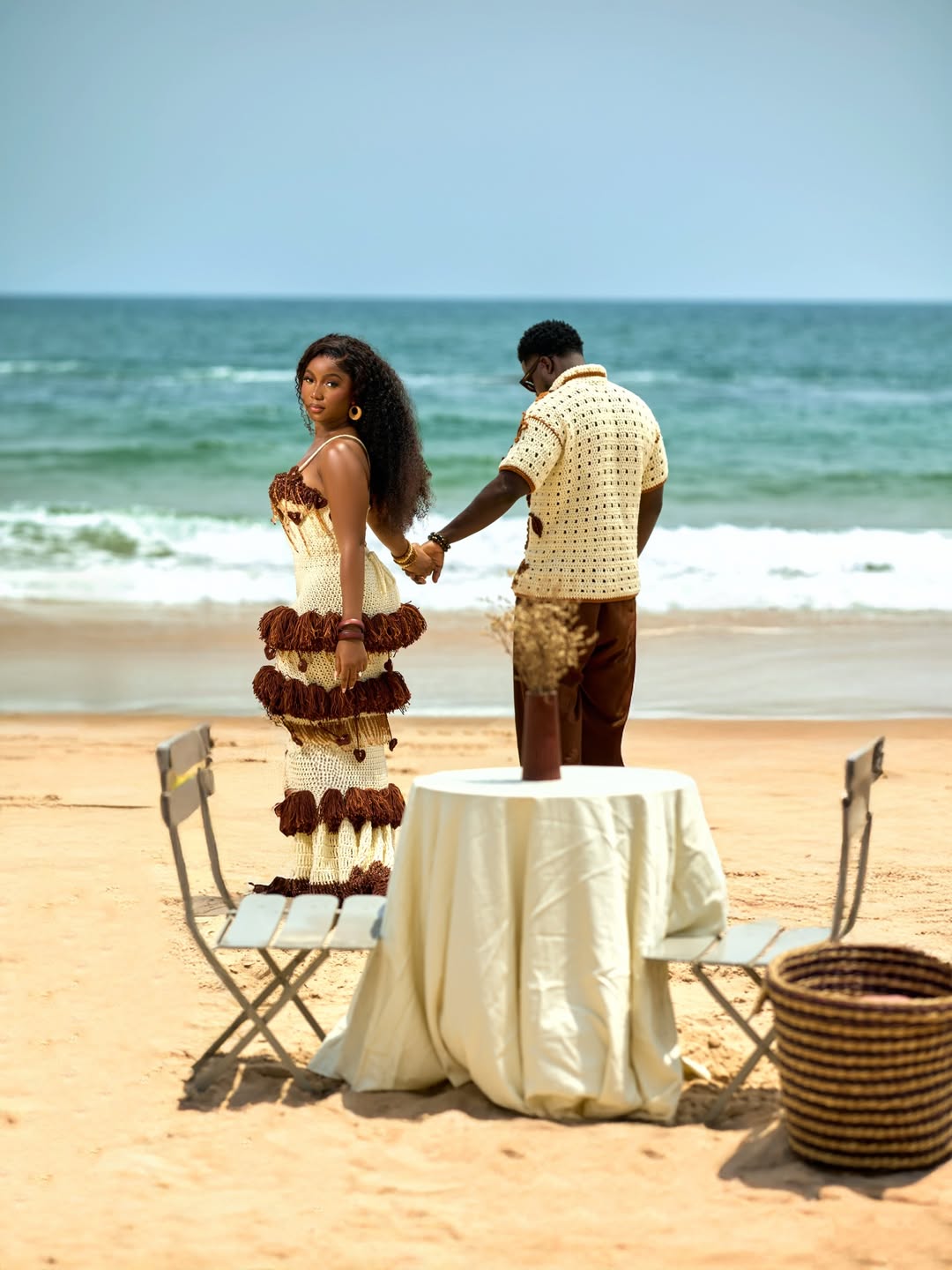
Another dimension of the couple’s pre-wedding imagery draws inspiration from cinematic aesthetics, reflecting Femi’s connection to film production.
This influence is not surprising within Nigeria’s cultural landscape. The storytelling traditions of Nollywood have shaped how romance and drama are visually understood across the country.
As a result, many pre-wedding shoots now adopt a film-still structure. Lighting, costume and setting combine to produce scenes rather than simple portraits.
In this environment, couples become both subjects and storytellers.
Their relationship is framed not just as a private bond but as a narrative worth sharing with a wider audience.
Hair, Beauty and Cultural Meaning
Fashion in African storytelling is inseparable from hair and beauty. These elements often carry symbolic meaning tied to identity and life transitions.
Across the couple’s photos, Simi’s hairstyles shift from soft waves to more sculpted bridal styling. These changes reflect the cultural belief that weddings mark a transition to a new stage of life.
Hair in many African traditions has long communicated maturity, status and personal expression. When styled for weddings, it often signals movement from one life phase to another.
Conclusion
The pre-wedding fashion journey of Simi Sanya and Femi Dapson reveals how contemporary Nigerian weddings are evolving into rich visual narratives.
Through denim simplicity, dramatic couture and the culturally grounded boubou moment, the couple presents a layered story about love, identity, and ambition.
Perhaps the most compelling aspect of the narrative is how it centres the bride as both partner and entrepreneur. By wearing and showcasing the boubou she sells, Simi integrates her business into the celebration of her relationship.
The result is a portrait of a modern partnership in which love does not erase individuality. Instead, it creates space for both people to bring their full identities into the story.
In this way, wedding fashion becomes more than clothing.
It becomes a record of culture, aspiration and the many roles a woman carries with confidence into marriage.
FAQs
- Why are pre-wedding photoshoots so elaborate in Nigeria?
They have evolved into storytelling platforms where couples express identity, culture and personality before the wedding ceremony.
- What is the cultural significance of the boubou in West Africa?
The boubou is a traditional flowing garment associated with elegance, comfort and ceremonial dressing across several West African cultures.
- How did Simi Sanya incorporate her business into the pre-wedding shoot?
She wore and showcased a boubou design connected to her fashion business, turning the photoshoot into subtle brand storytelling.
- Why is fashion central to Nigerian wedding culture?
Clothing communicates celebration, status, and cultural pride. It allows couples to visually express their personal and cultural identities.
- How has social media influenced wedding storytelling?
Platforms like Instagram allow couples to share curated visual narratives, turning pre-wedding shoots into widely viewed cultural moments.